10 Foods That Were Once Illegal And Later Allowed
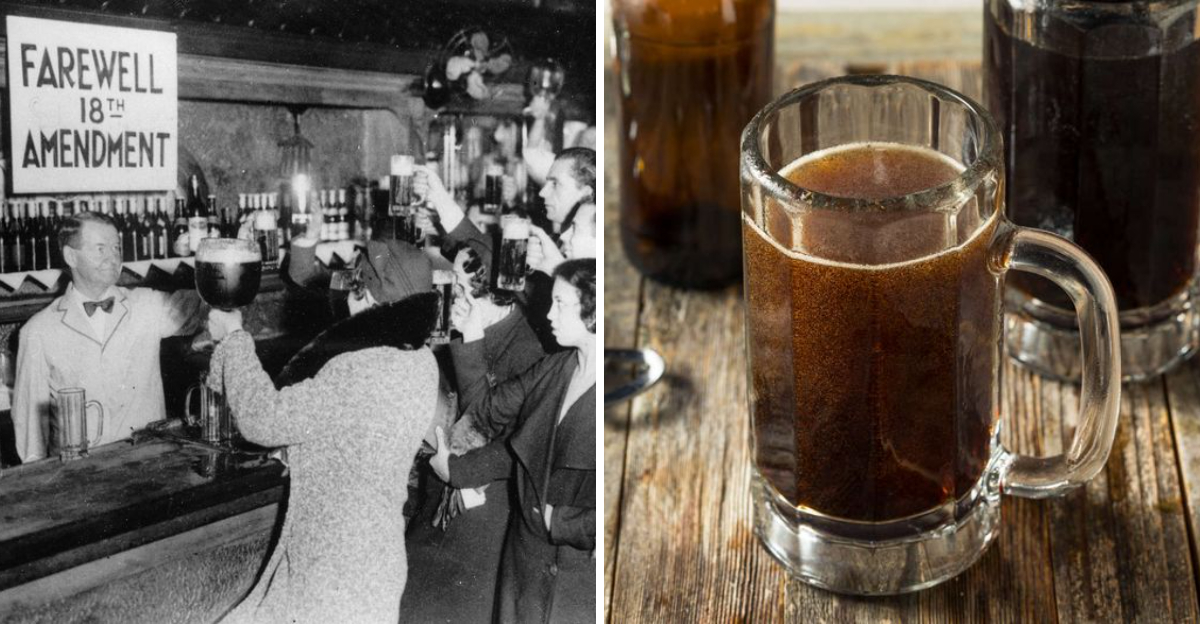
Some foods were once banned not because they tasted bad, but because people were scared, confused, or trying to control markets. From Prohibition to pufferfish, rules swung hard, then softened with regulations.
You will see how safety science, trade politics, and culture shaped what ended up on your plate. Get ready to spot a few surprises you might have in your pantry now.
1. Alcohol in the United States (Prohibition era)
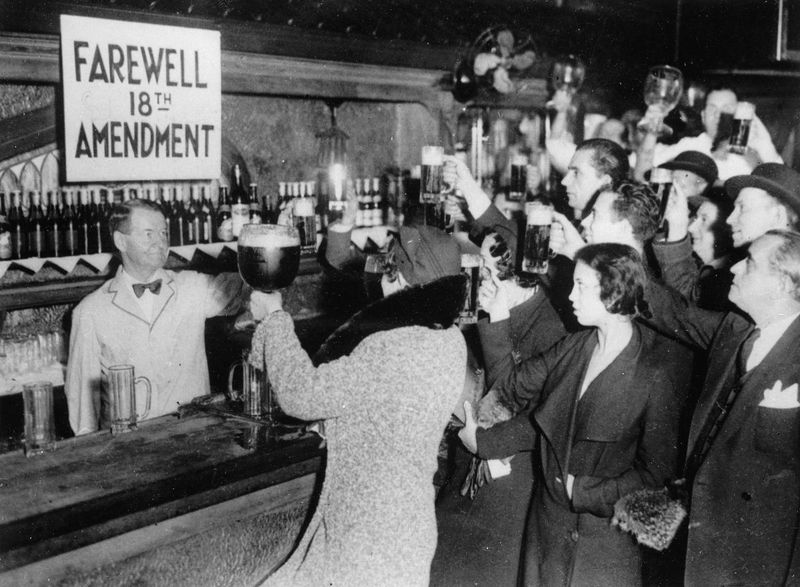
Imagine walking past a bakery and discovering a secret door to a speakeasy. That was alcohol during Prohibition, when making, selling, and transporting booze went off limits nationwide.
People still drank, just in riskier ways, fueling bootlegging, organized crime, and a culture of whispered passwords.
When the 21st Amendment ended the ban, alcohol returned with strings attached. States carved up control, creating licensing, age limits, dry counties, and strict hours.
You still feel those echoes at closing time, on beer labels, and in ID checks.
Today, you can grab a craft IPA or bourbon legally, but regulation shadows every sip. The lesson is simple: bans can push markets underground, while rules reshape them aboveboard.
2. Homebrewed beer and wine in the United States

After Prohibition ended, drinking was back, but brewing at home remained a legal gray area for decades. Many hobbyists tinkered quietly, swapping tips on yeast strains and bottle bombs.
The culture was there, waiting for permission to flourish.
Federal legalization of homebrewing in the late 1970s opened the floodgates. You got homebrew clubs, competitions, and that friend who insists you try their saison.
The movement seeded the craft beer boom, helping small breweries grow from garages to taprooms.
Rules still apply, like volume limits and no selling without licenses. But for creativity in a carboy, the law finally caught up.
Your kitchen can be a tiny, bubbly lab, perfectly legal and endlessly fun.
3. Absinthe in the United States
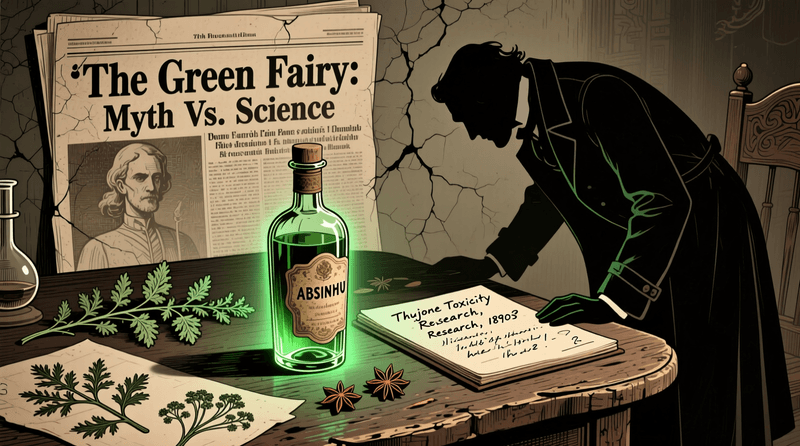
Absinthe earned a wild reputation, blamed for madness and mayhem more than evidence ever supported. The real issue was thujone content from wormwood, mixed with moral panic and fuzzy science.
So shelves went bare, and the Green Fairy became a whispered legend.
Decades later, regulators revisited the data and set modern thujone limits. With clear labeling and compliance, absinthe returned legally, tasting herbal, anise-forward, and theatrical with that louche clouding ritual.
You can enjoy the mystique without the myths.
Today, craft distillers make compliant versions that honor tradition. Pour slowly over the sugar cube, watch the transformation, and sip thoughtfully.
Sometimes rules refine a ritual rather than erase it.
4. Ackee in the United States
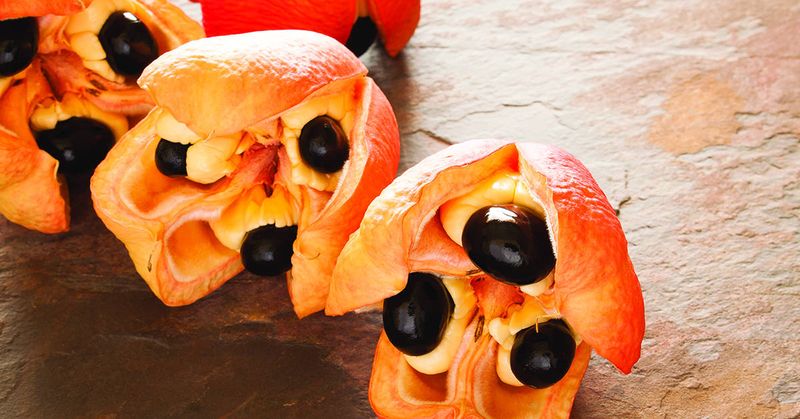
Ackee is Jamaica’s beloved fruit, buttery and savory when properly prepared. But unripe or mishandled, it can cause hypoglycin poisoning, which terrified regulators.
Imports were blocked or tightly restricted, and many Americans only heard scary headlines.
Food safety rules changed the story. Properly processed, canned ackee meeting toxin thresholds earned approval, with strict testing and documentation.
You can now find it on specialty shelves and recreate ackee and saltfish without fear.
Respect is part of the recipe: never eat unripe pods, and always choose trusted brands. Regulations made tradition portable and predictable.
That first bite feels like sun on a plate, with safety checks humming quietly in the background.
5. “Real” sassafras root beer (safrole issue)
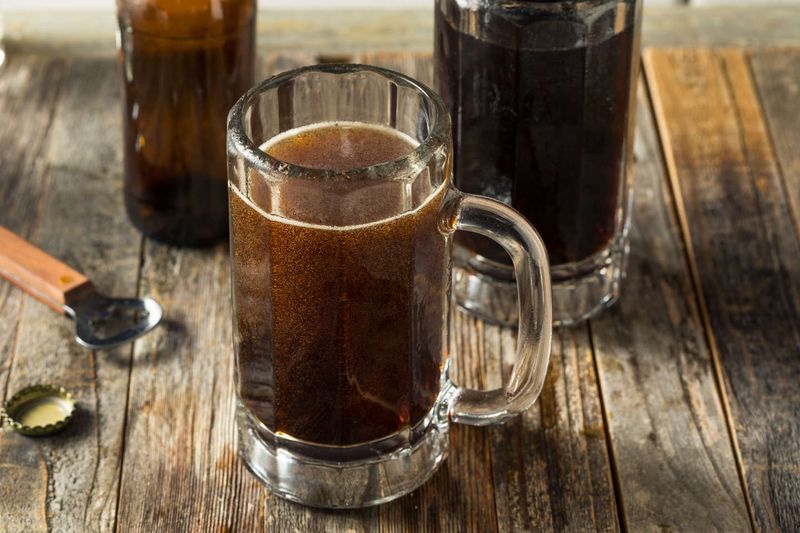
Old-school root beer got its kick from sassafras, which naturally contains safrole. When safrole was flagged as a carcinogenic additive, regulators pulled the plug on the real-deal flavoring.
The drink survived, but its heart had to change.
Food science stepped in. Producers started using safrole-free sassafras extracts and other botanicals to echo the original profile.
You still get that creamy, woodsy sweetness, just minus the problematic compound.
Look closely at labels and you will see “natural flavors” doing careful work. Tradition adapted through chemistry, keeping nostalgia in the glass.
It is a reminder that flavor memories can be protected while health risks are reduced through smart reformulation.
6. Caffeinated alcoholic energy drinks in the United States
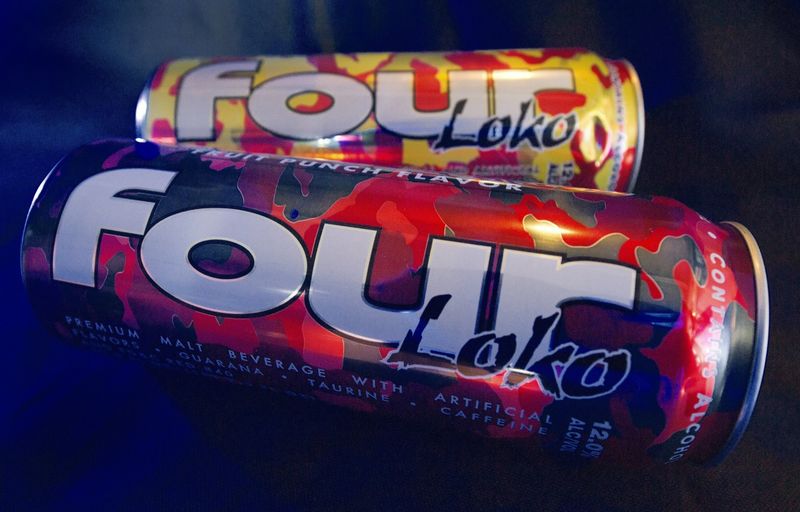
For a hot minute, shelves filled with premixed cans that married booze and caffeine. The combo masked intoxication, and emergency rooms noticed.
Regulators pressured companies, and those original formulas vanished fast.
But the market did not disappear. Reformulated versions came back without added caffeine, focusing on flavor and branding instead of a jolt.
You can still mix your own, but the ready-to-drink buzz is legally tamed.
It shows how safety concerns can reshape convenience culture. Packaging looks similar, yet the contents changed for good reason.
If you want energy, grab coffee. If you want a drink, sip slowly.
Your body appreciates the separation more than you think.
7. Chewing gum in Singapore

Chewing gum sounds harmless until a city battles sticky chaos in public spaces. Singapore famously cracked down, restricting import and sale to keep trains and streets spotless.
Travelers swapped stories about gum being contraband, and customs bins filled with minty regrets.
Later, rules eased for medical and dental gums under strict controls. Pharmacists could dispense therapeutic options, and cleanliness goals stayed intact.
You can chew with a purpose, just not spit with abandon.
The policy became a global lesson in urban order versus personal habit. It proves compromise can work when outcomes are clear.
In Singapore, even small snacks meet big expectations, balancing practicality with precision enforcement.
8. Hemp foods in the United States
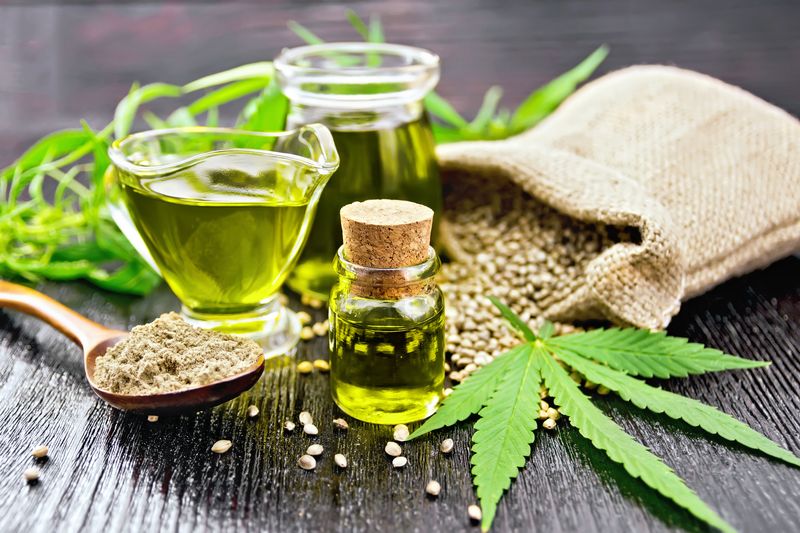
For years, hemp shared cannabis stigma, even when it was just seeds headed for smoothies. Regulations bundled it with marijuana, complicating farming, imports, and labeling.
Shoppers were curious, but shelves stayed thin.
Legal shifts carved hemp out as a low-THC crop and clarified food uses. Suddenly, hemp hearts, protein powder, and oil arrived with nutrition facts and clean sourcing.
You could sprinkle nutty crunch over yogurt without side-eye.
Today, hemp foods live beside chia and flax in ordinary aisles. Testing, traceability, and honest marketing keep everything aboveboard.
The bigger lesson: sensible definitions unlock everyday choices, letting you enjoy plant power while rules keep psychoactive worries out of the grocery cart.
9. Fugu (pufferfish) outside Japan
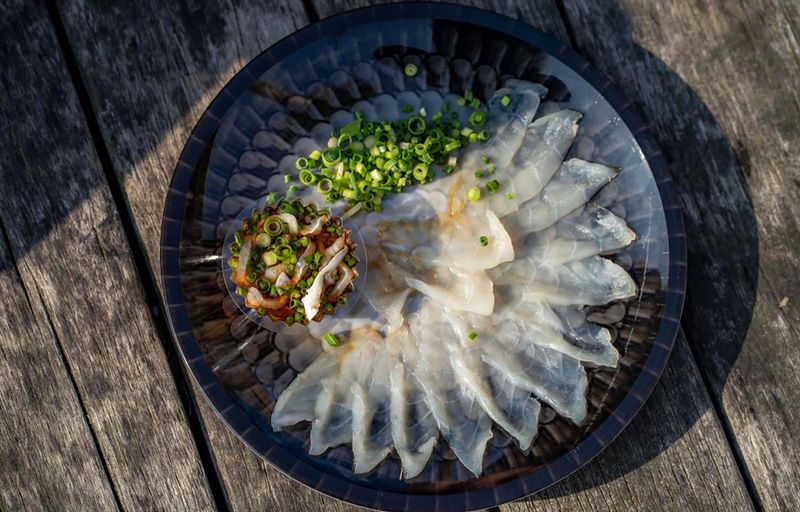
Fugu’s danger is real: improperly handled pufferfish can be lethal. Many countries banned it outright or allowed only narrow exceptions.
Curiosity never died, but caution ruled the menu.
Where it returned, rules got very specific. Only licensed chefs, approved suppliers, and documented training opened the door.
You can order fugu sashimi in certain cities, but you are really buying skill and oversight.
The thrill is tempered by trust. Transparent sourcing and seasonal controls make the experience rare and expensive.
If you try it, respect the system that makes it possible. Some delicacies are not just flavors, but frameworks of safety built plate by plate.
10. Colored margarine (yellow margarine laws)
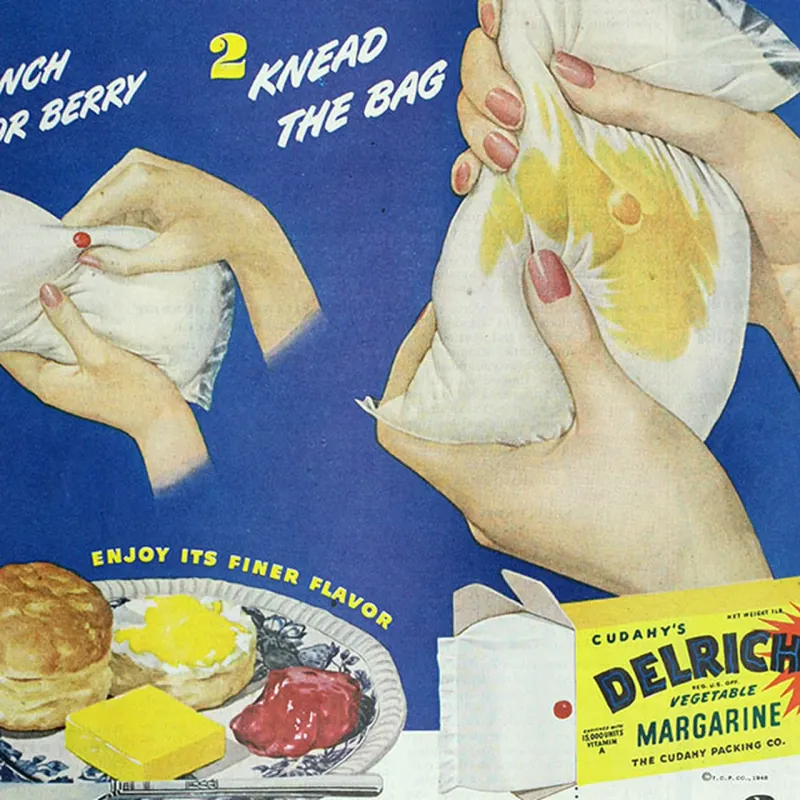
Butter had powerful allies, and margarine paid the price. Laws once barred yellow coloring so margarine would not resemble butter, sometimes taxing or restricting sales.
People even sold color capsules to knead into pale tubs at home, a small rebellion at the breakfast table.
As markets shifted and courts weighed in, those rules faded. Margarine turned sunny, labels got clearer, and shoppers chose based on price, taste, and nutrition.
You could finally spread without a history lesson.
The saga shows how policy can sculpt perception. Color sounds trivial, yet it shaped buying habits for decades.
Today’s choices look simple because yesterday’s battles were loud, and ultimately, repealed in favor of straightforward competition.