10 Japanese Dishes Met With Caution And 10 Embraced By American Diners
Japanese cuisine can be both thrilling and intimidating when you first explore beyond the usual favorites. Some dishes challenge expectations with bold textures, aromas, or ideas, while others feel instantly comforting and familiar.
This list highlights 20 dishes that often make Americans pause, plus 10 that win hearts on the first bite. Use it as a friendly roadmap to try something new with confidence and skip the second guessing.
1. Natto (fermented soybeans)
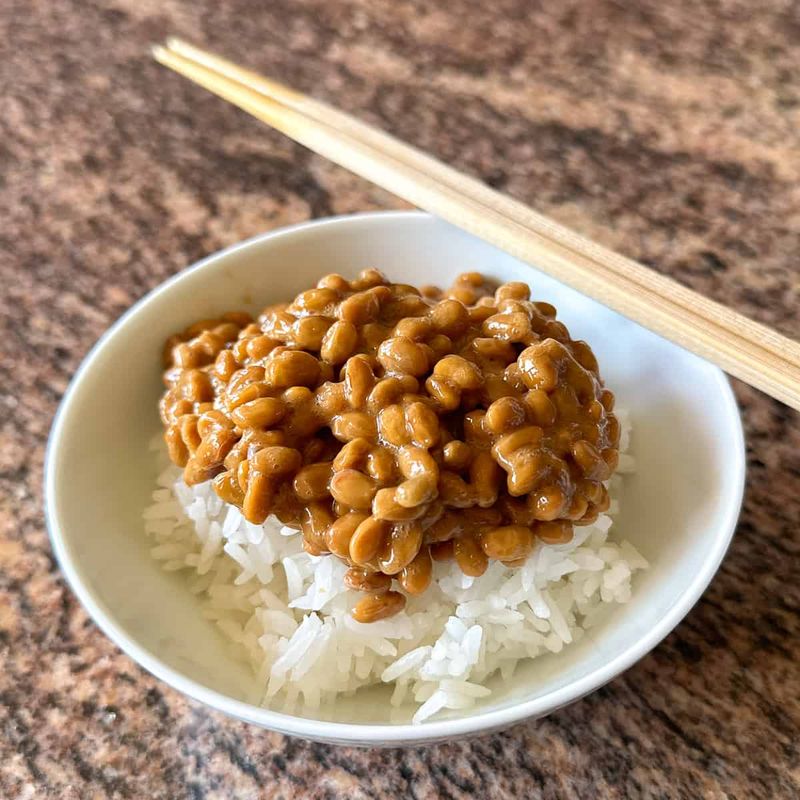
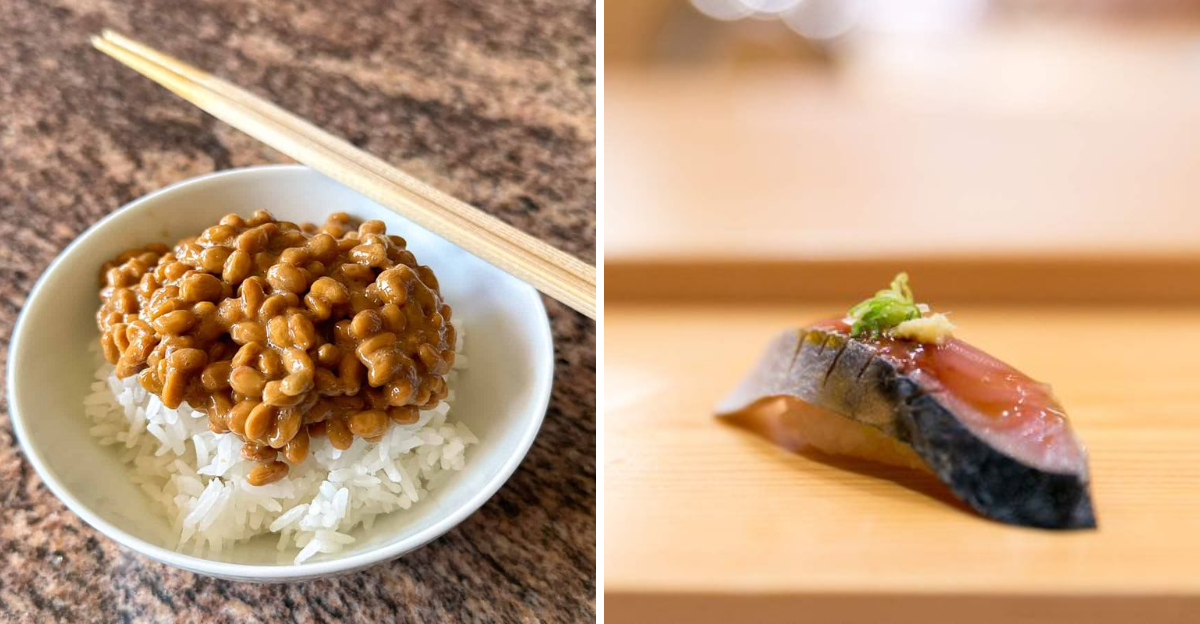
Natto challenges you before the first bite with sticky threads and a bold, earthy aroma. The texture is stringy and slightly slimy, which makes many first-timers hesitate.
Yet with hot rice, a dab of mustard, and soy sauce, it becomes surprisingly cozy and satisfying.
If you enjoy funky cheeses or fermented favorites, natto might actually click. The protein boost is huge, and it feels like a power breakfast.
Start small, mix thoroughly, and chase it with rice to soften the flavor. Soon, the nutty sweetness peeks through.
2. Uni (sea urchin)
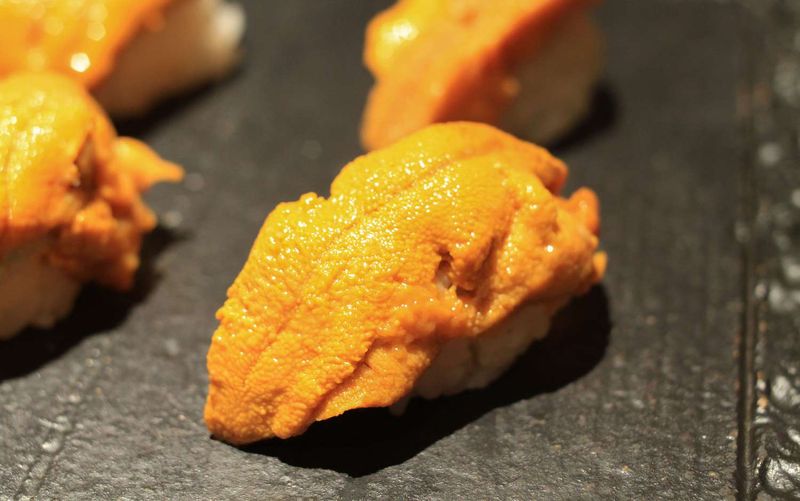
Uni looks like custard from the sea, and the texture can surprise anyone expecting firm fish. It is creamy, briny, and faintly sweet, with a mineral echo that lingers.
Freshness makes or breaks the experience, so trust places known for great seafood.
Start with a small nigiri or a gentle uni pasta to learn the flavor. Pair it with crisp sake to brighten the richness.
If you like oysters and buttery textures, you will probably lean in fast. Otherwise, a single bite is a smart, low-risk test.
3. Shirako (fish milt)
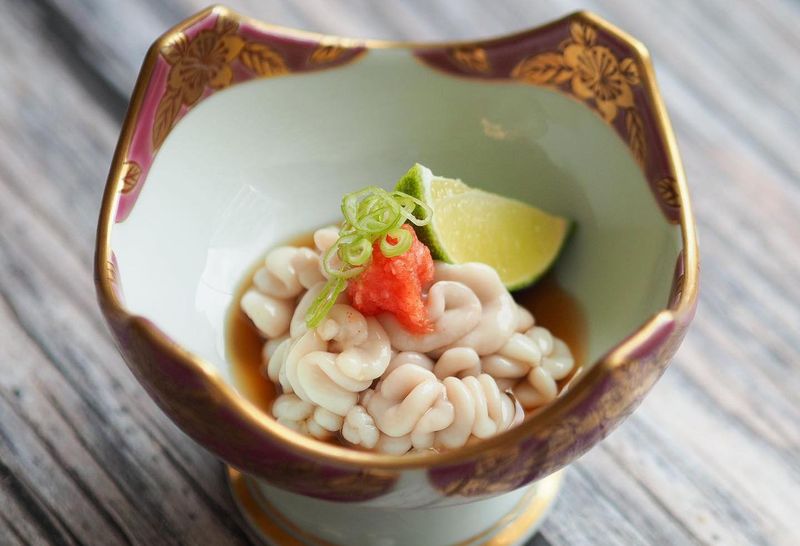
Shirako’s hurdle is mental before it is culinary. The texture is creamy and custardy, especially when gently warmed or lightly seared.
Flavors are delicate, almost milky, made brighter with ponzu and citrus.
You do not need a big portion to understand it. One or two bites are enough to decide if it charms or challenges you.
Ask for a simple preparation first. If you appreciate silky textures like chawanmushi or foie gras torchon, shirako might land as luxuriously subtle rather than shocking.
4. Basashi (raw horse meat)
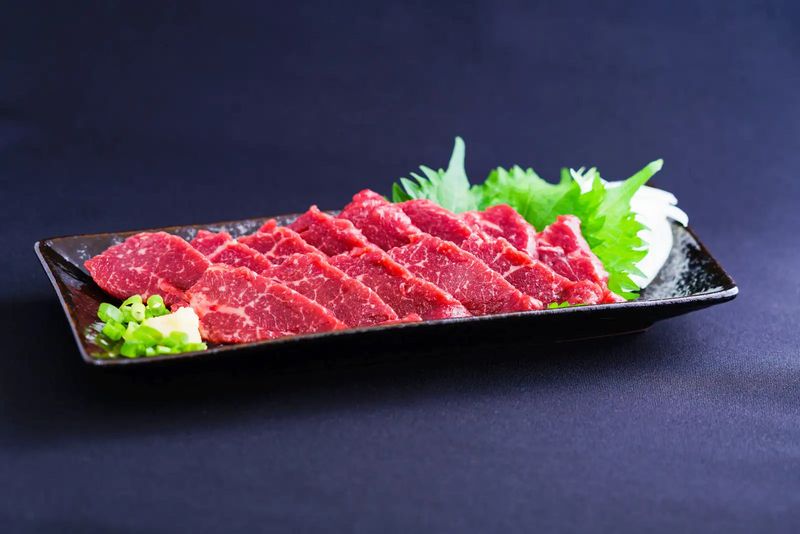
Basashi pushes boundaries because of cultural norms and the raw factor. Flavor is clean and slightly sweet, often compared to lean beef with a softer bite.
Traditional garnishes like ginger, garlic, and shoyu help it shine.
If you try it, choose a reputable restaurant with strict sourcing. Start with a single slice and let it linger to catch the sweetness.
You might find it surprisingly gentle rather than gamey. Still, it is okay to pass if the idea feels uncomfortable.
Curiosity and respect can coexist at the table.
5. Raw oyster-style items (nama kaki)
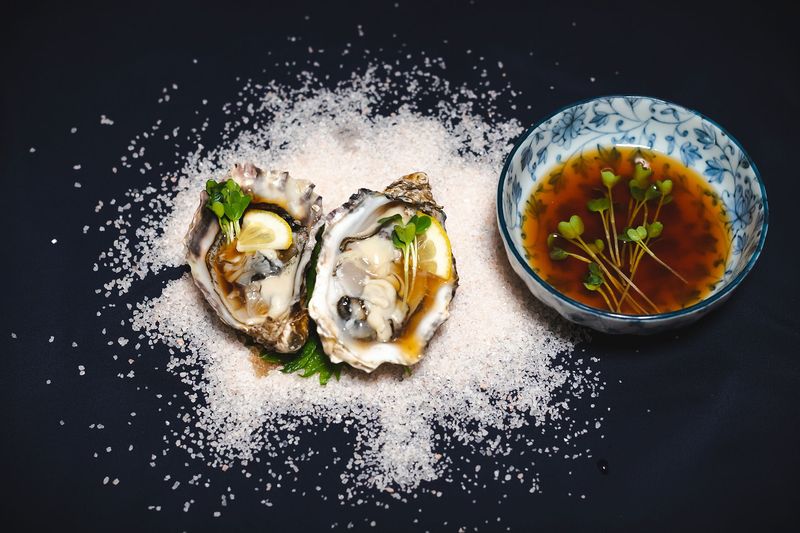
Raw oyster-style bites bring a cold, slippery texture that is delightful to some and daunting to others. Japanese versions lean clean and bright, often dressed with ponzu, grated daikon, or citrus.
The ocean flavor is pure and lingering.
Freshness is everything, so pick trusted spots and peak seasons. If you are unsure, try one oyster and chase with crisp beer or sparkling water.
A tiny squeeze of lemon helps. When it clicks, the brininess feels like a seaside breeze and becomes oddly addictive.
6. Ikura (salmon roe)
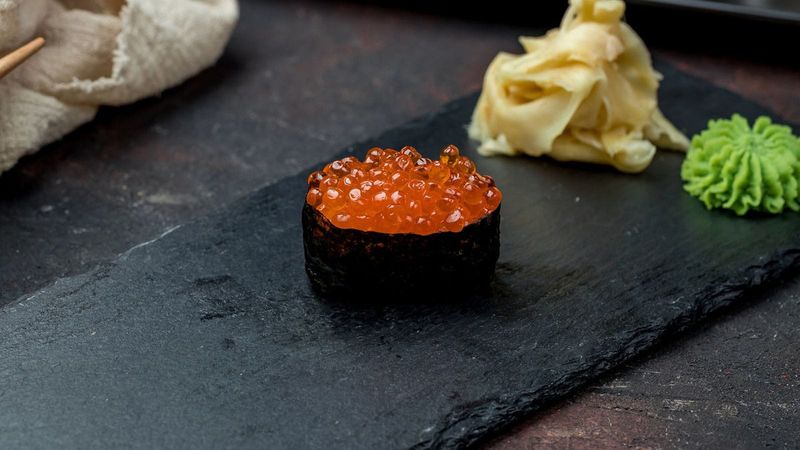
Ikura greets you with a satisfying pop, releasing briny salmon richness that some adore and others avoid. The glossy pearls look beautiful but can feel intense for first-timers.
A little goes a long way, especially over warm rice.
Start with a small gunkan maki to understand the burst and finish. Pair with chilled sake to cleanse the palate.
If you enjoy caviar or tobiko, ikura likely lands well. If not, try it in small amounts mixed into chirashi for balance and control.
7. Octopus (chewier preparations)
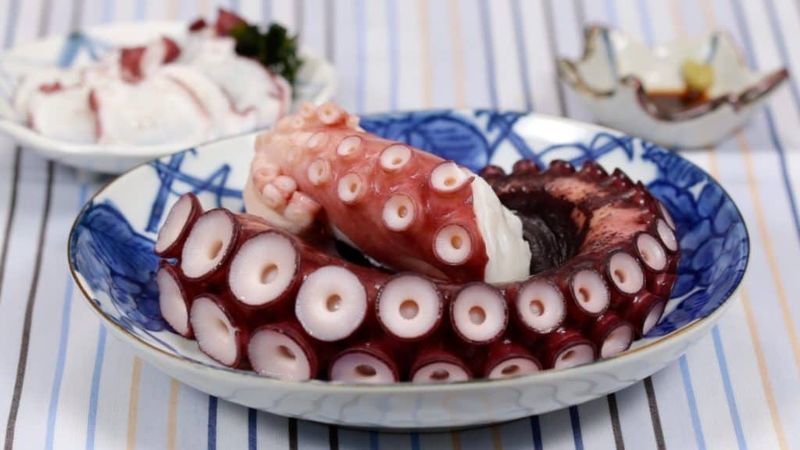
Octopus can be tender or stubbornly chewy, depending on technique. When cooked well, it is pleasantly bouncy with a gentle sea sweetness.
Overcooked versions feel rubbery, which is where many people get turned off.
Try it at shops known for sashimi or takoyaki to see the best texture. A squeeze of citrus or dab of salt wakes it up.
If you already like squid, octopus might follow easily. If not, start with thinly sliced sashimi or takoyaki for a friendlier entry.
8. Saba (mackerel)
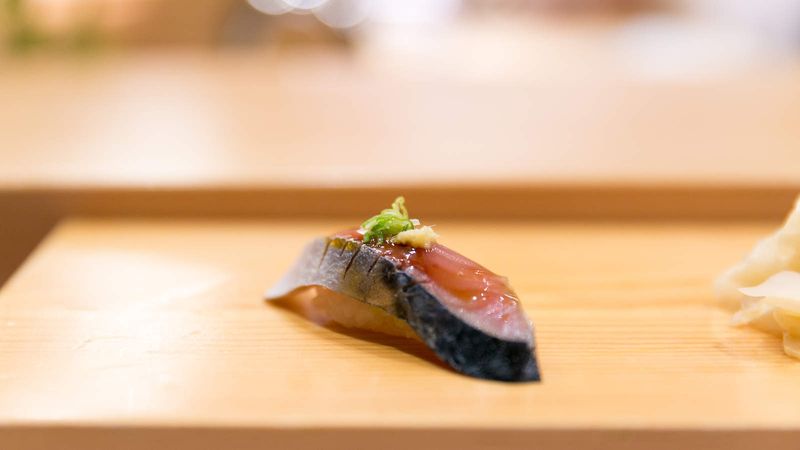
Mackerel brings bold, oily depth that reads as fishy if you are not ready. When handled right, it is vibrant, tangy from vinegar cure, and deeply satisfying.
The skin gleams, the aroma is assertive, and the flavor lingers.
Start with shime saba to experience a balanced cure. Pair with ginger and scallions to lift the richness.
If you love sardines or smoked fish, saba can become a favorite. Otherwise, try a small piece first and follow with milder sushi like salmon.
9. Gizzard or cartilage yakitori
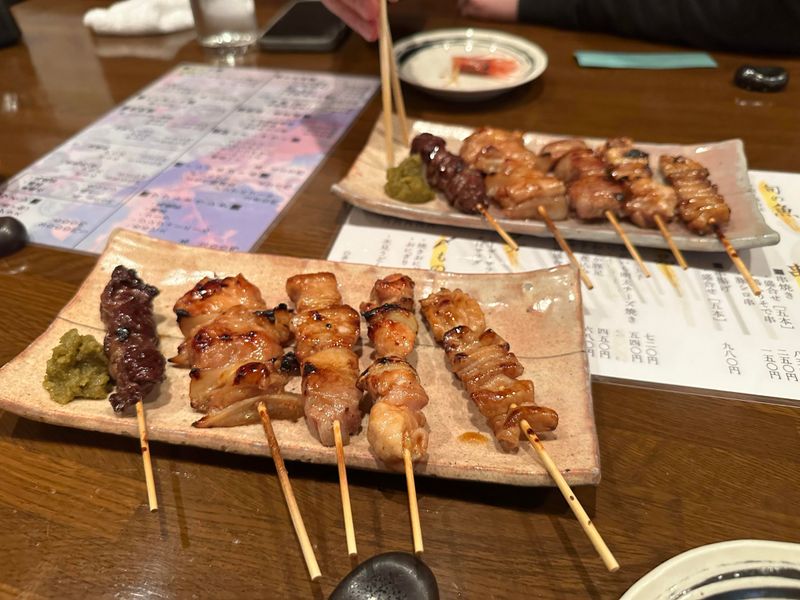
Yakitori goes beyond juicy thigh pieces into textures that crunch and chew in unexpected ways. Gizzards are dense and springy, while cartilage offers a crackly snap.
The flavor is great, especially over binchotan charcoal, but texture can be the hurdle.
Order one skewer to test your comfort zone. A sprinkle of salt or brush of tare helps.
If you enjoy crispy chicken skin, these may grow on you. If not, stick with negima and tsukune while you build courage in small tasty steps.
10. Seaweed-heavy dishes
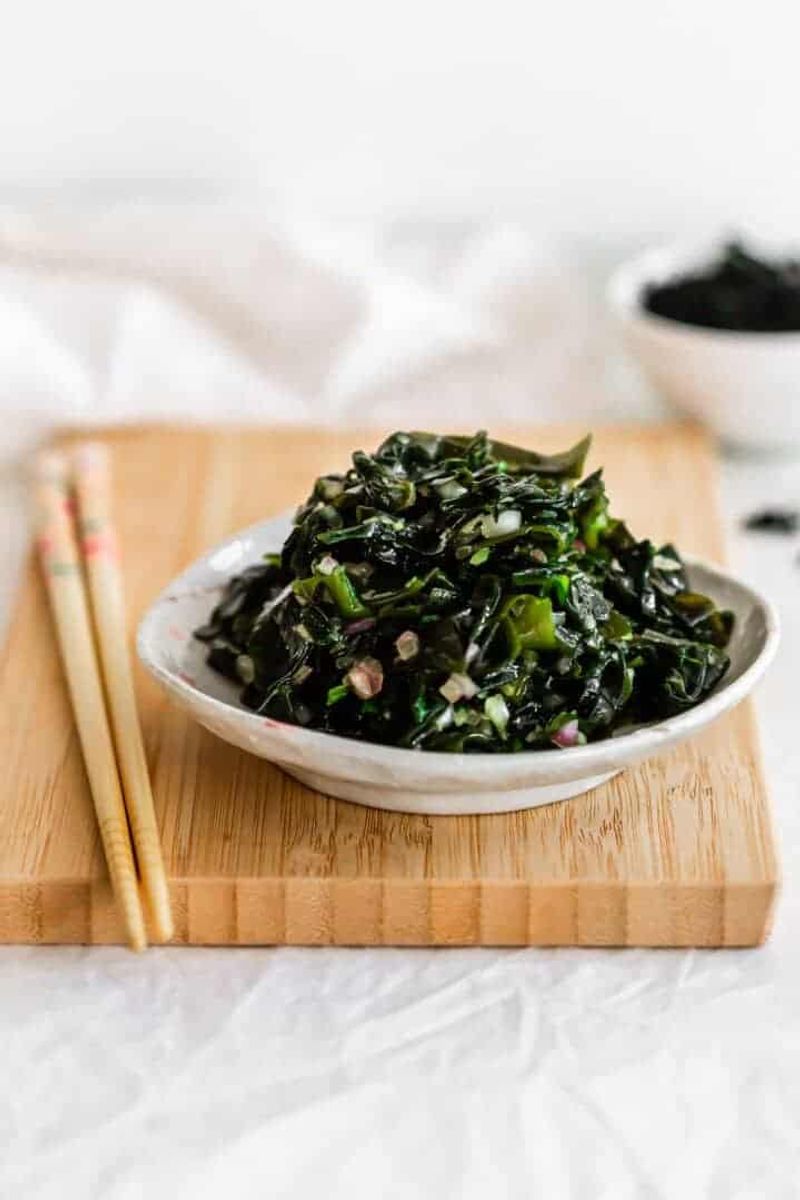
Seaweed can taste intensely marine, especially when kombu or wakame take center stage. The flavors are mineral, briny, and slightly sweet, with a soft, slippery bite.
For some, that screams ocean in a way that feels overwhelming.
Begin with a lightly dressed wakame salad or miso soup to ease in. Toasted sesame and citrus help balance the umami.
Over time, the depth becomes comforting rather than assertive. You may find seaweed turns into a refreshing, nutrient-rich anchor for meals.
11. Nankotsu karaage (fried cartilage)
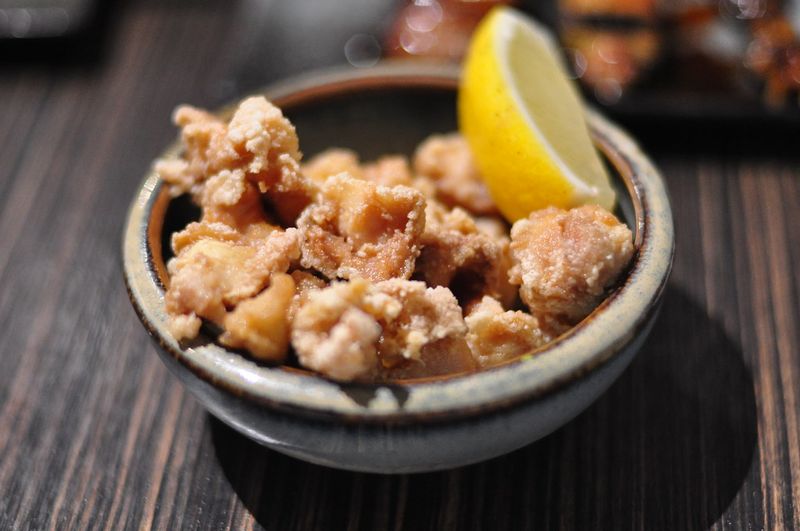
Fried cartilage delivers satisfying crunch followed by a chewy center. The flavor rides on seasoning and the joy of hot, salty bites with beer.
Texture remains the dividing line, even with crisp breading.
If you enjoy chips and cracklings, you might love this izakaya classic. Squeeze lemon, dip in mayo, and eat while sizzling fresh.
Order a small portion first. It is a playful snack that teaches you how much texture shapes taste.
12. Horumon (offal)
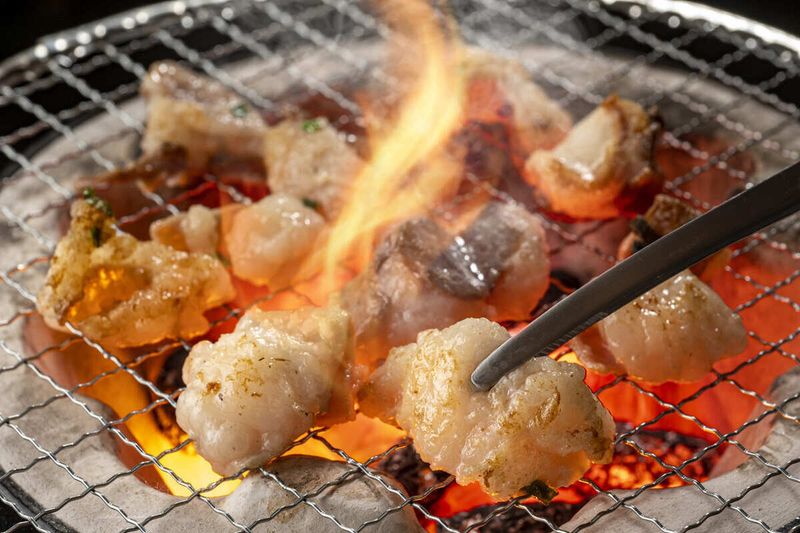
Horumon brings a spectrum of textures from snappy heart to rich, bouncy intestine. Grilled over high heat, it gets smoky, caramelized edges that taste fantastic.
The idea of offal, though, can be tougher than the food itself.
Start with milder cuts and plenty of dipping sauce. A quick char keeps things springy rather than rubbery.
If you enjoy barbecue and bold flavors, horumon can be exciting. Otherwise, one or two bites may be enough to appreciate the craft and move on.
13. Shiokara (fermented seafood)
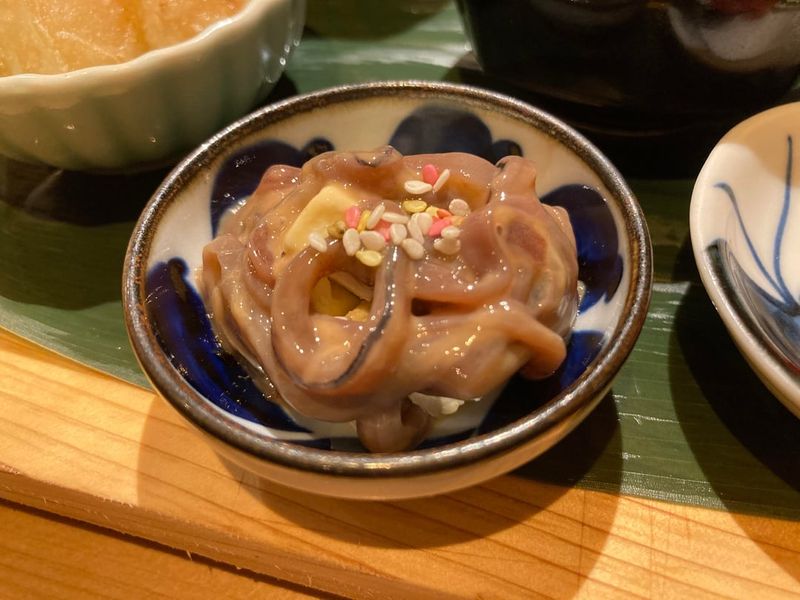
Shiokara is concentrated ocean in a spoonful, salty and powerfully savory. The texture is sticky and soft, often made from squid innards.
It pairs best with strong drinks and tiny bites.
If you love anchovies and blue cheese, this might intrigue you. Try a rice chaser or cucumber slice for balance.
The key is moderation. A little goes far, and the complexity can bloom slowly as you sip and snack.
14. Nizakana (simmered fish with bones)
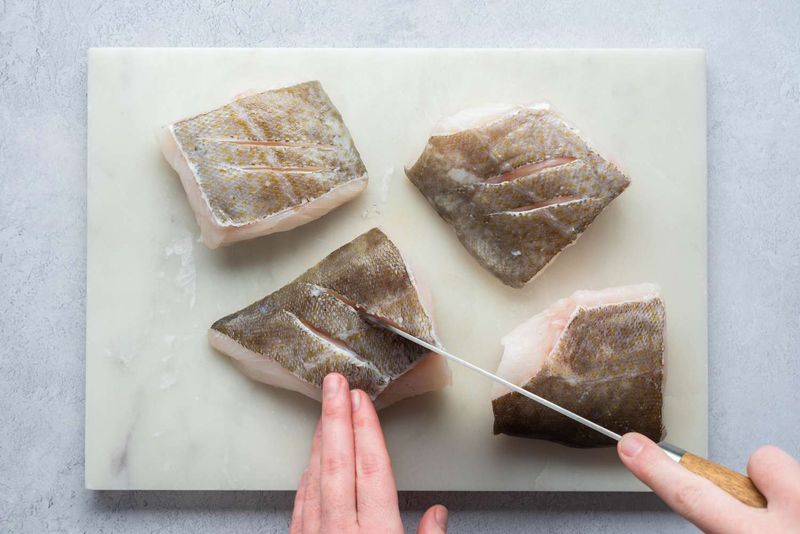
Nizakana showcases whole fish, bones and all, simmered in a sweet-savory broth. Flavors are gentle yet deep, while textures range from silky belly to delicate flakes.
The bones can intimidate diners used to boneless fillets.
Take small bites and follow the grain to avoid pinbones. Ginger helps brighten the sauce and cut richness.
If you enjoy eating whole fish elsewhere, this will feel welcoming. Otherwise, share with someone comfortable navigating the structure.
15. Sunomono with jellyfish
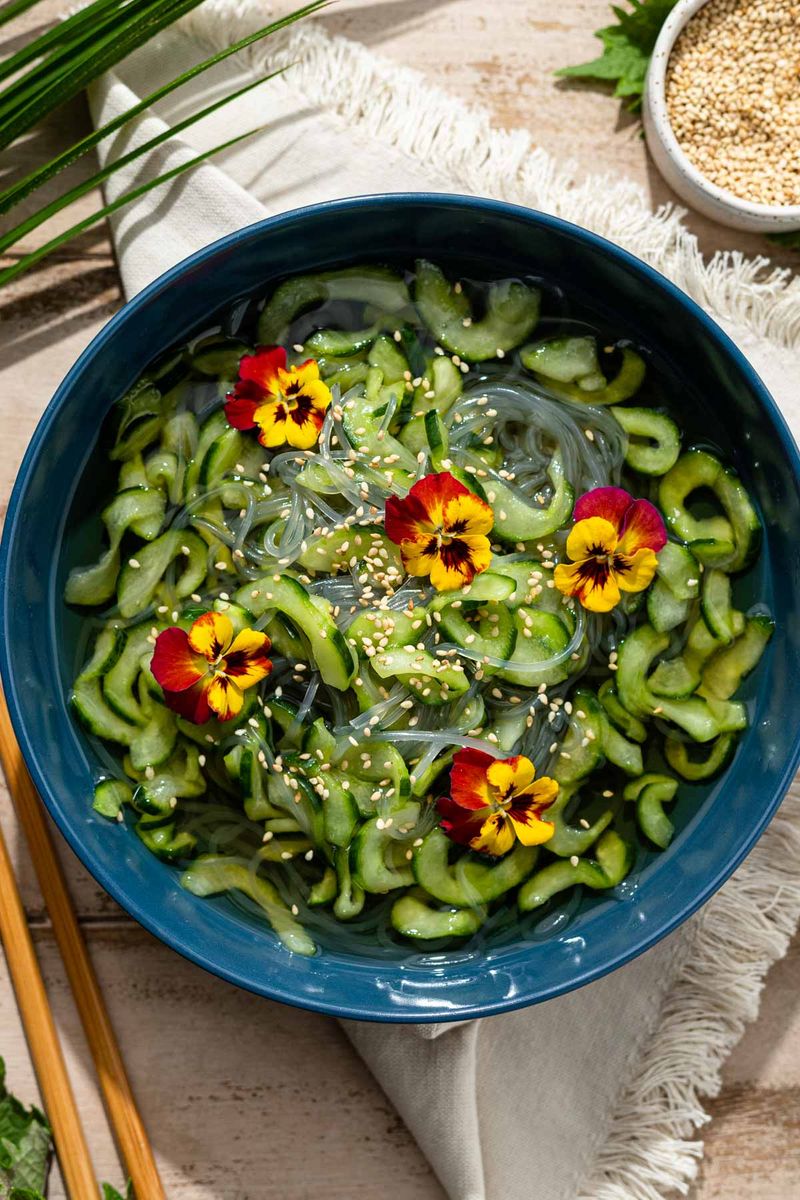
Jellyfish salad is all about texture: crisp, bouncy, and cool. The vinegar dressing is refreshing, making each bite bright and tangy.
For newcomers, the springy chew can feel unusual despite mild flavor.
Think of it like cucumber salad with an extra snap. Add sesame for nuttiness and a hint of chili for warmth.
If you like crunchy pickles, this could be a surprising hit. If not, a small tasting spoon is the perfect commitment.
16. Kujira (whale) – historical context
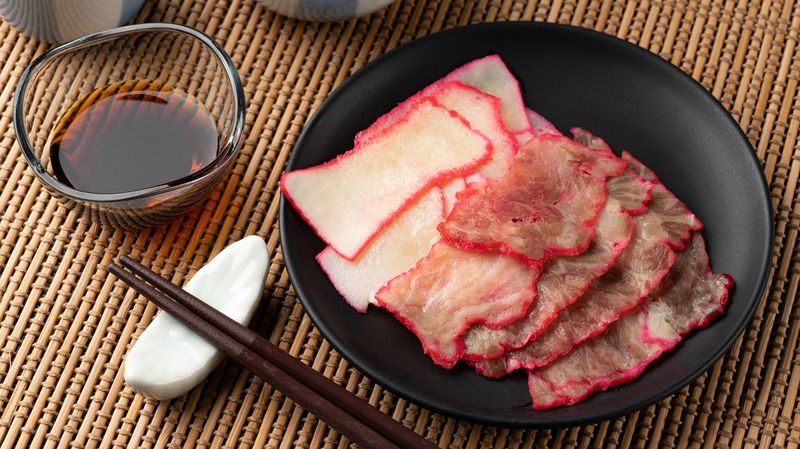
Kujira appears rarely and carries heavy historical and ethical context. Some regions once used it for school lunches, and a few specialty shops still serve it today.
The flavor is strong and meaty, but controversy often overshadows taste.
Most travelers will never encounter it, and many choose to abstain. Understanding the background helps explain why it sparks debate.
If it comes up, approach with curiosity and sensitivity. Food tells stories, and this one is complicated.
17. Namako (sea cucumber)
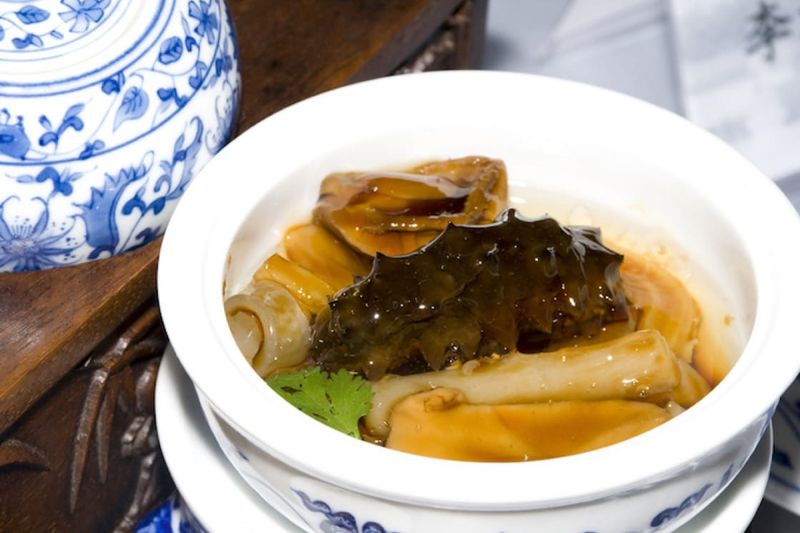
Sea cucumber challenges with a crunchy-gel texture that is unlike typical seafood. Flavor is subtle, leaning on sauces like ponzu for sparkle.
It is prized for mouthfeel, not bold taste.
If you are texture-curious, this is a fascinating experiment. Ask for thin slices to keep it crisp and clean.
Pair with chilled sake to refresh the palate. A couple of bites reveal why some diners become devoted fans of its strange charm.
18. Inago no tsukudani (locusts)
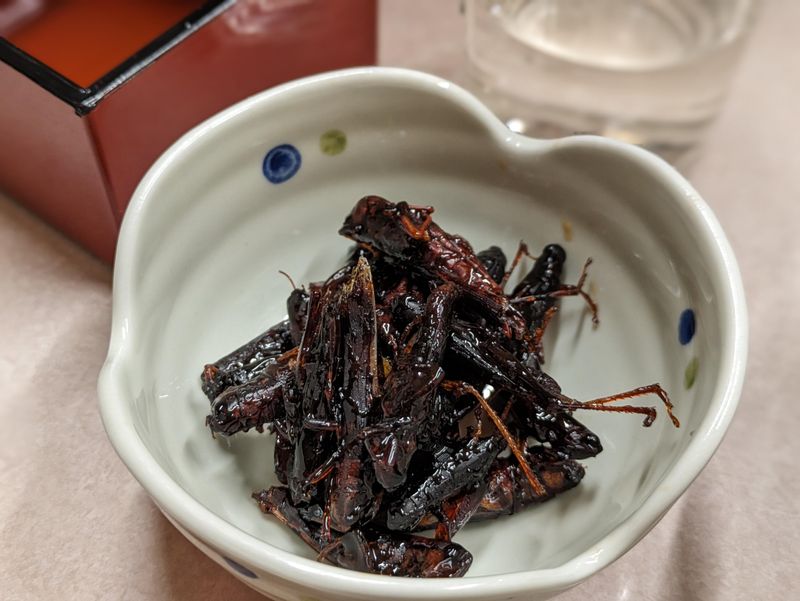
Inago no tsukudani is sweet-savory and deeply umami, thanks to soy, mirin, and slow simmering. The locusts are crunchy at first, then chewy, delivering a nutty finish.
Cultural curiosity bumps against the mental image here.
If you approach it like crispy snacks, it can be surprisingly tasty. Take a tiny portion and focus on flavor, not form.
It is a conversation starter that doubles as a historic preserved food. Respect and open-mindedness go a long way.
19. Fugu (pufferfish)
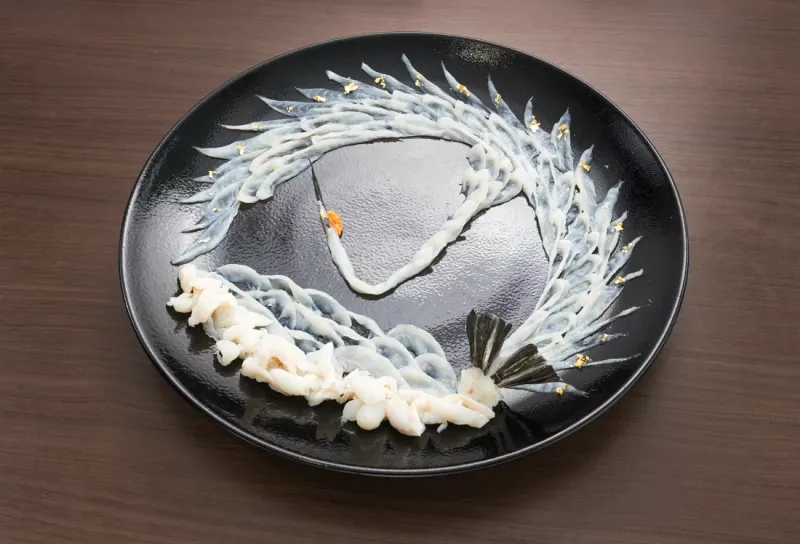
Fugu’s reputation precedes it, turning dinner into a trust exercise. Licensed chefs prepare it with surgical precision, often serving whisper-thin sashimi.
The flavor is subtle, prized for texture and clean sweetness rather than bold taste.
If you try it, choose a reputable restaurant and savor the ritual. A dip in ponzu adds brightness.
The thrill is real but should feel safe in expert hands. It is more about finesse than fireworks on the palate.
20. Kaki no dofu (oyster tofu)
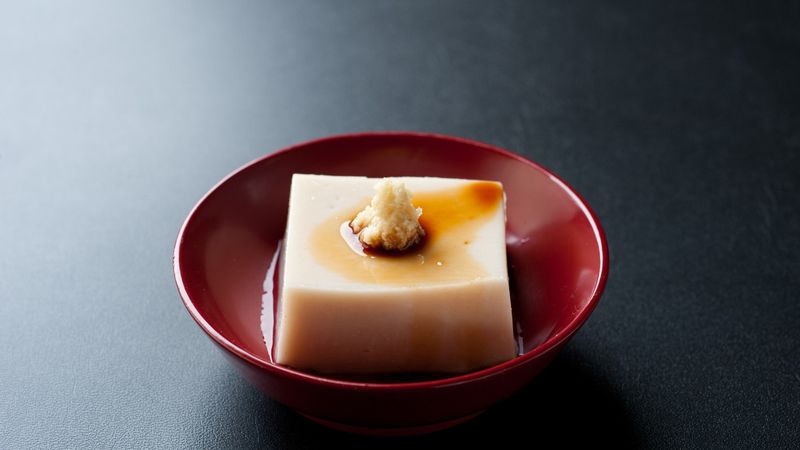
Oyster tofu carries ocean fragrance in a smooth, slippery package. The custardy texture can read as slippery for some diners, even as the flavor feels gentle and soothing.
It is elegant comfort food in minimal strokes.
Take small spoonfuls and let the umami bloom. A hint of yuzu zest brings lift.
If silky textures like panna cotta make you happy, this could be a quiet revelation. If not, share a bite and move toward crunchier sides.