10 Meats That Often Lose Quality After Freezing
Freezing meat feels like the smartest way to save money, reduce waste, and always have dinner options ready. But not every cut comes back from the freezer tasting like it did on day one.
Some meats lose tenderness, some turn watery, and some pick up stale flavors that are hard to ignore. If you want better results in the kitchen, these are the meats worth freezing with extra care – or eating fresh when you can.
1. Tender steak cuts
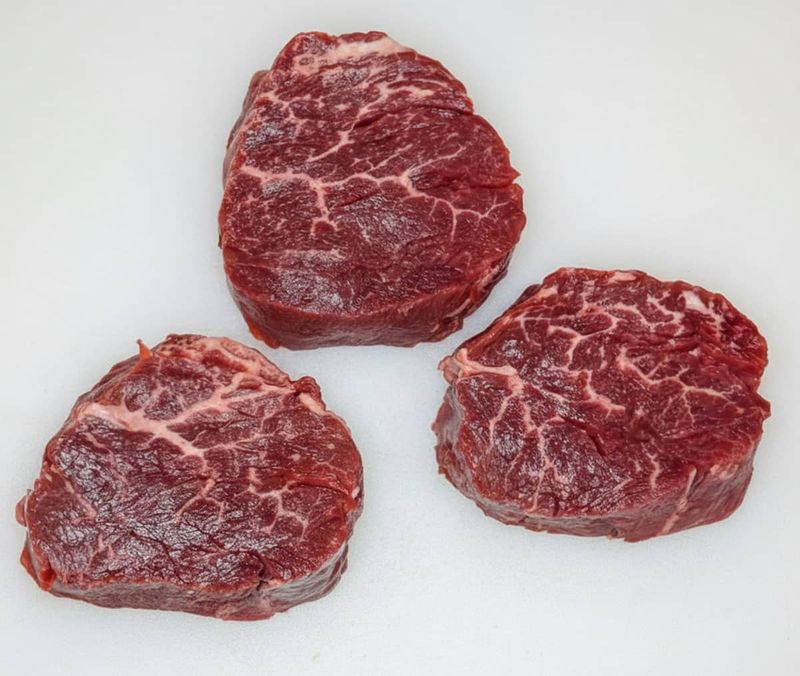
Tender steak cuts like filet mignon, ribeye, and strip steak can absolutely survive the freezer, but they often lose some of that fresh, juicy magic you expect. Once thawed, the texture may feel slightly softer, drier, or less springy, especially if air reached the surface.
That change stands out more because these steaks are prized for tenderness.
If you freeze them, tight wrapping matters more than you might think. I would use them sooner rather than later, then cook with care so you keep as much moisture as possible.
A quick sear helps, but fresh usually wins here.
2. Thin-sliced beef
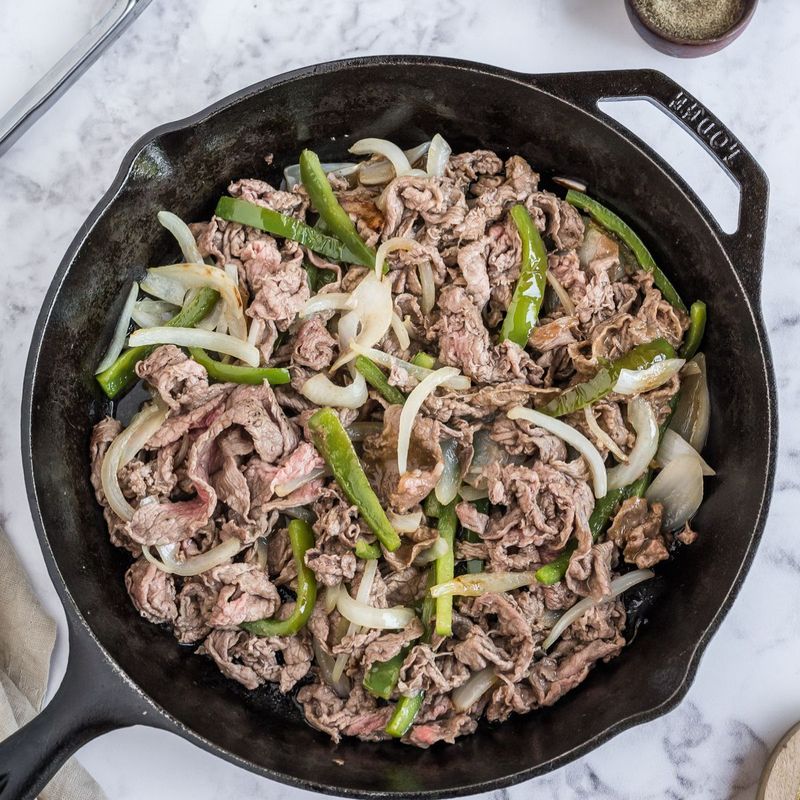
Thin-sliced beef is one of the first meats to show freezer damage because there is so much surface area exposed. After thawing, the edges can look dry, pale, or slightly tough, and that soft, flexible bite you want may be gone.
Freezer burn also shows up quickly on these delicate slices.
You can still use it successfully, especially in stir-fries, cheesesteaks, or hot pot, where sauce helps cover minor texture loss. I would freeze it in very small, tightly sealed portions and use it fast.
The longer it sits, the less satisfying that tender, fresh-cooked texture becomes.
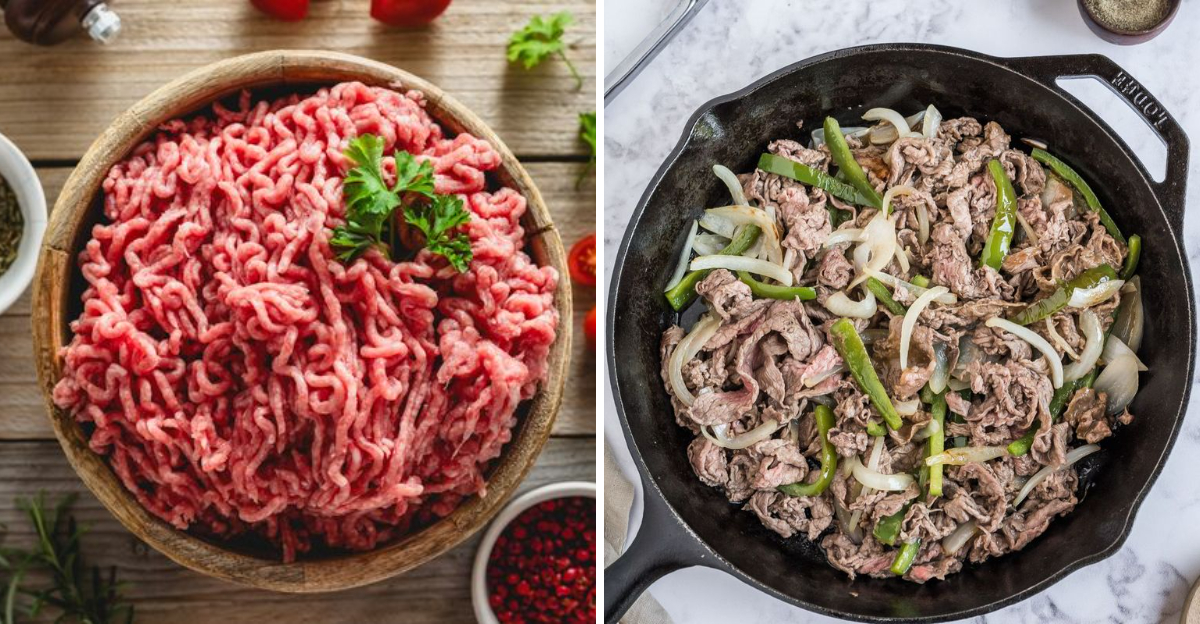
3. Ground meat in large blocks
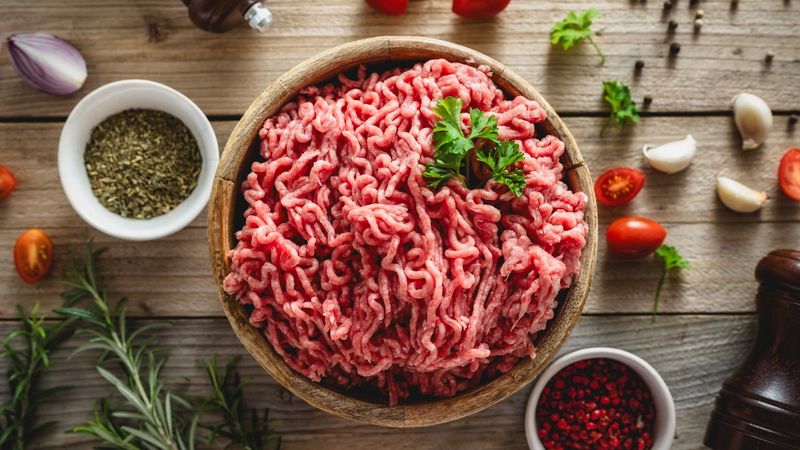
Ground meat is practical to freeze, but quality drops faster when it goes in as one thick, solid lump. Big blocks thaw unevenly, which can leave the outside soft while the center stays icy, and that makes cooking less predictable.
The texture can also turn a bit crumbly or dry compared with fresh meat.
The fix is simple and makes a noticeable difference. I like flattening ground meat into thin freezer packs so it freezes faster, thaws evenly, and keeps a better texture.
It will still work for burgers, meat sauce, or tacos, but poor packaging makes dryness and stale flavor more likely.
4. Chicken breast
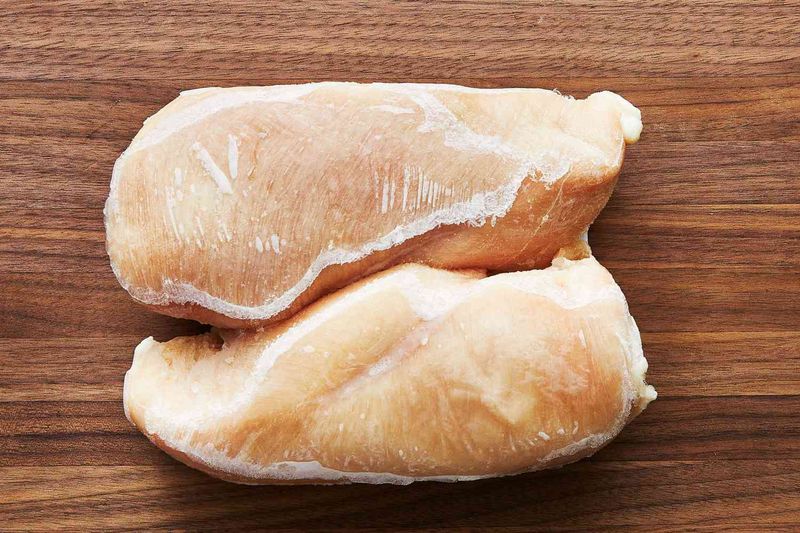
Chicken breast is already a lean cut, so freezing tends to exaggerate its biggest weakness – dryness. After thawing and cooking, it can feel less juicy and a little more fibrous, especially if it was not wrapped tightly or stayed frozen for too long.
That change becomes obvious in simple dishes.
You can definitely still make it work, but this is one meat that benefits from extra help. I would brine it, marinate it, or cook it with a sauce so you are not relying on the breast alone for tenderness.
Good packaging and shorter freezer time make a real difference.
5. Delicate fish fillets
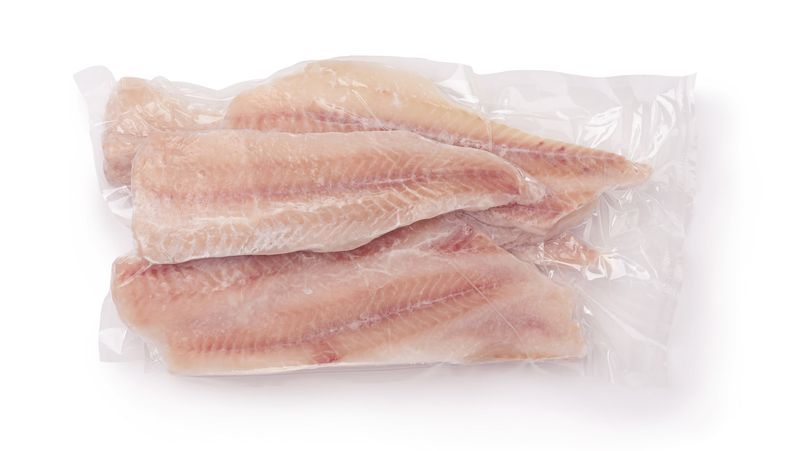
Delicate fish fillets like tilapia or sole often lose quality after freezing because their texture is naturally fragile. Once thawed, they can turn watery, soft, or slightly mushy, which makes them less appealing if you want a clean, flaky bite.
Even careful cooking cannot always fully restore that fresh texture.
That does not mean they are useless, just better suited to the right recipe. I would cook them in a sauce, tuck them into a casserole, or bread them so the texture changes are less noticeable.
If you want simple pan-seared fish, fresh fillets usually deliver a much better result.
6. Cooked shrimp and shellfish
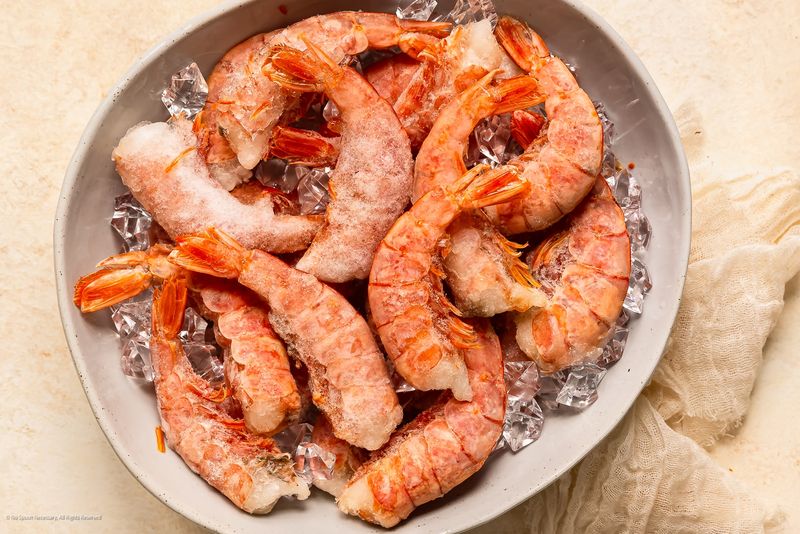
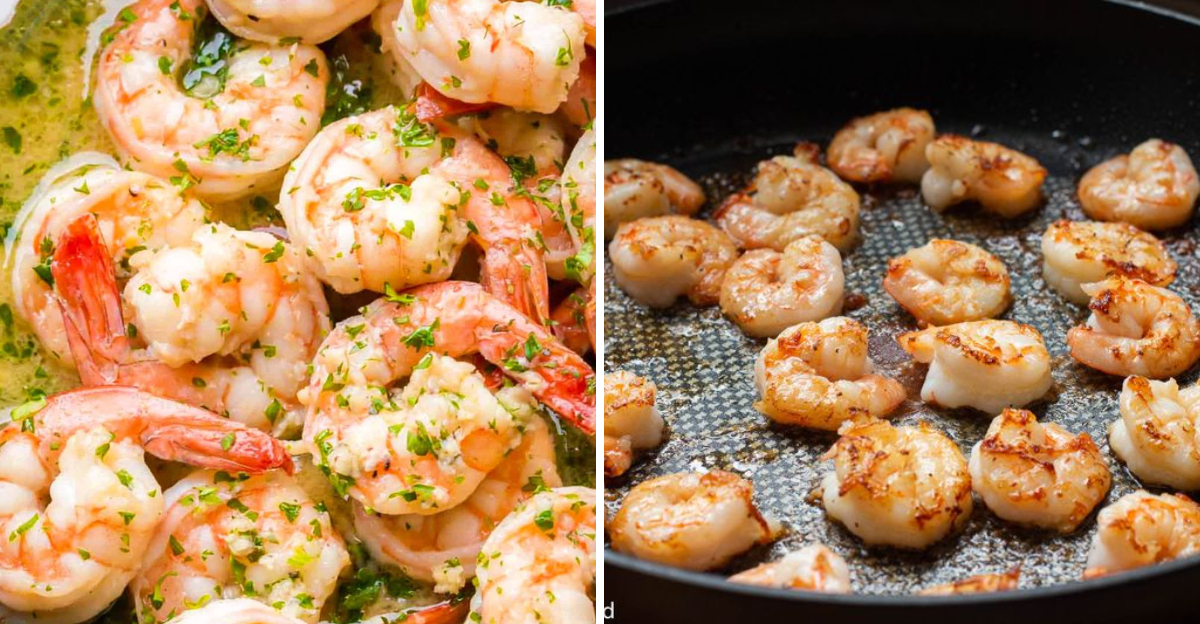
Shellfish can be tricky in the freezer, especially once they are already cooked. Cooked shrimp often come back firmer, chewier, or even rubbery after thawing, which is disappointing when you want that sweet, tender snap.
Texture changes happen quickly, and repeated temperature shifts only make them more noticeable.
Raw shrimp usually hold up better, so that is the version I would freeze whenever possible. If cooked shrimp are all you have, use them in saucy dishes, soups, or fried rice where the texture matters less.
Tight packaging helps, but freezing rarely improves shellfish and often exposes their most delicate weaknesses.
7. Opened bacon
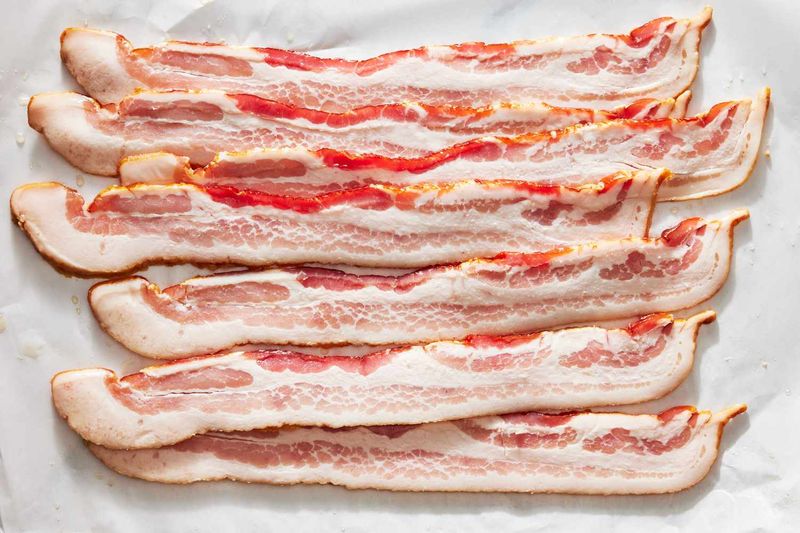
Bacon freezes fairly well in theory, but once the package is opened, quality can slip fast if it is not wrapped tightly. The fat is especially vulnerable to picking up freezer odors or developing a stale taste over time.
When that happens, the bacon still cooks, but the flavor feels flatter and less clean.
I would portion opened bacon carefully, press out as much air as possible, and use it sooner than you think. Thin layers freeze quickly, but poor storage lets the edges dry out and the fat deteriorate.
If your freezer smells like everything else inside it, bacon will absolutely notice.
8. High-fat sausages
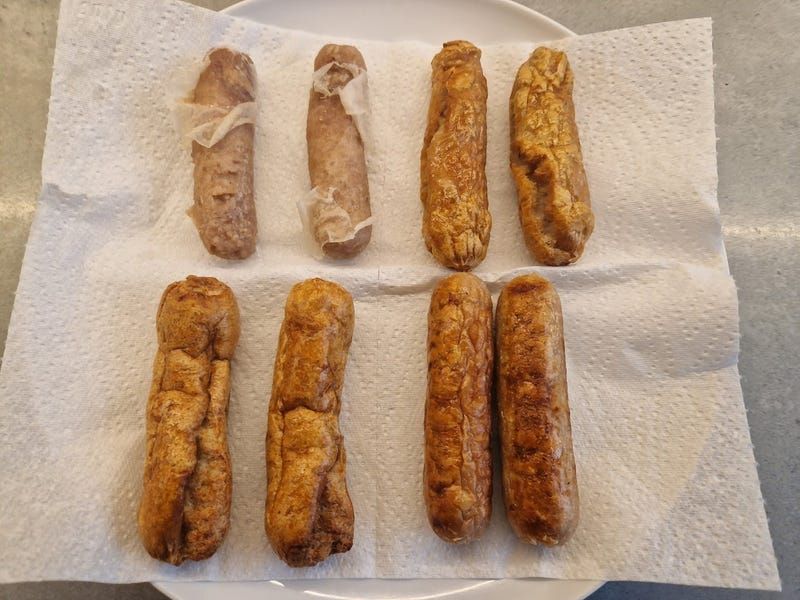
Sausages with a high fat content are usually safe after freezing, but safety and quality are not the same thing. Over time, the fat can start tasting old, dull, or slightly off, especially if air sneaks into the packaging.
That stale flavor is hard to hide because sausage depends so much on rich, savory fat.
Texture can change too, with the filling seeming less juicy after thawing and cooking. I would freeze sausages in tight, smaller packs and rotate them out quickly instead of forgetting them for months.
They remain usable in pasta, soups, or casseroles, but the best fresh flavor does not last forever.
9. Deli meats
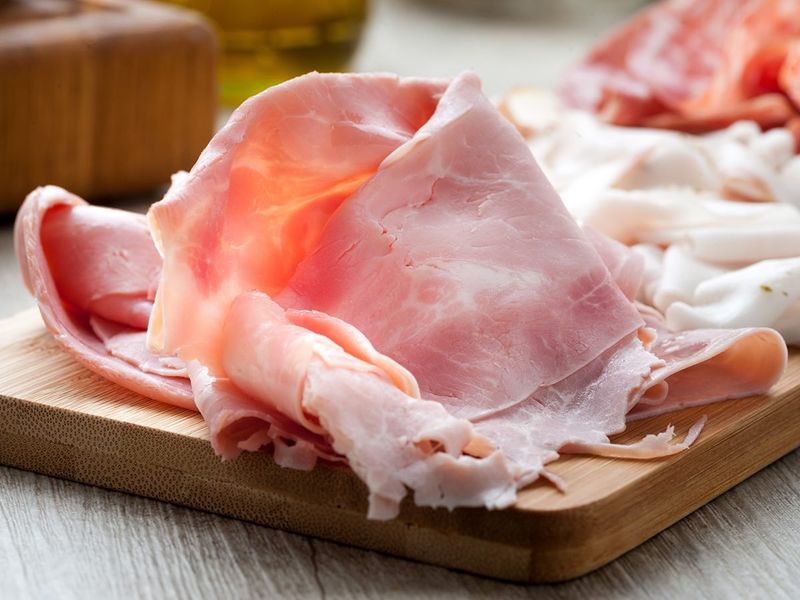
Deli meats are convenient, but freezing often changes the texture in ways you notice right away. Once thawed, slices can become watery, slightly slimy, or oddly spongy, and that pleasant bite they have in a fresh sandwich tends to disappear.
Thin slices separate poorly too, which makes serving them frustrating.
If you do freeze deli meat, I think it works best in cooked recipes rather than cold sandwiches. Melted into a grilled sandwich, chopped into eggs, or baked in a casserole, the texture issues matter much less.
For lunch meat you want to eat straight from the fridge, fresh is usually the better move.
10. Cooked roast beef slices
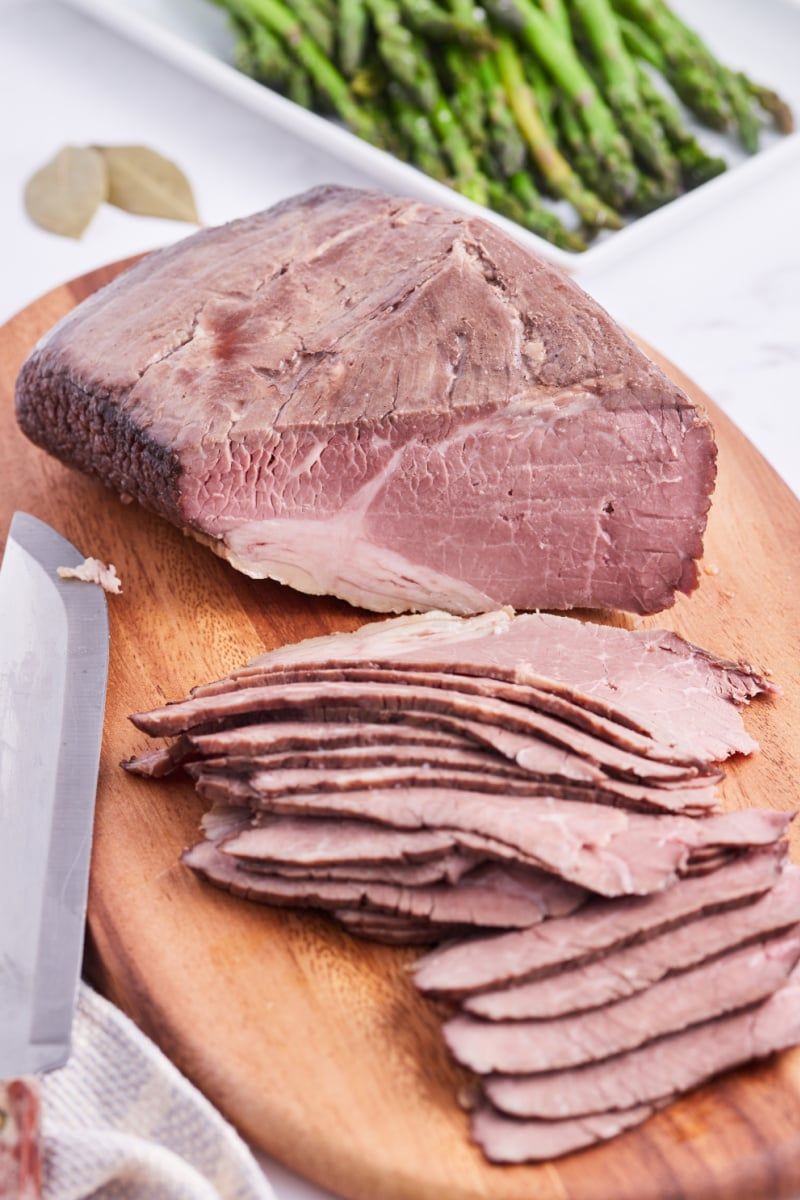
Cooked roast beef slices often lose tenderness in the freezer because they have already gone through the stress of cooking once. After thawing, the slices can seem drier, firmer, and less silky than they did when freshly carved.
Leaner pieces suffer the most, especially if they were frozen without extra moisture.
This is one case where a little liquid makes a big difference. I would freeze roast beef in gravy or au jus so the slices stay protected and reheat more gently.
On a sandwich or dinner plate, plain frozen slices can feel disappointing, but with moisture around them, the results improve noticeably.