10 Signs A Steakhouse Takes Its Craft Seriously
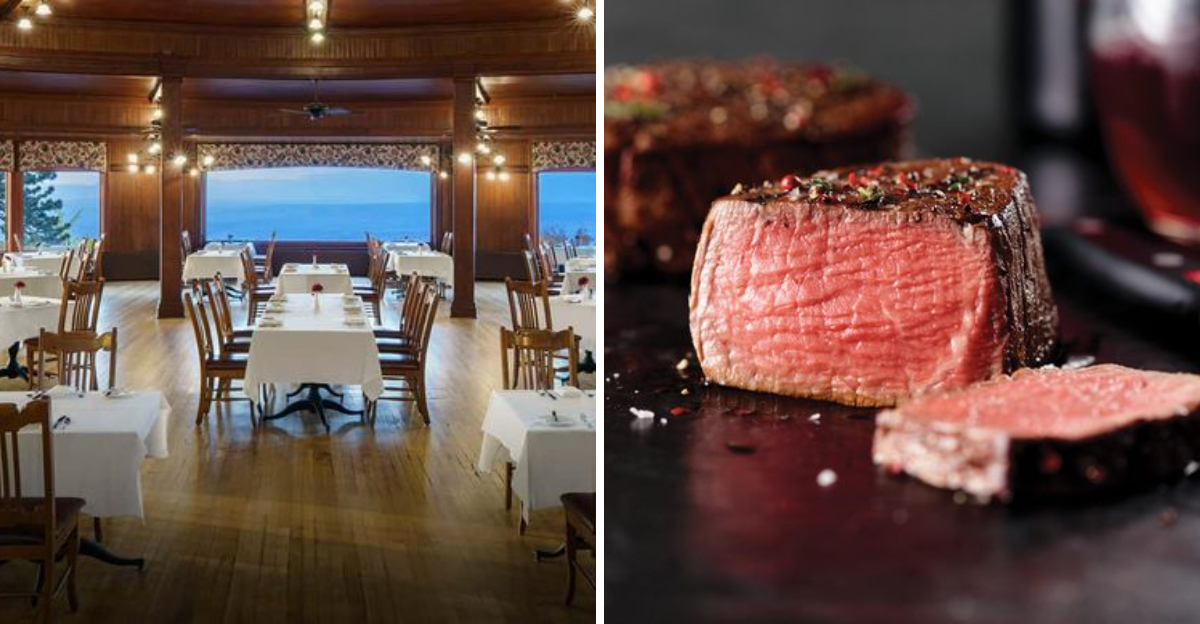
You can tell within minutes whether a steakhouse treats steak like a product or a craft. The details whisper first, then shout, from how confidently your server talks to how quietly the steak rests before it hits your table.
If you have ever wondered why one ribeye thrills while another disappoints, these signs decode the difference. Spot a few, and you will know you are in good hands before the first slice.
1. The staff can explain cuts and doneness without guessing
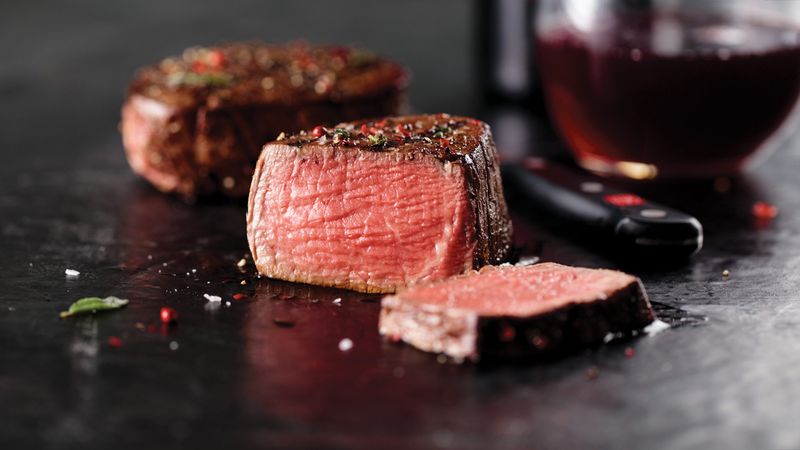
You ask about ribeye versus strip, and the answer is crisp, not a scramble. The server explains marbling, texture, and how each cut eats at different doneness levels.
They recommend medium-rare for ribeye to melt fat, or medium for strip if you like chewier bite.
There is no guessing, just useful guidance that feels earned. You feel smarter and more confident before ordering.
When training is real, the table conversation sounds like coaching, not theater.
Clarity like this signals a kitchen and floor that actually taste, test, and align on standards. It is the first trustworthy sign.
2. They talk about sourcing, aging, or both
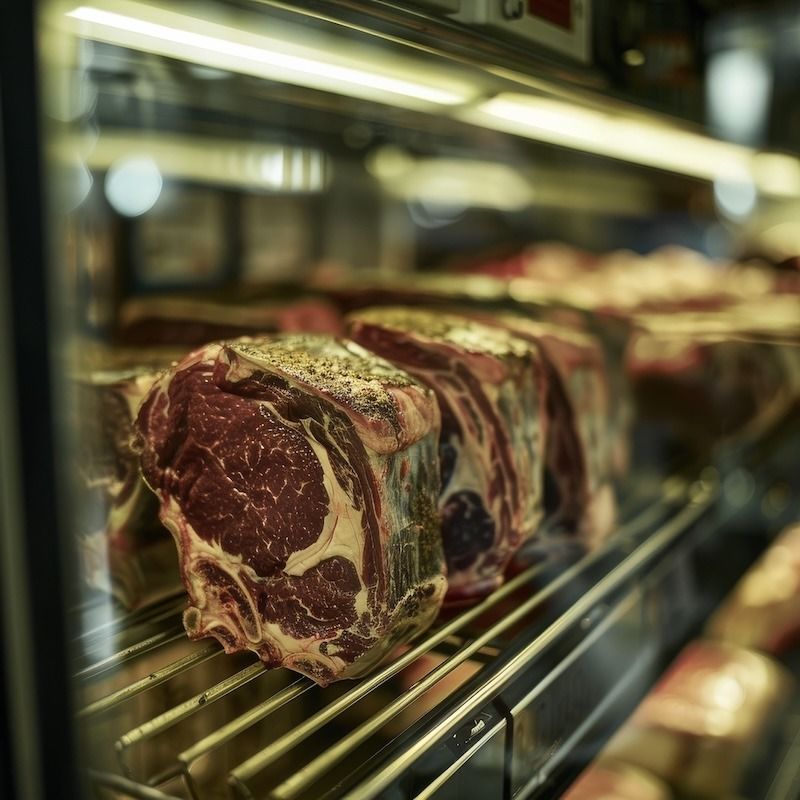
A serious spot tells you where the beef comes from and what happens next. Maybe it is USDA Prime wet-aged 28 days, or a house dry-age program with nutty blue-cheese aromas.
The key is specificity that explains flavor, texture, and price without fluff.
You are not chasing farm names for clout. You are hearing choices that shape what is on the plate.
Even a simple, honest program beats vague bragging.
Sourcing talk should answer questions you did not know to ask. When they volunteer aging timelines and reasons, you are listening to a kitchen that thinks.
3. They rest steaks properly before serving
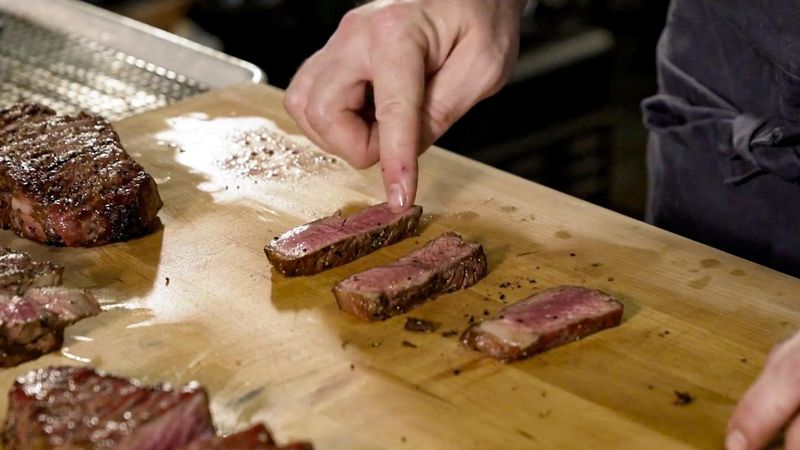
The plate arrives glossy, not puddled. Juices stay mostly in the meat because the steak rested on a rack, not suffocated under foil.
Fibers relaxed, heat evened out, and now every slice runs rosy edge to edge.
Resting sounds simple, but it takes discipline in a rush. Tickets stack, guests get hungry, and the urge to plate early creeps in.
Pros resist it.
You taste the payoff immediately. Each bite is juicy without mess, flavorful without dilution.
When a steakhouse nails resting, you know timing and respect guide every move behind the line.
4. They finish with high heat and real browning
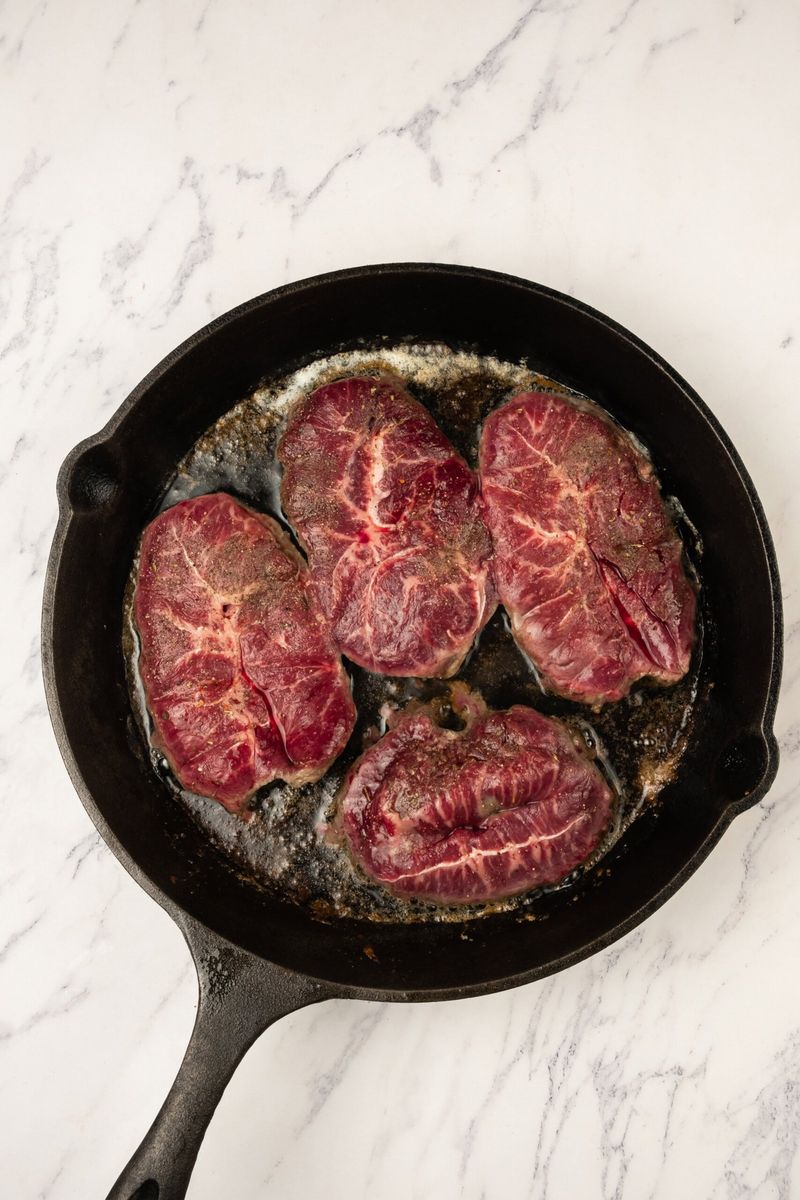
A true finish is roaring hot, not timid. The crust looks like lacquered mahogany, not gray stripes pretending to be flavor.
You smell roasted fat, toasted protein, and that nutty edge only Maillard reaction delivers.
Whether it is a salamander broiler or ripping cast iron, heat is the language. They speak it fluently.
Butter, thyme, and garlic join for aroma, not cover-up.
Cut in, and you still see a gradient, not a band of overcooked meat. Browning should frame the bite, not wreck it.
Real sear equals real confidence, and your palate knows instantly.
5. The seasoning is simple but correct
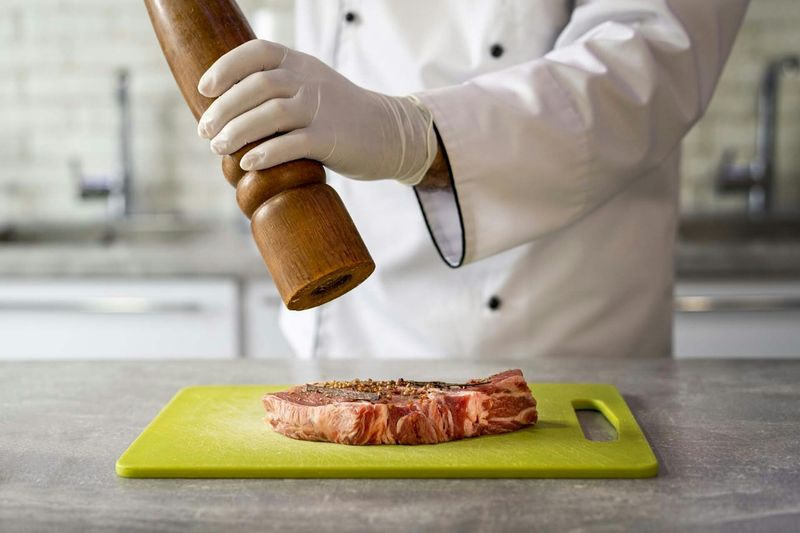
Great steak does not need tricks. Salt and pepper, applied early and evenly, pull moisture, form a brine, and help build crust.
When you bite, seasoning tastes integrated, not a last-minute flurry sitting on top.
Over-salted edges or bland centers tell on a rushed station. Correct seasoning means measured hands, consistent timing, and trust in beef quality.
Simplicity exposes craft.
You should taste beef first, seasoning second, fat and char weaving through. If flavors are balanced from edge to center, you are in good territory.
That restraint signals maturity more than any exotic rub.
6. They have a clear butter and sauce program

Look for compound butters that melt like a finishing note, not a blanket. Pan sauces should shine, with reduced stock body, pepper pop, and just enough cognac swagger.
Nothing tastes packet-flat or gummy.
A printed list or confident verbal rundown shows structure. Maybe au poivre, béarnaise, red wine jus, and a blue cheese butter rotate seasonally.
You can mix, match, and trust the pairings.
When sauces are built on real stock and technique, they amplify without hiding. The steak remains the star, and the butter is the spotlight.
That balance screams in-house craft.
7. The knife situation is real
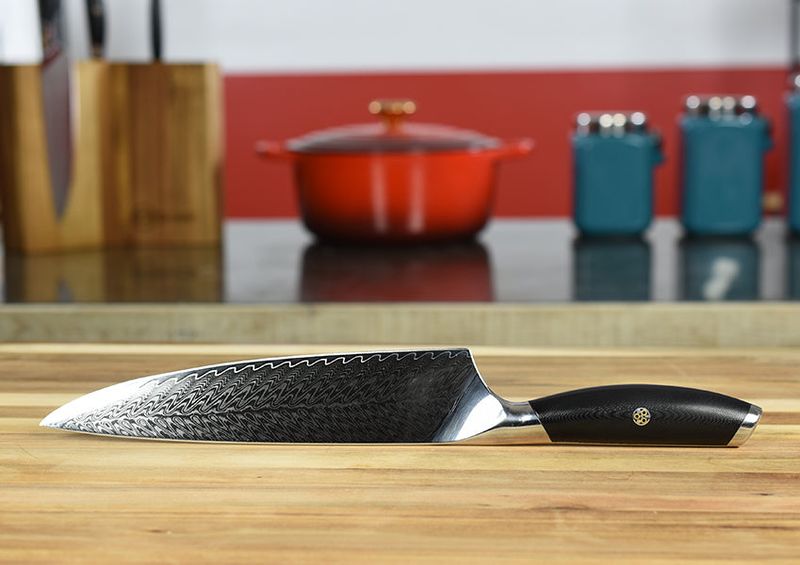
A dull knife makes you saw and crush, bleeding the steak before you taste it. Serious rooms stock sharp, well-balanced knives and keep them clean between courses.
The first glide should feel like a confident handshake.
If you ask for a sharper blade, they have one without attitude. Serrated or straight, the edge is chosen for the cut and style of service.
Details matter here.
Good cutlery respects the meat and your effort. When the slice is clean, juices stay put, and every bite eats tenderer.
That quiet competence tells you they care.
8. Sides are treated like part of the meal, not filler

You can judge the kitchen by its spinach and potatoes. When sides snap with seasoning, texture, and heat, the team is cooking, not padding checks.
Creamed spinach tastes green and creamy, not flat. Potatoes land silky or shatteringly crisp, never gluey.
Roasted mushrooms come caramelized, not damp. Asparagus is charred and bright, finished with lemon or butter.
These touches reveal attention.
Great sides reinforce the steak instead of competing with it. You build perfect bites and never push a dish aside.
If every plate earns space, the whole operation hums at a higher level.
9. They know their temps and they hit them consistently
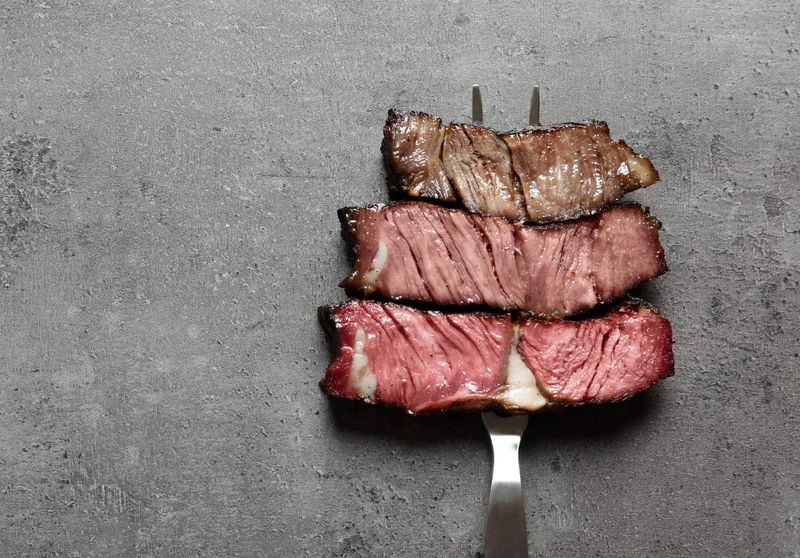
The biggest tell is whether medium-rare arrives medium-rare every time. Across a four-top, cuts vary but temps land right.
That takes thermometers, touch, and repetition under pressure.
Consistency is not luck. It is a disciplined grill station tracking thickness, carryover, and rest.
Tickets flow, steaks queue, and nobody panics.
You should not need to send anything back. When the first slice reveals the correct blush edge to edge, trust settles in.
A restaurant that nails temps respects both product and guest, and it shows plate after plate.
10. The dining room is paced like they have done this a thousand times
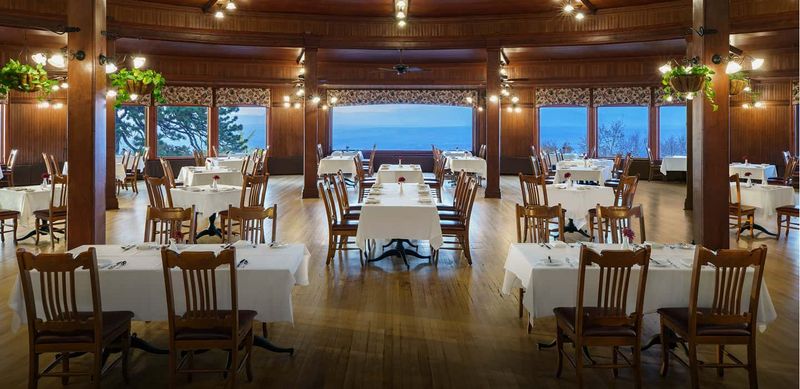
Good timing is craft you can feel. Appetizers land, drinks refresh, steaks follow without awkward gaps or pileups.
The room breathes because the kitchen and floor talk constantly.
Plates arrive hot, not harried. Servers check in right when you need them, not mid-bite.
Sides hit with the steaks, so nothing waits or wilts.
This rhythm takes planning, an expeditor with presence, and a team that rehearses every night. When service moves like choreography, you relax and enjoy.
That calm cadence is the final proof you picked the right steakhouse.