10 Steak Cuts Often Compared To Ribeye For Price And Flavor
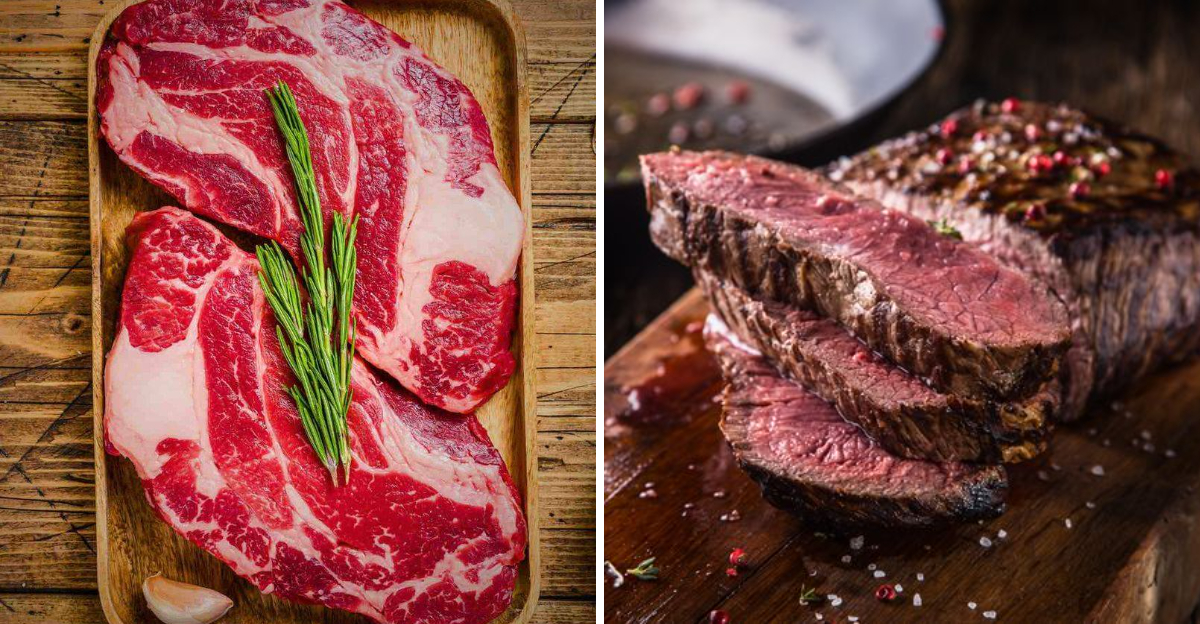
Ribeye sets the standard for rich, beefy satisfaction, but not every night needs ribeye pricing. If you want that same grin after the first bite, there are delicious alternatives that come close in flavor, texture, or sheer steakhouse swagger.
Some undercut ribeye on cost while still landing serious marbling and char. Others deliver a different feel that still hits ribeye-level joy when cooked right.
1. Chuck Eye Steak
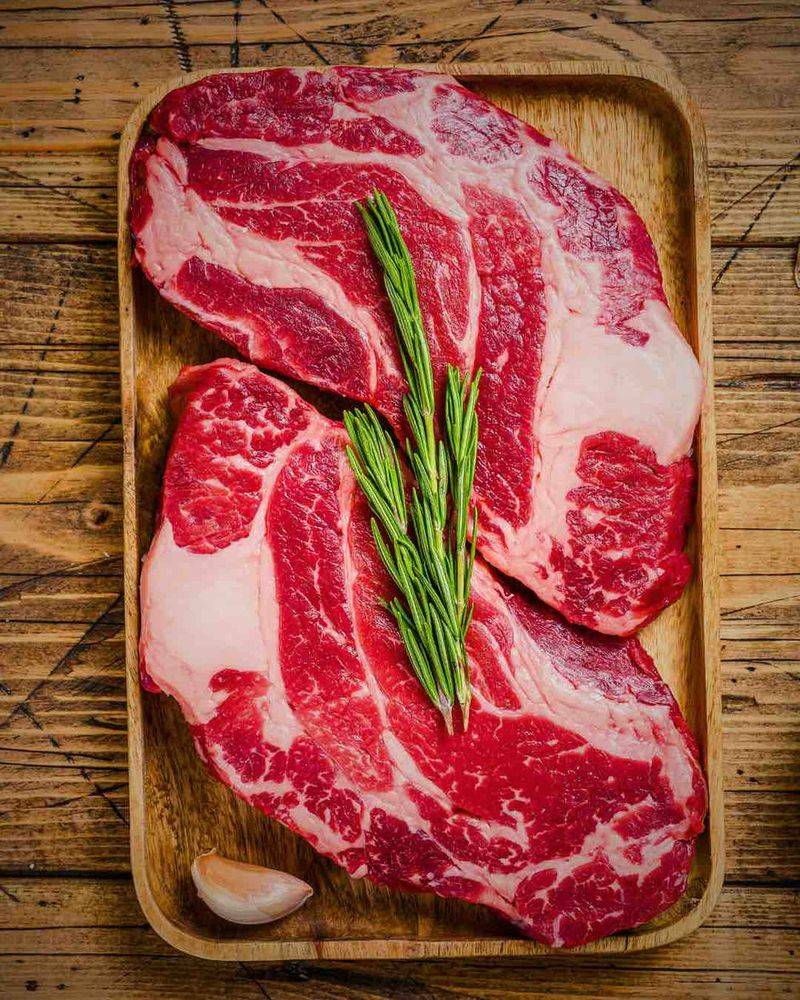
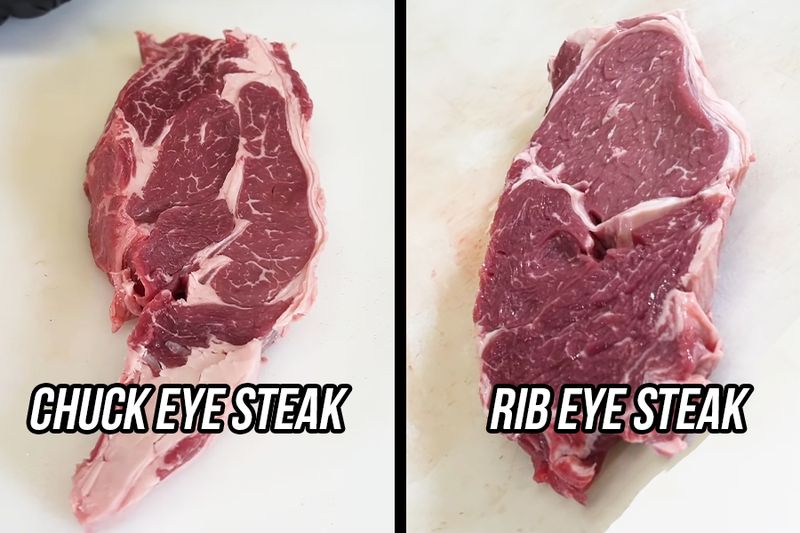
Chuck eye sits just next to the ribeye, which is why people call it the poor man’s ribeye. You get familiar rib-like marbling, but quality varies, so choose steaks with obvious white flecks and avoid thin, ragged pieces.
Sear it hot, baste with butter, and rest well to keep juices where they belong.
Price usually lands below ribeye, making it a smart weeknight upgrade when you crave big beef. Texture can be slightly firmer, yet still tender when cooked to medium rare.
Slice against the grain and finish with flaky salt to amplify that rich, savory bite.
If you spot prime or well-marbled choice chuck eye, grab it. It delivers ribeye vibes without ribeye sticker shock.
2. Rib Steak
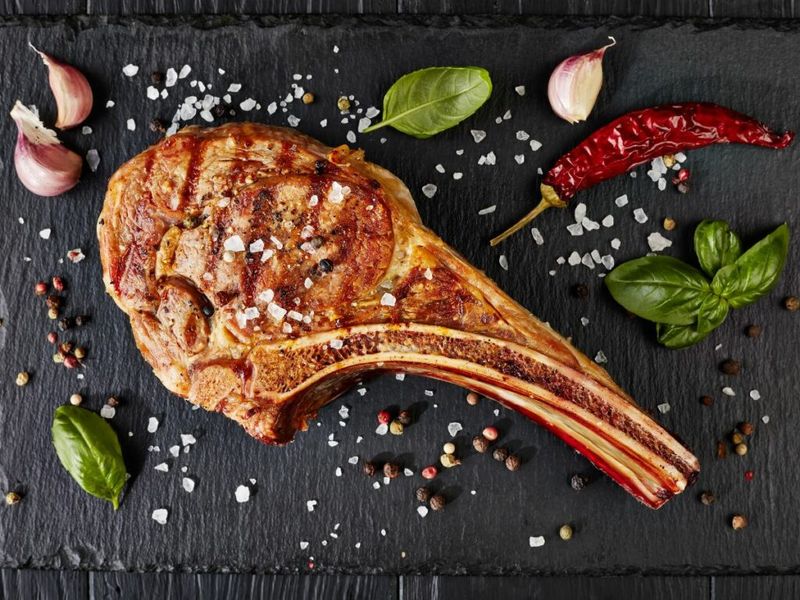
Rib steak is ribeye with the bone attached, and that bone brings theater to the table. Flavor tracks nearly identical to ribeye because it is essentially the same muscle group.
You will get plush marbling, a luscious fat cap, and that signature buttery finish.
Prices often mirror ribeye, so think of it as a style choice. The bone can aid presentation and may help protect meat near it from overcooking.
Grill or pan sear, then finish gently to nail a rosy center.
If you want ribeye decadence plus dramatic carving energy, this is your move. Slice along the bone, then across the grain.
It feels celebratory and deeply satisfying.
3. Delmonico Steak
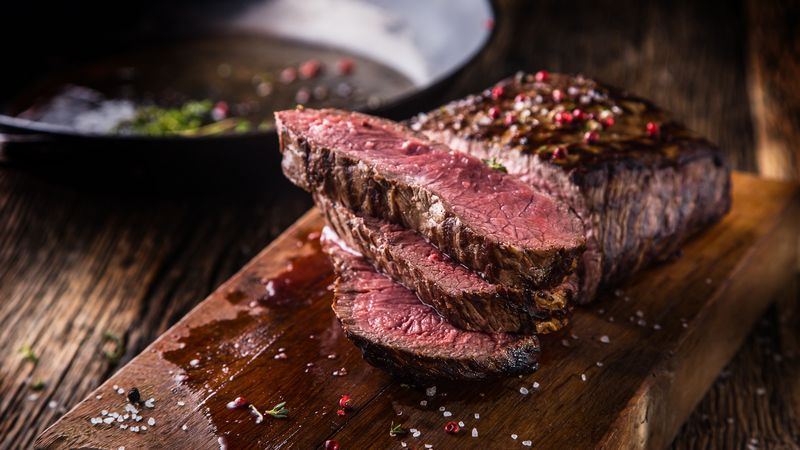
Delmonico is a name, not a single fixed cut, so ask your butcher what you are getting. Sometimes it is a ribeye, other times a ribeye-adjacent cut, or even a thick center-cut strip.
When it leans ribeye-like, expect a similar price and plush, beef-forward flavor.
The sear is the headline here, so cook in a ripping-hot pan or on blazing grates. Aim for medium rare and let it rest to even out warmth and juices.
Slice thoughtfully to show off that glistening interior.
If the label feels confusing, use your eyes: look for marbling and thickness. A good Delmonico should eat like a luxury steak.
Done right, it scratches the ribeye itch.
4. Strip Steak
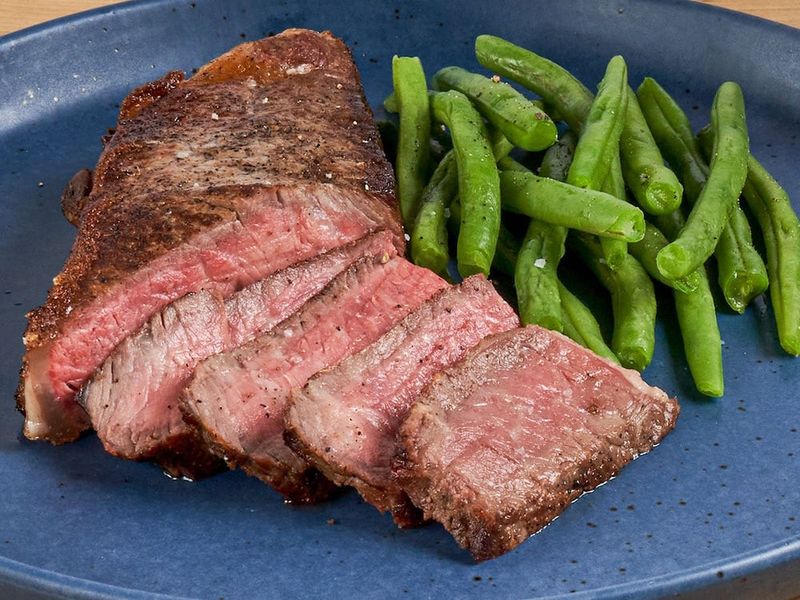
Strip steak is leaner than ribeye but still undeniably steakhouse. You will notice a firmer chew, a bold beef flavor, and a tidy strip of external fat instead of heavy intramuscular marbling.
Think classic, clean, and confident on the plate.
Because it carries less fat, precise cooking matters. Get a deep crust, then finish gently to medium rare or medium for a tender bite.
Rest it, then slice to showcase those neat, uniform fibers.
Price often sits just under ribeye, making it a go-to alternative when you want big steak energy without the same richness. Pair with peppercorn sauce or compound butter.
It keeps things elegant and satisfying.
5. Top Sirloin
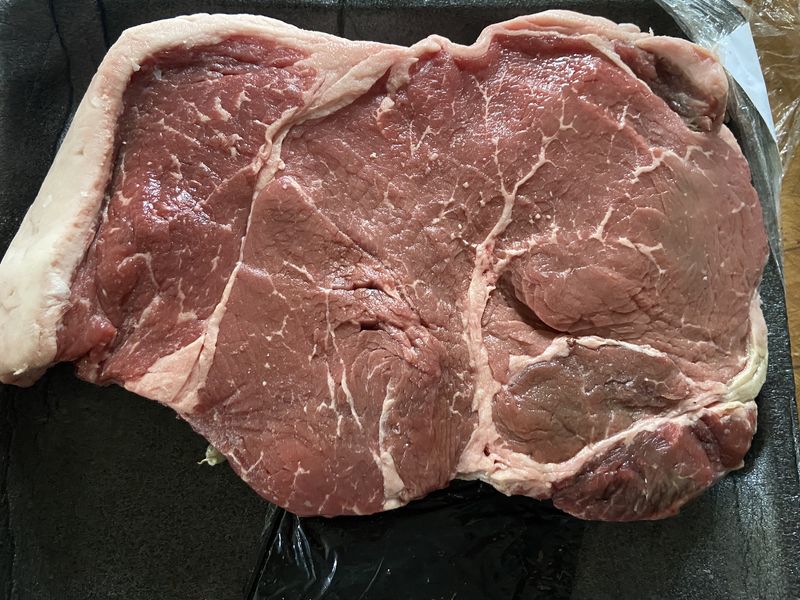
Top sirloin is the weeknight hero when you want value without losing that steakhouse smile. It is not as buttery as ribeye, but it brings assertive beef flavor and a pleasantly meaty chew.
Choose thicker cuts and watch grain direction for slicing.
Marinades or compound butters help bridge the richness gap. Sear hard, finish to medium rare, and rest generously to keep it juicy.
A sharp knife and thin slices across the grain make a huge difference.
Price usually beats ribeye by a comfortable margin, so it is friendly for feeding a crowd. Serve with chimichurri or garlic-herb butter to amplify savory notes.
You will get satisfying steak energy without overspending.
6. Tri-Tip (steak-cut portions)
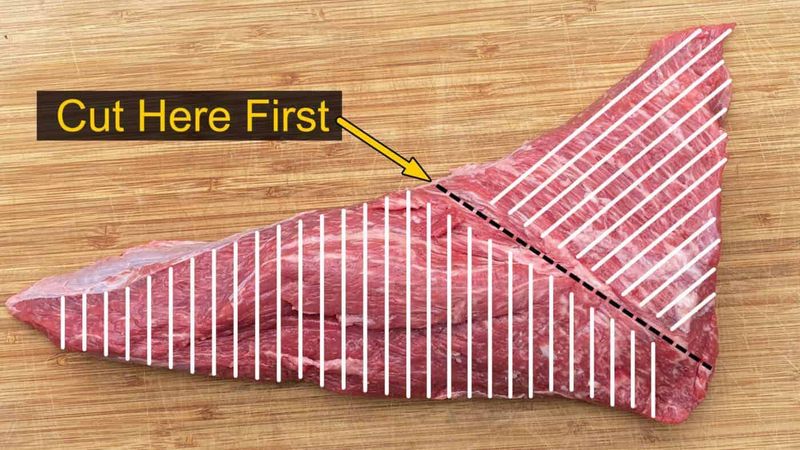
Tri-tip often shows up as a roast, but cut into steaks it becomes a mid-price marvel. Expect robust beef flavor, a moderate chew, and major payoff from a smoky sear.
Watch the grain because it changes direction, which affects tenderness when slicing.
Season assertively with salt, pepper, and garlic, or go Santa Maria style. Sear hot, then finish indirect to avoid overcooking the tapered ends.
Rest well, then carve in sections across the grain.
Compared with ribeye, tri-tip is less fatty yet wildly flavorful. The price typically lands lower, which stretches your grilling budget.
It shines for backyard gatherings where you want steakhouse vibes and generous portions without premium pricing.
7. Flat Iron Steak
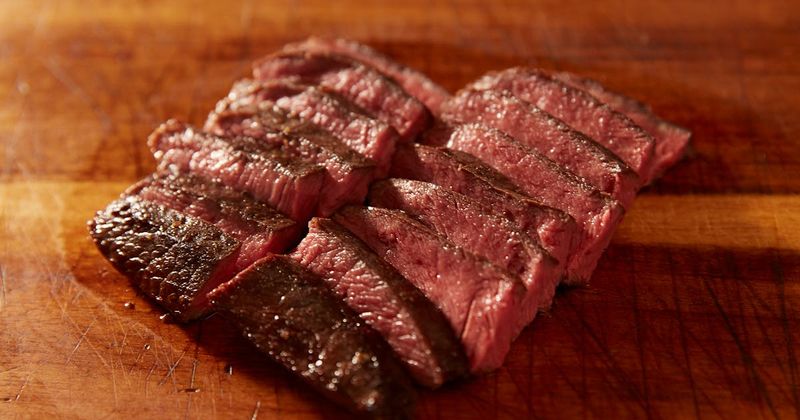
Flat iron is a champion of tenderness per dollar, carved from the shoulder with impressive marbling. It eats softer than you would expect from a value cut and carries a deep, mineral-rich beefiness.
Many people compare its juiciness to pricier steaks.
Cook it hot and fast to medium rare for a velvet bite. Because it is relatively even in thickness, searing is straightforward.
Rest, then slice thinly across the grain to show off its glossy interior.
Price usually undercuts ribeye notably, yet the experience feels luxurious. Sauces like red wine reduction or blue cheese butter complement its richness.
It is the sleeper pick when you want ribeye satisfaction without ribeye spending.
8. Hanger Steak
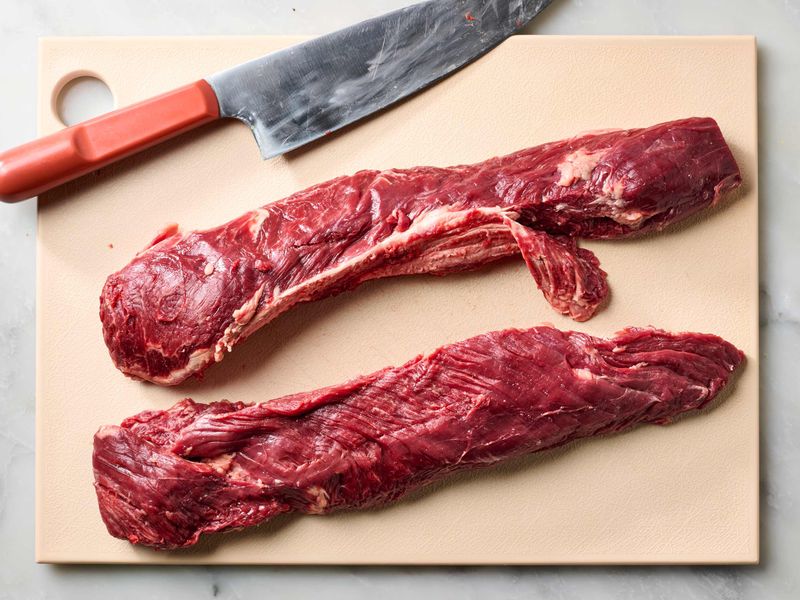
Hanger steak brings concentrated, almost savory-sweet beef flavor that screams bistro classic. It is not as fatty as ribeye, but the taste intensity is real.
Trim the central membrane and you will get tender, juicy slices with character.
Marinate briefly or simply salt early, then sear hard for that dark crust. Medium rare keeps it at peak tenderness.
Let it rest and slice across the grain into thick ribbons.
Prices used to be low, but popularity narrowed the gap with premium cuts. Still, it typically costs less than ribeye and delivers punchy satisfaction.
Pair with shallot butter, chimichurri, or a red wine pan sauce for a restaurant-worthy plate at home.
9. Denver Steak
Denver steak hides in the chuck and surprises with fine marbling and real tenderness. It channels ribeye-like richness in a smaller, rectangular package.
When you crave buttery bites on a budget, this cut belongs on your radar.
Cook it hot to develop a crackling crust, then finish gently. Aim for medium rare, rest generously, and slice across the grain.
The result is juicy, plush, and deeply savory.
Compared to ribeye, it is usually friendlier on price while still tasting indulgent. Availability varies, so ask your butcher to cut it properly.
With salt, pepper, and a knob of butter, Denver delivers weeknight luxury that feels like a cheat code.
10. Picanha (Top Sirloin Cap)
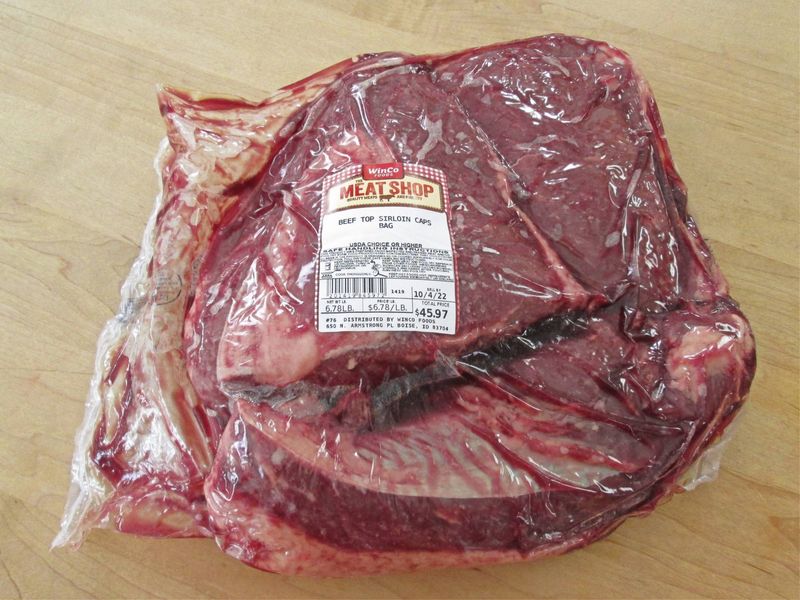
Picanha wins hearts with a generous fat cap that renders into juicy, ribeye-like richness. The meat itself is sirloin-based, so the bite is firmer than ribeye but still tender when cooked right.
Score the fat lightly, render slowly, then finish hot for crispy edges.
Serve in thick slices, cut across the grain so every bite carries fat and lean together. Simple salt is traditional, though chimichurri sings here.
Rest generously to keep the juices locked in.
Price typically beats ribeye, and the experience feels festive and bold. On the grill or in a cast iron pan, picanha turns weeknight dinner into churrasco energy.
If you love fat-forward flavor, this cut will make you grin.