10 Techniques That Change How Steak Fajitas Turn Out
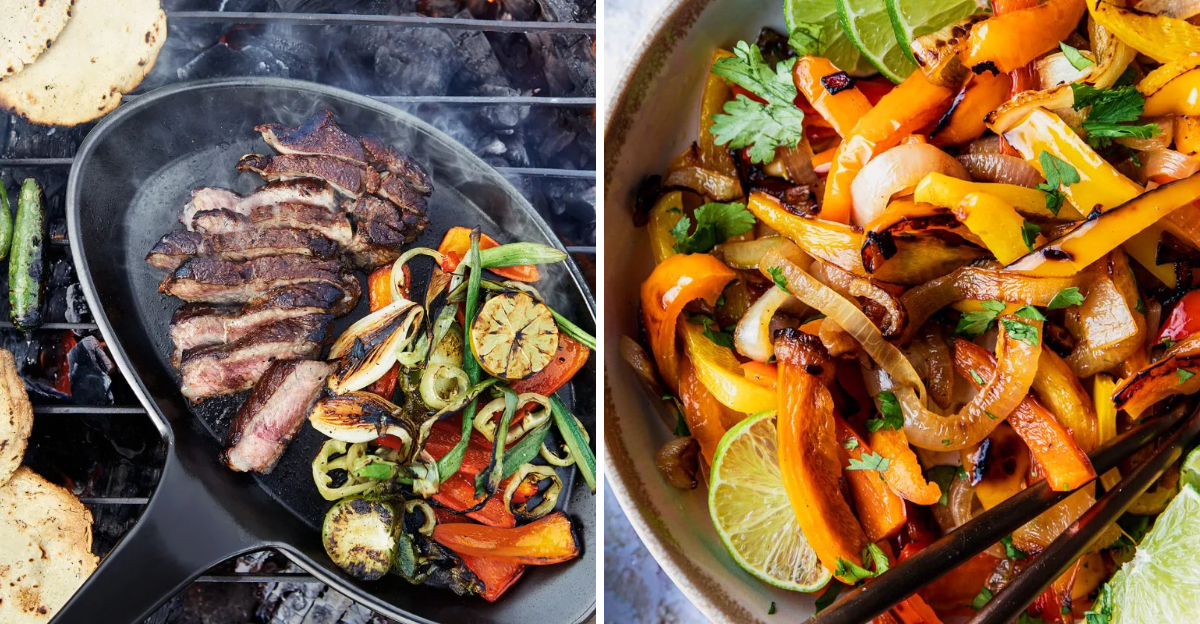
Great steak fajitas are closer than you think. A few simple shifts in technique can turn chewy, dull results into juicy, sizzling perfection.
From when you salt to how you slice, each move stacks flavor and texture in your favor. Ready to make fajitas that disappear fast and win real compliments at the table?
1. Slice the steak against the grain
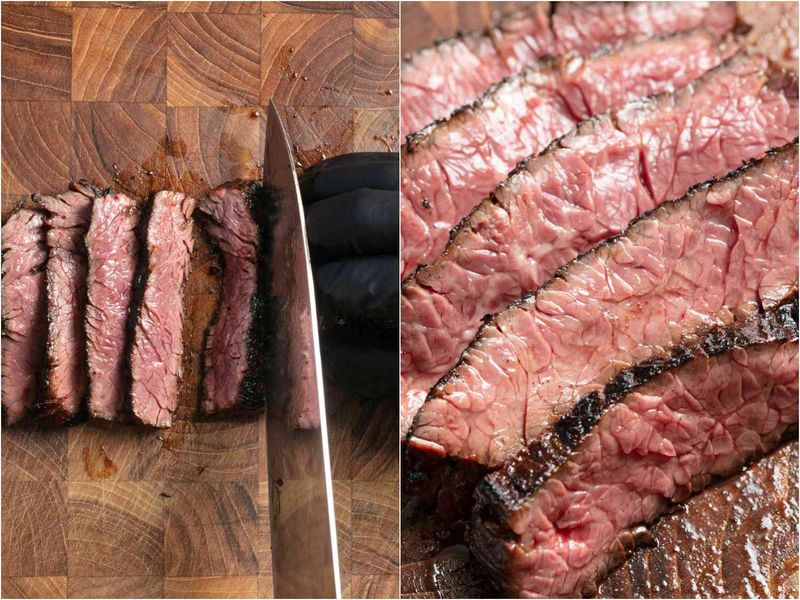
Finding the grain is the difference between tender bites and shoe leather. Look for the long lines running through the steak and slice perpendicular to them, not parallel.
Thin, even slices mean each piece breaks easily between your teeth.
Chill the steak briefly to firm it up for cleaner cuts. Use a sharp chef’s knife and steady strokes, letting the blade do the work.
Angle the knife slightly to create broader slices that feel luxurious in tortillas.
Cut after resting to keep juices inside. Keep slices about a quarter inch for balance between chew and tenderness.
If serving a crowd, pre-slice, then flash on a hot pan for a final kiss of heat.
2. Use a hot, fast cooking method
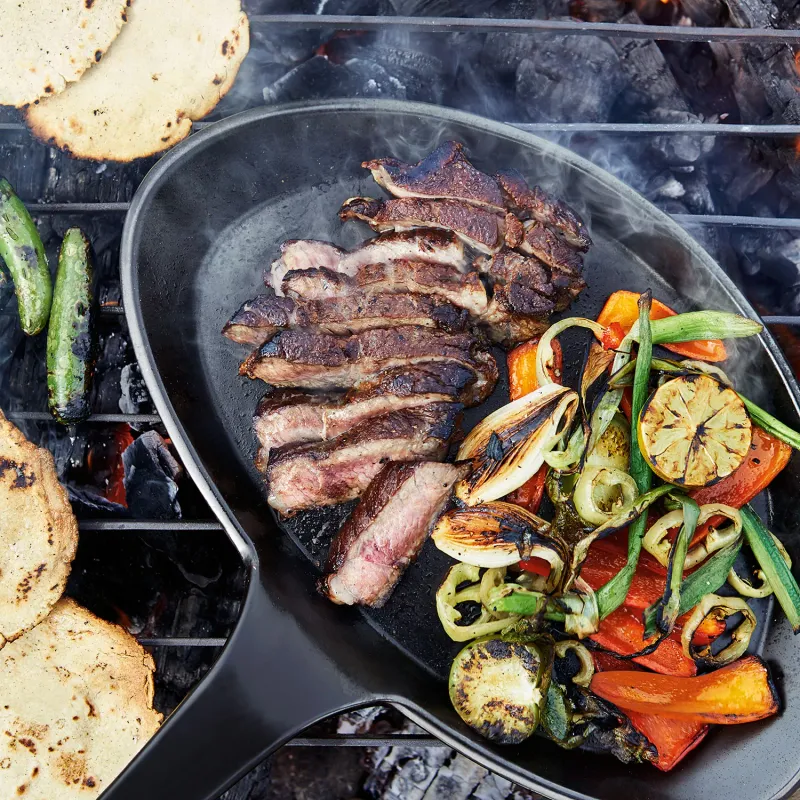
High heat is your fajita friend. You want a ripping-hot surface so the steak sears fast and develops a deep, flavorful crust without overcooking inside.
Cast iron, grill grates, or the broiler all deliver that intense blast.
Preheat until the pan barely smokes, then add a thin sheen of high heat oil. Lay steak down and do not move it for a minute, letting crust form.
Flip once and finish quickly to medium-rare or your target doneness.
Vent the kitchen and work in batches to keep temperatures high. That contrast of charred edges and juicy center is what makes fajitas sing.
Speed plus heat equals concentrated flavor every single time.
3. Salt early, or right before cooking
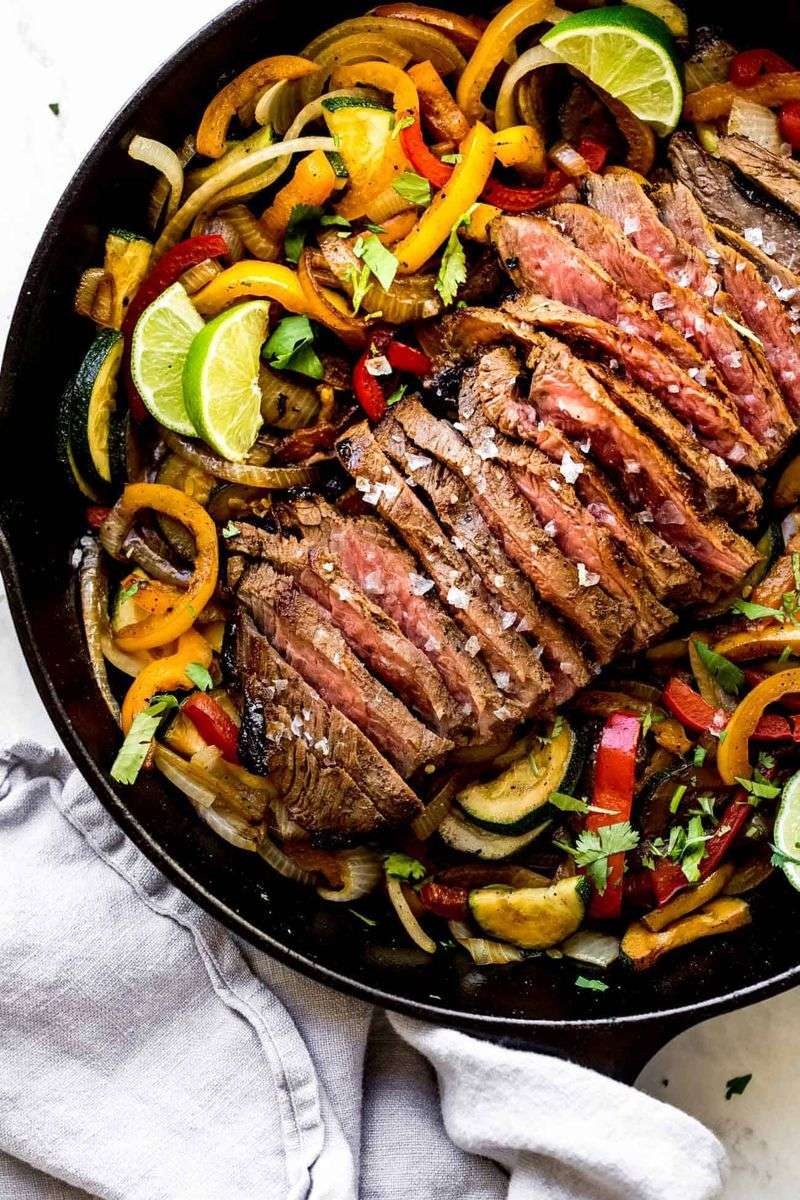
Salt strategy matters more than folks think. Season at least 40 minutes ahead so salt dissolves, diffuses inward, and helps retain moisture during the sear.
No time for that window? Then salt right before the steak hits the heat.
The danger zone is salting 5 to 30 minutes ahead, which draws moisture to the surface and can cause weak browning. Early salting builds deep seasoning throughout.
Last-second salting keeps surfaces dry enough to char.
Use kosher salt for control and even coverage. Sprinkle from high for a consistent layer, then leave it alone.
When it is go time, pat lightly, add oil, and sear hard for an irresistible crust and juicy interior.
4. Marinate for flavor, not miracles
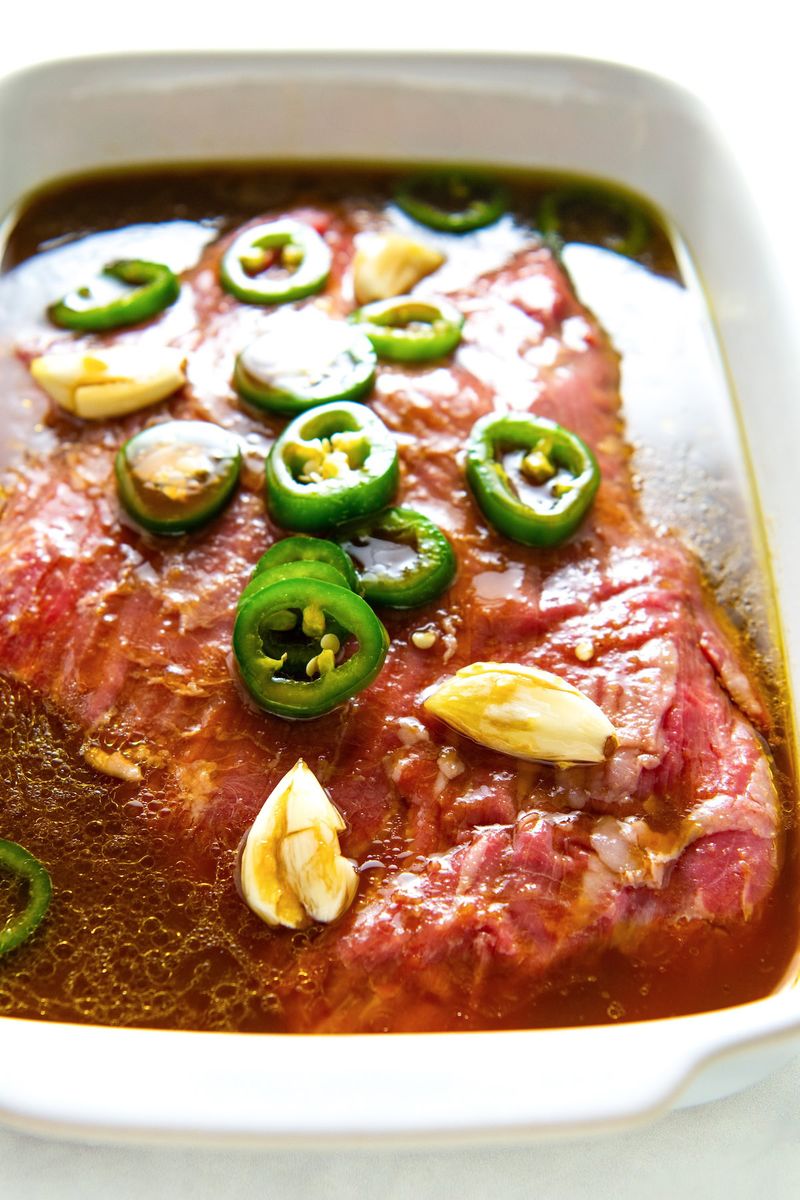
Marinades bring brightness and browning, but they are not magic tenderizers. Acid and salt mostly season the surface, while aromatics perfume the meat.
Two to four hours is the sweet spot for skirt or flank without turning mushy.
Build a balanced mix: lime for lift, soy or Worcestershire for umami, garlic, cumin, a hint of sugar, and neutral oil. Too much acid for too long can make the exterior mealy.
Keep expectations realistic and texture stays appealing.
Pat the steak dry before searing to avoid steaming. Reserve a bit of marinade, boil it, and brush at the end for shine.
You will taste the difference without sacrificing that prized fajita bite.
5. Pat the steak dry before searing
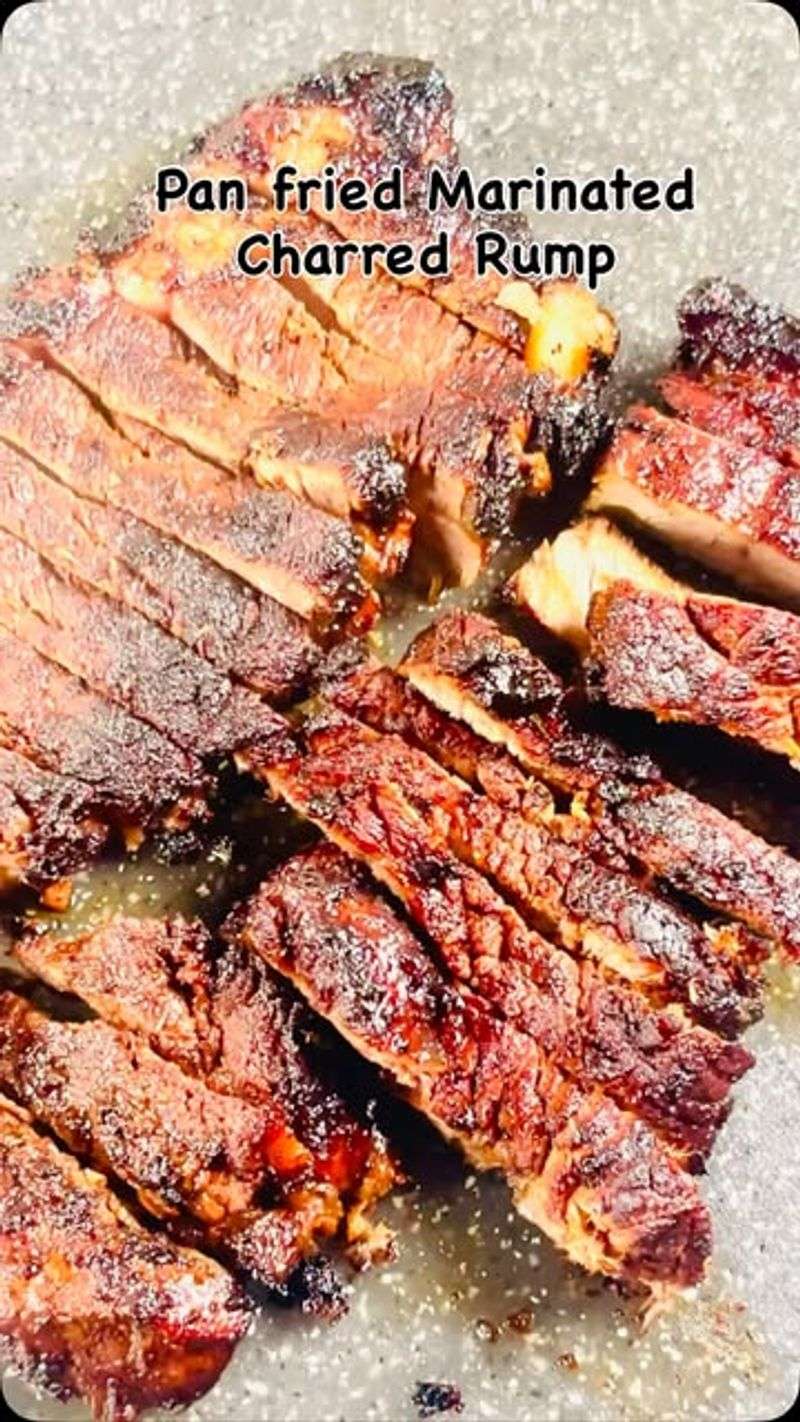
Surface moisture is the enemy of crust. Even a great marinade needs a quick blot before the steak meets high heat.
Drying lets the Maillard reaction take center stage, building that savory, browned exterior you crave.
Set the steak on a rack and press gently with paper towels until the sheen disappears. Lightly oil after drying, not before, to keep the surface slick without dripping.
This tiny step prevents gray, steamed meat.
Dry equals sizzle, aroma, and color. When the steak hits the pan and you hear a sharp hiss, you did it right.
Browning happens fast, so stay nearby, flip once, and bask in that crackling sear.
6. Do not crowd the pan
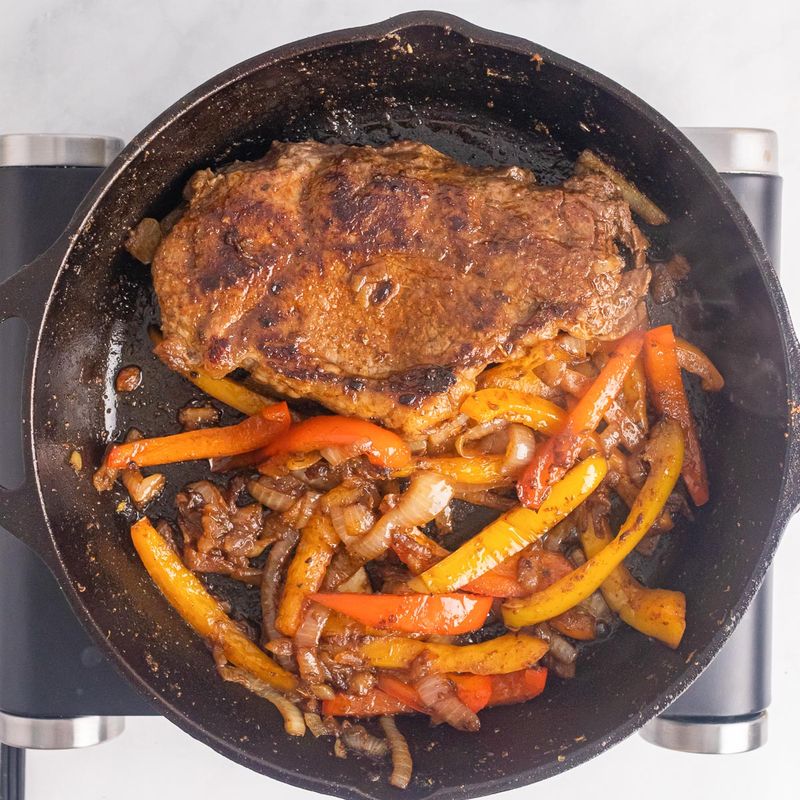
Crowding lowers heat and turns searing into simmering. When too many pieces hit the pan, juices pool and you get pale, soggy steak.
Give each piece breathing room so contact points stay scorching-hot.
Cook in batches and reheat the pan between rounds. Slide finished steak onto a warm plate or low oven to hold.
Those extra few minutes keep crust intact and prevent that sad, gray look.
Use a larger skillet if available, or split between two burners. You will hear a crisp sizzle instead of gentle bubbling.
The reward is concentrated flavor, snappy edges, and a steak that tastes like the grill even indoors.
7. Let the steak rest before slicing
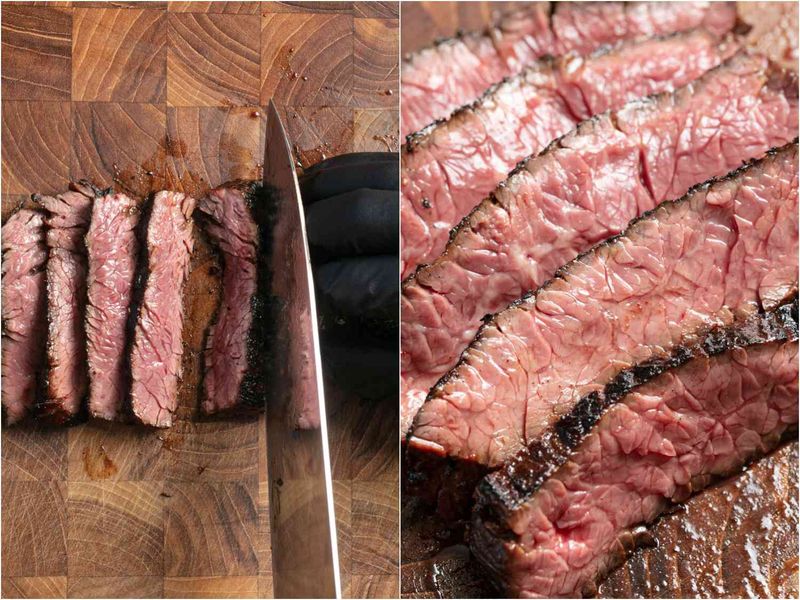
Resting gives juices time to redistribute so they stay in the meat, not your cutting board. Five to ten minutes is enough for most fajita steaks.
Carryover heat finishes the center while the crust settles and re-crisps slightly.
Tent loosely with foil, not tightly, to avoid trapping steam that softens the sear. Use the pause to heat tortillas or sauté vegetables.
When the timer dings, the steak slices cleaner and stays luscious.
Check temp earlier to avoid overshooting doneness. Pull a little shy of your target, then rest to perfection.
The payoff is juicy slices that do not bleed out, making every tortilla bite balanced and flavorful.
8. Slice peppers and onions for texture
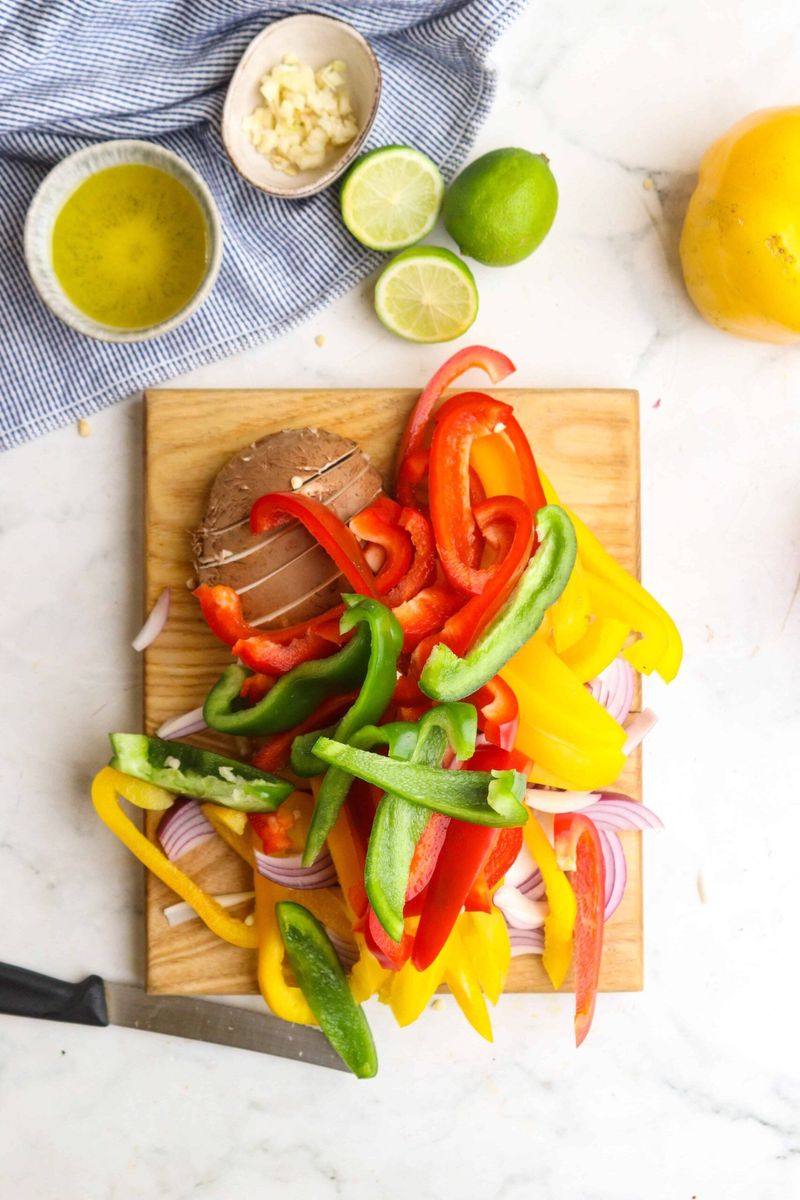
Vegetable cut size decides the bite. Thin strips cook fast, get light char, and keep a gentle snap.
Thicker strips stay juicier and feel more substantial, great if you like a softer edge without losing body.
Whatever you choose, keep sizes consistent so everything finishes together. Mix colors for sweetness and visual pop.
Red onion brings a mellow bite that mellows on heat, while poblanos add a savory, roasted note.
Prep them before the steak so the pan stays hot and the flow is easy. Uniform pieces flip cleanly and avoid burning.
You control the final texture by how you slice, setting the tone for every fajita bite.
9. Cook veggies hot, but not forever
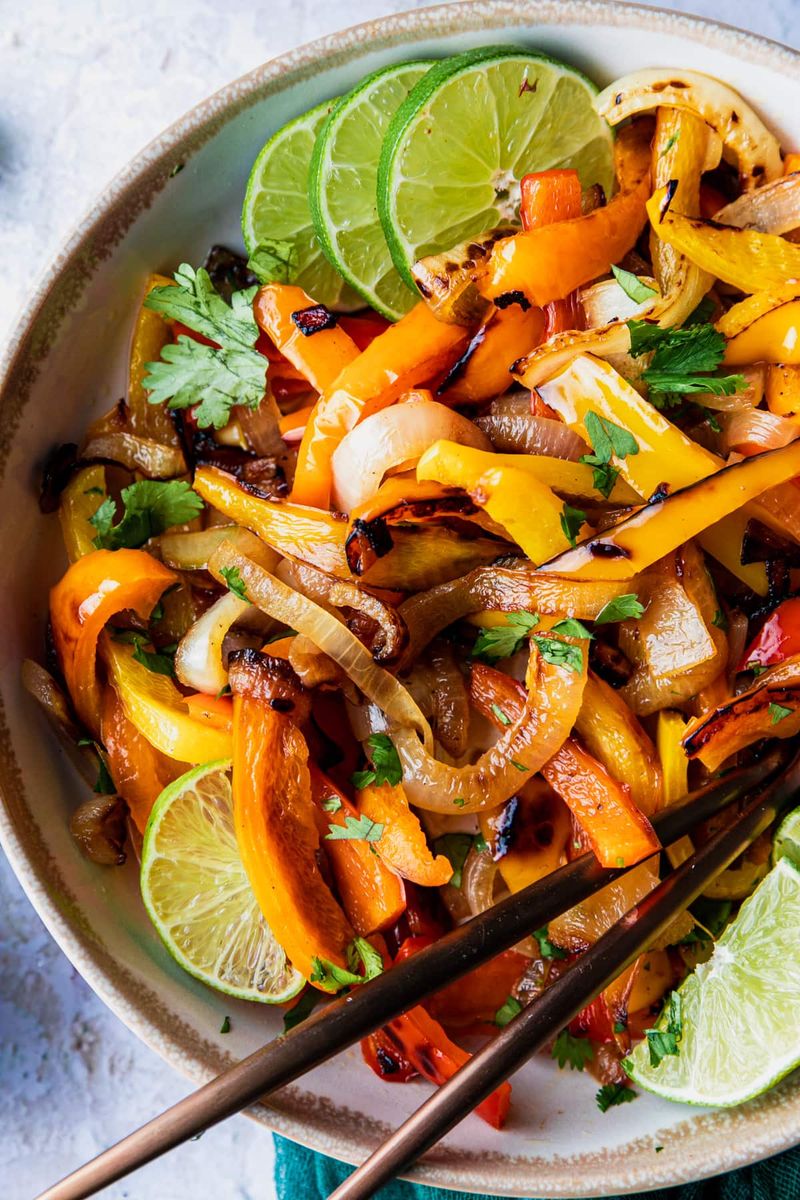
Fajita vegetables should taste alive, not limp. Use high heat and quick tosses to blister edges while keeping color.
You want sweet char and a little snap, pulling them before they collapse.
Start with a thin film of oil, heat until shimmering, and spread veggies in a single layer. Season with salt and a pinch of sugar to boost browning.
Toss every 30 seconds, letting contact time create sear marks.
Pull when onions turn glossy and peppers soften but still resist a bit. Deglaze with a splash of stock or lime to lift fond.
Those textures pop alongside juicy steak, balancing richness with bright, smoky sweetness.
10. Finish with acid at the end
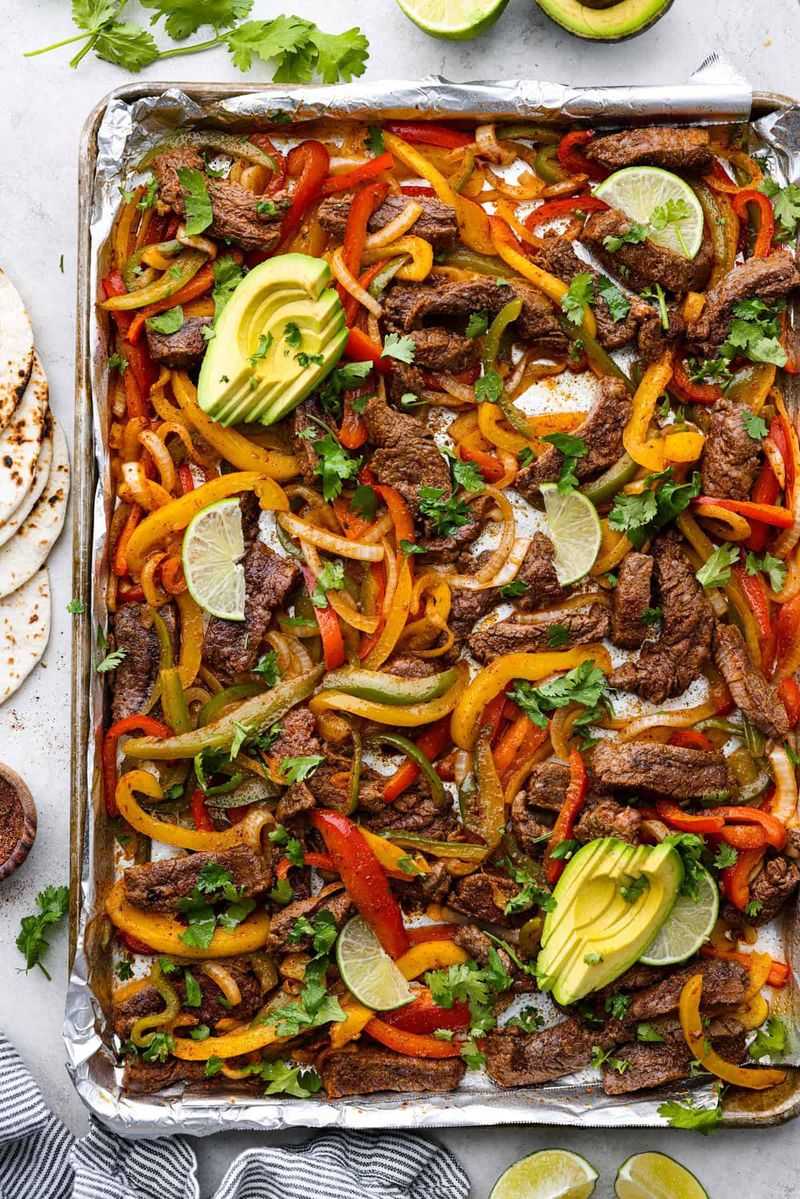
A final squeeze of lime wakes everything up. Acid cuts through richness, highlights smoky notes, and makes seasonings taste sharper.
Add it right before serving so brightness stays fresh.
Keep wedges on the table so everyone can tune acidity. A splash of cider vinegar or pickled jalapeno brine also works if limes are scarce.
Do not drown the plate, just a lively spritz to balance.
Finish with chopped cilantro and maybe a drizzle of warm pan juices. That bright top note turns good fajitas into unforgettable ones.
You will taste the lift immediately, like turning up the contrast on a perfect picture.