10 Things That Can Go Wrong When Cooking Oxtail
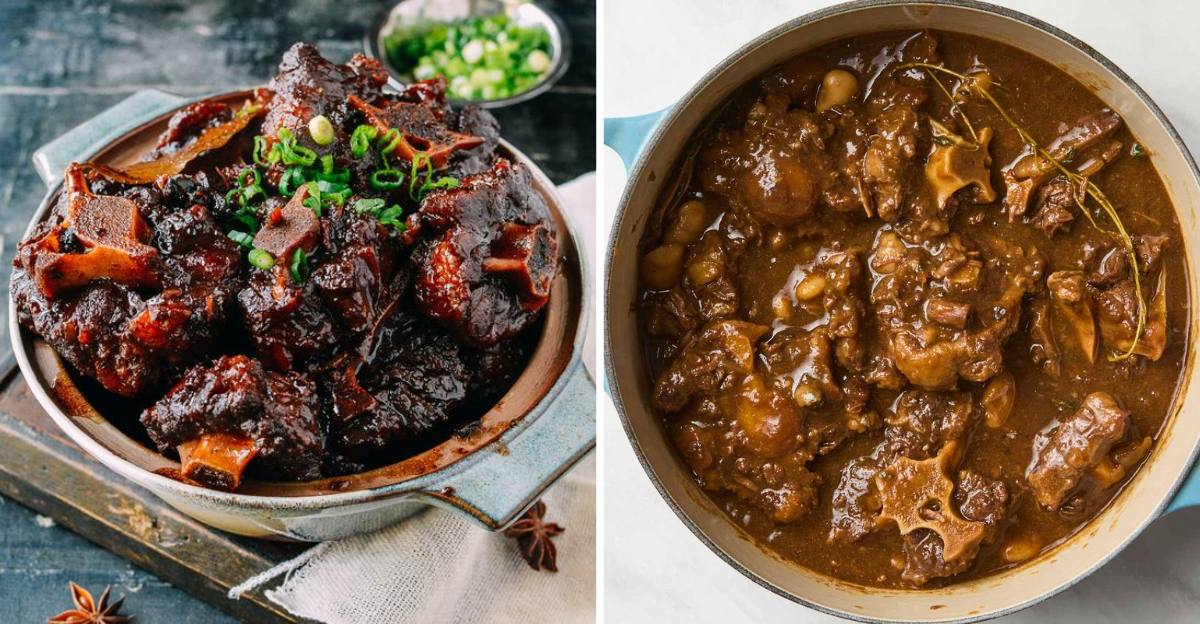
Cook oxtail right and you unlock deep, silky comfort that feels like a hug in a bowl. Rush it or misjudge the basics, and you are left with something tough, greasy, or oddly flat.
The difference comes down to heat, time, liquid, and seasoning working in harmony. Here are the pitfalls to dodge so your next pot turns out rich, balanced, and unforgettable.
1. Rushing The Cooking Time
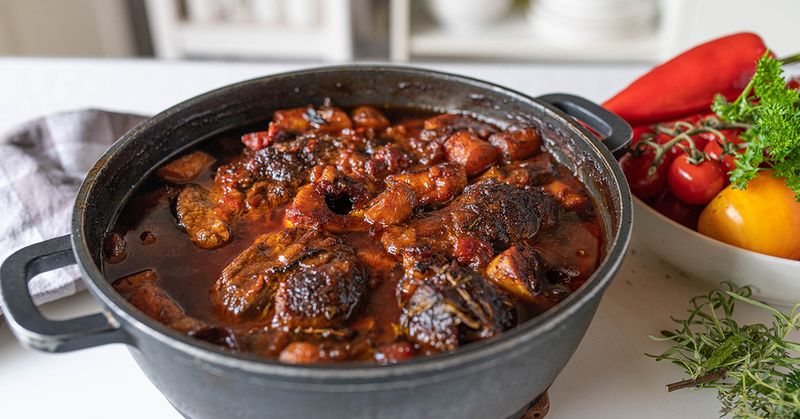
Oxtail rewards patience, not haste. When you rush, the collagen has no chance to melt into that silky, spoonable texture you crave.
Instead, the meat stays stubborn, chewy, and oddly dry around the edges. You might think turning up the heat will compensate, but it rarely does.
Toughness just digs in deeper.
Plan for hours, not minutes. Keep the pot at a gentle simmer, and let time do quiet magic.
If you are unsure, test with a fork and watch for wobble at the joints. When bones loosen and the sauce feels glossy, you finally timed it right.
2. Using Heat That Is Too High
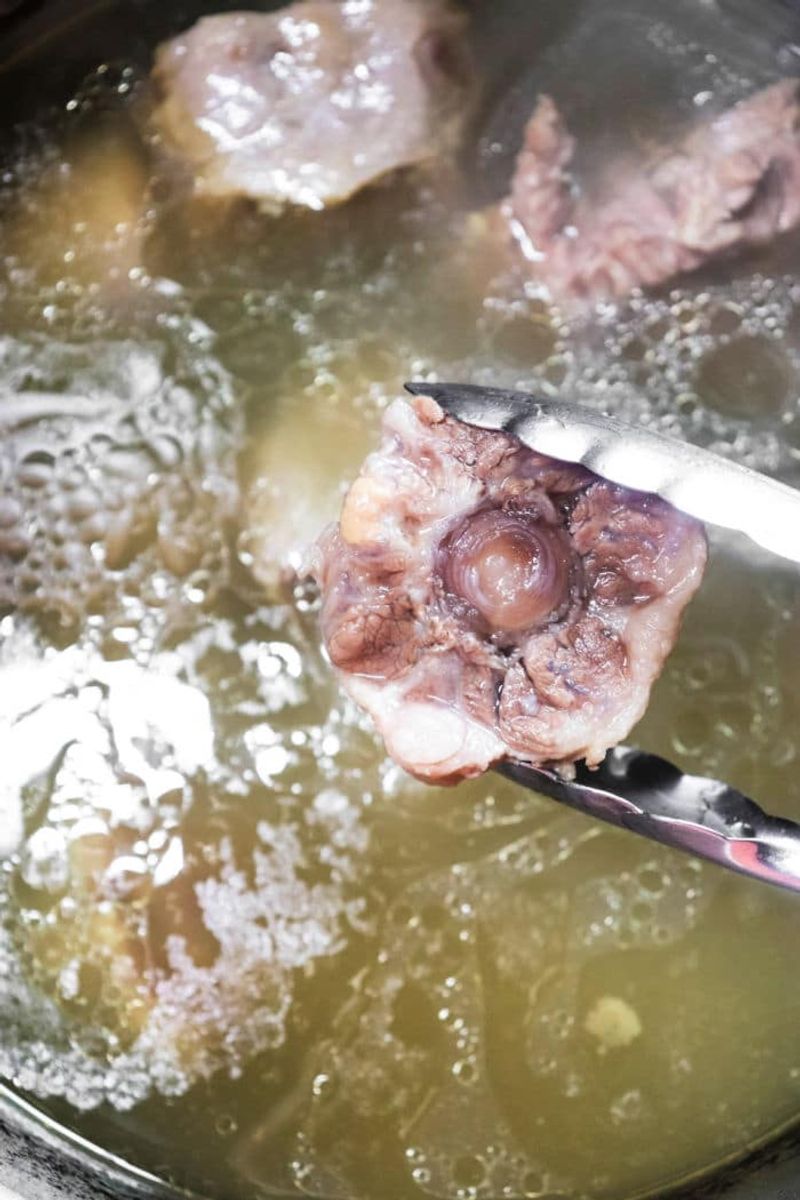
A rolling boil seems efficient, but it backfires with oxtail. High heat squeezes muscle fibers tight, pushing out moisture and clouding the broth.
The liquid reduces too fast, sugars scorch, and the pot threatens to stick. You end up babysitting instead of braising.
The texture becomes ragged rather than plush.
Dial it back to a steady, lazy simmer. Bubbles should gently wink, not crash.
Adjust the burner, partially cover the pot, and check occasionally without constant stirring. If the surface rages, you are cooking too hot.
Calm the heat, and the collagen can quietly melt into something deeply tender.
3. Skipping The Browning Step
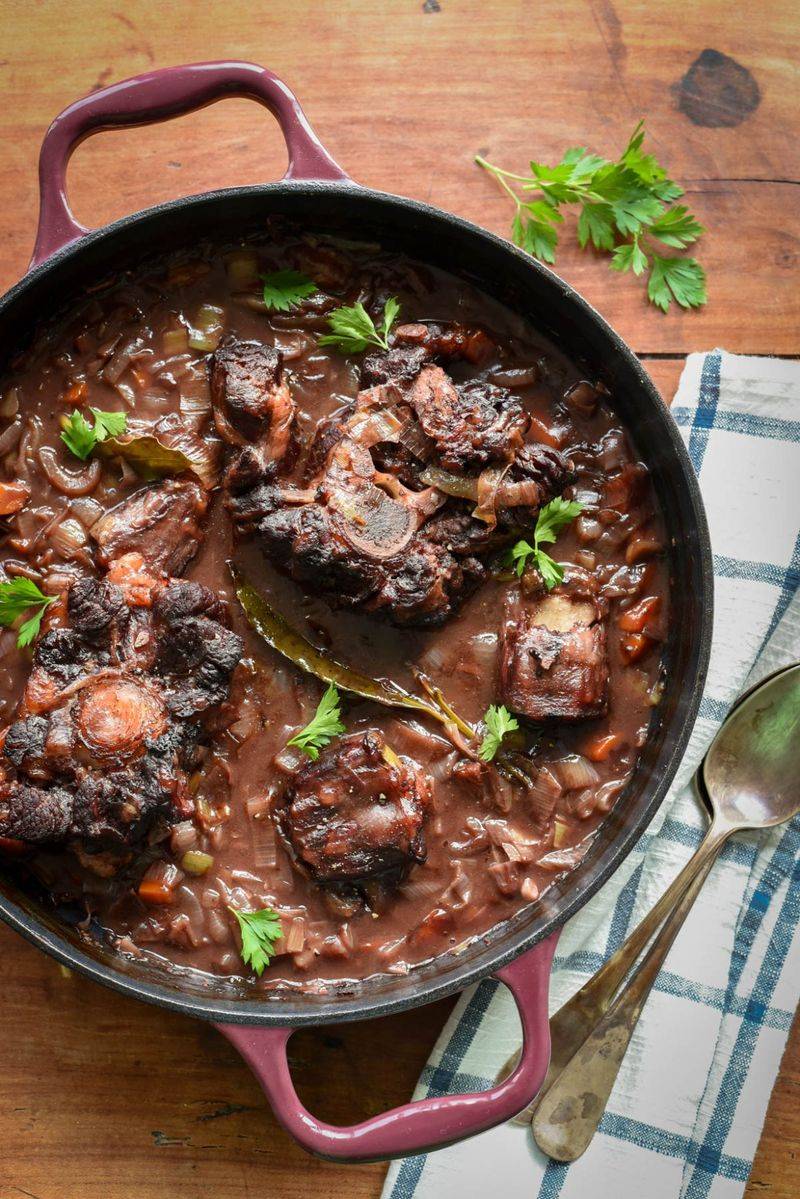
Skipping the sear robs your pot of savory depth. Browning builds fond, those caramelized bits that dissolve into sauce like concentrated flavor cubes.
Without it, the braise tastes fine but feels one note. You will miss that roasted backbone that makes every sip richer.
Color equals character here.
Pat pieces dry, salt lightly, and brown in batches so they do not steam. Use a heavy pan, moderate heat, and patience.
Do not rush or flip too soon. When the bottoms turn mahogany and smell nutty, deglaze with stock or wine, scraping everything up.
That is your secret flavor.
4. Not Cooking It Long Enough To Break Down
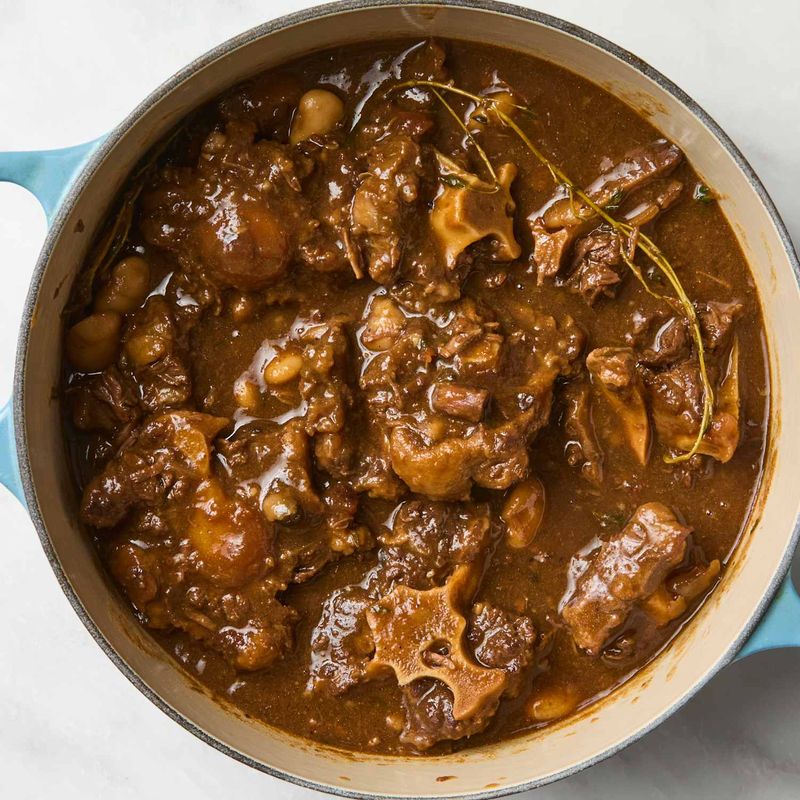
There is a frustrating middle zone with oxtail. It looks cooked, yet the joints resist and the meat clings hard to bone.
Bite gives way to bounce, not butter. At that point, you are close, but not there.
Keep going until connective tissue transforms from gummy to luscious.
Check tenderness at the thickest pieces. A fork should slide in easily, and the bone should twist with minimal persuasion.
If timing worries you, add liquid and keep the quiet simmer steady. Taste the sauce for salt as it concentrates.
When it jiggles softly, you have crossed the finish.
5. Letting The Sauce Turn Too Greasy
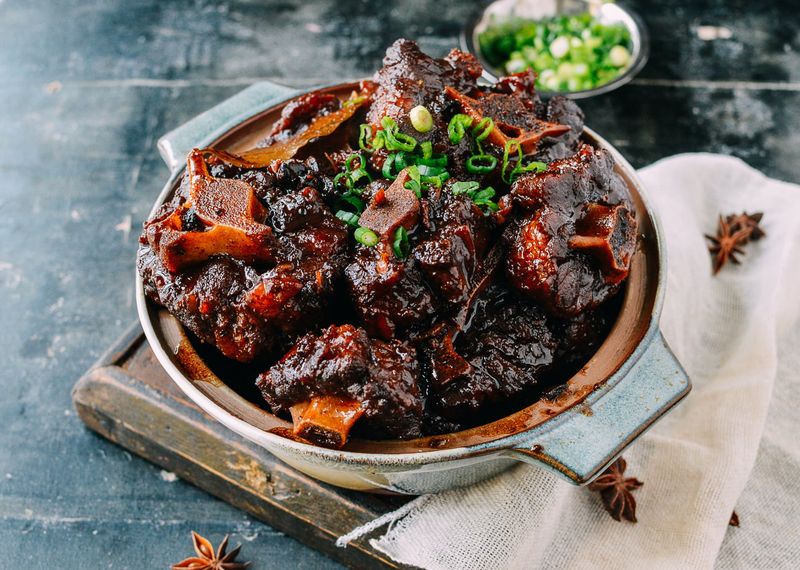
Oxtail throws off plenty of fat, which can swamp the pot if you ignore it. Excess grease dulls flavors and coats your palate so every bite feels heavy.
Vegetables slide instead of melding, and the sauce looks slick rather than glossy. You lose balance, and richness turns to fatigue.
Skim during cooking, tilt and ladle, or chill overnight and lift the firm cap. Use a splash of vinegar or citrus to brighten the finish.
Keep some fat for body, not all. When the spoon leaves a light sheen, not a puddle, you have nailed the texture.
6. Underseasoning The Braising Liquid
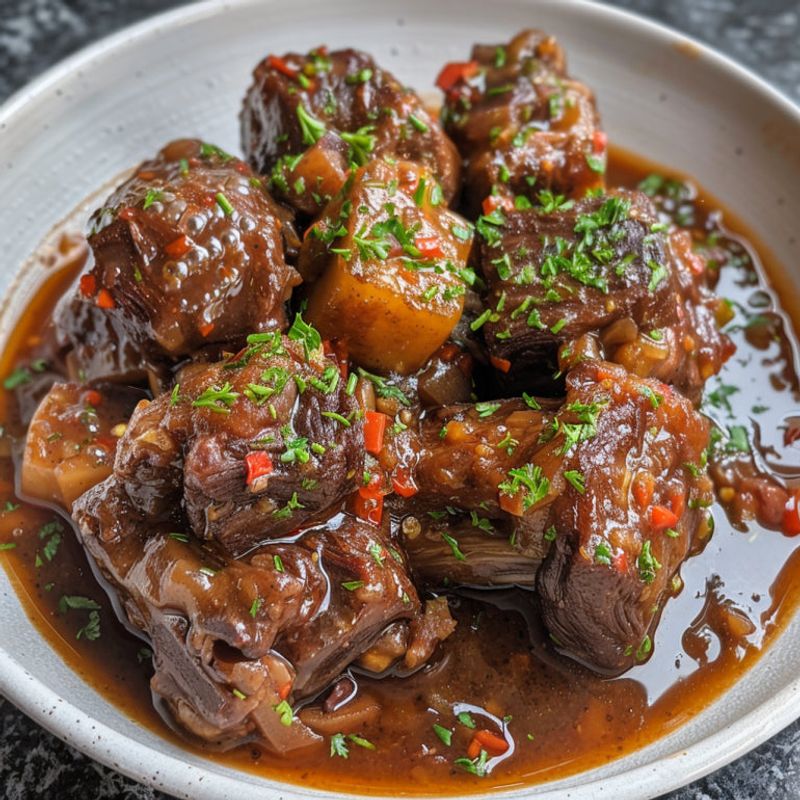
Long braises need bold, layered seasoning. If the liquid starts timid, hours of cooking will not fix a flat foundation.
Oxtail brings deep savor, but it still needs salt, herbs, aromatics, and maybe a touch of acid. You want the pot to taste lively even before it finishes reducing.
Season in stages. Salt the meat, bloom spices in oil, and taste the broth after deglazing.
Add soy, anchovy, miso, or fish sauce if you like umami boosters. Keep adjusting as the liquid concentrates.
When a spoonful tastes bright, rounded, and balanced on its own, you are in business.
7. Adding Too Little Liquid
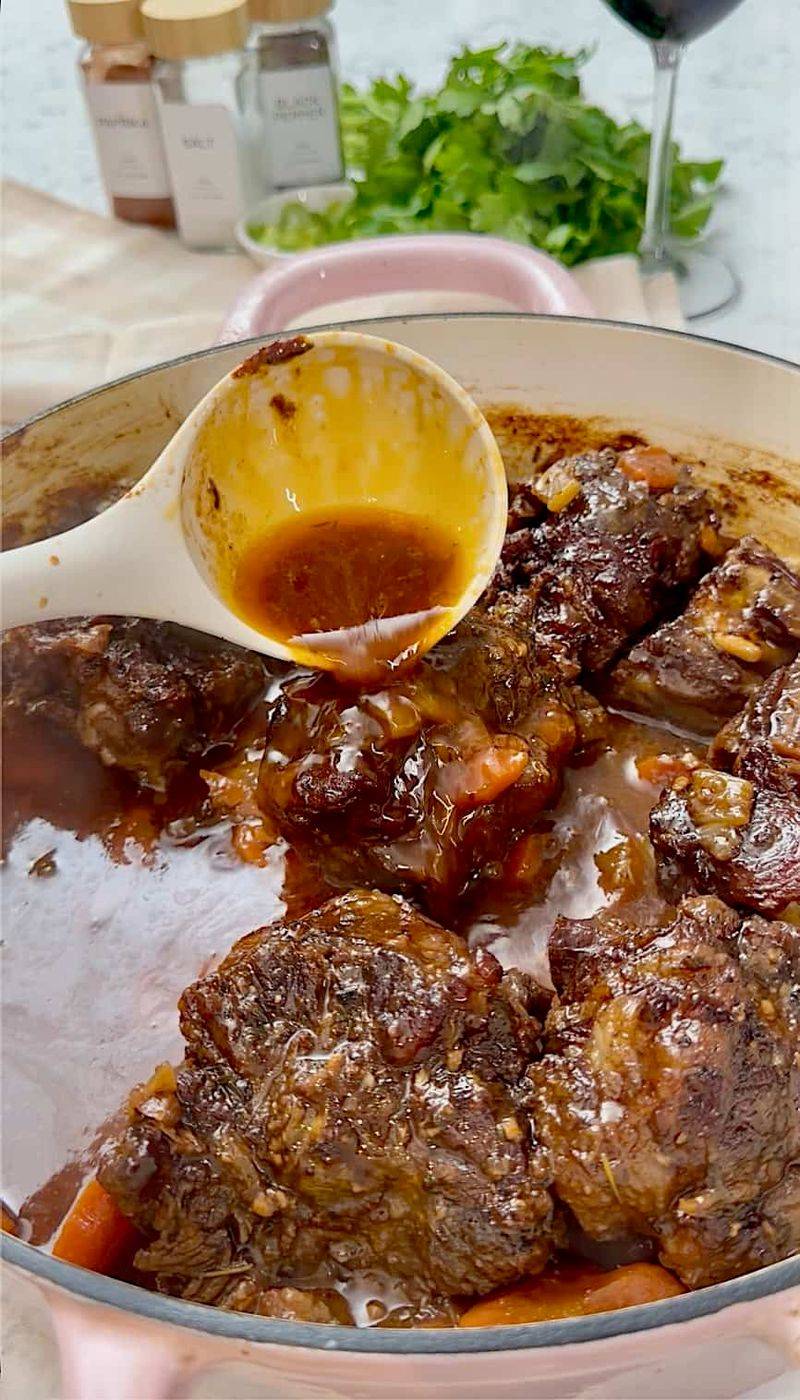
Not enough liquid turns a gentle braise into a dry, patchy cook. Parts of the oxtail can scorch while others steam, leaving uneven texture and flavor.
The sauce thickens too soon and tastes reduced but underdeveloped. You get concentration without cohesion, which is not what you want.
Start with enough broth to reach at least halfway up the pieces, often more. Check levels periodically and top up with warm stock, not water if possible.
Keep the simmer steady and covered as needed. When everything is just submerged or nearly there, the breakdown happens evenly and predictably.
8. Adding Too Much Liquid
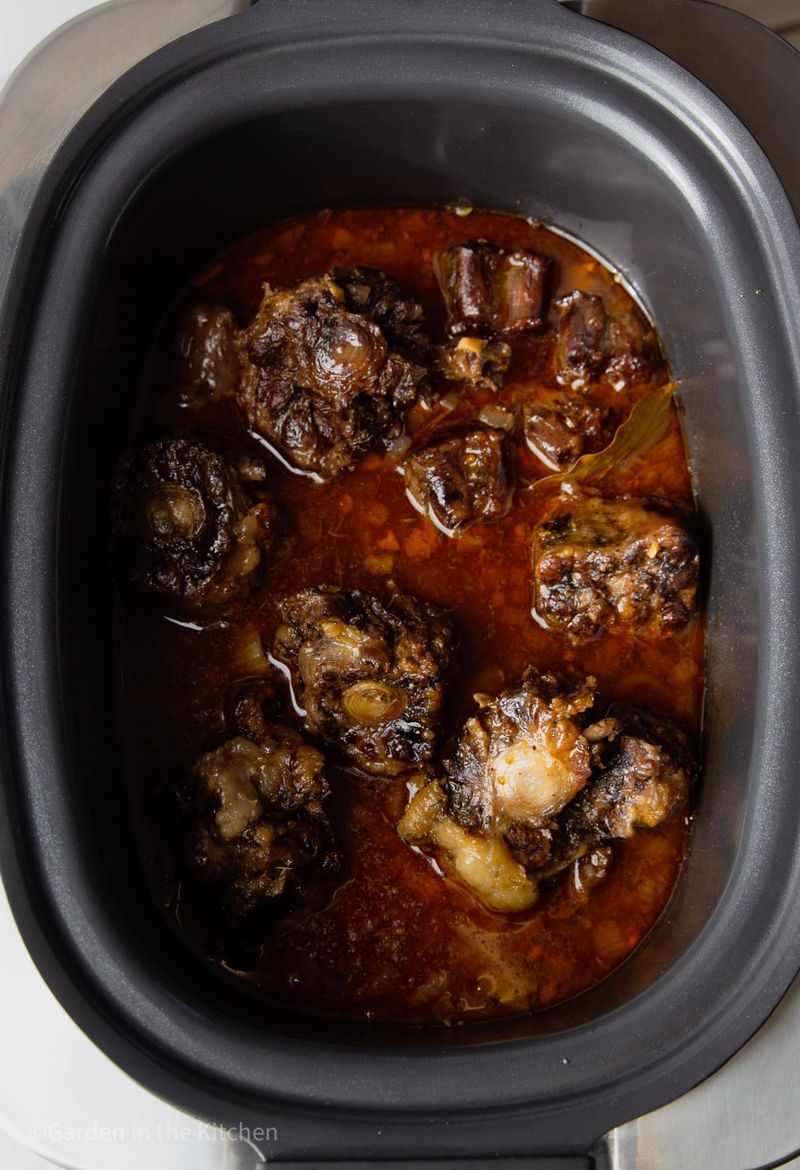
Drowning the pot in liquid washes flavor into a vast pool. Instead of a concentrated, velvety sauce, you finish with something thin and shy.
The meat may be tender, but the broth tastes watery and anonymous. You end up chasing intensity with salt, which cannot replace reduction and balance.
Begin with a sensible amount and allow room for reduction. Keep the lid cracked to vent if needed.
Toward the end, remove the meat and rapidly simmer the sauce until it coats a spoon. Then return the oxtail so it glazes, not floats.
Richness comes from focus, not volume.
9. Forgetting That It Often Tastes Better The Next Day
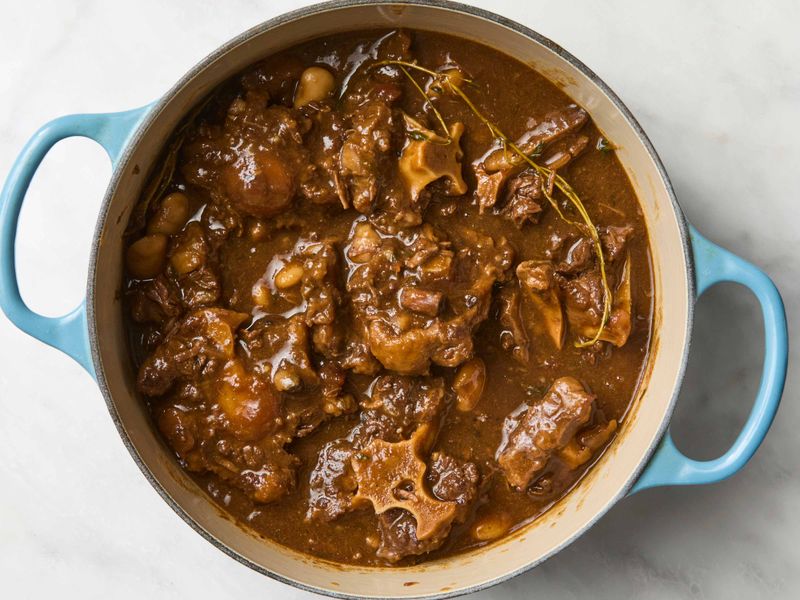
Oxtail is a next day champion. Resting lets flavors settle, fats firm for easy skimming, and sauce textures even out.
If you serve immediately, it can still taste great, but you miss that deeper harmony that arrives overnight. Reheating also helps the collagen set into a luscious, lip coating glaze.
Cool safely, refrigerate, and rewarm gently the following day. Taste again and adjust salt or acid before serving.
You will notice brighter aromatics and a rounder finish. Patience here pays double dividends, delivering clarity and richness together.
Leftovers are not consolation prizes with oxtail. They are the main event.
10. Expecting It To Behave Like A Quick-Cooking Cut
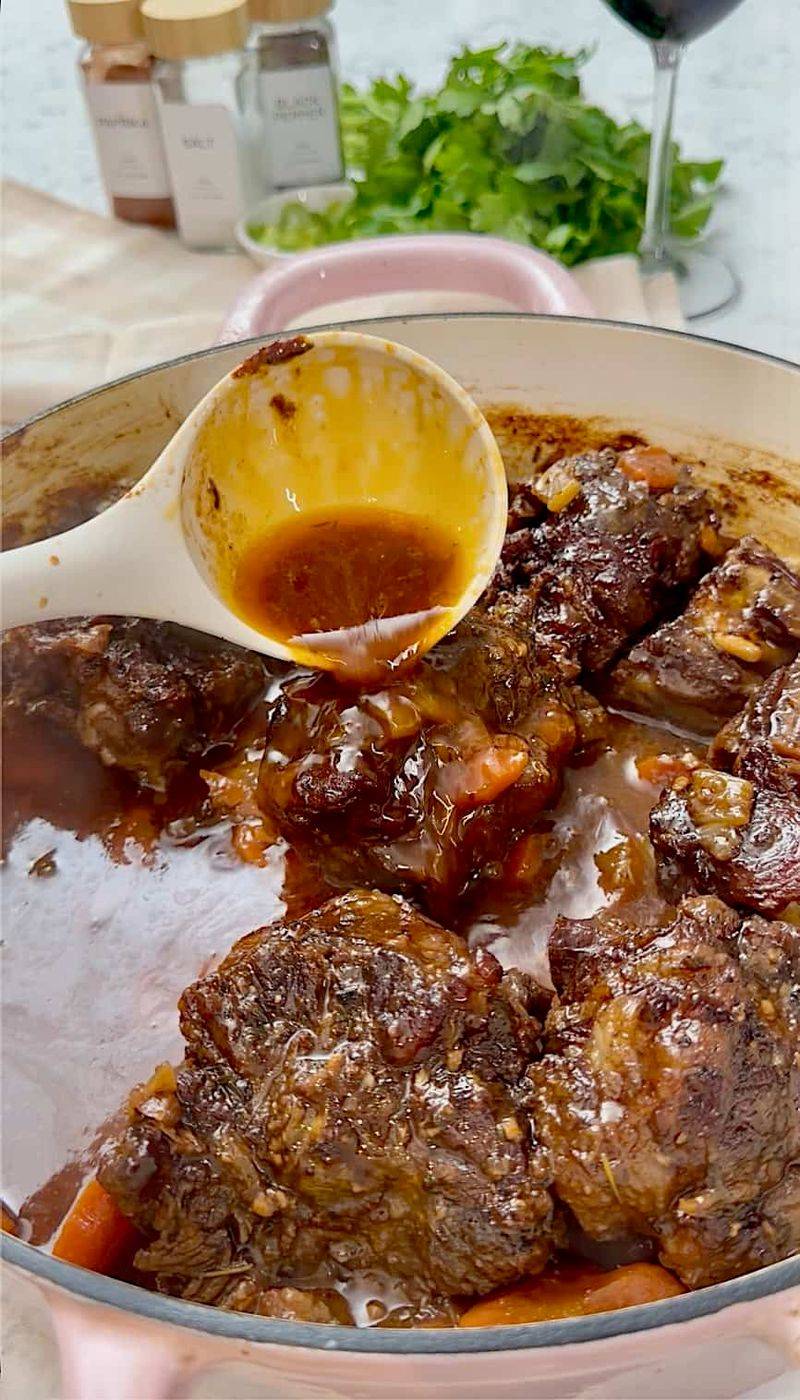
Treating oxtail like steak sets you up for disappointment. It needs low heat, moisture, and long time for magic.
Quick sears or short pressure bursts might soften the outside, but the interior stays tight. The cut shines when cooked slowly until bones wobble and sauce clings with glossy heft.
Plan ahead, shop a day early, and embrace the ritual. Build flavor in layers, then let the pot hum quietly while you do something else.
Trust the process, check occasionally, and resist fiddling. When patience meets gentle heat, oxtail transforms into pure comfort.
That is the promise, every time.