10 Ways To Improve Cajun Pasta At Home
Cajun pasta should hit you with warmth, smoke, and a little swagger. If your version tastes flat or heavy, a few small tweaks can flip the script fast.
From building a true Cajun base to finishing with bright, fresh pops, these moves make your pot taste restaurant level. Grab your skillet and let’s turn that weeknight bowl into a craveable keeper.
1. Build the Trinity Base
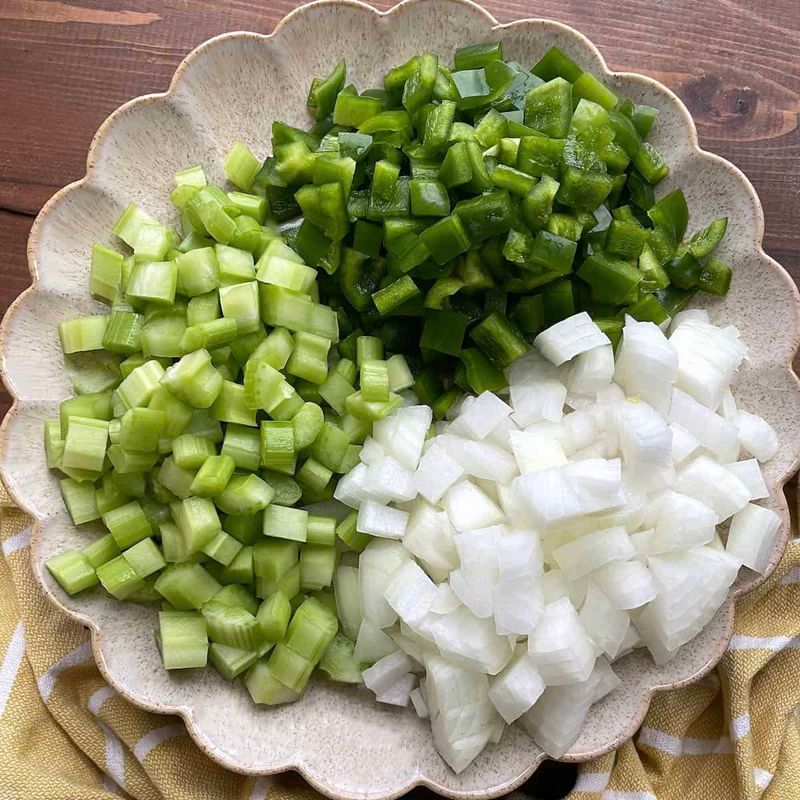
Start with the Cajun trinity: onion, bell pepper, and celery softened in butter or oil. Cook until glossy, sweet, and just beginning to brown at the edges.
This step anchors everything, giving your sauce that unmistakable Louisiana backbone.
Salt lightly and let the vegetables sweat, releasing moisture that blends into the pan fond. Keep the heat medium so they caramelize without burning.
You will taste the difference later when the sauce picks up their sweetness.
Want extra depth? Add a little garlic near the end to avoid scorching.
The aroma signals you are building real flavor.
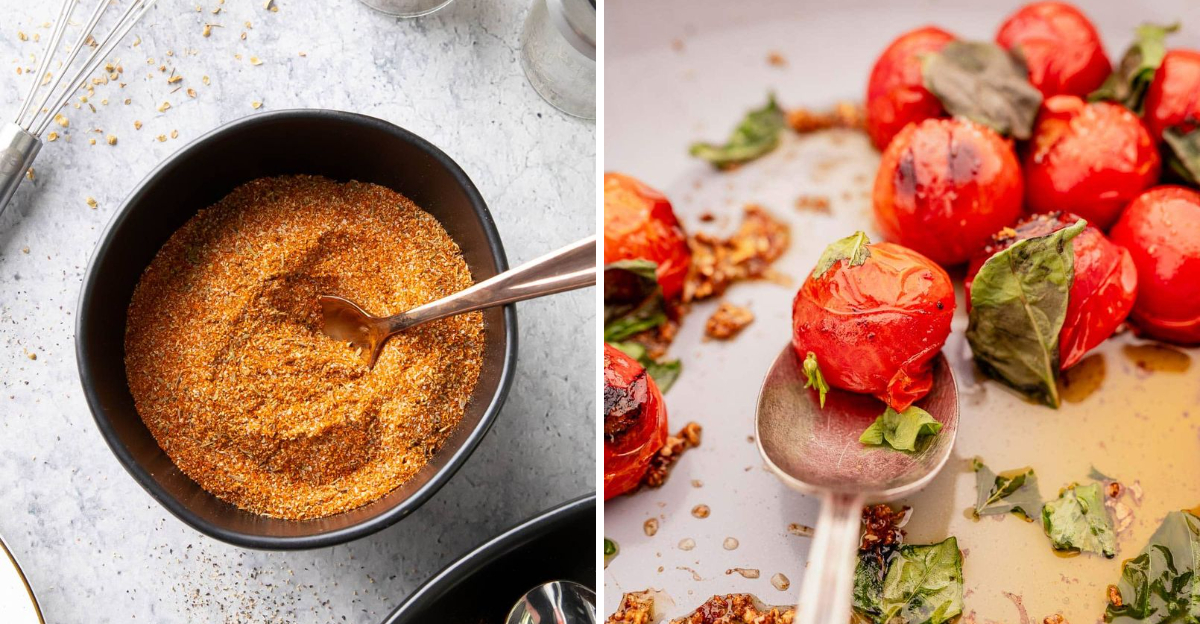
2. Layer Cajun Seasoning
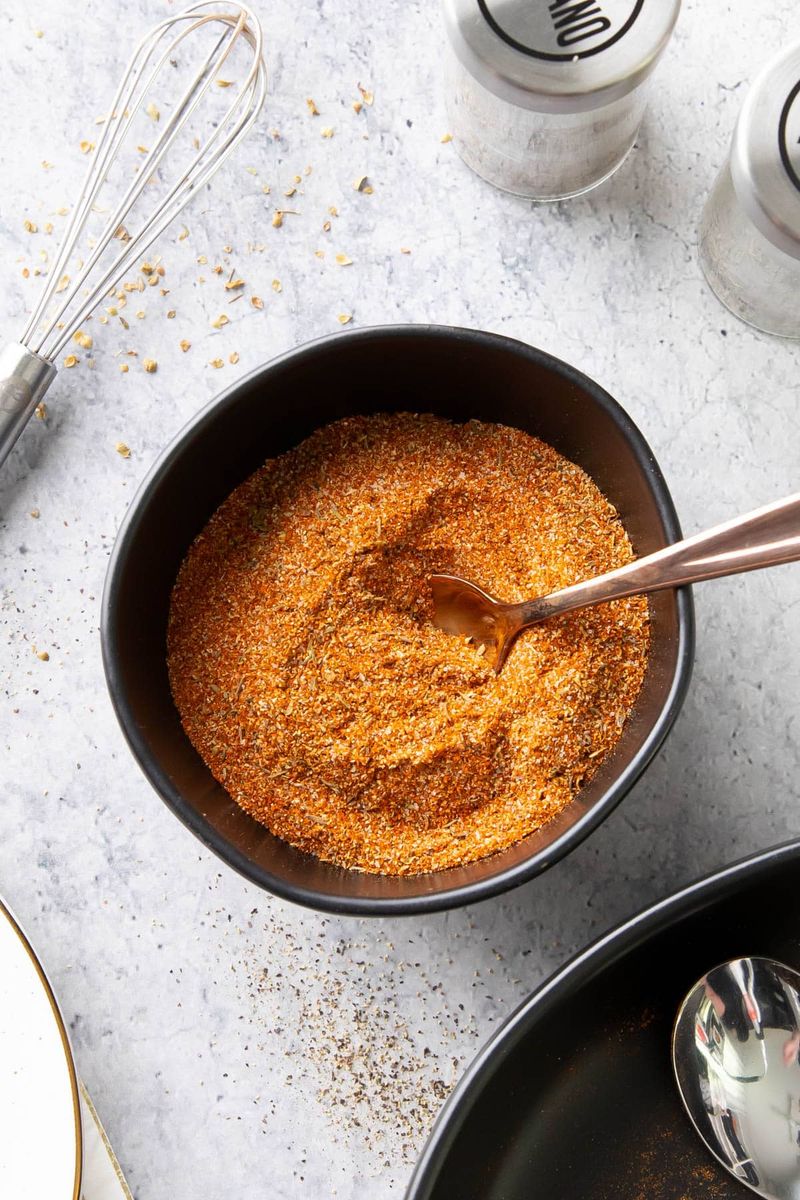
Season in stages rather than dumping everything at the end. Toss your protein with Cajun seasoning first, letting the spices bloom in hot fat as you sear.
Later, taste your sauce and add more in pinches, adjusting salt and heat gradually.
Layering avoids harsh, dusty flavors and develops complexity. Paprika, garlic, onion, cayenne, and herbs unfold differently across cooking steps.
You get depth, not just heat.
If your seasoning is salty, reduce other salt. Keep tasting as pasta water and cream change intensity.
Aim for bold but balanced.
3. Sear the Protein Hard
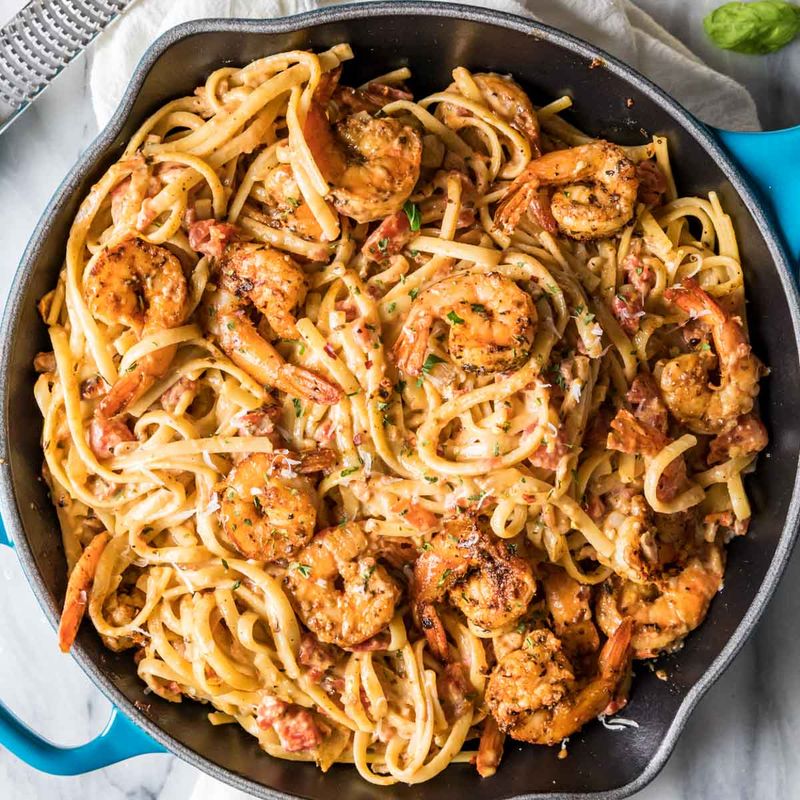
Crank the heat and get real browning on chicken, shrimp, or sausage. Dry the surface, oil lightly, and do not crowd the pan.
That crust means concentrated flavor, and it sets you up for a sauce that sings.
Leave pieces alone until a golden sear forms. Flip once, then pull them out before overcooking.
Resting keeps juices inside.
Those browned bits stuck to the skillet? That is pure flavor waiting to be deglazed.
You will capture smokiness and savory depth without extra effort.
4. Add Smoked Sausage
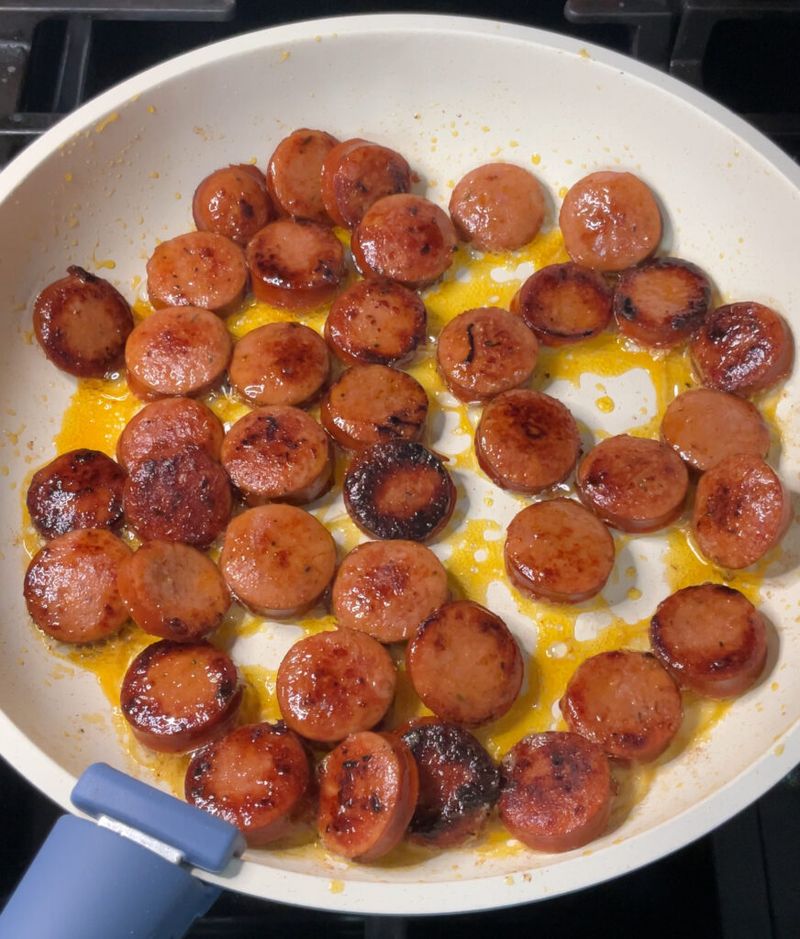
Fold in andouille or any good smoked sausage, even just a little. The rendered fat carries spice and smoke through the sauce, making everything taste more restaurant level.
Brown the slices until crisp around the edges for contrast.
Use sausage as a supporting role if shrimp or chicken is your star. It adds salt, umami, and body, so you may need less additional seasoning.
Taste and adjust.
Short on andouille? Kielbasa or another smoky link works.
The goal is that whisper of smoke weaving through every bite.
5. Deglaze for Free Flavor
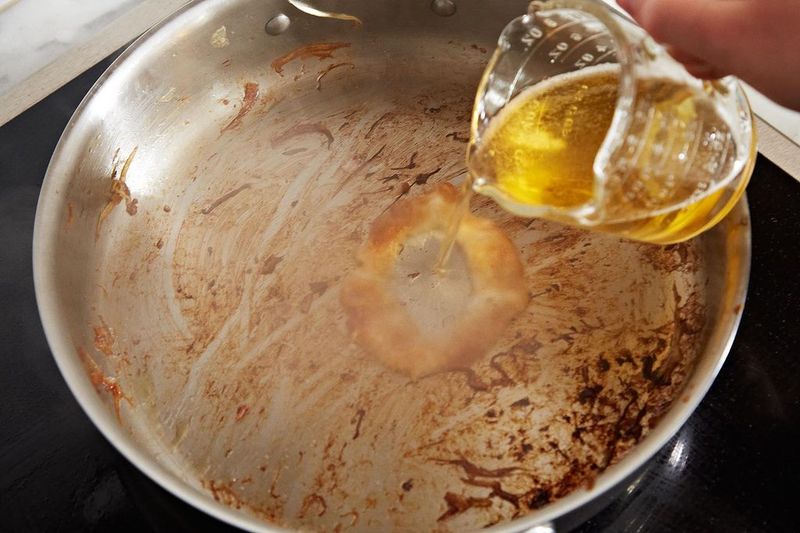
After searing, you have a pan coated in fond. Splash in broth, white wine, or hot pasta water and scrape with a wooden spoon.
Those concentrated bits dissolve into a base that tastes layered and rich.
Choose deglazing liquid based on mood. Broth for savory depth, wine for brightness, pasta water for silk and body.
Each pulls different flavors from the fond.
Reduce slightly before adding cream or tomatoes. You will lock in savory notes without diluting the sauce.
6. Touch of Tomato
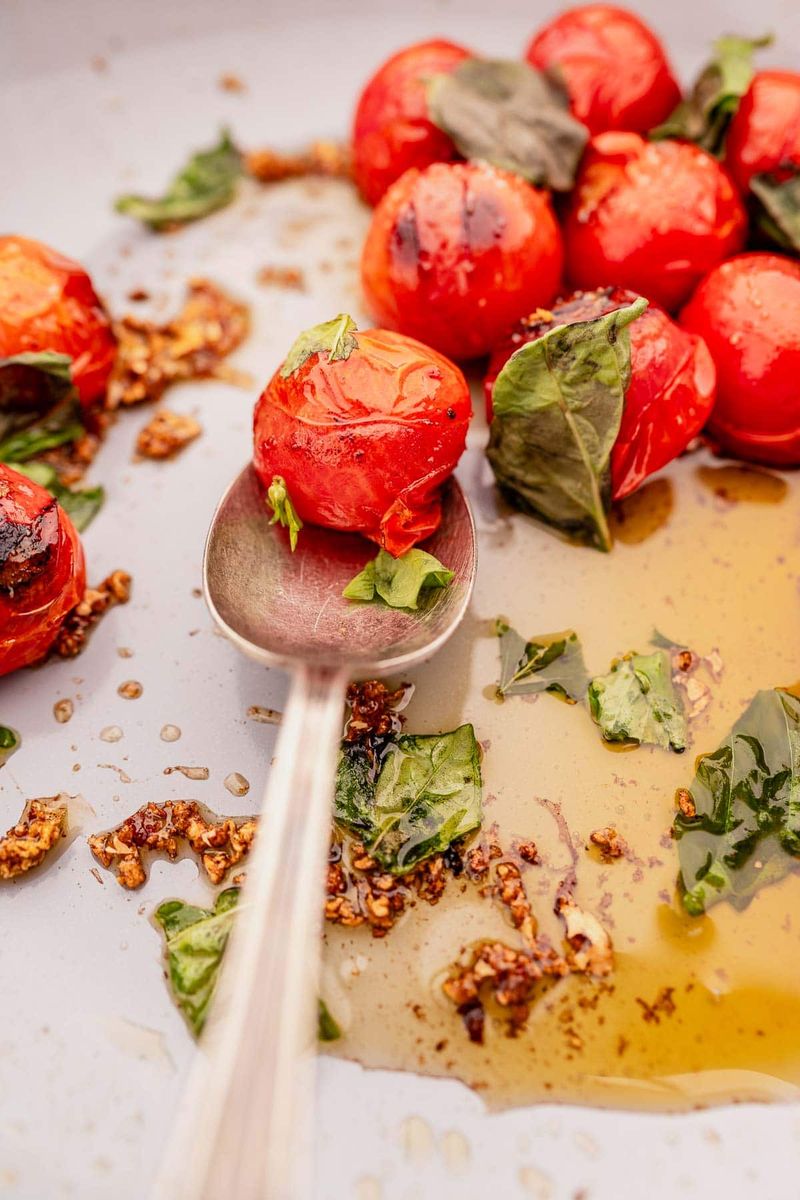
Add a spoon of tomato paste or a splash of crushed tomatoes, even in a cream sauce. Cook the paste until it darkens to brick red.
That brief caramelization erases raw tang and builds savory backbone.
Tomato adds subtle acidity and sweetness, preventing a one note, cloying sauce. It will not turn the dish Italian if used lightly.
Think nuance, not dominance.
If using crushed tomatoes, keep it minimal and reduce. You want gentle depth, not marinara.
Balance with cream and spice.
7. Mind the Cream
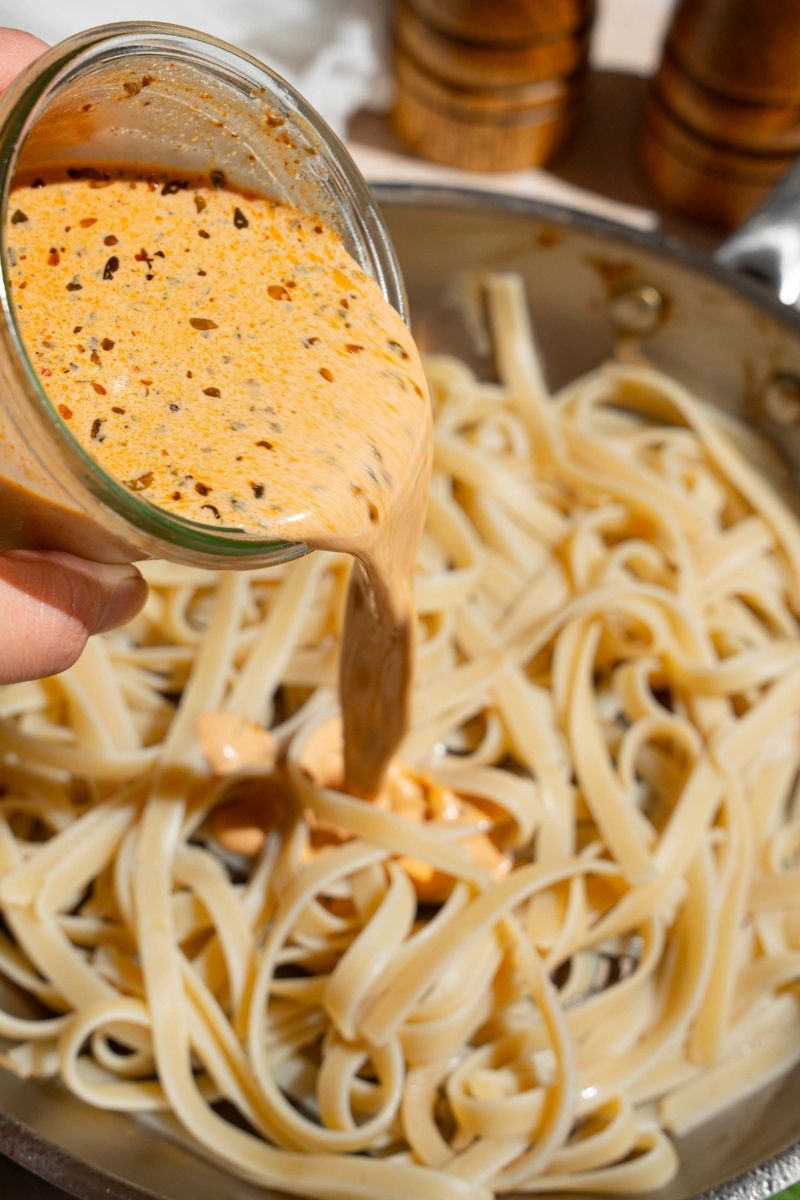
Richness is great, but too much cream mutes spice and aromatics. Add just enough to turn the sauce velvety, then let seasoning and fond do the heavy lifting.
Simmer gently so it does not split.
Thin with broth or pasta water if it gets too thick. Thickness should lightly coat noodles, not smother them.
Keep things saucy but lively.
If you prefer lighter, try half and half plus a knob of butter. Taste for salt since cream softens edges.
Balance is the goal.
8. Finish with Acid
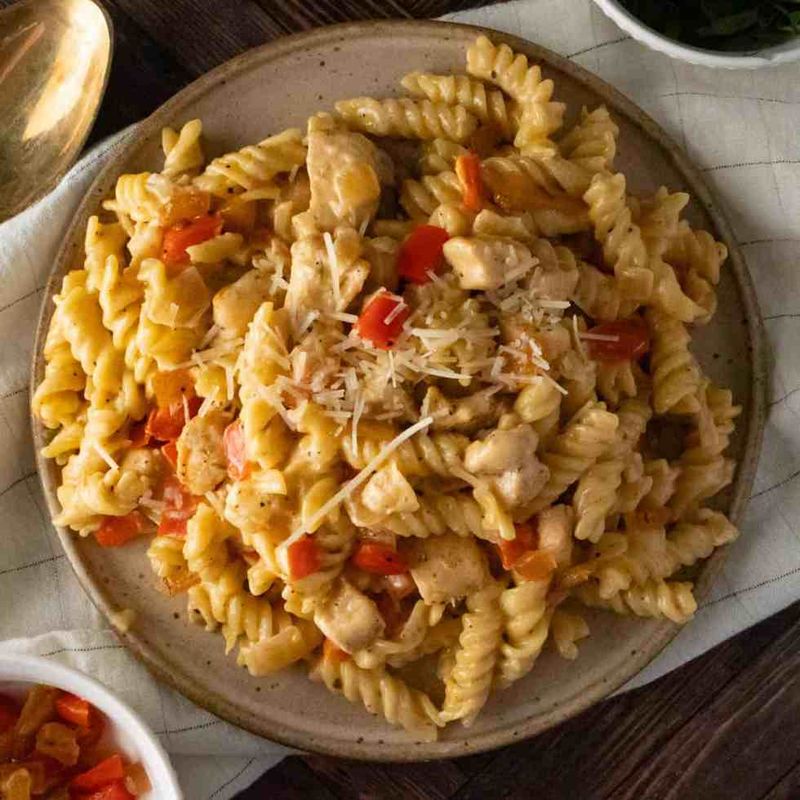
Right before serving, brighten everything with acid. A squeeze of lemon, a dash of hot sauce, or a splash of vinegar wakes up the sauce and sharpens spices.
The flavors lift instead of sitting heavy.
Start small and taste. Acid should sparkle without turning the dish sour.
It is the final nudge that makes richness feel intentional.
Citrus pairs beautifully with shrimp, while vinegar pops with sausage. Keep a bottle of hot sauce nearby for customizable heat at the table.
9. Use Parmesan Carefully
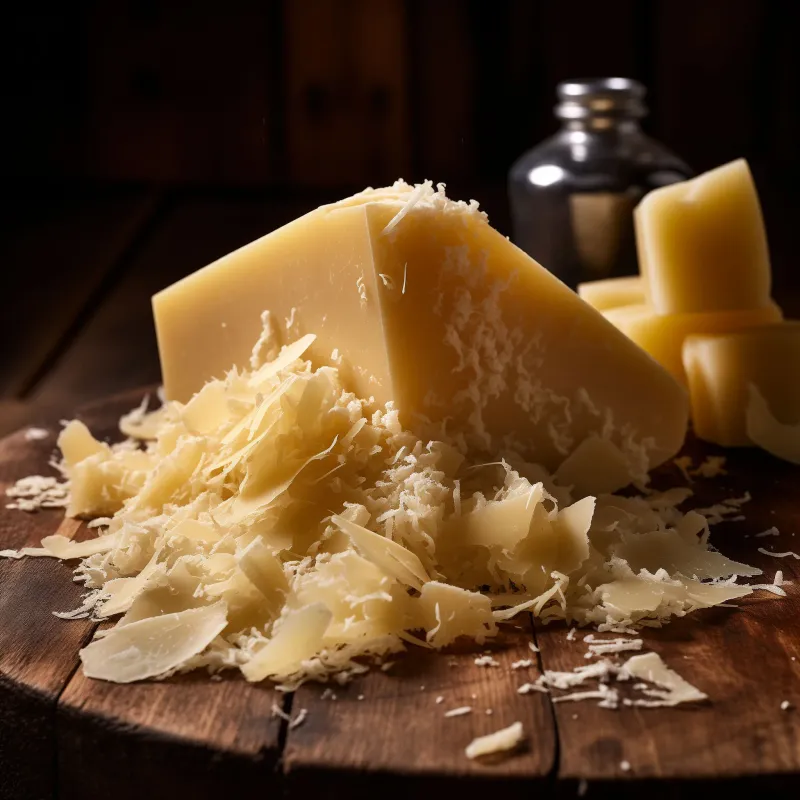
Parmesan brings savory umami, but too much shifts the dish toward Italian Alfredo. Use a light hand or stir in a spoonful off heat.
Let Cajun spices and aromatics lead while cheese plays backup.
If you want bolder Cajun identity, swap part of the Parmesan for extra green onion, black pepper, and paprika. Saltiness from sausage may already be high.
Taste first, then season.
Finish with a tiny sprinkle for aroma. You get nutty depth without masking smoke, heat, and sweetness.
10. Fresh Herb Finish
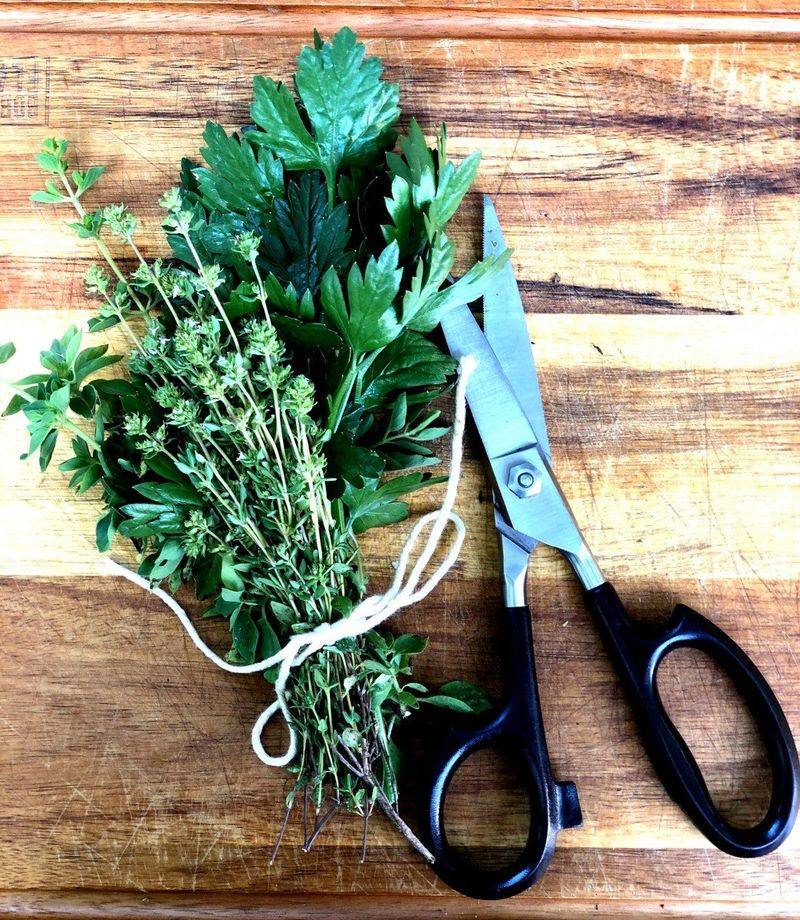
Right at the end, shower on sliced green onions, parsley, or a pinch of celery leaf. That fresh crunch and aroma make the dish feel alive.
Heavy turns balanced with one quick toss.
Use both dark green tops and pale bottoms of scallions for layered flavor. Parsley adds clean, peppery lift.
Celery leaf echoes the trinity, tying the sauce together.
Reserve a handful for the table so each bowl gets brightness. You will notice how the herbs spotlight smoke, spice, and sweetness.