12 Reasons Burgers Are Better At Restaurants
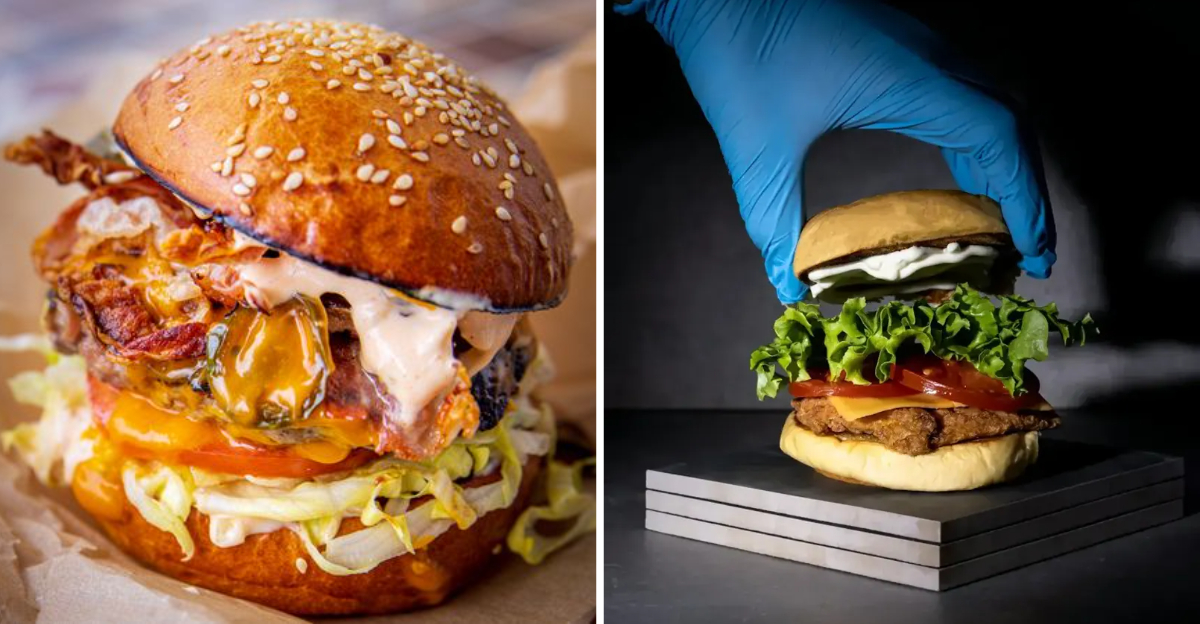
You can flip patties at home, but restaurant burgers hit different the second they land at your table. The sizzle, the stack, and that first juicy bite feel engineered to be unforgettable.
Chefs dial in details most home kitchens overlook, turning simple ingredients into craveable perfection. Ready to see why that dine out burger keeps winning your cravings?
1. Professional-grade equipment
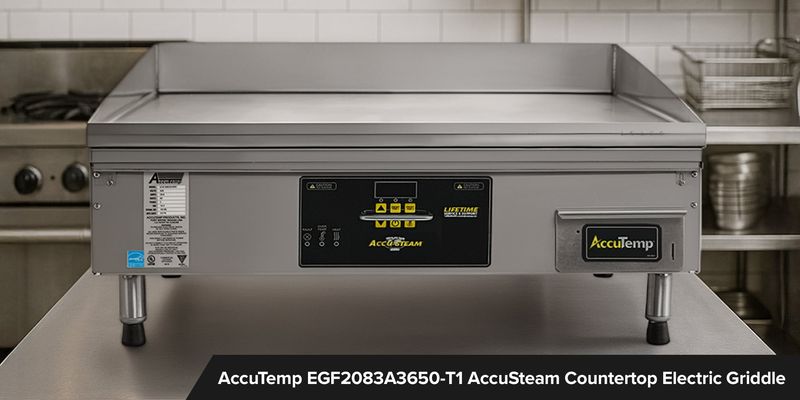
Restaurants use heavy flat-top griddles and high-BTU burners that hold steady heat. That means consistent searing, better browning, and fewer cool spots that cause steaming.
You get a Maillard-kissed crust you rarely achieve on a home pan.
Industrial hoods and ventilation keep smoke moving, so cooks can push higher temps without choking the room. That freedom equals deeper flavor and faster cook times.
Your kitchen simply cannot match that stable, sizzling environment.
2. Expert seasoning and salt timing
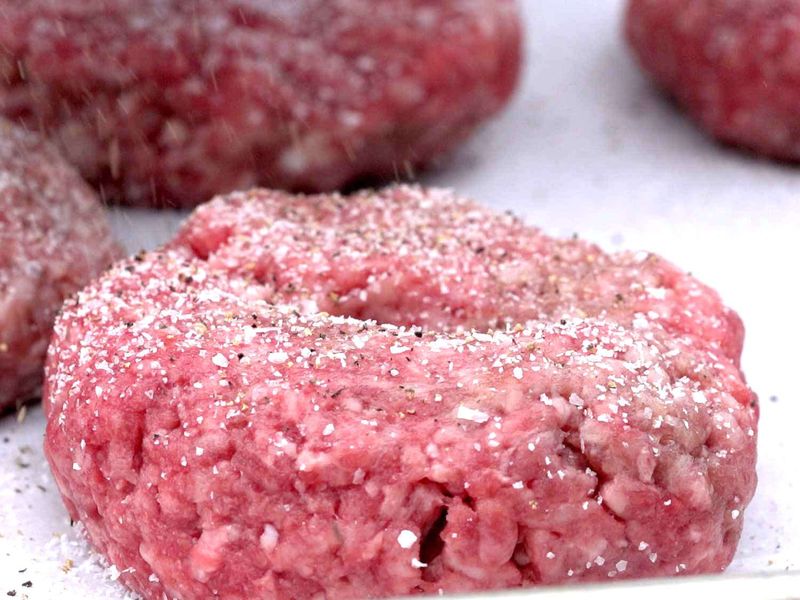
Chefs know exactly when to salt, how much to use, and where to season. Salting at the right moment draws out surface moisture just enough to turbocharge browning without drying the patty.
The result is a crust that snaps and a center that stays juicy.
Restaurants also rely on measured, repeatable ratios. You taste balance in every bite instead of guesswork.
That precision matters, especially with high-heat methods where seconds count and a pinch too much can ruin the day.
3. Freshly ground beef blends
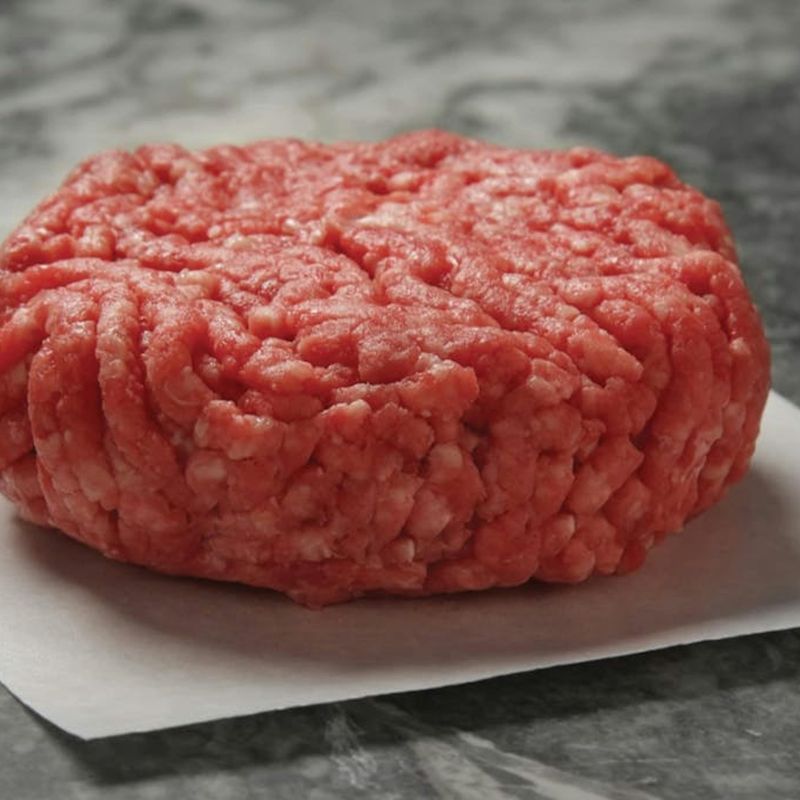
Many restaurants grind beef in-house or buy custom blends designed for flavor and texture. Chuck provides balance, brisket adds richness, and short rib brings beefy depth.
With controlled fat ratios, each patty holds together while still staying tender.
Fresh grinding also reduces compaction, preserving loose, juicy crumbles that soak up seasoning. You taste clean, beefy notes instead of dense, overworked meat.
At home, grabbing pre-packed mince often means unknown blends and inconsistent results.
4. Consistent smash technique
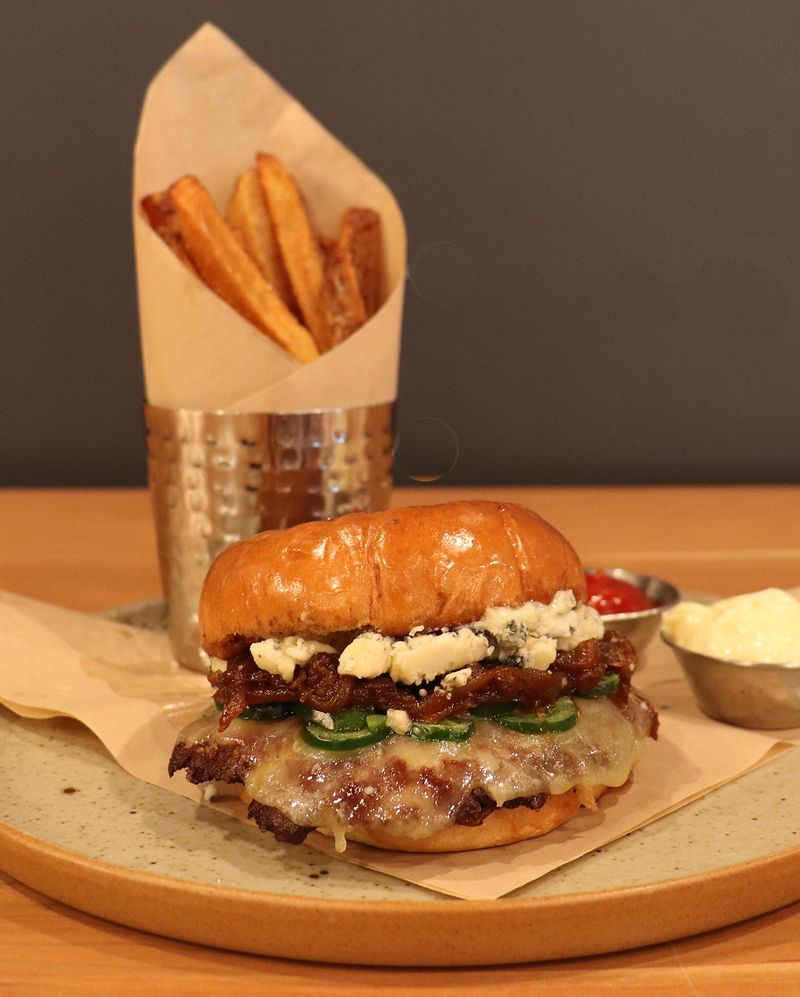
Getting that lacy, caramelized edge requires a confident, forceful smash at the perfect heat. Restaurants train cooks to press once, hard, and early, locking in maximum contact with the griddle.
That creates those crispy frills you crave.
The timing is dialed in: flip just once, never press afterward, and serve immediately. Consistency across dozens of burgers means every order hits the same sweet spot.
At home, hesitation and cooler pans often lead to pale, steamed patties.
5. Better bun choices and toasting
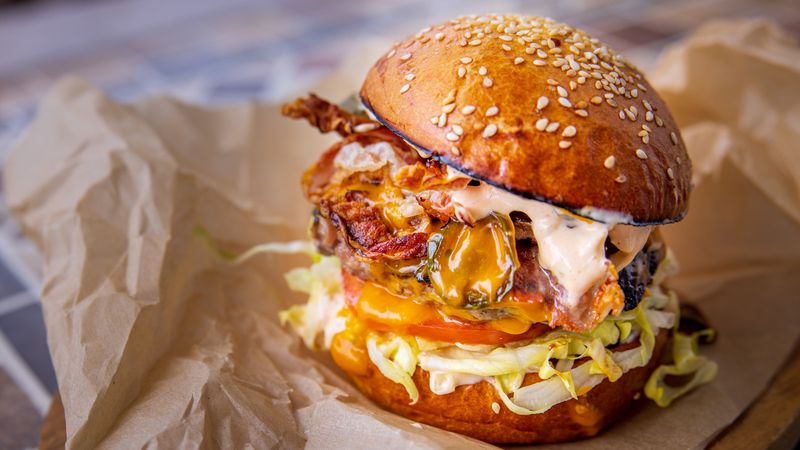
Restaurants source buns to match the patty: brioche for richness, potato rolls for soft bounce, sesame for classic crunch. They also butter and toast the cut sides to a precise golden point.
That caramelized surface resists sogginess while adding flavor.
The bun-to-burger ratio matters, and chefs test it relentlessly. Your bite stays balanced rather than bready or collapsing.
Home toasting varies wildly, but a pro kitchen nails the texture every time.
6. Controlled melt on cheese
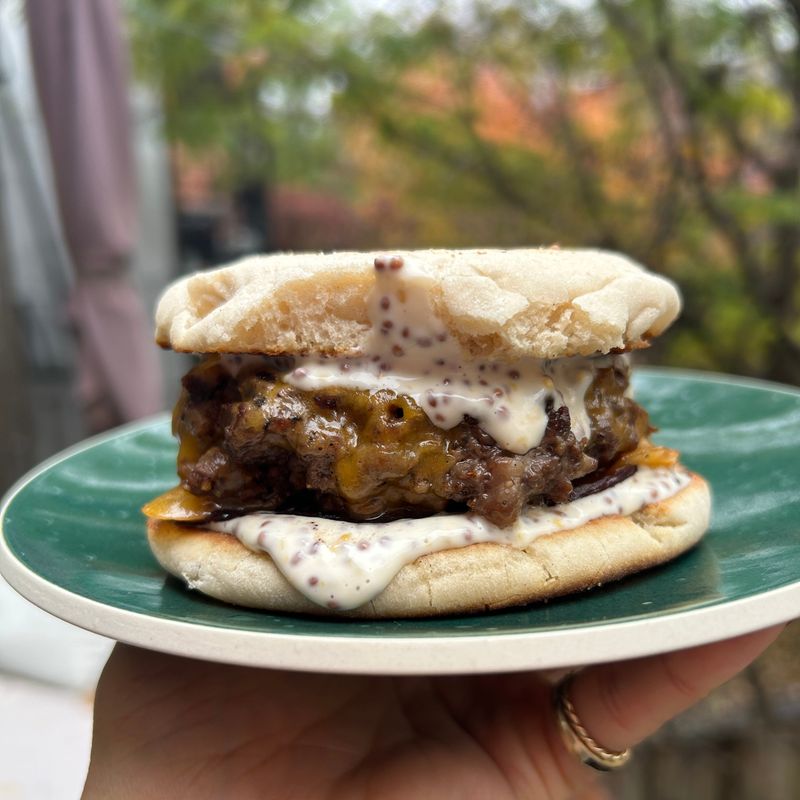
Melting cheese properly is an art: steam, domes, and just the right moment. Restaurants use cloches or water bursts to create gentle steam that turns slices silky without overcooking the beef.
The cheese blankets every edge.
Different cheeses melt differently, and pros know which ones to layer and when. American for ooze, cheddar for tang, Swiss for nutty notes.
At home, cheese can break or slide, while restaurants deliver a perfect, glossy melt.
7. Toppings prepped for peak freshness
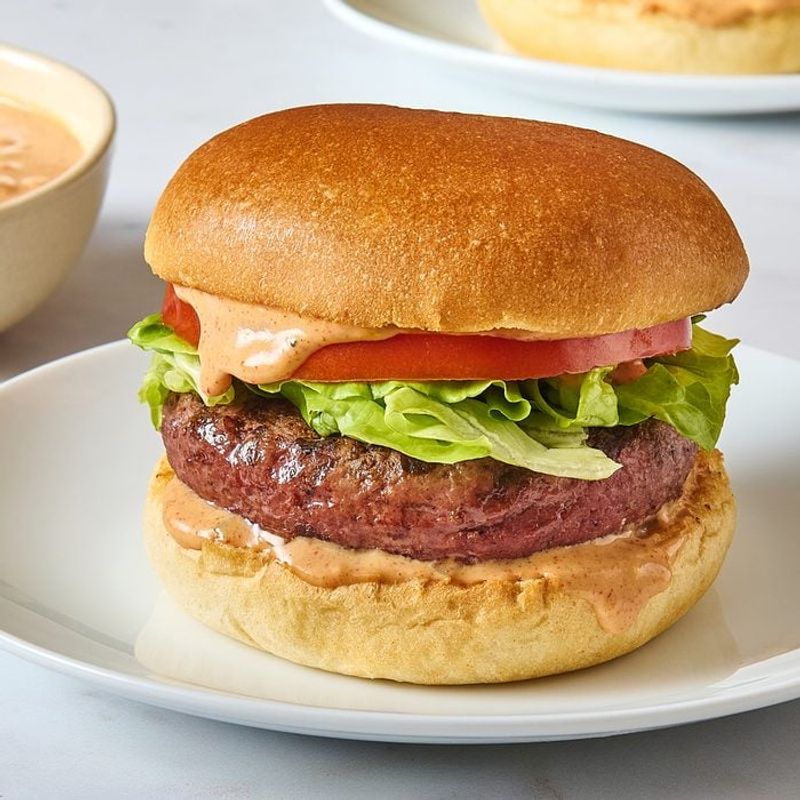
Cold, crisp toppings make hot patties sing. Restaurants prep lettuce, onion, and tomato at the last minute, storing them chilled and dry.
That contrast keeps every bite refreshing and prevents watery drips.
Pickles are sliced evenly, onions are paper thin, and tomatoes are chosen for firmness and flavor. There is intention behind every layer, so nothing slides, wilts, or overpowers.
Home setups often cut corners, but pro prep keeps texture on point.
8. House sauces that balance
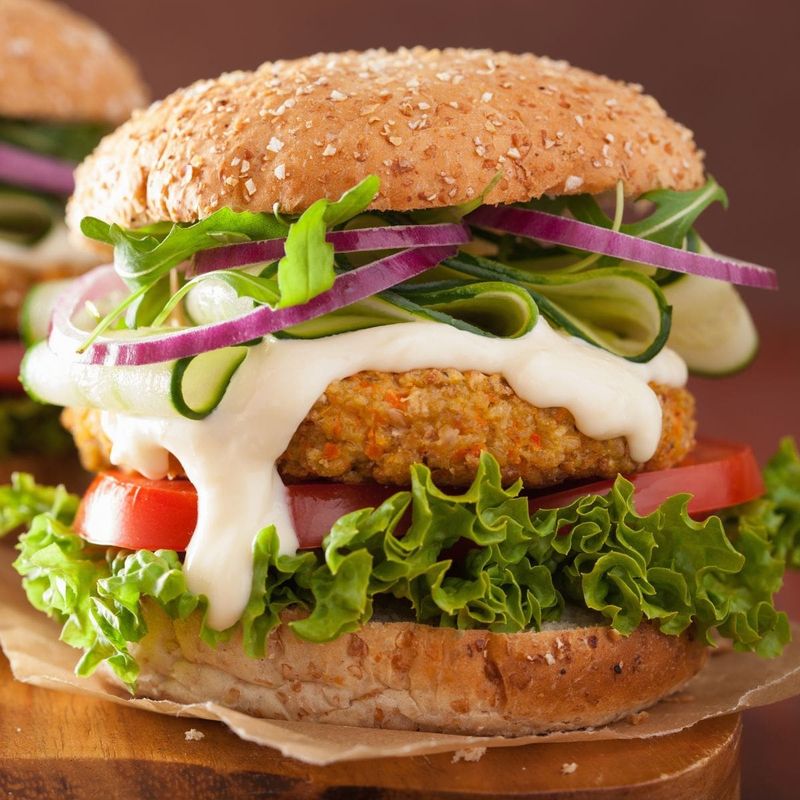
Great burgers ride on sauces that do more than add moisture. Restaurants blend sweetness, acid, heat, and umami into dressings that tie the whole bite together.
You taste harmony, not random condiments.
From pickly special sauces to roasted garlic aiolis, pros fine tune thickness so it clings without drowning the bun. That balance prevents soggy bottoms while amplifying flavor.
At home, bottled sauces often miss that careful calibration.
9. Precise doneness and carryover
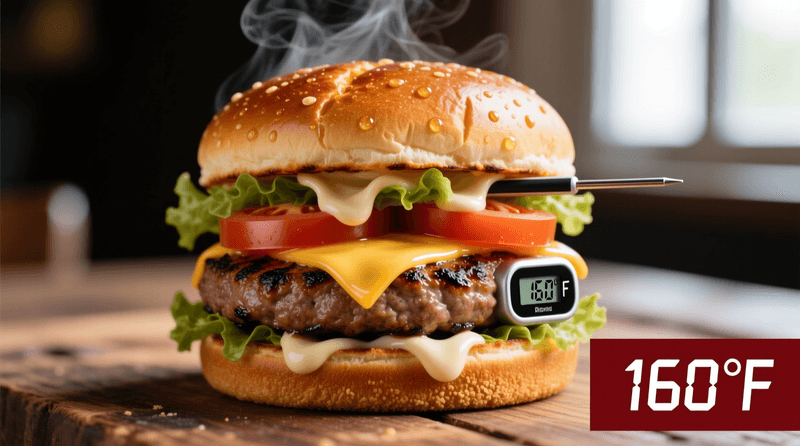
Restaurants manage doneness with thermometers, timers, and a feel developed over thousands of patties. They anticipate carryover cooking, pulling burgers a touch early so they finish perfect on the plate.
That control minimizes dryness.
Consistency pays off when orders fly. Medium stays medium, not surprise well-done.
At home, distractions and imprecise tools make it hard to hit the same mark every time.
10. Ingredient sourcing and turnover
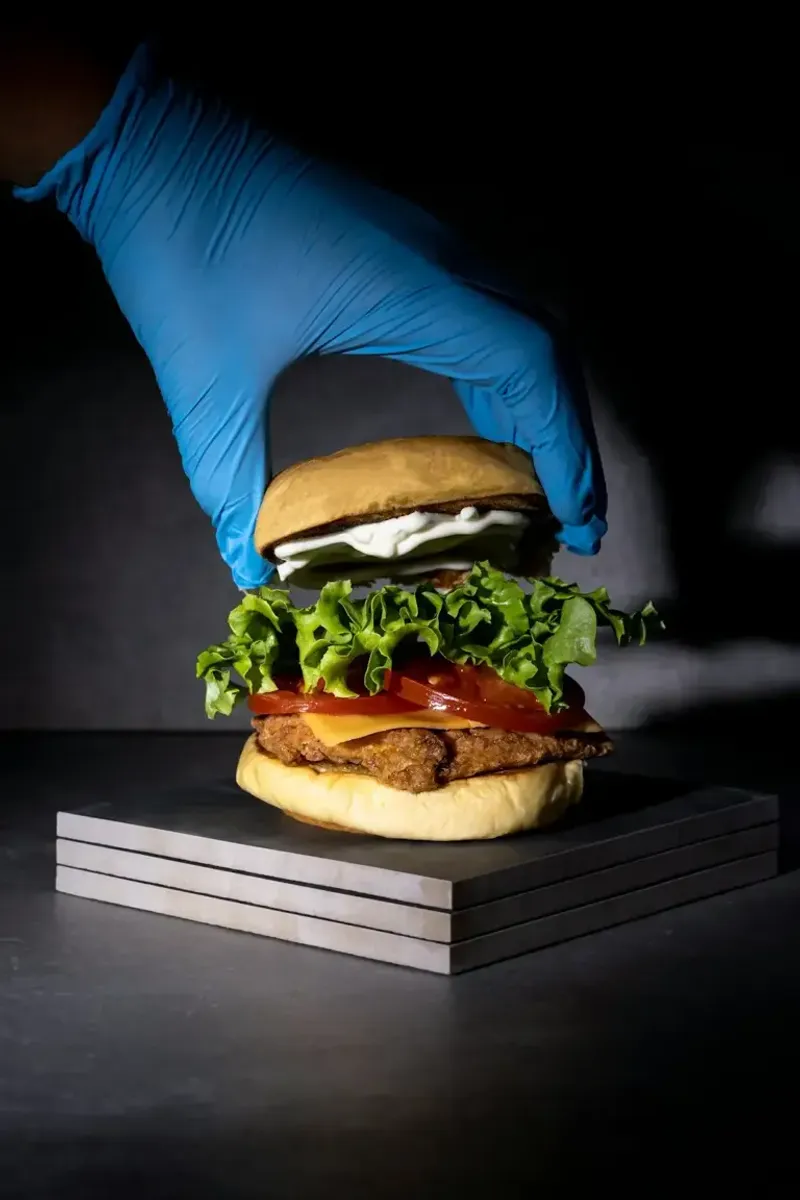
High turnover means fresh beef, crisp greens, and buns that have not gone stale. Restaurants build systems to rotate stock and keep ingredients moving quickly.
You taste that freshness in cleaner flavors and better textures.
They also hold suppliers accountable for consistency. The same bun today will be the same next week, so your favorite order stays predictable.
Home fridges can stretch groceries longer than ideal, dulling the burger experience.
11. Speed and timing of service
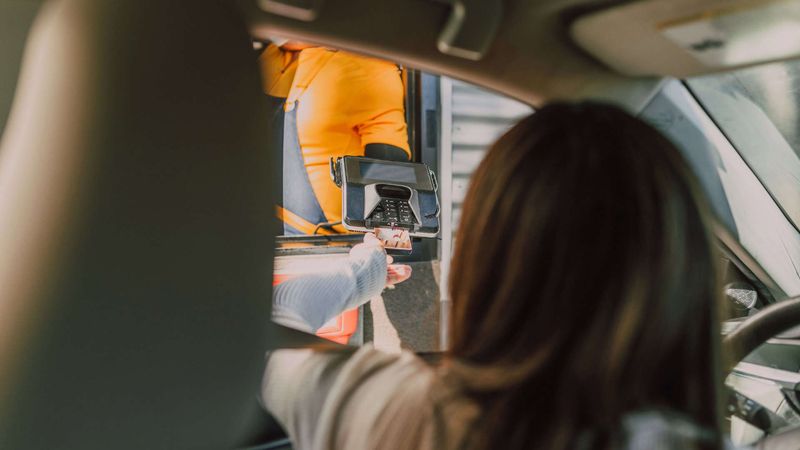
Temperature is flavor, and restaurants move fast to protect it. Burgers go from griddle to bun to table in minutes, keeping juices hot and buns soft.
That immediacy makes every bite more aromatic and satisfying.
Coordinated timing also aligns fries, pickles, and sauces so the whole plate feels complete. At home, delays add up while you juggle sides and drinks.
The burger simply loses its magic waiting around.
12. Ambience that heightens taste
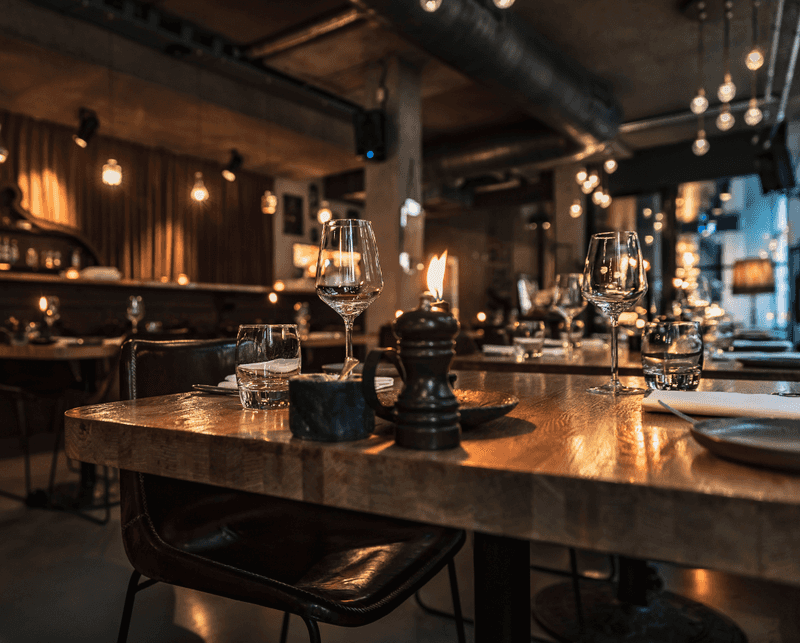
Food tastes better when the setting feels right. The clatter of the kitchen, the glow of the lights, and the company at the table all prime your senses.
You pay closer attention to aroma and texture, and the burger rewards it.
Restaurants design experiences, not just plates. Music volume, seating comfort, and plating style all nudge perception.
At home, distractions flatten the moment, but dining out elevates every bite.