13 Common Mistakes That Can Happen When Preparing Beef Jerky
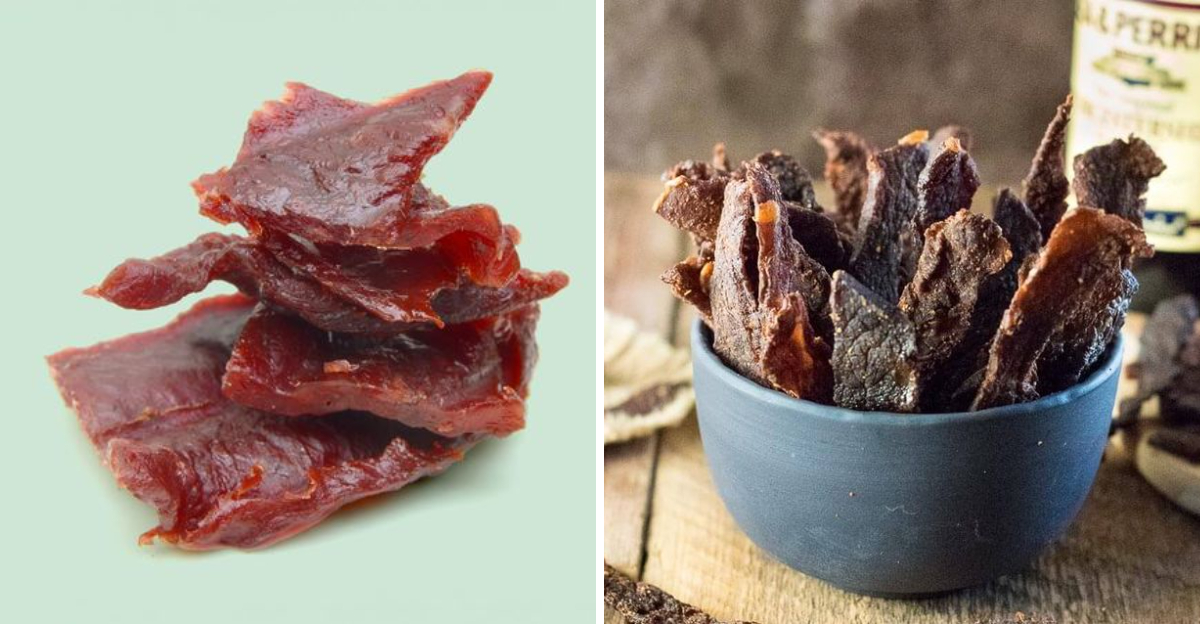
Homemade beef jerky can be unbelievably good, but a few small mistakes can ruin the whole batch. If your jerky turns out greasy, brittle, bland, or oddly chewy, the problem usually starts long before drying.
The good news is that most jerky problems are easy to fix once you know what to watch for. These common mistakes will help you make safer, better, more flavorful jerky every time.
1. Using the Wrong Cut of Beef
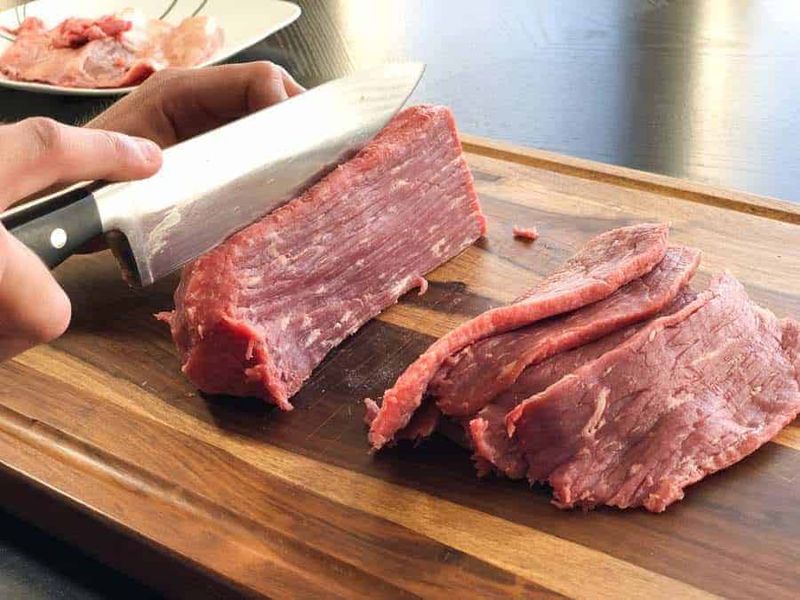
One of the biggest jerky mistakes starts at the meat counter. If you pick a cut with too much fat, that fat will not dry the way the meat does, and it can turn rancid faster during storage.
Even if the flavor seems rich at first, the texture often ends up greasy instead of pleasantly chewy.
I always tell people to start with lean cuts like eye of round, top round, or bottom round. When you choose lean beef from the beginning, you give yourself a much better shot at jerky that dries evenly, tastes clean, and lasts longer.
2. Not Trimming Visible Fat and Silver Skin
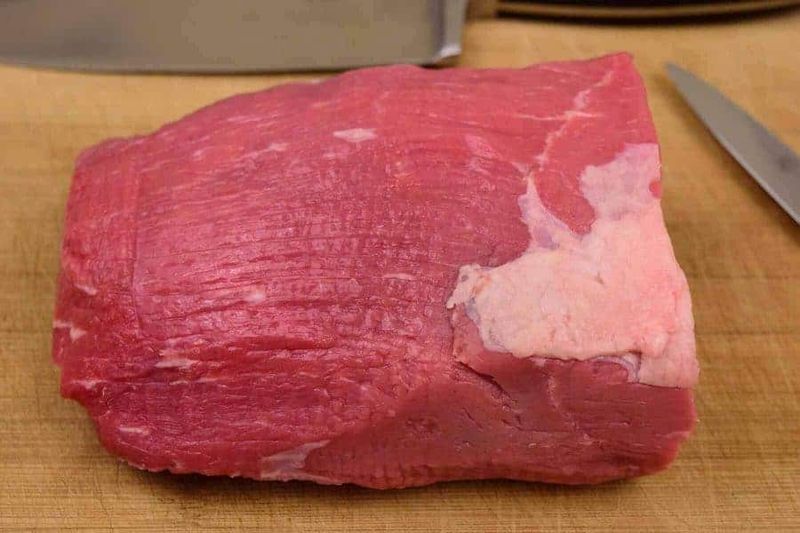
Even when you buy a lean cut, you are not done yet. Visible fat and silver skin can hide along the edges and between muscle seams, and leaving them in place creates tough, unpleasant bites.
Those fatty bits also shorten shelf life because they hold moisture and spoil faster than dried meat.
Silver skin is especially annoying because it turns papery and chewy instead of tender. Before slicing, take a few extra minutes to trim carefully with a sharp knife.
That simple prep step makes your jerky more consistent, easier to chew, and much better for storing after drying.
3. Slicing Meat with Inconsistent Thickness
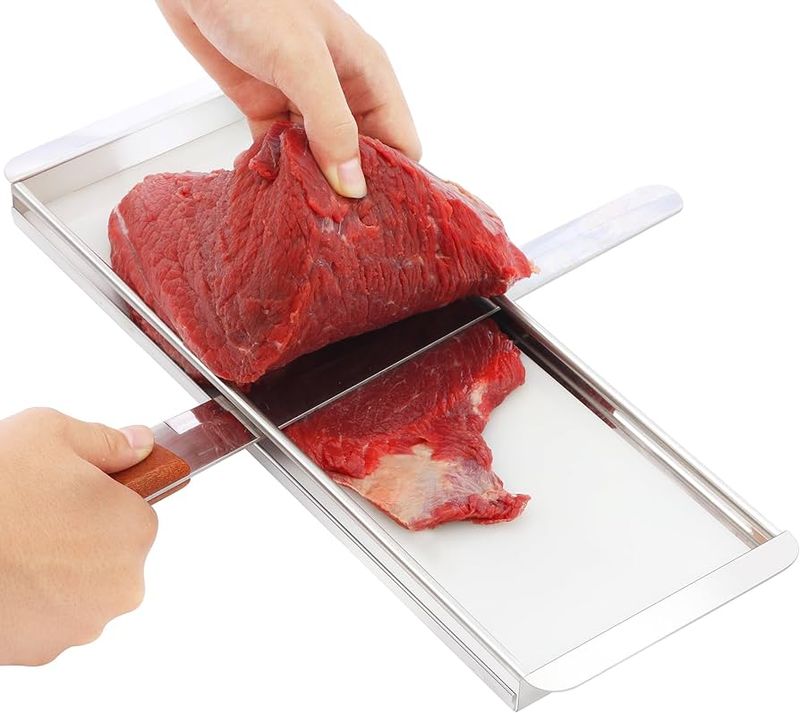
If some strips are thick and others are paper thin, your drying time becomes a guessing game. Thin pieces can turn brittle before thick ones are even close to finished, leaving you with one batch that somehow tastes overdone and underdone at the same time.
That kind of inconsistency frustrates almost everyone at first.
The fix is simple but important: slice as evenly as possible. Aim for uniform strips so air, heat, and time affect each piece the same way.
When the thickness matches from strip to strip, your jerky dries more predictably and you spend less time sorting good pieces from bad ones.
4. Slicing the Wrong Direction for Your Preferred Texture
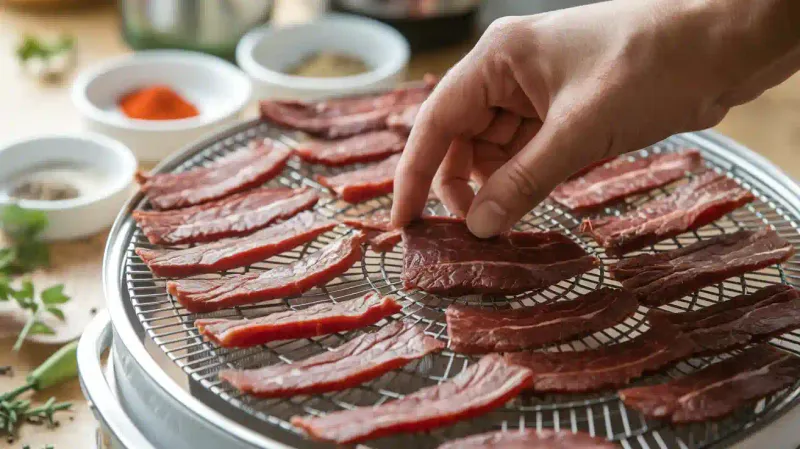
Texture depends a lot on how you slice the meat, and many people overlook that completely. If you cut across the grain, jerky tends to be more tender and easier to bite through.
If you cut with the grain, you get that stronger pull and chewier texture some people love.
The mistake is slicing randomly and expecting every strip to feel the same. That usually leads to a batch where some pieces seem pleasantly tender while others feel stringy and stubborn.
Decide what kind of chew you want before you slice, then keep the direction consistent so the finished jerky matches your expectations.
5. Partially Freezing the Meat Too Much or Too Little
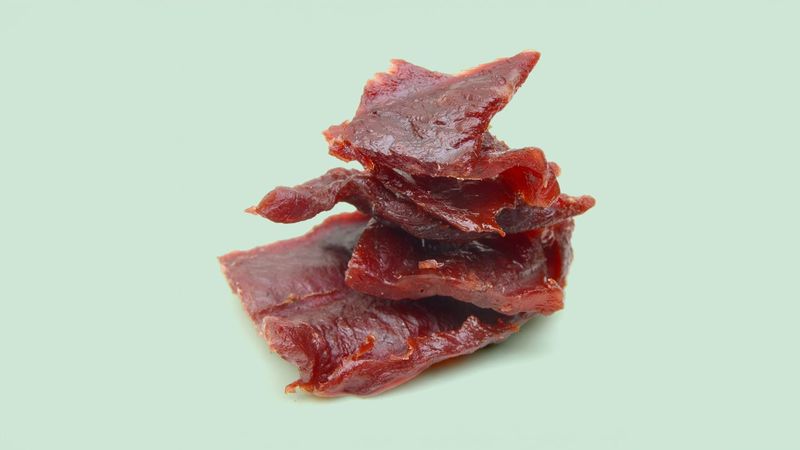
Partially freezing beef before slicing can make life much easier, but timing matters. When the meat is slightly firm, your knife glides through and produces cleaner, more even strips.
If it is still fully soft, the slices can drag, bunch up, and come out thicker than you intended.
Go too far the other way, though, and rock hard meat becomes a problem too. Overfrozen beef can crack, shred, or fight every cut, especially if your knife is not razor sharp.
The sweet spot is firm but not solid, giving you control, cleaner edges, and a smoother path to evenly dried jerky.
6. Over-Marinating in a Very Salty Mixture
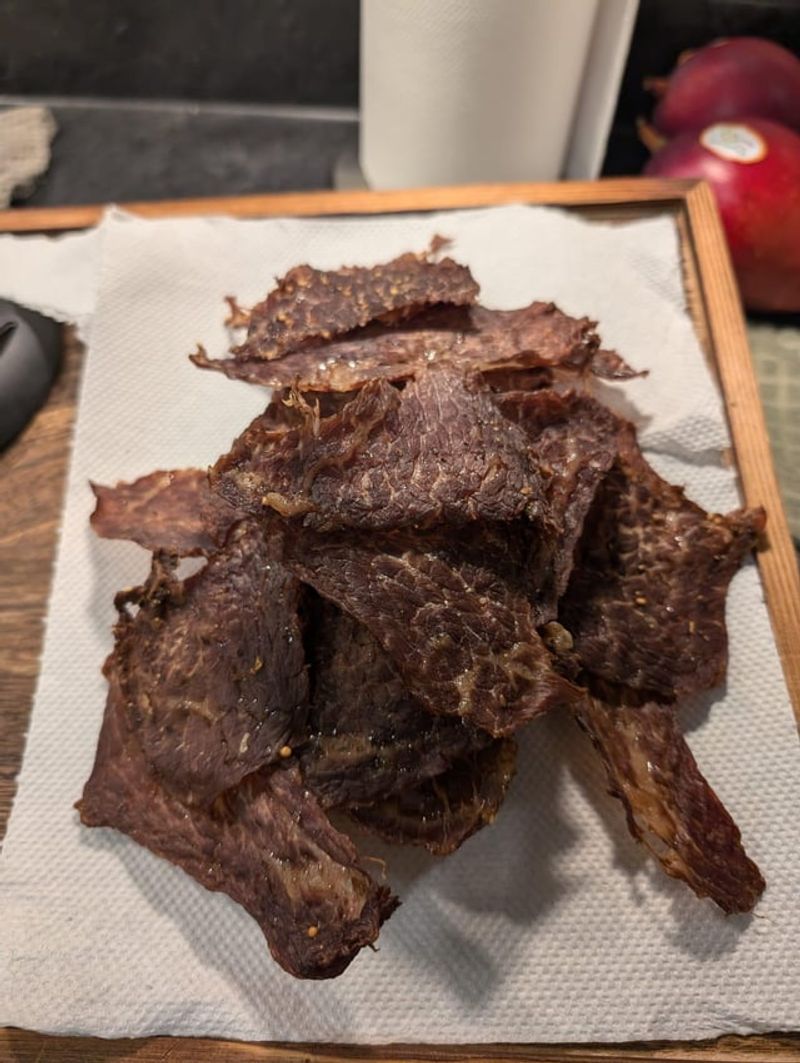
Marinades add great flavor, but more time does not always mean better jerky. Very salty mixtures can push the meat past flavorful and straight into harsh, overpowering territory.
In some cases, long soaking can even leave the texture oddly soft or mushy before drying begins.
I know it is tempting to leave everything overnight and hope for maximum flavor, but strong marinades often need less time than you think. Taste and balance matter more than marathon soaking.
When you keep the marinating time reasonable, you get beef that still tastes bold without becoming too salty, soft, or one-note after drying.
7. Under-Seasoning the Meat
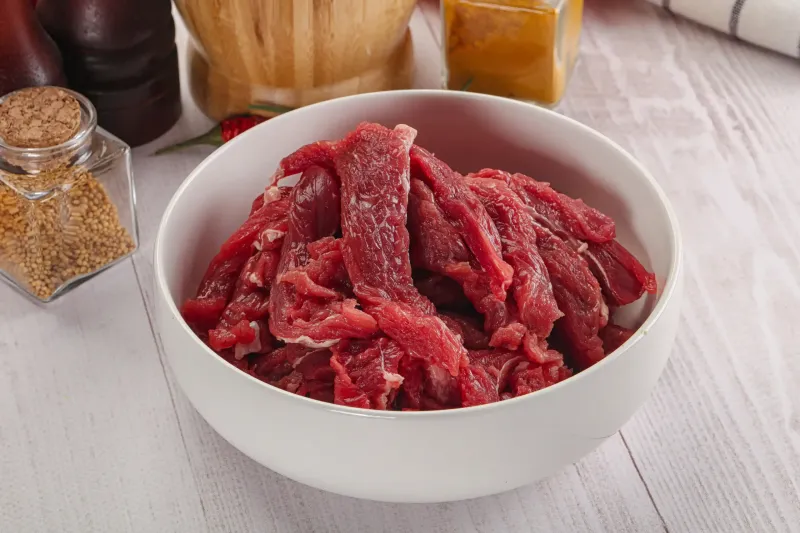
Many first batches of jerky fail in a surprisingly simple way: they taste bland. Drying changes flavor, and while salt becomes noticeable, some spices and aromatics lose intensity more than people expect.
That means seasoning that tastes perfect in the bowl can taste muted once the jerky is finished.
This is why bold seasoning usually works better than timid seasoning. Pepper, garlic, smoke, chili, and a little sweetness often need a stronger hand to survive the drying process.
If your jerky keeps disappointing you on flavor, do not just blame the recipe – you may simply need to season with more confidence.
8. Skipping Important Food-Safety Steps
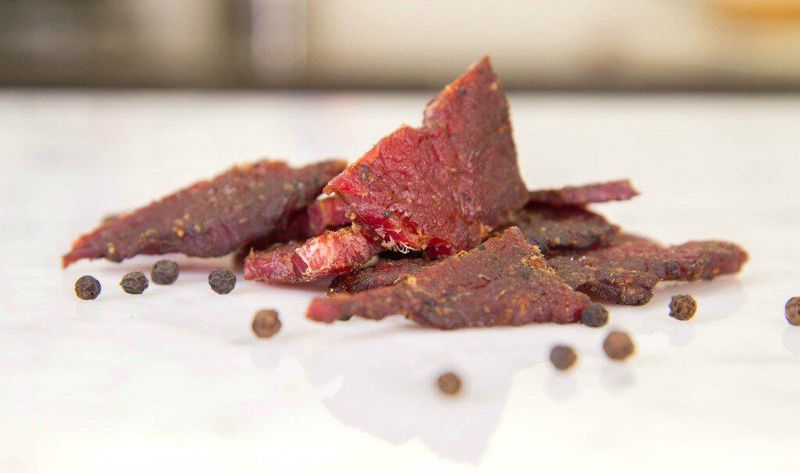
One of the most serious mistakes is assuming that dehydrated automatically means safe. Jerky still needs proper handling, clean equipment, and a safe heating step so harmful bacteria are not given a chance to survive.
Good jerky starts with hygiene before it ever reaches the dehydrator or oven.
That means using clean hands, sanitized surfaces, and paying attention to internal temperature guidance for homemade jerky. You should not treat drying like a shortcut around food safety.
When you combine careful prep with proper heat, you protect both flavor and shelf life, and you can actually enjoy your batch without second guessing it later.
9. Crowding the Dehydrator Trays or Oven Racks
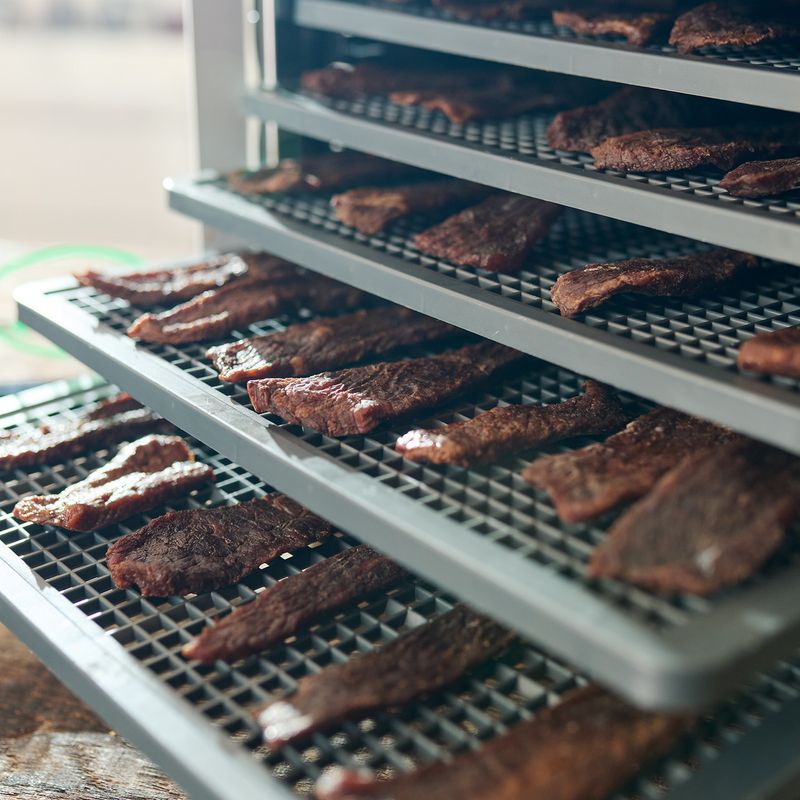
Jerky needs airflow just as much as it needs time and heat. When strips are packed too closely together, air cannot circulate well around the meat, and that slows drying dramatically.
It also creates uneven results, with some pieces drying nicely while others stay damp or stubbornly soft.
This mistake happens a lot when you are trying to squeeze one more batch onto the trays. I get the temptation, but crowded racks usually cost more time than they save.
Leave space between strips so air can move freely on all sides. Better airflow means safer drying, more even texture, and a lot less frustration.
10. Drying at Too Low a Temperature
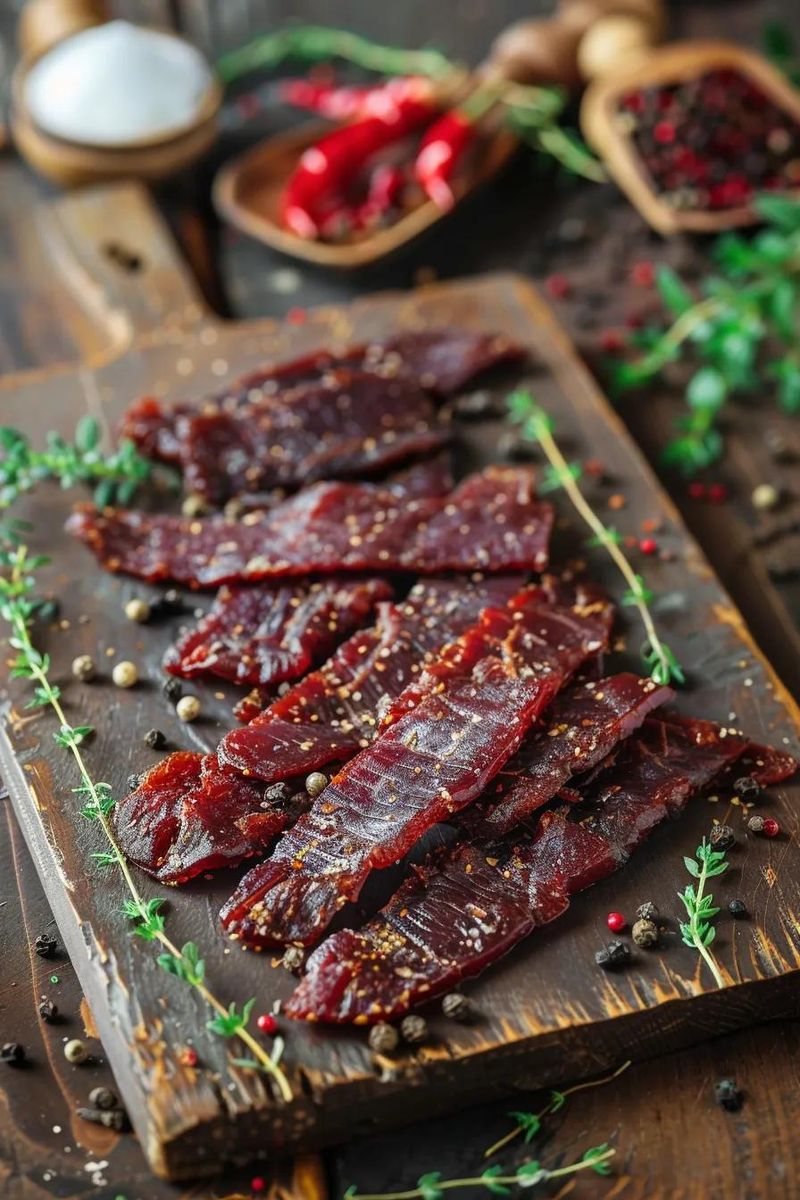
Low temperatures can seem safer because they feel gentler, but jerky is not the place to guess low. If the meat spends too long in the danger zone, you increase food-safety risks instead of reducing them.
Drying too cool can also create a misleading texture where the outside seems dry while the inside still holds too much moisture.
That false finish is a real problem because it tricks you into storing jerky that is not ready. A proper drying temperature helps moisture leave the meat efficiently and safely.
When you stay within recommended ranges, you get jerky that dries thoroughly without lingering in unsafe territory.
11. Drying at Too High a Temperature
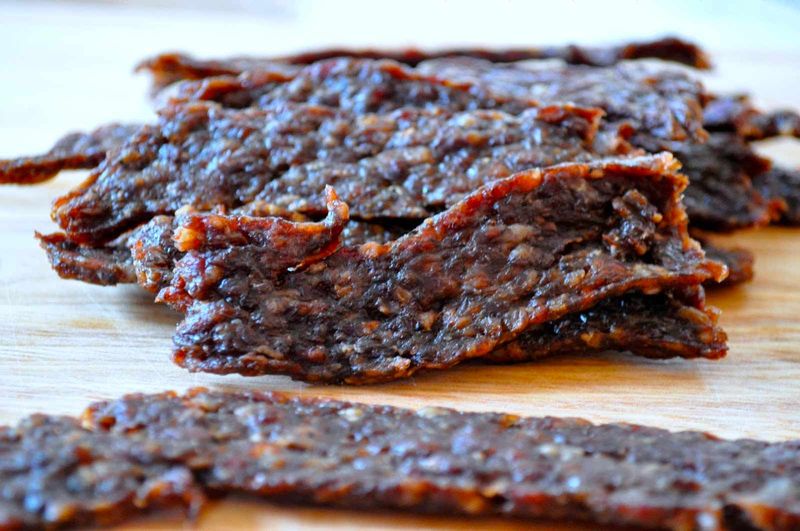
High heat can ruin jerky just as easily as low heat, only in a different way. Instead of slowly drying the meat, excessive temperature can start cooking it, giving you a texture that feels brittle outside while the center stays too moist.
That mismatch makes the finished product less pleasant and less reliable.
You may also notice a roasted or cooked-beef flavor instead of the classic jerky taste you were aiming for. Good jerky needs controlled drying, not aggressive blasting.
Keeping the temperature in the proper range helps preserve that chewy bite, prevents tough exteriors, and gives the strips time to dry more evenly from edge to center.
12. Not Rotating Trays or Flipping the Strips

Even good dehydrators and ovens can have hot spots, which means one area dries faster than another. If you load the trays and walk away, you may come back to a batch where some pieces are perfect and others are overdone or underdone.
That unevenness is frustrating, especially when your slicing and seasoning were right.
Rotating trays and flipping strips helps correct those natural temperature differences. It is a small step, but it can make a huge difference in consistency.
When you move things around during drying, each piece gets a fairer share of heat and airflow, and your whole batch finishes much closer together.
13. Storing Jerky Before It Fully Cools and Conditions
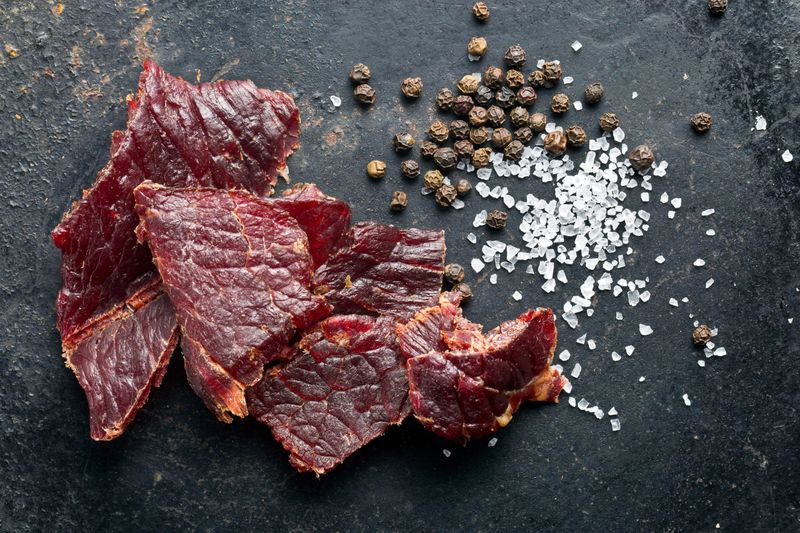
Fresh jerky can seem done the moment it comes out, but storage too soon creates problems fast. If you seal warm strips in a bag or jar, trapped heat can create condensation, and that moisture works against everything you just did.
Even a good batch can lose shelf life because of that simple mistake.
Let the jerky cool completely first, then condition it by resting it in a container and checking for any signs of moisture redistribution. This extra pause tells you whether the pieces dried evenly enough for storage.
Patience here protects texture, safety, and flavor far better than rushing to bag everything immediately.