13 Common Mix-Ups When Cooking Chicken
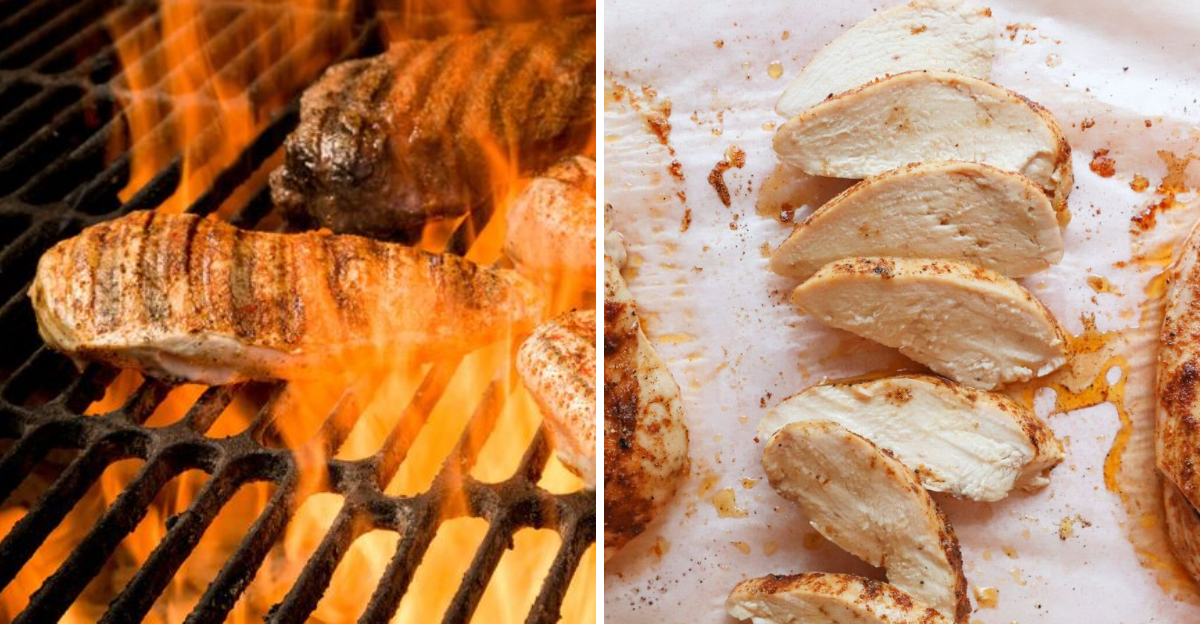
Chicken seems simple, but it is surprisingly easy to get wrong in small ways that change everything. A few common habits can turn a promising dinner into something dry, pale, bland, or unevenly cooked.
The good news is that most of these problems are easy to fix once you know what to watch for. If your chicken never turns out quite as good as you hoped, these mix-ups may be exactly why.
1. Not Drying The Chicken First
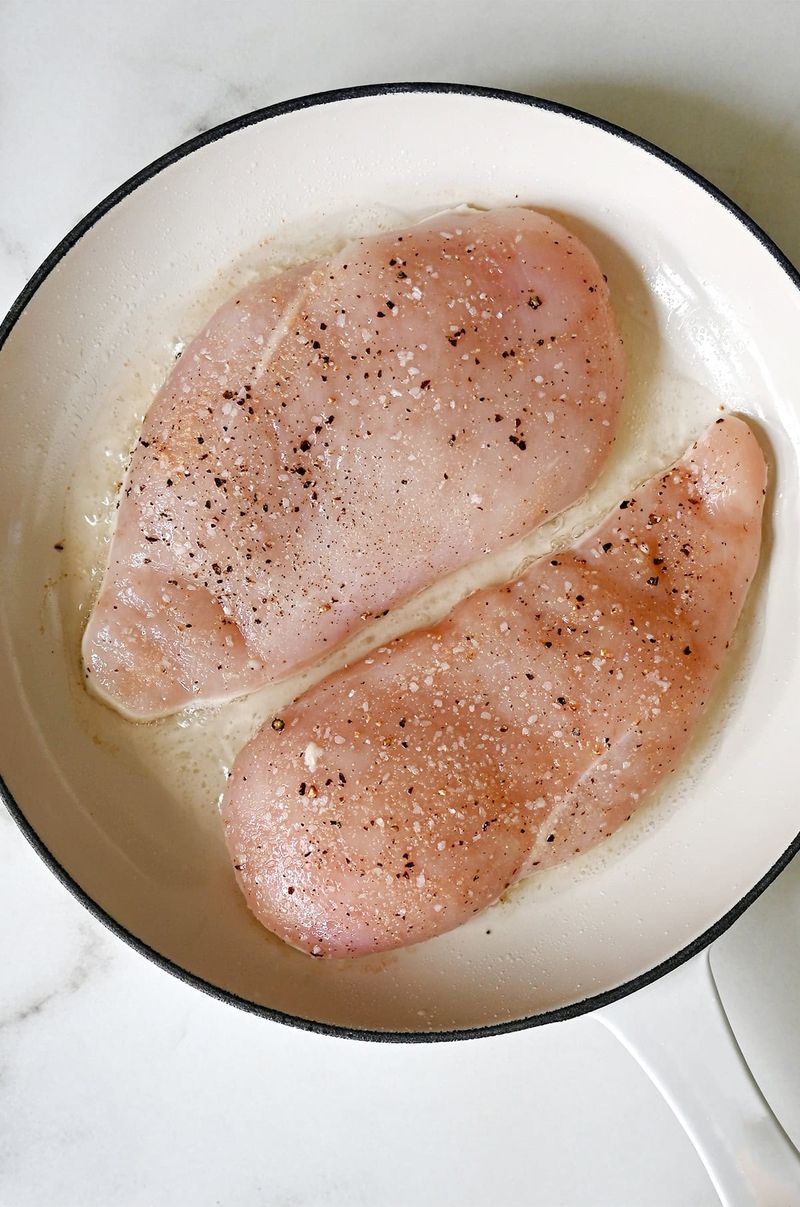
If you skip drying chicken, you make browning much harder than it needs to be. Surface moisture turns to steam fast, so the meat sits there looking pale instead of forming that flavorful golden crust.
When you want crisp skin or a solid sear, a paper towel is one of the simplest upgrades.
I always notice the difference when the chicken goes into the pan dry and ready. Seasonings also cling better when the surface is not slick with moisture.
Take thirty seconds before cooking, pat every side well, and you will usually get better texture, color, and flavor.
2. Cooking It Straight From The Fridge
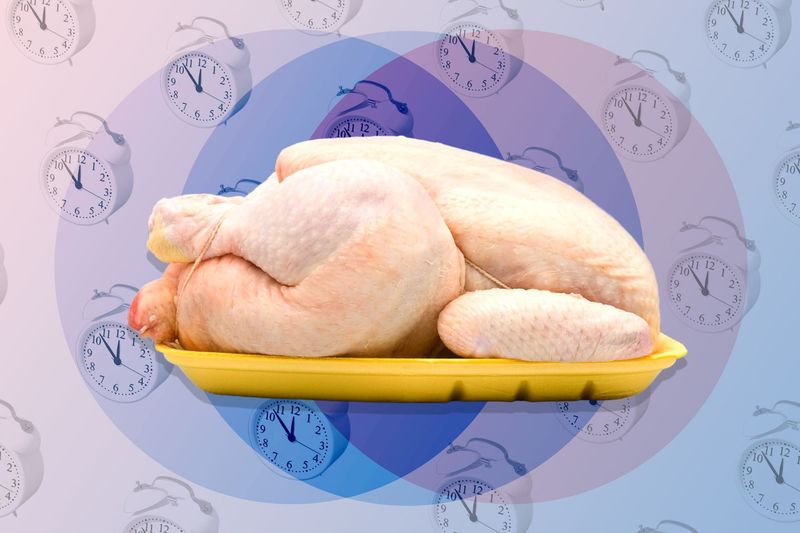
If chicken is ice-cold in the center, the outside can race ahead before the inside has a fair chance to cook evenly. That is how you end up with edges that feel tight and dry, while thicker parts still need more time.
Giving it a short rest on the counter helps smooth things out.
You do not need to leave it sitting around forever, and food safety still matters. But taking the chill off for a bit can improve texture and make timing easier.
It is a small habit that often leads to more evenly cooked, juicy chicken.
3. Underseasoning It
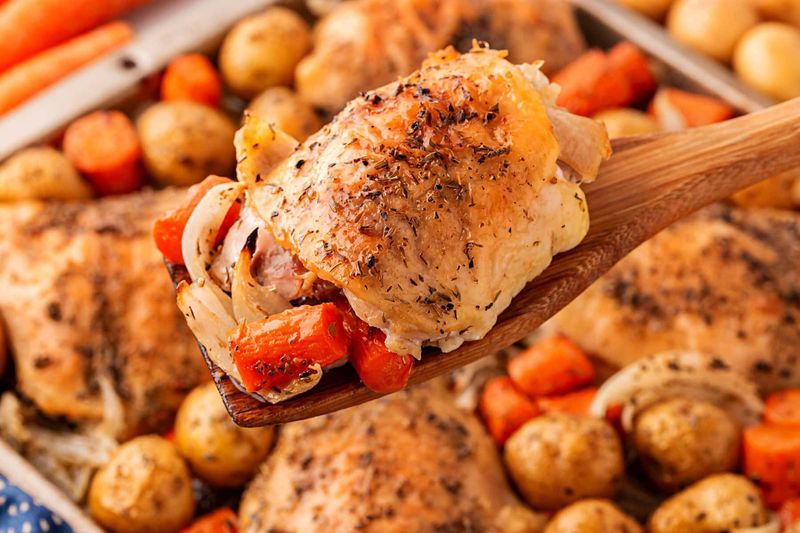
Chicken is mild, so it rarely rewards a timid hand with seasoning. A little salt alone can leave boneless cuts tasting flat, especially when there is no skin or rich fat to carry the flavor.
This is one place where being a little generous usually pays off.
You can build flavor with spice blends, herbs, citrus, sauces, or a quick marinade. Even simple garlic, pepper, and paprika make a big difference when they actually cover the meat well.
If your chicken tastes boring, the problem is often not the chicken itself. It is the weak seasoning before cooking.
4. Overcooking Chicken Breasts
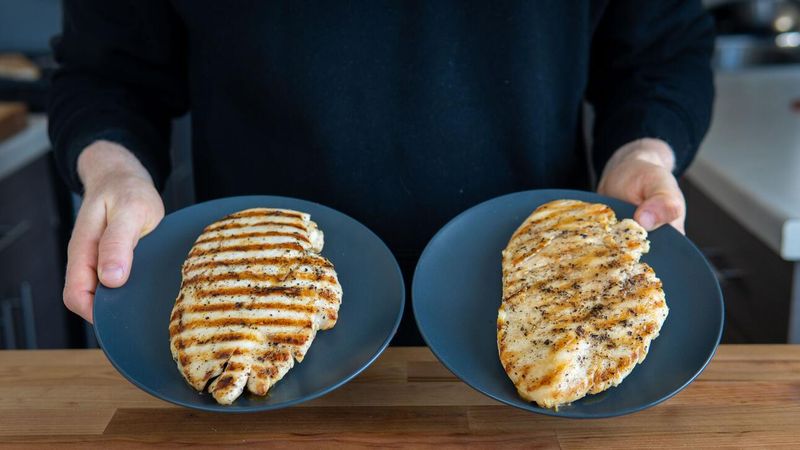
Chicken breasts are lean, which means they go from juicy to dry faster than many people expect. A few extra minutes might not sound like much, but with this cut, they can completely change the texture.
That chalky, stringy bite people complain about usually starts with simple overcooking.
You do not need to fear chicken breast, but you do need to watch it closely. Pull it at the right temperature, let it rest, and slice it after a short pause.
When you treat breasts gently, they can be tender, flavorful, and far better than their dry reputation suggests.
5. Not Using A Thermometer
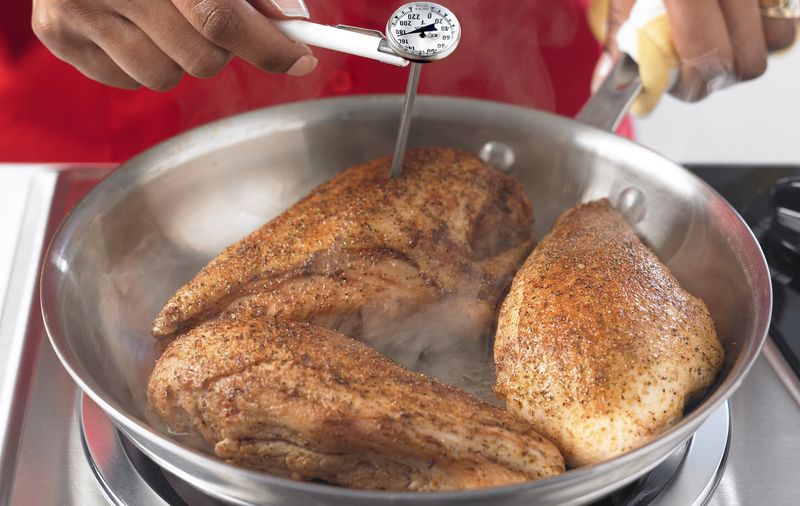
Guessing with chicken is stressful, and it usually gives you two bad options – undercooked or overdone. A thermometer takes out the drama because you can stop relying on timing alone or cutting into the meat to check.
Once you start using one, it is hard to imagine going back.
You get more consistent results, especially with thick breasts, bone-in pieces, or uneven cuts. It also helps you trust yourself instead of second-guessing the pan, grill, or oven.
If you want chicken that is safe but still juicy, this is probably the easiest tool to improve your cooking.
6. Crowding The Pan
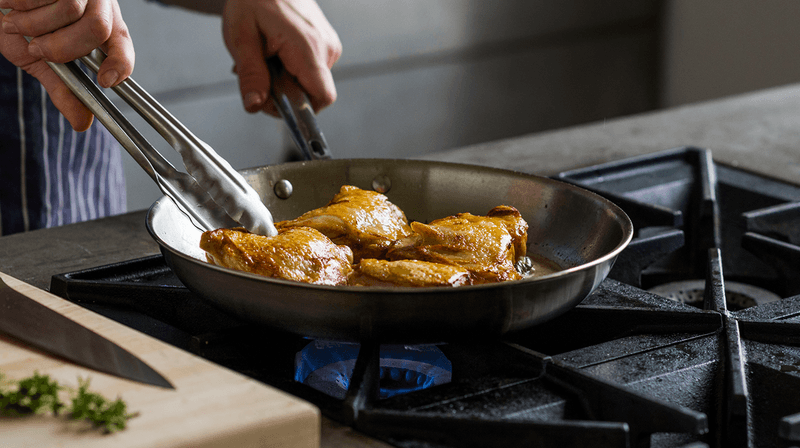
Packing too much chicken into one pan drops the heat and creates trapped moisture almost immediately. Instead of getting browning, you get steaming, and that means pale surfaces and weaker flavor.
It can also make the texture oddly rubbery because the chicken never gets the dry heat it needs.
I know it feels faster to cook everything at once, but the results usually say otherwise. Leave space between pieces, or work in batches if the pan is small.
A little breathing room helps the outside brown better, the cooking stay more even, and the final dish taste much better.
7. Cutting Into It Too Soon
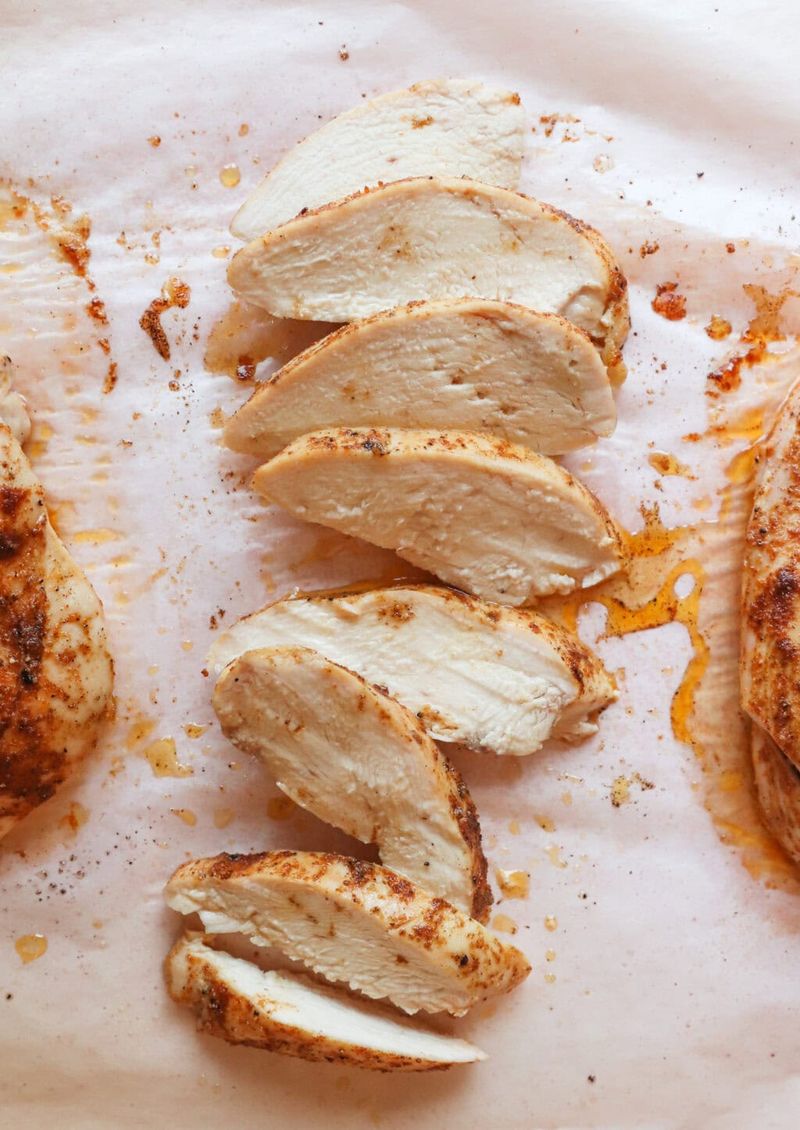
Slicing chicken the second it leaves the heat is one of the fastest ways to lose juiciness. The hot juices have not settled yet, so they run out across the board instead of staying in the meat.
Resting gives those juices a little time to redistribute and keep each bite more tender.
You do not need a long wait, but a few minutes makes a real difference. Use that pause to finish a sauce, set the table, or plate the rest of dinner.
When you cut too early, you can actually watch the moisture disappear before your eyes.
8. Using The Wrong Cut For The Job
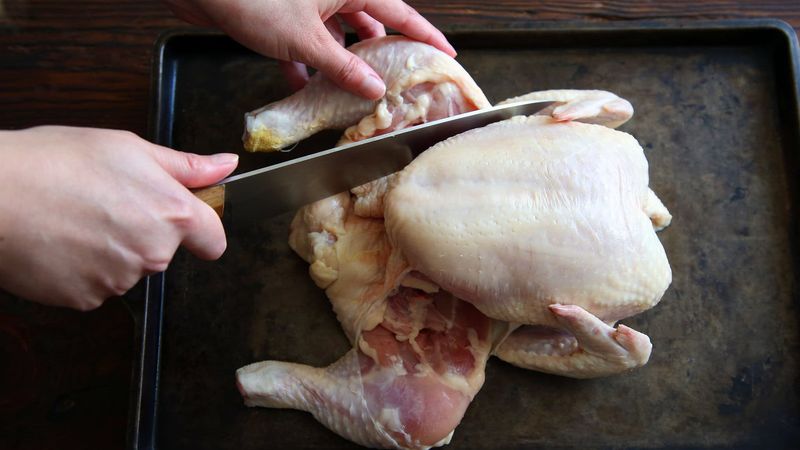
Not every piece of chicken is built for the same job, and that matters more than people think. Breasts are lean and quick-cooking, while thighs and drumsticks handle longer cooking with more forgiveness.
When you choose the wrong cut for the method, texture is usually where things go sideways.
A long braise can dry out breasts, and super fast heat will not always flatter darker meat the same way. Matching the cut to the recipe gives you a much better chance at good results.
If dinner keeps disappointing you, the issue may be the cut, not your effort.
9. Skipping The Marinade Or Brine When It Matters
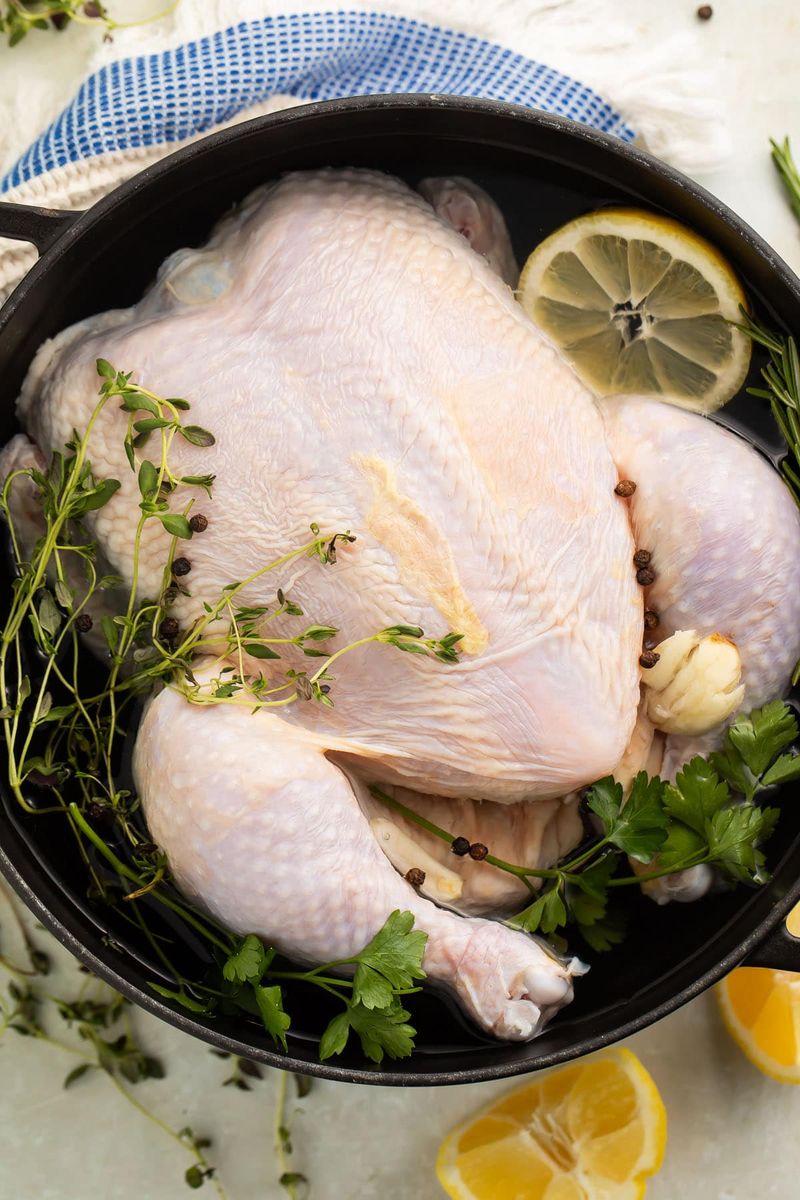
Not every chicken recipe needs a marinade or brine, but some absolutely benefit from one. Lean pieces especially can use the extra insurance because they dry out faster and absorb added flavor so well.
When a recipe is built around that step, skipping it can leave the meat tasting plain.
A simple brine can help chicken stay juicier, and a marinade can layer in herbs, acid, spice, and aroma. You do not always need hours either.
Even a short soak can help. If your chicken seems dry and forgettable, this missing step may be the reason why.
10. Flipping It Too Much
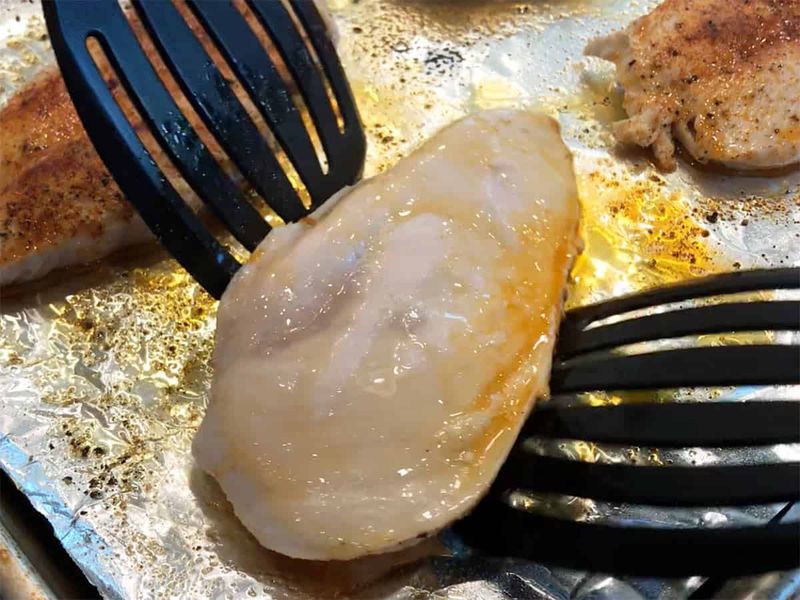
Chicken needs contact with the pan if you want real color and crust. When you keep flipping, moving, or poking it, the surface never gets enough uninterrupted time to brown properly.
That means less flavor, a weaker sear, and pieces that can cook unevenly because they never settle.
It helps to place the chicken down and resist the urge to fuss with it right away. Let the pan do its work, then turn the meat when it releases more naturally.
If you are chasing that deep golden finish, patience usually beats constant movement every single time.
11. Using Heat That Is Too High The Whole Time
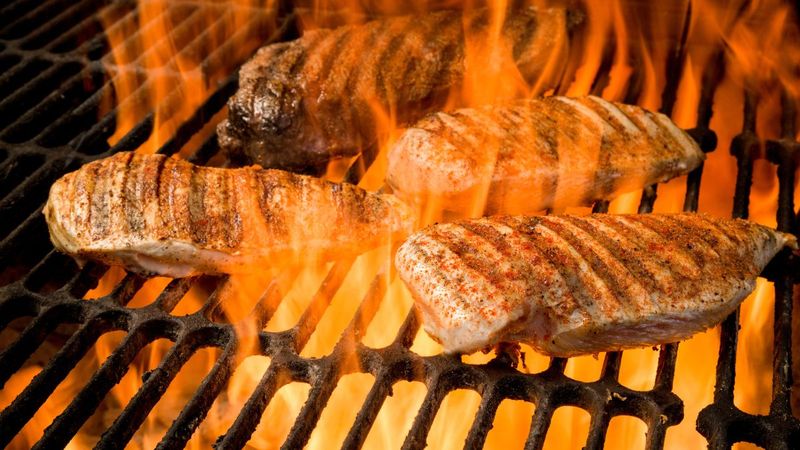
High heat has its place, especially when you want a quick sear or better color. The problem starts when the heat stays cranked the whole time, because the outside can toughen or burn before the center catches up.
Chicken usually cooks best when the heat matches the stage of the process.
Start hot if you need browning, then lower things so the inside can finish gently. That balance gives you a better shot at crisp skin, good color, and meat that still feels juicy.
If your chicken is dark outside but disappointing within, runaway heat may be the culprit.
12. Forgetting About Carryover Cooking
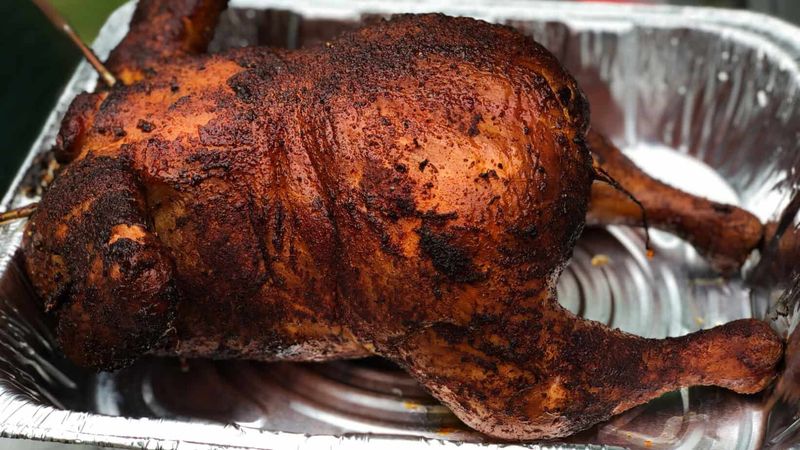
Chicken does not stop cooking the instant you take it off the heat. The residual warmth keeps working for a few minutes, which means the temperature can keep climbing even on the plate or cutting board.
If you wait until it seems completely done in the pan, you often push it past its best moment.
This is why a thermometer helps so much with timing. Pull the chicken when it is just about there, then let carryover cooking finish the job.
Once you start accounting for that final rise, you can avoid a lot of dry, overcooked chicken without any extra effort.
13. Not Letting The Skin Crisp Properly
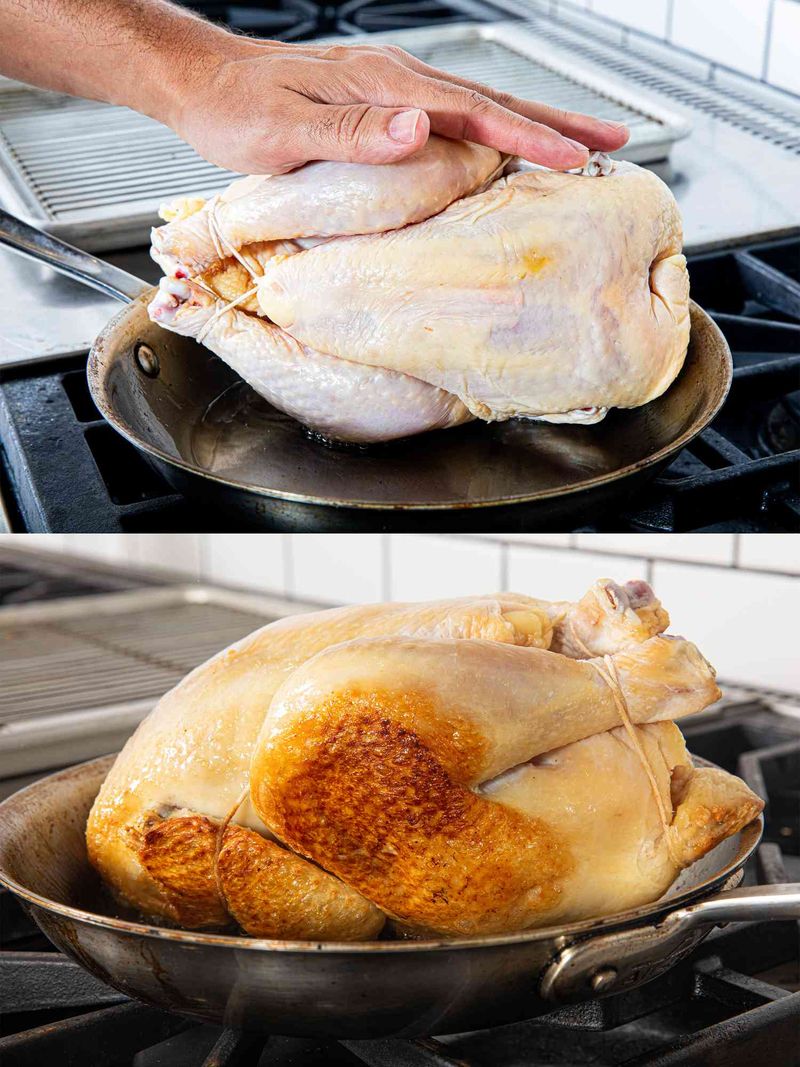
Good chicken skin usually needs dry surface, enough heat, and time without too much interference. When you move skin-on pieces too early or too often, the skin never gets that steady contact it needs to crisp up.
Instead of turning golden and crackly, it stays soft, rubbery, or patchy.
If crispy skin is the goal, patience matters almost as much as technique. Let the fat render, keep the surface relatively dry, and avoid nudging the chicken every minute.
When you give the skin time to properly brown, the payoff is better texture, better flavor, and a much more satisfying bite.