15 Common Mistakes In Preparing Spam
Think Spam is foolproof? One wrong move and that golden, crispy slab turns rubbery, salty, or strangely soggy.
Whether you are frying, baking, or air frying, a few small tweaks can transform your results from meh to mouthwatering. Read on to dodge the most common pitfalls and turn your Spam into a quick, satisfying star.
1. Slicing Too Thick Or Too Thin
Thickness matters more than most people realize. Slices that are too thick end up browned outside but undercooked and bouncy inside.
Slices that are too thin burn before they develop that caramelized crust you crave.
Aim for about quarter inch thick for balanced browning and tender bite. Use a sharp knife, wipe between cuts, and keep slices consistent.
Consistency ensures even cooking and better texture.
If you prefer thicker slabs for sandwiches, lower heat and extend cooking time. For super thin, cook fast over medium heat.
Control the slice, control the outcome.
2. Starting With A Cold Pan
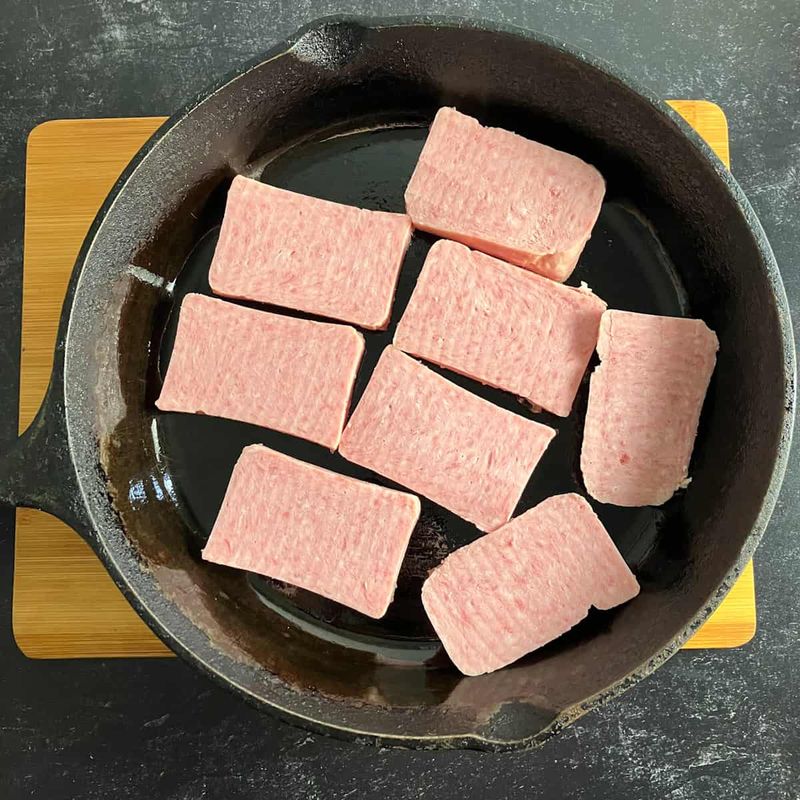
Starting Spam in a cold pan leads to pale, greasy results. Without immediate heat, fat renders slowly and the surface steams instead of sears.
You miss that crisp, mahogany crust that makes Spam irresistible.
Preheat your pan until a drop of water skitters. Add a thin film of oil only if your pan is not nonstick.
Lay slices in gently, hearing a lively sizzle.
That sizzle signals rapid Maillard reaction and proper browning. If you crowd or start cold, moisture wins.
Hot pan, confident sear, better texture and flavor every time.
3. Overcrowding The Pan
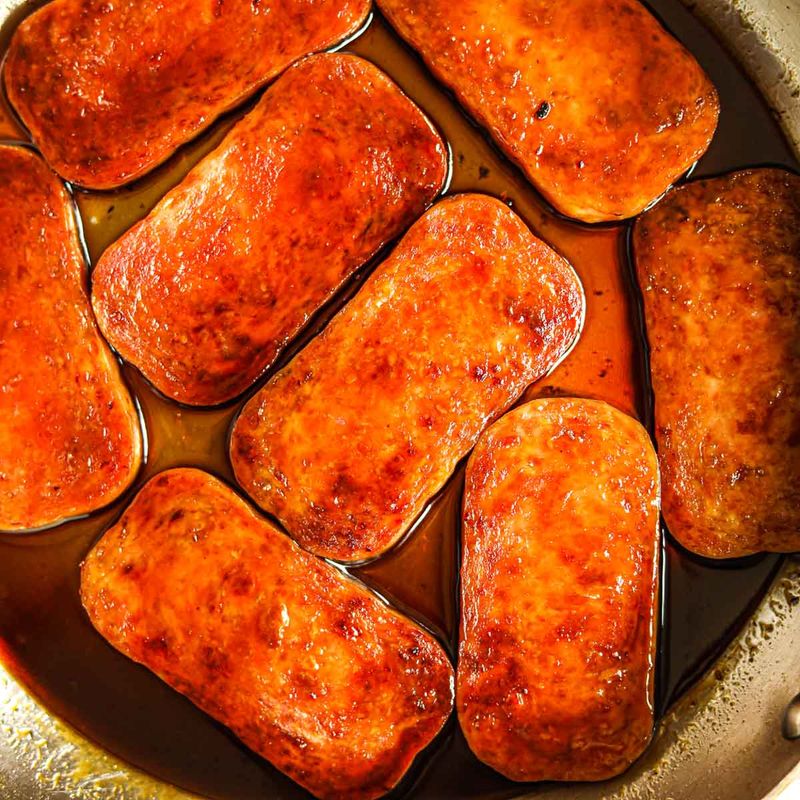
Overcrowding traps steam and cools the pan, sabotaging browning. Instead of crisp edges, you get floppy, damp slices.
It also makes flipping awkward and uneven.
Give each slice room, leaving visible gaps. Work in batches if necessary to maintain pan temperature.
Between batches, let the pan reheat for a minute to recover.
Use a larger skillet or two pans when cooking for a crowd. A wire rack keeps finished slices crisp while you finish the rest.
Space equals heat, and heat equals crust.
4. Skipping The Pat-Dry Step
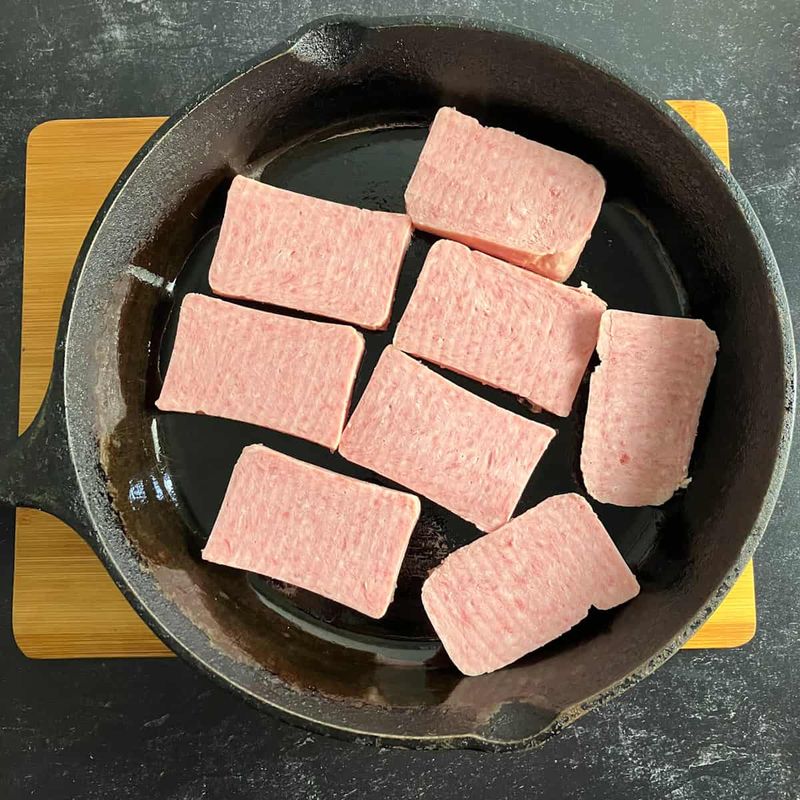
Excess surface moisture kills crisping. Spam comes packed moist, and that wet sheen turns to steam in a hot pan.
Steam softens the surface, preventing a proper crust.
Blot slices thoroughly with paper towels on both sides before cooking. This quick step encourages browning and reduces spatter.
It also helps the oil coat evenly without popping.
For maximum dryness, rest blotted slices on a rack for a few minutes. You will notice faster color and better texture.
Dry first, then fry, and your results improve immediately.
5. Using The Wrong Heat Level
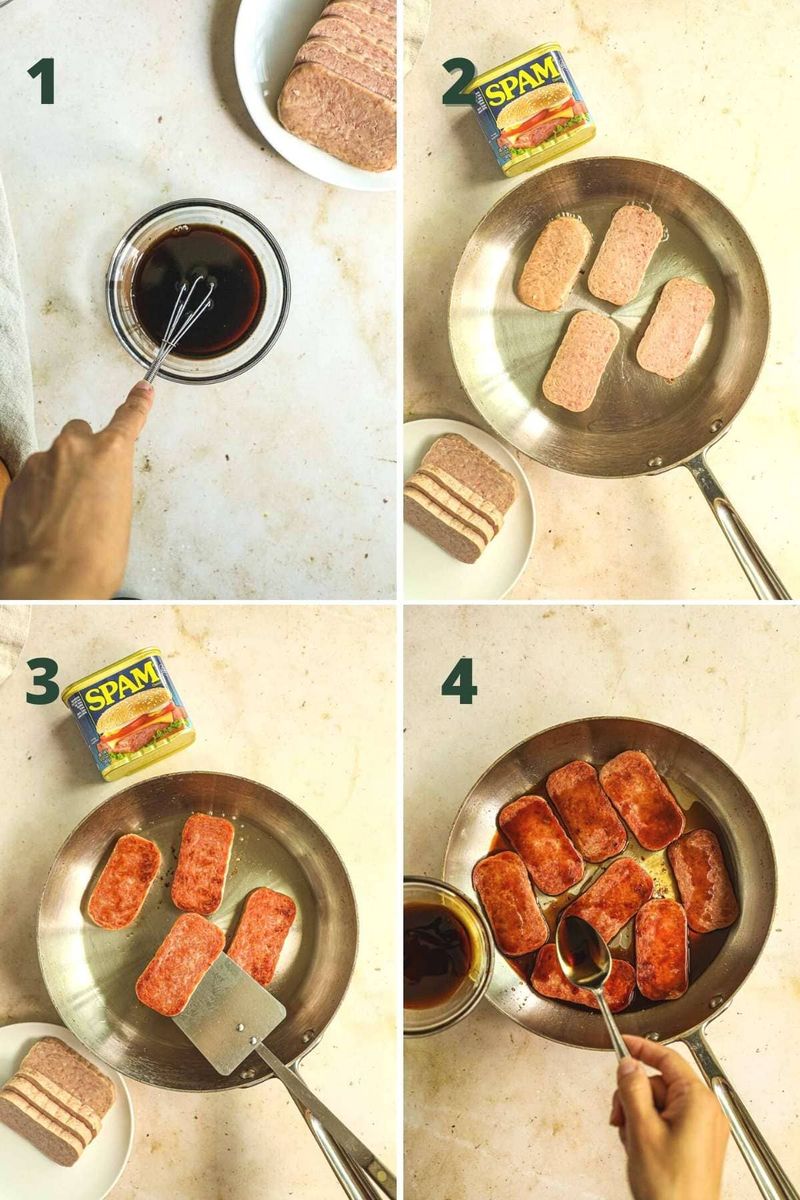
Too high and the sugar in Spam burns before the center warms through. Too low and the slices simmer in their own fat.
Either way, you miss that balanced crunch and juicy interior.
Medium to medium-high is the sweet spot for most pans. Adjust by watching the sizzle: steady music, not frantic popping.
If smoke appears fast, lower the heat.
For thicker slices, start medium, then finish lower to prevent scorching. For thin slices, a quick, hotter kiss works.
Master the dial and you master the texture.
6. Not Flipping At The Right Time
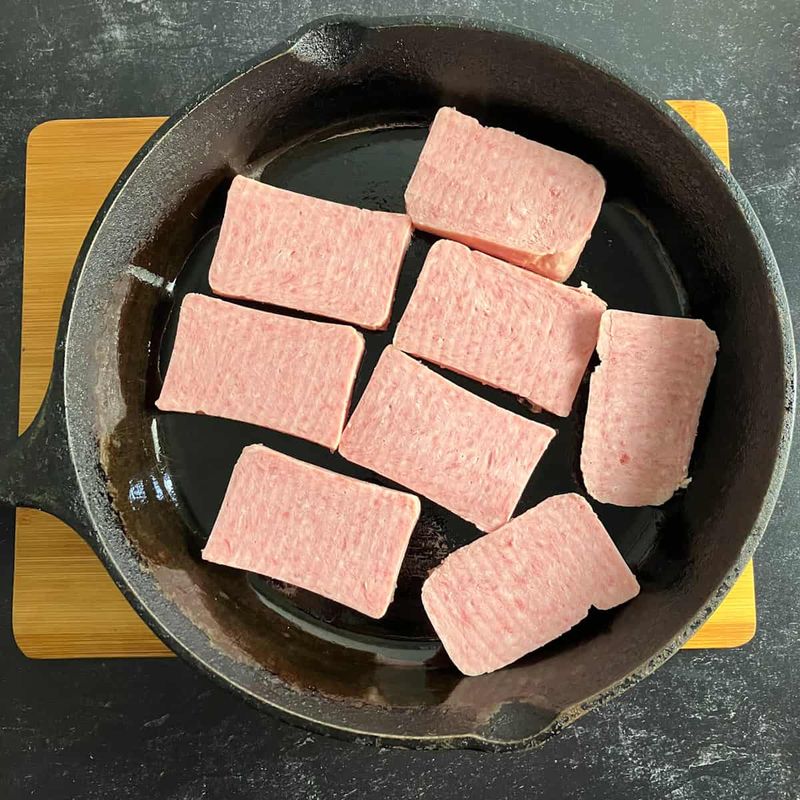
Flip too early and you tear a fragile crust. Flip too late and the sugar burns, leaving bitter notes.
Timing the flip determines flavor and texture.
Wait for browned edges and easy release before turning. If the slice sticks, give it another 20 to 30 seconds.
Use a thin spatula to slide under cleanly.
After the first flip, the second side usually cooks faster. Watch closely to prevent overbrowning.
With practice, you will rely on visual cues and confident, single flips.
7. Skipping The Rest On A Rack
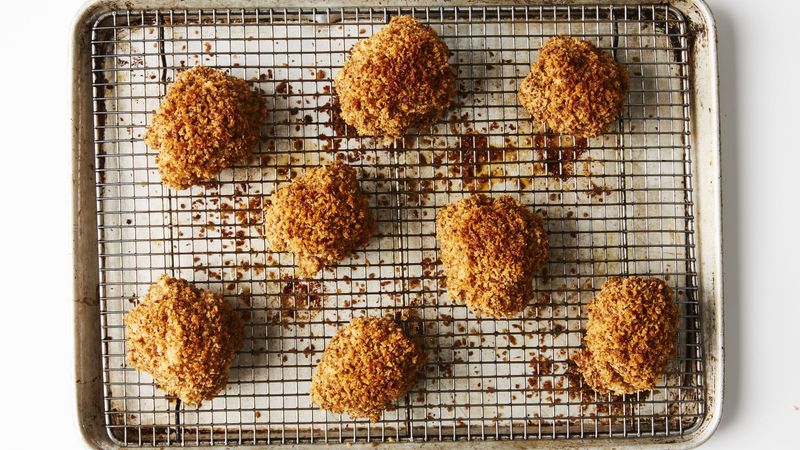
Stacking hot slices traps steam and softens crusts. A plate lined with paper towels can help, but a wire rack is better.
Air flow keeps edges crisp while excess fat drips away.
Transfer slices to a rack for two to three minutes before serving. This short rest stabilizes texture and keeps sandwiches from turning soggy.
You will taste the difference.
If you must hold longer, place in a low oven, about 200F. Do not cover.
Crispness depends on dryness and air circulation, and racks deliver both reliably.
8. Not Deglazing For Extra Flavor
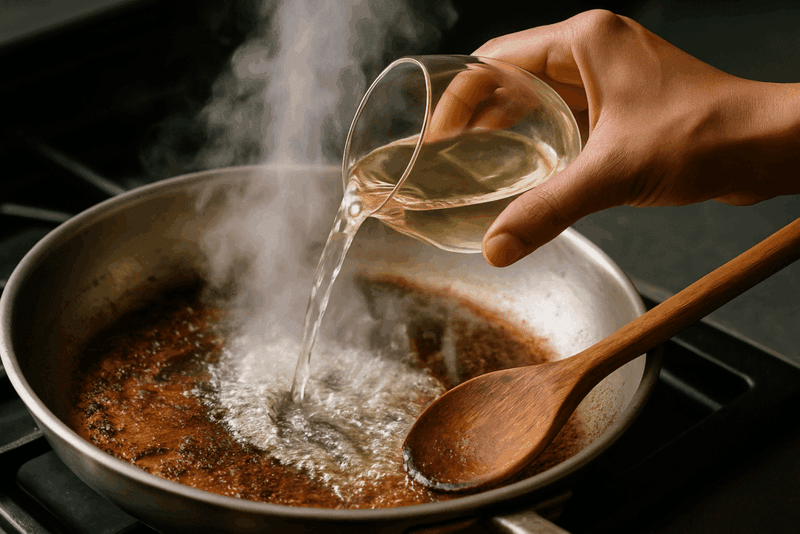
All that browned fond in the pan is flavor gold. Leaving it behind wastes an easy opportunity to amplify taste.
A quick deglaze turns scraps into a luscious glaze.
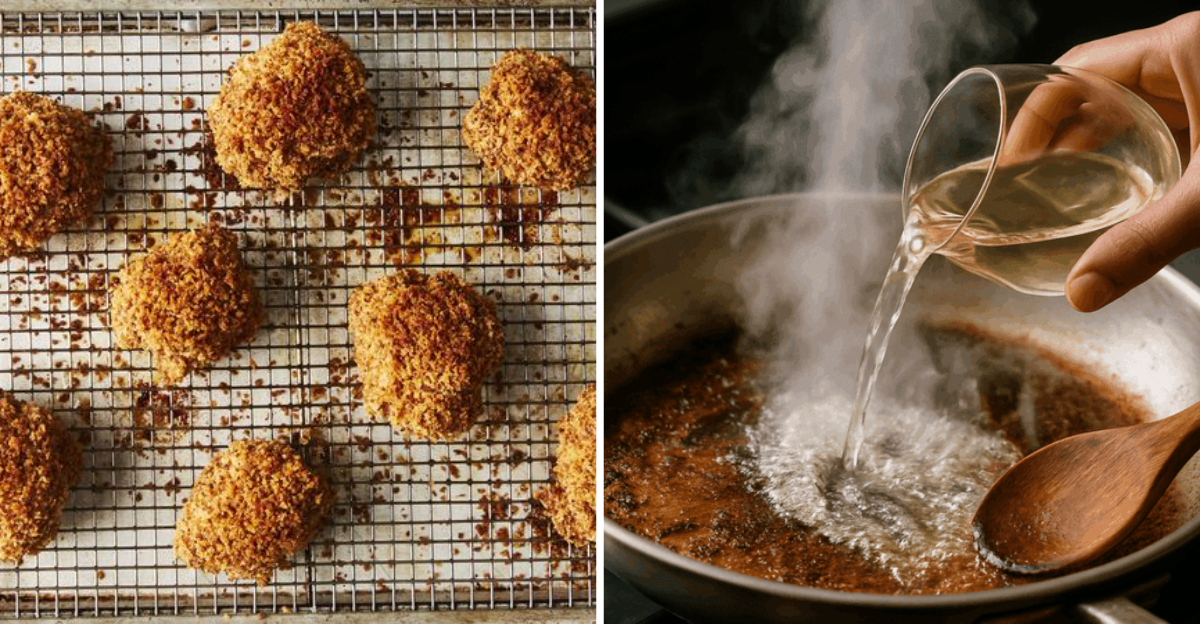
After cooking, splash pineapple juice, soy, or rice vinegar into the hot pan. Scrape with a spoon to dissolve bits.
Reduce briefly until syrupy, then brush over slices.
This adds tang and sweetness without overpowering. You also control salt levels better than premade sauces.
Small step, big payoff, and zero flavor wasted.
9. Using Too Much Oil
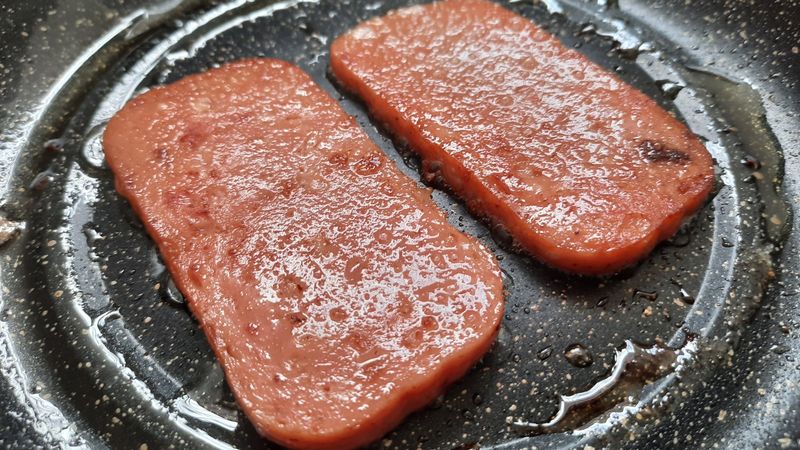
Spam already contains fat that renders as it cooks. Too much added oil leads to greasy slices and splatter.
You also reduce contact with the pan, hurting browning.
Use a minimal sheen or none in a good nonstick pan. If the surface looks wet, wipe with a paper towel.
Add more only if sticking occurs.
Cast iron may need a touch, but still keep it light. Let Spam’s own fat lubricate the process.
Less oil, more crust, cleaner kitchen, better bite.
10. Forgetting To Balance Salt
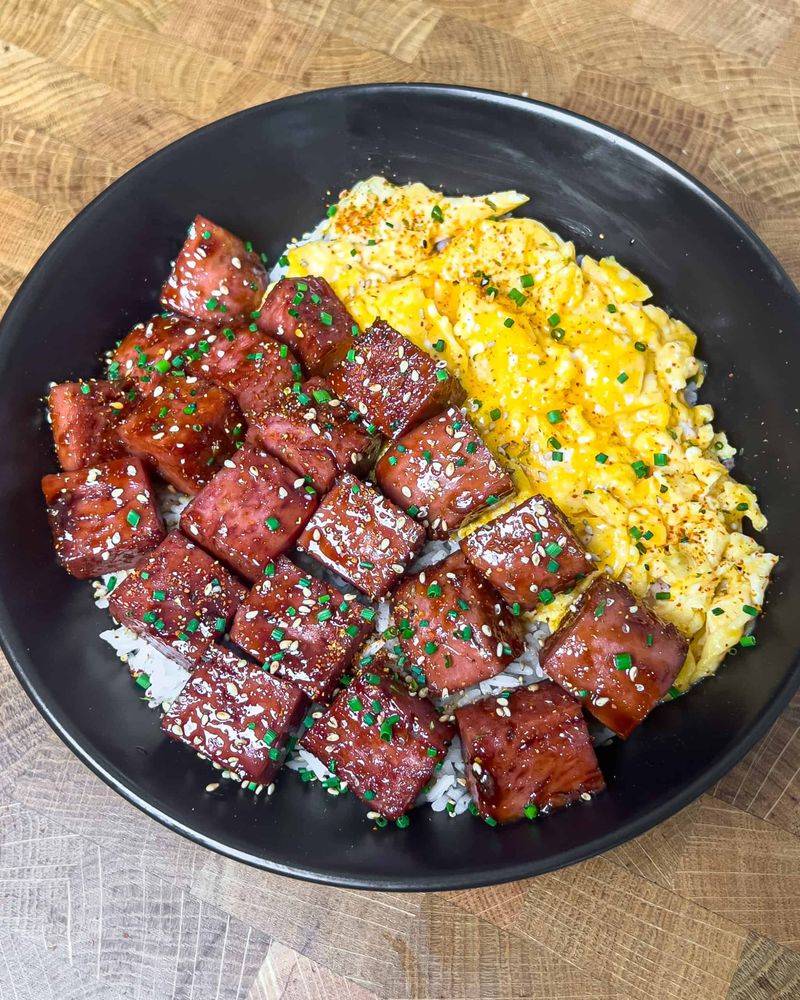
Spam is salty by design, so piling on salty sauces can overwhelm your palate. You end up guzzling water and missing nuance.
Balance is key to making it feel lighter.
Add acid, crunch, and freshness: pineapple, kimchi, cucumbers, or lime. Creamy elements like eggs or mayo soften edges.
Herbs add brightness without more salt.
Taste before adding soy or fish sauce. If it needs punch, consider vinegar or citrus first.
You will appreciate how balance turns a salty slab into a well-rounded bite.
11. Cooking Straight From The Fridge
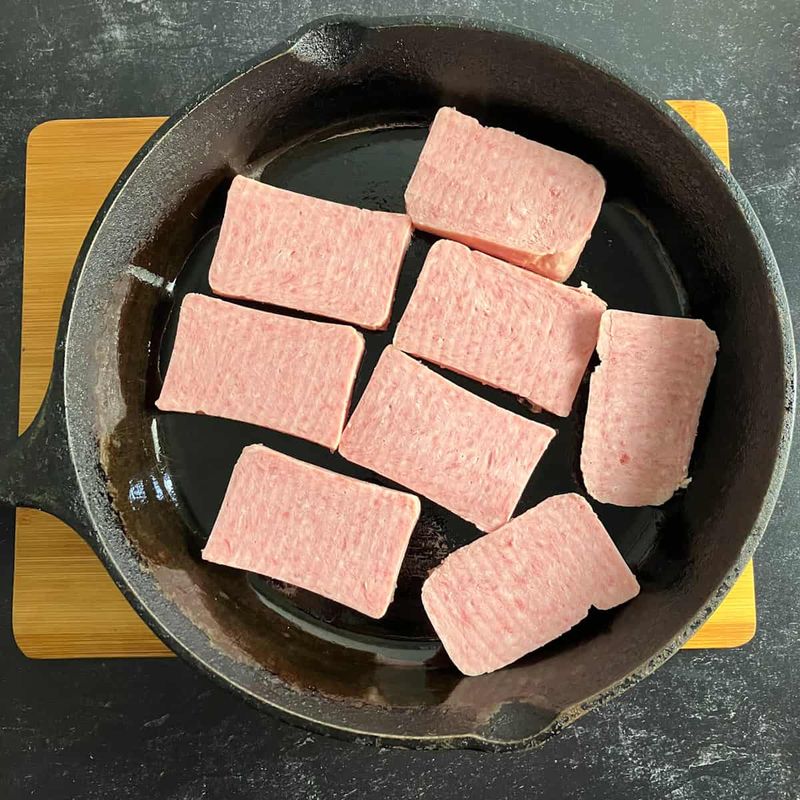
Ice-cold slices cool the pan and cook unevenly. The exterior browns before the center relaxes, leading to a tough bite.
Bringing Spam slightly toward room temp helps consistency.
Let slices sit out for 10 to 15 minutes while you prep. This reduces thermal shock and encourages even searing.
Do not leave out too long for safety.
If you are rushing, add one test slice to gauge heat, then proceed. Adjust time on the fly.
A small pause upfront leads to far better texture.
12. Ignoring Alternative Cooking Methods
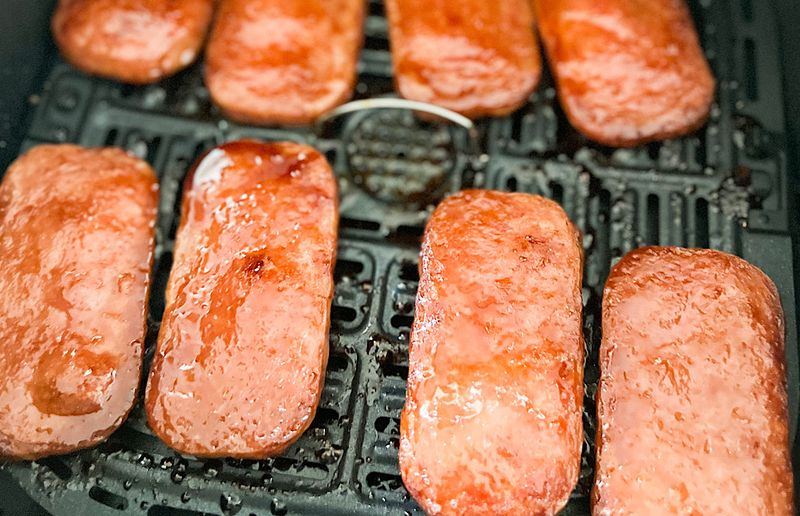
Frying is great, but it is not your only path. Air frying gives shattering edges with less mess.
Broiling delivers quick caramelization. Grilling adds smoky char that plays well with sweetness.
Choose methods based on thickness and desired texture. Air fry at 390F, flipping once.
Broil on high, watching closely. Grill over medium heat for crosshatch marks.
Variety keeps Spam exciting and flexible for different dishes. Experiment and note times for your favorite thickness.
With options, you match technique to mood and menu.
13. Skipping Score Marks For Thick Cuts
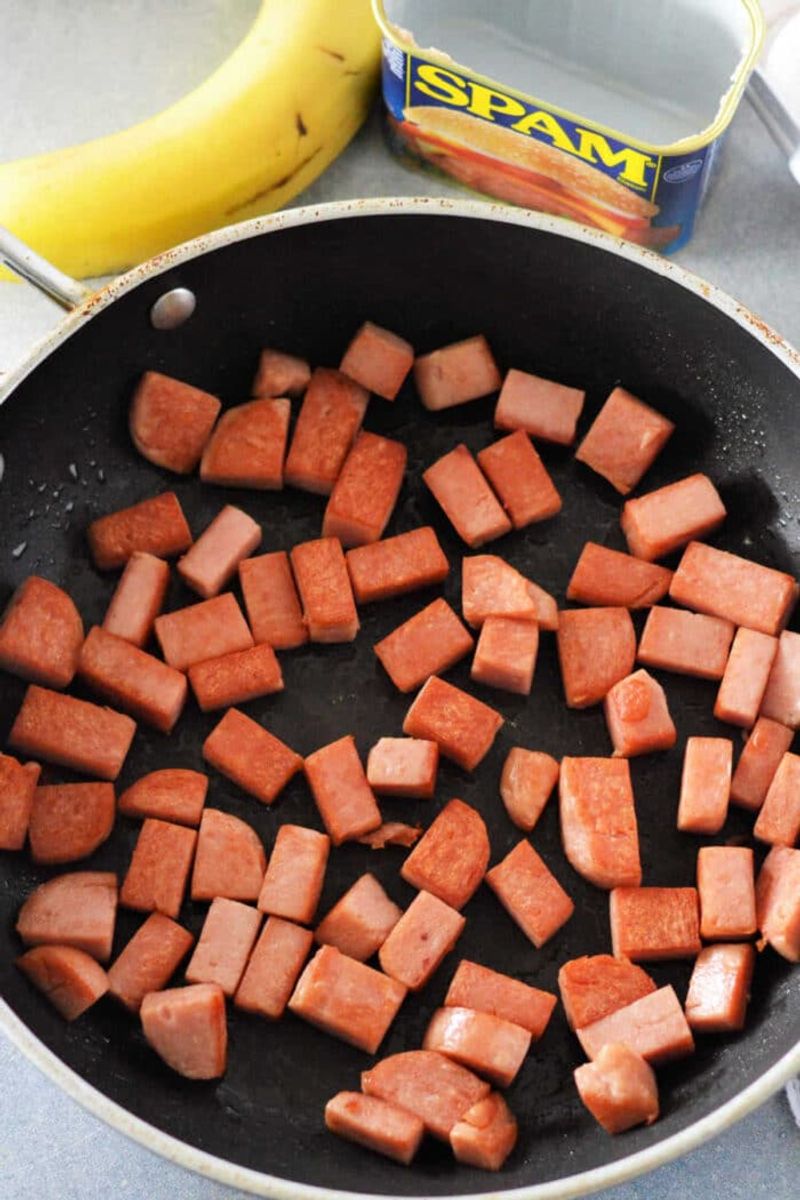
Thick cuts can dome and sear unevenly. Light scoring helps fat render and prevents curling.
It also creates more edges for crisping and sauce to cling.
Use shallow crosshatch slashes, about quarter inch deep. Do not cut through.
Pat dry, season if desired, and sear scored side first for faster browning.
The result is evenly cooked slabs with great texture. Scoring also looks appealing for sandwiches and rice plates.
Small knife work pays off noticeably on thicker pieces.
14. Not Rinsing Or Soaking When Needed
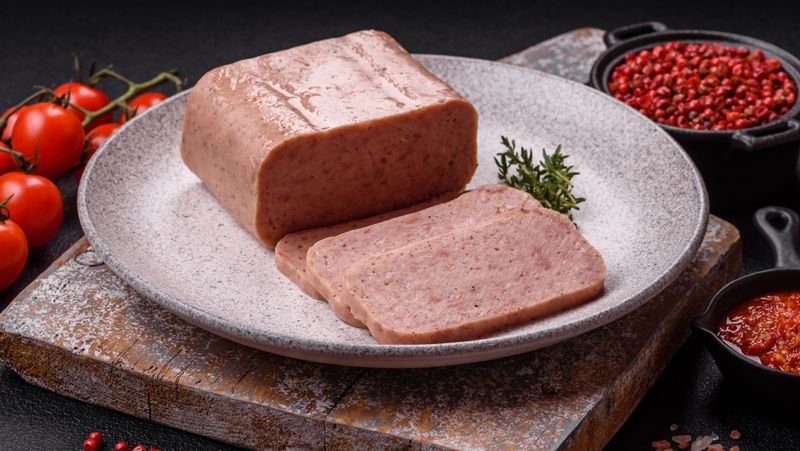
If salt sensitivity is an issue, you can tame intensity. A quick rinse or brief soak draws surface salt and sugars away.
This softens the initial punch without losing character.
Rinse slices under cool water, then pat very dry. Or soak five minutes, drain, and dry thoroughly.
Adjust seasoning later with acid or spices instead of salt.
This trick helps when pairing Spam with salty sides like soy-glazed noodles. Calibrate to your taste.
It is a simple mod that broadens Spam’s versatility.
15. Using Dull Knives And Messy Cuts
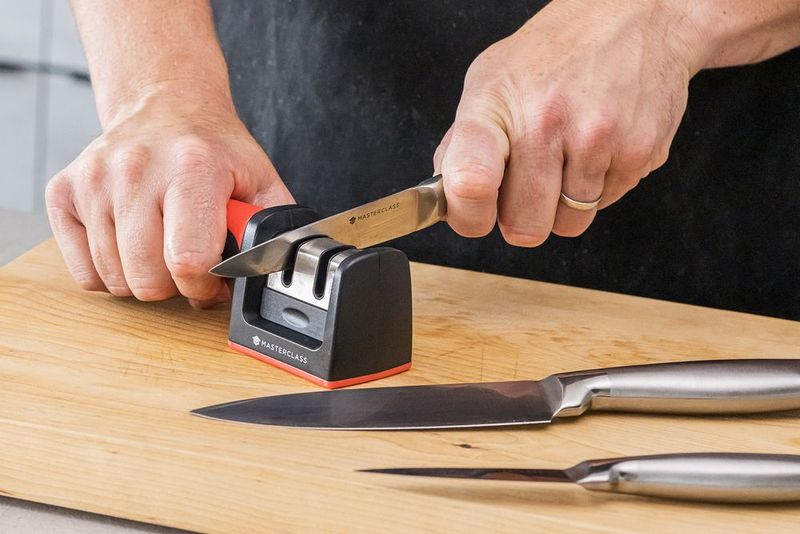
Jagged cuts tear the meat and make uneven browning inevitable. Dull knives compress instead of slicing, leading to ragged surfaces.
Clean geometry equals predictable cooking.
Sharpen your knife or use a slicer for uniform planks or batons. Wipe the blade between cuts to reduce smearing.
Consistency simplifies timing and improves presentation.
For cubes, chill slightly to firm, then cut with gentle pressure. Your pan will reward the tidy shapes with even crust.
Good tools make better Spam, period.