15 Common Mistakes People Make When Purchasing Lobster
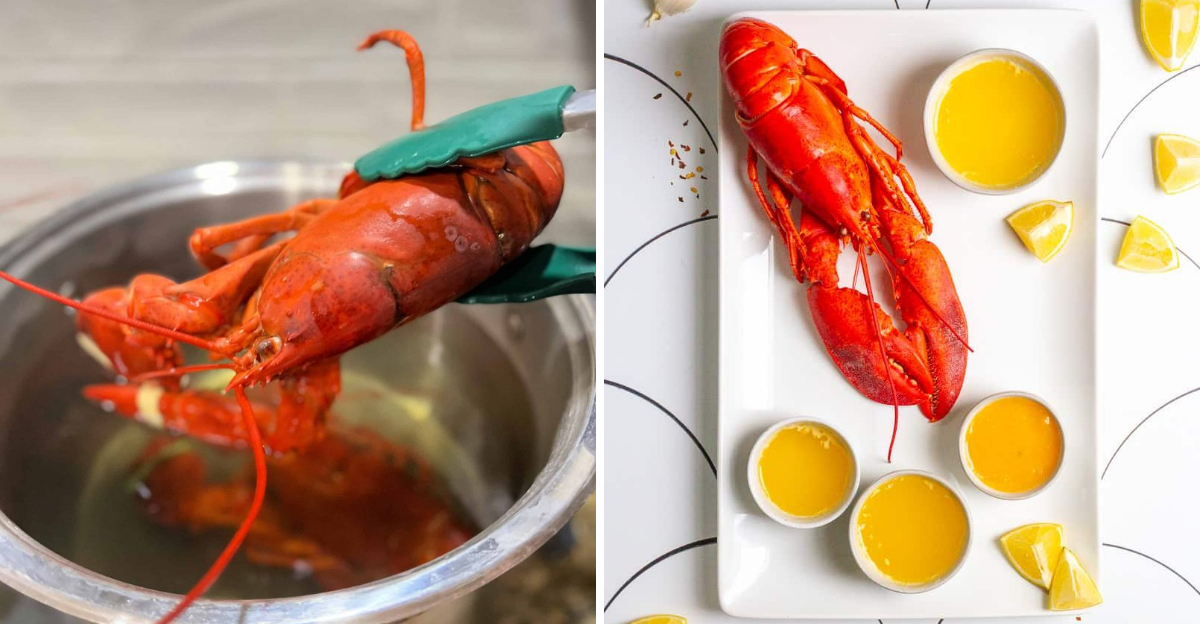
Purchasing lobster can be tricky if you’re unaware of the potential pitfalls. Here are 15 common mistakes to avoid when buying lobster, ensuring you get the best taste and value.
1. Buying lobster without a cooking plan
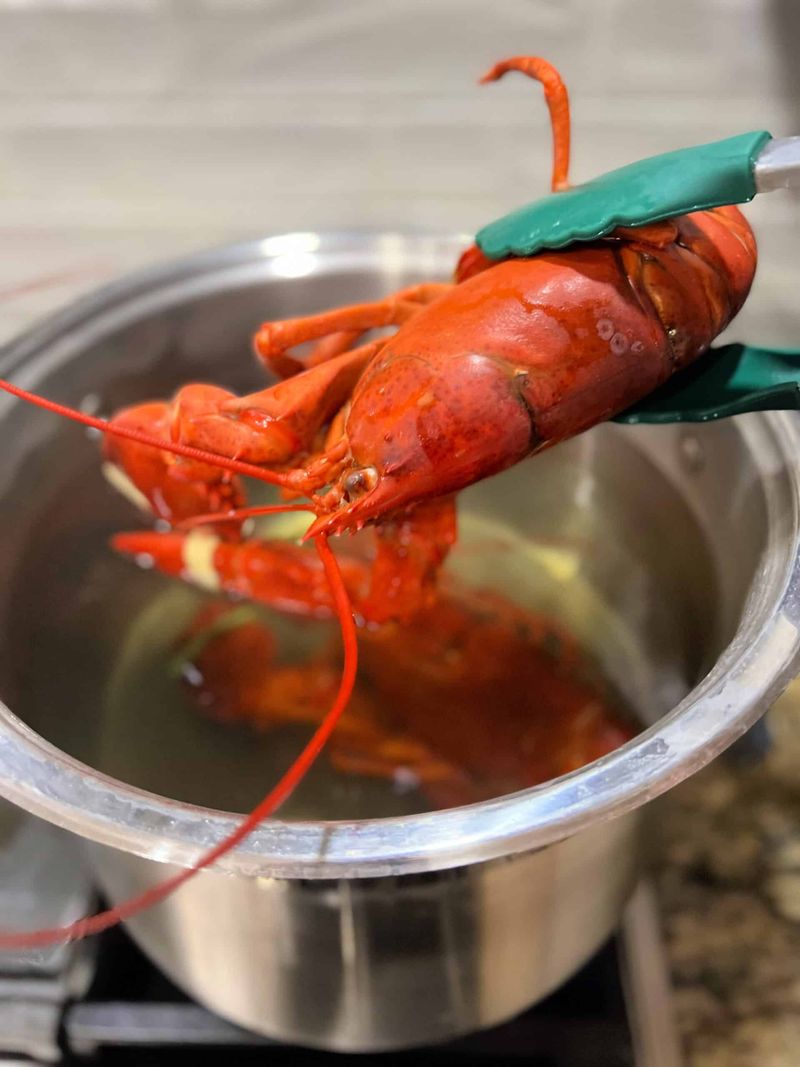
Picture this: a kitchen filled with the aroma of fresh seafood but no clear idea how to cook it. Different cooking methods suit various lobster sizes. Are you steaming a smaller one for a delicate texture or grilling a larger one for a robust flavor? Without a plan, you might end up with less-than-perfect results. Consider your desired dish and method before buying. Simple planning ensures you maximize taste and texture, transforming your purchase into a culinary delight.
2. Choosing the biggest lobster for quality

Bigger isn’t always better, especially when it comes to lobsters. The largest ones, though impressive, can be tougher and sometimes lack the sweetness of their smaller counterparts. Many savor the tender meat of mid-sized lobsters, often called “eating size.” Don’t be swayed by size alone; consider what texture you prefer. The smaller, sweet lobsters might be the hidden gems you’re looking for, offering a satisfying bite with every morsel.
3. Ignoring the lobster’s origin
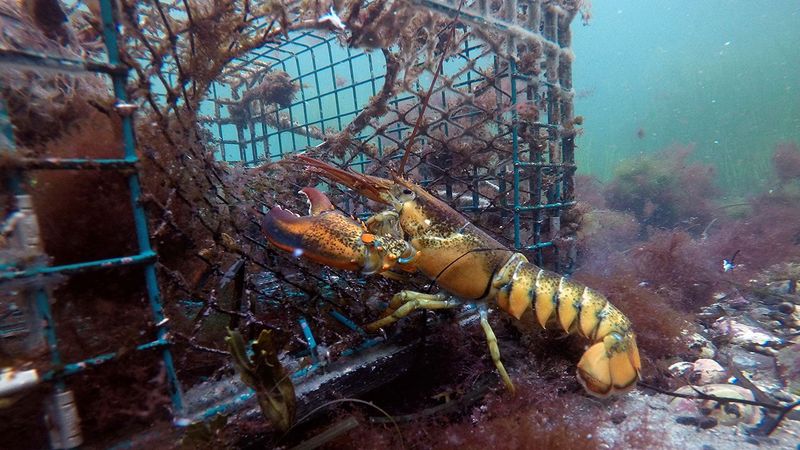
Ever wondered why some lobsters taste sweeter? The secret often lies in their origin. Cold-water lobsters, like those from Maine, are prized for their firm and sweet meat. If a fish counter can’t provide the source, it might be a sign to question their freshness. Knowing where your lobster was harvested can make all the difference. Opt for regions known for quality, ensuring each bite is rich in flavor and texture.
4. Not checking liveliness of live lobsters
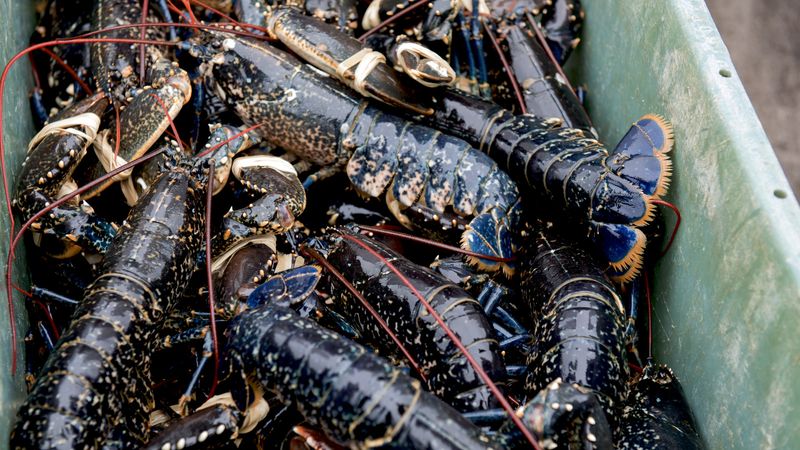
A lively lobster is a fresh lobster. When purchasing, look for movement as a sign of health. A sluggish lobster might indicate poor handling or stress. Freshness and liveliness go hand in hand, ensuring the best texture and taste. A quick inspection can save you from disappointment later. A lively lobster promises a premium seafood experience, making your meal memorable and delicious.
5. Buying lobster with a fishy smell
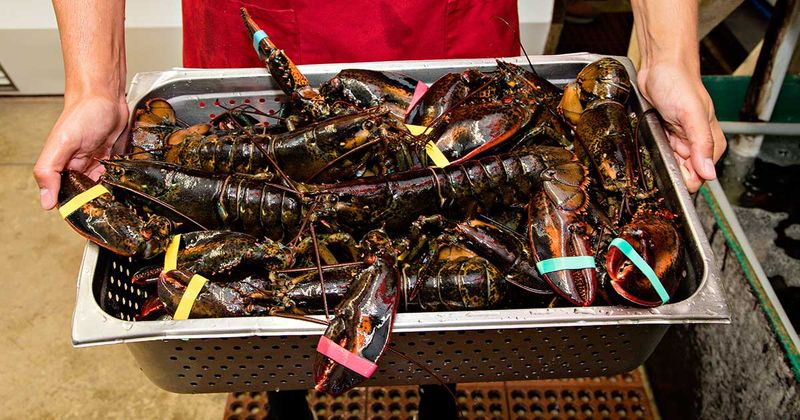
The scent of the sea should accompany your lobster, not an overpowering fishy smell. A strong odor can hint at quality issues. Fresh lobsters have a mild, oceanic aroma that promises taste and freshness. Trust your nose; it’s a reliable indicator of what you’re about to enjoy. A fresh scent ensures your purchase is spot on, elevating your culinary creation to new heights.
6. Choosing old pre-cooked lobster
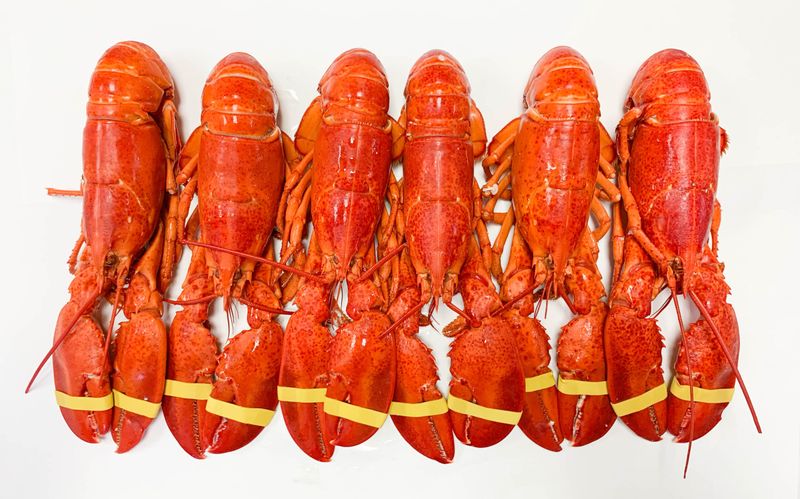
Convenience can come at a cost if you choose pre-cooked lobster without checking its freshness. Older, pre-cooked options can lose their appeal quickly. Always ask or check for the date it was cooked. Freshness in pre-cooked lobster ensures the flavors remain vibrant and satisfying. A little vigilance goes a long way in maintaining quality, allowing you to enjoy the best of both worlds: convenience and taste.
7. Assuming fresh is better than frozen
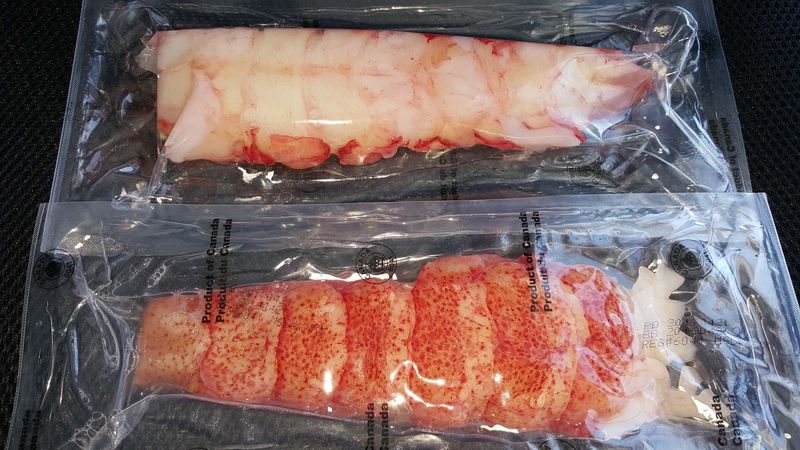
The debate between fresh and frozen seafood is ongoing, but don’t overlook good frozen lobster. When processed properly, frozen lobster can retain its quality and flavor. Sometimes it’s more consistent than “fresh” lobsters, especially if they’ve been on display too long. Frozen options can save the day, offering reliability and taste. Consider both options, and make the best choice based on your needs and preferences.
8. Overpaying for convenience
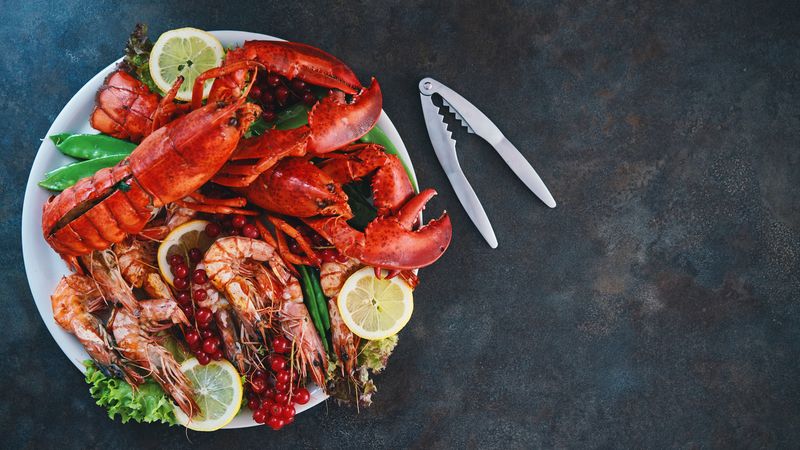
Convenience might tempt you to buy pre-picked or split lobsters, but the price can be steep. Often, buying whole lobsters and doing a bit of work yourself saves money. Consider what you gain from convenience and whether it’s worth the extra cost. For those who enjoy a hands-on approach, whole lobsters might be the better value. Saving without sacrificing taste can make your culinary adventure even more enjoyable.
9. Ignoring hard-shell vs soft-shell
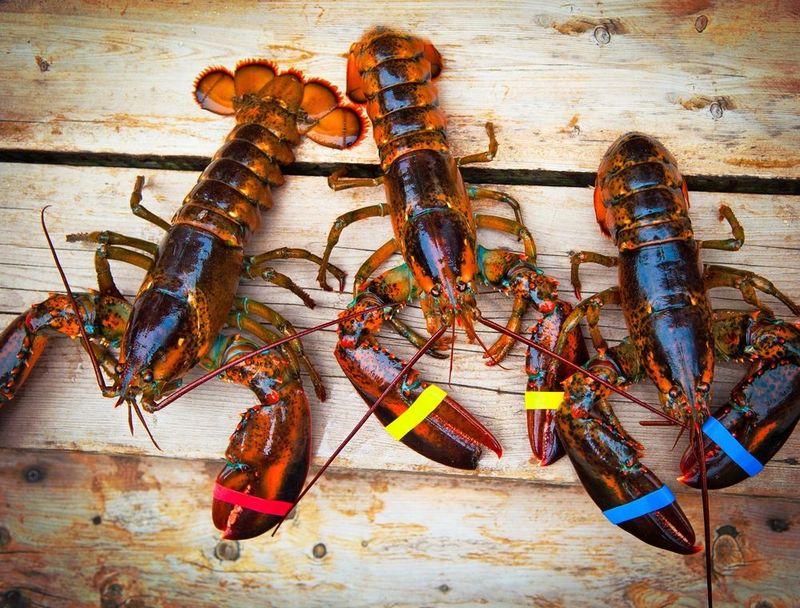
Soft-shell lobsters are often sweeter, but come with less meat. Hard-shell lobsters generally yield more meat, offering more value. Knowing the difference can help you decide based on taste and quantity preferences. Whether you’re opting for sweetness or more meat, understanding this distinction enhances your purchase decision. Choose wisely, and you’ll be rewarded with a satisfying seafood experience.
10. Forgetting lobsters lose weight in tanks

Did you know lobsters can lose weight while in tanks? Over time, they dehydrate, which affects their weight and meat yield. Freshness and a well-maintained tank environment ensure you get the best value. Be aware that the longer a lobster stays in captivity, the more it loses in terms of both weight and quality. Seek out fresh arrivals to get the most out of your purchase, ensuring value and satisfaction.
11. Not checking type of lobster meat
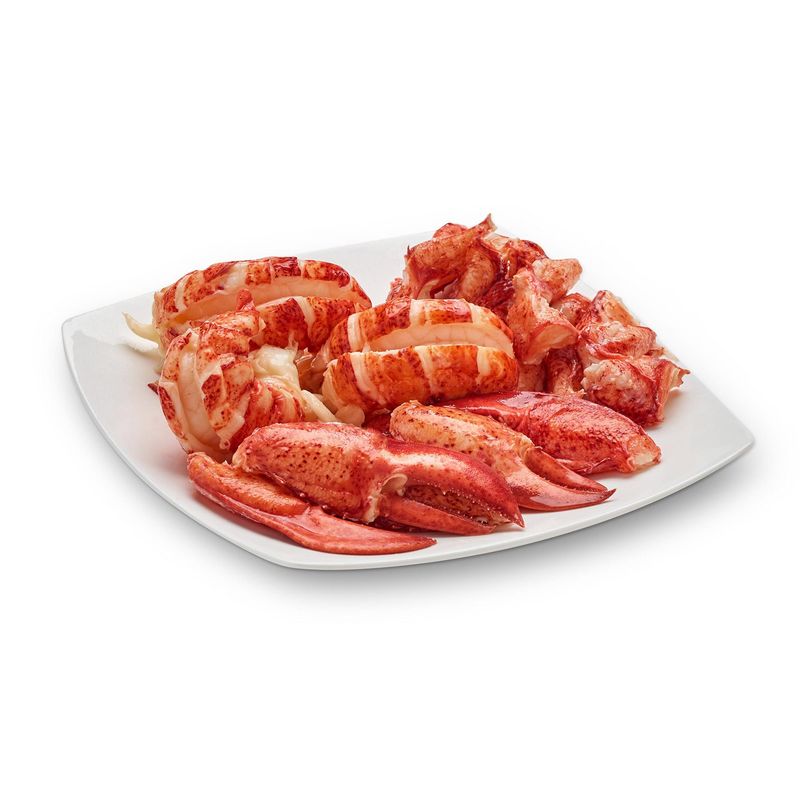
Lobster meat varies greatly between claw, knuckle, and tail. Claw and knuckle meat are usually sweeter and more tender, while tail meat is firmer. Knowing what you’re buying ensures you get the texture and flavor you desire. Whether you’re crafting a succulent dish or a robust one, understanding these differences allows you to match the meat to your meal’s needs. Savor each dish as intended, enjoying the distinct flavors each cut provides.
12. Skipping the intended use question
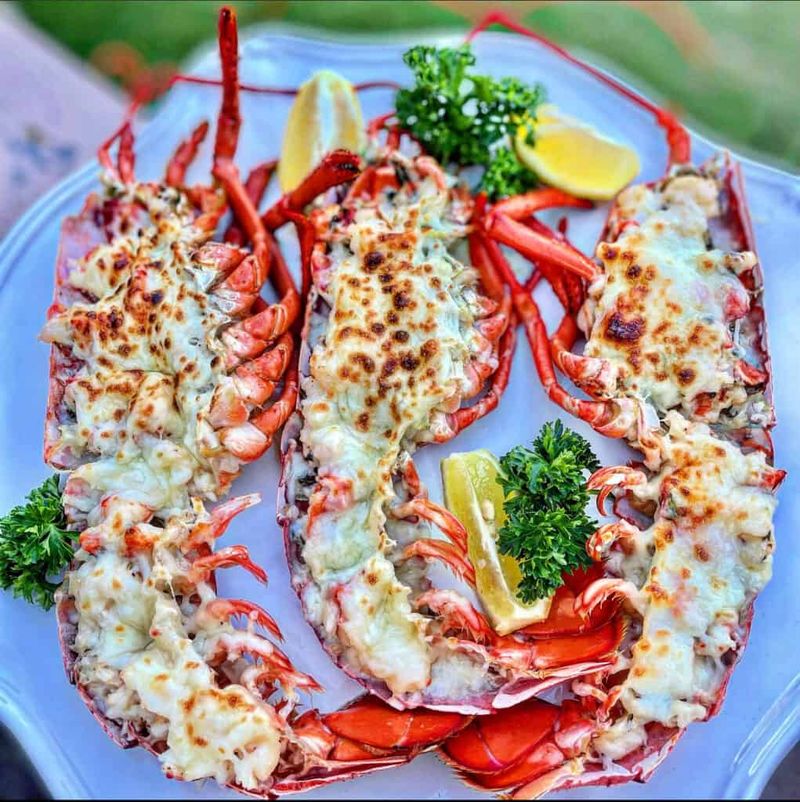
What’s on the menu? This question guides your lobster purchase. Lobster rolls, pasta, or bisque each benefit from specific textures. Choosing the right lobster for your dish elevates the experience, ensuring harmony between ingredient and preparation. Matching your lobster to your culinary creation makes all the difference, promising a meal that delights every sense. Consider your cooking plan before buying, and enjoy gourmet perfection.
13. Not considering shipping and storage

Online lobster orders promise convenience, but beware of shipping and storage pitfalls. If not handled properly, quality deteriorates fast. Ensure your supplier has reliable logistics to maintain freshness. Properly managed shipping ensures your lobster arrives in optimal condition, ready for your culinary masterpiece. Asking the right questions before ordering safeguards quality, offering you peace of mind and delightful flavors.
14. Waiting last minute on holidays
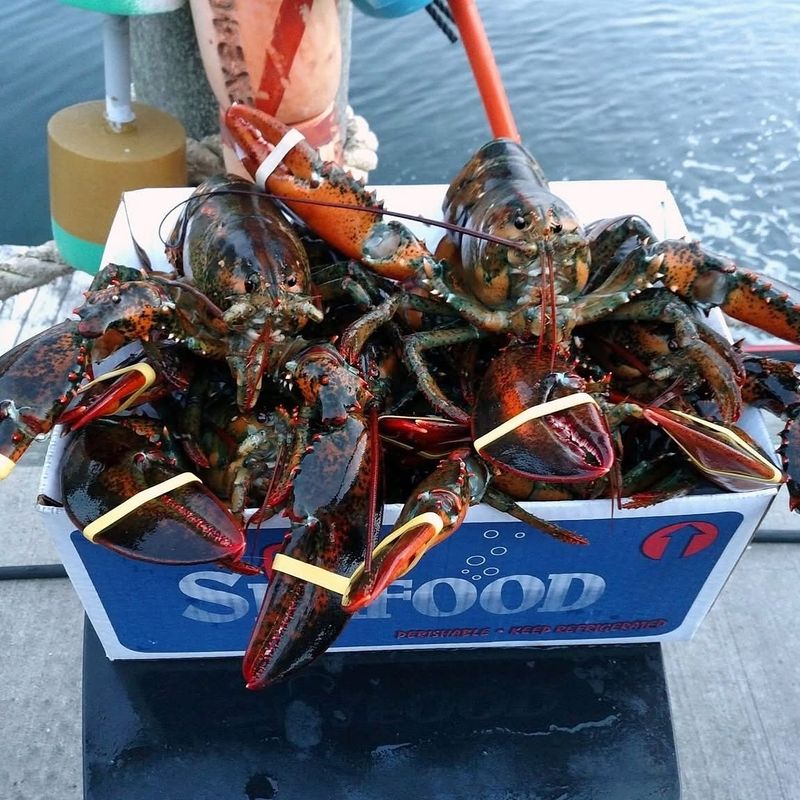
Holiday weekends spike lobster demand, often leading to higher prices and less choice. Planning ahead by purchasing a day early can secure better options and prices. If you can store it safely, buying in advance ensures you don’t miss out on your desired lobster. Avoid last-minute scrambles and enjoy your celebrations with the perfect seafood centerpiece, making your holiday meal both memorable and stress-free.
15. Expecting lobster to be perfect unseasoned
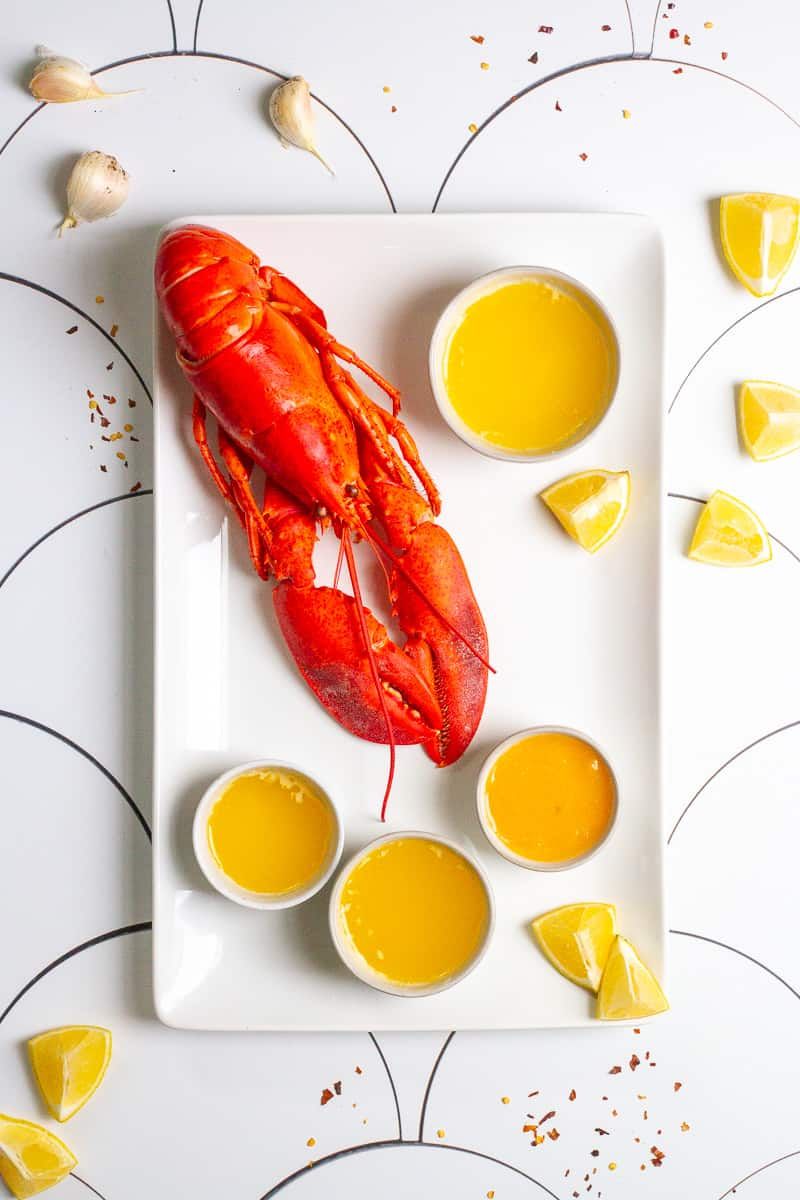
Lobster, delicate by nature, shines with a bit of enhancement. Butter, lemon, or a hint of seasoning elevates its subtle flavors to new heights. Don’t expect the lobster to be a standalone star; it’s the interplay with complementary flavors that makes it special. Simple finishes transform your dish from ordinary to extraordinary, allowing you to savor lobster’s full potential. Elevate each bite with thoughtful accompaniments.