15 Common Myths About Deep-Fried Food You Should Stop Believing
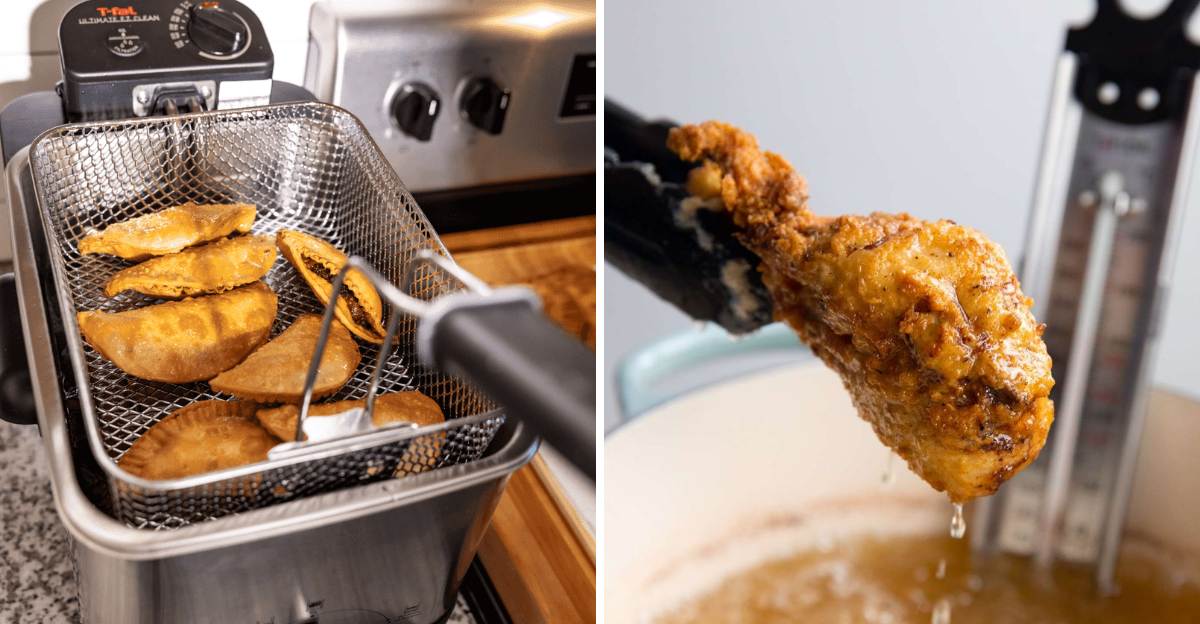
Fried food gets a bad rap, but a lot of what you have heard is outdated or just plain wrong. With the right temperature, timing, and technique, you can enjoy crisp, light results without a greasy mess.
This guide cuts through the noise and explains what actually matters when you heat oil. Read on to feel confident the next time you reach for a pot and a slotted spoon.
1. Myth: Fried food is always greasy
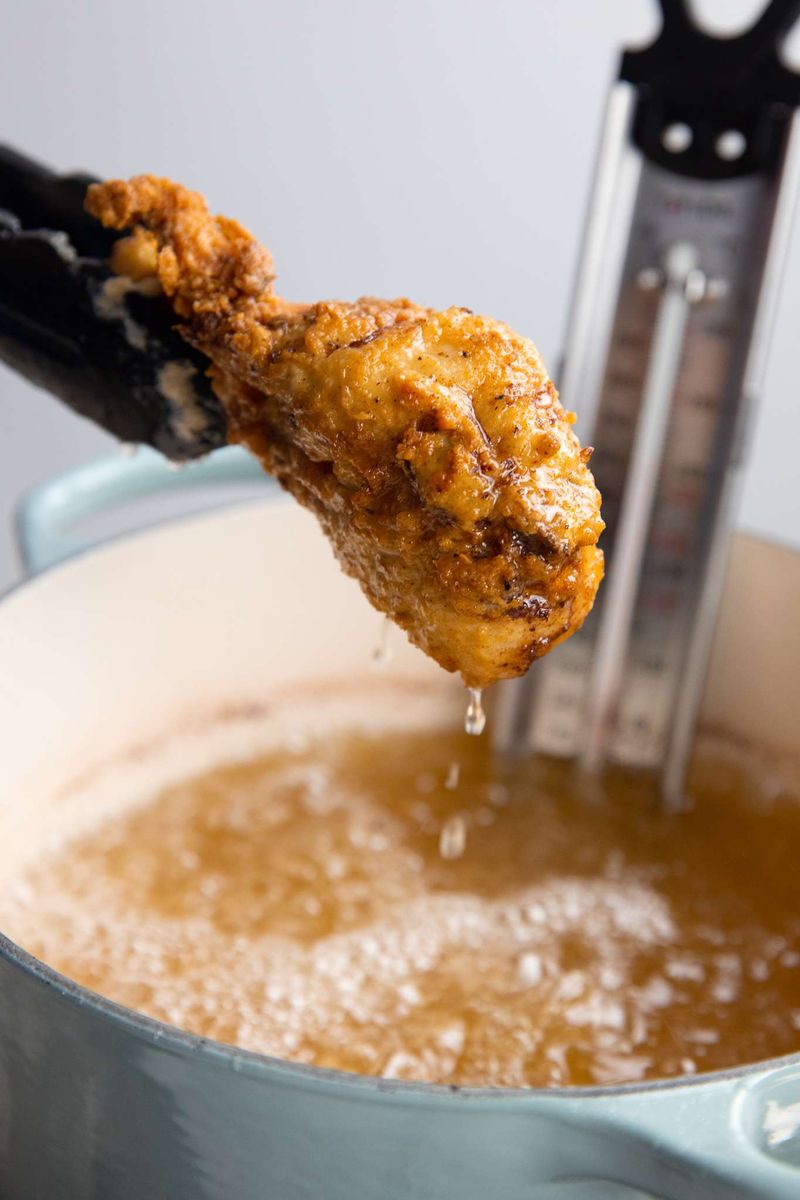
Greasy results usually come from oil that is too cool, overcrowded pots, or letting food steam after frying. When oil is hot enough, the surface dehydrates quickly and forms a crisp shell that limits absorption.
Give pieces space, maintain temperature, and drain on a rack so air circulates.
You will notice cleaner flavor and that satisfying shatter when you bite. If things taste heavy, check your thermometer and reduce batch size.
Keep fried food moving to a warm rack, not a covered plate, and you will keep crispness instead of condensation.
2. Myth: Deep frying seals in all the juices
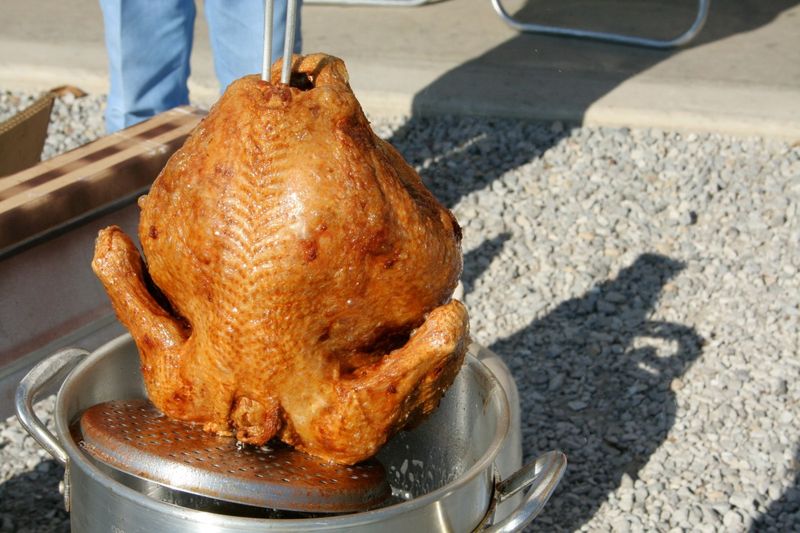
There is no magical seal. Moisture still turns to steam and escapes, which is why you see vigorous bubbling in the oil.
What frying does offer is a rapidly formed crust that slows loss and creates contrast with a juicy interior when cooked correctly.
To protect tenderness, keep oil hot, avoid overcooking, and rest food briefly on a rack. Brines and marinades help, as does proper thickness.
If your chicken is dry, it is likely overcooked or sat too long, not because frying failed to lock anything in.
3. Myth: The darker the oil, the worse it is
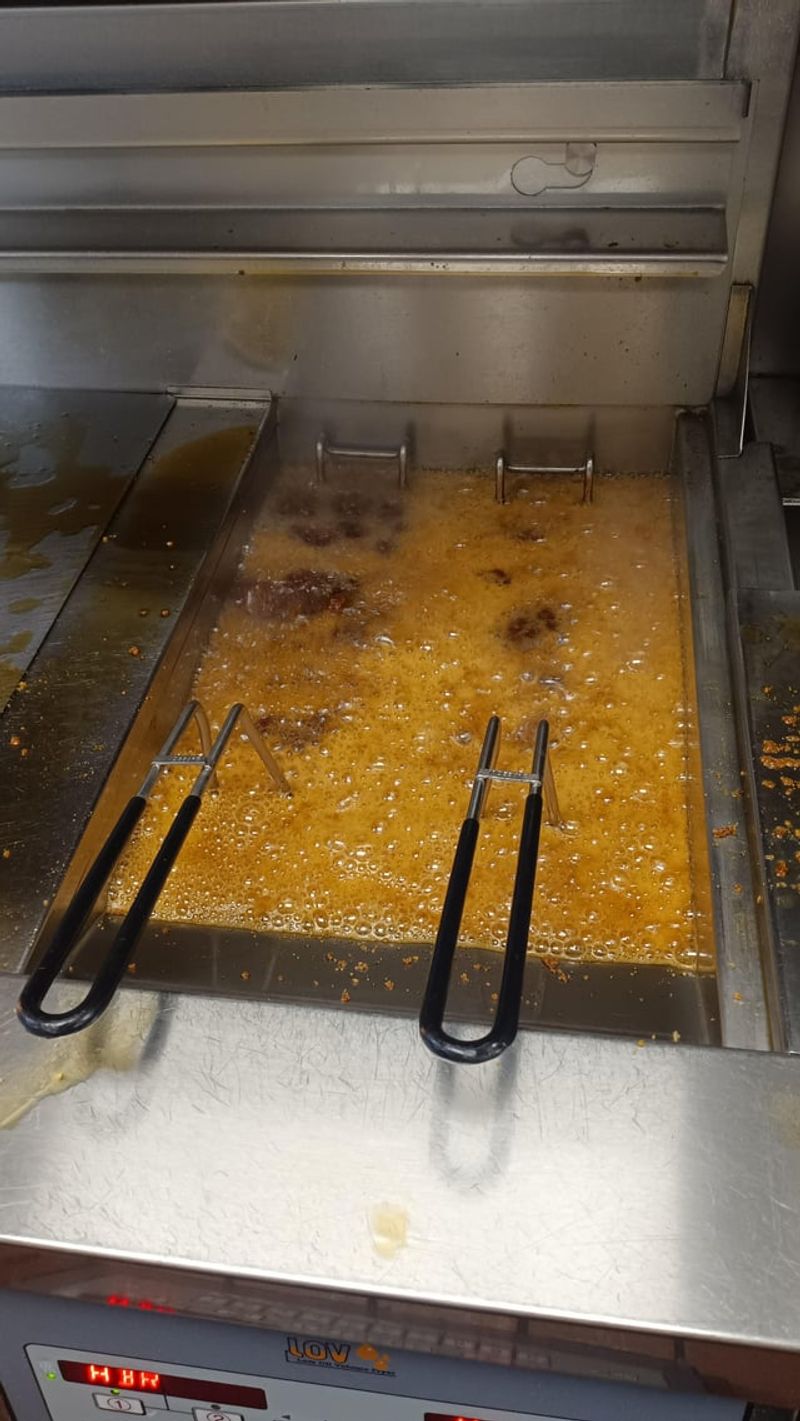
Color alone does not tell the whole story. Oil can darken from browned crumbs and seasonings even if it is still usable.
Focus on warning signs like acrid smell, bitter taste, excessive foaming, or smoke at normal temperatures.
Strain out bits after each batch to slow darkening and degradation. Keep a log of fry sessions and stay under the oil’s smoke point.
If your food tastes harsh or the oil smokes early, it is time to retire it, regardless of color. Trust your senses, not just the shade.
4. Myth: You should never reuse frying oil
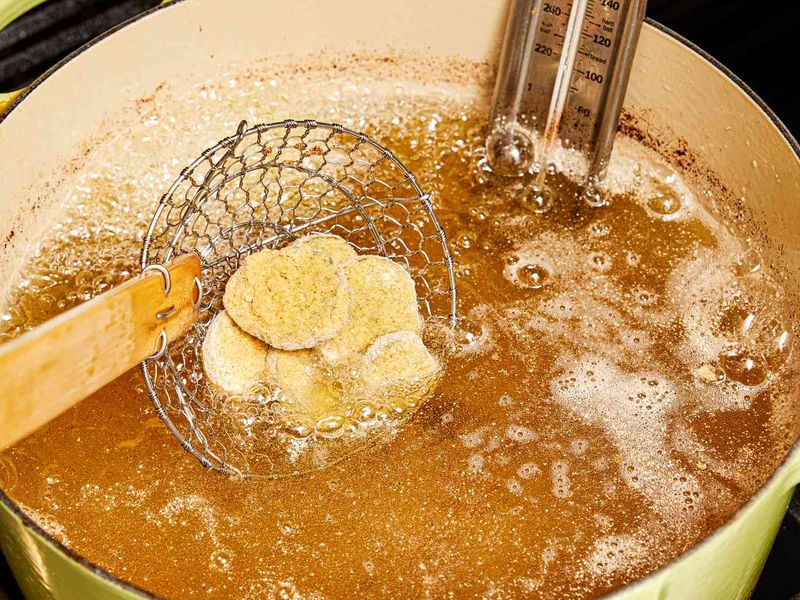
Reusing oil can be fine when you treat it well. Strain through a fine mesh or coffee filter, store in an airtight container, and keep it cool and dark.
Avoid overheating and do not mix strongly flavored fry sessions like fish with delicate pastries.
Track how many times you use it and retire it when it smells off, smokes early, or foams excessively. Neutral, high smoke point oils last longer.
With simple maintenance, you save money, reduce waste, and keep quality consistent without sacrificing safety or flavor.
5. Myth: Olive oil cannot be used for frying
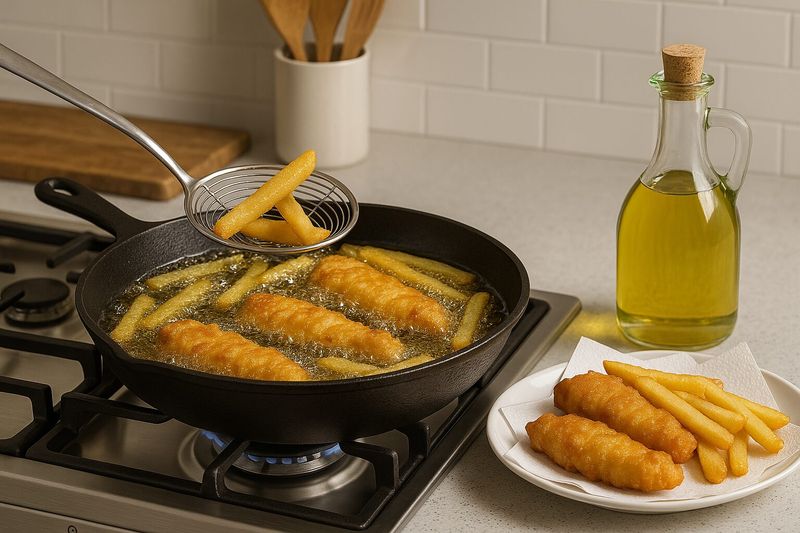
You can fry with certain olive oils. Refined or light olive oil has a higher smoke point and neutral flavor suited to deep frying.
Extra-virgin carries more flavor and a lower smoke point, so it is not always ideal, but shallow frying at moderate heat can still work.
Choose the right grade and monitor temperature carefully. If you smell acrid notes or see early smoke, back off.
Olive oil can deliver crisp results when used thoughtfully, especially for Mediterranean dishes where a hint of olive character is welcome.
6. Myth: Air frying is the same as deep frying
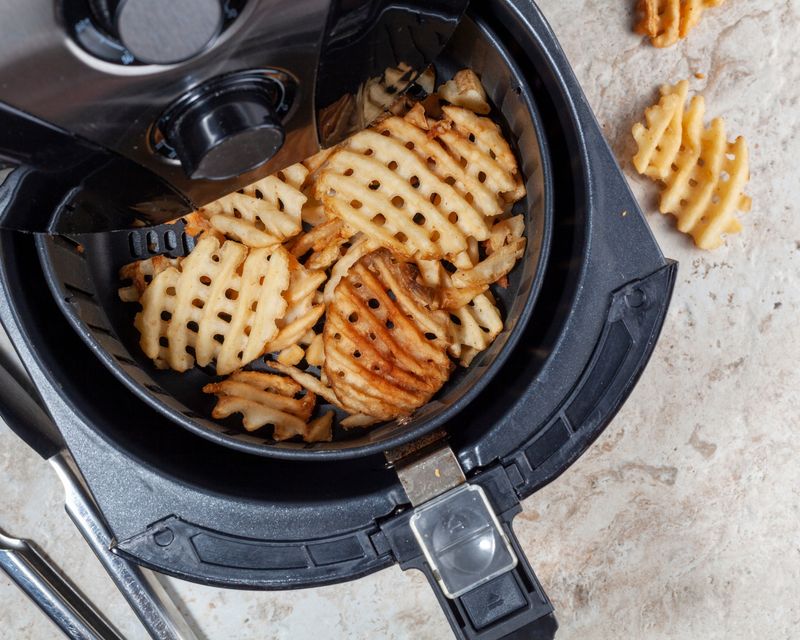
Air frying is high-powered convection. It can make crisp, tasty results, but it does not replicate the same crunch or richness because it uses far less oil.
You will often get lighter texture and slightly drier surfaces compared to true deep frying.
Use a little oil spray and do not overcrowd the basket for better browning. For that classic shatter and fried aroma, deep frying still wins.
Consider each method a different tool: air fryers excel for convenience and weeknight speed, while deep fryers shine for perfect, even crusts.
7. Myth: Good oil makes fried food healthy
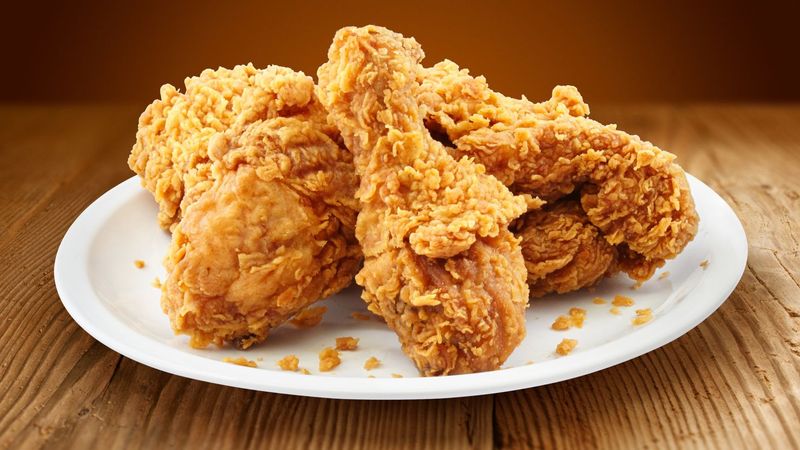
Oil choice matters for stability and flavor, but it does not erase calorie density. Fried foods often include refined carbs and salty coatings that add up quickly.
Even with high-oleic or avocado oil, portion size and frequency still determine the bigger health picture.
Focus on balance: pair fried dishes with fresh sides, use lean proteins, and keep portions reasonable. Let oil drain well and avoid overly sugary sauces.
Good oil is smart, not magic. You can enjoy fried treats, but do not pretend the right bottle transforms them into health food.
8. Myth: Fried food always absorbs tons of oil
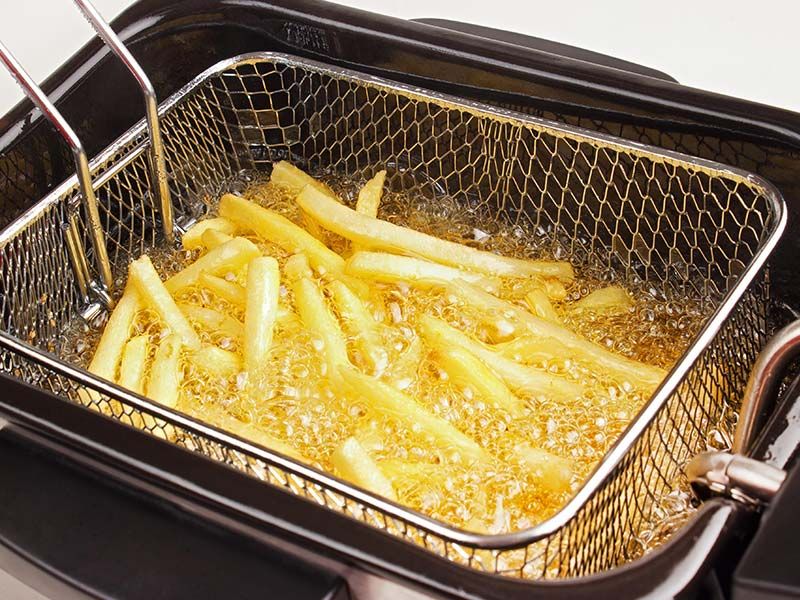
Absorption varies widely. Proper temperature, batter style, moisture level, and fry time all change the final fat content.
Tempura and well-aerated batters can take on surprisingly little oil when cooked hot and fast.
Pat foods dry, preheat thoroughly, and avoid crowding so temperature stays steady. Thin, wet batters can lead to sogginess if oil drops.
Use a thermometer and work in modest batches to keep absorption in check. You will taste the difference when the exterior crisps quickly and locks in texture without sponging up oil.
9. Myth: Blotting removes most of the oil
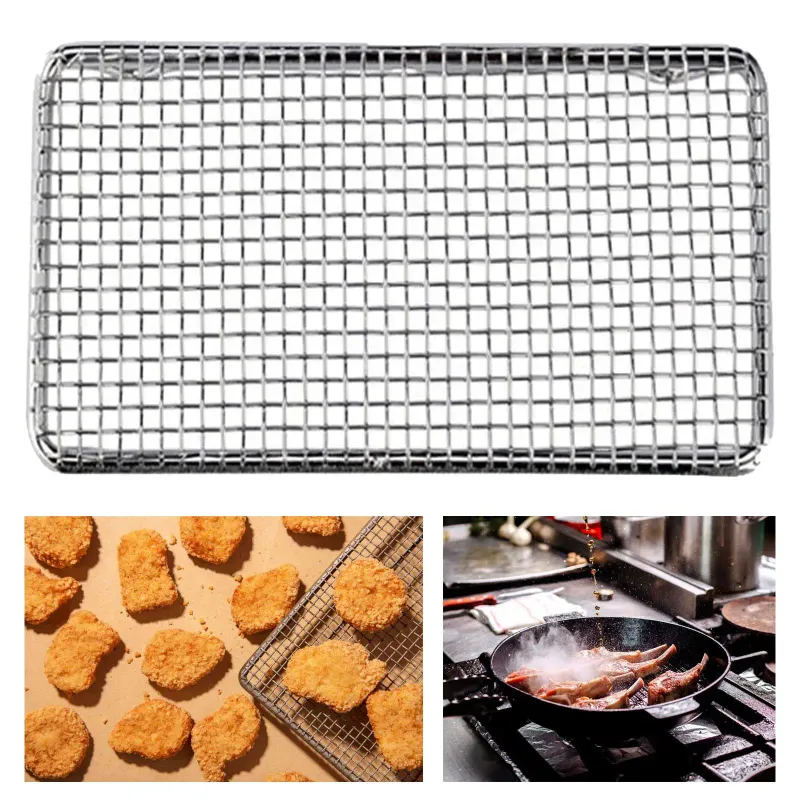
Paper towels help, but mainly for surface oil. Most absorbed oil is already integrated into the crust or batter structure.
A wire rack is better because it preserves crispness by letting steam escape instead of trapping moisture against the food.
Blot gently if needed, then transfer to a rack in a low oven to keep things crunchy. The bigger wins come from hot oil, correct batter, and not overcrowding.
Blotting is a finishing touch, not a rescue plan for soggy technique.
10. Myth: Constant flipping prevents burning
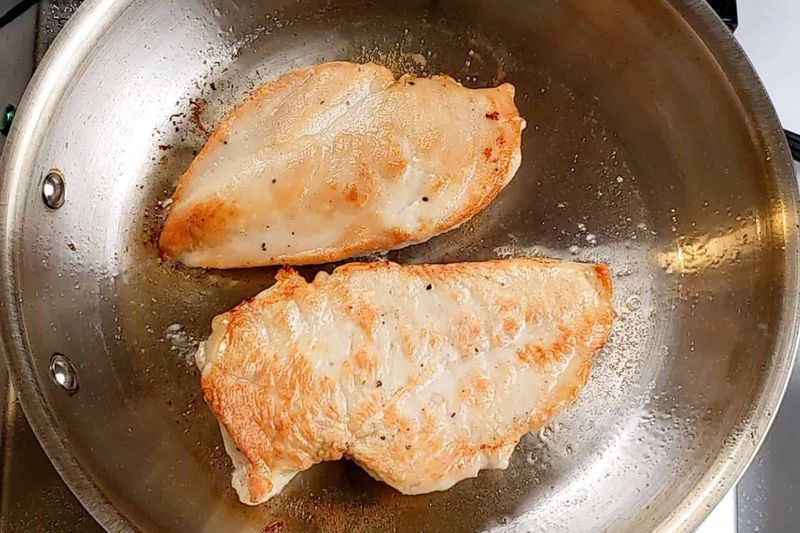
Too much movement disrupts browning and can tear fragile coatings. Many foods need a moment to set before turning.
In deep frying, full immersion removes the need to flip constantly because hot oil surrounds the food evenly.
Let a crust form, then move pieces gently with a spider or tongs only when needed. In shallow fry, flip once for even color.
Fewer, deliberate turns produce better crust and less oil absorption. Trust the sizzle and keep your hands off until it is time.
11. Myth: Lower temperature makes frying healthier
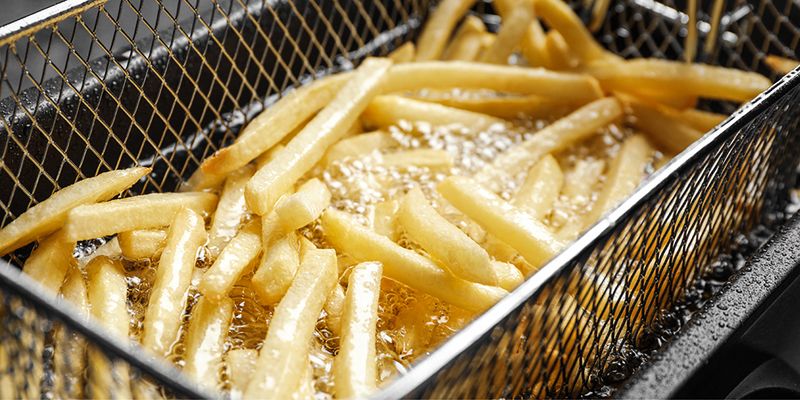
Lower heat usually means longer cook times and more oil uptake. Food sits in the oil while the crust struggles to set, leading to sogginess and greasiness.
Higher, controlled heat gives faster dehydration at the surface and a lighter result.
Aim for a stable target, typically 350 to 375 degrees Fahrenheit depending on the item. Preheat properly and allow recovery time between batches.
You will taste cleaner flavor and feel less heaviness, proving that precision beats timid heat every time.
12. Myth: Flour, batter, and breading are the same
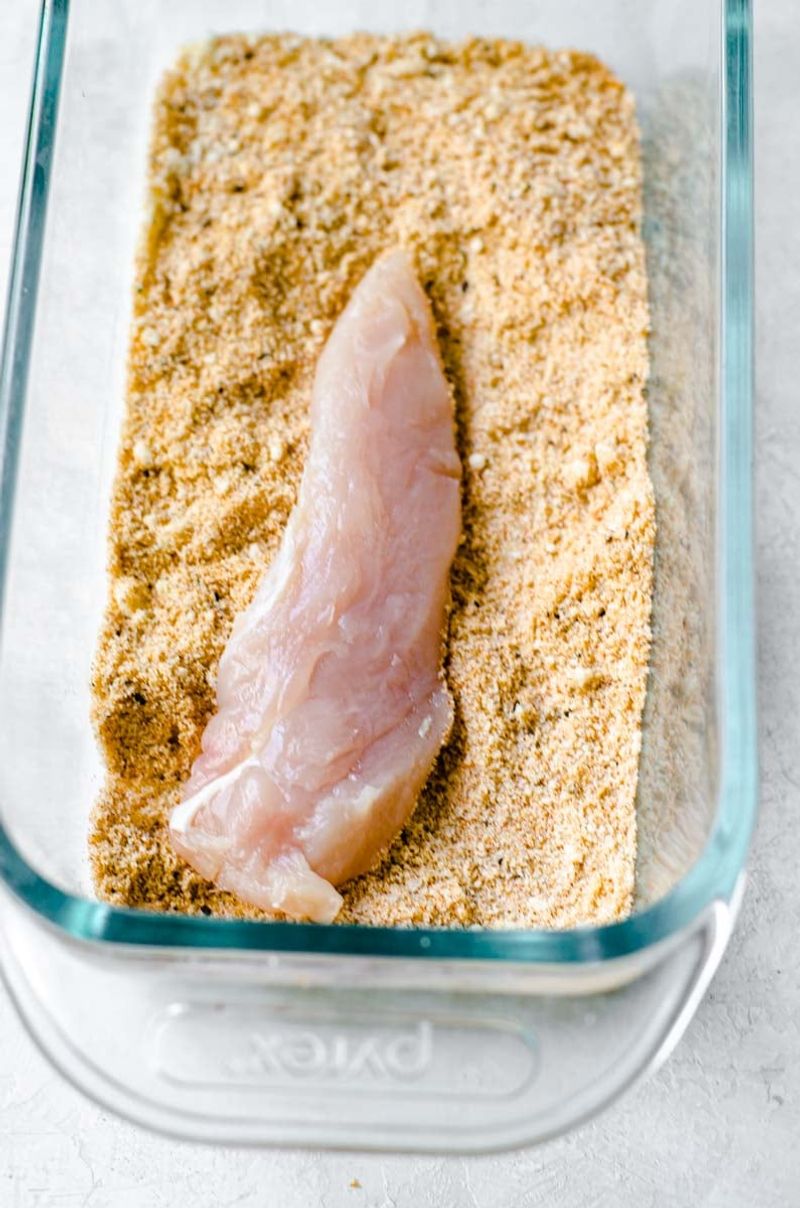
They behave very differently. A light flour dusting gives a thin, delicate crust.
Batter creates a thicker shell that can be crisp or puffy depending on leavening, starches, and hydration. Breading with crumbs yields crunch but browns quickly and can burn if oil is too hot.
Match the coating to the job. Use rice flour for extra crispness, beer or seltzer for airy batter, and panko for big crunch.
Season each layer and let coatings hydrate briefly for better adhesion. Choosing wisely is half the result.
13. Myth: Frozen foods must be thawed first
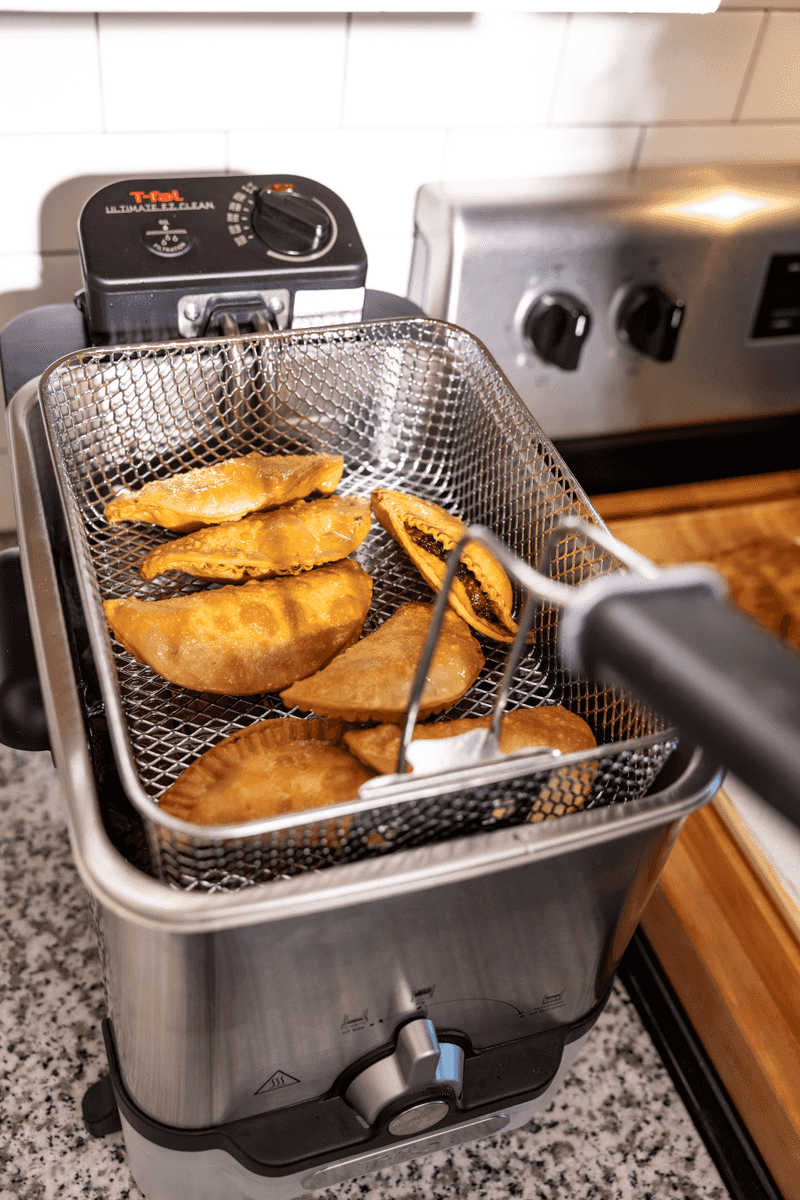
Many frozen products are designed to fry from frozen. Thawing can make them soggy or fall apart as ice melts into surface moisture.
The real priority is removing visible ice crystals and shaking off frost to prevent splatter.
Preheat oil thoroughly and cook a bit longer to reach the center. Fry in small batches to avoid temperature crashes.
Read packaging directions, and use a splatter guard for safety. From-frozen frying can yield crisp, even results when you manage moisture and heat carefully.
14. Myth: You need a thermometer to be safe
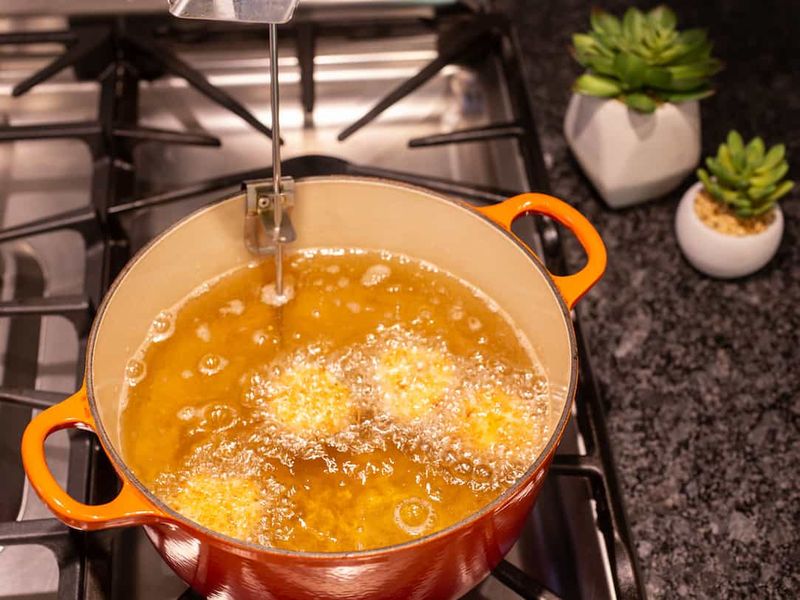
A thermometer is fantastic, but you can still fry safely using cues. Look for steady, lively bubbling without smoke, test with a small bread cube, and preheat for enough time.
The biggest hazards are overcrowding, wet foods causing violent splatter, and leaving hot oil unattended.
Work in small batches, dry ingredients well, and keep a lid nearby. If bubbles die off or food sinks greasy, increase heat gradually.
Use a thermometer when you can, but do not skip frying just because you do not own one.
15. Myth: Restaurants are always better at frying
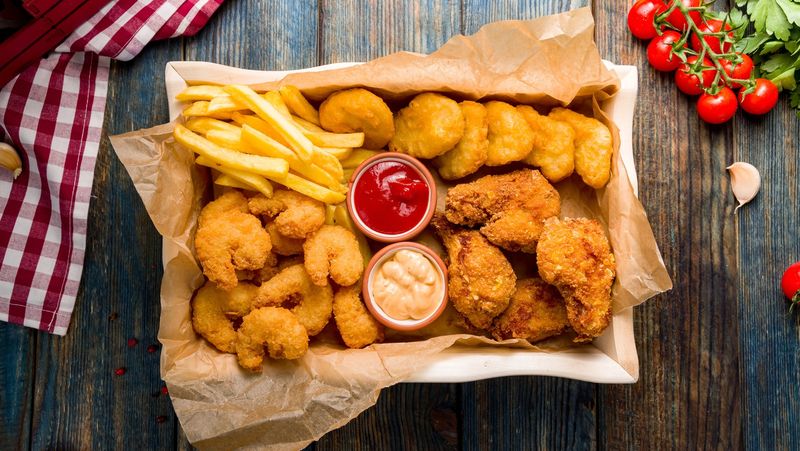
Restaurants have powerful fryers and repetition, but quality still hinges on management. If the oil is tired or food sits under heat lamps, results suffer.
At home you control freshness, temperature, timing, and serving straight from the rack.
Use good oil, keep batches small, and serve immediately. A thoughtfully executed home fry can outperform a rushed service batch.
Practice, clean oil, and attention beat equipment alone. Your kitchen can absolutely deliver top-tier crispness without an industrial fryer.