15 Cuisines Where Plant-Based Cooking Thrives
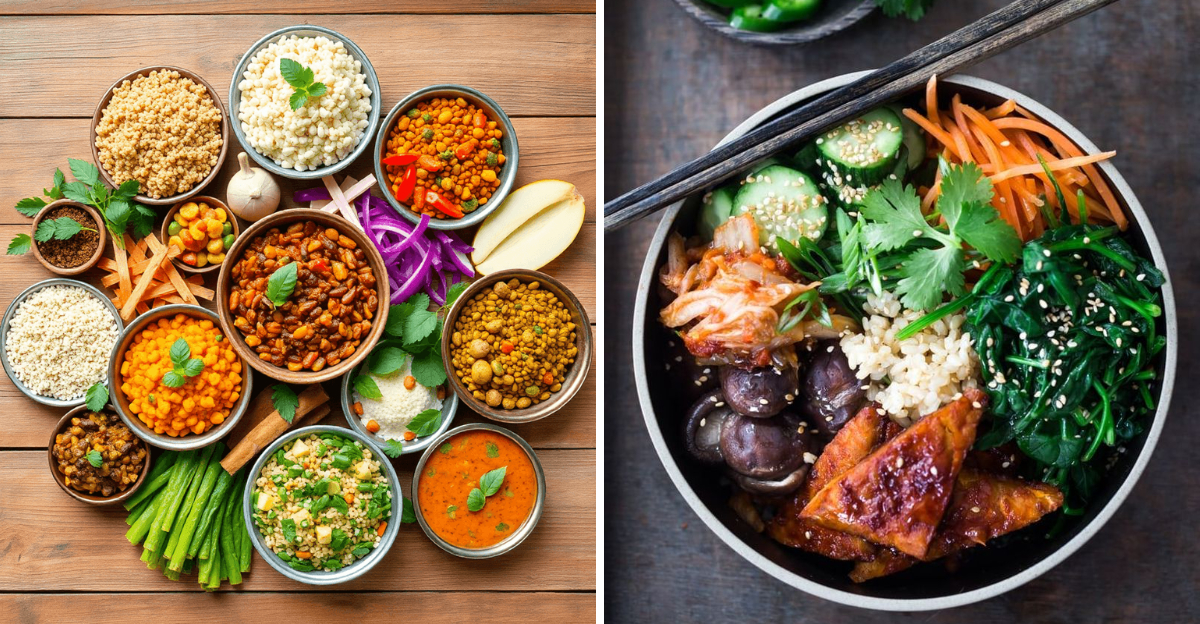
If you think plant-based cooking sounds limiting, these cuisines prove the opposite. Across the world, cooks have been building unforgettable meals from beans, grains, vegetables, herbs, and spices for generations.
The result is food that feels abundant, comforting, and deeply rooted in tradition. If you want meals that satisfy without leaning on meat or dairy, this list will open up a delicious new map.
1. Indian
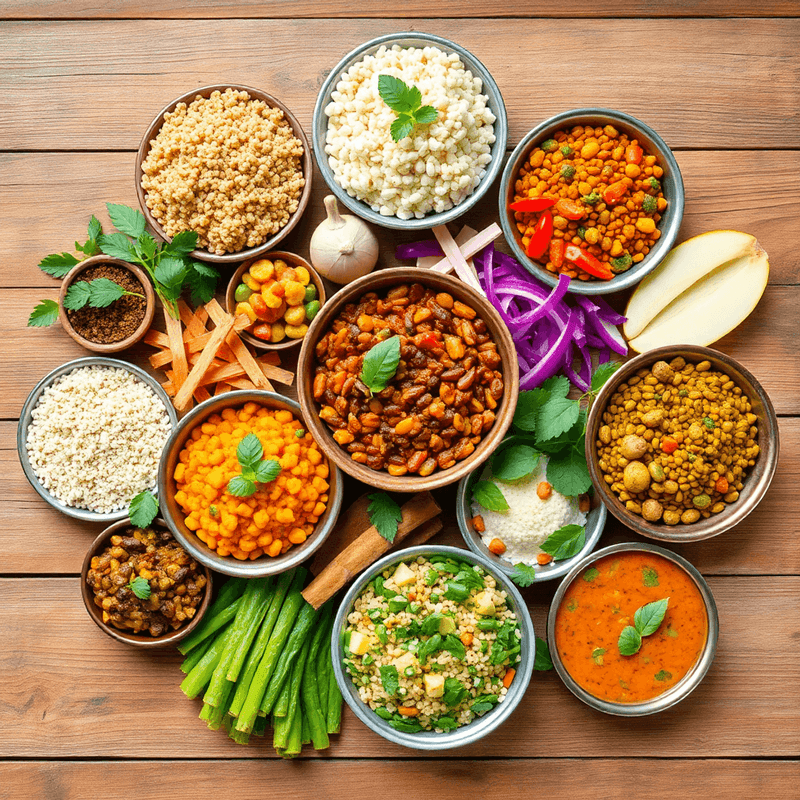
Indian cuisine makes plant-based eating feel expansive, not restrictive. You get lentils, beans, rice, vegetables, flatbreads, and layered spice blends that create depth without needing meat.
South Indian cooking especially shines with dosa, idli, sambar, rasam, and coconut-based vegetable dishes.
Across many regions, vegetarian traditions are already woven into daily life, so you are not forcing substitutions. Chana masala, rajma, aloo gobi, baingan bharta, and dal can feel complete on their own.
If you want variety, comfort, and bold flavor in one cuisine, Indian cooking gives you endless ways to stay inspired at the table.
2. Ethiopian
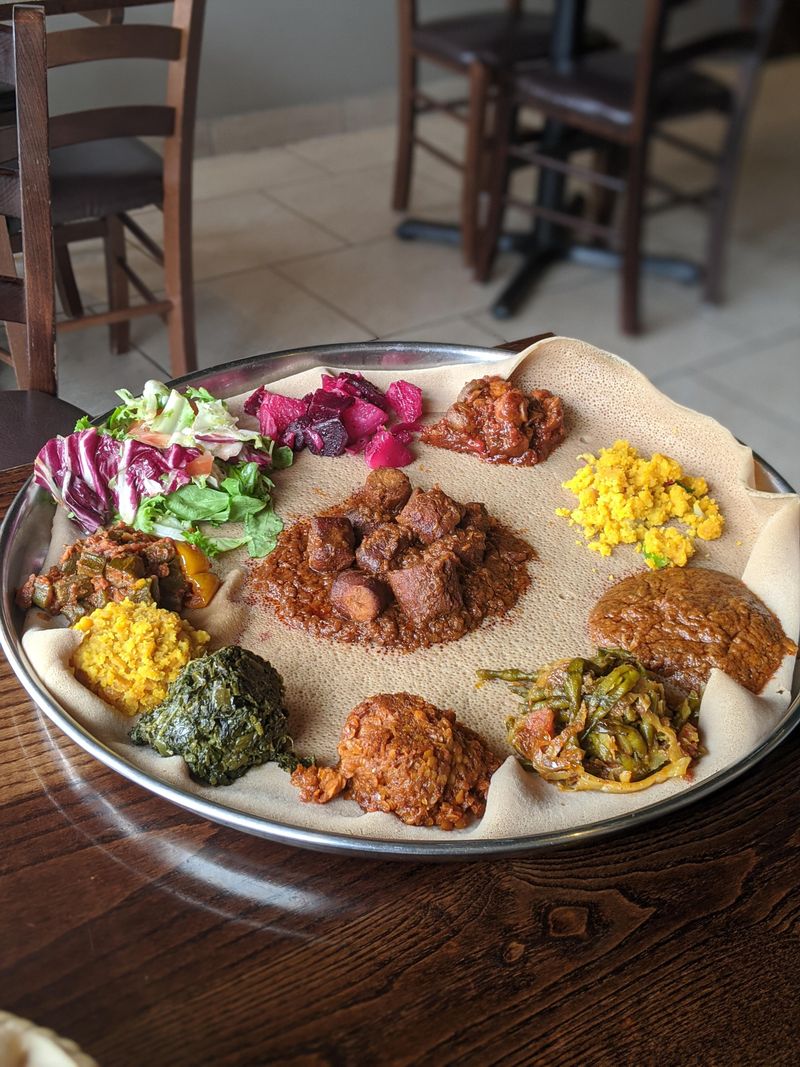
Ethiopian food is one of the easiest cuisines to love if you want naturally plant-based meals. Injera turns every bite into an experience, letting you scoop up lentil stews, split peas, greens, cabbage, potatoes, and spiced vegetables with your hands.
The meal feels generous, social, and deeply satisfying.
Many fasting traditions have also shaped a strong repertoire of vegan dishes, so these plates are not afterthoughts. You get texture, tang, warmth, and comfort in one spread.
If you want a cuisine where vegetables and legumes take center stage without apology, Ethiopian cooking absolutely delivers that abundance.
3. Middle Eastern and Levantine
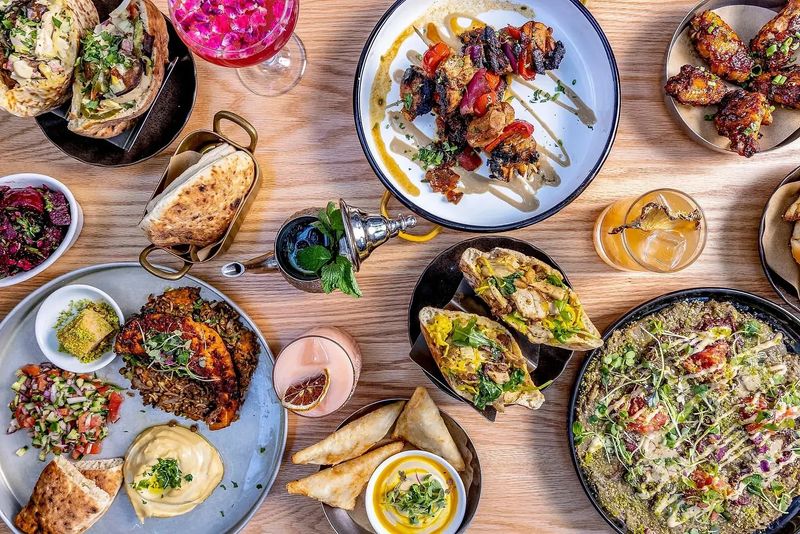
Middle Eastern and Levantine cooking makes plant-based eating feel completely normal because so many beloved dishes already revolve around chickpeas, lentils, herbs, grains, and vegetables. Hummus, falafel, mujadara, tabbouleh, lentil soup, stuffed grape leaves, and baba ganoush create a table full of contrast and color.
Nothing feels like a compromise.
You get creamy, crisp, smoky, fresh, and tangy flavors in a single meal. Olive oil, lemon, tahini, parsley, and warm spices keep every dish lively.
If you want food that is easy to share and easy to crave, this cuisine gives you an effortless path to satisfying plant-based cooking.
4. Mediterranean

Mediterranean cooking thrives on vegetables, legumes, grains, herbs, and generous olive oil, which makes plant-based eating feel both natural and luxurious. Greek, Turkish, and coastal traditions offer stuffed vegetables, bean dishes, tomato-rich stews, roasted eggplant, herb salads, and simple grain plates that do not need much embellishment.
The ingredients do the work.
What stands out is the balance of freshness and comfort in the same meal. Lemon, oregano, dill, mint, and garlic keep everything bright, while beans and bread make it filling.
If you want everyday food that feels sunny, relaxed, and deeply satisfying, Mediterranean cooking is a wonderful place to start.
5. Mexican

Mexican cuisine has all the building blocks for amazing plant-based meals: beans, corn, squash, tomatoes, chiles, herbs, and rich sauces that bring everything together. You can build tacos, tamales, soups, tostadas, rice bowls, and full spreads around vegetables and legumes without feeling like anything is missing.
It is hearty food with real personality.
Regional cooking also offers ingredients like nopales, mushrooms, pumpkin seeds, and roasted peppers that add complexity fast. Salsa alone can transform simple staples into something exciting.
If you want meals that are comforting, affordable, and easy to customize, Mexican cooking gives you endless ways to keep plant-based eating joyful.
6. Thai
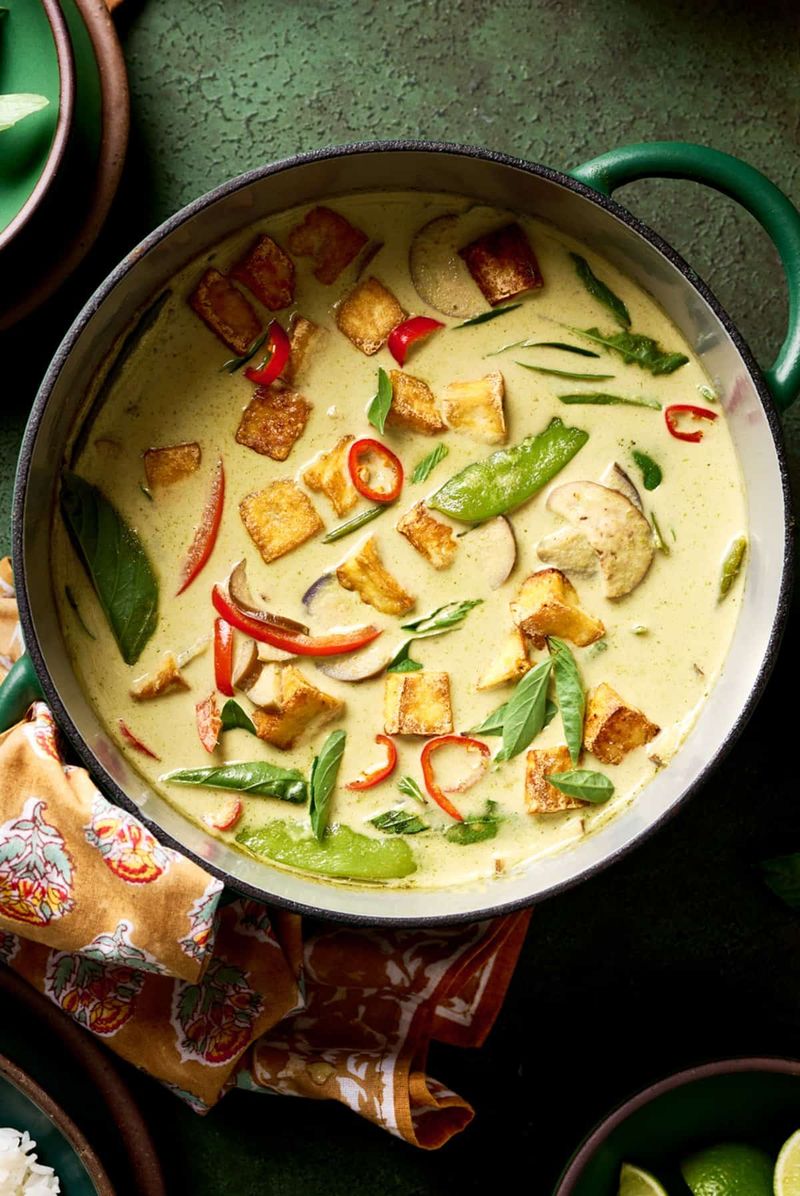
Thai food is a dream for plant-based cooks because it already loves bold herbs, chiles, lime, coconut milk, noodles, and quick-cooked vegetables. Curries, stir-fries, soups, and salads adapt beautifully to tofu, mushrooms, eggplant, and long beans.
Every dish brings energy to the table.
The magic is how sweet, sour, salty, spicy, and herbal notes all play together, so you never feel bored. A simple plate of rice with curry and vegetables can taste incredibly complete.
If you want food that is fragrant, fast, and full of contrast, Thai cuisine makes plant-based meals feel exciting from the very first bite.
7. Vietnamese
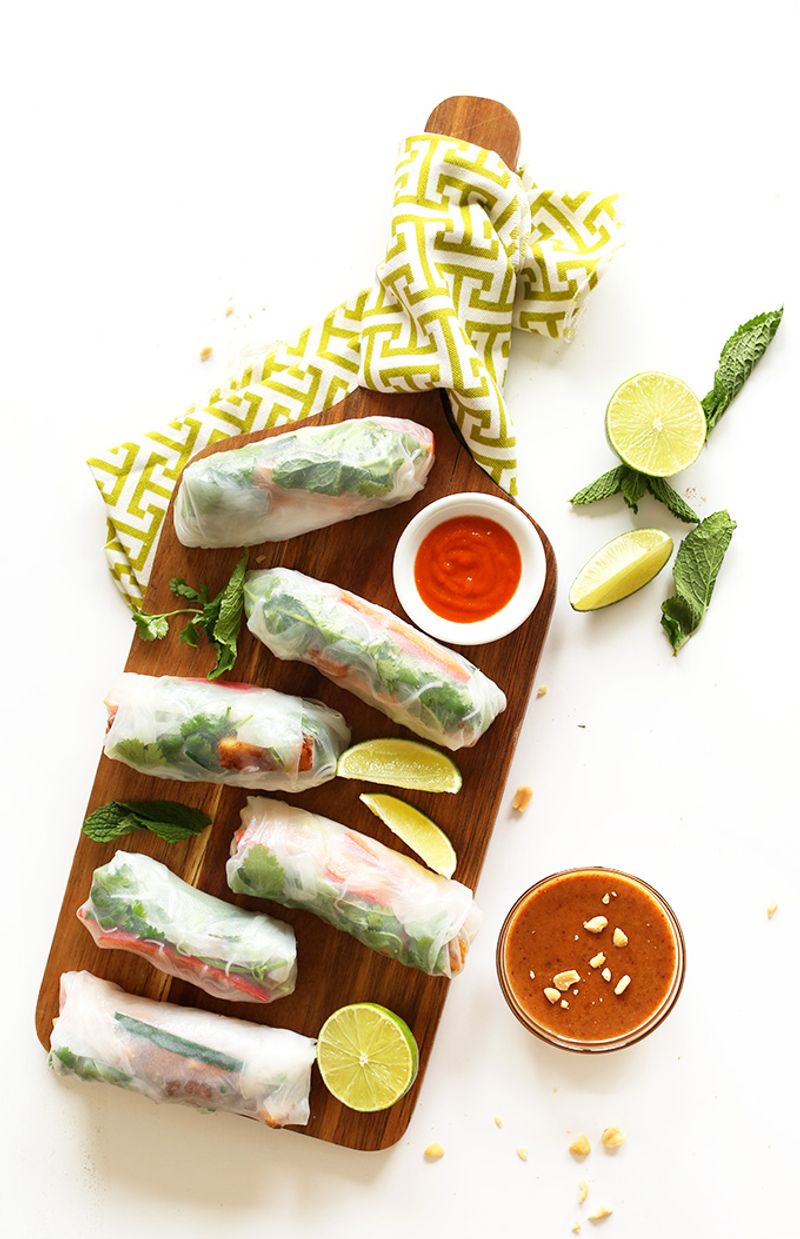
Vietnamese cuisine brings a lighter style of plant-based eating that still feels deeply flavorful and satisfying. Rice noodles, tofu, fresh herbs, crisp vegetables, and bright sauces create meals that taste clean but never bland.
Spring rolls, noodle bowls, tofu dishes, and vegetable broths all show how much life simple ingredients can hold.
What keeps this cuisine so appealing is the constant freshness from mint, basil, cilantro, lime, and pickled vegetables. Texture matters just as much as flavor, so every bite feels lively.
If you want plant-based meals that refresh you while still feeling complete, Vietnamese cooking offers an elegant and practical path.
8. Chinese
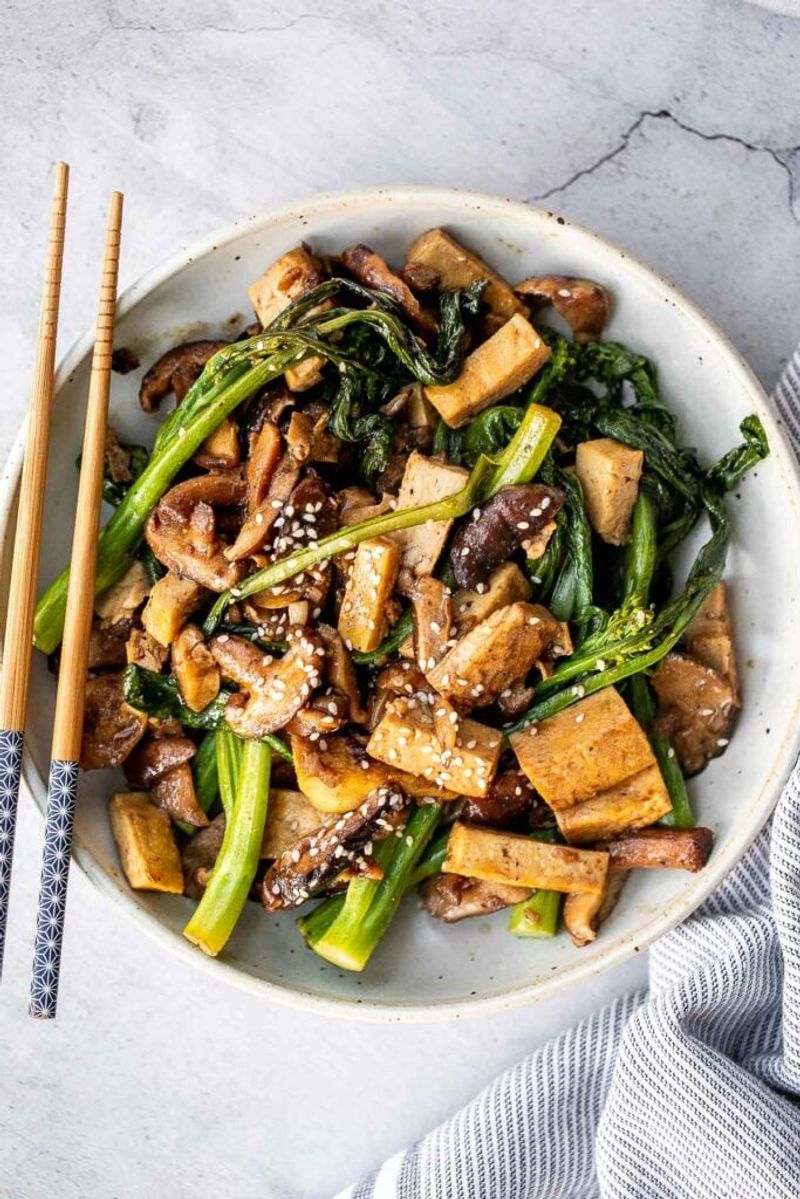
Chinese cuisine offers huge plant-based range because it treats tofu, mushrooms, greens, noodles, and dumplings as worthy centerpieces rather than side notes. Across many regions, you can find stir-fried vegetables, braised tofu, scallion noodles, steamed buns, and cold salads that feel comforting and varied.
Buddhist vegetarian traditions add even more depth.
The technique is a big part of the appeal, since texture, sauce, and heat can transform humble ingredients into something memorable. Silky tofu, crisp greens, chewy noodles, and umami-rich mushrooms all have a place.
If you want maximum variety from one culinary tradition, Chinese cooking gives you a seriously wide plant-based playground.
9. Japanese
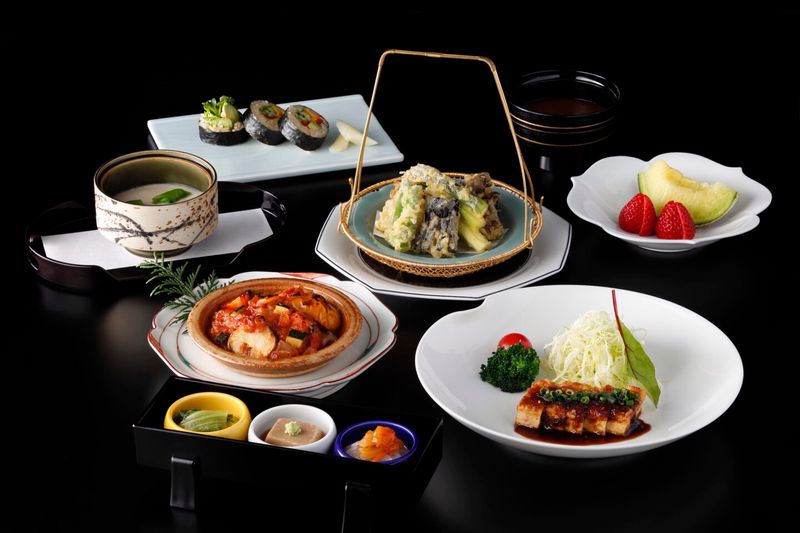
Japanese cooking shows how plant-based food can be subtle, refined, and deeply comforting at the same time. Tofu, rice, seaweed, mushrooms, sesame, miso, and seasonal vegetables build meals with quiet complexity.
Shojin ryori, the Buddhist vegetarian tradition, proves that an entirely plant-based approach can feel complete, thoughtful, and beautiful.
Instead of overwhelming flavors, this cuisine often relies on balance, texture, and careful preparation. A bowl of rice, miso soup, simmered vegetables, and tofu can feel surprisingly satisfying when each element is handled well.
If you want plant-based meals that bring calm as well as flavor, Japanese cuisine offers a deeply grounding approach.
10. Korean
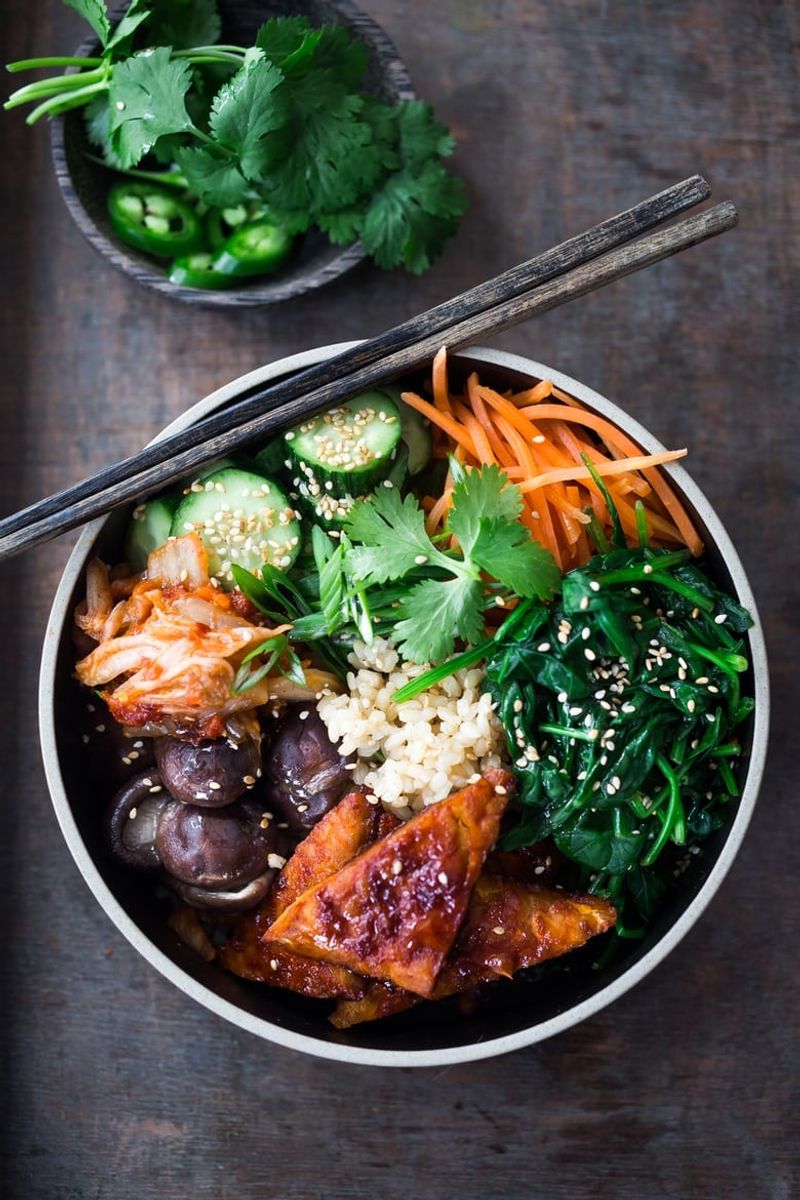
Korean cuisine has a strong vegetable tradition that makes plant-based eating feel dynamic and satisfying. Banchan alone can create a varied meal, with seasoned greens, marinated vegetables, bean sprouts, potatoes, and tofu appearing in many forms.
Rice bowls, noodle dishes, and stews also adapt beautifully for plant-based cooking.
The real draw is the bold flavor structure built from sesame, garlic, chile, fermentation, and savory sauces. Even a simple bowl can taste layered and comforting when surrounded by small side dishes.
If you love meals with contrast, spice, and plenty of texture, Korean food gives you a very exciting plant-based world to explore.
11. Italian
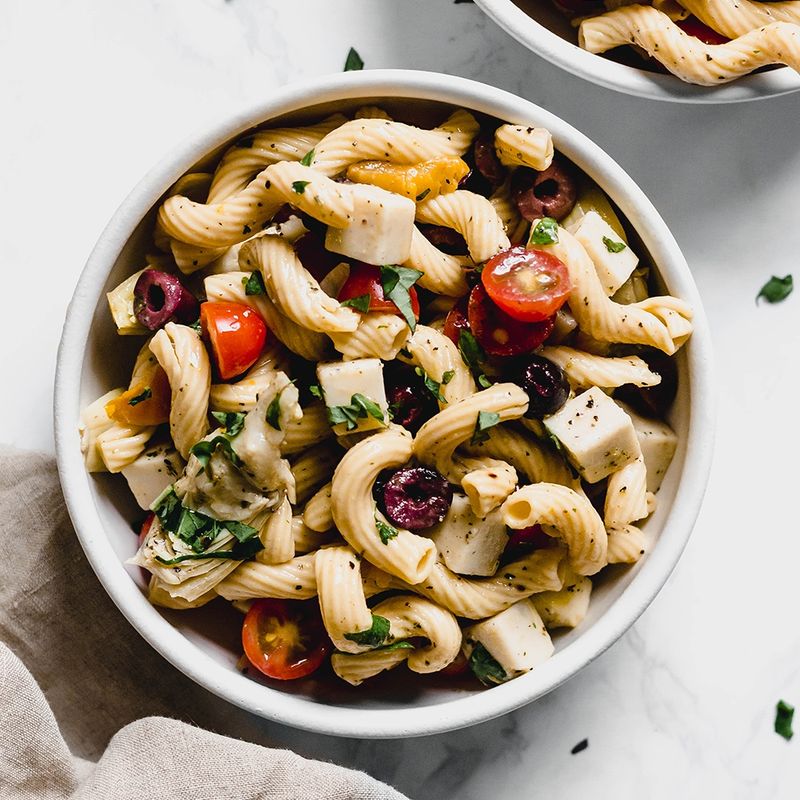
Italian food can be wonderfully plant-based when you look beyond the most exported stereotypes. Traditional cooking often leans on beans, greens, tomatoes, bread, olive oil, polenta, and simple pasta dishes where technique matters more than heavy ingredients.
Ribollita, pasta e ceci, farinata, caponata, and garlicky sautéed vegetables all prove the point.
This cuisine understands how to make modest ingredients feel generous and deeply comforting. Good olive oil, ripe tomatoes, herbs, and careful cooking do a lot of heavy lifting.
If you want plant-based meals that are rustic, elegant, and very doable on a weeknight, Italian cooking has far more to offer than most people realize.
12. Caribbean
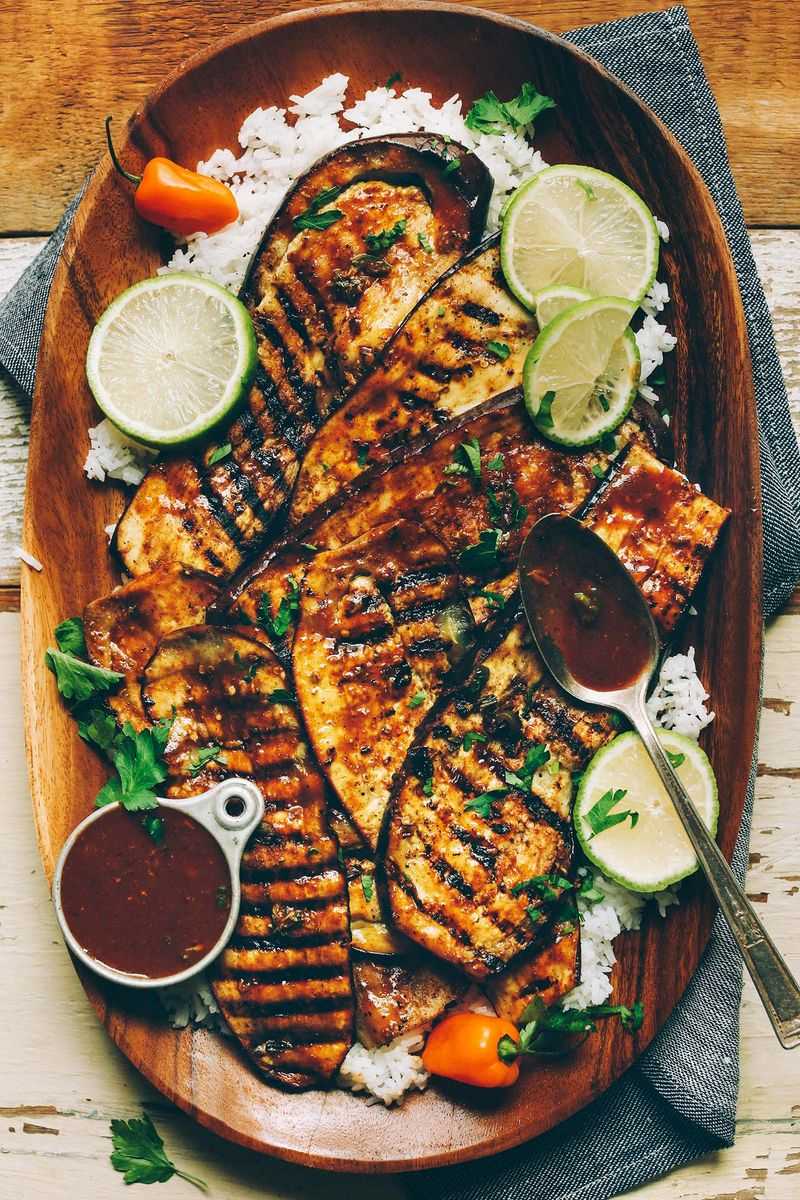
Caribbean cooking brings warmth, color, and heartiness to plant-based meals with ingredients like beans, plantains, rice, yams, coconut, callaloo, and boldly seasoned vegetables. Jamaican Ital traditions especially show how satisfying natural, plant-focused food can be when herbs and spices are used with confidence.
Every plate feels vibrant and substantial.
You get sweetness, heat, earthiness, and comfort all in one meal, whether it is stewed beans, rice and peas, or spiced vegetables with fried plantain. The flavors are generous and memorable.
If you want plant-based food that feels sunny, soulful, and absolutely filling, Caribbean cuisine offers plenty of reasons to cook more often.
13. West African
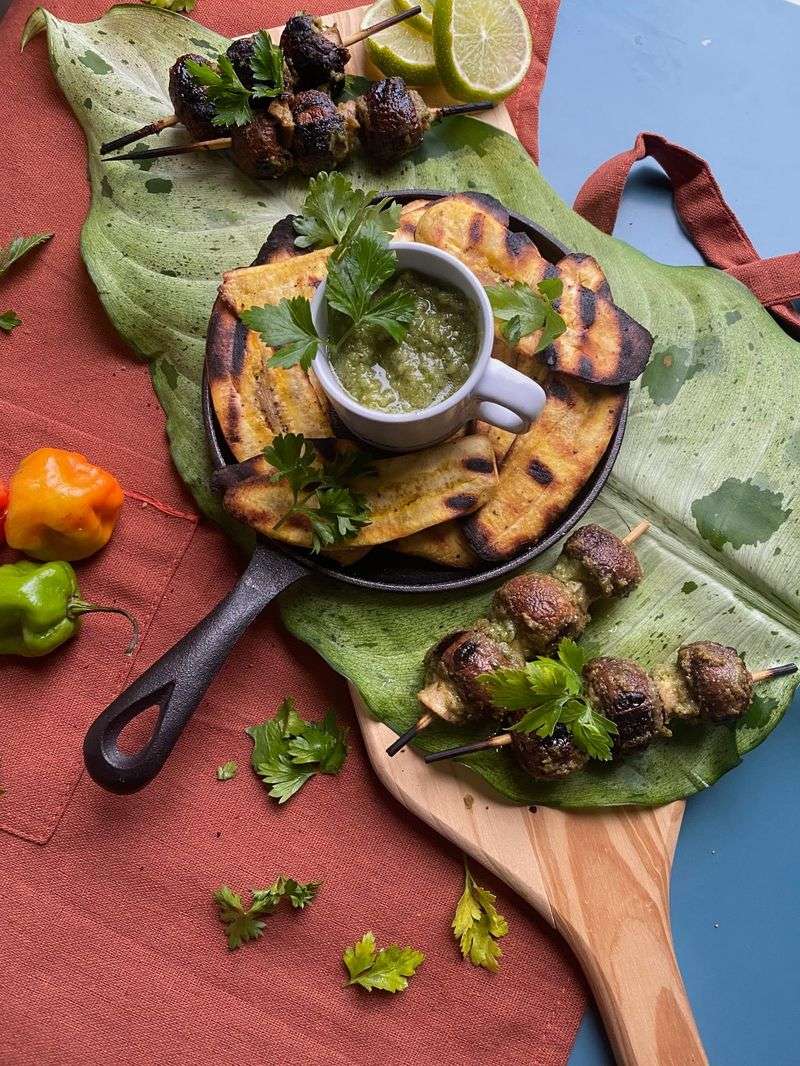
West African cuisine has the kind of depth that makes plant-based meals feel rich and satisfying from the first spoonful. Beans, black-eyed peas, greens, tomatoes, peanuts, okra, peppers, and aromatic spice blends come together in stews and soups with serious body.
These are dishes built for comfort and flavor, not restraint.
Texture also plays a major role, from silky okra to creamy bean dishes and hearty grain pairings. When you serve them with rice, yams, or other starches, the meal feels complete and grounding.
If you want bold, soulful cooking that translates beautifully to plant-based eating, West African traditions deserve much more attention in your kitchen.
14. Persian and Iranian
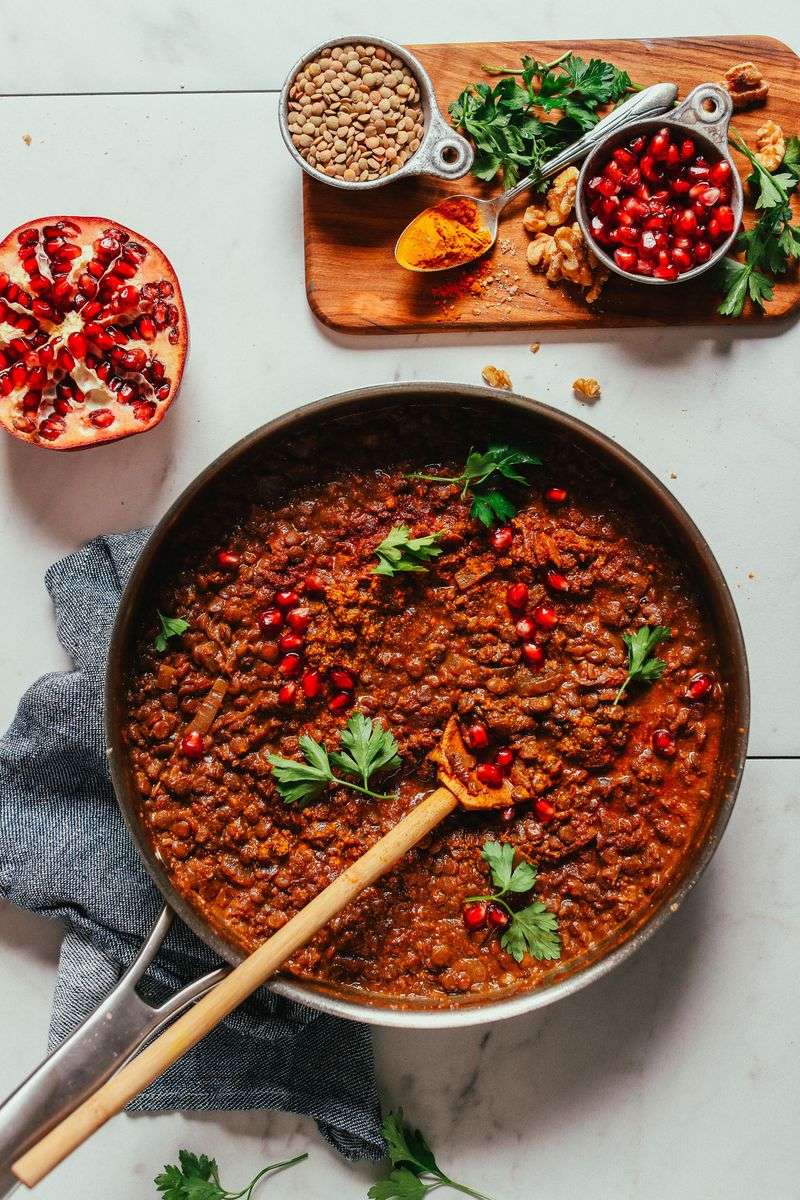
Persian and Iranian cooking offers a beautiful plant-based range built around herbs, rice, lentils, walnuts, eggplant, pomegranate, and slow-developed flavor. Many dishes feel luxurious because they balance fragrance, acidity, texture, and color so gracefully.
Even a simple spread can seem festive and deeply layered.
Herb-heavy rice dishes, lentil preparations, walnut-based sauces, and smoky eggplant recipes show how much richness plants can provide on their own. The cuisine often feels both comforting and refined, which is a rare combination.
If you want plant-based food that tastes aromatic, elegant, and memorable without relying on excess, Persian cooking is an inspiring direction to follow.
15. Balkan and Eastern European

Balkan and Eastern European cooking may not be the first thing you think of for plant-based food, but it has deep traditions of bean dishes, cabbage, peppers, mushrooms, potatoes, grains, and hearty soups. Fasting periods helped preserve many recipes where vegetables and legumes take the lead.
The result is practical, satisfying comfort food.
Stuffed peppers, tomato-braised beans, mushroom dishes, cabbage rolls, and vegetable stews can all feel substantial and deeply homey. These meals are often simple, but simplicity is part of their strength.
If you want plant-based cooking that feels cozy, affordable, and rooted in tradition, this region has far more to offer than expected.