15 Curious Foods That Shaped Earlier American Dining Habits
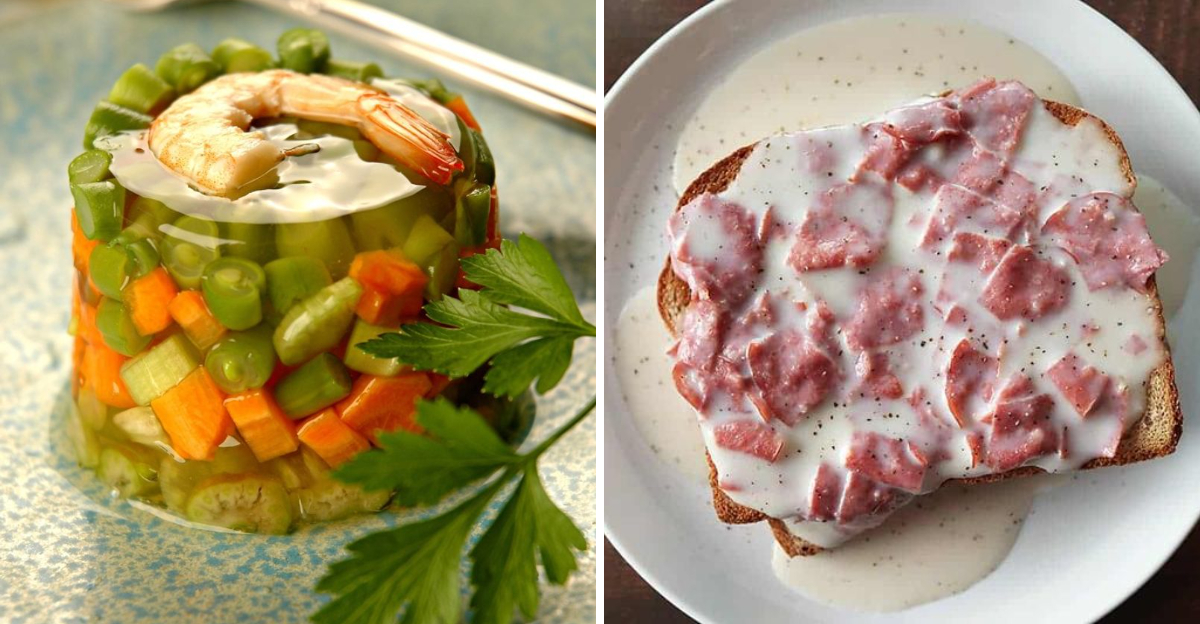
Peek into the pantry time capsule and you will find recipes that look odd today but once felt brilliantly modern. These foods taught families how to stretch budgets, plan ahead, and entertain with confidence.
You will recognize some from holidays, potlucks, or the school lunch line, and others might surprise you with their staying power. Let’s tour the tastes that quietly rewired American dining habits and shaped how you still eat now.
1. Aspic and Gelatin Salads
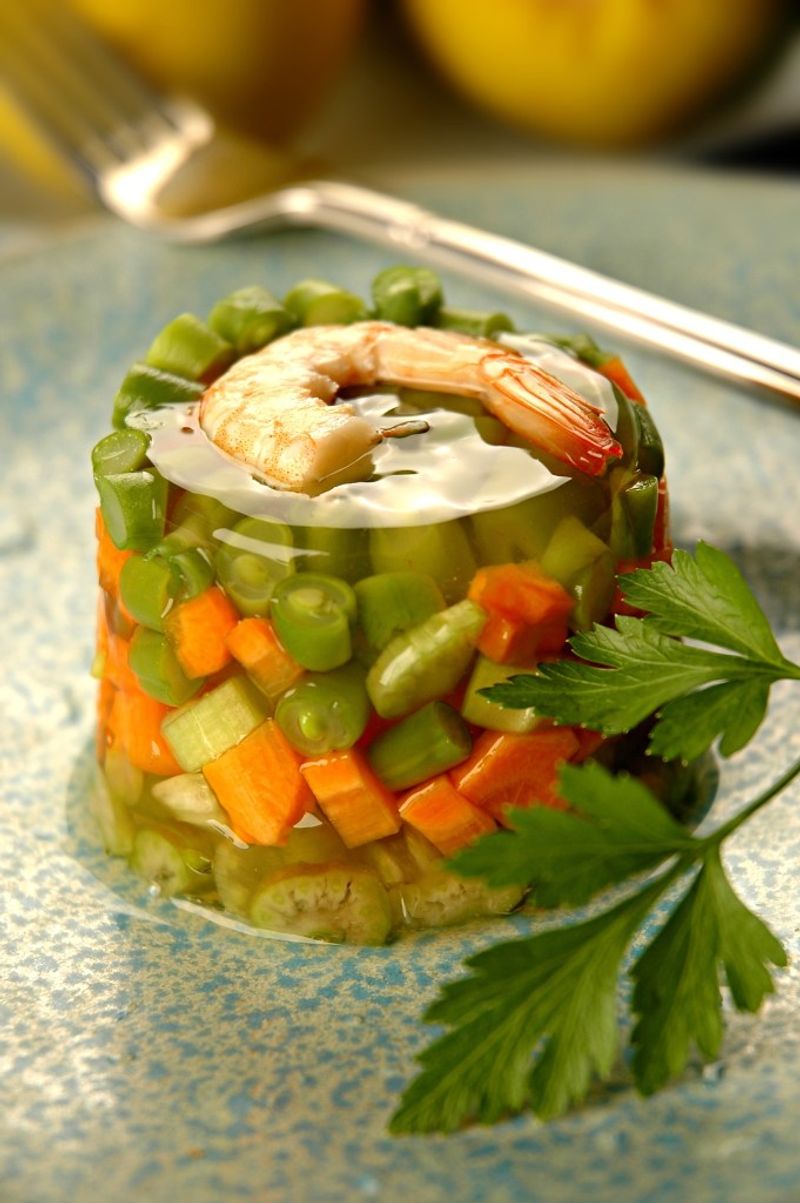
Think of aspic like edible stained glass. Vegetables, cold cuts, even hard boiled eggs floated in a shimmering, savory mold that sliced neatly for guests.
It looked impressive, kept well, and showed you mastered modern convenience. Hosts loved unveiling a perfect ring.
Beyond spectacle, aspic rewarded planning. Make it ahead, chill overnight, then unmold right before company arrives.
The tidy slices promised fairness on a buffet and less mess. You learned to respect refrigeration, timing, and presentation.
It was a flex, not a prank.
2. Canned Meat like Spam
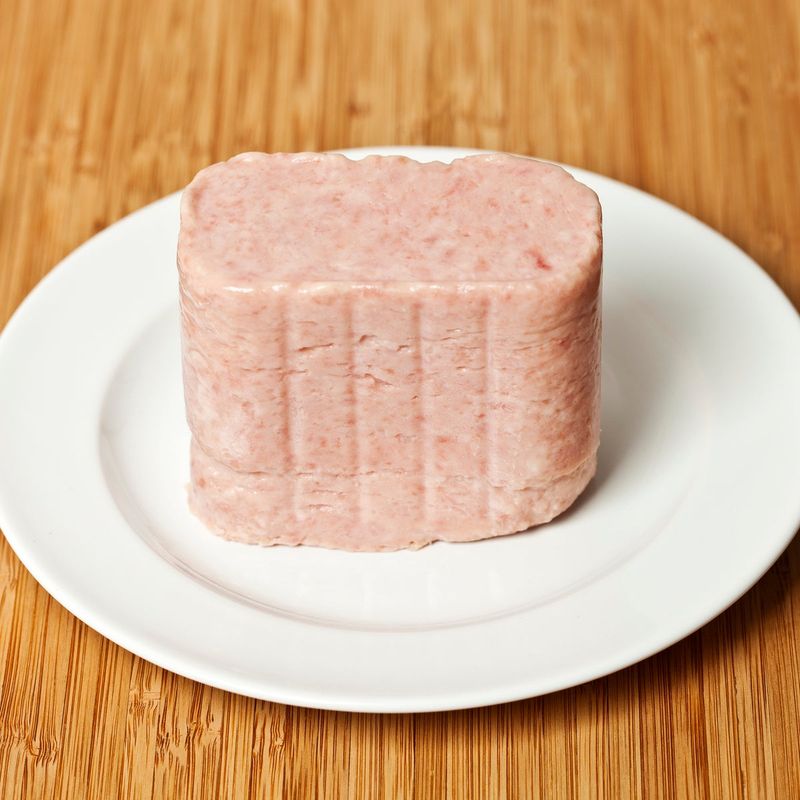
Open a can, get dinner moving. Canned meats like Spam delivered shelf stable protein when fresh cuts were pricey or rationed.
You could fry it for breakfast, cube it into casseroles, or tuck it into sandwiches. Quick skillet meals suddenly felt totally doable.
It also traveled well to lunchboxes and picnics. The salt, the sizzle, the caramelized edges taught you that flavor loves fat and heat.
In wartime and boom times, it anchored plates without fuss. It made protein practical, predictable, and ready the second you were.
3. TV Dinners
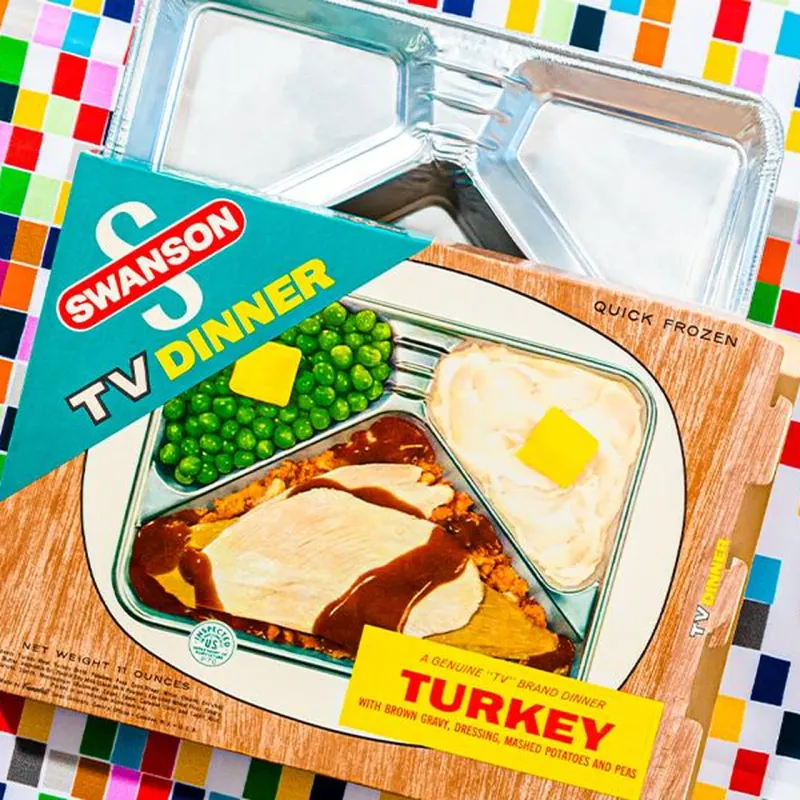
A partitioned tray taught everyone to expect protein plus two sides. TV dinners turned the couch into a dining room and convenience into ritual.
You slid the foil tray into the oven, waited, and ate a complete meal with zero guessing about portions.
That structure stuck. It shaped freezer aisles, weeknight expectations, and kid friendly predictability.
You learned dinner could be standardized and scheduled. The tray made cleanup easy, the compartments kept flavors tidy, and the whole idea made solo meals feel normal instead of lonely.
4. Jell-O Desserts
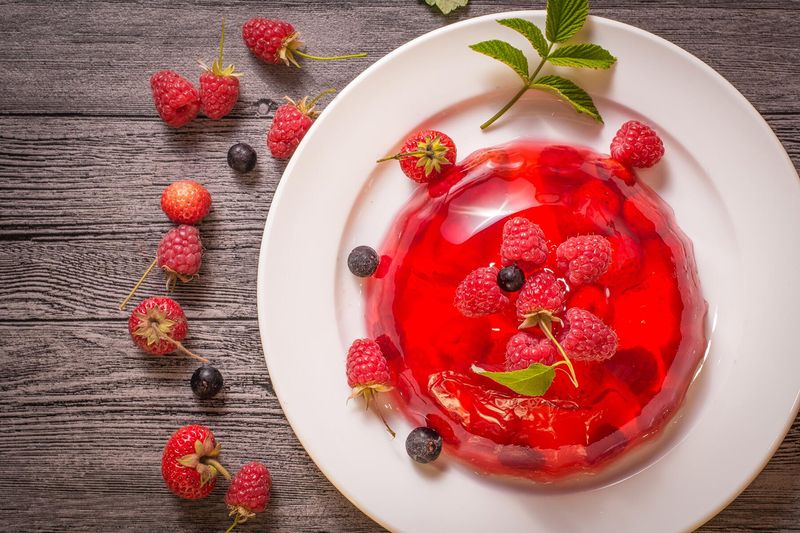
Bright, wobbly, and cheap, Jell-O brought party confidence to anyone with a fridge. You could make it the night before, layer colors, suspend fruit, and feed a crowd.
It showed up at potlucks because it traveled well and always had that cheerful, jewel tone shine.
The magic was in the fun. Kids loved it, adults appreciated the ease, and hosts counted on dependable set times.
It was a flavor playground with training wheels for timing and presentation. Your dessert table suddenly had height, sparkle, and slices that behaved.
5. Canned Soup as Ingredient
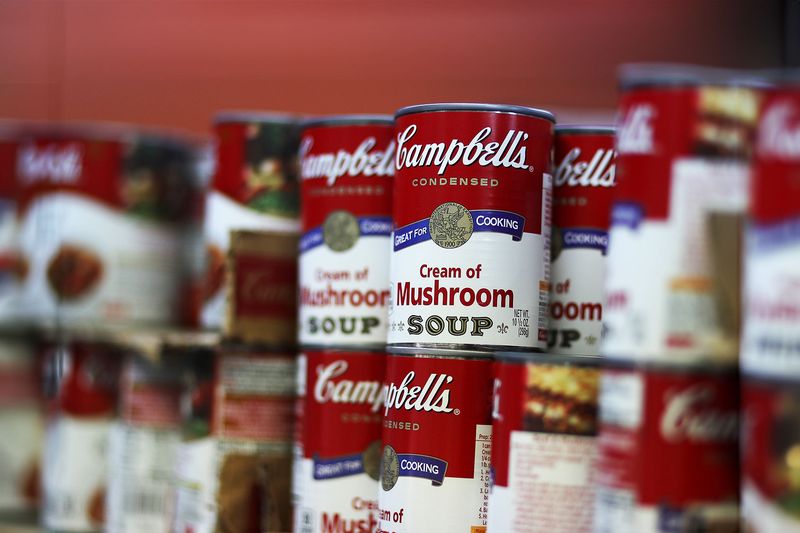
Condensed soups became shortcut sauce. One can plus vegetables, noodles, or meat and suddenly you had a casserole ready to bake.
Creamy bases handled seasoning and thickening, so you could focus on assembly. You learned mix and bake logic that felt almost foolproof.
This hack shaped weeknights and holidays. Green bean casserole, chicken bakes, and tuna noodles all marched from pantry to table.
Labels functioned like mini cookbooks. Convenience did not mean soulless it meant predictable comfort.
You discovered that dinner could be more about method than exact recipes.
6. Cocktail Sausages in Grape Jelly Sauce
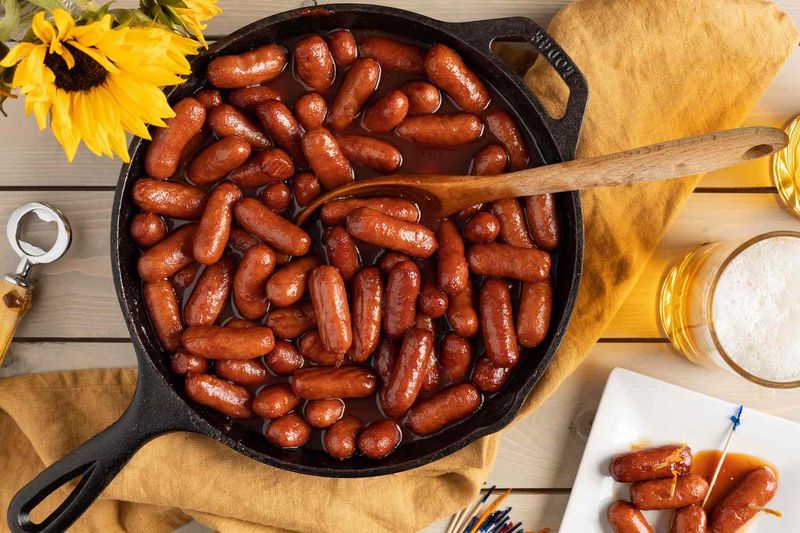
Sweet, tangy, salty, and shamelessly sticky, these little sausages owned the party table. Grape jelly met chili sauce in a slow cooker and stayed warm all night.
You speared one and suddenly grabbed three more. The logic is simple flavor math that just works.
They also democratized hosting. Cheap, memorable, and low effort, this dish gave you time to mingle.
Guests grazed, conversations lingered, and nobody fussed over plating. The slow cooker taught set it and forget it hospitality.
You learned appetizers could be unfancy and unforgettable.
7. Pimento Cheese
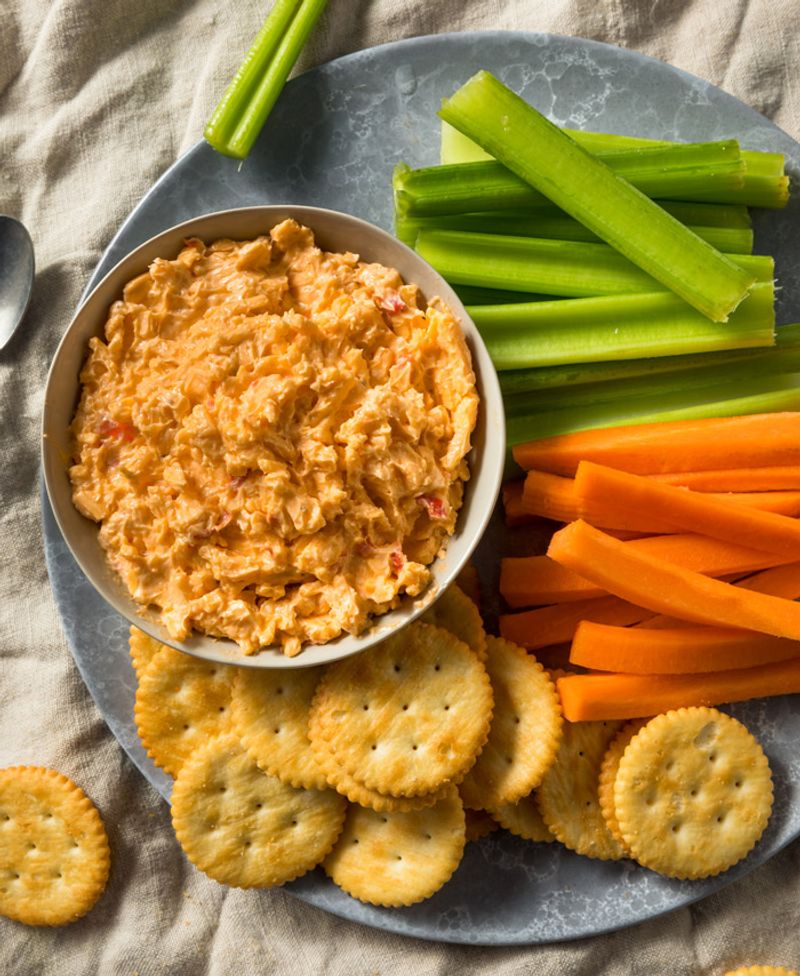
Creamy cheddar, jarred pimentos, a little mayo, and seasoning became a spread with real personality. You scooped it onto crackers, slid it into sandwiches, or set it out as dip.
It lived between snack and lunch, humble and party worthy at the same time.
Across the South, it defined easy hospitality. Graters came out, conversations started, and leftovers rescued tomorrow’s lunch.
You learned cheese could be transformed with pantry staples, not fancy equipment. It encouraged flexible thinking about texture, heat, and spreadability.
Simple ingredients, big swagger, low stress.
8. Pineapple on Savory Dishes
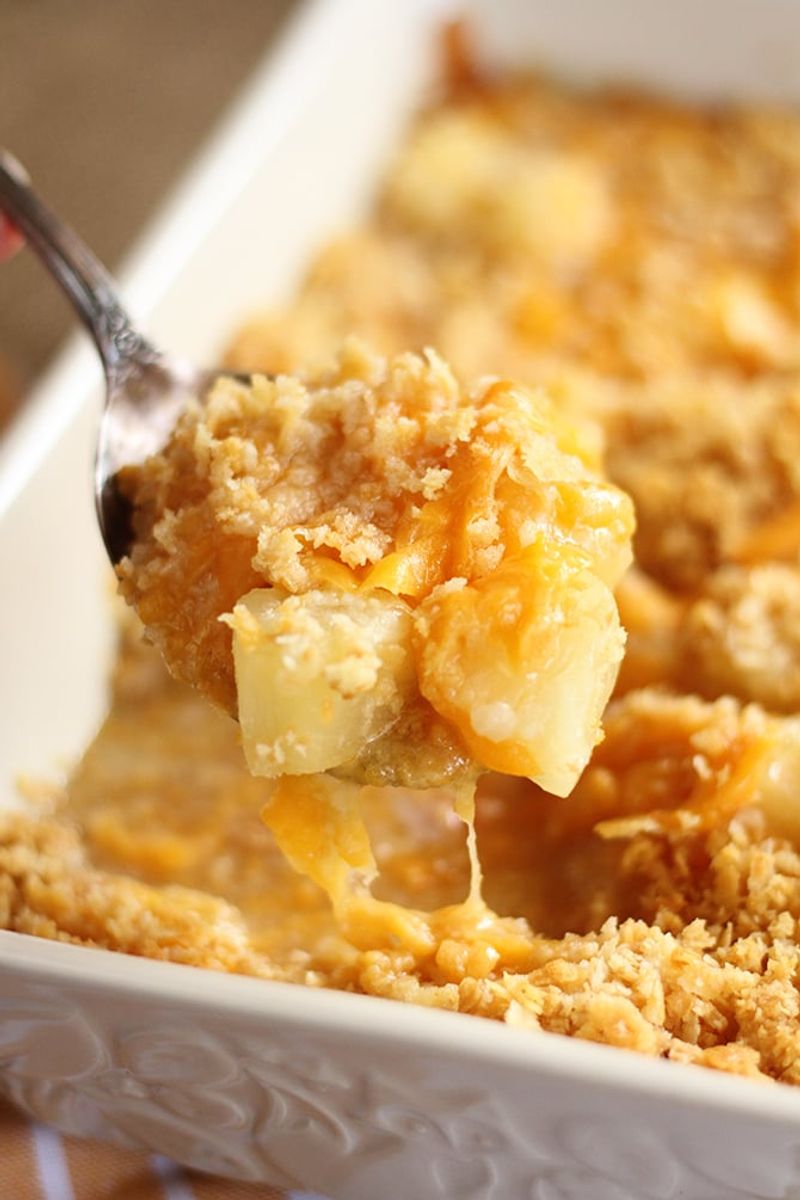
Canned pineapple taught America to flirt with sweet and salty. Rings perched on baked ham, skewered onto party bites, and wandered into so called Hawaiian casseroles.
The syrup glossed everything, and broilers caramelized the sugars into sticky edges you could not ignore.
This habit expanded palates before fusion was trendy. You learned flavor contrast can be friendly, not risky.
Home cooks trusted cans and experimented without fear of waste. Pineapple bridged savory meats and party snacks, proving that a little sweetness can wake up dinner fast.
9. Powdered Drink Mixes
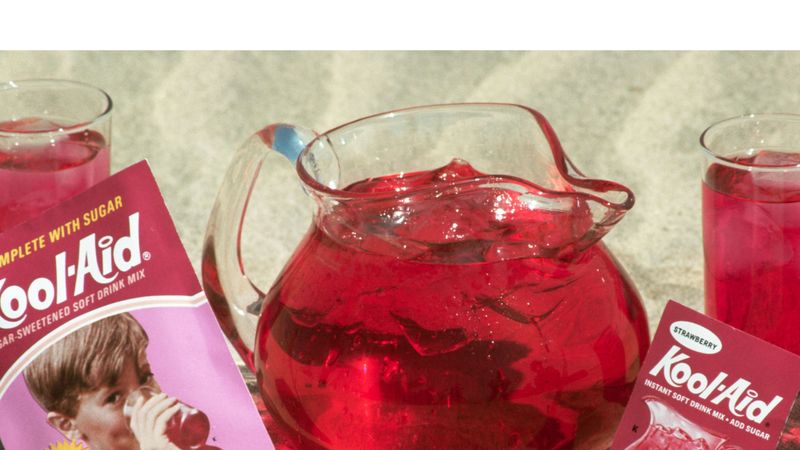
Packets promised instant hospitality. Add water, stir, and you had a crowd sized pitcher for birthdays, barbecues, and school events.
Bright colors made everything look festive, even on a budget. You learned beverages did not need fresh fruit or fancy gear to feel celebratory.
Coolers filled with mixes reshaped outings. Parents poured, kids grinned, and nobody guarded the expensive juice.
The habit normalized drink stations and refills. Measuring scoops and icy pitchers turned hosting into a repeatable routine.
It felt cheerful, dependable, and perfectly designed for guests.
10. Meatloaf
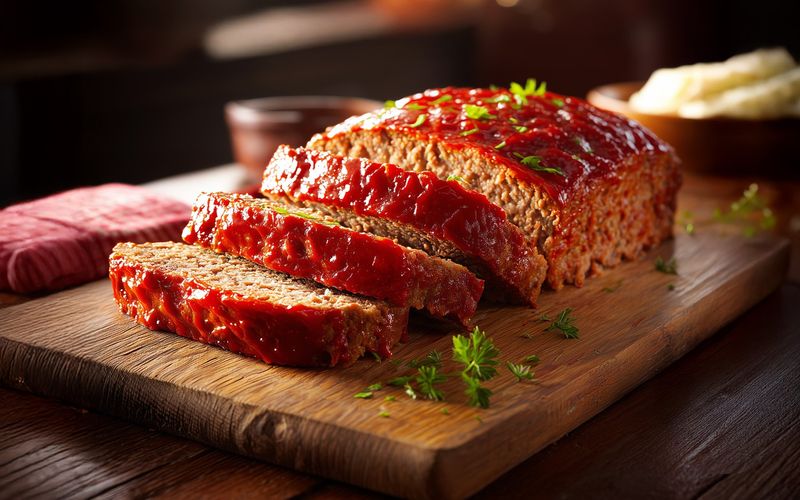
Here is thrift meeting comfort. Breadcrumbs, oats, or cracker crumbs stretched ground meat into a sliceable dinner built for leftovers.
A glossy glaze promised sweetness and tang, while the loaf shape guaranteed even portions. You learned structure could make frugality feel satisfying.
Meatloaf trained weeknight cooks. Mix, shape, bake, rest, slice.
Sandwiches tomorrow were practically guaranteed. It fit into that protein plus sides expectation without requiring expensive cuts.
Reliable, filling, and family friendly, it defined everyday dinner without apology. The pan did the hard work.
11. Creamed Chipped Beef on Toast

Nicknamed SOS by generations, this dish stretched dried, salty beef with a peppery white gravy over toast. It was quick, filling, and perfect for tight budgets and hungry mornings.
You learned how roux, milk, and seasoning could turn scraps into real comfort.
Mess halls and diners carried it forward. The sauce glued everything together, calming sharp salt with creaminess.
It taught resourcefulness and timing at the stove. With pantry staples, breakfast became hearty and steady.
You might joke about it, but you probably went back for seconds.
12. Bologna and American Cheese

Predictable, stackable, and always ready, bologna plus American cheese defined school lunches for decades. Soft bread, a swipe of mustard, and a perfectly square slice felt reassuringly uniform.
You could pack it half asleep and still nail the ratio of salty, tangy, and creamy.
This pair normalized deli style convenience at home. Fridges kept slices on standby, and kids learned sandwiches as everyday currency.
Cheap did not mean unwelcome it meant reliable. The habit shaped lunch culture, cafeterias, and snack time negotiations everywhere a lunchbox closed.
13. Sardines and Canned Fish on Crackers
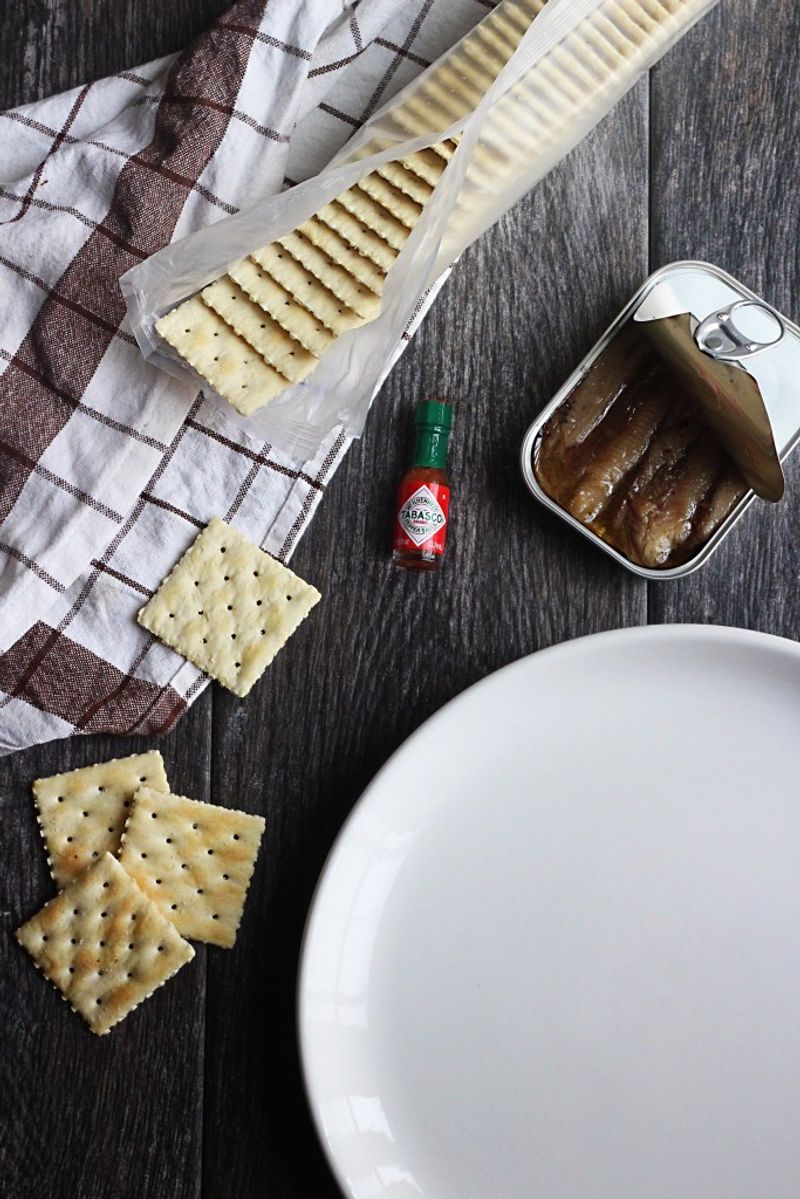
A tin, a sleeve of crackers, and you had instant protein. Sardines, kippers, and tuna made no cook snacks perfectly normal.
Oil, smoke, and brine met crunch, maybe a squeeze of lemon or a dab of hot sauce. You learned pantry seafood could be everyday food.
It also traveled anywhere. Lunch breaks, fishing trips, late nights.
Omega rich before marketing said so, these tins taught thrift and flavor density. The ritual of peeling back the lid felt satisfying.
Quick, salty, substantial that was the whole point.
14. Margarine
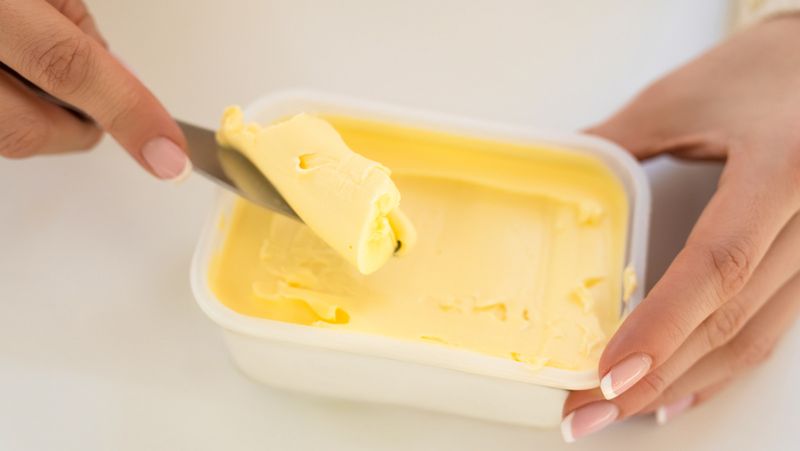
Margarine promised butter like usefulness at a friendlier price. Families spread it on toast, folded it into batters, and fried with it without blinking.
It stored well and behaved predictably. You learned budgeting could ride along with baking and weekday breakfasts just fine.
Labels touted modernity and consistency. Some states even regulated coloring, which made people talk about it more.
Whether you preferred butter or not, margarine shaped habits. It taught substitution confidence and recipe flexibility.
Kitchens stayed stocked, bakes turned out, and toast never went naked.
15. Mayo Based Canned-Ingredient Salads
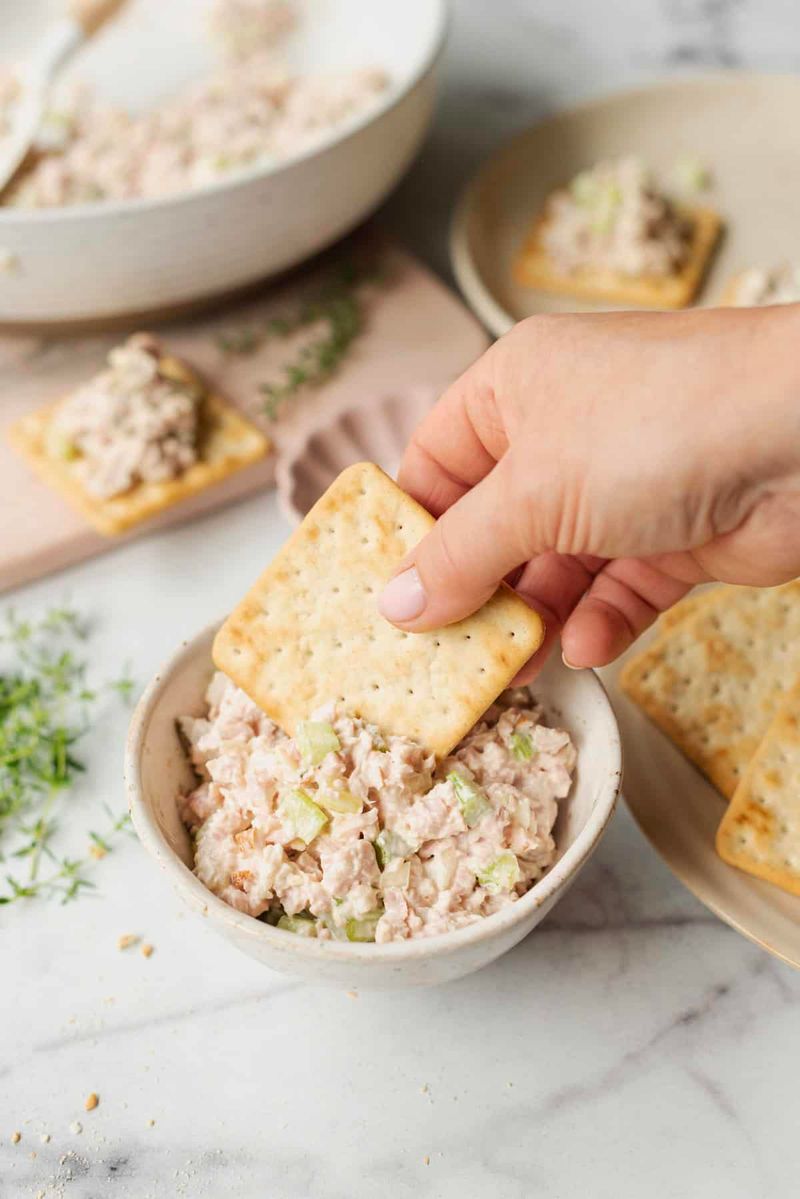
Open cans, chop a few crunchy bits, fold in mayo, and you had lunch for days. Tuna salad, chicken salad, and ham salad landed on crackers, stuffed croissants, and buffet spreads.
You learned make ahead could taste fresh with acid, pepper, and onion.
These mixes streamlined entertaining. Scoopable, spreadable, and endlessly adjustable, they respected tight schedules and big guest lists.
The fridge did the work while you set the table. Comfort arrived chilled, not fussy.
It was practical hospitality that still feels surprisingly modern.