15 Dishes Permitted In One Country But Limited Abroad
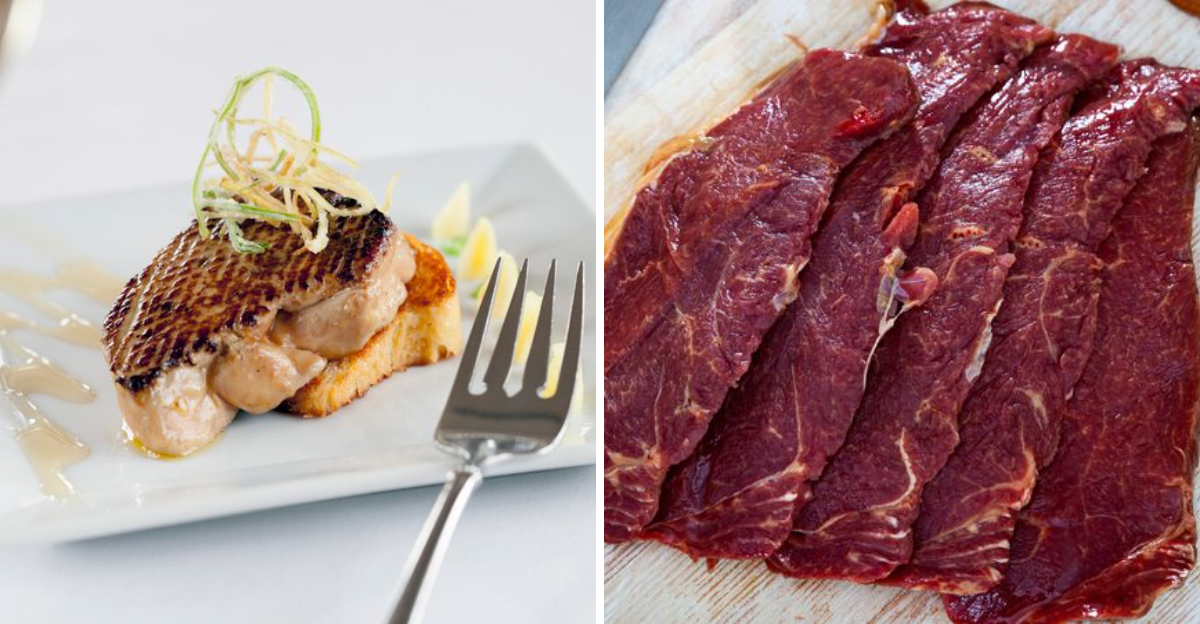
Food rules do not travel well. A dish that feels perfectly normal at home can run into hard borders, surprise inspections, and totally different cultural lines elsewhere.
Safety, animal welfare, and conservation all play a part, but so do history and identity. Get ready to explore plates you can enjoy in one country, yet barely find or legally touch across the border.
1. Fugu (Japan)
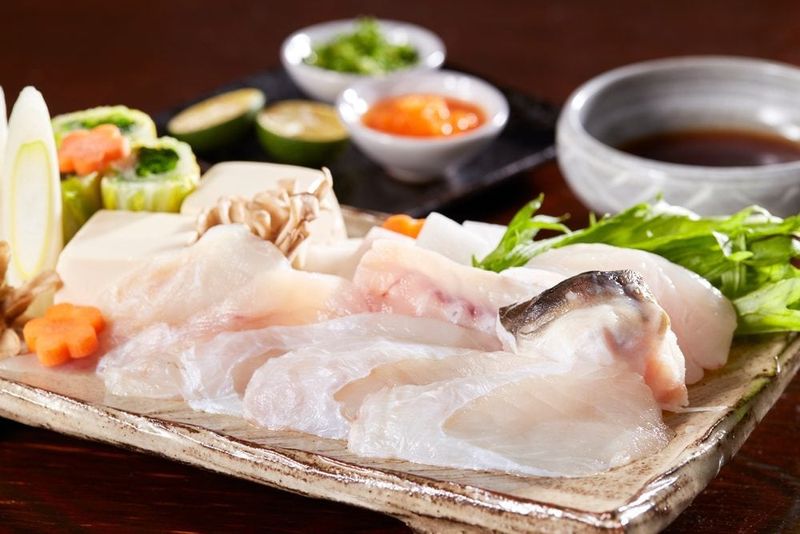
Fugu is Japan’s infamous pufferfish delicacy, served by chefs licensed after rigorous training. The thrill lies in the razor-thin line between danger and mastery, since the fish contains potent tetrodotoxin in its organs.
In Japan, you can order it confidently at vetted restaurants that follow strict sourcing and preparation rules.
Abroad, the same dish often hits legal walls or tight import controls because regulators fear improper handling. Some countries permit only farmed, pre-processed fugu, limiting restaurants to certified suppliers.
Others simply restrict sales altogether. You might still find it on special menus, but expect paperwork, seasonal permits, and cautious service that keeps the experience rare.
2. Casu Marzu (Italy, Sardinia)
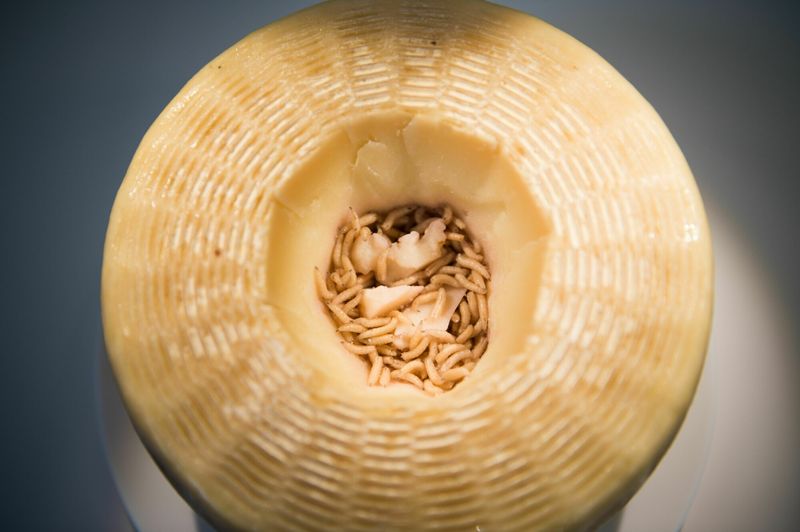
Casu marzu is Sardinia’s notorious sheep’s milk cheese ripened with live larvae. Locals treat it as a special-occasion bite, spreading creamy, pungent paste onto bread with a fearless grin.
In parts of Italy, it exists in a gray zone where tradition meets enforcement, but it survives through small-scale, community trust.
Elsewhere, food codes typically outlaw products with visible insect activity, citing hygiene and health concerns. Import rules crack down hard, so you will rarely see legitimate sales abroad.
Curious travelers may encounter underground tastings, yet risk fines or confiscation. If you seek it, understand the line between cherished heritage and regulatory red flags.
3. Hákarl (Iceland)
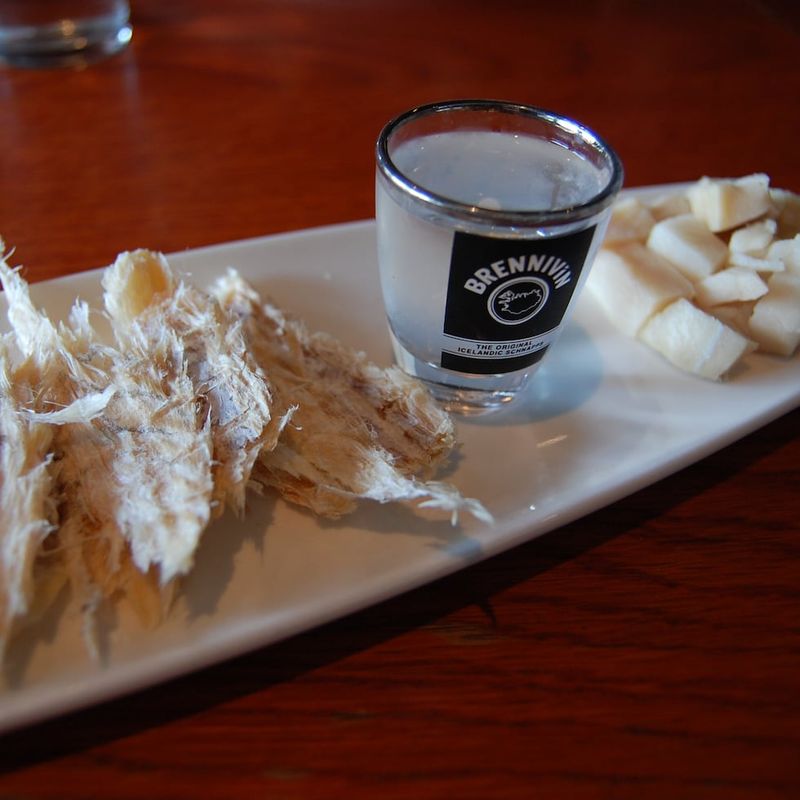
Hákarl starts with Greenland shark, traditionally buried or cured, then hung to dry until ammonia-heavy aromas mellow. In Iceland, it is a proud rite of passage, offered in small cubes that challenge the nose before rewarding the palate.
Locals pair it with brennivin and good humor, trusting time-honored methods.
Abroad, the fermentation process, species status, and strong odors raise eyebrows among regulators. Importers must navigate species documentation, processing proofs, and sanitation controls.
Some countries allow limited retail through specialty shops, while others block it entirely. If you track it down, expect tiny, expensive portions and careful labeling that satisfies both tradition and oversight.
4. Kinder Surprise (many countries)

Kinder Surprise looks innocent enough: chocolate shell, toy inside, big smiles. In many countries, it is a familiar childhood treat that blends sweets with a tiny buildable surprise.
Parents know to supervise, and brands provide warnings, but the charm is the hidden capsule.
Elsewhere, regulations do not allow non-food items embedded inside edible products due to choking risks. That single design choice triggers outright bans or special variants with separated toys.
Travelers sometimes learn the rule at customs the hard way. Depending on the market, you might find compliant versions packaged differently, proving how a simple concept clashes with strict safety codes.
5. Horse meat dishes (France/Italy vs. parts of the U.S.)
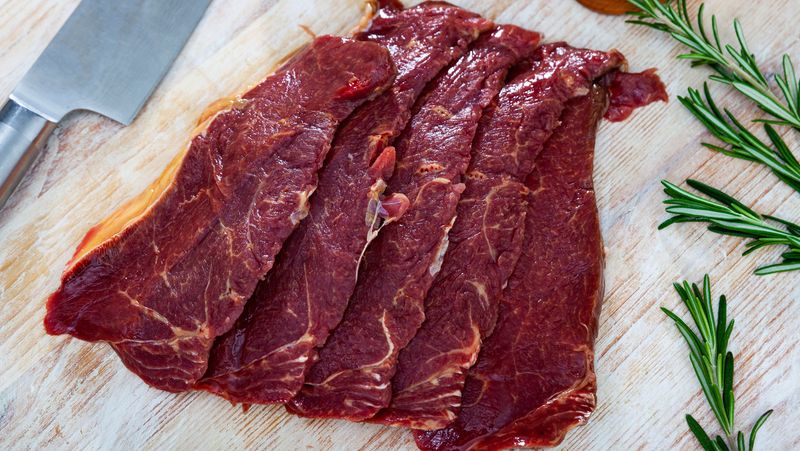
In parts of France and Italy, horse meat appears in butchers’ cases and on bistro menus without fanfare. Dishes range from lean steaks to carpaccio and tartare, prized for clean flavor and texture.
It is framed as practical, regional cuisine rather than provocation.
Across the Atlantic, you encounter a tangle of cultural pushback, slaughter restrictions, and limited processing facilities. Some areas permit certain sales on paper, yet supply chains barely exist.
Moral discomfort influences policy and consumer demand, so restaurants rarely try. If you are curious, European travel remains your most reliable route, where labeling standards and tradition keep it visible.
6. Foie gras (France vs. some U.S. cities and countries)
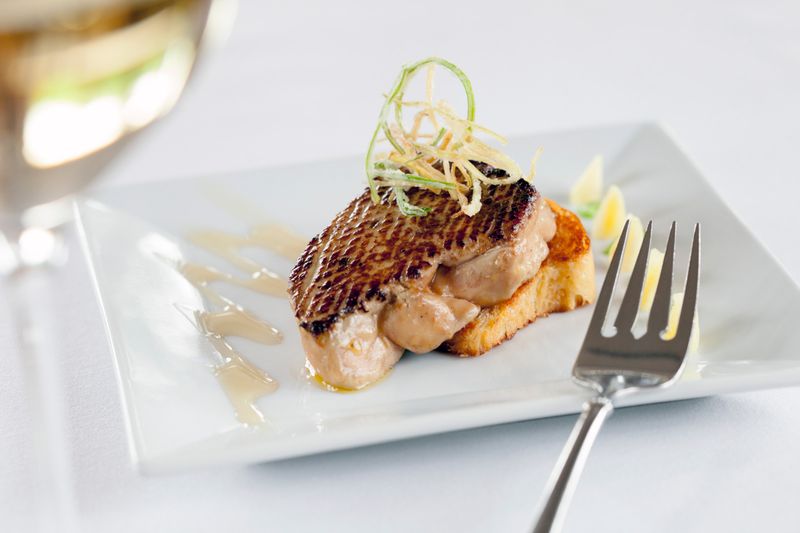
Foie gras is culinary luxury in France, celebrated for silky richness whether seared or turned into torchon. Menus highlight regional provenance and meticulous farming.
In classic bistros, it feels like history on a plate, paired with sweet wine and toasted brioche.
Elsewhere, production methods draw criticism, and some jurisdictions restrict farming or sales. Court battles, city ordinances, and shifting ethics create a patchwork of availability.
Import loopholes sometimes allow consumption while blocking local production. If you chase it, expect variability: one town’s tasting menu might showcase foie, while the next city over fines restaurants for serving it.
7. Shark fin soup (some countries vs. many bans)
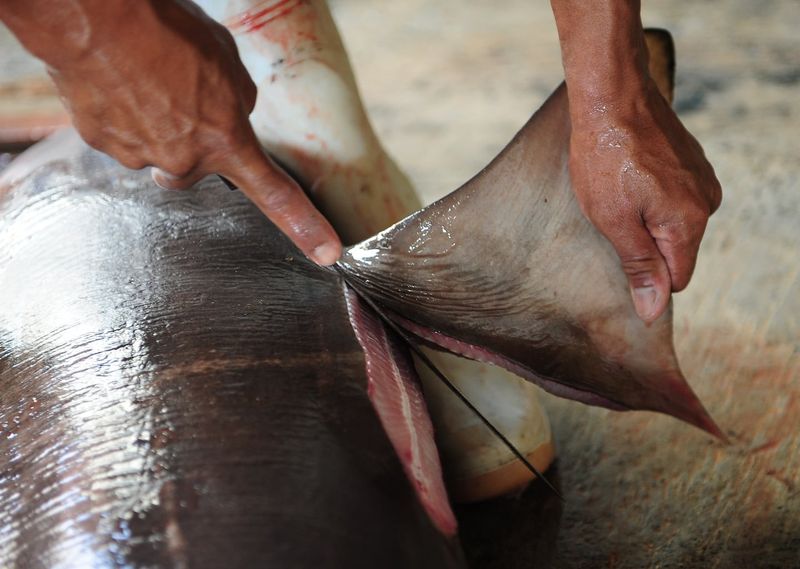
Shark fin soup carries ceremonial weight in some communities, symbolizing honor at weddings or banquets. In regions where it remains legal, restaurants emphasize status and tradition.
The broth can be refined and delicate, with texture more prized than flavor.
Globally, conservation concerns have driven sweeping bans on fin possession, trade, or sale. Many cities restrict it to curb finning and protect shark populations.
Even where not banned, social pressure has shifted menus toward alternatives like imitation fin. If you encounter it, know that legality varies block to block, and sustainability questions often overshadow any culinary discussion.
8. Whale meat dishes (Japan/Norway/Iceland vs. widespread restrictions)
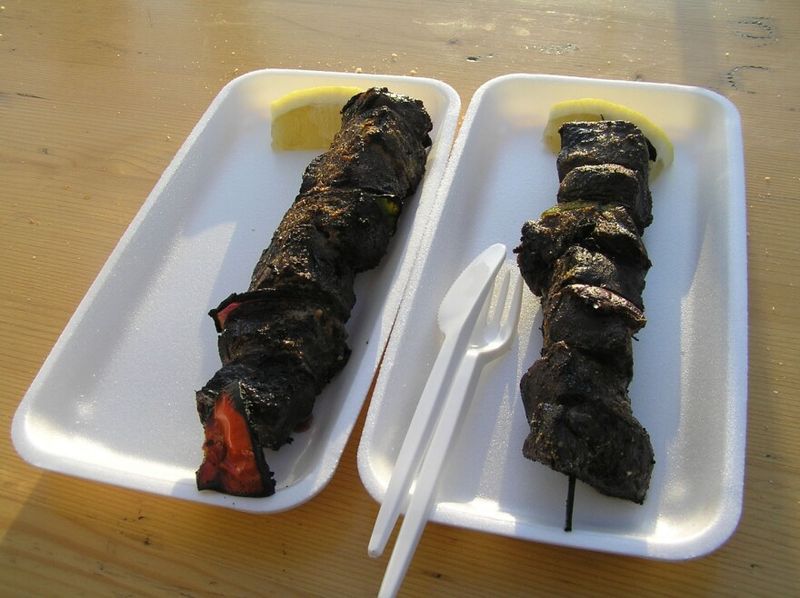
In Japan, Norway, and Iceland, whale meat appears in niche markets and traditional menus, often framed as heritage. Preparations range from grilled steaks to cured bites.
Locals discuss texture and history alongside modern quotas and traceability.
Beyond these countries, international agreements, import bans, and public sentiment limit access severely. Customs officials scrutinize documentation, and restaurants avoid controversy.
Even specialty shops mostly abstain. If you are curious, tasting tends to happen in specific port cities under strict oversight, while abroad it remains a flashpoint for conservation debates that overshadow culinary curiosity.
9. Ortolan (France, traditionally)
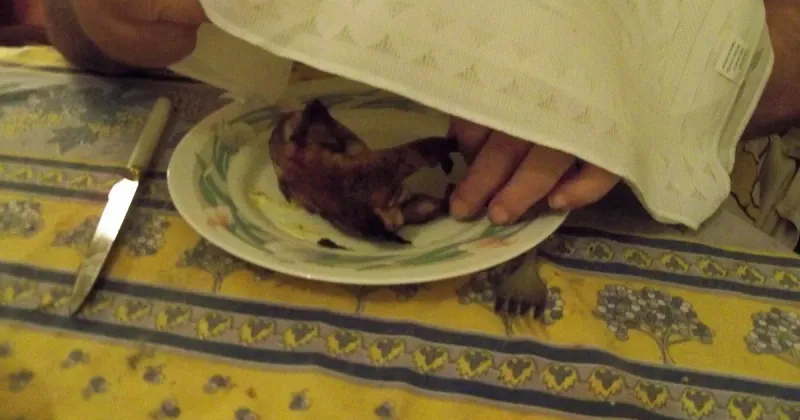
Ortolan, a tiny songbird once served as a clandestine luxury, holds a mythic place in French gastronomy. Stories describe diners covering their heads with napkins and savoring the whole bird.
Romantic as legends sound, modern France prohibits hunting and serving protected species.
Abroad, strict wildlife protections and cruelty concerns make ortolan effectively off-limits. You will not find legal restaurant service, and black-market whispers are risky and unethical.
The dish survives mostly in literature and memory. If you love culinary history, study archival menus and ethical reinterpretations that celebrate aroma, ritual, and restraint without harming endangered birds.
10. Raw milk cheeses (some of Europe vs. stricter markets)
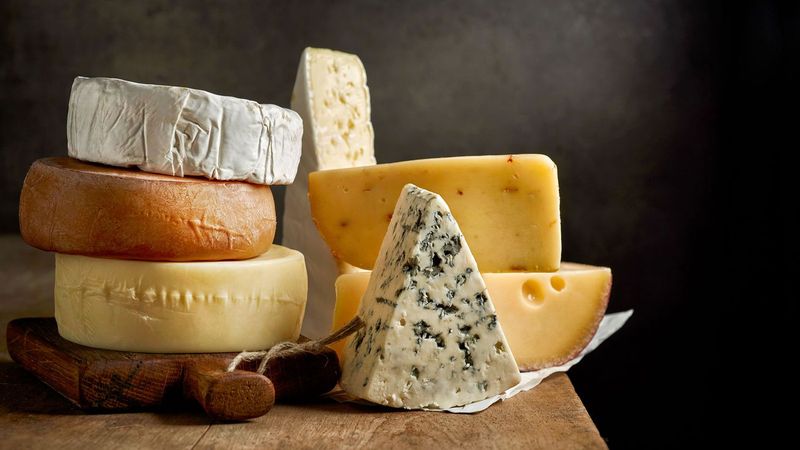
Across France, Italy, and Switzerland, raw milk cheeses are everyday treasures, protected by appellations and aging rules. You taste place in every slice: barnyard notes, seasonal shifts, and complex rinds.
Affineurs manage microbes like artists, not hazards.
In stricter markets, regulators demand pasteurization or minimum aging periods to reduce pathogens. Importers juggle testing, documentation, and occasional recalls.
Some varieties pass with careful aging, while younger styles remain barred. If you browse specialty shops abroad, labels might trumpet compliance, but selection skews safer and older, leaving raw, youthful wheels as rare finds cherished by devotees.
11. Ackee and saltfish (Jamaica vs. strict controls elsewhere)
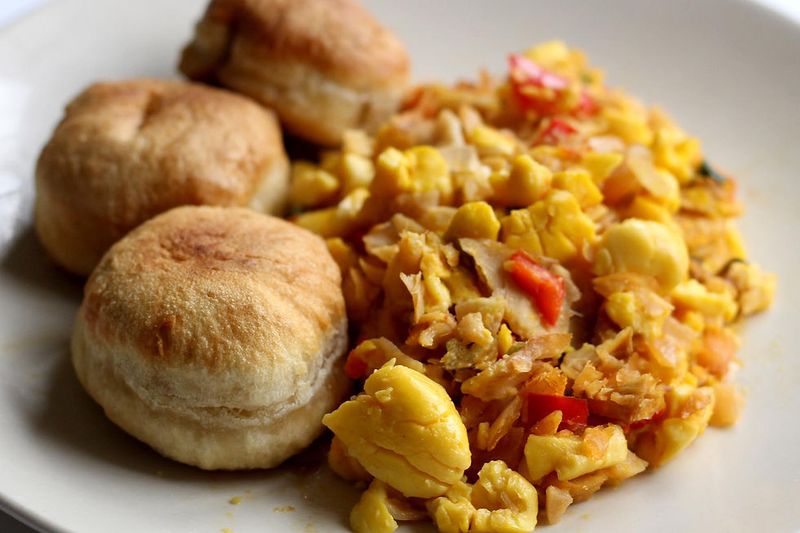
Ackee and saltfish is Jamaica’s beloved national dish, with buttery ackee pods stirred gently with salted cod, onions, and peppers. When harvested ripe and properly processed, ackee is safe and delicious.
Locals learn to respect the fruit’s timing and preparation.
Elsewhere, unripe ackee contains hypoglycin toxins that alarm regulators. Imports are tightly controlled, requiring canned, certified fruit with strict documentation.
Border agents scrutinize labels, and fresh ackee rarely clears customs. If you crave authenticity abroad, seek reputable Caribbean groceries or restaurants using approved suppliers, ensuring you enjoy the comfort of the dish without crossing dangerous lines.
12. Sannakji (South Korea)
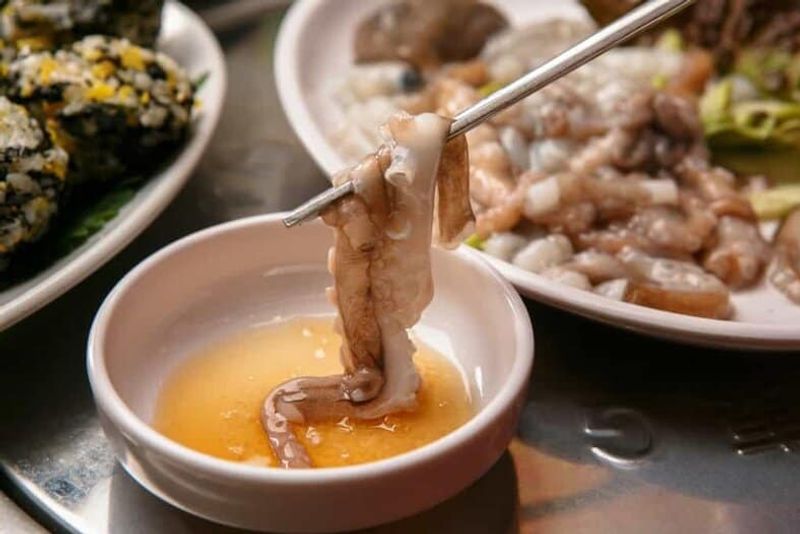
Sannakji thrills with just-cut octopus pieces that may still move when served. In South Korea, chefs dress the morsels with sesame oil and seeds, urging deliberate chewing.
It is both freshness and theater, rooted in seafood culture and trust.
Abroad, concerns land on choking hazards, live-serving ethics, and raw handling standards. Some places permit it cautiously, while others discourage or restrict service through health codes.
Restaurants often adapt by serving very fresh but not moving seafood. If you try it, follow staff guidance and chew well, balancing adventure with caution and respect for local rules.
13. Blood-based dishes (UK/Europe vs. bans in some regions)
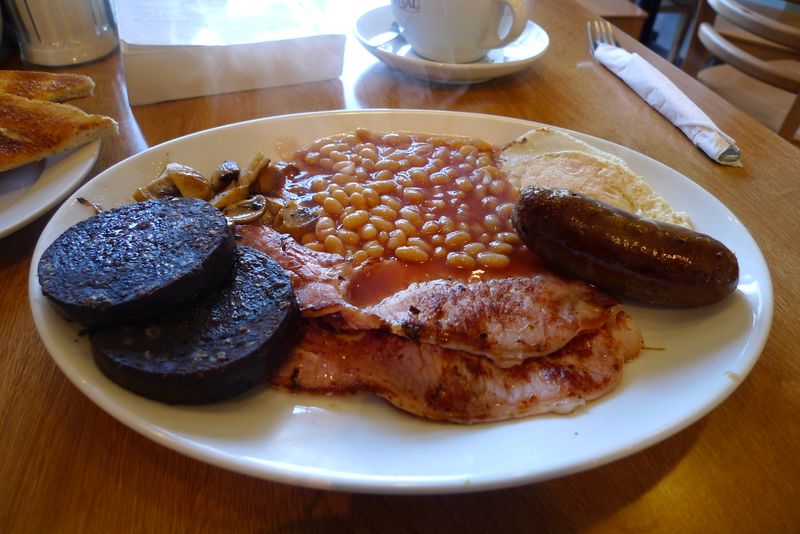
Across the UK and parts of Europe, blood sausages like black pudding are routine comfort food. Butchers craft regional styles with oats, barley, or rice, delivering hearty breakfasts and pub classics.
Nobody blinks at the ingredient list.
Elsewhere, rules on animal blood handling and sale create barriers, from outright bans to labyrinthine licensing. Some countries allow limited production under strict abattoir oversight and labeling.
Imports can stall over storage temperatures and documentation. If you miss the taste, look for EU-certified products in specialty shops, understanding that inspectors prioritize traceability and microbial safety over culinary nostalgia.
14. Bushmeat dishes (legal in limited contexts vs. banned imports)
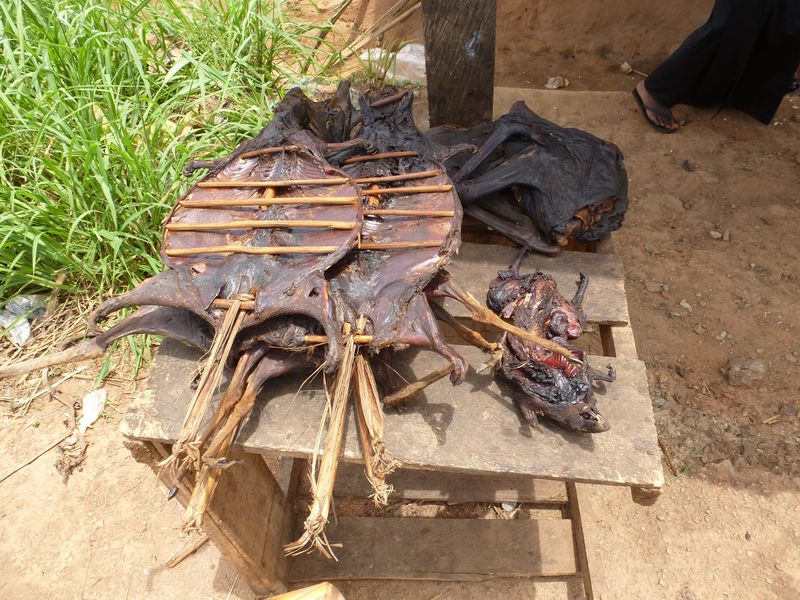
Bushmeat occupies a fraught space where sustenance, tradition, and conservation collide. In limited contexts, certain species may be legally harvested under strict permits and health checks.
Communities rely on rules that aim to reconcile livelihood with ecosystem protection.
Internationally, import bans are common due to zoonotic disease risk and endangered species concerns. Customs agencies seize and destroy unapproved products.
Restaurants abroad rarely touch the category, even for legal species, to avoid severe penalties. If you care about wildlife and foodways, support transparent programs that prioritize sustainable alternatives and verified supply chains.
15. Turtle soup (permitted in some places vs. restricted in many)
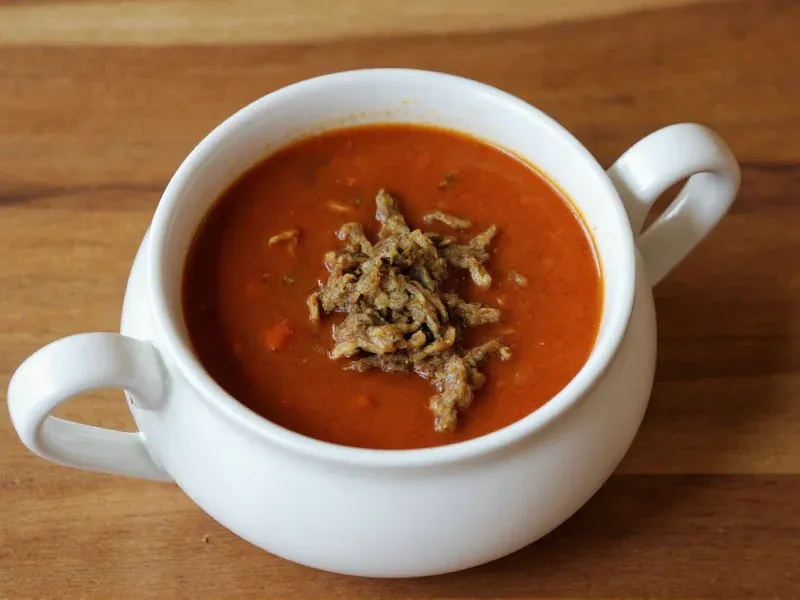
Turtle soup once graced grand hotels and family tables in specific regions. Today, where permitted, it usually relies on farmed or strictly regulated species with documentation.
Chefs emphasize heritage recipes while navigating permits and provenance.
In many countries, protections for endangered turtles close the door on trade and service. Even legal versions invite scrutiny, and menus might use euphemisms or substitutes to avoid controversy.
Conservation groups monitor markets closely. If you are curious, ask about species, sourcing, and certifications, or choose inspired alternatives that honor tradition without risking threatened wildlife.