15 Eggs That Aren’t From Chickens But Are Edible
Chicken eggs may rule breakfast, but they are far from the only delicious option. Around the world, cooks lean on rich duck yolks, jewel-like roes, and even giant ostrich eggs to transform simple dishes.
You will find flavors that range from delicate and creamy to briny and bold, each bringing its own texture and story. Ready to crack open some new favorites and upgrade your cooking adventures?
1. Duck eggs
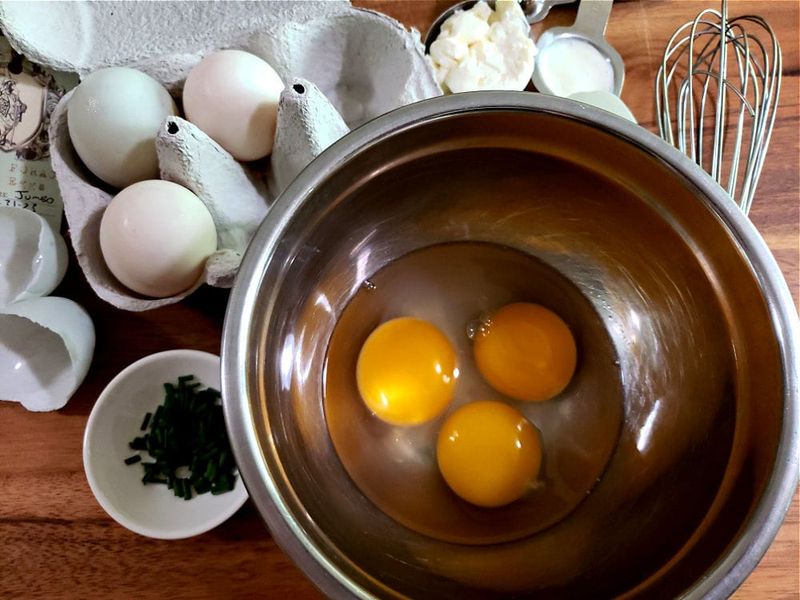
Duck eggs bring a richer flavor and a generous, custardy yolk that loves heat. You will notice sturdier whites that whip higher and hold shape, perfect for meringues and chiffon cakes.
Bakers adore the extra fat for plush crumb and golden color.
Try them for luxurious scrambled eggs or a creamy carbonara. Swap one for one in most recipes, but expect more richness.
If hard boiling, lower the heat slightly to avoid rubbery whites.
Their thicker shells keep well in the fridge. Keep the seasoning simple to let that deep eggy character shine.
2. Quail eggs
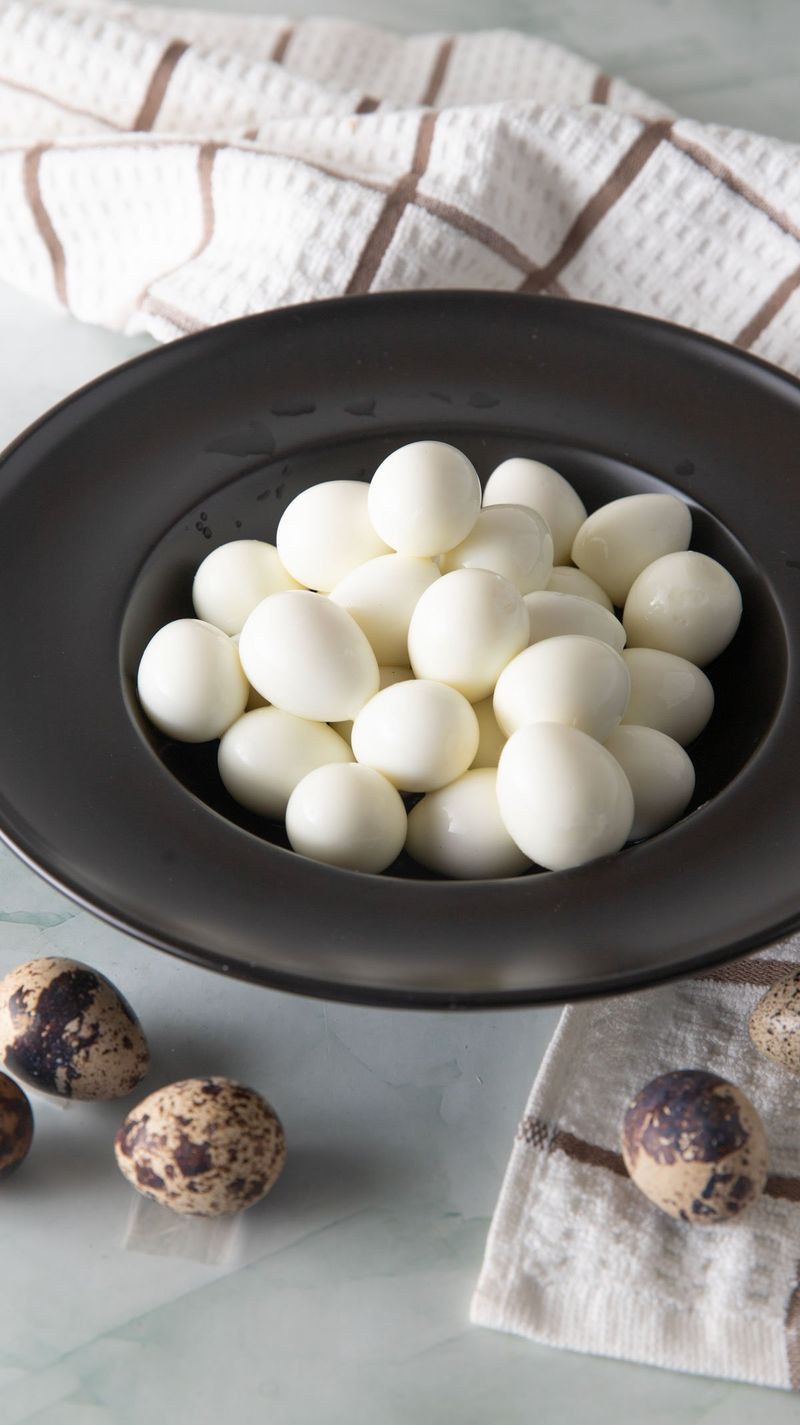
Quail eggs are tiny, charming, and perfect for bite-size moments. Their mottled shells look like nature’s confetti, and the mild flavor suits salads, ramen, and tapas.
Soft-boil for a jammy yolk that bursts with gentle richness.
To peel easily, crack all over and roll gently under your palm. Shock in ice water, then slip the shell away.
A sprinkle of flaky salt and sesame takes them from cute to craveable.
Fry them sunny-side for miniature toasts. Kids love them, and dinner guests do too.
They cook fast, so keep an eye on the pan.
3. Goose eggs
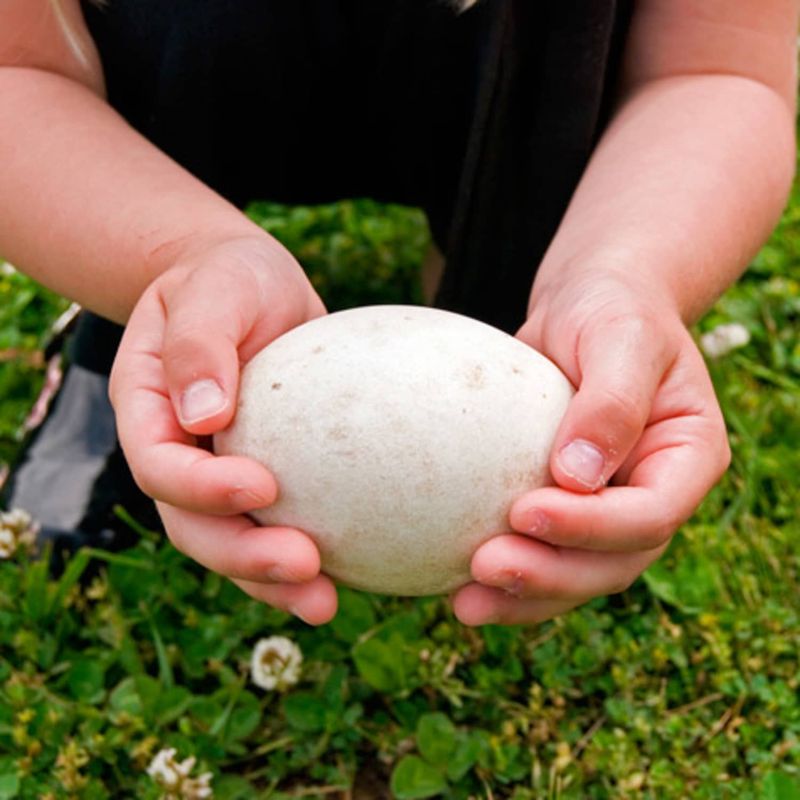
Goose eggs feel like a special occasion in a shell. They are big, rich, and bold, with a yolk that dominates.
One egg can stand in for two or three chicken eggs, making them great for fritattas or hearty breakfast sandwiches.
Expect slightly stronger flavor and a dense texture. Whisk thoroughly to distribute that luxurious yolk.
For baking, weigh your eggs for consistent results.
Scrambled, they turn velvety and deeply satisfying. Fry gently to prevent tough whites.
If you like a pronounced egg taste, a goose egg will absolutely deliver.
4. Turkey eggs
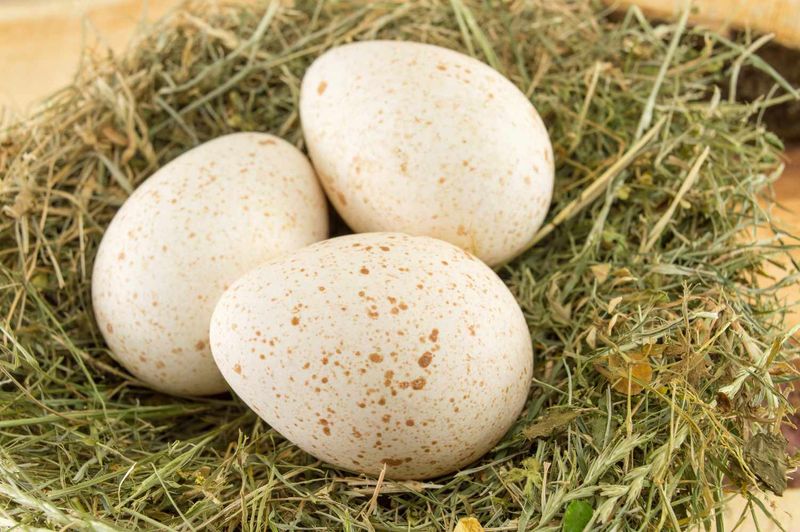
Turkey eggs look rustic, often speckled, and cook up similarly to chicken eggs with a touch more richness. They are totally edible, just rarer because turkeys do not lay as efficiently.
That scarcity makes them fun to try when available at farms or markets.
Scramble them slowly with butter for plush curds. Their sturdy whites also poach nicely with tidy edges.
In baking, use a scale for accuracy.
Flavor-wise, expect familiar comfort with a fuller finish. A little chive, salt, and pepper go far.
If you spot a carton, grab it and plan brunch.
5. Guinea fowl eggs
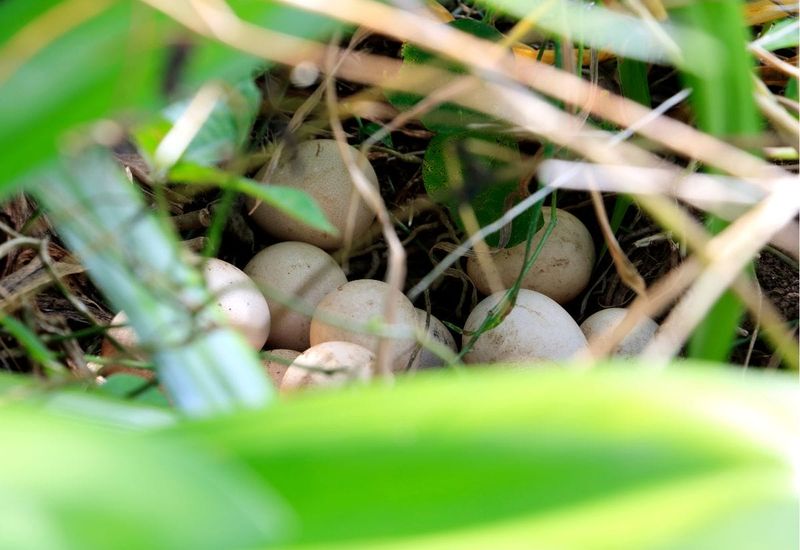
Guinea fowl eggs are petite and tough-shelled, which helps them store well. The flavor is familiar yet subtly richer than chicken, ideal for simple preparations that highlight freshness.
Tap a little harder to crack, then enjoy the silky yolk.
Boiled, they peel cleanly when shocked in ice water. Fry them over medium heat for crisp edges and a tender center.
Their slightly briny nuance pairs beautifully with herbs.
Think tarragon, parsley, or dill. Serve atop buttered asparagus or spring greens.
They make everyday breakfasts feel a bit more special without fuss.
6. Pheasant eggs
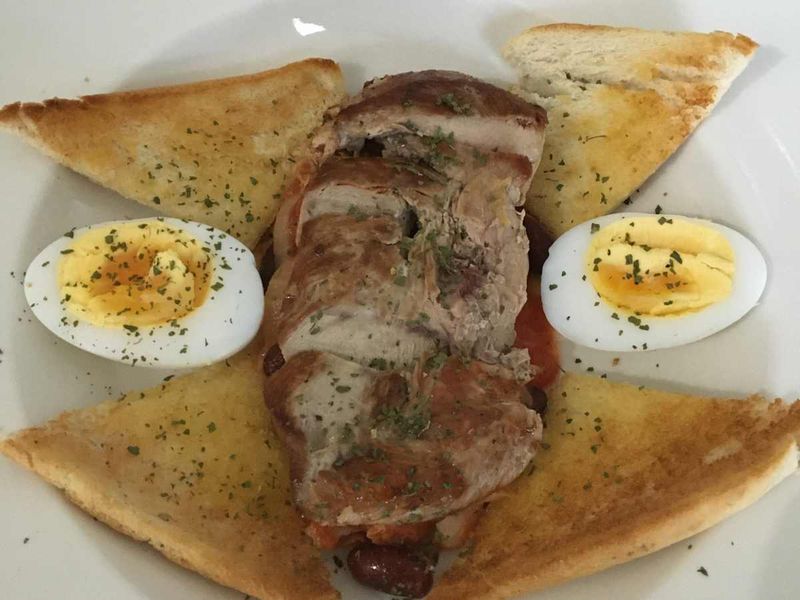
Pheasant eggs feel seasonal and a touch fancy. Their shells can be softly colored, and the flavor is delicate with a gentle gamey echo.
Treat them with care, letting butter and herbs lift their nuance without overpowering.
Soft-boil for six to seven minutes for a custardy center. Serve on toast soldiers or over sautéed mushrooms.
The whites set tenderly, keeping the experience refined.
For baking, they behave like small chicken eggs. Use two where you might use one standard egg.
When spring markets appear, ask vendors for a carton.
7. Pigeon eggs (squab eggs)

Pigeon eggs are petite and mild, common in some Asian cuisines. They work best where the egg is a refined accent rather than the entire show.
Think gentle poaching or soft steaming to preserve their silky texture.
Serve them on congee, in light soups, or tucked into delicate dumplings. A drizzle of soy and sesame oil flatters their subtle character.
They take seasoning quietly and gracefully.
Boil times are short, so watch closely. Overcooking quickly toughens the whites.
Handle with care, and you will be rewarded with a tender, elegant bite.
8. Emu eggs
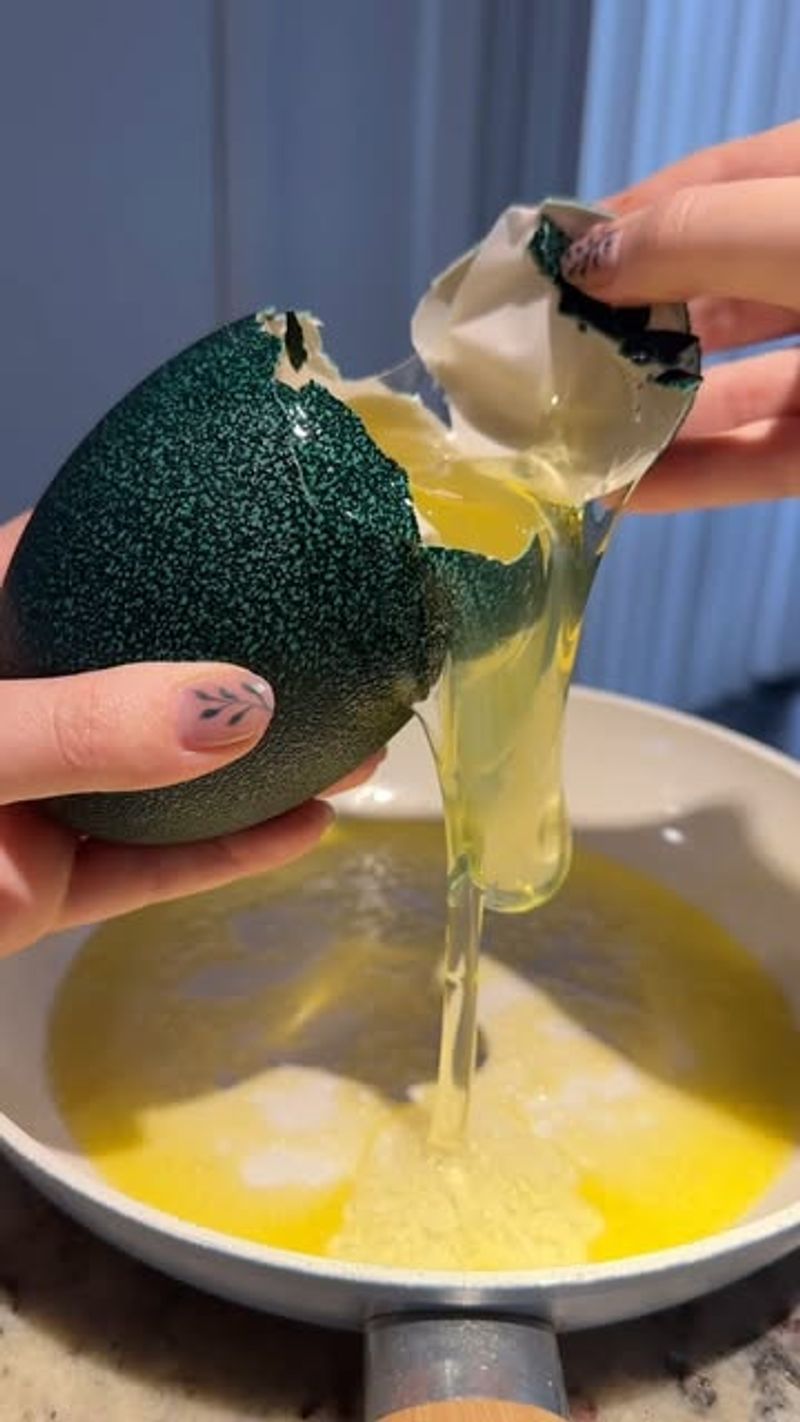
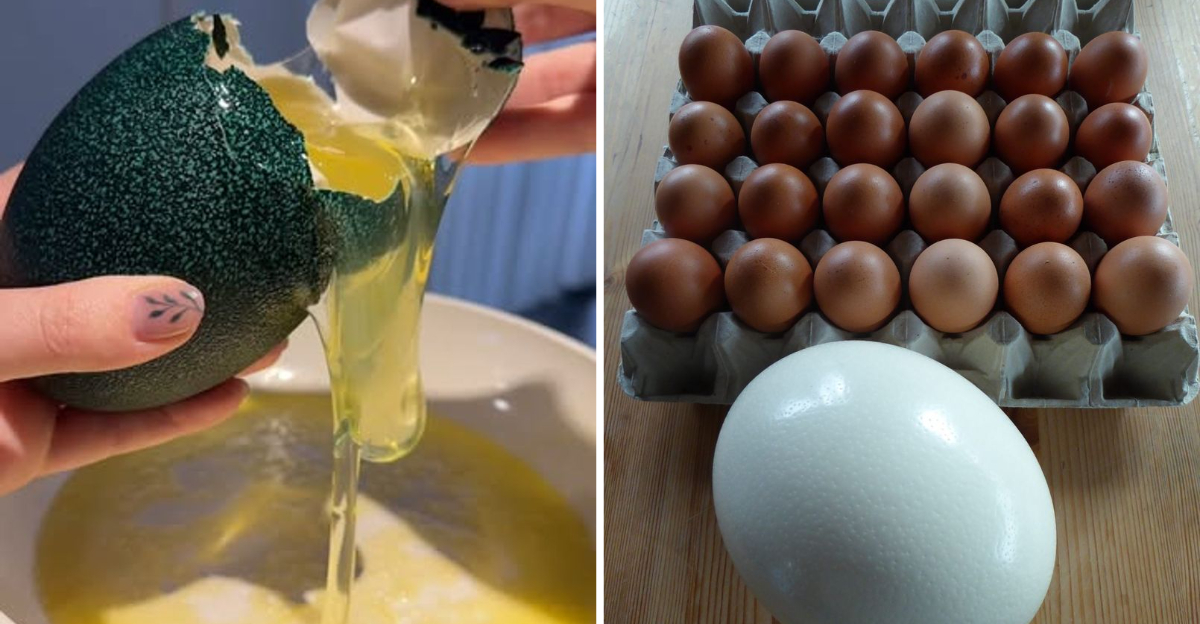
Emu eggs are showstoppers, their shells a deep forest green with a pebbled texture. Inside, you get a generous amount of egg that tastes familiar but slightly richer than chicken.
One can feed several people with ease.
They excel in frittatas, shakshuka, and big brunch scrambles. Crack carefully with a small saw or tap repeatedly around the middle.
Whisk thoroughly to integrate yolk and whites.
Because they are substantial, cook low and slow to avoid rubbery bites. Season simply and let the novelty shine.
Guests will talk about breakfast all week.
9. Ostrich eggs
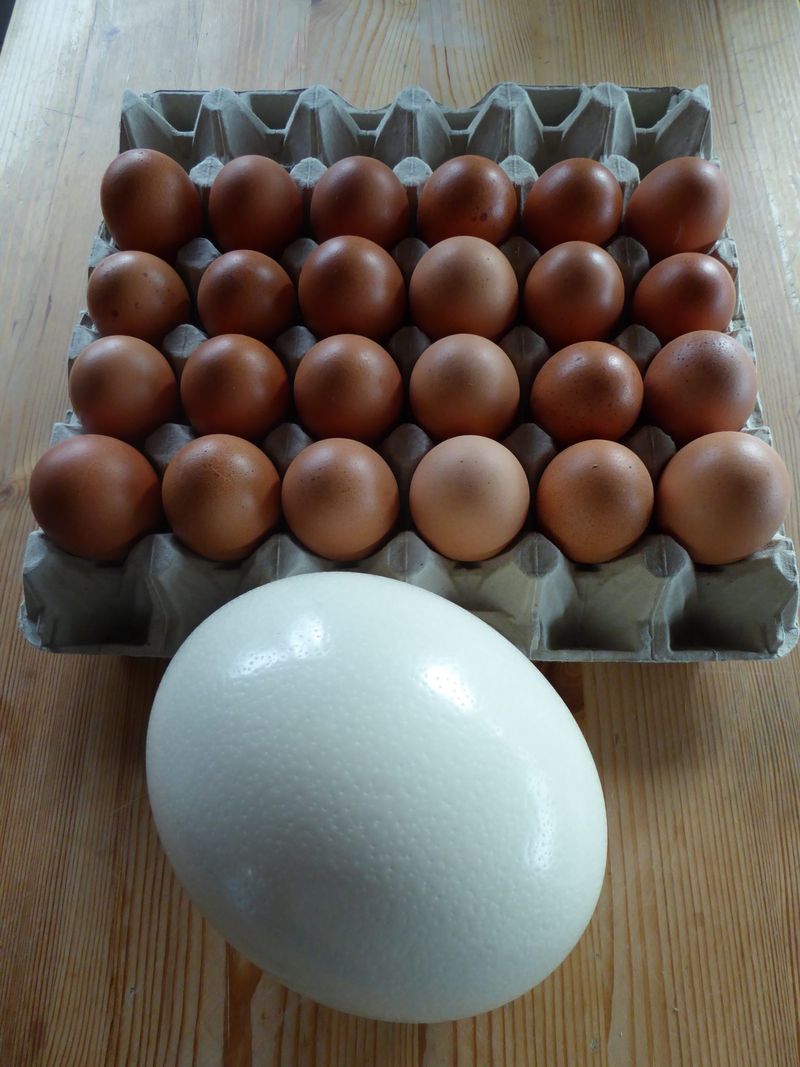
Ostrich eggs are the giants, roughly equal to a couple dozen chicken eggs. Their thick shell needs a saw or firm tap-and-score technique.
The flavor is familiar, making them perfect for feeding a crowd without surprising anyone’s palate.
Go for sheet pan scrambles, mega omelets, or a party-sized tortilla española. Whisk with cream for extra tenderness, then bake gently.
The texture stays pleasant when not overworked.
Because portions are big, plan seasoning in layers. Finish with herbs, hot sauce, or a bright salsa.
It is a memorable centerpiece for brunch events.
10. Rhea eggs
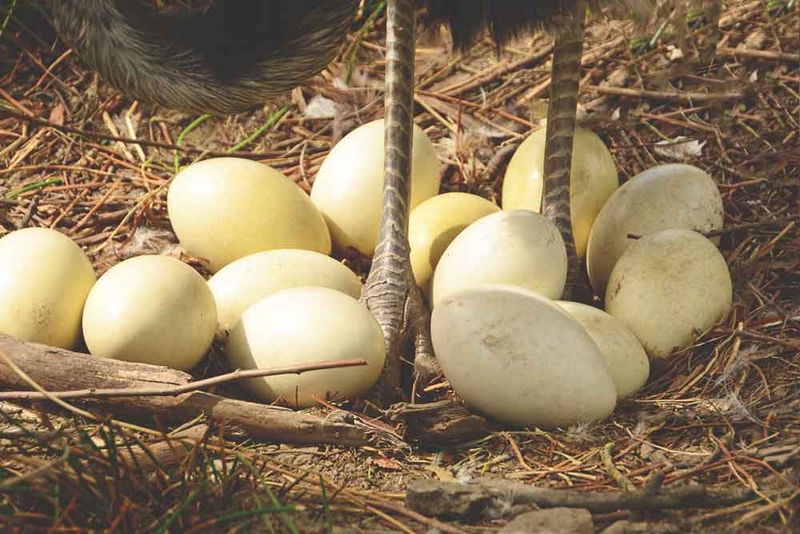
Rhea eggs sit between emu and ostrich in size and rarity. The shell is tough and pale, and the flavor is much like other big bird eggs.
When you can find them, treat them like a small party’s worth of breakfast in one shell.
Scramble low and slow, or bake in a deep-dish quiche. Crack using a careful score line around the middle.
Whisk thoroughly to keep texture even.
Because supply is limited, savor simple preparations. Salt, pepper, and fresh chives do wonders.
Share with friends and enjoy the novelty together.
11. Salmon roe
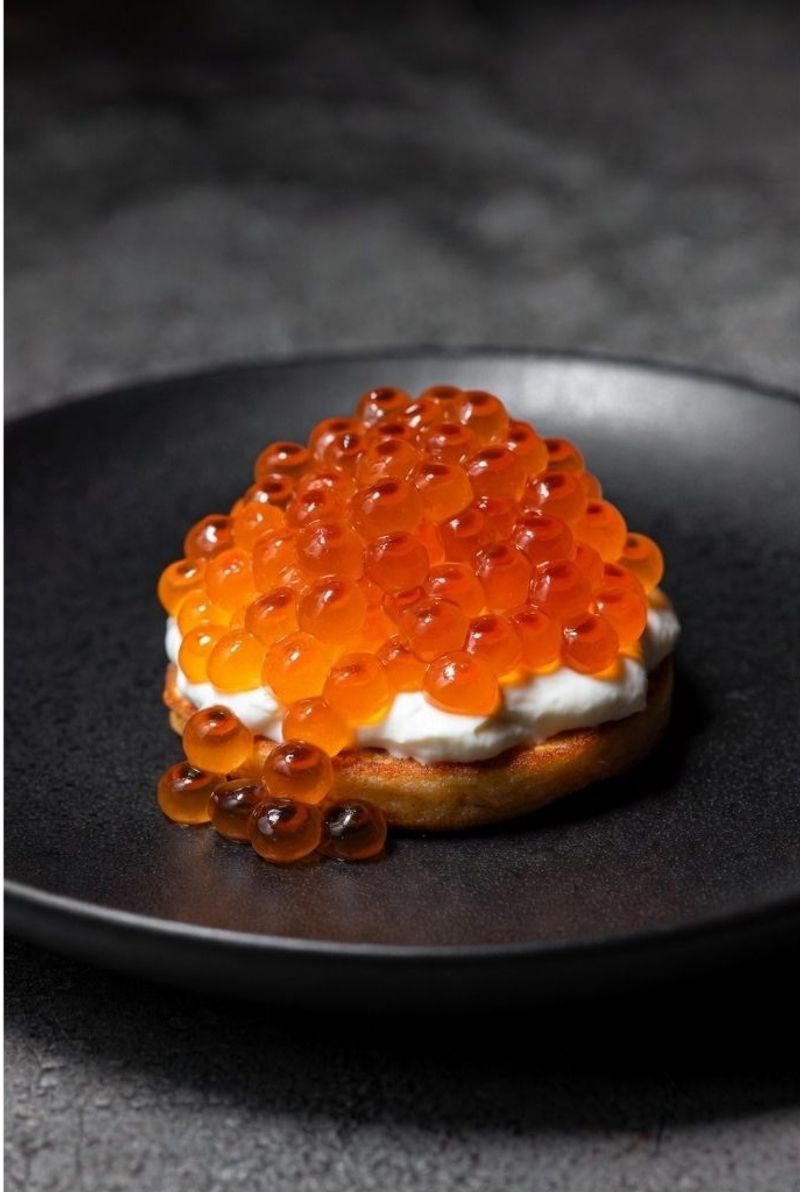
Salmon roe, or ikura, delivers bright bursts of briny sweetness. Each orb pops, releasing ocean richness that loves rice, crème fraîche, and buttery toast.
The color alone turns simple dishes into celebrations.
Spoon over warm rice bowls with scallions and sesame. Or dollop onto blinis for an easy party bite.
Keep it chilled and serve gently to avoid crushing pearls.
A little goes a long way, so portion thoughtfully. Balance salt with fat and acidity.
Once you start pairing, you will find excuses to open another jar.
12. Trout roe
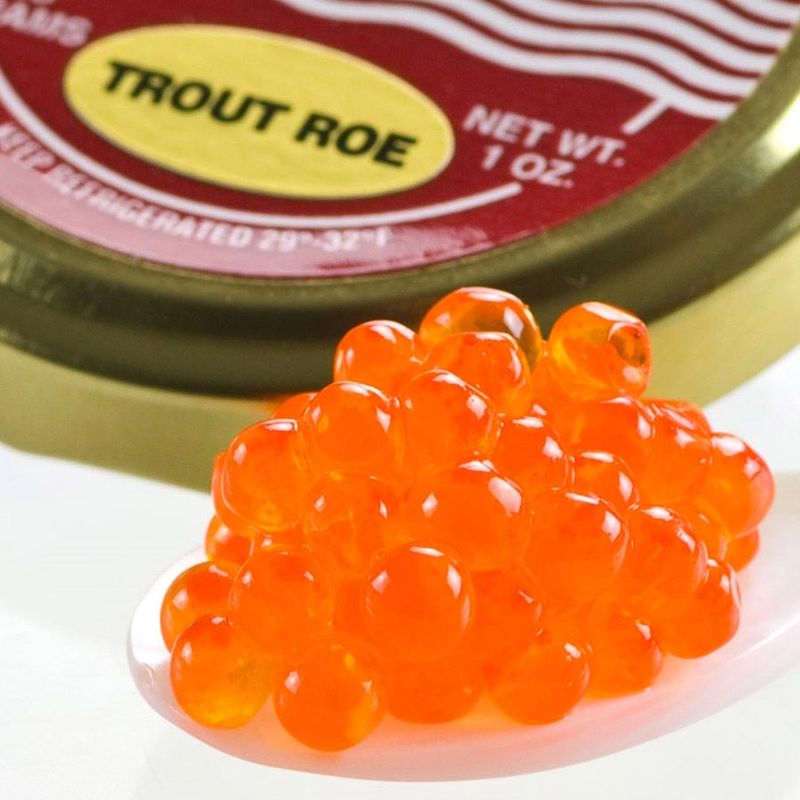
Trout roe is like a daintier cousin to salmon roe. The pearls are smaller, the pop is softer, and the flavor leans gentle and sweet-briny.
It excels as a garnish where texture and color matter.
Spread crème fraîche on toast, add roe, and finish with lemon zest. The acidity brightens without shouting.
Keep handling minimal to maintain pristine beads.
For sushi, use lightly seasoned rice and nori. A chilled glass of bubbly is a great pairing.
You will appreciate the finesse compared to bolder roes.
13. Sturgeon roe (caviar)
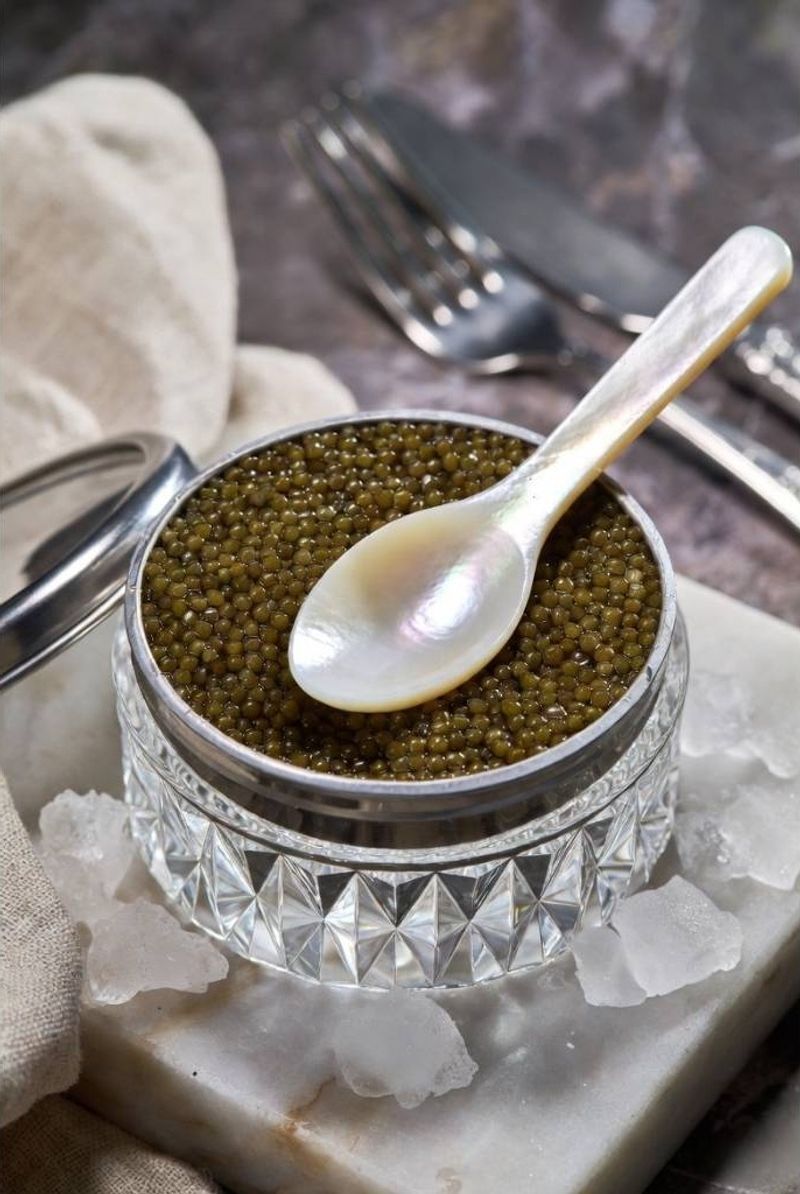
Sturgeon roe, known as caviar, is the archetype of luxury. Pearls range from glossy gray to inky black, each with a clean, complex sea finish.
Serve chilled, never frozen, and avoid metal spoons to protect flavor.
Pair with blini, crème fraîche, and chives, or simply savor alone. A small spoonful is enough to transform a bite.
Balance salinity with buttery bases.
Quality varies by species and curing. Buy from reputable sources and store cold.
When you want a memorable moment, caviar delivers elegance without needing much else.
14. Flying fish roe (tobiko)
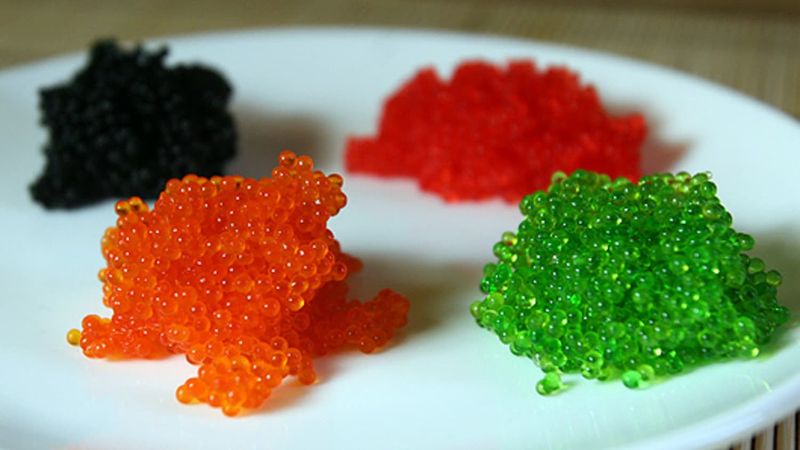
Tobiko brings sparkle and crunch to sushi. These tiny flying fish eggs add subtle brininess, pleasing snap, and playful color.
You will see orange most often, but black, yuzu-yellow, and wasabi-green make appearances too.
Use as a topping for rolls, poke bowls, or creamy dips. The texture contrasts beautifully with soft rice and tender fish.
Handle lightly to keep the beads intact.
A little lemon or yuzu zest lifts the flavor. For home sushi nights, tobiko is an instant upgrade.
It makes simple maki feel restaurant-ready with zero stress.
15. Sea urchin roe (uni)
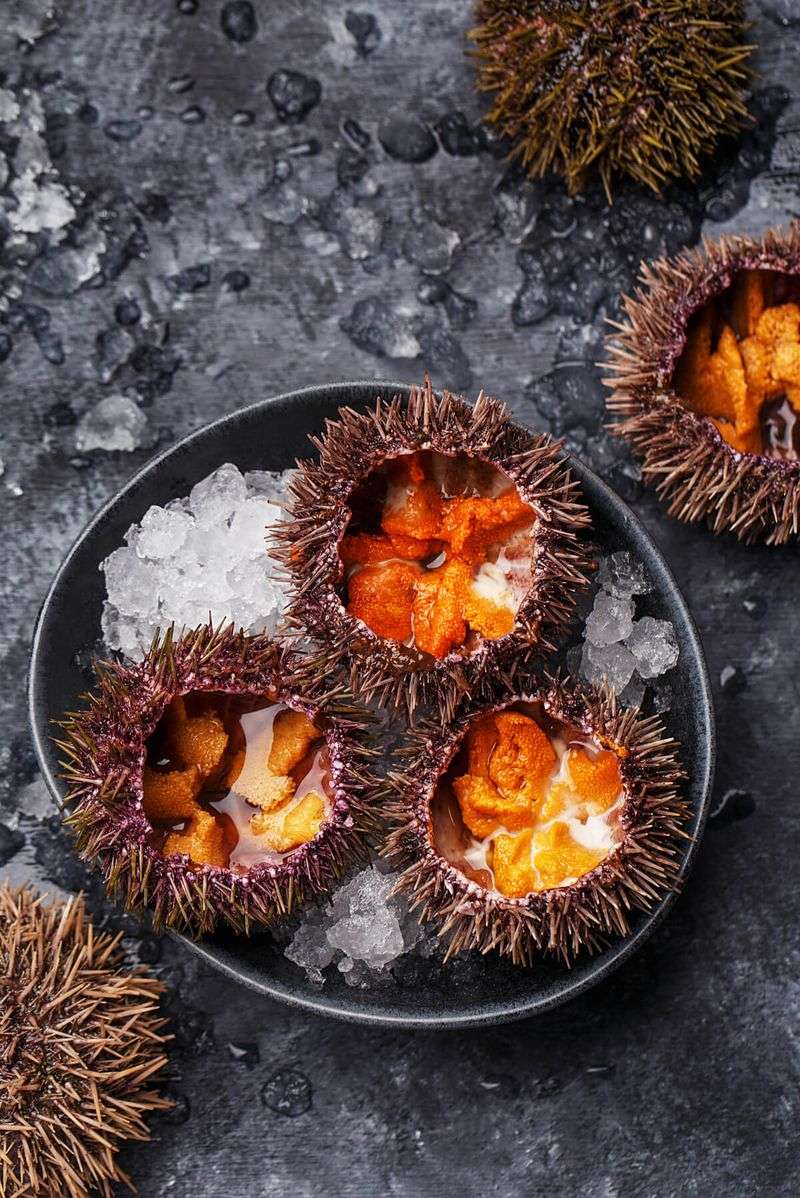
Uni is technically the edible gonads of sea urchins, but in kitchens it stands beside roe. The texture is creamy and custard-like, with a sweet ocean perfume.
Good uni tastes clean and briny, never fishy.
Serve over warm sushi rice, on buttered toast, or whisked into pasta. Acidity from lemon or yuzu cuts through richness.
Handle with utmost gentleness to preserve shape.
Freshness is everything, so buy from trusted fishmongers. Keep it cold and eat promptly.
When you get it right, uni offers an unforgettable, silky, ocean-kissed bite.