15 Everyday Foods That Can Taste Flat Under Certain Conditions
Ever bite into something you love and wonder why it tastes strangely dull today? Flavor can disappear for reasons you would not expect, from temperature swings to overcooking to missing a dash of acid.
The good news is you can fix most of it fast with tiny tweaks you already have in your kitchen. Let’s rescue those everyday foods and bring their best back to the plate.
1. Tomatoes
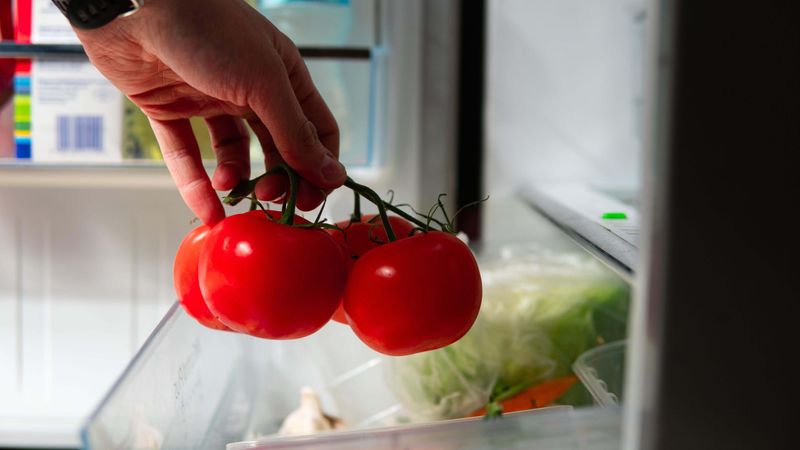
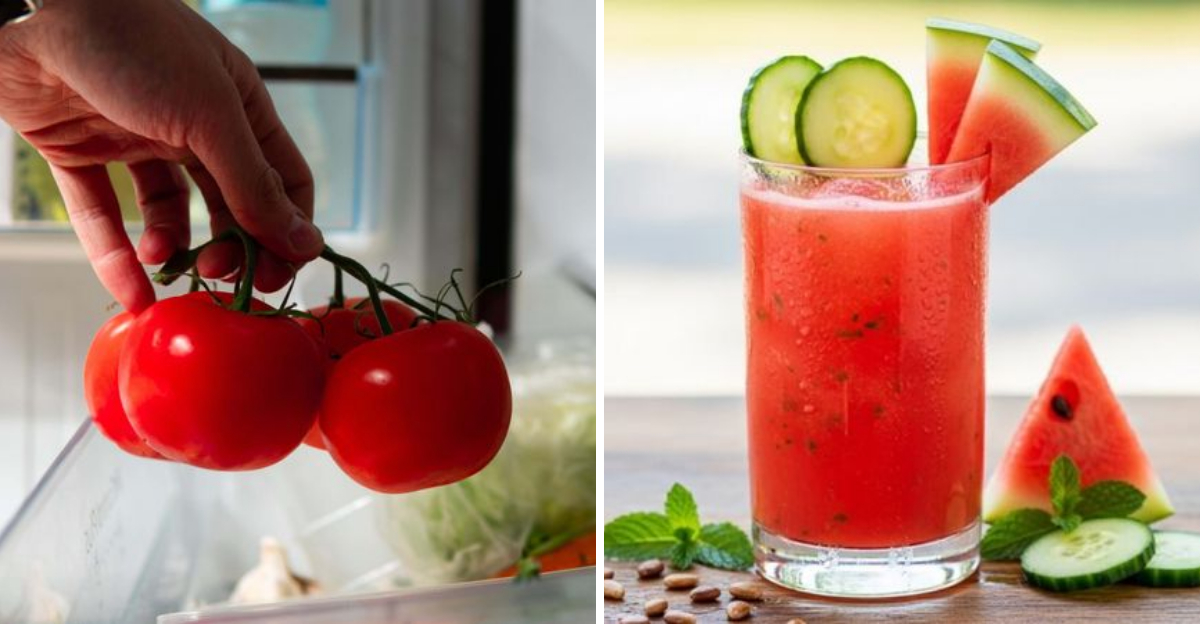
Tomatoes turn mealy and muted when stored too cold, because delicate aroma compounds shut down. If you have been keeping them in the fridge, that chill steals their sweetness and flattens the juicy tang.
Room temp brings back fragrance you forgot they had.
Set them on the counter and let them warm before slicing. Finish with a sprinkle of salt to wake up juices, and maybe a drizzle of olive oil.
Add a splash of vinegar if they still feel shy. You will taste that garden brightness again.
2. Strawberries
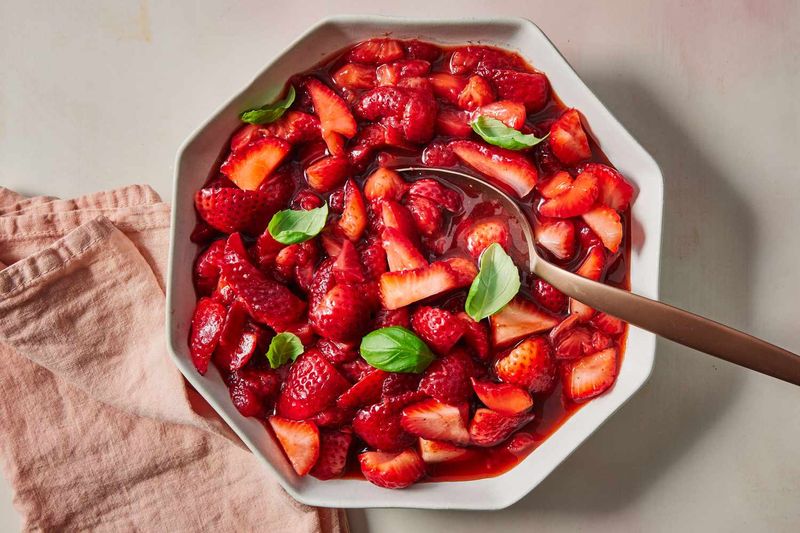
Cold strawberries can taste muted, less sweet, and less fragrant, especially right from the fridge. Watery berries feel bland no matter what.
Luckily, you can coax flavor back with a little warmth and patience.
Let them sit at room temperature until their aroma blooms. Toss with a teaspoon of sugar and the tiniest pinch of salt, then wait 5 to 10 minutes.
The juices will pool, the color deepens, and the sweetness spikes. Add a squeeze of lemon to sharpen if needed.
Suddenly, they taste like summer again.
3. Watermelon
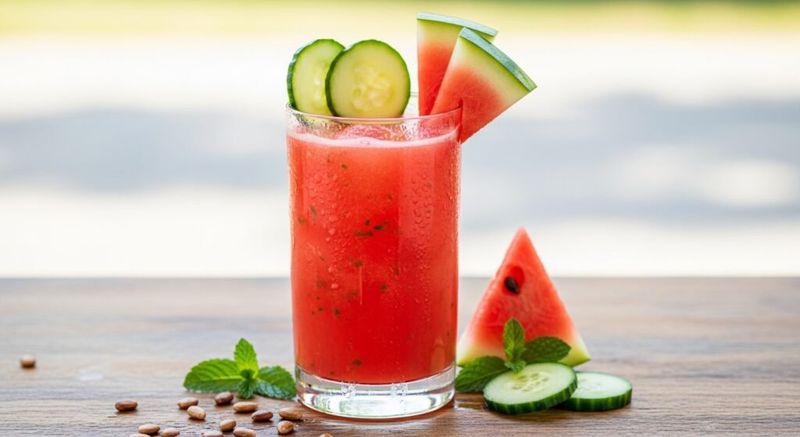
Watermelon tastes flattest when it is ice cold or cut too far in advance and stored too long. Extreme chill mutes aroma and sweetness, while long storage makes the flesh watery.
You want a gentle chill, not frosty.
Let slices warm just a bit, or chill lightly before serving. Add a squeeze of lime and a small pinch of salt to brighten and balance the sweetness.
The salt sharpens the melon’s flavor while the acid lifts the aroma. Every bite feels juicier and more vivid.
4. Coffee
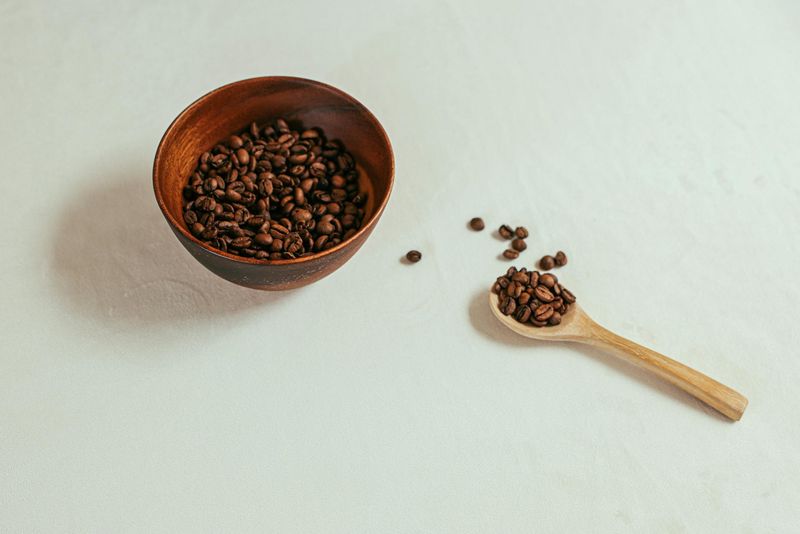
Coffee goes flat, bitter, or burnt when it sits too long on a warming plate or gets reheated. Heat degrades aromatics and emphasizes harshness.
The first pour sings, the lingering pot groans.
Brew smaller batches you will actually finish. Use an insulated mug or thermos to keep temperature steady without cooking it.
If you need longevity, make it iced, then chill fast over cubes. A pinch of salt can soften bitterness.
Suddenly, your daily cup tastes alive again instead of yesterday’s leftovers.
5. Tea
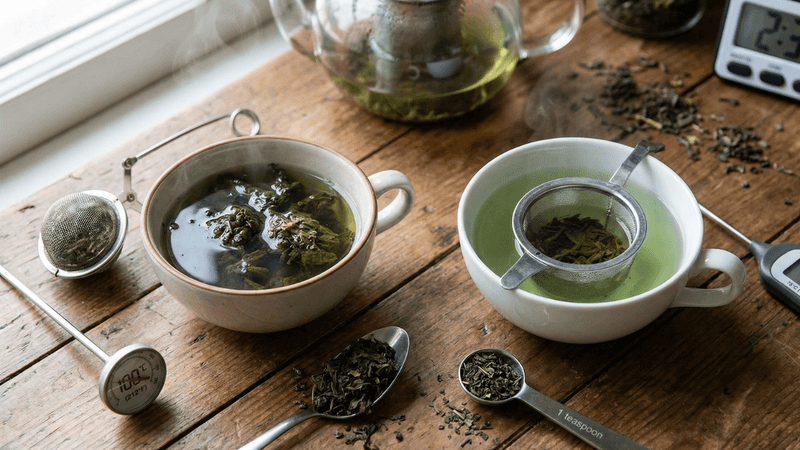
Tea turns dull and bitter when water is too hot or the leaves steep too long. Overextraction buries the floral notes and sweet finish under harsh tannins.
Even great leaves taste flat if timing and temperature wander.
Match water heat to the tea style and set a timer. Taste at the minimum mark, then adjust next time.
A squeeze of lemon brightens and lifts aromatics without masking them. Use fresh water for oxygen and better flavor release.
Suddenly, your cup sings again.
6. Eggs
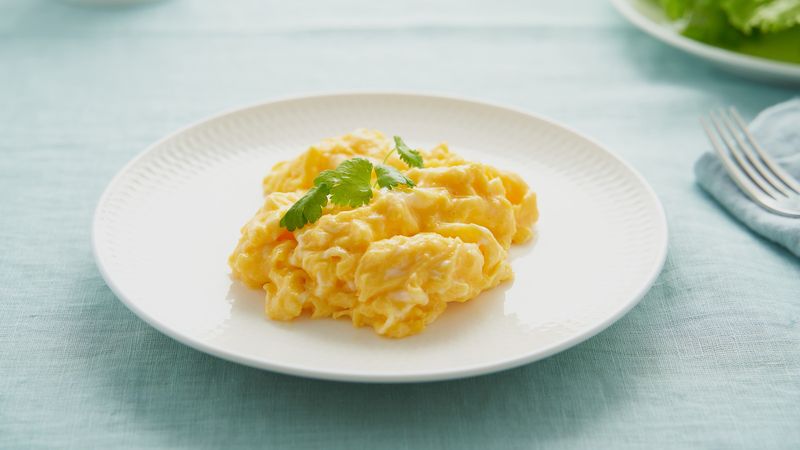
Overcooked eggs lose richness and turn rubbery, so the flavor reads oddly bland. Whether boiled, scrambled, or fried, too much heat squeezes out moisture and joy.
Pull them earlier than you think for tenderness.
Season lightly at the end and consider a small pat of butter. For boiling, aim for jammy centers instead of chalky.
For scrambling, low heat and gentle folds preserve custardy texture. A pinch of salt and maybe a few drops of hot sauce bring everything forward.
Tender eggs taste fuller.
7. Chicken breast
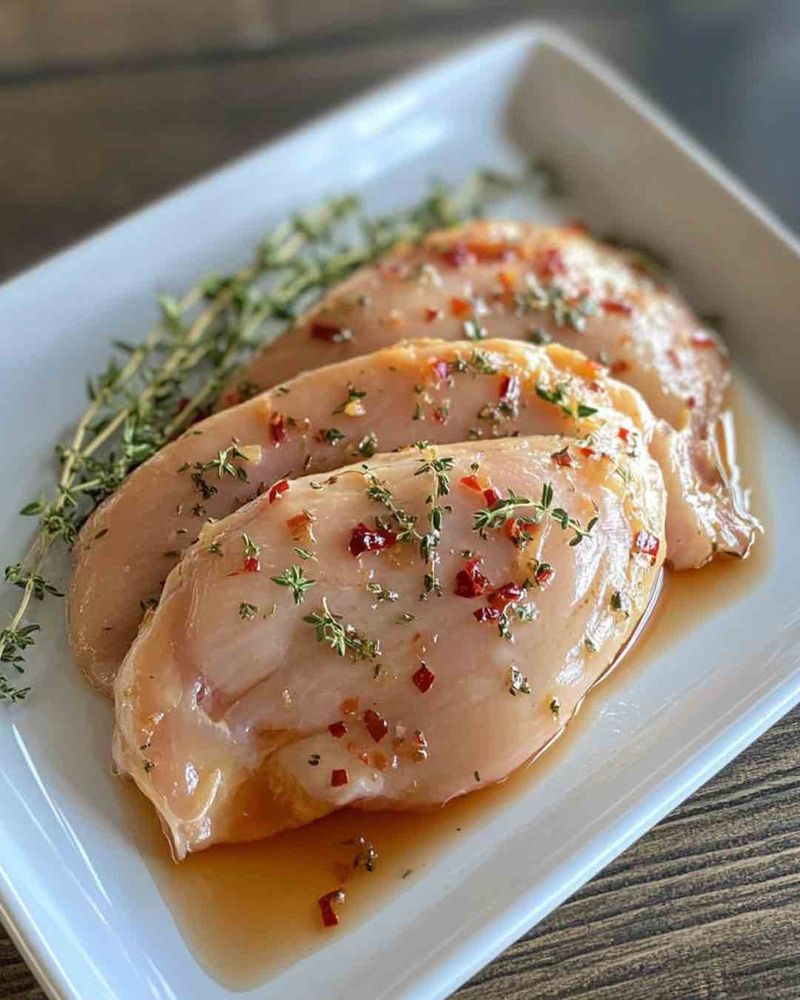
Lean chicken breast goes flat when overcooked or under-seasoned. Without much fat to carry flavor, dryness sets in fast.
You want salt to penetrate and heat to stop right at doneness.
Brine briefly or salt ahead to boost juiciness. Cook to 160 to 165 degrees and rest so juices redistribute.
Finish with a squeeze of lemon or a spoon of sauce for brightness and fat. Suddenly, mild turns into savory and satisfying instead of cardboard.
Slice across the grain for tenderness too.
8. Rice

Rice can taste like nothing when cooked in plain water with no seasoning, or held too long and dried out. The grains need salt and a little fat to carry aroma.
Even a simple pot can sing with tiny tweaks.
Salt the cooking water, or use broth for deeper flavor. Finish with butter or olive oil and a squeeze of lemon or vinegar.
If it has sat, revive with a splash of water and gentle steam. Suddenly, each bite feels plush, savory, and bright.
9. Pasta
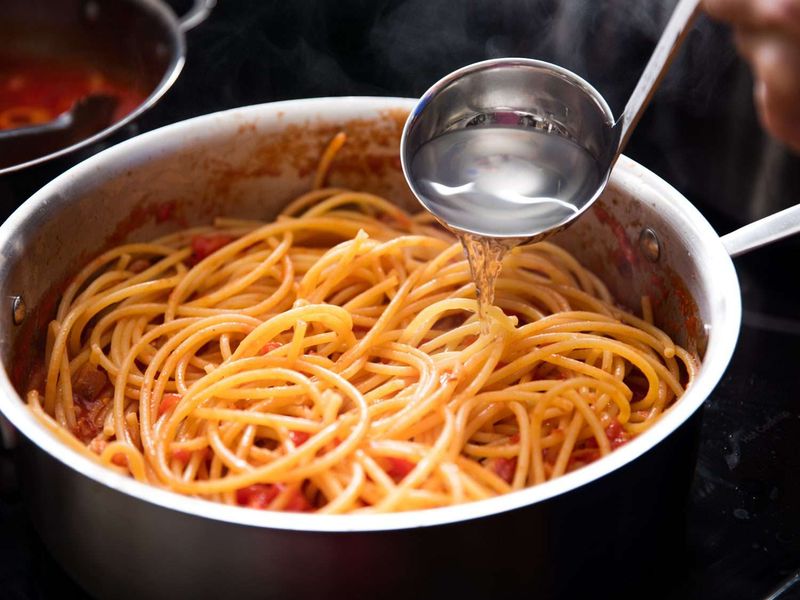
Unsalted pasta water guarantees bland noodles no matter how good the sauce is. The starch needs internal seasoning or the dish falls flat.
Salty water is your best early move.
Salt the water until it tastes pleasantly like the sea. Cook to al dente, then toss with sauce and a splash of starchy pasta water to marry everything.
That emulsion clings and amplifies flavor. Finish with cheese and a touch of olive oil.
Suddenly, the whole bowl tastes fuller and more balanced.
10. Potatoes
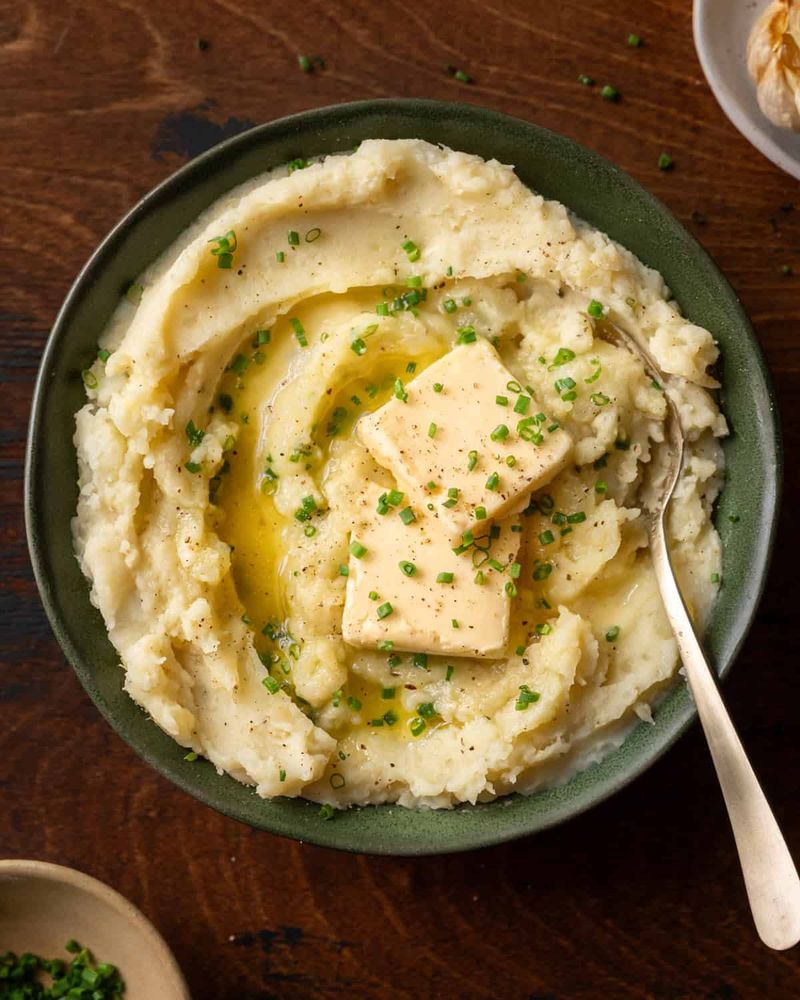
Potatoes taste flat when under-salted or mashed without enough fat. Their starchy nature needs seasoning in layers.
Salt the cooking water, season the mash, then finish thoughtfully.
Add butter or olive oil and consider sour cream for tang. A small splash of vinegar can wake everything up without screaming acid.
Taste, adjust, and do not be shy with salt. Roast potatoes like a pro by seasoning before and after.
Suddenly, the humble spud tastes luxurious and lively.
11. Salad greens
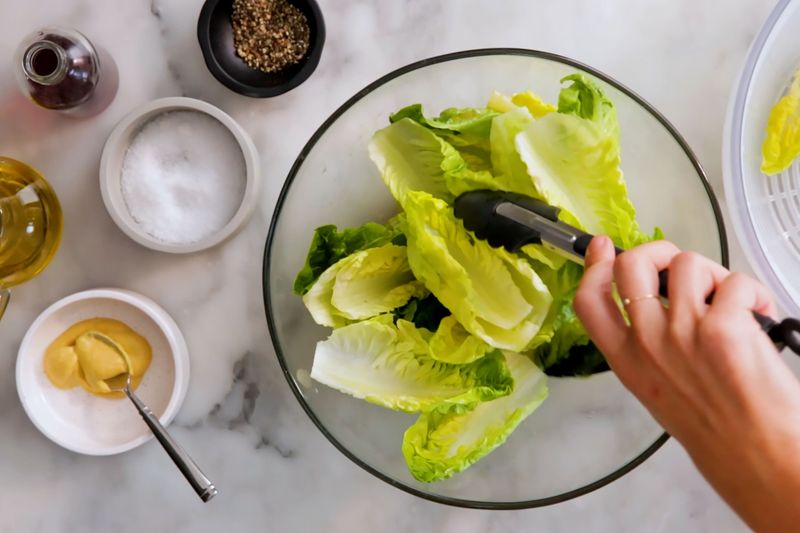
Salad turns dull and soggy when greens are wet, old, or dressed too early. Water clings to leaves and dilutes flavor.
Your best allies are dryness, salt, and timing.
Spin greens thoroughly and chill them to crisp. Salt lightly right before serving, then add dressing at the last second and toss gently.
The flavors stay bright, and the texture stays snappy. Add herbs, crunchy bits, and a squeeze of lemon if needed.
Suddenly, simple greens taste vibrant and refreshing.
12. Cucumbers
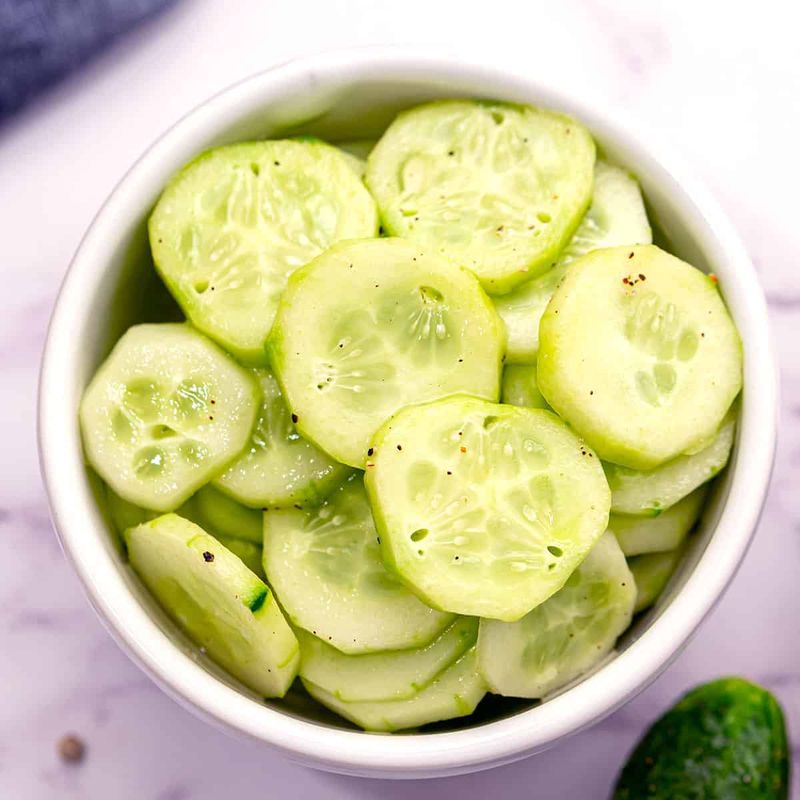
Cucumbers straight from the fridge can taste watery and muted, especially if they are older. A quick salt draws out excess water and concentrates flavor.
Temperature and acid do the rest.
Salt the slices briefly, then pat dry. Toss with vinegar or lemon to sharpen and add a pinch of sugar if they feel harsh.
Finish with herbs and olive oil. Serve slightly cool, not icy.
Suddenly, they crunch clean and bright instead of bland.
13. Mushrooms
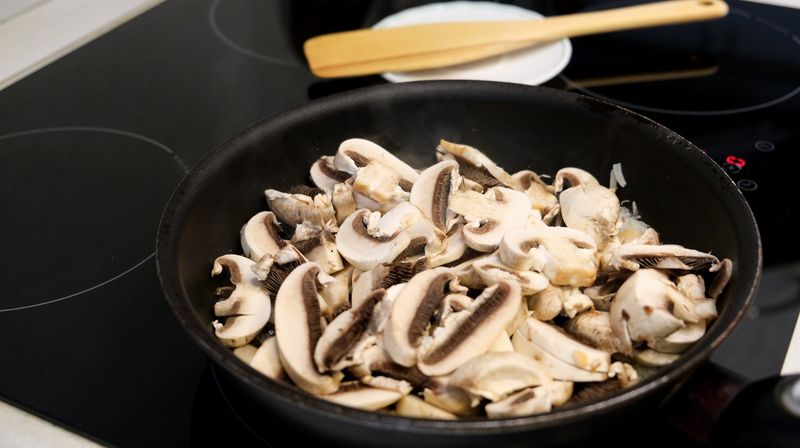
Mushrooms taste flat when crowded and steamed instead of browned. Without high heat and space, they shed water and never develop that savory edge.
Browning builds flavor fast.
Use a hot pan, do not overcrowd, and let them sit before stirring. Salt after browning begins so moisture does not flood the pan early.
A knob of butter, garlic, and thyme at the end makes everything pop. Deglaze with a splash of wine for depth.
Suddenly, you get meaty, complex bites.
14. Soup or stew
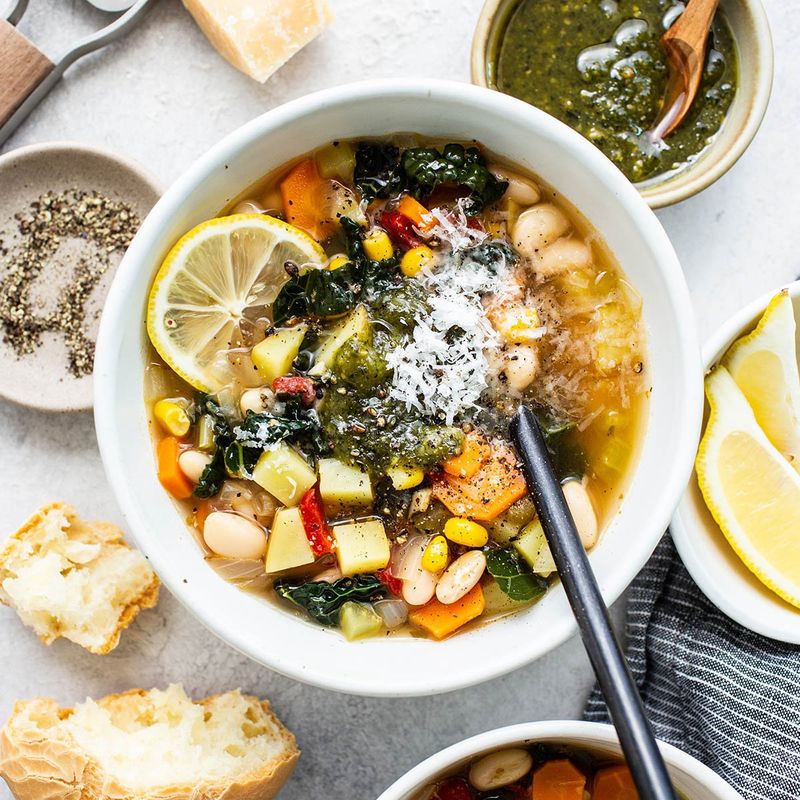
Sometimes soup tastes finished but still flat. It is usually missing acid, enough salt, or a touch of fat to carry aroma.
Seasoning at the end can transform everything.
Taste and add salt gradually, then try a splash of vinegar or a squeeze of lemon. Finish with a drizzle of olive oil to round edges.
If it still feels dull, a pinch of sugar can balance acidity. Fresh herbs wake up the top notes.
Suddenly, the pot tastes complete and comforting.
15. Chocolate desserts
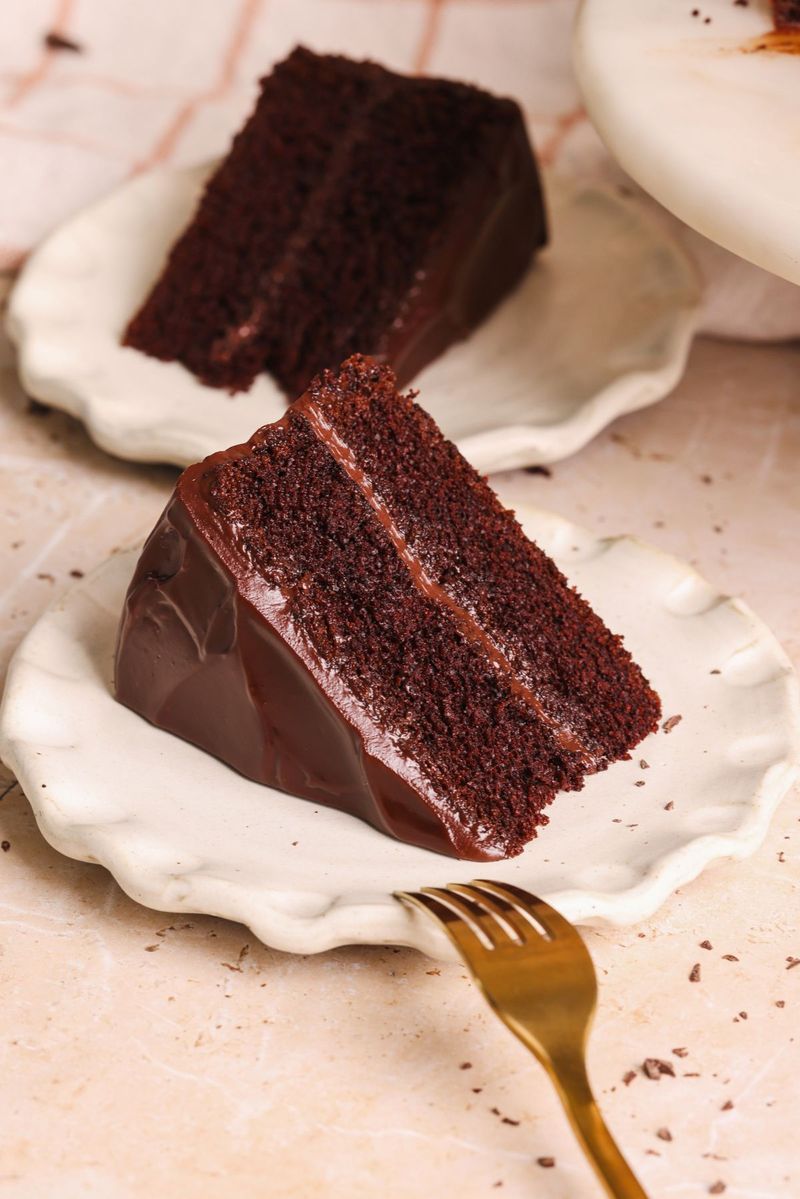
Cold chocolate tastes muted and overly sweet, because chill hides bitterness and aroma. Many chocolate desserts lose complexity straight from the fridge.
Warmth and contrast help.
Let the dessert sit 10 to 20 minutes at room temperature. Add a pinch of flaky salt to sharpen and a bit of coffee or espresso to deepen cocoa notes.
If frosting feels too sweet, the salt balances it nicely. Suddenly, the chocolate tastes round, roasty, and rich instead of one-note.