15 Everyday Foods That Seemed To Taste Different In The 1960s
Some foods do more than fill you up – they bring back a whole era with one bite. Plenty of people swear everyday staples tasted fuller, fresher, and less uniform in the 1960s, even when the labels looked familiar.
Part of that was local sourcing, part was simpler processing, and part may be memory doing its own seasoning. Either way, these are the humble foods that many people still insist just tasted different back then.
1. Milk
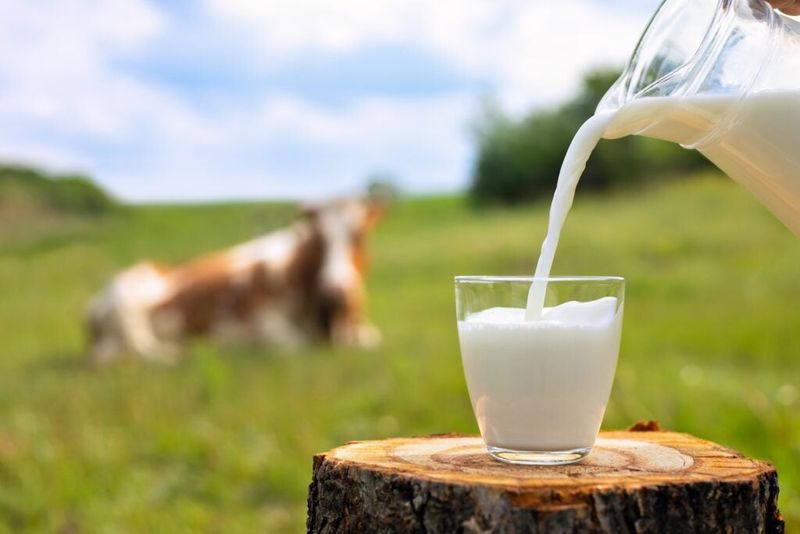
Milk in the 1960s is often remembered as tasting fresher, fuller, and more alive than the gallon you grab today. If it came in glass bottles or from a local dairy, you probably noticed subtle changes from week to week.
That seasonal variation made it feel real, not engineered into perfect sameness.
People also talk about a stronger dairy flavor, with a creamy smell that hit you the second the cap came off. Because processing and distribution were different, milk could taste less neutral and more connected to the farm.
Even simple things like cereal or mashed potatoes seemed better when the milk had character.
2. Bread
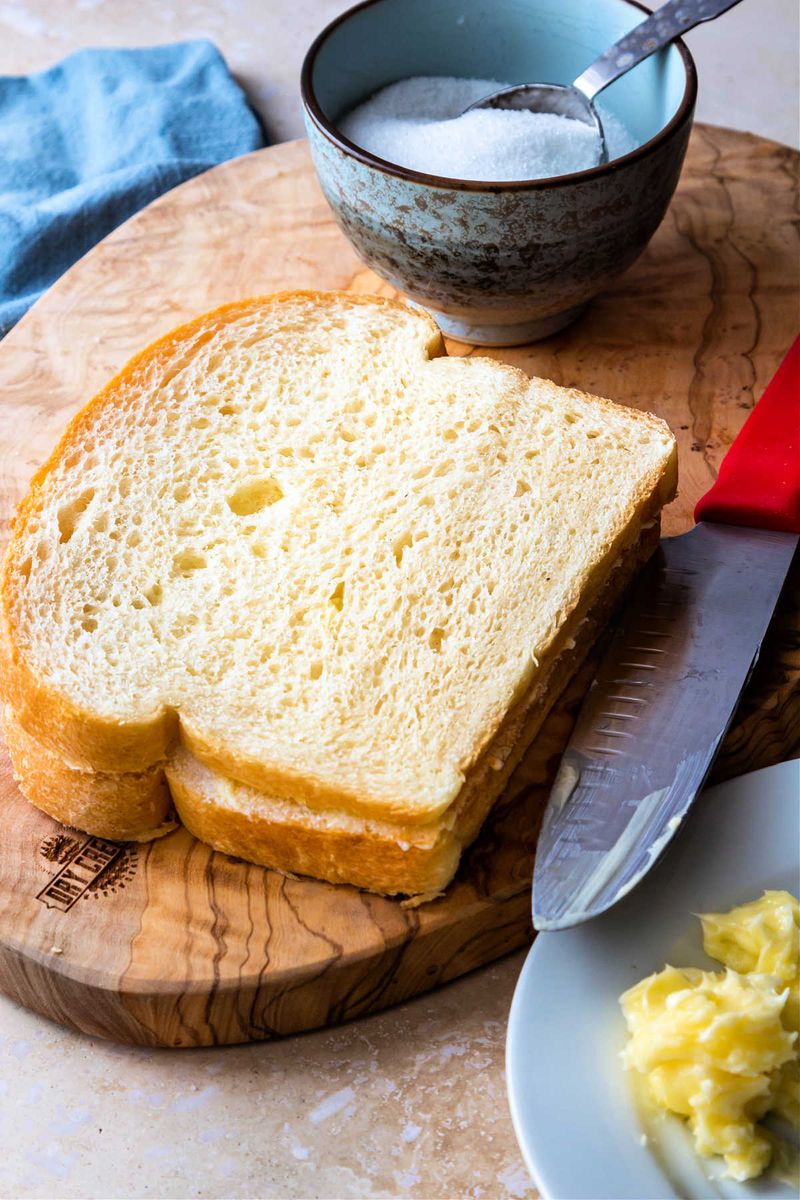
Basic sandwich bread from the 1960s gets remembered as softer, yeastier, and somehow more comforting the moment you opened the bag. It did not seem built for endless shelf life, and that mattered more than people realized.
When bread goes stale faster, you notice it was probably made with fewer preservatives and less tinkering.
That older texture could be pillowy one day and slightly dry the next, which sounds like a flaw until you compare it with modern consistency. Toast also smelled more bready, less generic, and sandwiches had a tender bite that felt homemade.
Even plain buttered bread could taste like a treat.
3. Butter
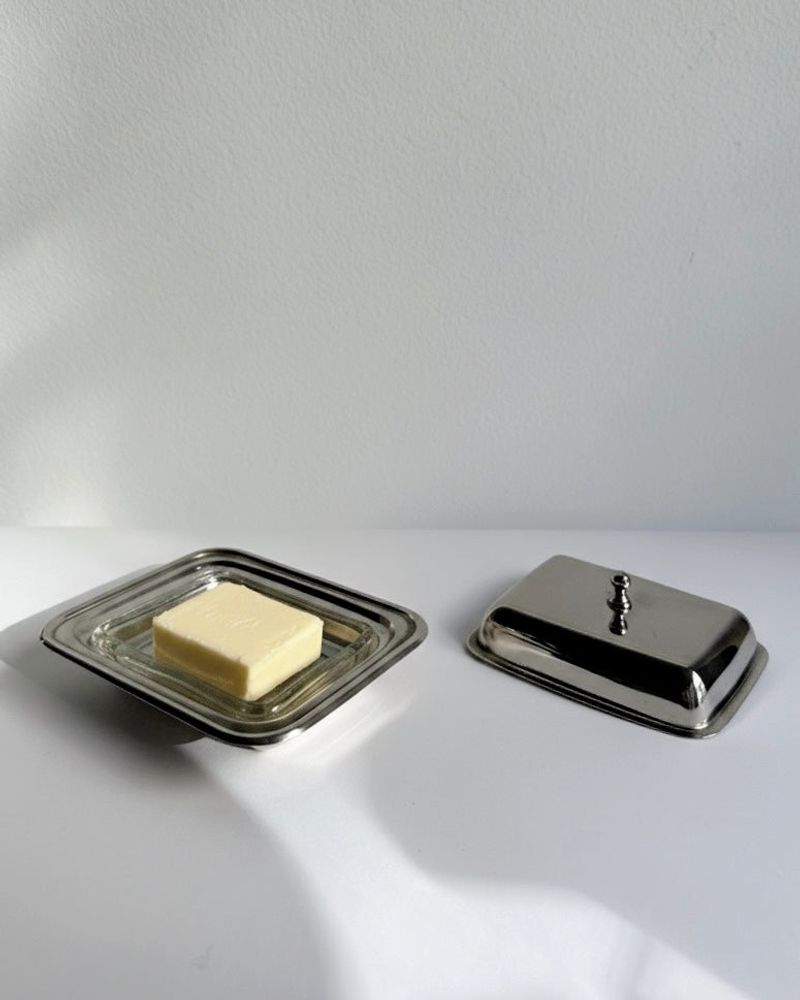
Butter from the 1960s is one of those foods people describe with almost immediate certainty. They remember a richer smell, a more pronounced dairy taste, and a salt level that felt bolder on warm toast.
Instead of fading into the background, butter seemed to announce itself in every bite.
Part of that memory may come from changing formulas, different feed, and different expectations about what butter should feel like at the table. Older butter is often described as creamier yet firmer, with a flavor that lingered longer.
When you melted it over vegetables, pancakes, or corn, it tasted like an ingredient, not just a coating.
4. Peanut Butter
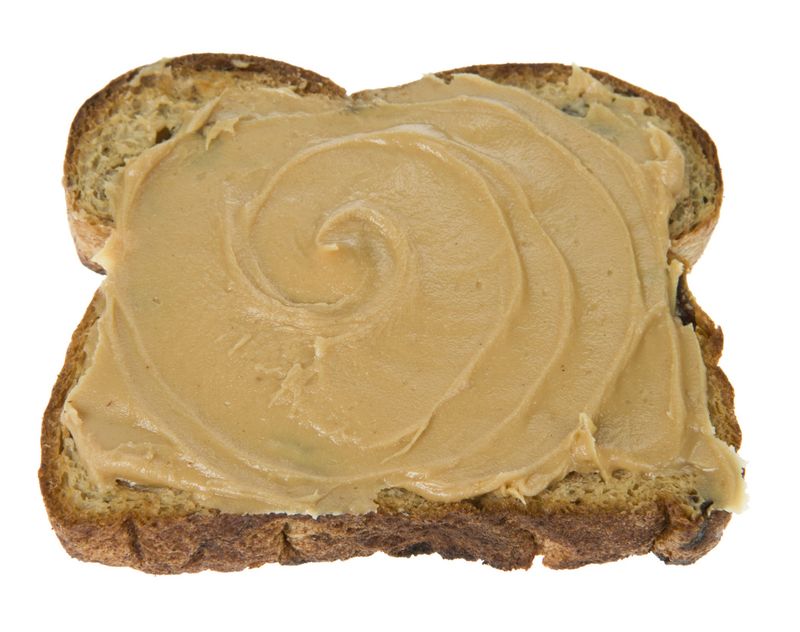
Peanut butter from the 1960s often gets remembered as tasting more like actual peanuts and less like dessert. People describe a roasted, nutty depth that felt stronger, with less sweetness crowding out the flavor.
In some jars, oil separation was common, which told you it was less stabilized and more natural by older standards.
That texture could be a little messier, but it also made the spread feel honest. You stirred it, spread it thick on soft bread, and got a taste that leaned savory as much as sweet.
For many families, peanut butter sandwiches felt heartier then, with a deeper peanut flavor modern versions sometimes smooth away.
5. Bologna and Hot Dogs
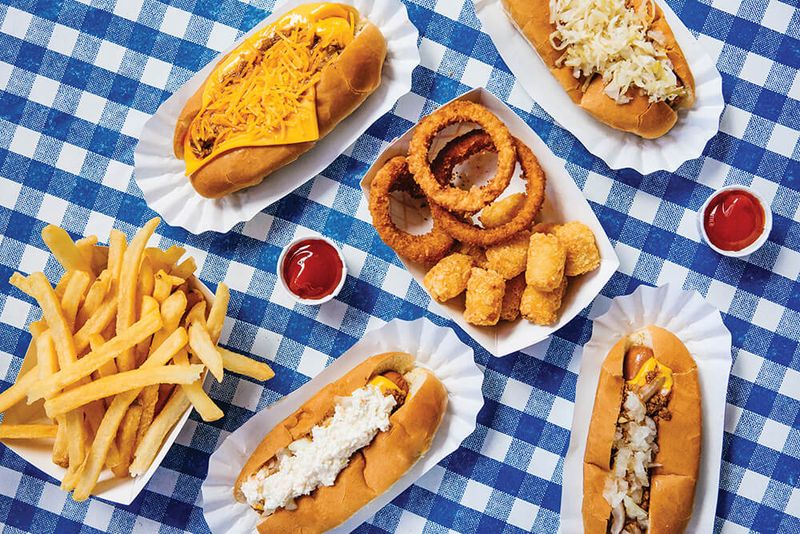
Bologna and hot dogs in the 1960s are often remembered as saltier, smokier, and more distinct from brand to brand. People talk about a stronger cured flavor and a firmer snap when you bit into a hot dog fresh off the grill.
Compared with many modern versions, they seemed less bland and less designed for perfect uniformity.
That sharper profile may come from different processing methods, spice blends, and smoke levels used at the time. Even simple lunches felt more memorable because the meat had personality, not just softness.
Fried bologna sandwiches, ballpark hot dogs, and quick suppers all carried a punchy savoriness that many people still miss.
6. Apples
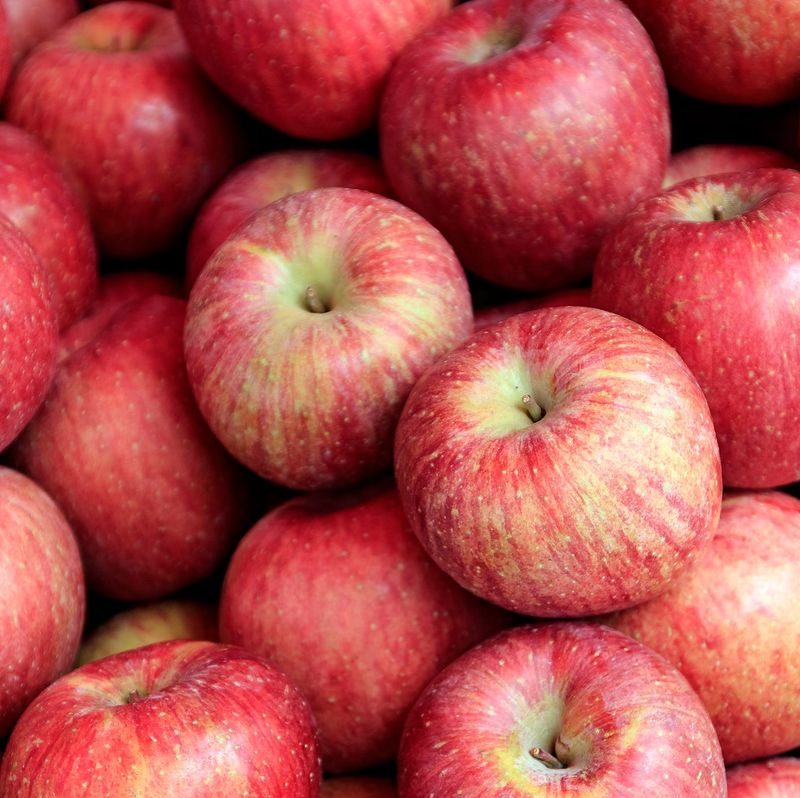
Apples from the 1960s are often described as more tart, more fragrant, and less predictably sweet than the polished ones stacked today. You bit in and got perfume, acid, and juice all at once, not just crunch.
Because varieties and storage methods were different, apples could feel more seasonal and less standardized.
That meant some were wonderfully sharp, some mellow, and some almost floral, depending on where and when you bought them. Modern breeding often favors sweetness, appearance, and shipping durability, which can flatten the old range of flavors.
A plain apple in a lunch sack once had enough character to be memorable without needing caramel or cinnamon.
7. Tomatoes
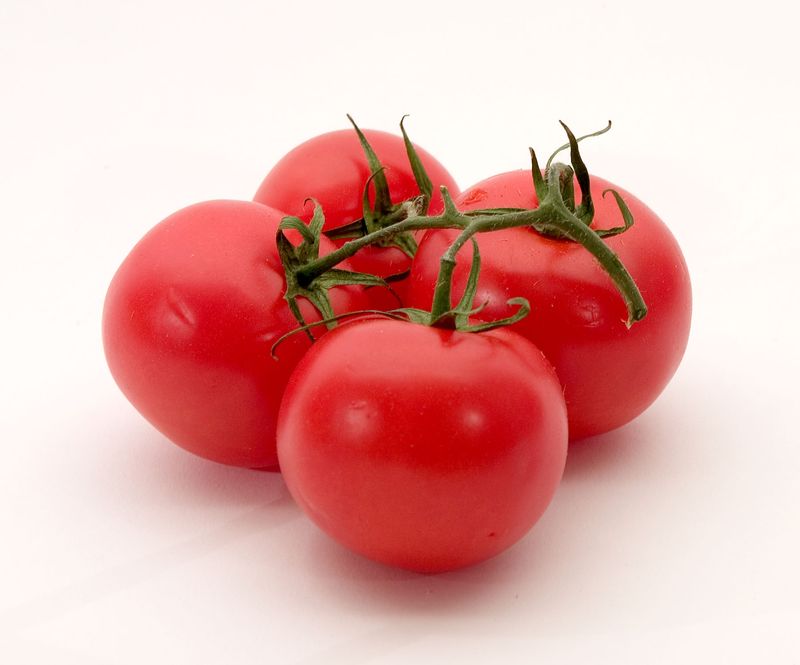
Tomatoes may be the clearest example of a food people insist tasted better in the 1960s. They remember deeper aroma, brighter acidity, and that unmistakable tomato flavor that filled a kitchen when one was sliced.
Garden tomatoes especially made supermarket versions seem pale, watery, and strangely quiet by comparison.
Back then, more tomatoes were truly seasonal, so you waited for them and noticed the payoff. Modern varieties are often bred for durability, uniform shape, and shipping, which can mute the flavor you really want.
A tomato sandwich with salt, pepper, and mayonnaise once tasted so complete that it barely needed bread to feel like a meal.
8. Oranges
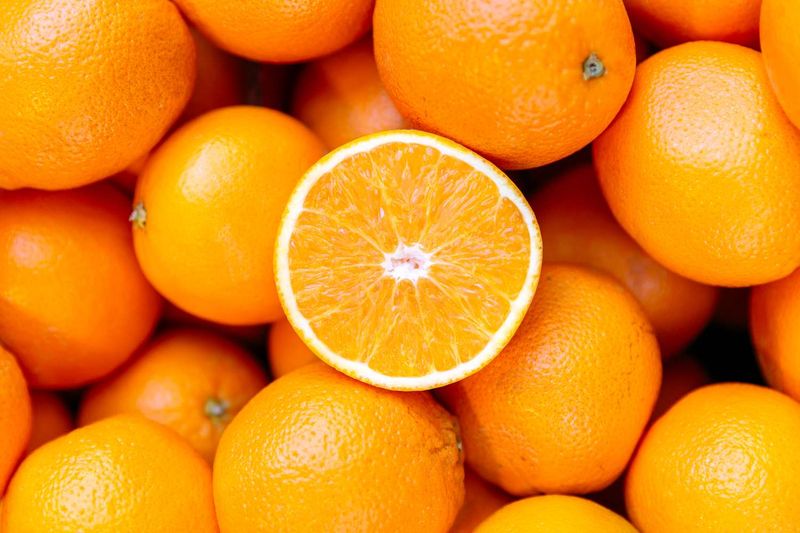
Oranges in the 1960s are often remembered as more aromatic the moment the peel broke open in your hands. Instead of tasting uniformly sweet, they could be brighter, tangier, and a little less predictable from one piece of fruit to the next.
That variation made them feel fresher and more connected to season and place.
Modern supply chains reward durability and appearance, so flavor sometimes seems like only one goal among many. Older oranges may not always have been perfect looking, but people remember them smelling incredible across the whole room.
Whether packed in a lunch or served at breakfast, they often delivered a lively citrus punch that felt more natural.
9. Chicken
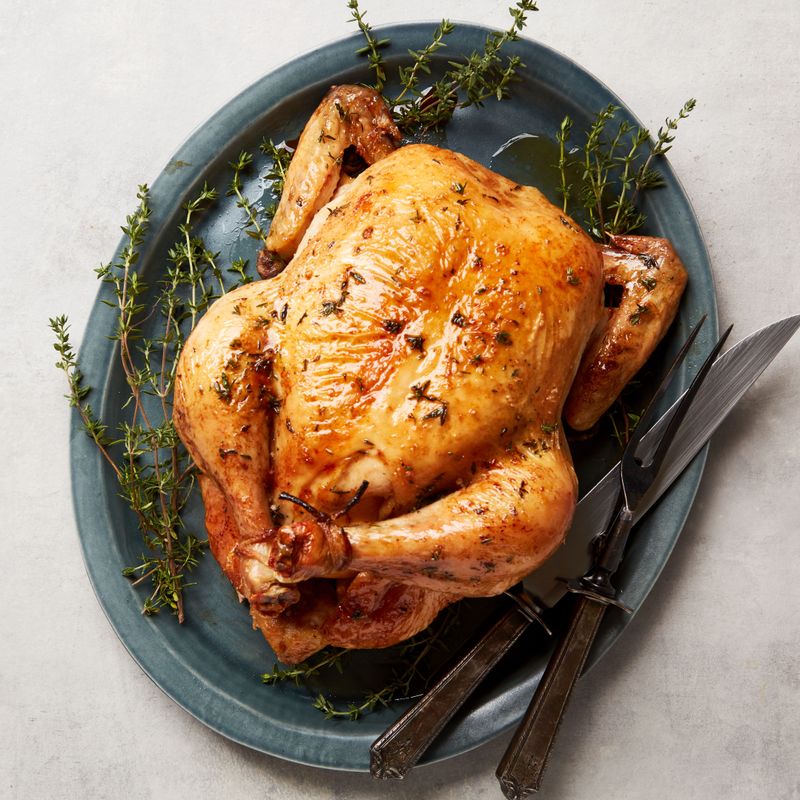
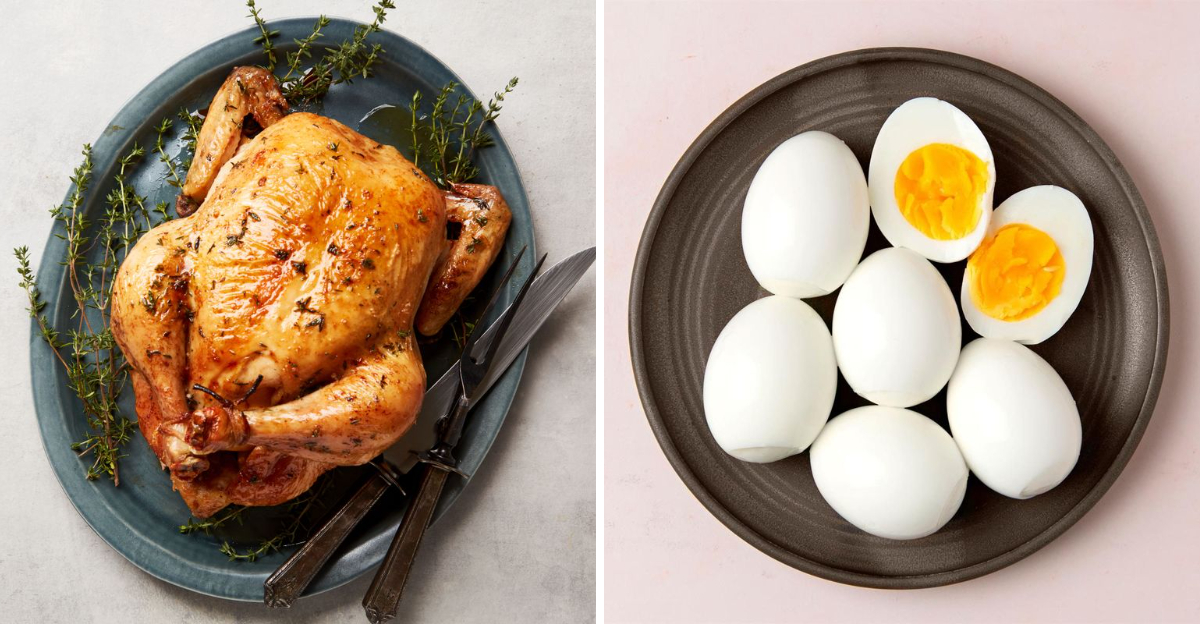
Chicken from the 1960s gets remembered as tasting more like chicken, which sounds vague until you compare it with the mildness many people notice now. The meat is often described as firmer, a little less watery, and more flavorful all the way through.
Even broth from the pan seemed richer and more distinctly savory.
Modern chickens are bred for fast growth and tender meat, but some people think that came with a loss in depth. Earlier birds may have had more texture, yet that chew often translated into stronger flavor on the plate.
Fried chicken, chicken soup, and Sunday roasts all seemed to carry a fuller, more old-fashioned taste.
10. Eggs
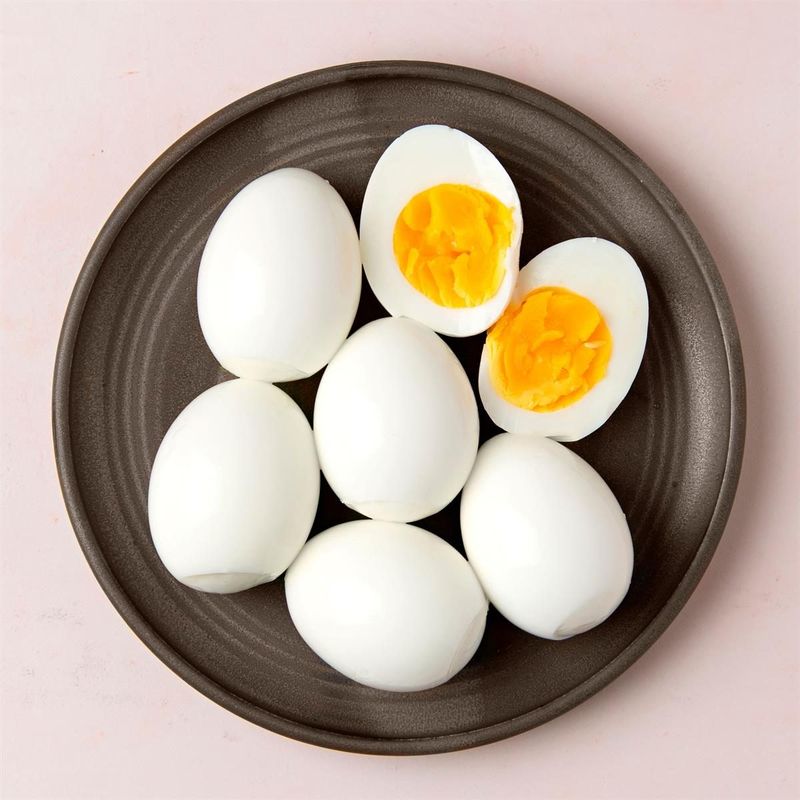
Eggs in the 1960s are often remembered for their deeper yolk color and richer, almost buttery flavor. With more backyard hens and local sources in the mix, eggs could vary in appearance and taste in ways people noticed right away.
That variation made breakfast feel less standardized and more genuinely fresh.
When you fried or scrambled them, the aroma seemed fuller, and the yolks looked sunnier on the plate. Many people still compare modern eggs to those older ones and say today’s versions can taste flatter.
Whether tucked into a sandwich or served beside bacon and toast, eggs once seemed to bring more personality to simple meals.
11. Ice Cream

Ice cream from the 1960s is often remembered as richer, creamier, and made from shorter ingredient lists that let the dairy shine. People say it melted differently too, softening into a silky puddle instead of holding an oddly foamy shape.
That simple behavior made it feel more like real cream and less like a lab project.
Flavors also seemed cleaner and more direct, whether you were eating vanilla, chocolate, or strawberry. Instead of overwhelming sweetness, many remember a cream-forward taste that lingered after each spoonful.
From cartons in the freezer to cones at the drugstore counter, ice cream often felt like a genuine indulgence rather than just a cold snack.
12. Chocolate Candy Bars
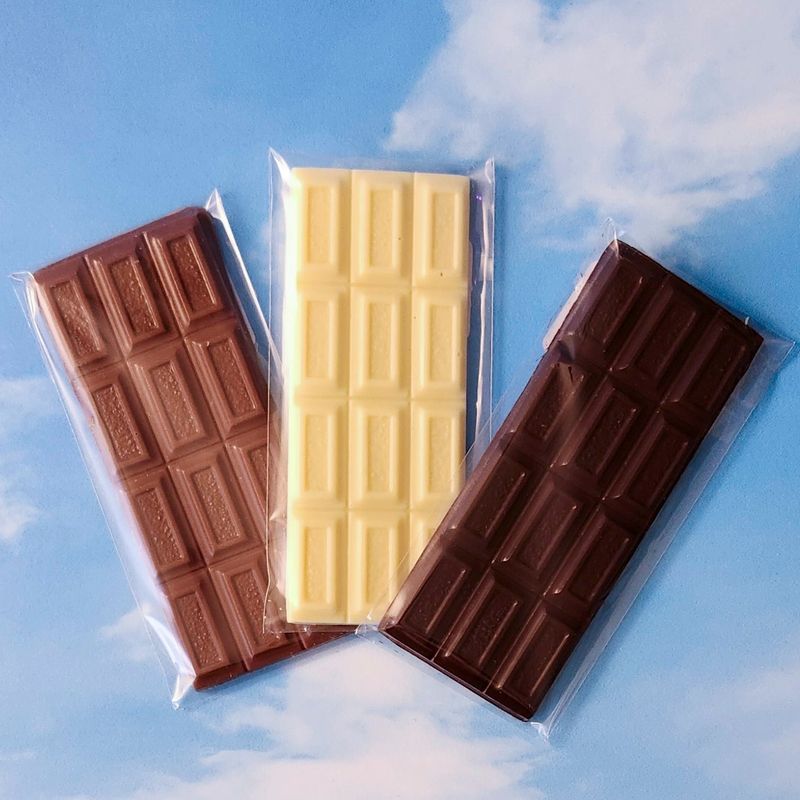
Chocolate candy bars from the 1960s are often remembered as tasting stronger, smoother, and less waxy than some people notice today. The chocolate itself seemed to have more presence, with a deeper cocoa note instead of just sweetness and texture.
Even familiar bars felt a little more serious, despite being everyday treats.
Changes in formulations, ingredient sourcing, and manufacturing have likely shaped that memory over time. People who compare old and new versions often say the older bars melted better and left a richer finish on the tongue.
Whether bought at a corner store or tucked into a lunch, a simple chocolate bar once seemed more satisfying per bite.
13. Cereal
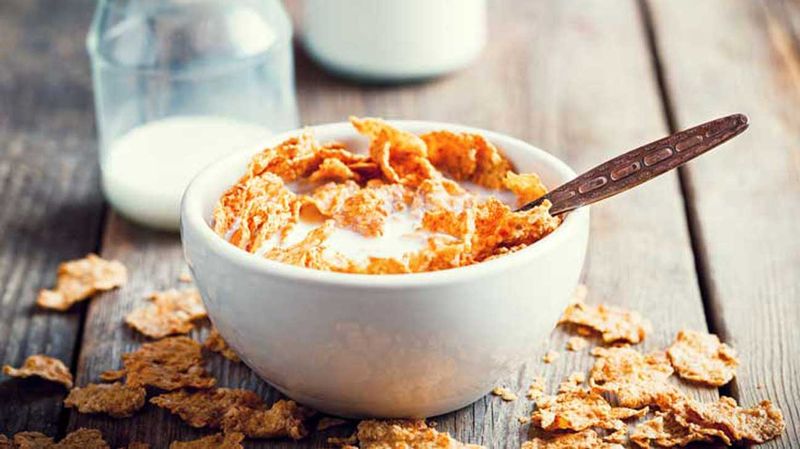
Cereal in the 1960s is often remembered as having a stronger toasted flavor that made breakfast smell better before the first spoonful. Even sweet cereals seemed grain-forward, with a roasted note underneath the sugar.
That balance made them feel more substantial, especially when milk softened them just enough.
Recipes, portion sizes, and sweetener levels have all changed over the decades, so the taste memory is not hard to understand. Many people recall cereals seeming less aggressively sweet and more distinct from one another in texture.
From corn flakes to oat shapes to puffed grains, the bowl tasted like toasted breakfast first and marketing second.
14. Soda

Soda from the 1960s gets remembered with almost the same language every time: cleaner sweetness, better fizz, and a different mouthfeel. In many places, cane sugar gave it a profile people still describe as less syrupy and more crisp.
The carbonation also seemed to carry flavor differently, making each sip feel brighter.
Because formulas and sweeteners have changed over time, that memory has a real foundation beyond nostalgia alone. People often say old soda tasted less sharp in one brand and more lively in another, depending on the bottle and region.
Served ice cold from glass, it felt like a treat with personality instead of just sugar and bubbles.
15. Canned Soup
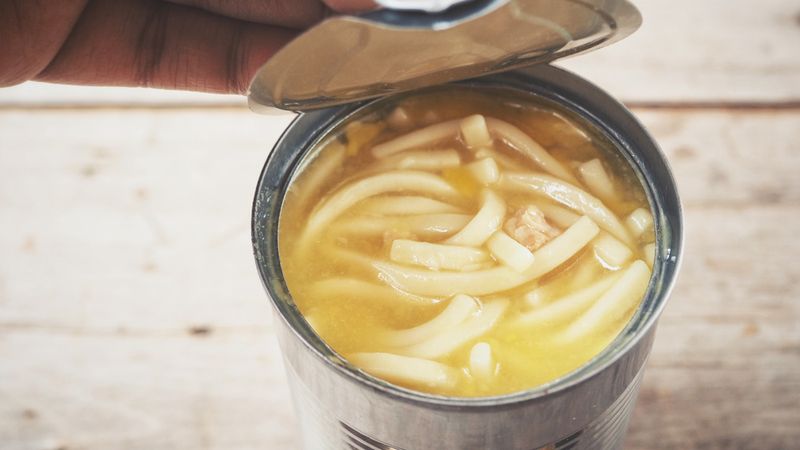
Canned soup was a true pantry staple in the 1960s, and many people still remember its unmistakable, concentrated taste. It was salty, savory, and immediately recognizable, whether you heated it for lunch or used it in a casserole at dinner.
That familiar flavor became part convenience food, part comfort ritual.
Modern versions may be lighter in sodium or adjusted to fit changing preferences, but that also changes the memory on your tongue. Some people say today’s soups taste thinner, less rich, or simply less specific than they once did.
In the 1960s, a can of tomato, chicken noodle, or cream soup could feel oddly satisfying in a way that was bigger than the bowl.