15 Fascinating Food Facts About Mushrooms
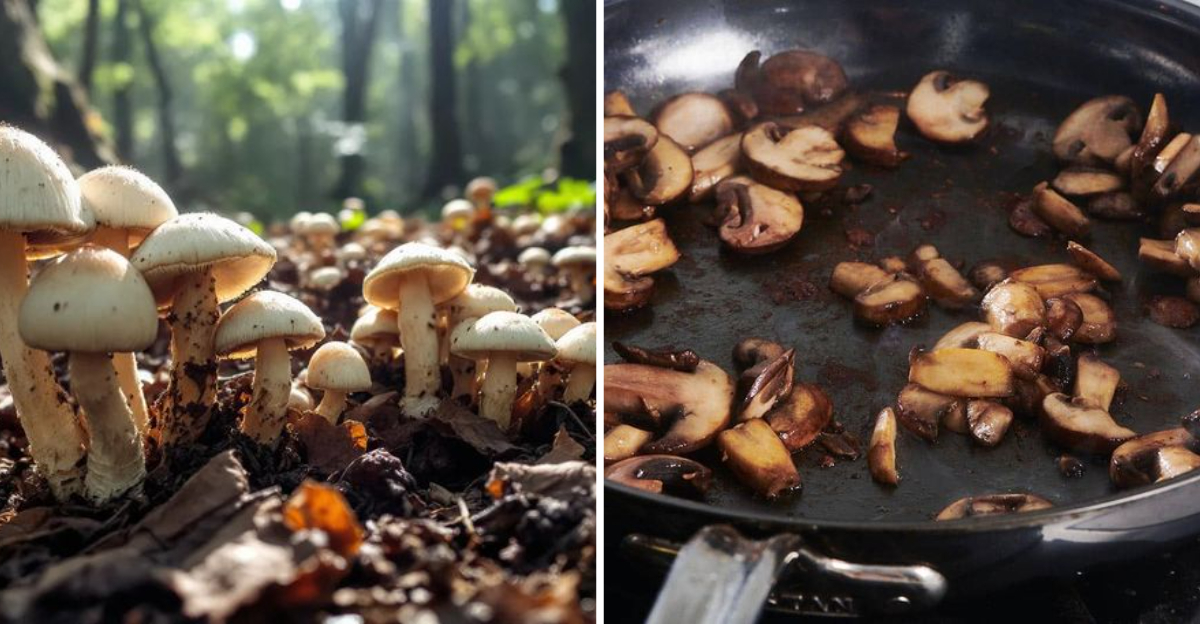
Mushrooms are the kind of ingredient that rewards curiosity. Once you notice their quirks, you start cooking them better and tasting more.
This guide digs into smart, practical facts that explain why mushrooms behave the way they do in your pan. Get ready for richer browning, deeper flavor, and a lot fewer soggy bites.
1. Mushrooms are fungi, not plants
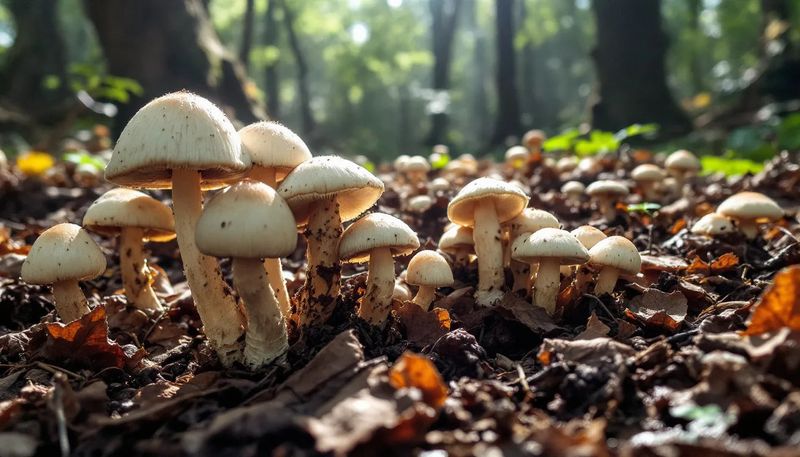
Mushrooms belong to the fungi kingdom, not the plant world, and that difference changes everything you taste. Instead of chlorophyll and seeds, you are dealing with spores, chitin, and intricate mycelial networks.
That structure explains their springy bite and why they behave differently from vegetables.
Because they are fungi, mushrooms deliver big umami from natural glutamates and nucleotides. You will notice they brown like meat when heat and air circulate properly.
Understanding their biology helps you season smarter, cook hotter, and pair them with ingredients that make their savory depth shine.
2. Mostly water, so they shrink
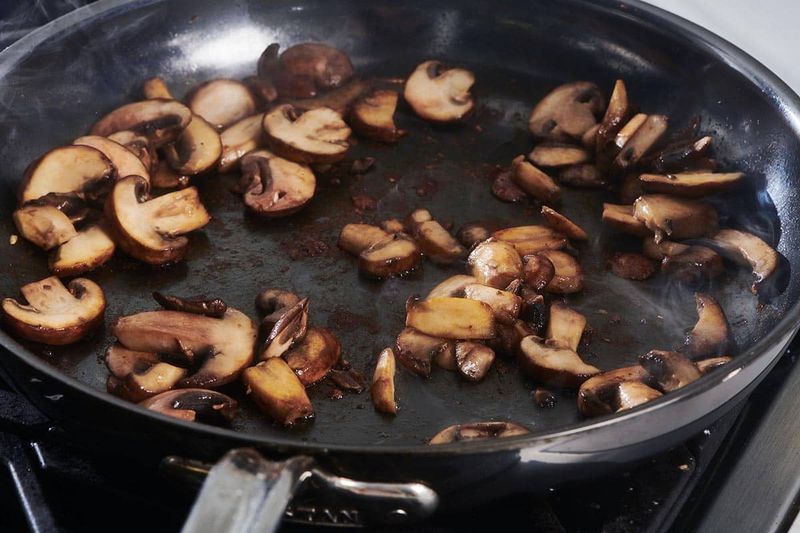
Mushrooms are mostly water, which is why a heaping pan can cook down to a humble pile. You will see them release liquid quickly, then slowly reduce as steam escapes.
This shrinkage concentrates flavor, tightens texture, and prepares the surface for serious browning.
Plan for that volume loss. Start with more mushrooms than you think, use wider pans, and keep heat high.
As moisture evaporates, you will notice aromas deepen and edges turn golden. The result is a denser, meatier bite that loves butter, herbs, and a squeeze of lemon to brighten everything.
3. High heat and space create browning
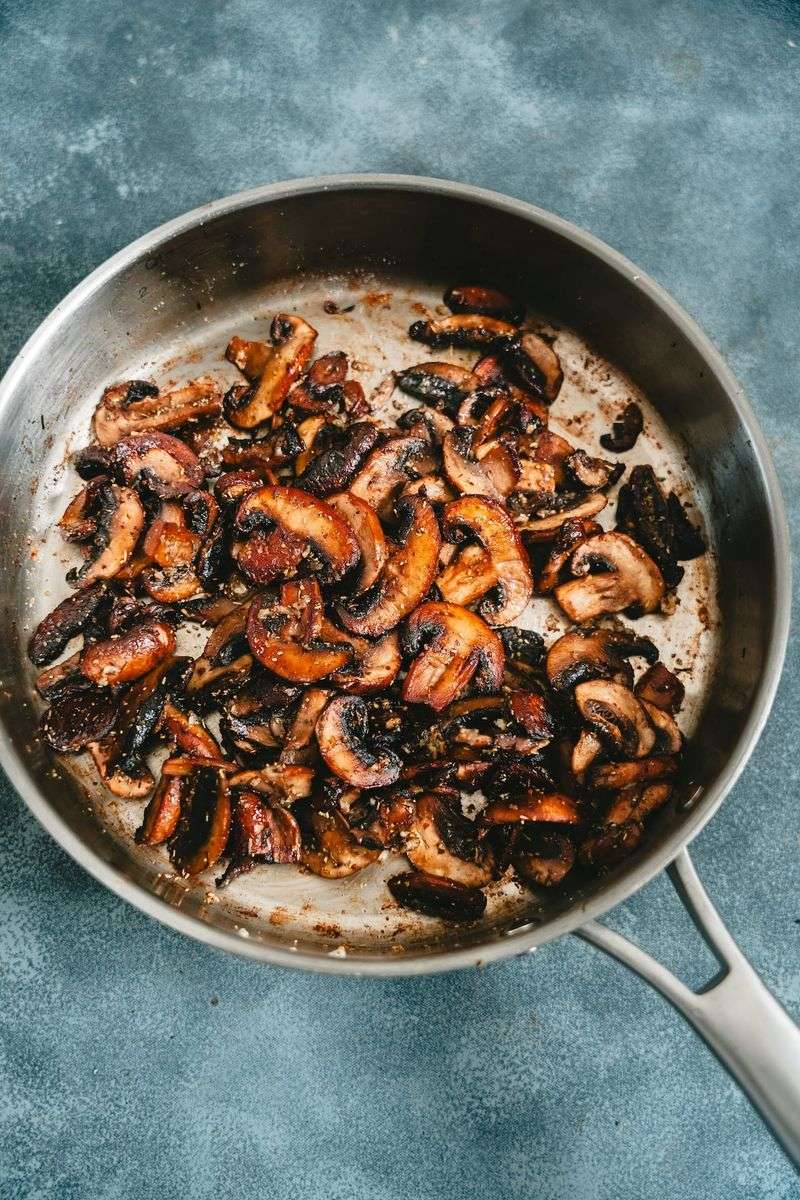
Crowded mushrooms steam and stay pale. Give them room, crank the heat, and they will build a golden crust that tastes deeply savory.
Spacing exposes more surface to dry heat, so evaporation happens faster and the Maillard reaction can get to work.
Use a wide skillet, resist constant stirring, and wait for that first side to really color. You will hear a sizzle rather than a weak hiss.
Once browned, toss with butter and aromatics. The contrast between crisp edges and tender centers is what makes simple mushrooms feel restaurant worthy on toast, pasta, or steak.
4. Mushrooms soak up flavor like sponges
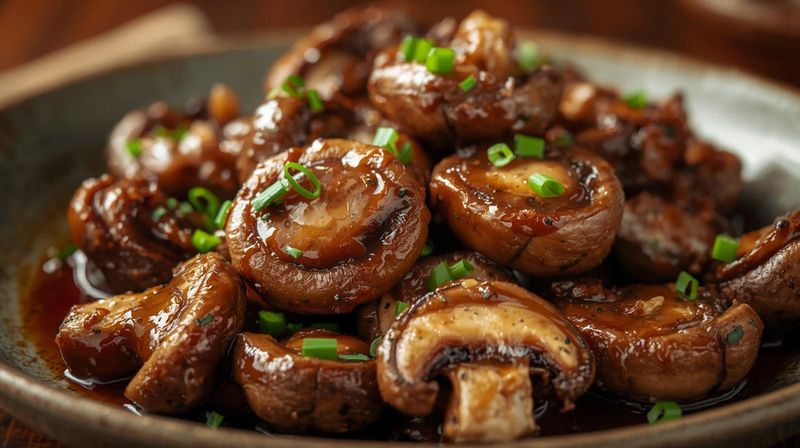
Cut mushrooms act like tiny sponges for fat and seasoning. When you add oil or butter early, they drink it up, carrying flavor into every bite.
This makes them perfect for garlic butter, soy glaze, miso, or wine reductions that cling to their surfaces.
Balance is key. Start with a modest amount of fat, let water escape, then add more butter near the end.
You will get glossy, rich mushrooms that are not greasy. Deglaze with sherry or stock, and scrape up the fond.
That sauce, absorbed and glazed, turns weeknight mushrooms into something special.
5. They release liquid before they brown
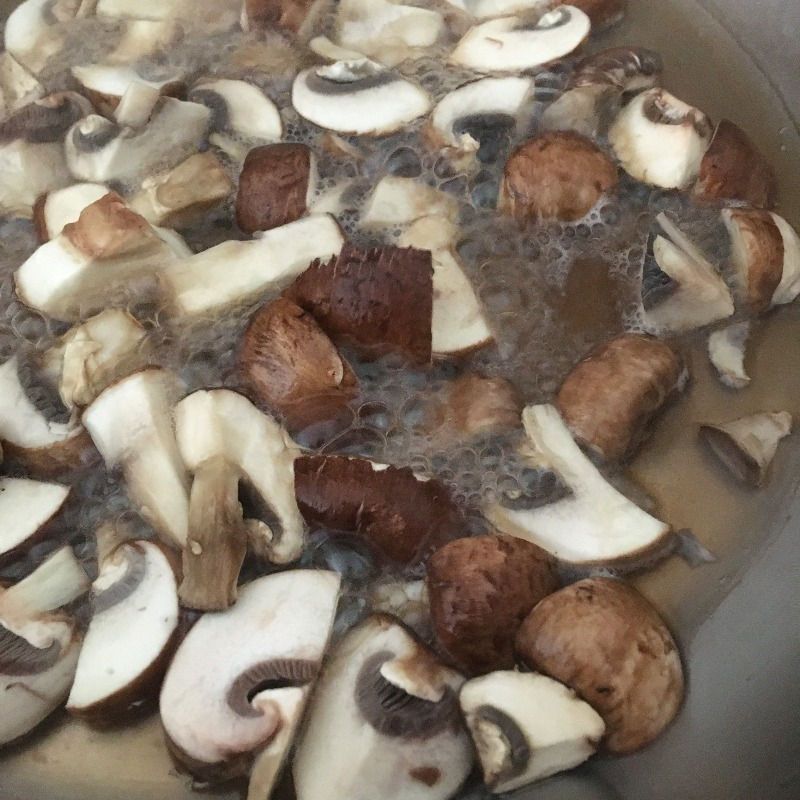
When mushrooms hit heat, they first release a surprising amount of liquid. That puddle can look worrying, but it is the path to flavor.
Keep the burner high and be patient while the water boils off, concentrating everything left behind.
Stir occasionally to prevent sticking, but avoid crowding more. Once the pan goes from simmering to sizzling, browning happens fast.
You will see edges caramelize and smell toastier notes. At this point, add butter, herbs, and salt to finish.
That watery phase sets up the golden, savory result you actually want.
6. Salt timing changes texture
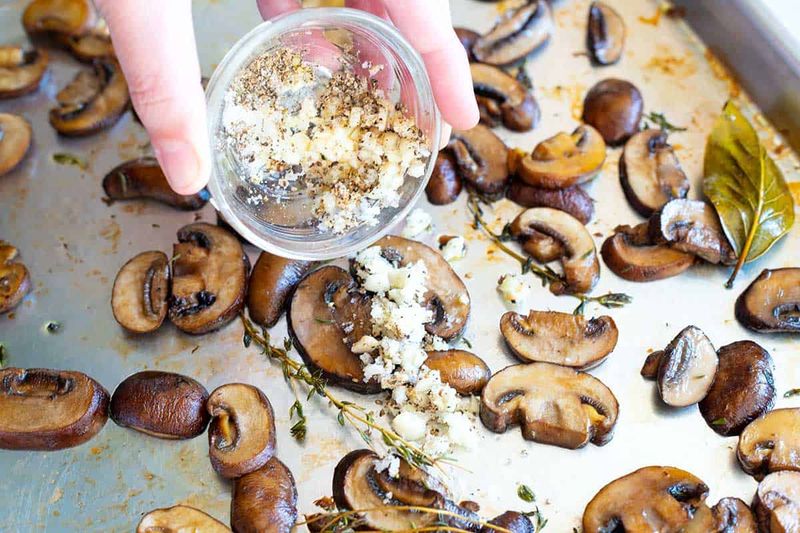
Salt pulls moisture out of mushrooms. If you salt early, they shed water faster and soften sooner, which is great when you want tender slices in a saucy dish.
Salt later and they will brown more before relaxing, delivering a chewier, meatier bite.
Choose your timing based on the goal. For crisp golden edges, wait until the watery phase passes.
For quick softening in stir-fries or soups, season earlier. A final sprinkle at the end sharpens flavor without flooding the pan.
Small timing tweaks give you real control over texture and browning.
7. Umami comes from natural glutamates
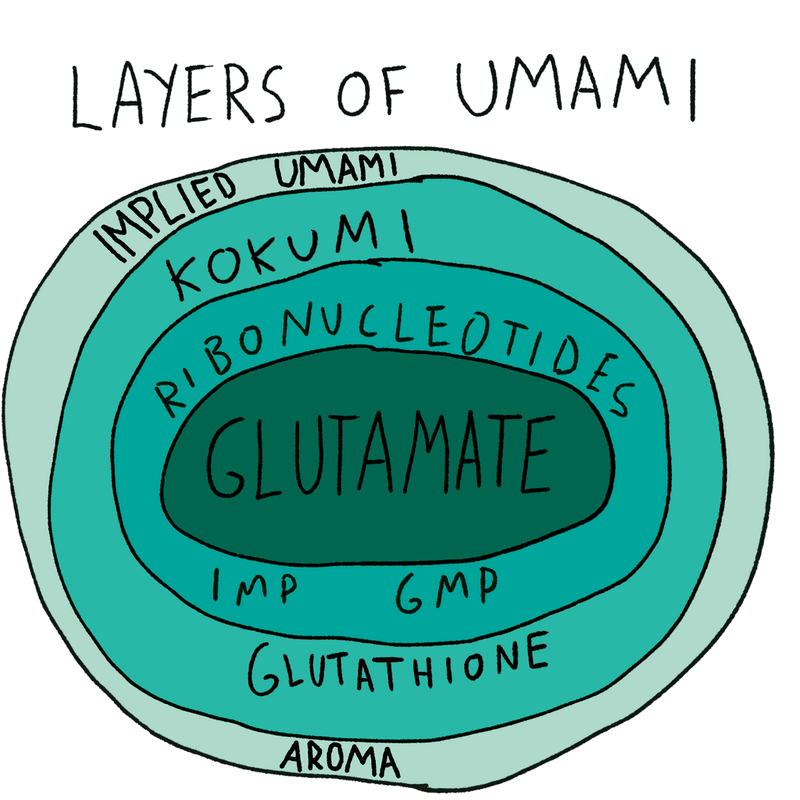
The meaty taste you love in mushrooms is umami, driven by glutamates and synergistic nucleotides like GMP. These natural compounds amplify savoriness the way Parmesan, soy sauce, and tomatoes do.
Pairing them multiplies impact, which is why cream sauces, miso, or anchovy butter feel luxurious.
Cook to concentrate. Browning and reduction boost those flavors, while a little acidity wakes them up.
You can also combine fresh and dried mushrooms to stack umami layers. Remember to taste and adjust salt, because umami is not saltiness.
It is depth, warmth, and that moreish quality that keeps you reaching back.
8. Different mushrooms cook differently
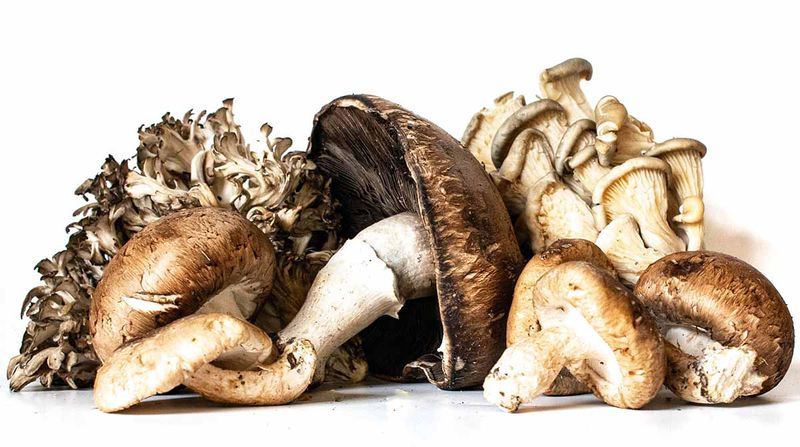
Not all mushrooms behave the same. Button and cremini are mild and forgiving, perfect for everyday sautés.
Shiitakes bring a stronger aroma and a chewier cap, while oysters cook lightning fast and can crisp beautifully. Portobellos act like steaks, soaking marinades and taking high heat.
Match technique to type. Slice oysters thin for chips, sear shiitakes to concentrate flavor, and roast portobellos for burgers.
Mixing varieties builds complexity in one pan. When you learn each personality, you stop guessing and start getting repeatable, delicious results every single time.
9. Dried mushrooms are flavor bombs
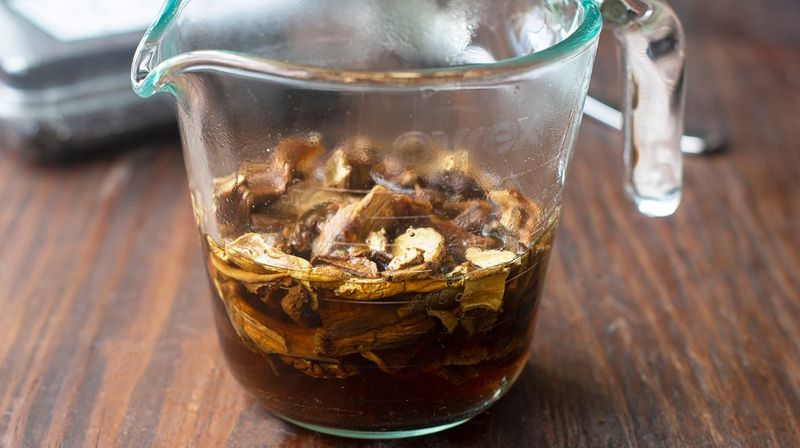
Drying concentrates mushroom flavor into something smoky, woodsy, and intense. A handful of dried porcini or shiitake can transform risotto, ramen, or pan sauces.
Soak them in hot water until pliable, then chop and sauté as usual. Do not forget the soaking liquid.
That dark, fragrant broth is liquid gold. Strain it through a coffee filter to catch grit, then reduce or add straight to soups and gravies.
Even a small splash can add depth that tastes slow-cooked. Keep a jar in the pantry and you will never face bland weeknight sauces again.
10. Rinsing is fine if you dry well
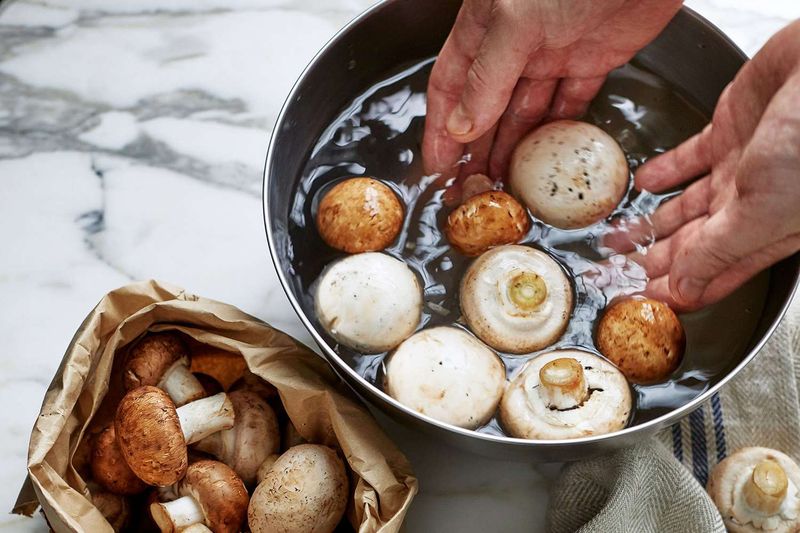
Washing mushrooms is not the disaster people fear. A quick rinse loosens dirt without turning them waterlogged, as long as you dry them well.
Spread on towels or a rack and let surface moisture evaporate. The real browning killer is wet surfaces and overcrowded pans.
Brush when pristine, rinse when gritty. Trim muddy ends, then cook in a hot, wide skillet.
You will still get that gorgeous sear and concentrated flavor. The key is managing moisture, not avoiding it completely.
Clean mushrooms taste better, and clean pans brown better too.
11. Longer cooking can taste better
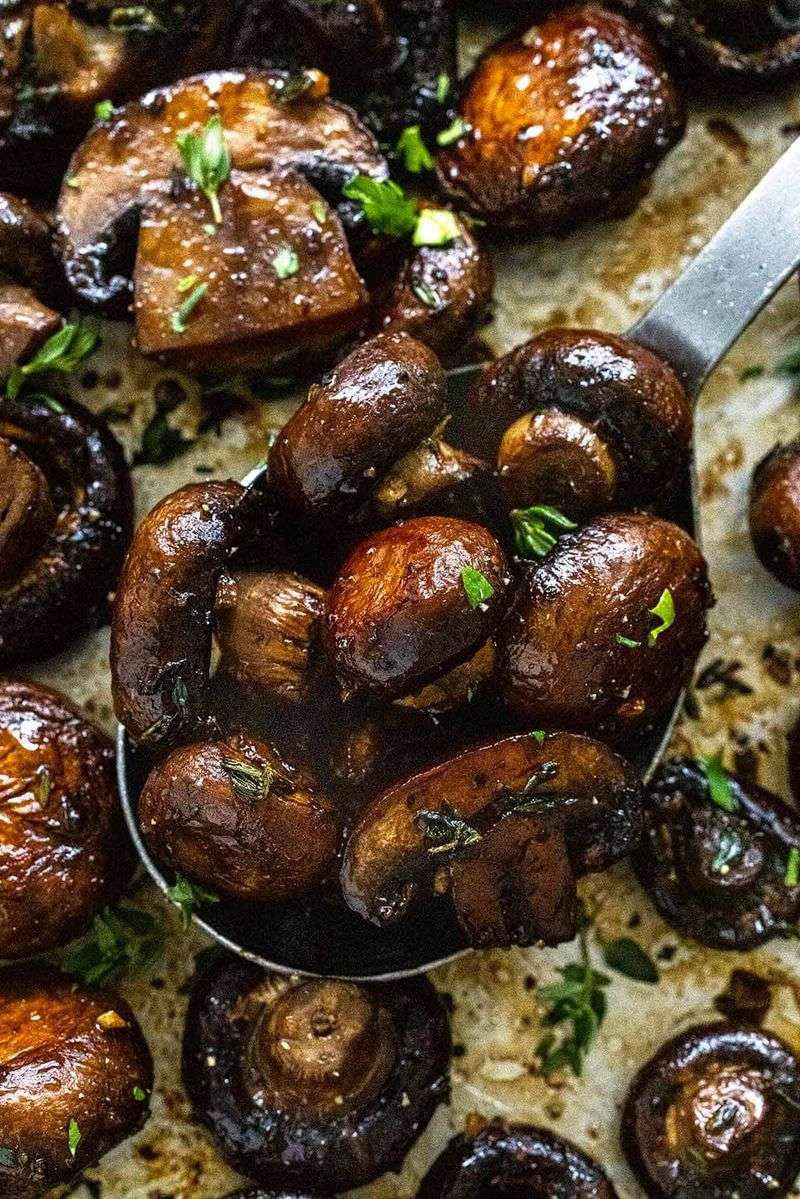
Mushrooms handle time and heat better than many vegetables. A longer cook drives off moisture, concentrates savoriness, and turns tough edges supple.
Think slow skillet braises with butter, garlic, and thyme, or roasted pans left until edges crisp and centers go silky.
Do not rush. Let them reduce, then glaze with stock, wine, or soy.
The transformation is dramatic, shifting from bland and bouncy to complex and tender. Use this approach for toast toppers, polenta, and pan sauces that cling.
Your patience is rewarded with depth that tastes like hours of careful work.
12. Mushrooms love dairy
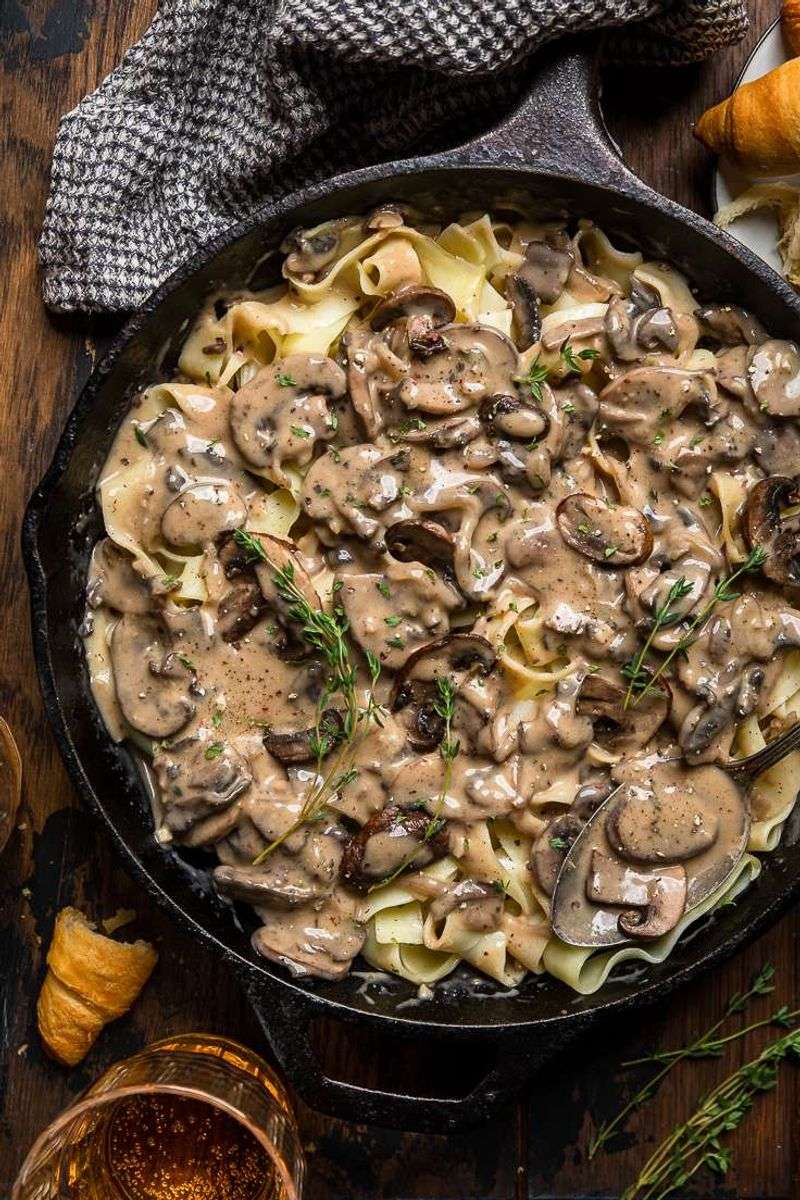
Cream, butter, and cheese smooth mushrooms’ earthy edges and round out their umami. That is why creamy pastas, stroganoff, and gratins taste so comforting.
Dairy carries aroma compounds and adds body, making simple sautés feel luxurious with a quick splash of cream.
Build layers. Brown the mushrooms, then add garlic, deglaze with wine, and finish with cream or mascarpone.
Parmesan or Gruyere adds extra umami. A squeeze of lemon or a pinch of mustard keeps richness lively.
You end up with a sauce that hugs noodles, steak, or toast like it was meant to be there.
13. Stretch meat with chopped mushrooms
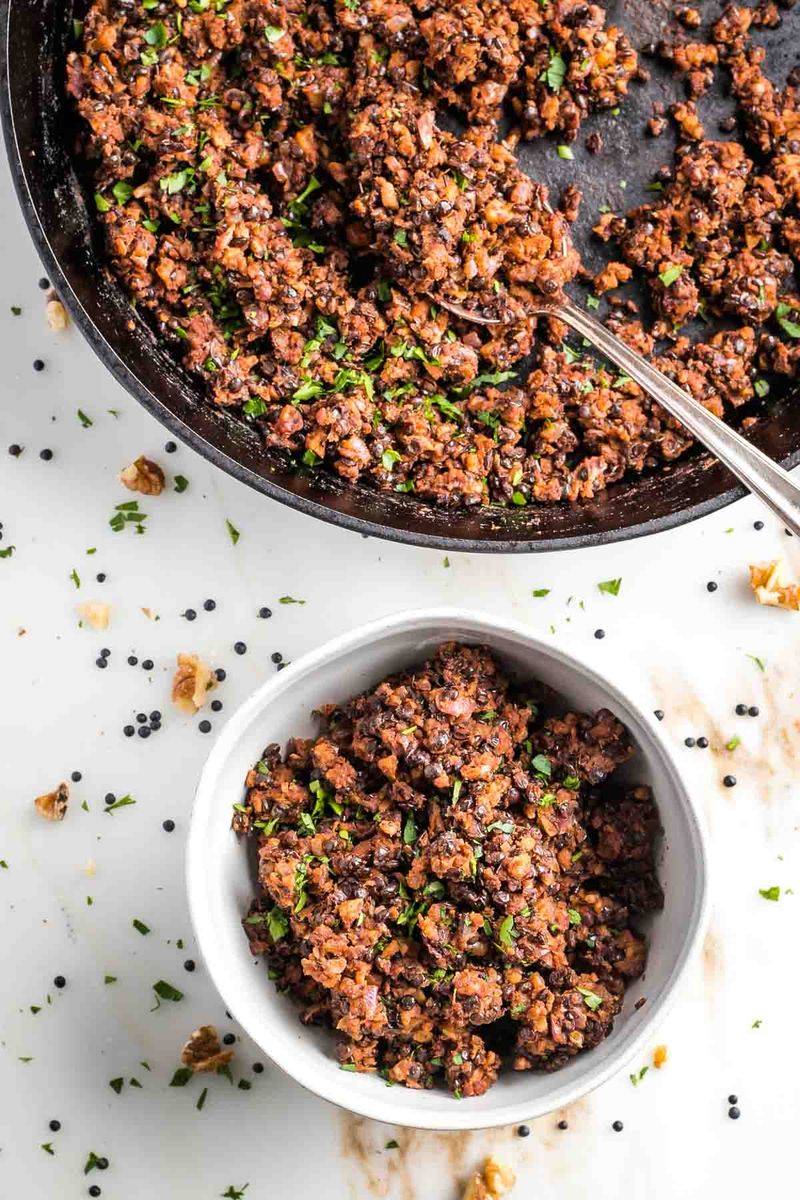
Chopped mushrooms blend seamlessly with ground meat, adding moisture and umami while reducing cost and saturated fat. The mix stays juicy because mushrooms hold water and release it gradually as they cook.
You get burgers, meatballs, and chili that taste hearty without feeling heavy.
Pulse mushrooms small, sauté briefly to drive off water, then fold into meat with seasonings. Start around 25 to 35 percent mushrooms by weight.
You will notice better browning and fewer dry bites on the grill. This trick is practical, delicious, and friendly to weeknight budgets.
14. They can turn crispy
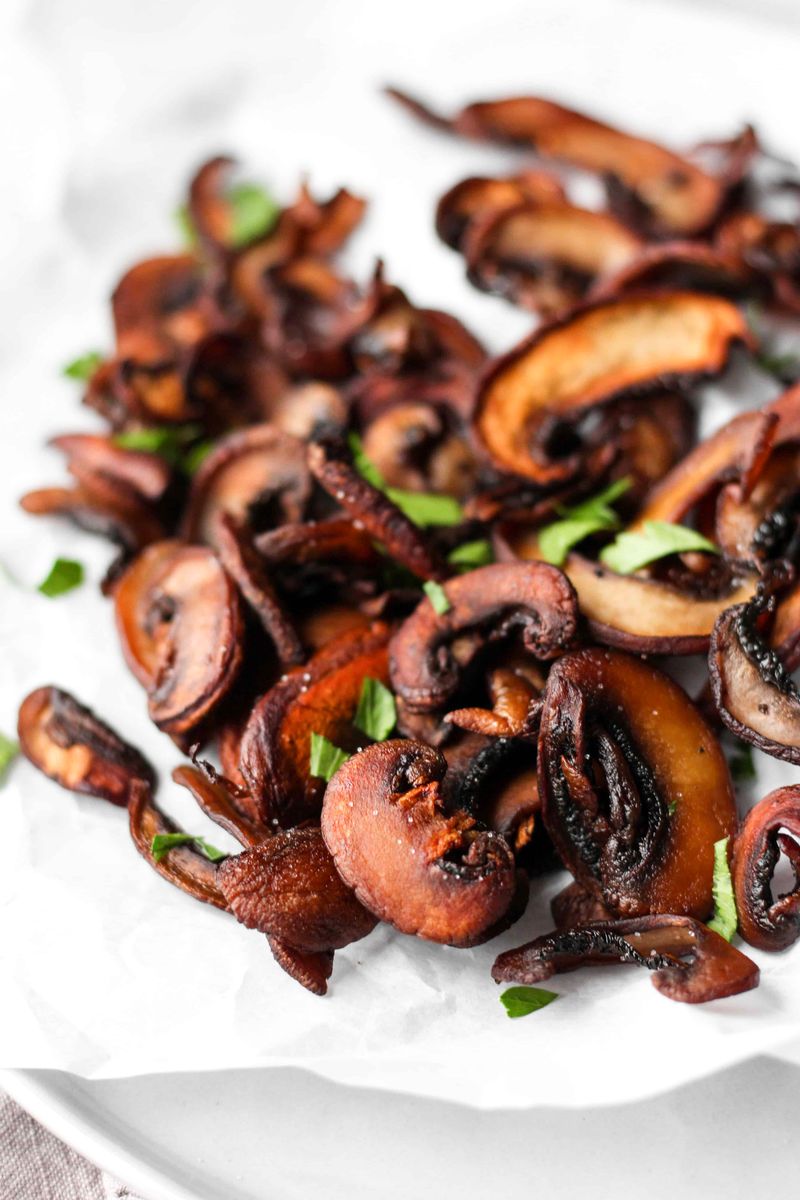
Thin slices of mushrooms can roast or sauté into chips with shattering edges. The key is dryness, high heat, and enough oil to conduct heat without pooling.
Spread in a single layer, flip once, and let them go past merely golden into audibly crisp.
Use as a savory garnish on salads, risotto, and creamy soups. Season with salt, pepper, and maybe smoked paprika.
You will get concentrated umami and a satisfying crunch that surprises people. It is a smart way to add texture when croutons feel heavy.
15. Stems are often useful

Do not toss stems automatically. Many are tender and flavorful, perfect for chopping into sautés, omelets, dumpling fillings, or duxelles.
Tougher stems, like shiitake, can be simmered for broth that tastes woodsy and clean. Strain and use that liquid to boost soups and pan sauces.
Trim dried ends, mince, and cook until moisture evaporates and aroma deepens. Fold into buttered noodles or fold beneath a seared steak.
You will waste less and taste more. Stems are flavor, texture, and thrift, all in one tidy pile.