15 Food-Pros Say to Skip at a Buffet
Buffets can be exciting, but not every tray is a smart pick. Food pros know that time, temperature, and handling make or break safety and flavor.
Want to fill your plate without second-guessing every bite? Here are the dishes experts quietly skip so you can cruise the line with confidence.
1. Pre-cut fruit and melon trays
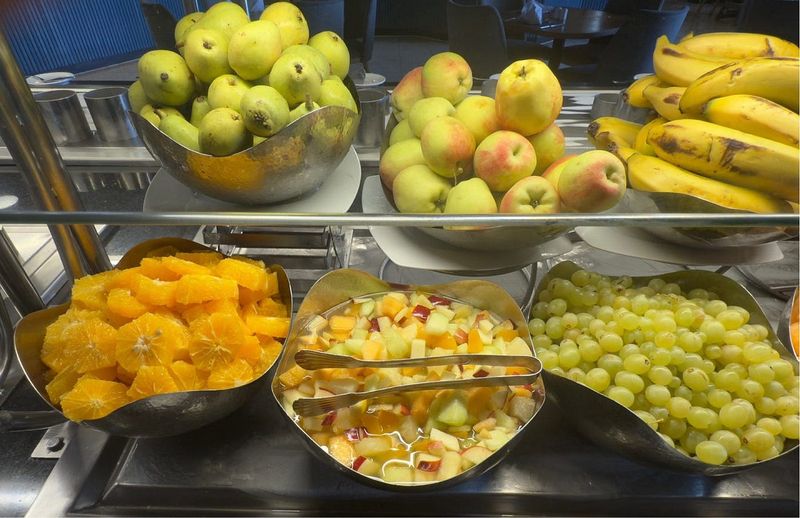
Pre-cut fruit looks bright and healthy, but it is surprisingly risky at a buffet. Once fruit is cut, it loses its natural protective barrier and warms quickly on shallow ice.
You cannot tell how long it sat out, and cross-contact from shared tongs is common.
Warm melon especially becomes a playground for bacteria, and diluted ice baths may not keep it cold enough. If the cubes look glossy, weepy, or slightly soft, that is a red flag.
You want fruit that is truly chilled, replenished frequently, and kept in deep, cold pans.
When in doubt, skip it and choose whole fruit if offered. Or pivot to something cooked and steaming hot.
Your stomach will thank you later.
2. Leafy green salads already dressed
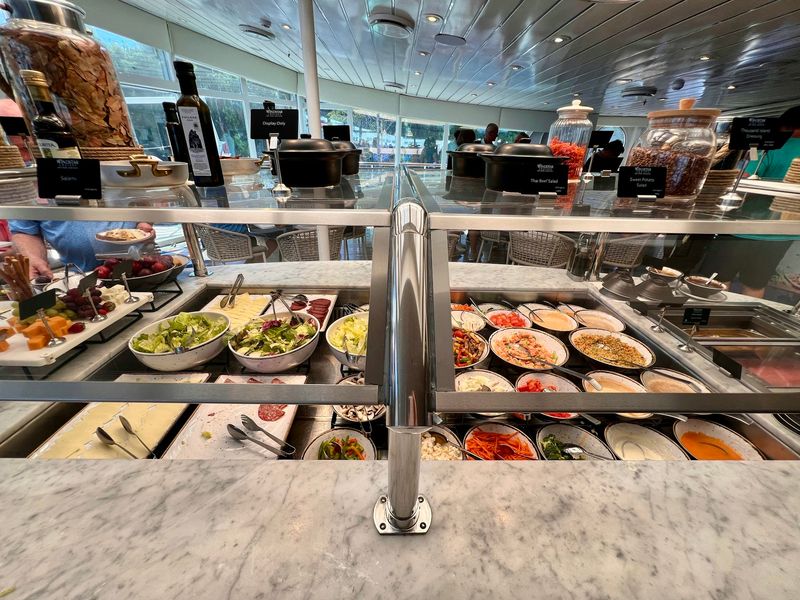
Pre-dressed greens may look glossy and appetizing, but they deteriorate fast under buffet conditions. Dressing pulls water from leaves, making them soggy and limp.
Pooled liquid at the bottom signals breakdown, diluted flavor, and possible temperature issues.
Shared tongs and constant stirring introduce contamination and speed spoilage. If the bowl is enormous and turnover seems slow, quality nosedives even faster.
You are better off building your salad from undressed greens and adding dressing yourself.
Look for crisp textures, condensation on containers, and small, frequently refreshed batches. If you cannot find those signs, skip and choose raw vegetables you can dress to taste.
Crunch beats wilt every time, and safety follows freshness.
3. Creamy salads like potato, macaroni, or coleslaw
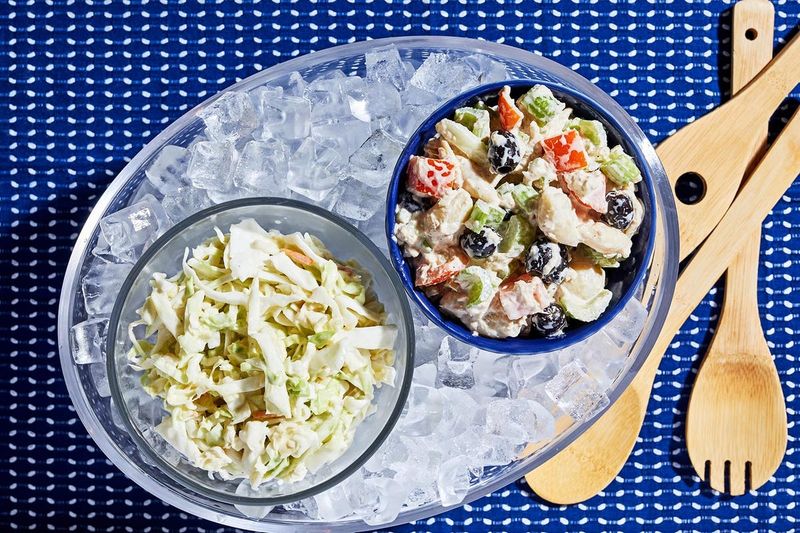
Creamy salads ride the temperature danger zone like few other buffet staples. Mayonnaise-style dressings and tender starches invite bacterial growth when not kept truly ice-cold.
If you see melted ice, a glossy film, or a slightly warm bowl, consider it a pass.
Frequent stirring with shared utensils raises contamination risk. Big trays sit longer, and those salads can taste dull and heavy as they warm.
Professionals look for small batches swapped often and bowls nested deep in crushed ice.
If conditions are not perfect, skip and opt for hot, fresh sides instead. A steaming baked potato or roasted veg is a safer, tastier bet.
Trust your eyes and the temperature you feel.
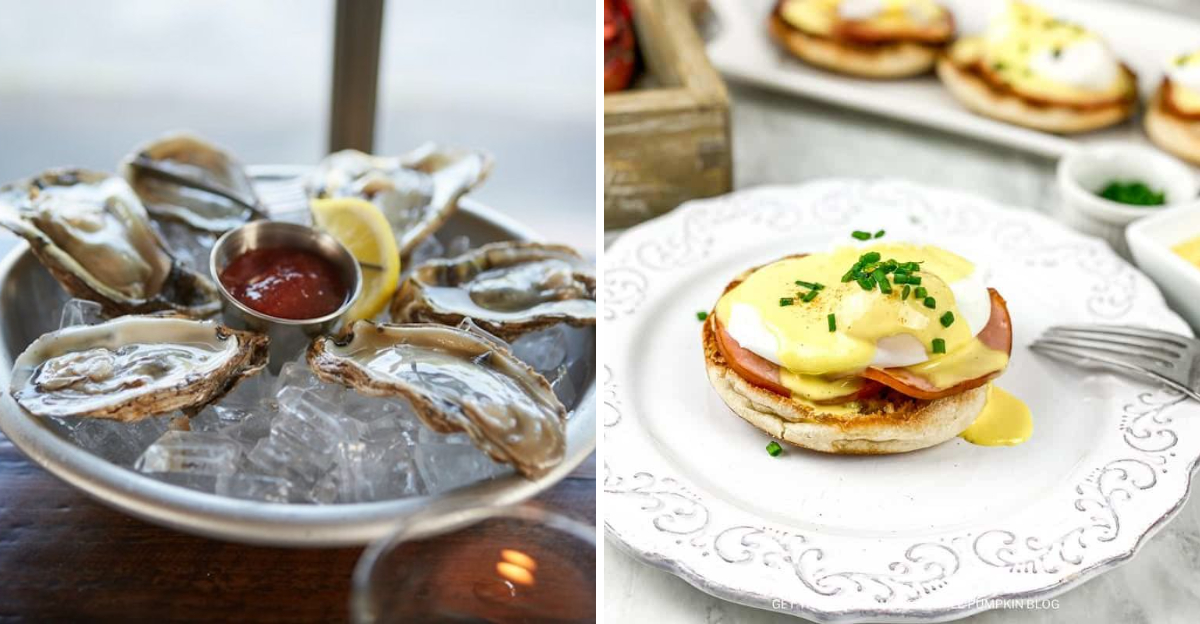
4. Shellfish and raw bar items
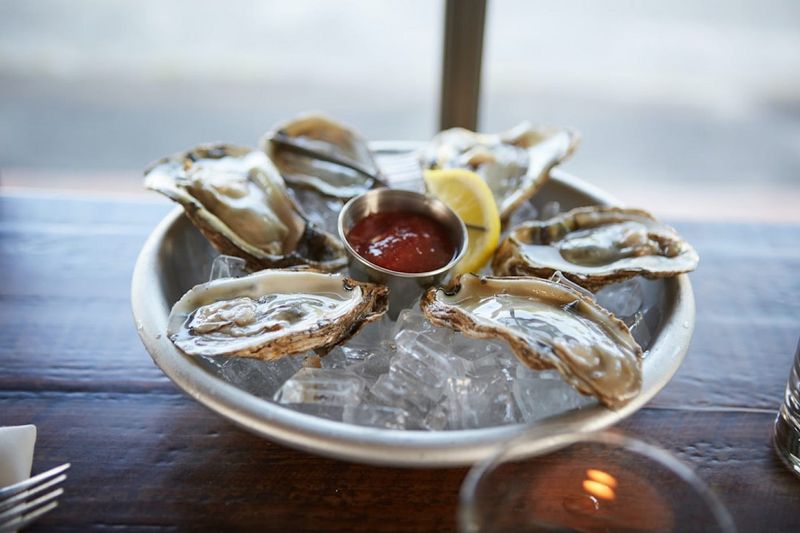
Shellfish are delicate, time-sensitive, and unforgiving if mishandled. At buffets, you cannot verify how recently items were shucked or cooked, or how consistently the ice is holding.
Thinning ice and room-temperature platters are instant red flags.
Even well-prepared shellfish can tip into unsafe territory if guests linger and tongs are shared constantly. Professional diners often save oysters and chilled shrimp for trusted raw bars with strict oversight.
Consistency matters more than abundance here.
If you really want seafood, choose something sizzling-hot from the grill or a made-to-order station. Heat is your friend when conditions are uncertain.
Otherwise, admire the display and keep moving down the line.
5. Sushi sitting on a room-temp display
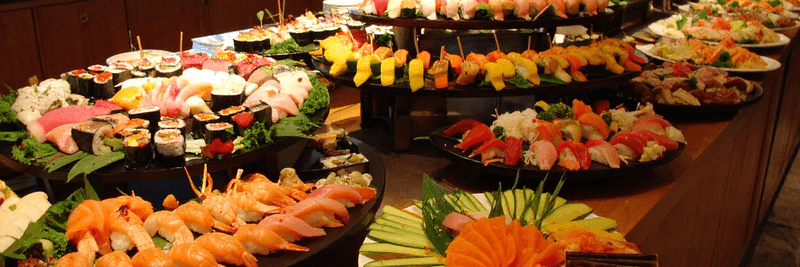
Sushi belongs on proper refrigeration or well-managed ice, not a room-temp slab. Warm rice and raw fish are a risky combo, and quality plummets as minutes pass.
If you do not see active rotation or clear cold holding, it is smart to skip.
Rice texture gives clues: dried edges, cracking, or gumminess signal time on the line. Fish should look firm, not glossy-wet or slumping.
Pros only nibble when turnover is brisk and trays stay small.
Prefer made-to-order rolls from a live station if available. Otherwise, choose hot, freshly cooked seafood instead.
Your taste buds and stomach both win when temperature control is obvious and tight.
6. Rare or medium-rare carving station meats
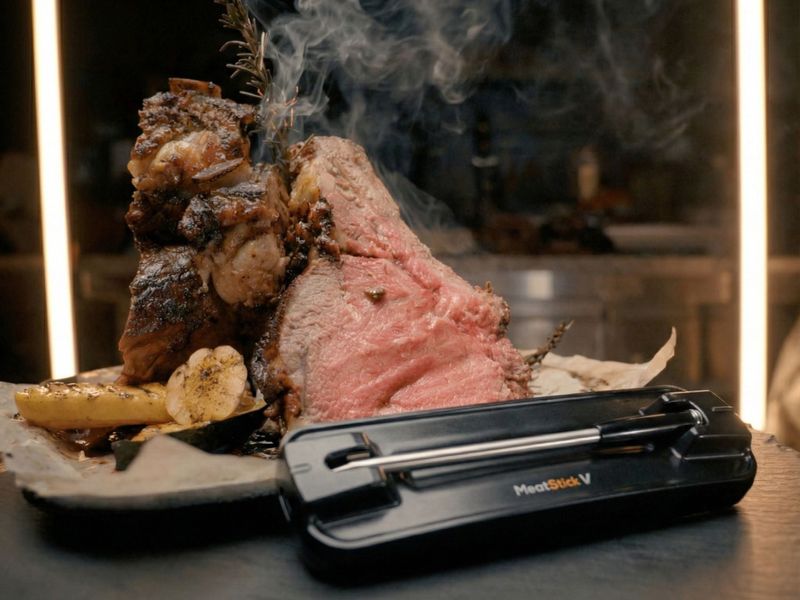
Carving stations can be wonderful, but rare to medium-rare slices held for long stretches raise concerns. Meat cools unevenly, and the sweet spot for doneness can slide into danger.
Without visible thermometers and frequent rotation, you are guessing on safety.
Juices pooling and cuts sitting open to air invite quality loss and contamination from repeated slicing. Pros often choose well-done edges or wait for a fresh roast to be opened.
Smaller roasts swapped quickly are better than massive ones lingering.
Ask for a just-carved slice from a newly brought-out piece, or pick another protein cooked to order. Flavor improves when heat and timing are controlled.
Do not let a rosy center fool you.
7. Hollandaise-based dishes like Eggs Benedict

Hollandaise is luxurious but fragile, and buffets are its nemesis. The sauce can split, cool, and drift into unsafe temperatures quickly.
If steam is low and the texture looks oily or curdled, you are looking at a skip candidate.
Egg yolk plus butter needs tight control and steady heat to stay safe and silky. Frequent opening of chafers drops temperature even more.
Pros typically order Benedict fresh or avoid it entirely on self-serve lines.
Choose poached eggs with a different topping or go for a made-to-order omelet. You get better texture, safer temps, and brighter flavor.
When a sauce is that delicate, it deserves short paths from pan to plate.
8. Soft scrambled eggs from a big tray
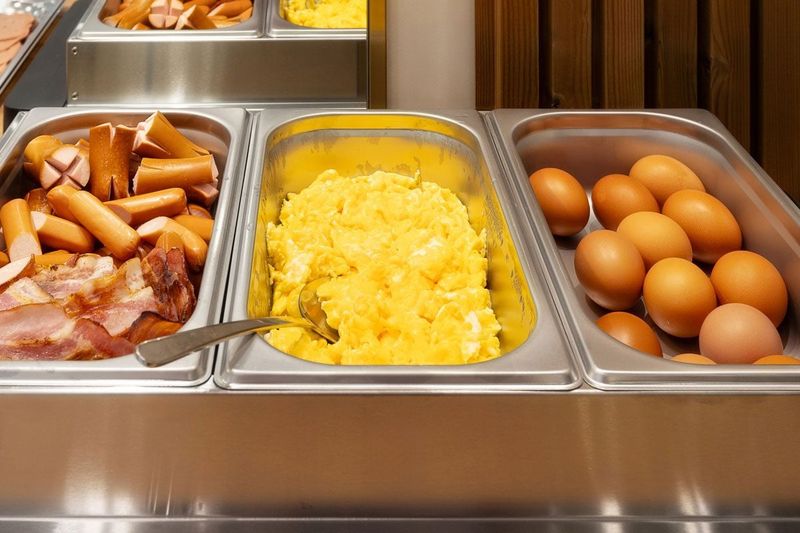
Scrambled eggs suffer in bulk pans. They steam, weep moisture, and edge toward rubber as time ticks by.
If you see water pooling or crusty edges, quality and safety may both be slipping.
Every lid lift bleeds heat, and big batches rarely recover. That is why pros favor omelet stations where eggs are cooked to order.
Freshly made beats reheated every time.
If there is no live station, look for small pans that get swapped often and show visible steam. Otherwise, pass and pick proteins that hold better, like roasted potatoes or seared sausage.
Consistency and temperature control matter more than convenience here.
9. Gravy and creamy sauces in open pans
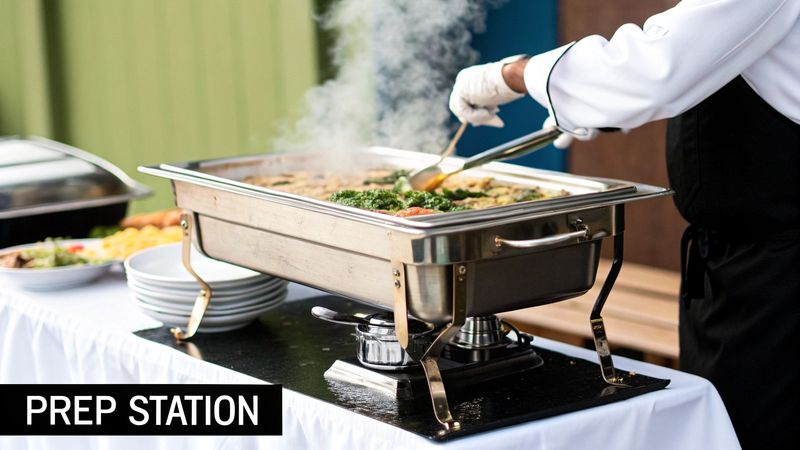
Cream sauces and gravies cool fast around the edges and develop skins. Constant stirring can smear cooler bits back through the pan, muddying temperature control.
If steam is faint and the ladle sits in the sauce, consider walking on.
These sauces need steady, high heat and frequent refreshing in smaller batches. Otherwise, texture turns gluey and flavor dulls.
Professionals check for bubbling, not just warmth under lamps.
If you do not see real simmering or a staffer swapping pans, pick a simpler jus or skip sauce completely. Let the main dish shine.
A dry bite beats a risky ladle every single time when conditions are questionable.
10. Fried foods that have gone limp
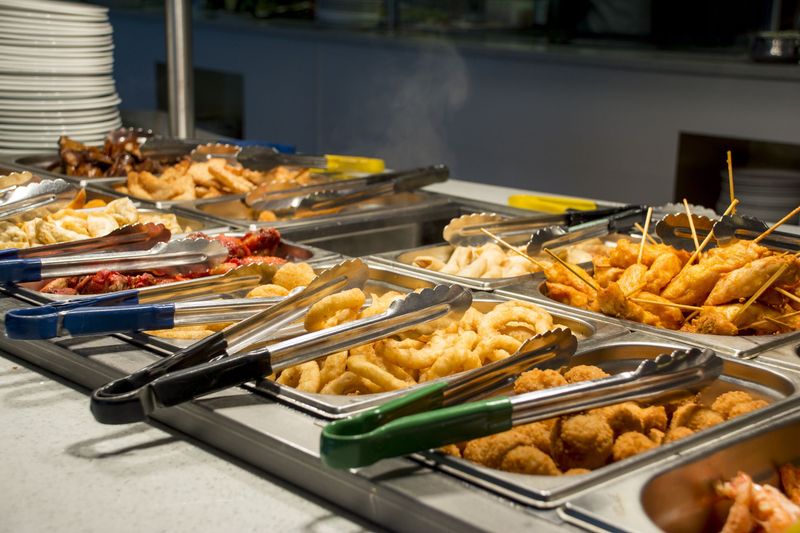
Great fried food is crisp, hot, and just-cooked. Under heat lamps, coatings steam and turn limp while oil seeps out.
If the breading looks sweaty or slides off, quality has already left the building.
Pros look for small trays with fast turnover and audible crunch when tongs touch. Otherwise, they skip and opt for roasted or grilled alternatives.
Texture matters as much as taste, and soggy signals stale.
Made-to-order stations are the exception because fresh batches keep crispness. If you must, grab from a newly replenished tray.
Better yet, save fried treats for a dedicated spot that cooks to order and serves immediately.
11. Pasta in sauce that looks swollen or mushy
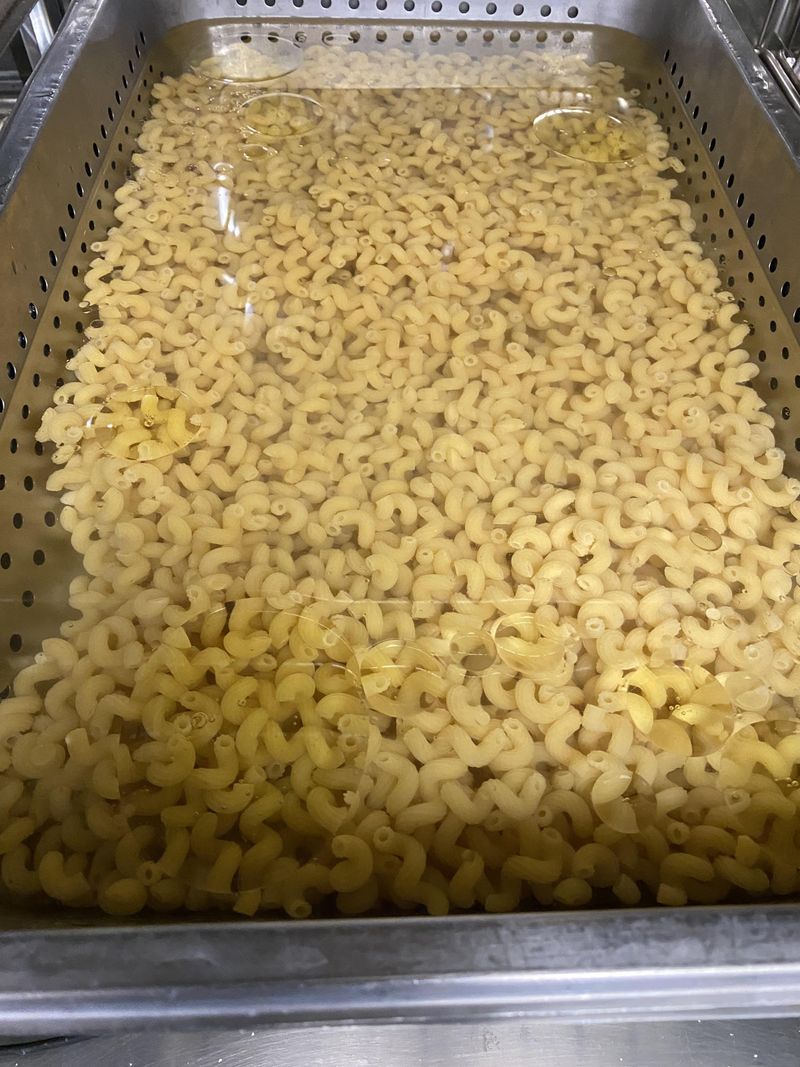
Pasta keeps absorbing sauce as it sits, bloating and losing bite. At buffets, that means swollen noodles, watery separation, and muted flavor.
If you see broken shapes and dull color, the texture is likely gone.
Professionals scan for smaller pans, fresh swaps, and visible steam. Some buffets offer pasta stations cooking portions to order, which is a safer, tastier route.
Al dente is hard to maintain in a giant chafing dish.
Skip mush and go for roasted vegetables, grilled proteins, or a fresh-carved slice instead. You will feel better leaving room for something that holds up.
Texture is your truth teller when the line is long.
12. Rice dishes that look dried out or clumpy
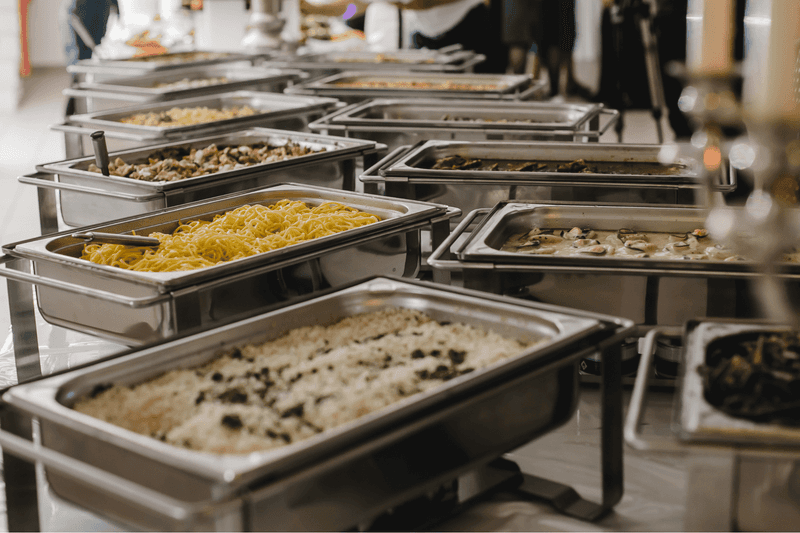
Rice gives away its age fast. Dried rims and clumped grains signal moisture loss and extended holding.
Once that happens, texture turns chalky and reheating rarely fixes it evenly.
Pros prefer rice that is fluffy, steaming, and replenished in small batches. If you see spoon trails that stay put, it is probably been sitting too long.
Clumps also hint at temperature fluctuations and overhandling.
Choose potatoes or freshly cooked noodles instead if rice looks tired. Alternatively, grab a saucy main and skip the starch altogether.
You are better off saving room for something fresh than chewing through a stale side.
13. Mystery seafood mixed casseroles
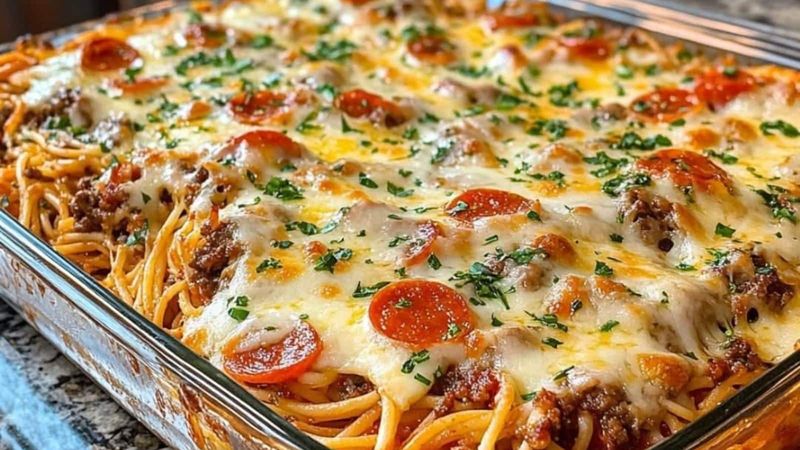
Unclear seafood mixes hide too many variables. You cannot judge fish type, freshness, or how long it has been warming under the lights.
Creamy bases mask texture changes and off aromas until it is too late.
Pros avoid catch-all casseroles and choose clearly identified, high-turnover items instead. If you cannot recognize the seafood by look and smell, pass.
Labels like seafood medley or bake are not enough assurance.
Pick simple, hot options where quality is evident at a glance. Grilled fish cooked to order beats a mystery scoop every time.
Transparency and temperature control should lead your choices on a crowded buffet.
14. Soft-serve machines that look messy or poorly maintained
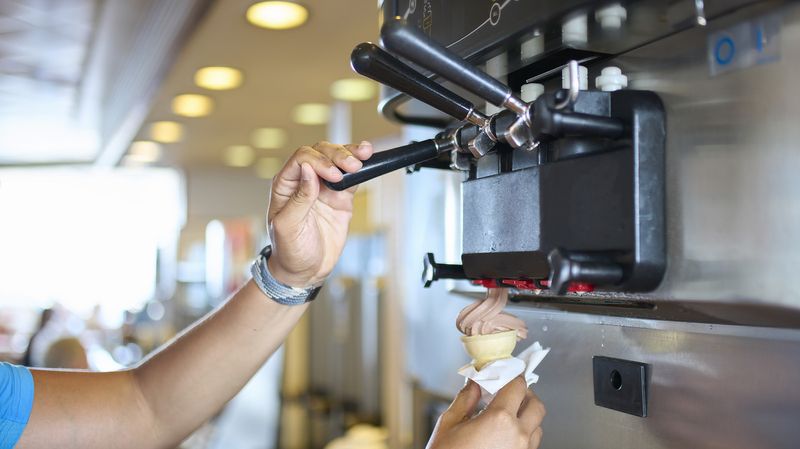
Soft-serve can be great, but machine hygiene matters. Sticky handles, drips, and splatters suggest cleaning lapses or sloppy refills.
If the hopper looks low or cycles between empty and refilled often, temperature consistency may be compromised.
Pros watch for spotless surfaces, steady flow, and staff monitoring sanitation. If it looks neglected, move on.
Dairy-based mixes need strict cleaning schedules to stay safe and tasty.
Choose a packaged dessert or a clearly chilled treat instead. You can always come back if you see staff refresh and sanitize.
Dessert should be fun, not a gamble with questionable maintenance and lukewarm swirls.
15. Desserts topped with whipped cream or custard that are not chilled
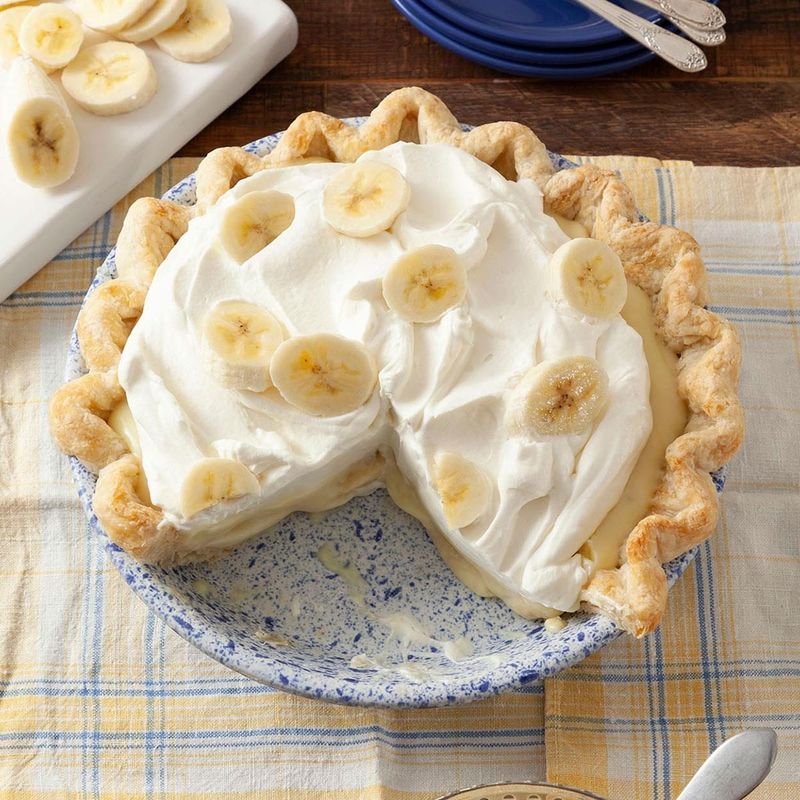
Cream pies and custard desserts demand reliable cold holding. When you see slumped whipped cream, glossy sweat, or room-temp plating, it is time to skip.
Dairy and eggs at warm temperatures invite bacterial growth and dull textures.
Pros look for chilled displays, cold plates, and brisk rotation. A refrigerated case or deep ice nest is a green light.
Anything sitting out long with no visible chill is not worth the risk.
Opt for cookies, fruit from a whole piece, or a freshly scooped ice cream from a clean station. Your sweet tooth still wins without the worry.
Chill should be obvious on any dairy-based dessert at a buffet.