15 Foods Commonly Avoided When Cooking With Aluminum Pans
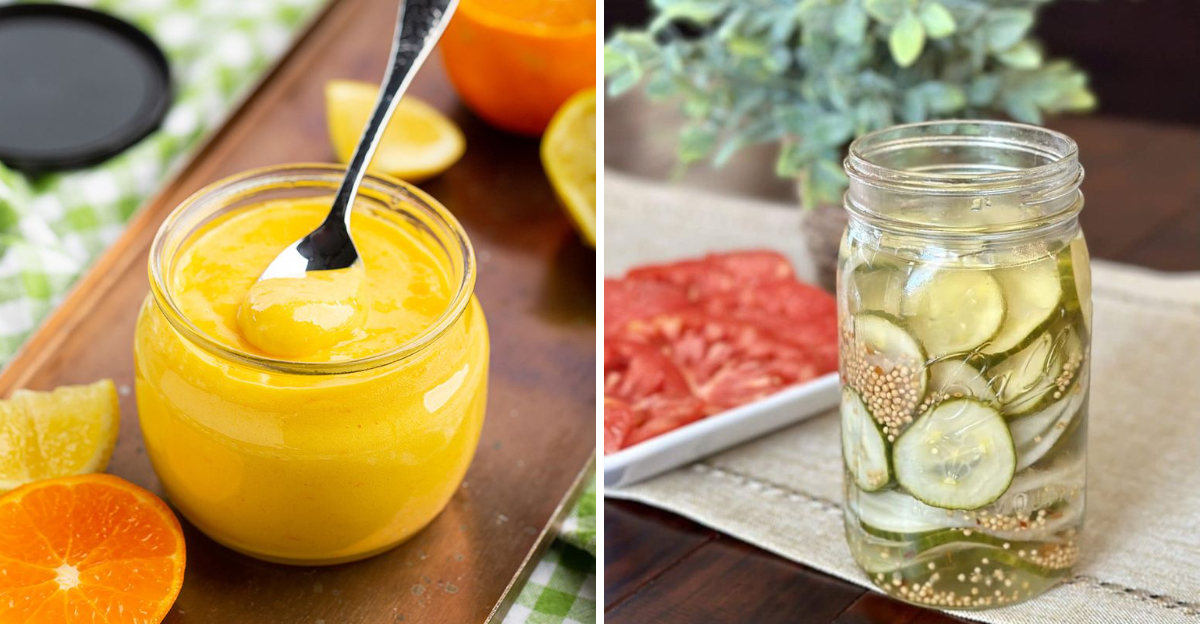
If you have ever tasted a strange metallic note in a sauce, your aluminum pan might be the reason. Certain ingredients react with bare aluminum, dulling bright flavors and sometimes staining your cookware.
The fixes are simple once you know what to avoid and what to use instead. Let’s walk through the most common culprits so your food tastes clean and your pans last longer.
1. Tomato sauce and marinara
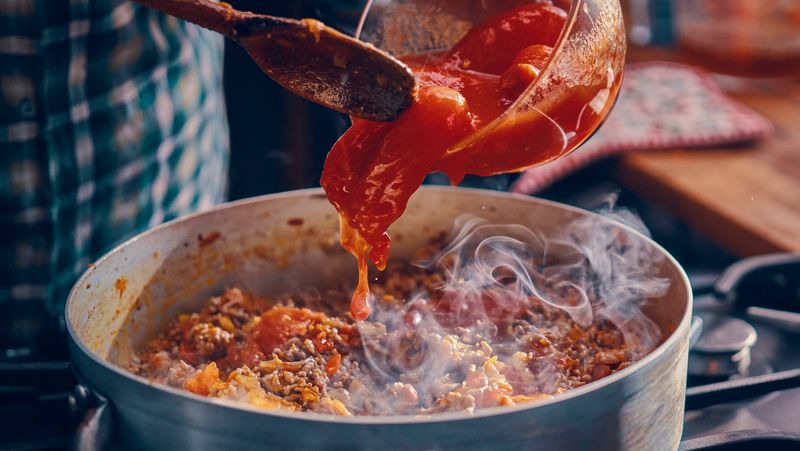
Tomatoes bring vibrant acidity that can pull a metallic taste from bare aluminum, especially during long simmers. That tangy bite you love can turn harsh, and the sauce may darken unattractively.
You will taste it most when reducing or reheating for extended periods.
Switch to stainless steel, enameled cast iron, or a nonreactive nonstick pan to keep flavors clean. You get steady heat and a bright, balanced tomato profile.
After cooking, store leftovers in glass to preserve freshness and color.
2. Citrus heavy dishes (lemon, lime, orange sauces)
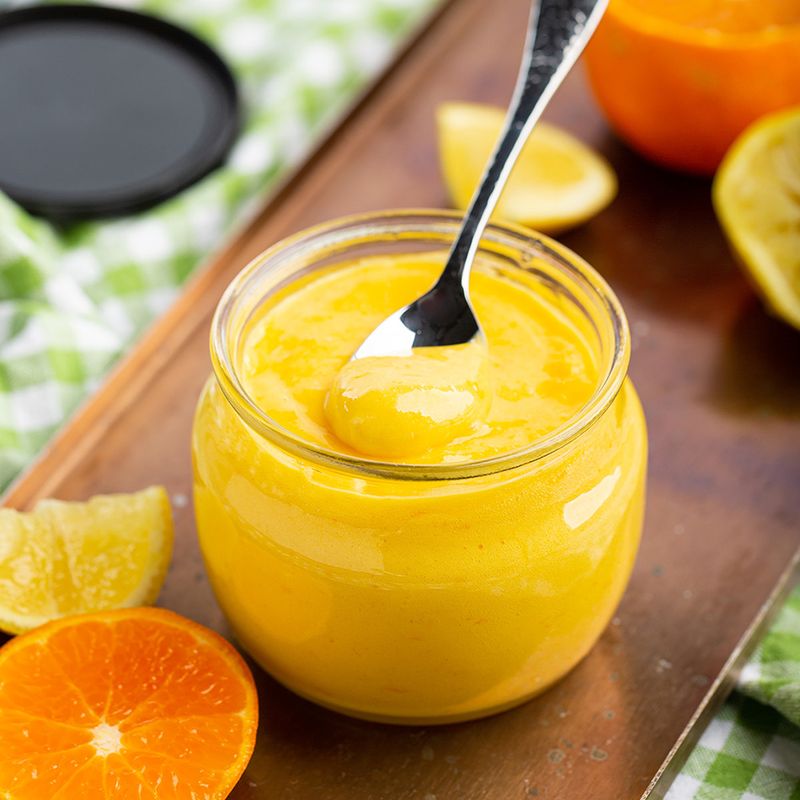
Lemon, lime, and orange juices are acidic enough to react with aluminum, especially when warmed. Zest oils add more complexity, and contact can leave lingering flavors.
If you whisk a beurre blanc or citrus glaze in aluminum, you may notice bitterness and dull aromas.
Use stainless steel or enameled cookware for clear, sunny citrus notes. Heat distributes evenly and your sauce reduces without grayish tint.
For delicate butter sauces, a small stainless saucier offers control and a silken finish.
3. Vinegar based sauces and braises
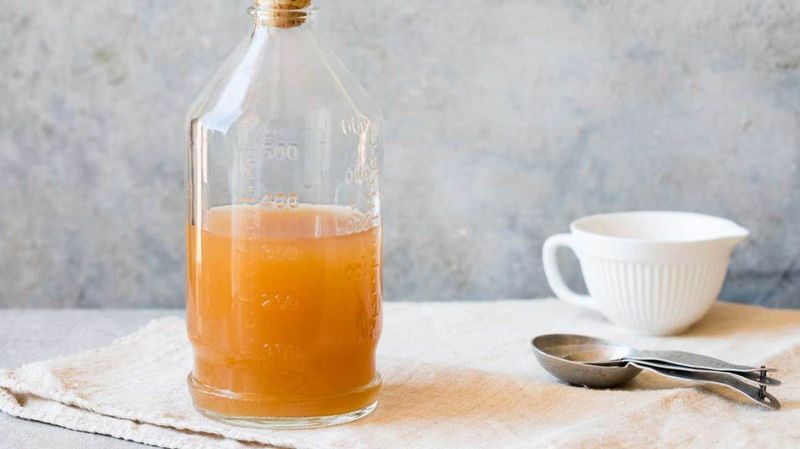
Vinegar’s sharp acidity can chew at bare aluminum and infuse your braise with metallic undertones. Think adobo, sweet and sour glazes, or reductions that bubble for ages.
That constant simmer gives acids time to react and stain.
Pick stainless steel, enameled cast iron, or even a glass baking dish for clean, predictable flavors. Your reductions stay glossy, not muddy.
When you finish cooking, cool and store in glass to maintain brightness and prevent lingering reactivity.
4. Wine based pan sauces
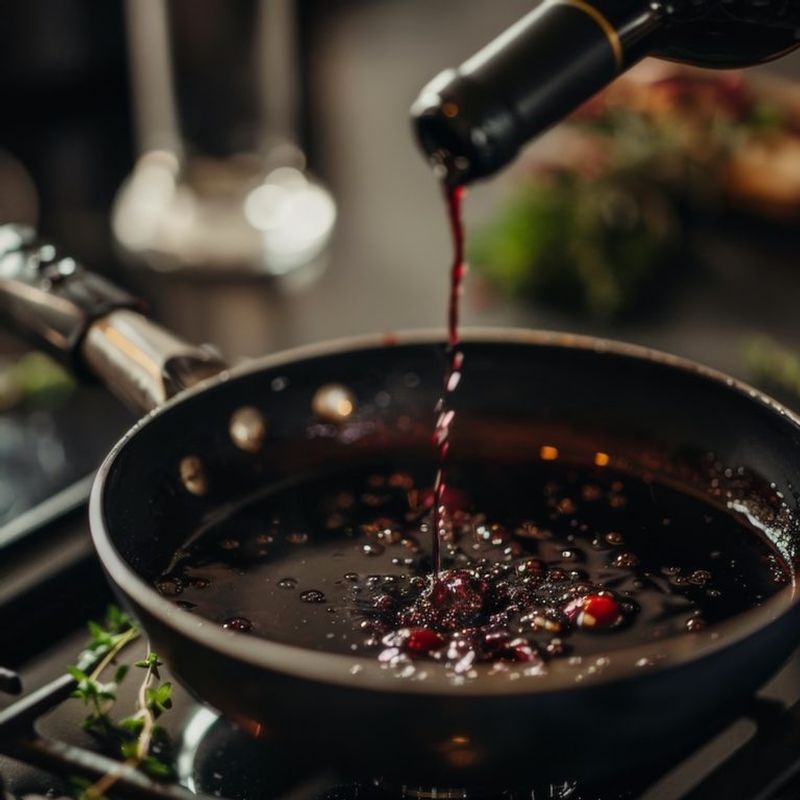
Wine reductions rely on bright acidity and delicate aromatics that aluminum can distort. As the liquid concentrates, reactivity intensifies, darkening the sauce and adding a metallic edge.
You will notice the difference in classic pan sauces like bordelaise or beurre rouge.
Use stainless steel for searing and deglazing. It builds clean fond, then reduces wine without off flavors.
Finish with butter and herbs, taste clarity preserved and color beautifully deep.
5. Fruit compotes and fruit sauces
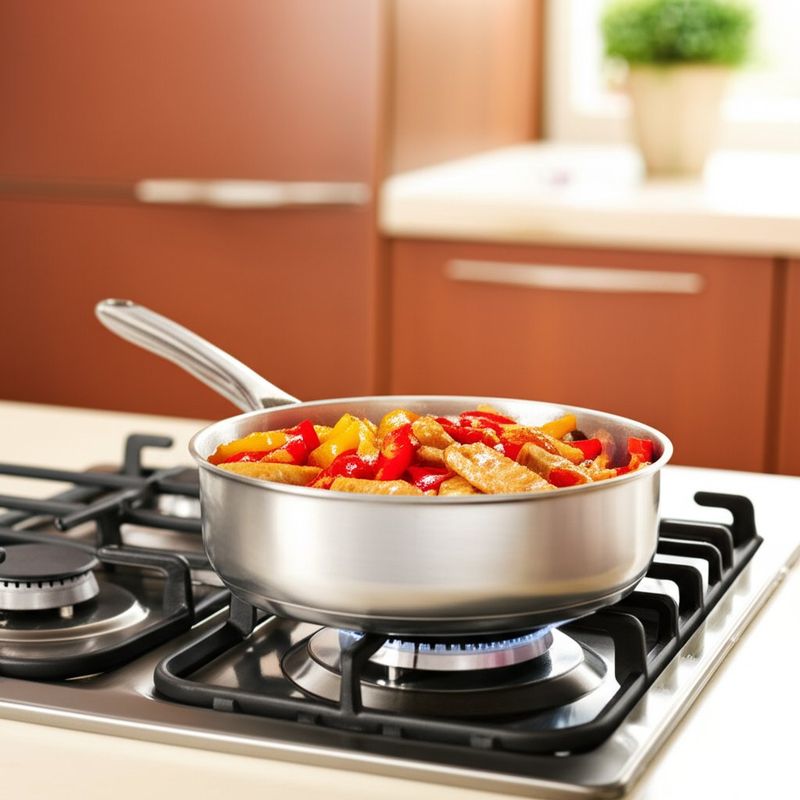
Berries, apples, cherries, and stone fruits bring enough acidity to react with aluminum, especially while reducing. You can get muted fruit flavor and a faint metallic aftertaste.
Pigments also stain, leaving stubborn marks that never quite fade.
Switch to stainless, enamel, or ceramic lined pans for jewel toned color and bright flavor. Gentle heat and nonreactive walls protect both taste and texture.
For extra insurance, use a silicone spatula to avoid scraping.
6. Rhubarb dishes
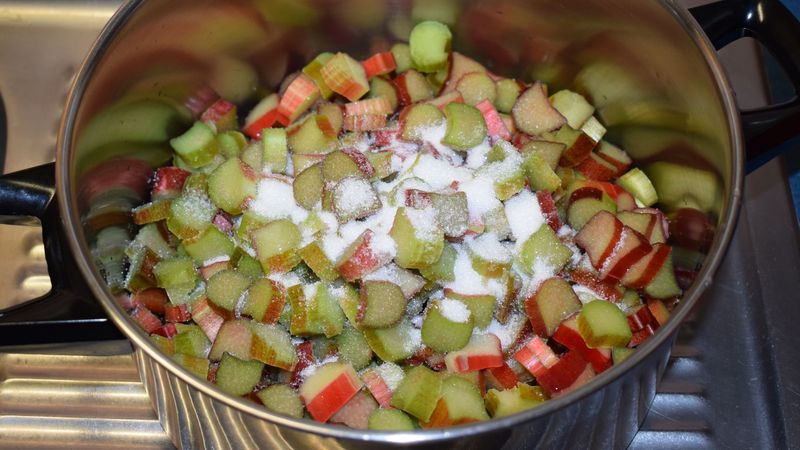
Rhubarb is intensely acidic and can react almost immediately with aluminum. Discoloration and metallic notes show up fast, robbing your dessert’s sparkle.
Even brief simmering may shift color from vibrant pink to murky.
Use enamel, stainless, or glass to keep rhubarb lively and tart. The stalks soften evenly, and syrups stay clear and ruby toned.
You will taste pure rhubarb, not your cookware.
7. Sauerkraut and fermented cabbage dishes
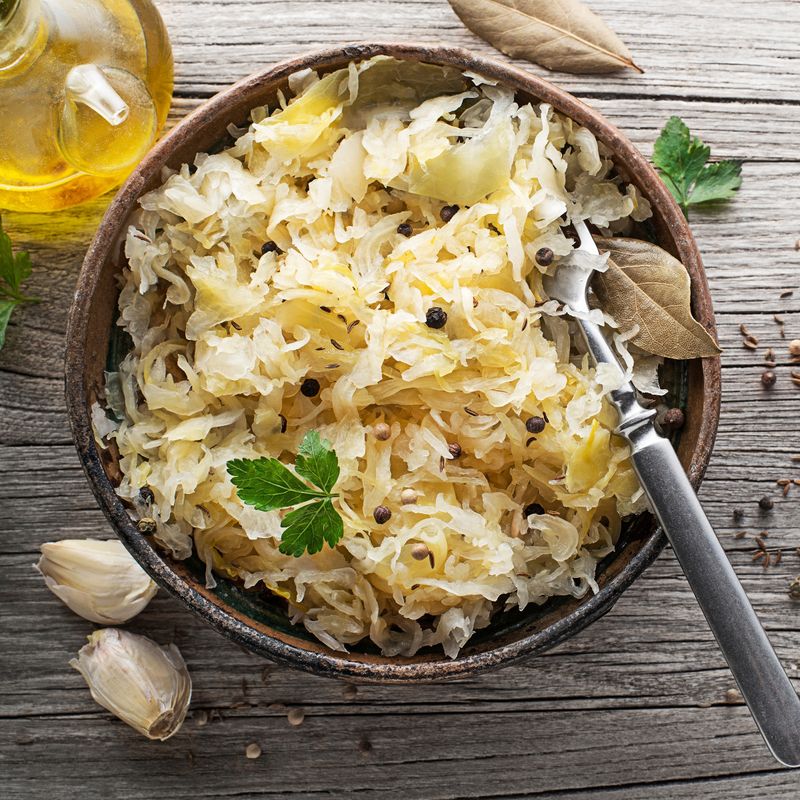
Fermented foods combine acidity and salt, both tough on aluminum over time. Sauerkraut can pick up a tinny note and the pan can pit.
Slow cooking amplifies the effect, especially with added wine or vinegar.
Choose stainless steel or enameled cast iron for clean tang and gentle texture. Their nonreactive surfaces withstand salt and acid during long simmers.
Serve immediately and store leftovers in glass jars to keep flavors sharp.
8. Kimchi (cooked or simmered)
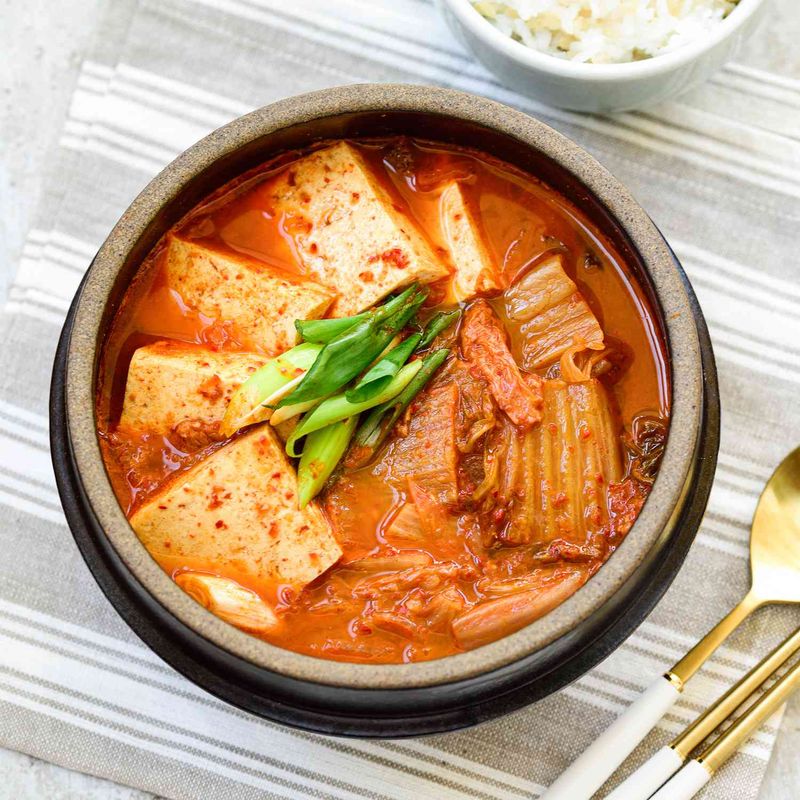
Kimchi brings lactic acidity plus salty spice paste that can stain and pit aluminum. During stews or braises, bubbling amplifies reactivity and leaves metallic edges.
You might also see orange red marks that linger stubbornly.
Cook kimchi jjigae and similar dishes in stainless or enamel for bright, clean heat. The broth stays vivid, tofu silky, and aromatics crisp.
Your pan finishes spotless and your flavors stay true.
9. Pickling mixtures and quick pickle brines
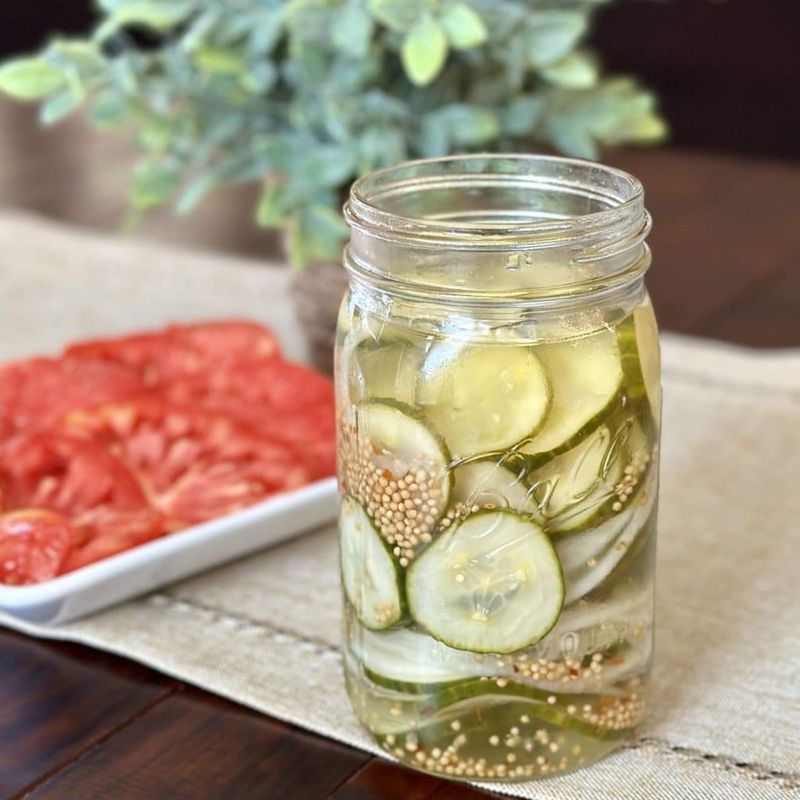
Heated vinegar brines are a hard no in aluminum. Acid plus salt can pull metallic flavors and etch the surface quickly.
Even letting brine sit in the pan is risky and can discolor.
Heat and pour brines using stainless steel, then store pickles in glass. You will keep crunch, color, and clean tang.
Food safe plastic works for chilling or short storage, but glass is best for clarity and stability.
10. Cabbage dishes with long cooking time
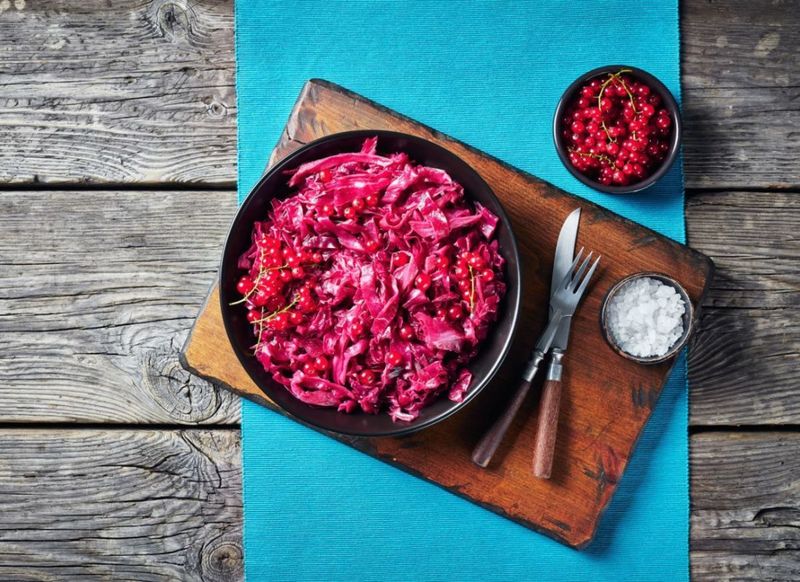
Long cooked cabbage can shift toward bluish green hues in reactive pans. Aluminum may also pass a faintly metallic flavor to the pot liquor.
Hours on a low flame give compounds time to interact.
Use stainless steel or enamel for steady heat and clean taste. Aromatics caramelize gently and color stays inviting.
Serve straight from the pan without worrying about odd flavors or tints.
11. Beet dishes
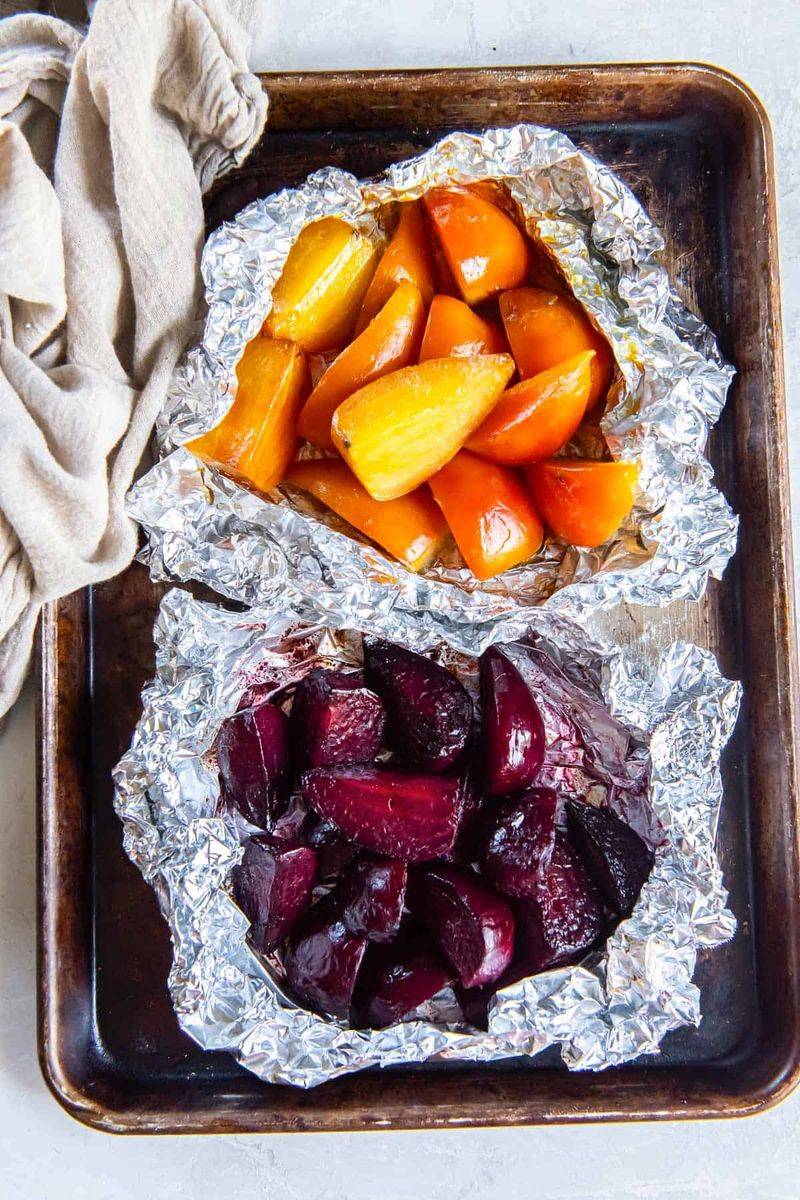
Beets stain aggressively and aluminum can shift both color and flavor. The beautiful magenta pigments react, leaving dull gray streaks.
You risk a metallic note that clashes with earthy sweetness.
Cook beets in stainless or enameled cookware to lock in color and purity. Roast, simmer, or pickle, then store in glass to preserve hue.
Your cutting board might pink up, but your pans will not.
12. Apple butter and long cooked fruit spreads
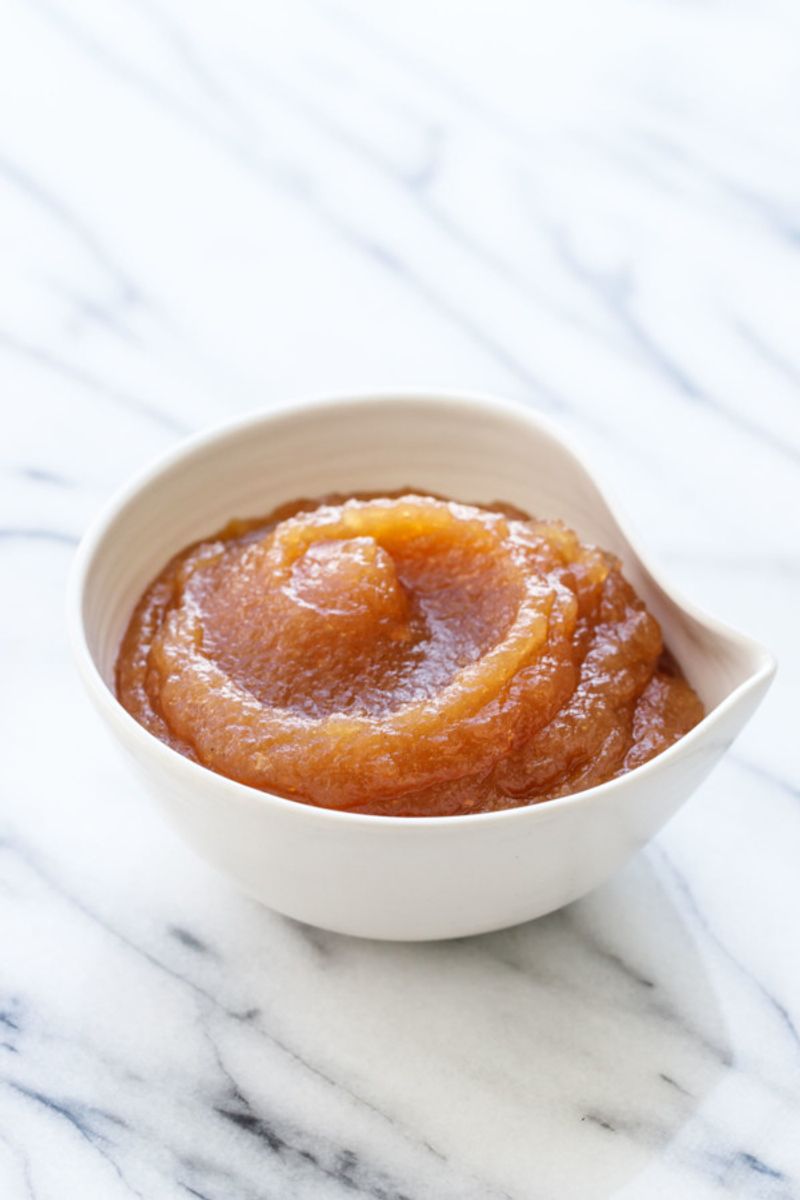
Long simmers concentrate fruit acids that can react with aluminum and rough up delicate flavors. Constant stirring scrapes reactive surfaces, compounding issues.
You may notice dulled spice notes and a faint metallic aftertaste.
Opt for stainless, enamel, or a slow cooker insert to coax deep caramelized sweetness. Low, steady heat develops body without off flavors.
Ladle into glass jars while warm and seal for best color and taste.
13. Salt heavy long simmers (brined beans, reduced broths)
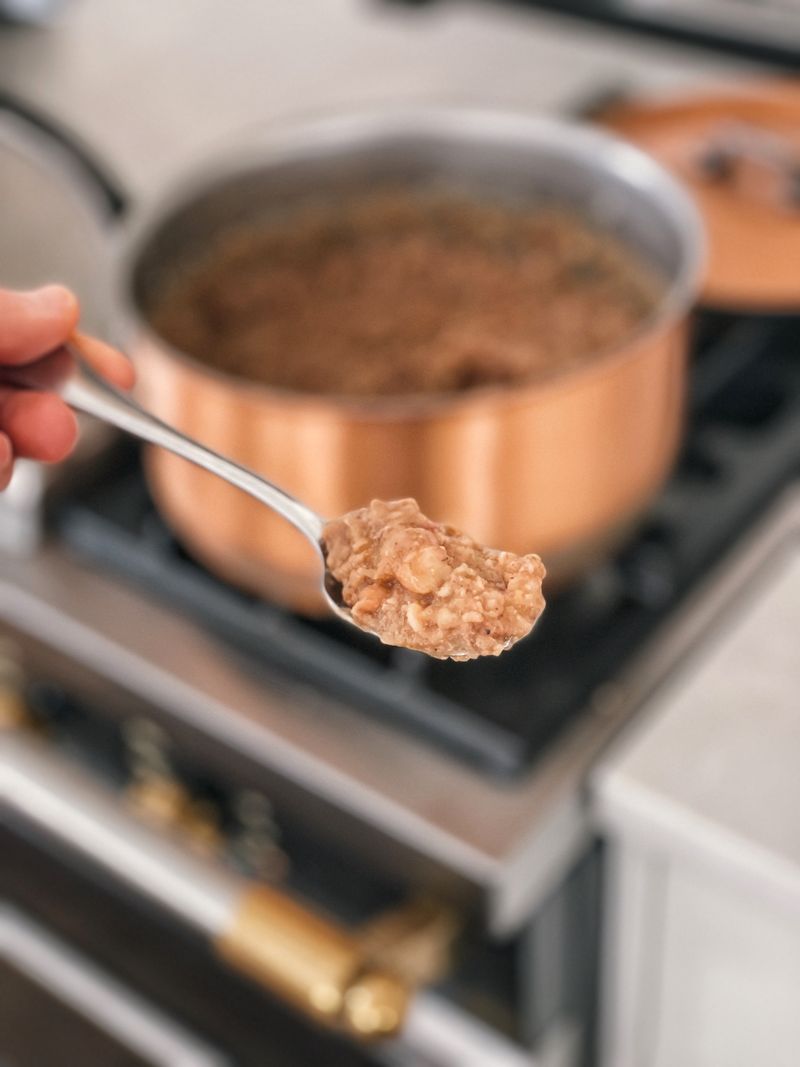
Salt accelerates pitting in aluminum, especially during hours long cooks. Brined beans and reduced broths keep heat and salinity high, inviting reactivity.
The result can be subtle metallic notes and a worn pan interior.
Use stainless steel for durability and clean flavor through long reductions. Beans stay creamy and broths taste focused.
Rinse and dry promptly after cooking to protect your pot for the next batch.
14. Soy sauce heavy reductions and marinades
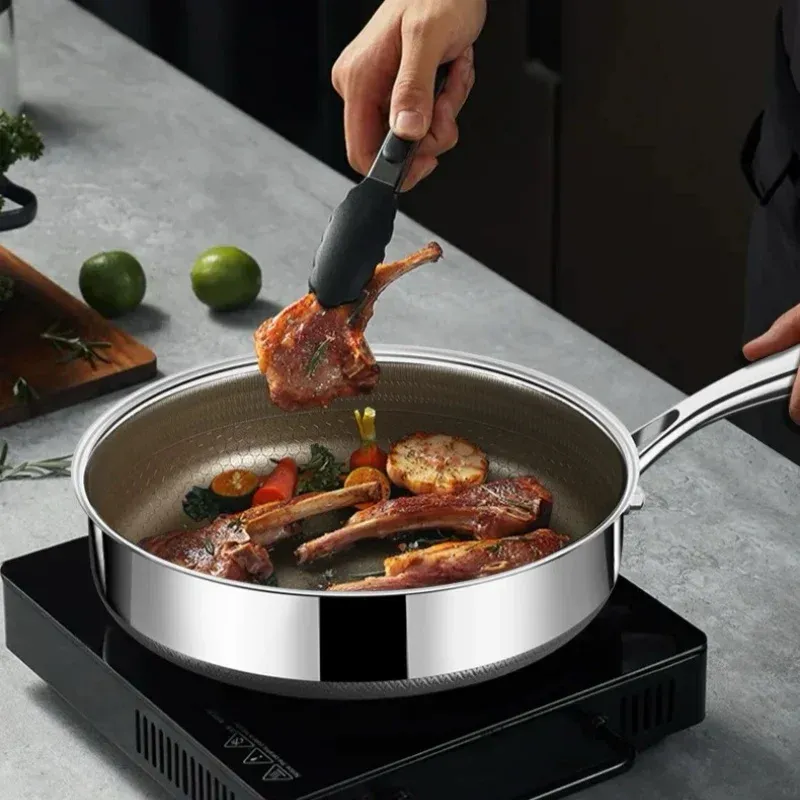
Soy sauce is salty and mildly acidic, which can react with aluminum during reductions. As the glaze thickens, metallic edges become noticeable.
Dark color may pick up a murky cast.
Choose stainless or nonreactive nonstick to keep umami clean and glossy. Aromatics bloom, sugars caramelize, and the glaze clings without off notes.
You get restaurant level shine with home kitchen ease.
15. Anything stored in the pan (especially acidic leftovers)
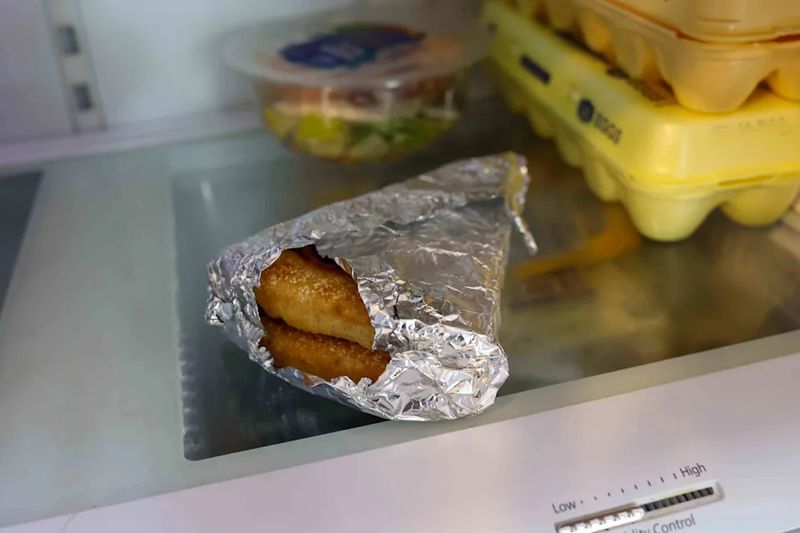
Even if cooking seemed fine, storing food in aluminum invites flavor changes and discoloration. Acids continue reacting as the dish cools and rests.
You might taste metal tomorrow that was not there tonight.
Transfer leftovers to glass or quality plastic once cooled. Your sauces keep brightness, and your pan avoids stains or pitting.
Label, chill, and reheat in nonreactive cookware for consistent results every time.