
15 Foods Jesus Likely Ate In Biblical Times
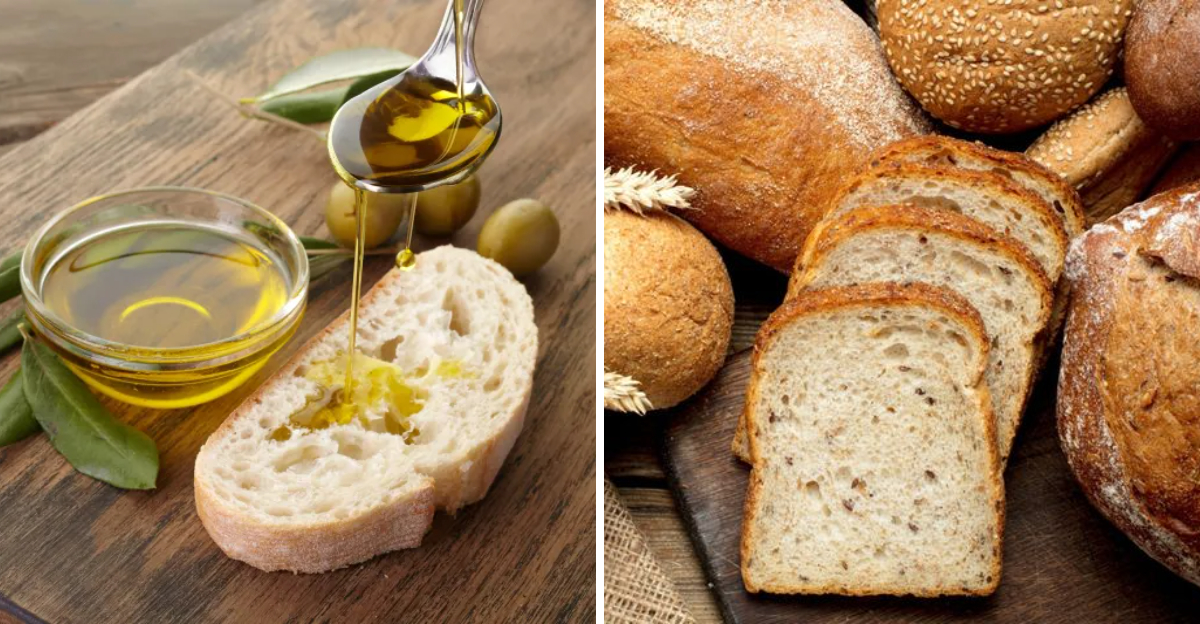
If you could sit at a table in first century Galilee, what would you actually eat? The everyday meals were humble yet deeply satisfying, grounded in bread, olive oil, and seasonal produce.
These foods shaped faith, community, and survival, telling stories with every bite. Let’s step into that world and explore what likely filled those simple clay bowls and woven baskets.
1. Bread (wheat or barley)
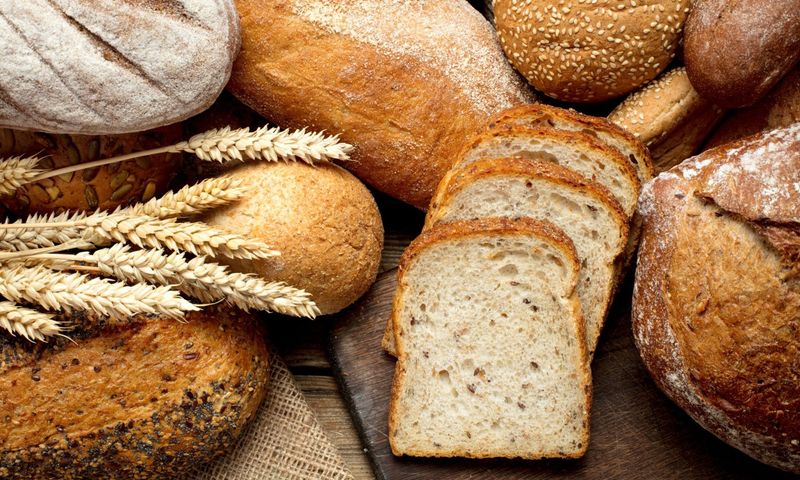
Bread anchored daily life, not as a side but as the meal’s heart. You would tear off pieces to scoop stews, soak oil, and share with family.
Wheat loaves appeared more often in the Second Temple period, yet humble barley still fed most tables.
Imagine the smell of fresh flatbreads from a dome oven, chewed slowly after a morning’s work. Bread meant fullness, community, and blessing.
Without it, a meal felt unfinished, like a story missing its ending.
2. Olive oil
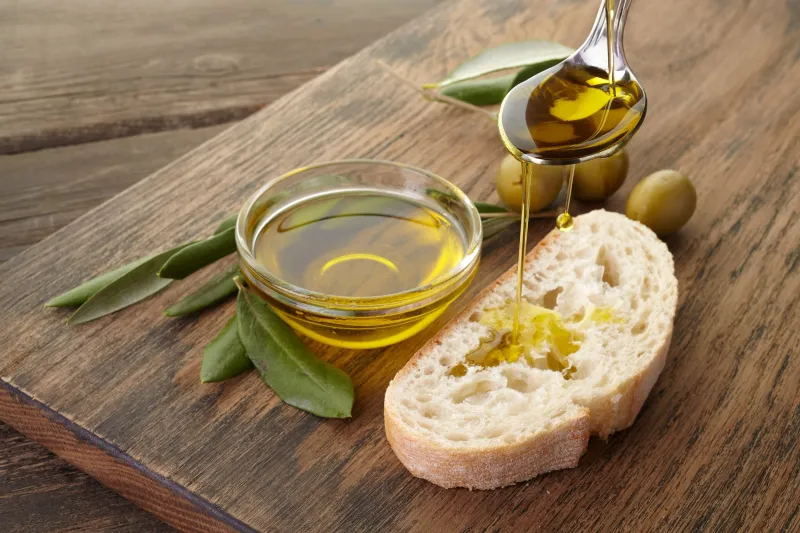
Olive oil was the everyday fat, the quiet hero on every table. You would drizzle it over bread, finish vegetable stews, and soften lentils with its silken richness.
It lit lamps, seasoned meals, and signaled hospitality when a host poured generously.
Presses dotted hillsides where families crushed fruit and saved the year’s brightness in jars. The oil held sunshine and labor in each drop.
It turned humble grains into comfort and made simple food taste complete.
3. Olives
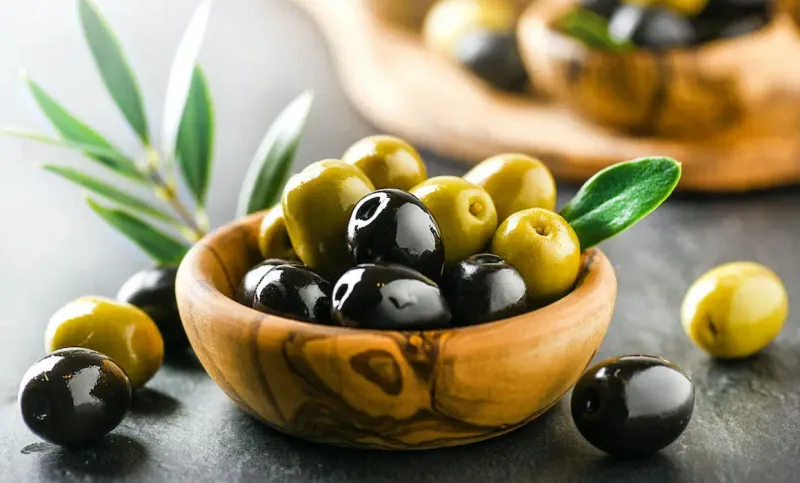
Whole olives brought salty punch and reliable calories to everyday meals. You would find them nestled beside bread, sometimes crushed with herbs and oil into a spread.
Their brine sharpened the palate and made simple grains feel lively.
Families cured their own harvests, waiting weeks for bitterness to mellow. A basket of olives told a story of seasons, rain, and patience.
Bite into one and you taste preservation itself, the art of making today’s abundance last.
4. Fish (fresh and sometimes preserved)
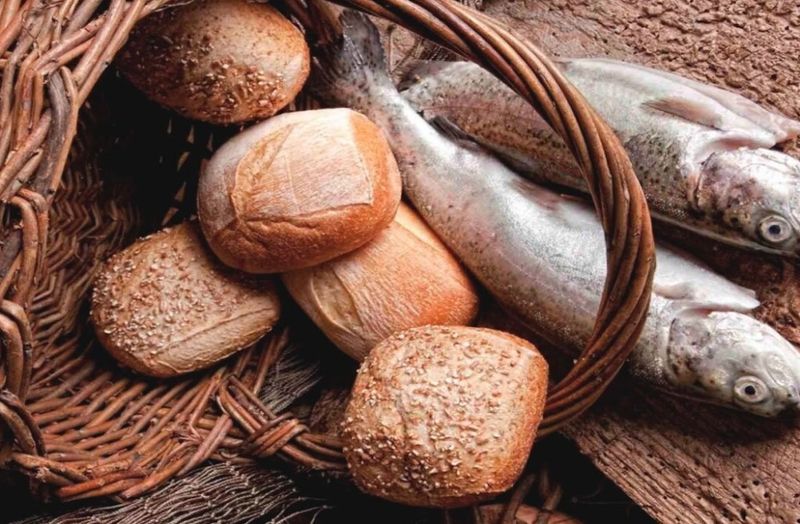
With the Sea of Galilee nearby, fish was a regular presence. You might eat it fresh, quickly cooked over coals, or preserved with salt to carry through days of travel.
Small fish added savor to bread and stews when meat was rare.
Nets slapped water at dawn as boats cut gentle ripples. Preserving fish took labor and knowledge passed down generations.
Each bite tasted of lake breeze, salt, and honest work under open skies.
5. Lentils and lentil stew
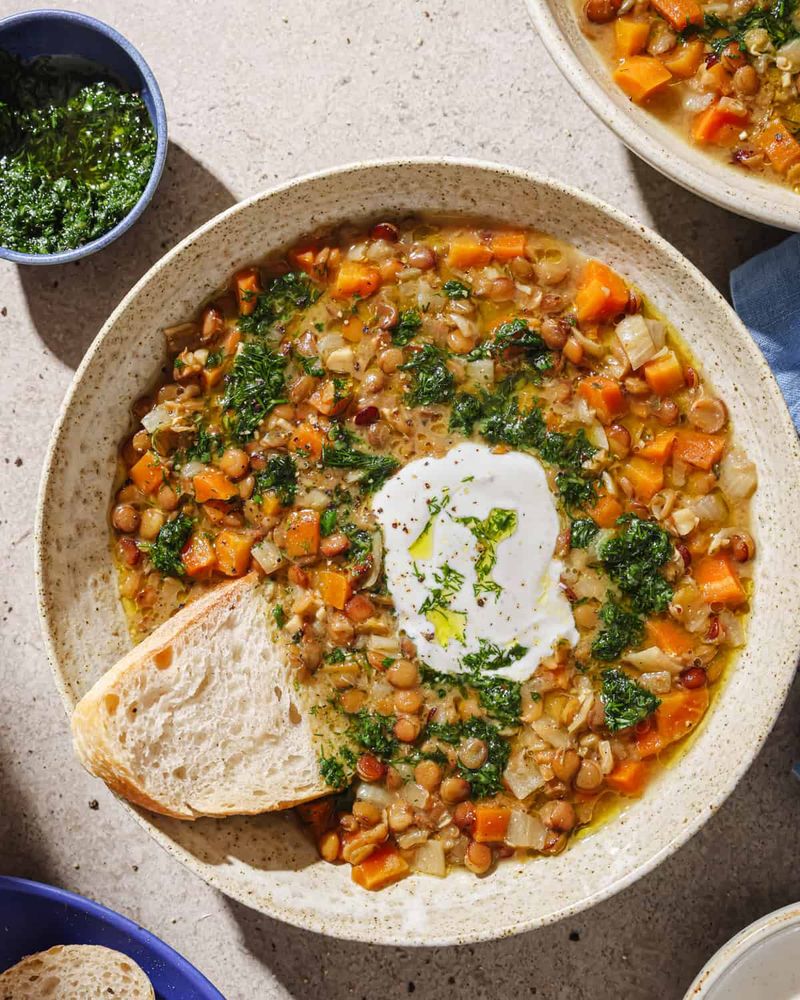
Lentils delivered steady protein when meat was scarce. You would see a pot burbling gently, lentils softening with onions and a splash of oil.
The stew thickened into comfort, perfect for scooping with bread and feeding many at once.
Farmers loved lentils for storage, price, and reliability in dry lands. They filled bellies without fuss or waste.
A simple bowl on a cool evening could taste like enough, and enough mattered.
6. Chickpeas and other beans
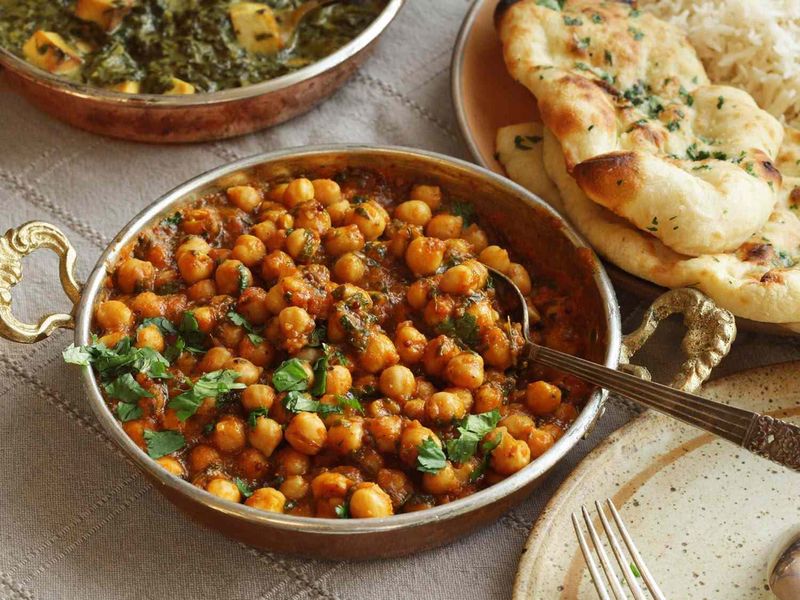
Chickpeas and broad beans turned into hearty fare with time and a little oil. You might mash them roughly with garlic, or simmer them until tender for a spoonable stew.
Dried legumes waited patiently in jars, ready for hungry evenings.
They were cheap, filling, and friendly to bread. A sprinkle of herbs or onions could lift the pot’s aroma.
Beans promised energy for work and mercy for thin purses.
7. Figs (fresh or pressed into fig cakes)
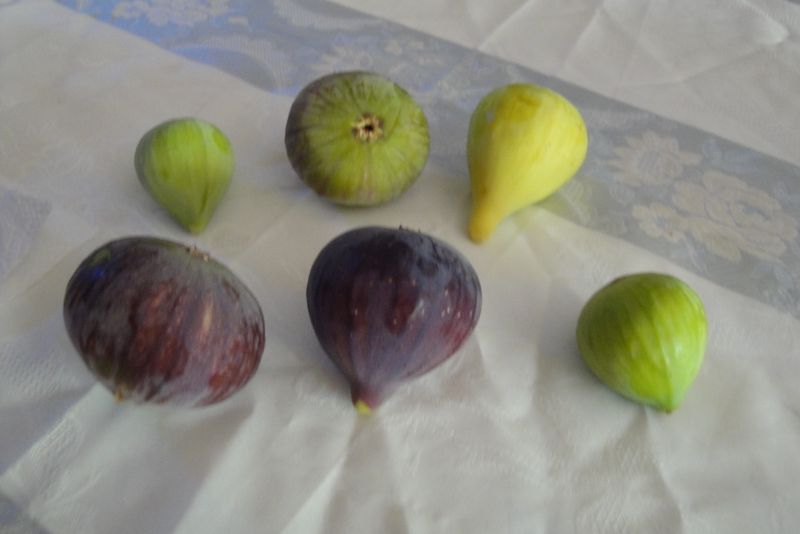
Figs were sweet companions across seasons. Fresh figs burst with syrupy seeds when in season, then returned as dried rings or dense pressed cakes.
You would tuck a slice into a pouch for a journey or crumble it into warm porridge.
The tree’s shade promised summer treats and winter stores. Fig cakes compressed sunshine into portable rations.
They sweetened ordinary days without luxury, proof that nature can be generous and practical at once.
8. Grapes (fresh, raisins, and wine)
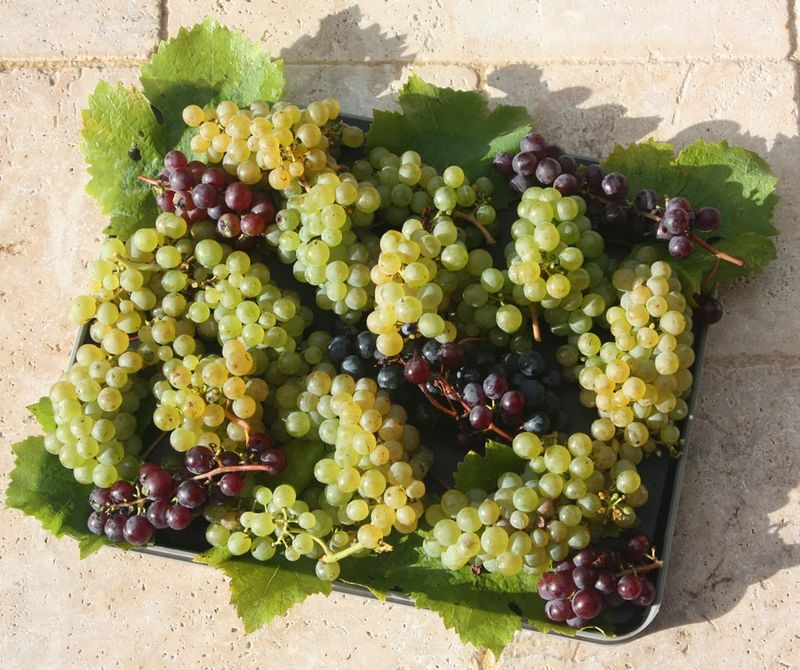
Grapes offered options at every stage. You would eat them fresh, then dry the excess into raisins, and finally ferment juice into wine for keeping.
This cycle turned fragile fruit into year round nourishment and celebration.
Raisins sweetened breads and stews, while wine marked meals, sabbaths, and vows. Vines taught patience and pruning.
A handful of raisins in your palm tasted like the preserved memory of summer.
9. Dates (and date syrup)
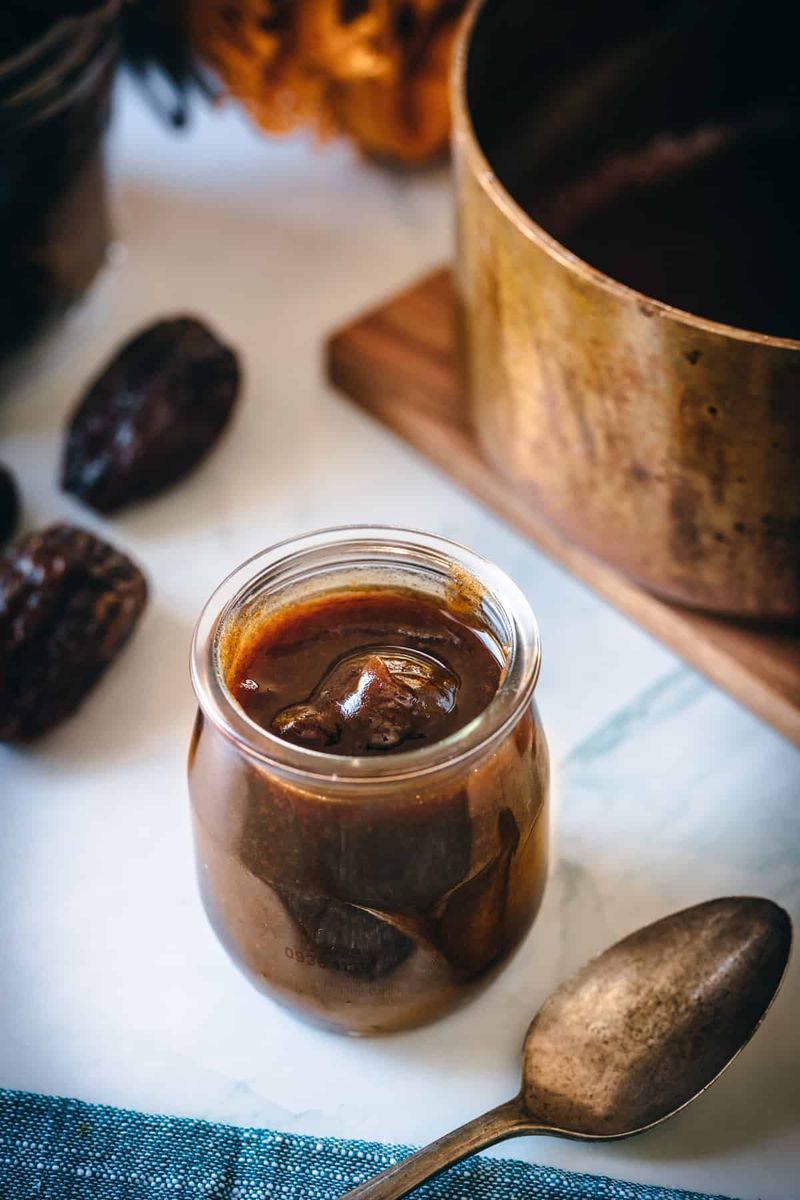
Dates brought rich sweetness and quick energy. You might snack on them plain, chop them into porridge, or melt them into a thick syrup for sweetening.
The syrup pooled like caramel, clinging to bread and brightening simple stews.
Palms along trade routes turned desert sun into sugar. Dried dates traveled well, feeding workers and travelers alike.
Their flavor felt both treat and staple, a rare overlap that households cherished.
10. Honey (often fruit syrup)
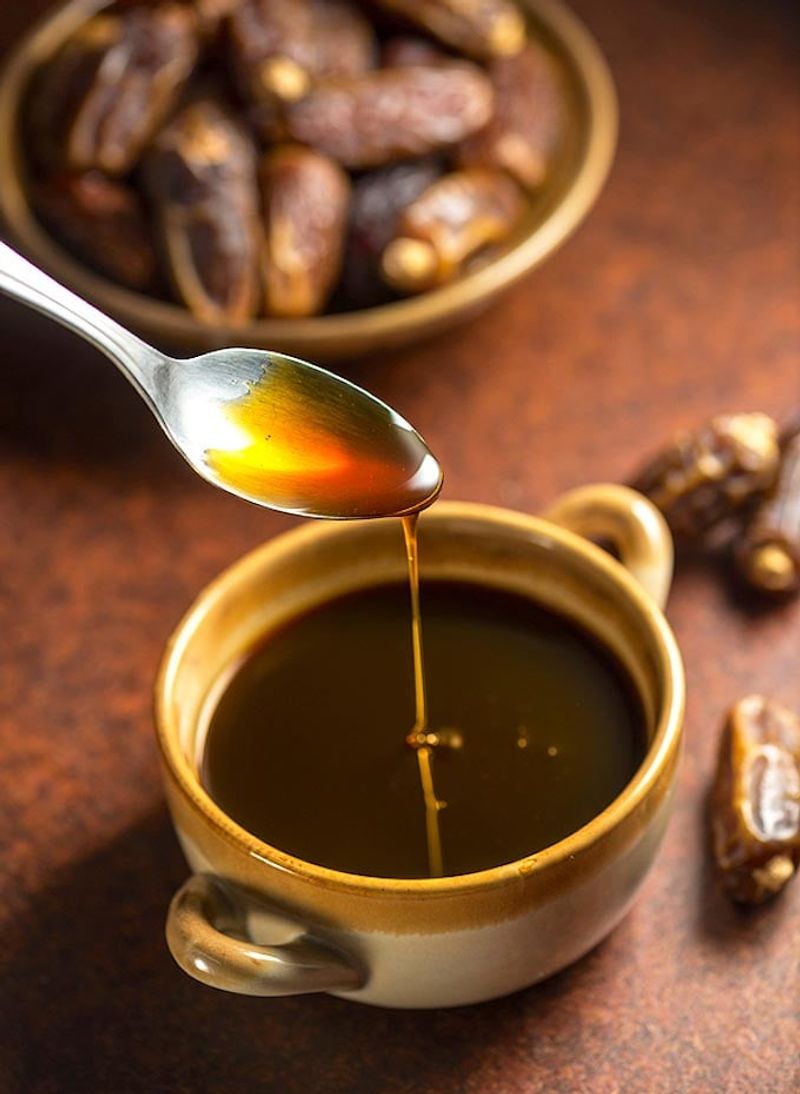
When texts mention honey, it often meant concentrated fruit syrups like date or grape. You would drizzle this sweetness on bread or stir it into hot cereal.
Bee honey existed but was rarer and precious.
Boiling fruit into syrup kept flavor alive past harvest. It made lean seasons feel kinder.
A spoonful turned ordinary breakfasts into small celebrations you could taste and remember.
11. Onions, garlic, and leeks
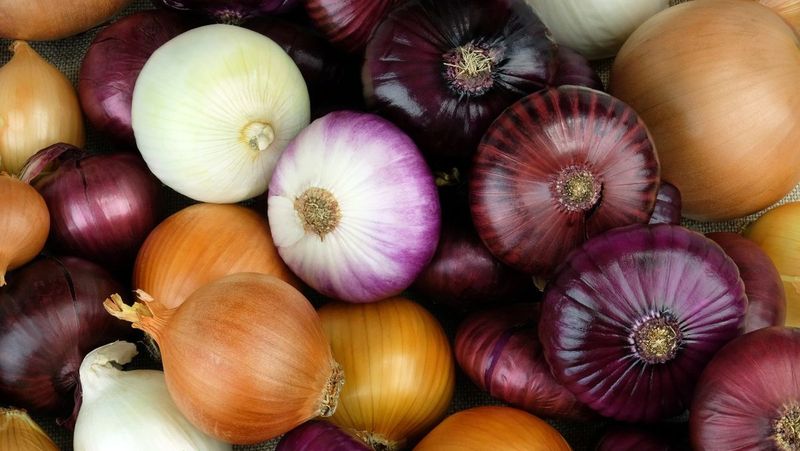
These aromatics began countless meals. You would bruise garlic with salt, slice onions thin, and sweat them in oil until sweet and golden.
Leeks added grassy comfort to broths that stretched small amounts of legumes and grain.
The fragrance announced dinner long before bowls appeared. Even a plain pot gained depth when these joined the heat.
They proved that flavor depends more on patience than price.
12. Simple vegetable stews
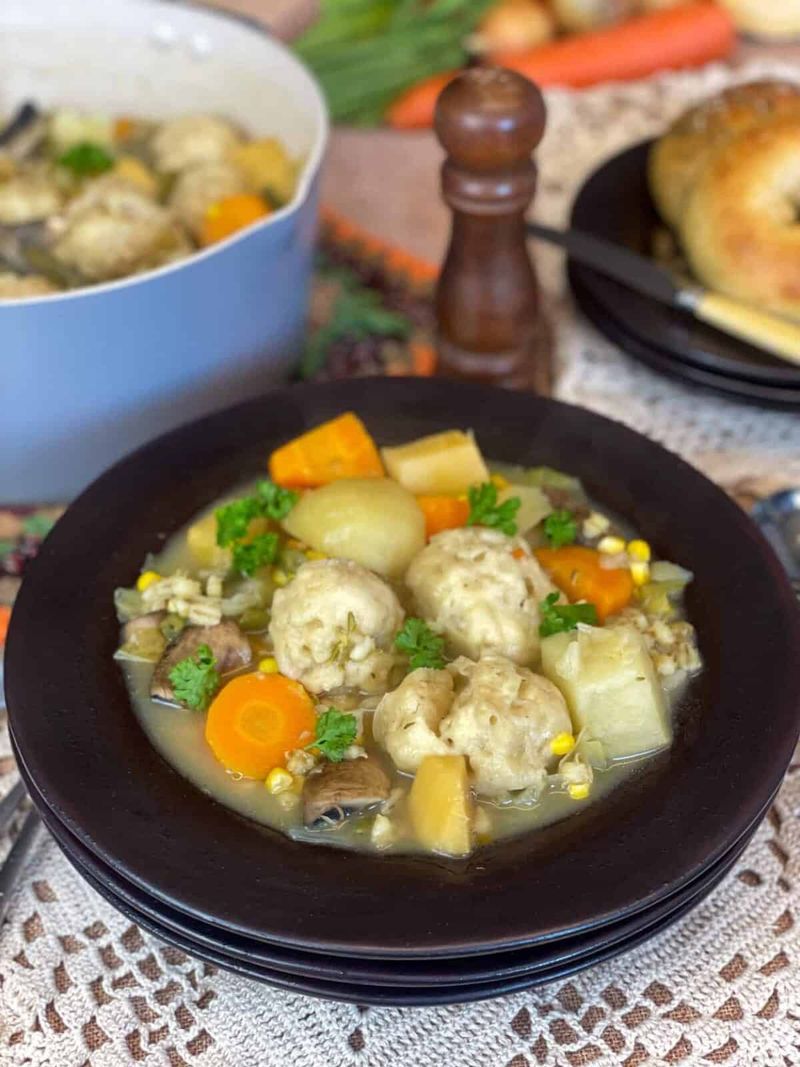
Vegetables took humble starring roles in stews that made small harvests stretch. You would see onions, leeks, greens, squash, and herbs softened in oil, then simmered with water and maybe barley.
A little salt and time turned rough edges tender.
These pots fed crowds from little. Bread dipped into the broth captured every bit of nourishment.
Stews were frugal, flavorful, and forgiving, welcoming whatever the garden offered.
13. Goat and sheep dairy (milk, yogurt like preparations, cheese)
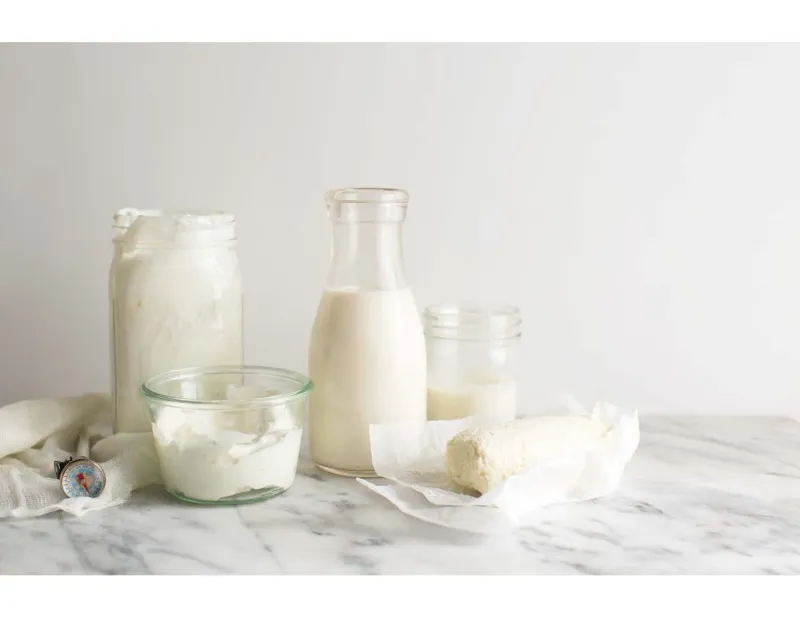
Dairy arrived when herds allowed, never guaranteed but cherished. You might drink fresh milk, strain it into sour yogurt like curds, or press small cheeses for travel.
A pinch of salt and time turned milk into something steady.
Goats and sheep grazed rugged hills where fields could not. Their milk tasted of herbs and distance.
Even a small cheese could brighten bread and olives into a meal that felt complete.
14. Lamb at festival meals
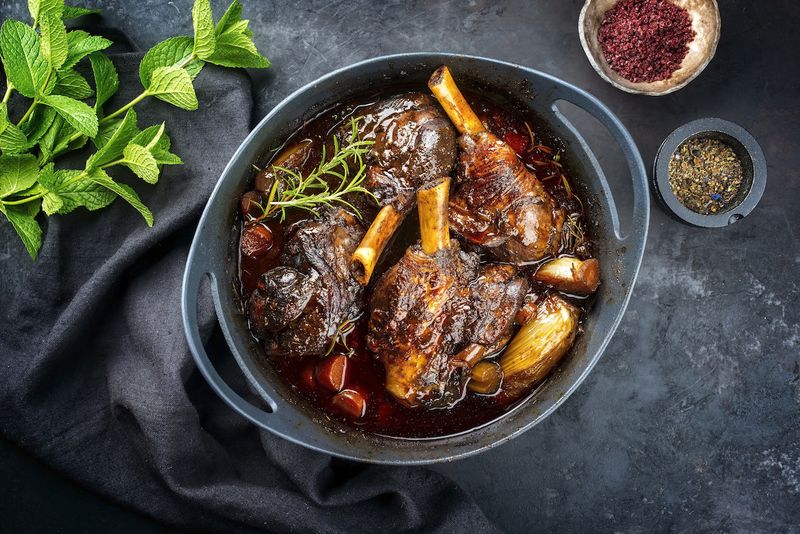
Meat was not daily for ordinary people, but festivals changed the table. You would taste lamb at celebrations, especially around Passover, where ritual and memory flavored every bite.
The meal joined families and stories under one roof.
Saving an animal for feast days carried cost and meaning. Roasting filled courtyards with smoke and anticipation.
Even a small portion marked the day as holy and generous.
15. Bitter herbs (festival context)
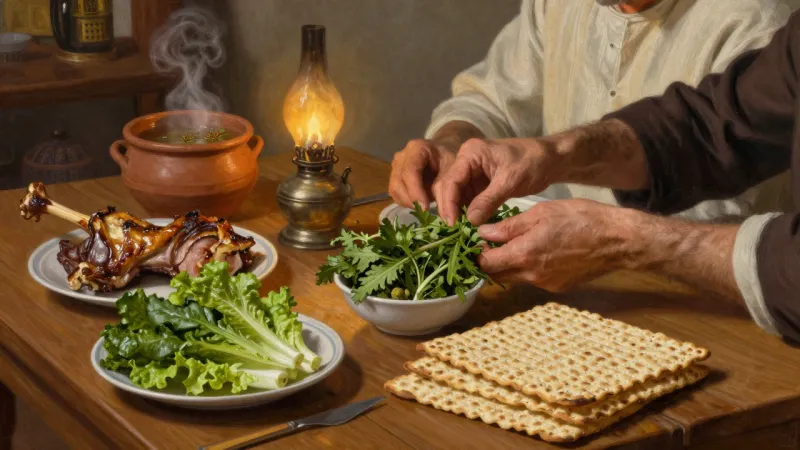
Bitter herbs appeared with festival symbolism, reminding diners of hardship and deliverance. You might taste sharp greens like wild lettuce or chicory, their bite waking the mouth.
They balanced richer foods and kept memory alive at the table.
The bitterness was chosen, not avoided. It taught gratitude by contrast.
A leaf alongside lamb and bread turned eating into remembrance and hope.