
15 Foods Many Adults Continue To Approach With Caution
Some foods never stop feeling like a dare, even long after childhood pickiness is supposed to fade away. For plenty of adults, it is not the flavor alone that causes hesitation – it is the smell, texture, memory, or mental image that comes with the first bite.
A single bad experience can turn an ordinary ingredient into a lifelong maybe. Here are the foods that still make many grown-ups pause before saying yes.
1. Oysters
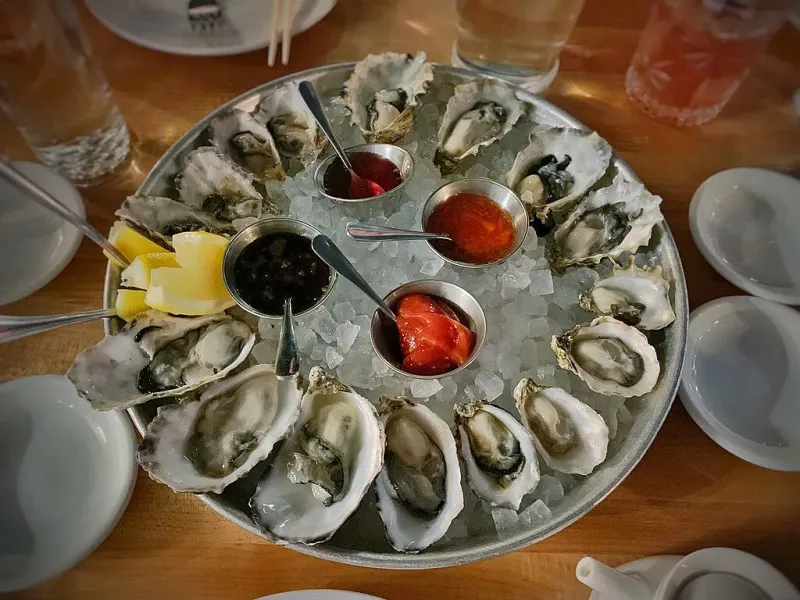
Raw oysters ask a lot from a hesitant eater. Before the flavor even arrives, you have to get past the slippery texture and the idea of swallowing something that barely seems chewed.
That mental hurdle alone is enough to make many adults back away from the platter.
The funny thing is, oyster fans describe them as briny, fresh, and almost luxurious. But if your first thought is “why does this feel alive,” the romance is probably lost.
Once a food becomes a texture challenge and a psychological test at the same time, caution tends to stick around for years.
2. Liver
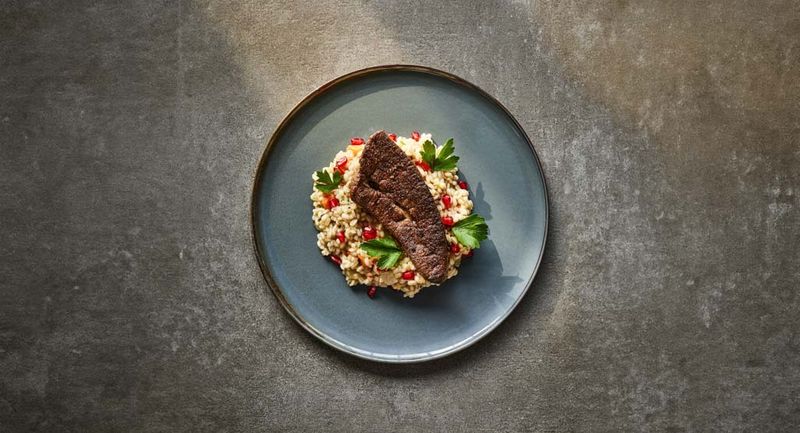
Liver has the kind of reputation that can outlive a single terrible meal by decades. Its flavor is strong, mineral-heavy, and unmistakable, while the smell can fill a kitchen before dinner even hits the plate.
If it is overcooked, the texture turns grainy fast, which only makes the whole experience harder to forgive.
People who love liver usually praise its richness and old-school comfort. Still, one dry, chalky bite can convince you that every future version will be just as bad.
That is why many adults approach it carefully, even when it is cooked by someone they trust.
3. Blue cheese
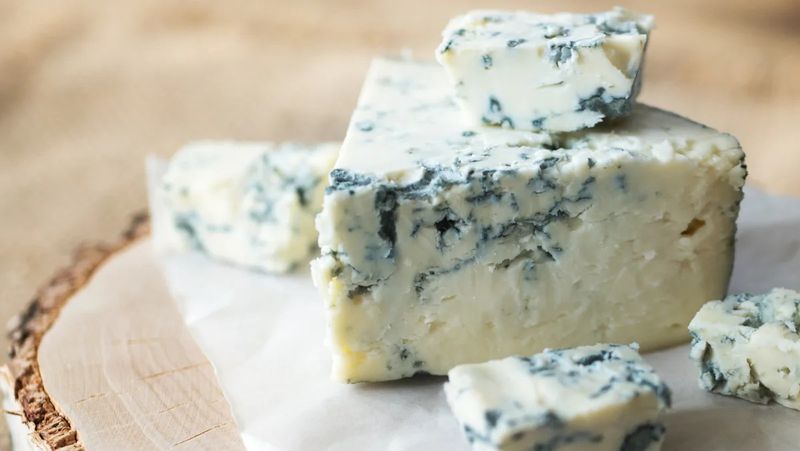
Blue cheese can intimidate people before they even taste it. The aroma arrives first, and it does not exactly whisper.
Even adults who happily eat cheddar, brie, or goat cheese may stop short when blue cheese announces itself from across the table.
Then there is the visual factor, because those blue veins can feel more scientific than appetizing if you are already unsure. Fans call it bold, creamy, and complex, especially in dressings or on burgers.
But when a cheese seems to challenge your nose, eyes, and comfort level at once, hesitation makes perfect sense for many adults.
4. Anchovies
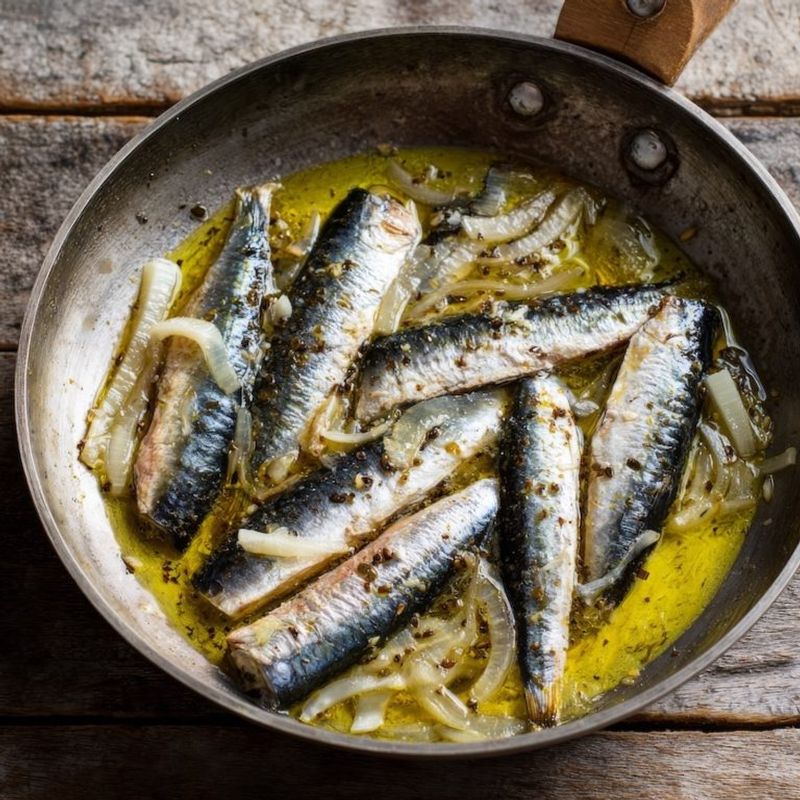
Anchovies scare people with their reputation long before they get a fair chance. The word alone makes many adults picture an aggressive fishy blast followed by a wave of salt.
That expectation can overshadow the fact that anchovies often disappear into sauces, dressings, and pasta, adding depth instead of domination.
Used well, they melt down and become pure savory magic. Used badly, they confirm every fear in one sharp, briny bite.
If your first anchovy experience came from an overloaded pizza or a salty tin, it is easy to understand why you still approach them like they might ambush your taste buds.
5. Okra
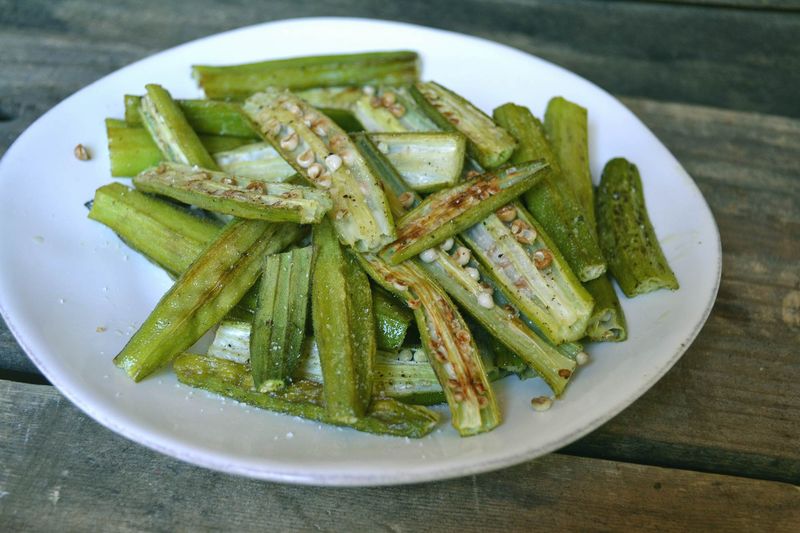
Okra loses a lot of people because of one word: slimy. If you grew up with a version that was boiled into a slippery side dish, that memory is hard to shake.
Texture can be more powerful than taste, and okra has a texture reputation that follows it everywhere.
That is a shame, because roasted or fried okra can be crisp, flavorful, and genuinely satisfying. The problem is convincing someone to forget the first soft, gooey bite that taught them to be suspicious.
Once a vegetable becomes known for mouthfeel instead of flavor, many adults keep it at arm’s length.
6. Brussels sprouts
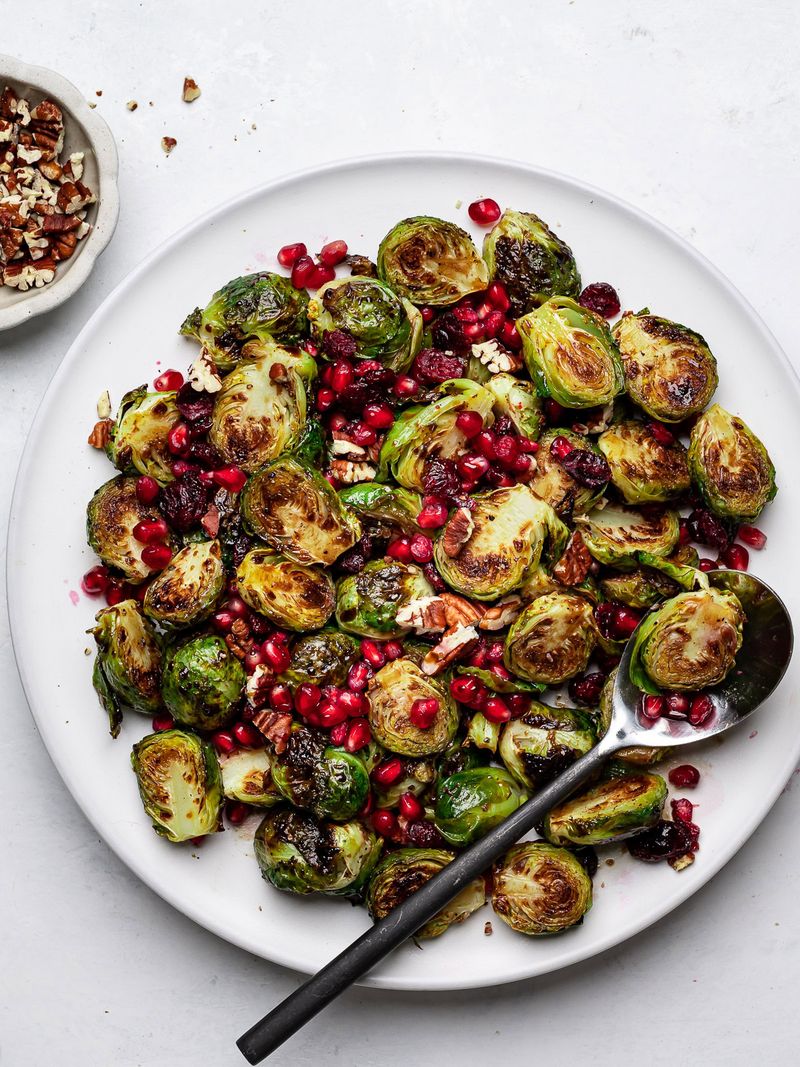
Brussels sprouts have enjoyed a modern comeback, but not everyone got the memo. Plenty of adults still remember the boiled version from years ago, the one that was soggy, sulfurous, and bitter enough to make dinner feel like punishment.
Those childhood memories have staying power.
Today, roasted Brussels sprouts with crisp edges and a little char can be fantastic. But it takes time to trust a vegetable that once smelled like a bad decision and tasted even worse.
For many adults, the skepticism is less about the current recipe and more about trying to overcome a deeply planted memory.
7. Canned sardines
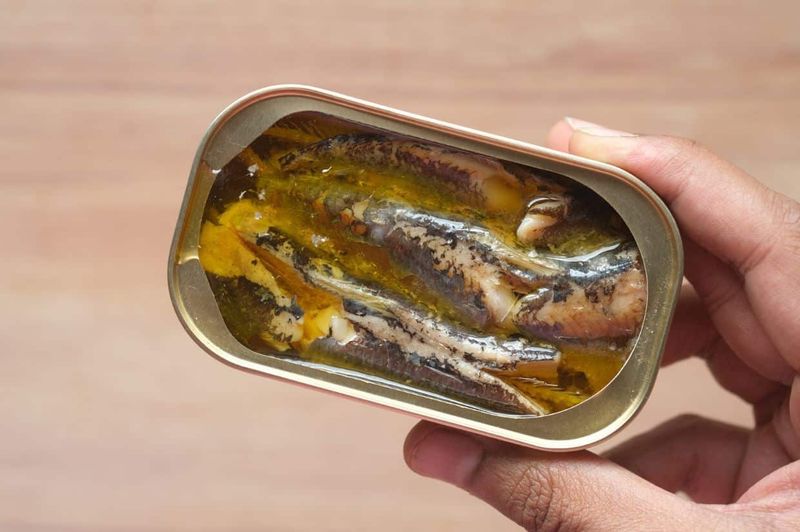
Canned sardines face an image problem before the lid even comes off. The phrase “fish in a tin” is enough to make some adults hesitate, and the smell does not always help their confidence.
Even people who enjoy seafood can feel a little challenged by the compact, shiny reality inside the can.
Sardine fans will tell you they are rich, satisfying, and great on toast or crackers. That may be true, but getting past the presentation takes effort if you are already wary.
When food looks intensely itself and arrives with a strong aroma, caution becomes a pretty understandable first reaction.
8. Beets
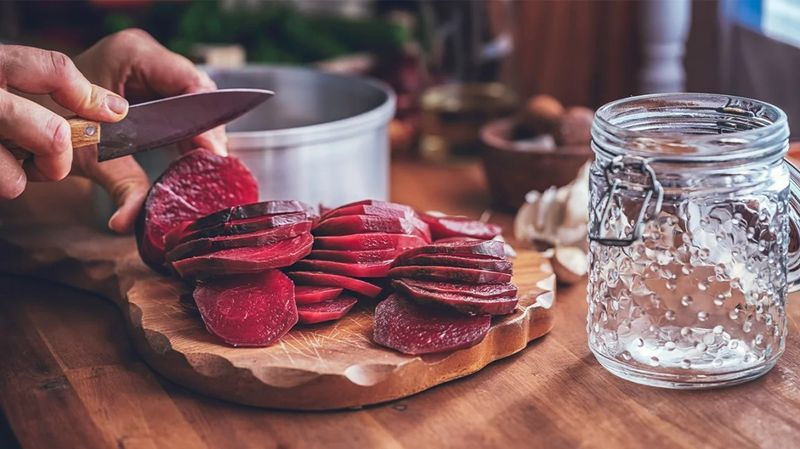
Beets divide people fast because their earthy flavor can land very differently depending on your palate. Some adults taste sweetness and depth, while others immediately think of dirt and cannot move past that association.
Once that idea settles in your mind, every bite seems to confirm it.
The texture can be lovely when roasted, and beet salads can look gorgeous on the table. Still, visual beauty only goes so far if the flavor keeps reminding you of a garden after rain.
Beets are one of those foods where a single strong impression tends to shape every future encounter for years.
9. Mushrooms
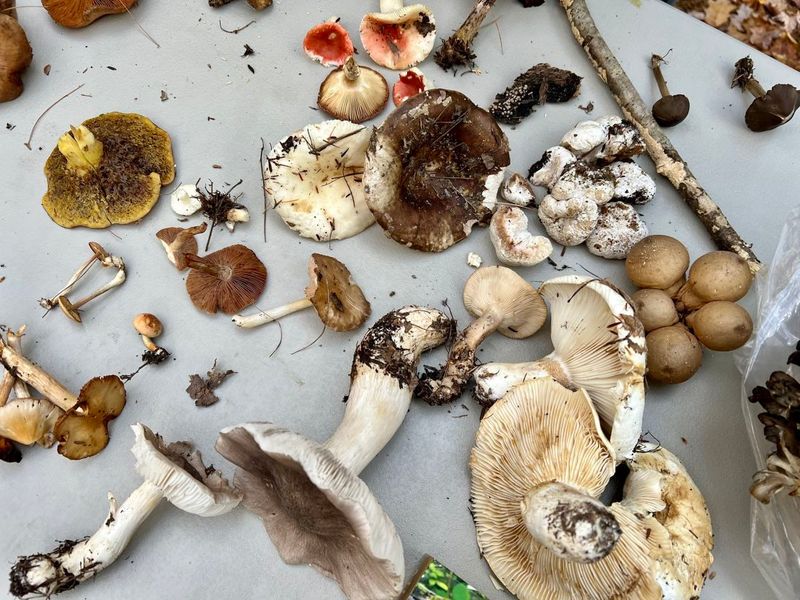
Mushrooms are tricky because the flavor is not always the problem. Many adults actually like the savory, woodsy taste but still struggle with the soft, chewy texture.
That contrast can make each bite feel suspicious, especially if the mushrooms are large, slippery, or underseasoned.
For people who love them, mushrooms add richness and depth to everything from pasta to burgers. For everyone else, they feel like little sponges with an identity crisis.
Texture aversion is hard to reason away, and mushrooms sit right in that uncomfortable zone where something can taste good while still feeling wrong in your mouth.
10. Runny eggs

Runny eggs ask you to trust that something which looks unfinished is actually exactly right. For many adults, that is not an easy sell.
The glossy yolk spilling across a plate can feel luxurious to one person and unmistakably undercooked to another.
Texture plays a huge role here, because not everyone wants their breakfast to ooze. Fans love the richness and the way yolk turns toast, rice, or potatoes into something more indulgent.
But if your brain keeps insisting the egg needs more time in the pan, that first bite becomes less about flavor and more about overcoming a built-in warning signal.
11. Cottage cheese
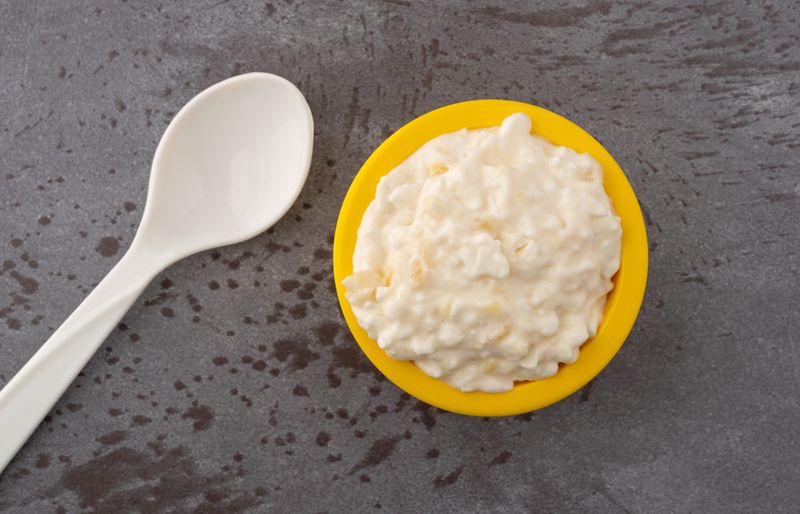
Cottage cheese is mild enough in flavor, but its appearance does it no favors. Those curds can feel strange if you are expecting something smooth, and for many adults, the texture is a complete deal-breaker before taste even gets a vote.
It is hard to embrace a food that looks halfway between creamy and lumpy.
People who enjoy it often praise its protein, versatility, and gentle tang. Still, texture can overpower logic very quickly at the table.
If every spoonful feels like your mouth is trying to process two conflicting foods at once, caution is a perfectly reasonable reaction and one many adults never quite outgrow.
12. Tofu
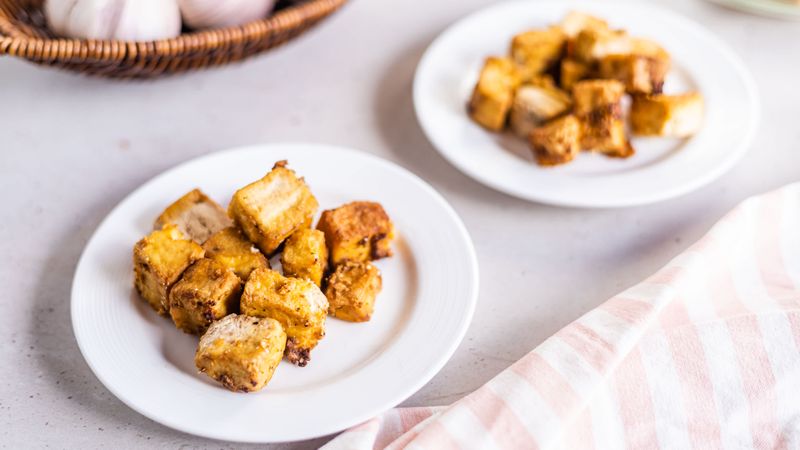
Tofu gets approached with suspicion because people expect it to be bland, odd, or somehow less real than other proteins. On its own, it is admittedly subtle, which means a bad tofu dish can taste like disappointment with a side of confusion.
That first weak impression is enough to keep many adults skeptical.
The truth is tofu is all about preparation. When pressed, seasoned, and cooked well, it can be crisp, tender, smoky, spicy, or deeply savory.
But if you have only met pale, watery cubes floating in a forgettable dish, it makes sense that you still approach it carefully.
13. Raw tomatoes
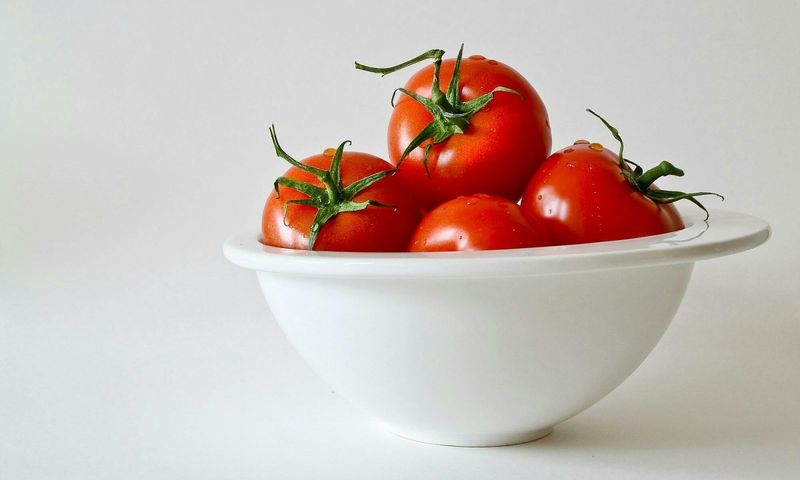
Raw tomatoes are a classic example of how cooking can completely change a person’s comfort level. Plenty of adults enjoy tomato sauce, soup, or roasted tomatoes, yet still recoil from a raw slice on a sandwich.
The issue is often the wet texture, slippery seeds, and sudden burst of cool acidity.
For tomato lovers, that freshness is exactly the point. For everyone else, a raw tomato can feel like it hijacks the whole bite with juice and squish.
When texture and temperature work against you at the same time, even a common salad ingredient can become something you approach with caution.
14. Organ meats
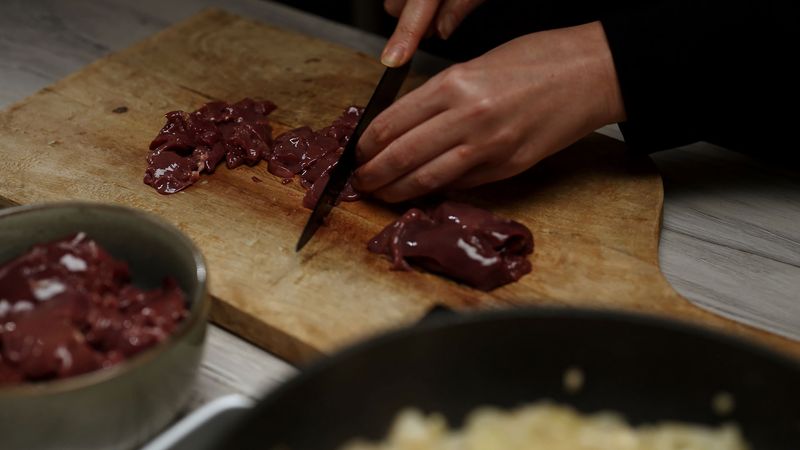
Organ meats ask adults to cross more than one line at once. There is the flavor question, of course, but there is also the undeniable reminder of exactly what part of the animal you are eating.
Even adventurous eaters can need a second to process tongue, heart, or tripe before taking a bite.
Prepared well, these cuts can be rich, tender, and deeply traditional in many cuisines. Still, the mental hurdle is real, and it does not disappear just because the dish is skillfully made.
When food feels anatomically specific, many adults find themselves weighing curiosity against squeamishness in real time.
15. Seaweed
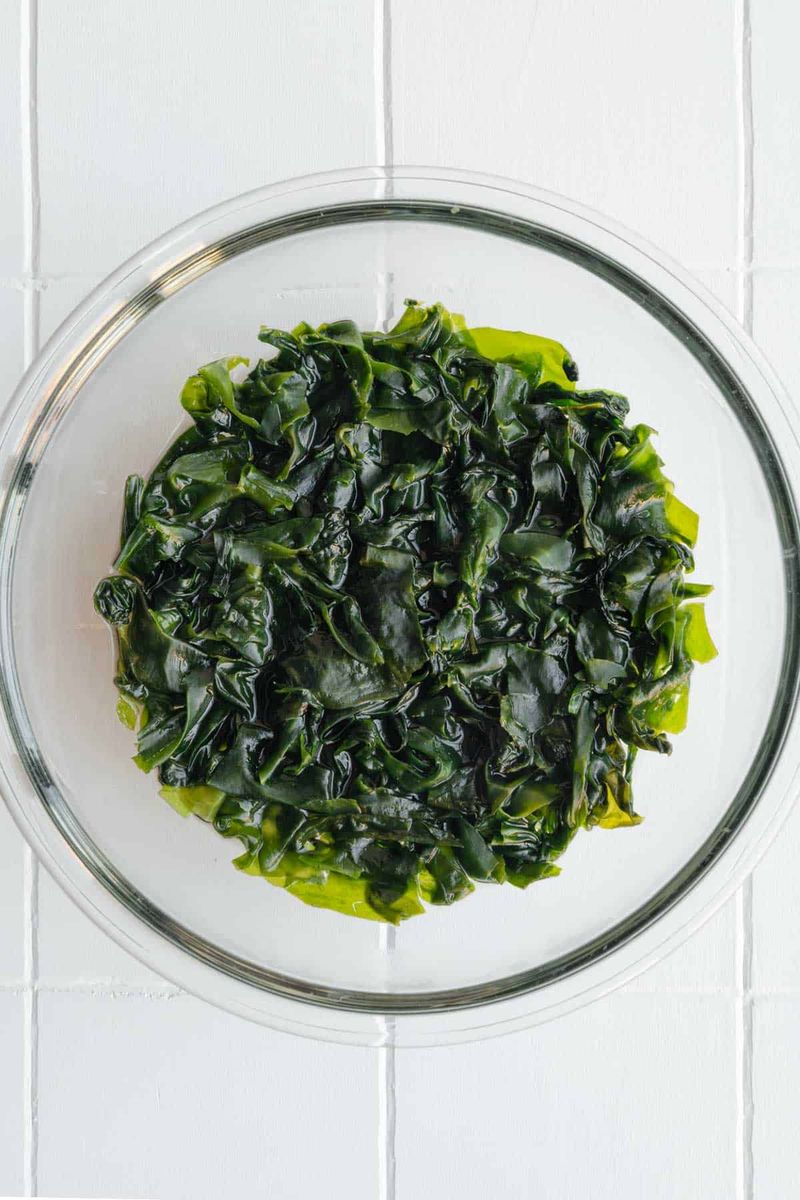
Seaweed can be a tough sell because it tastes unmistakably like the ocean. Some adults love that briny, mineral quality, while others immediately decide it is too sea-like to enjoy.
Texture adds another layer of uncertainty, since seaweed can be crisp, chewy, slippery, or papery depending on how it is served.
Nori around sushi might feel approachable, but a bowl of seaweed salad or a sheet snack can still trigger hesitation. Once flavor and texture both lean unfamiliar, people tend to proceed carefully.
Seaweed is one of those foods that rewards openness, yet still asks a lot from cautious eaters.