
15 Forgotten Native American Harvest Dishes That Filled Everyday Meals
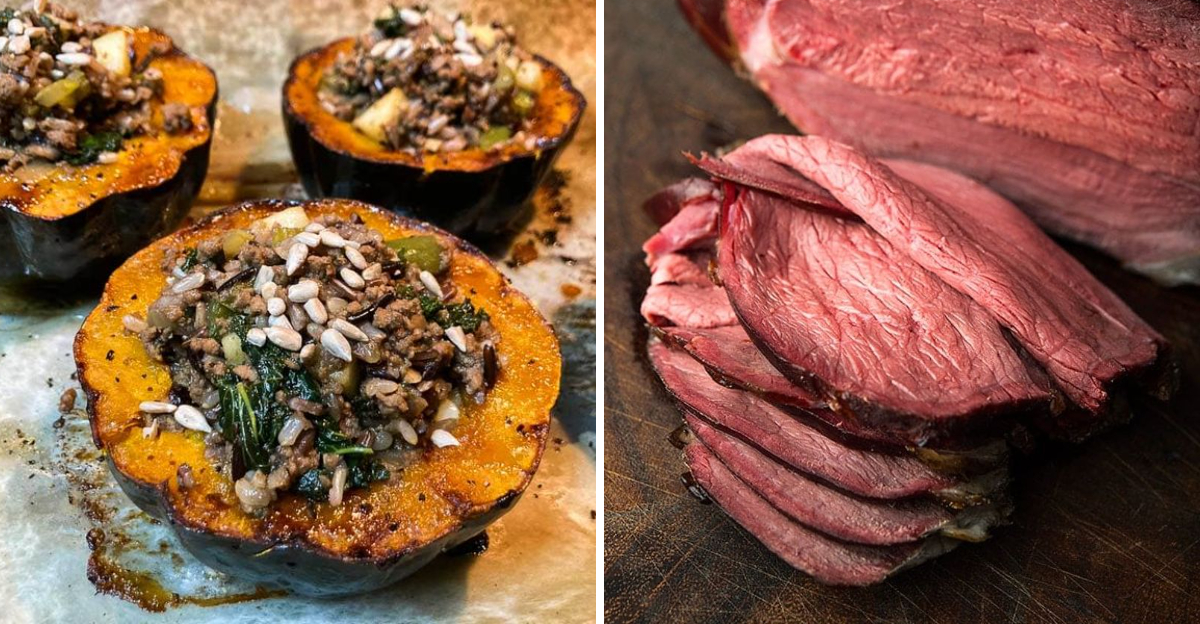
Across the continent, everyday Native meals leaned on seasonal harvests that could be dried, smoked, or stored to last. These dishes were practical, comforting, and built to carry families through long winters and lean times.
Many are still loved in homes and community gatherings, even if they do not always make headlines. Come revisit these humble staples and see how they still fit beautifully on your table today.
1. Three Sisters stew
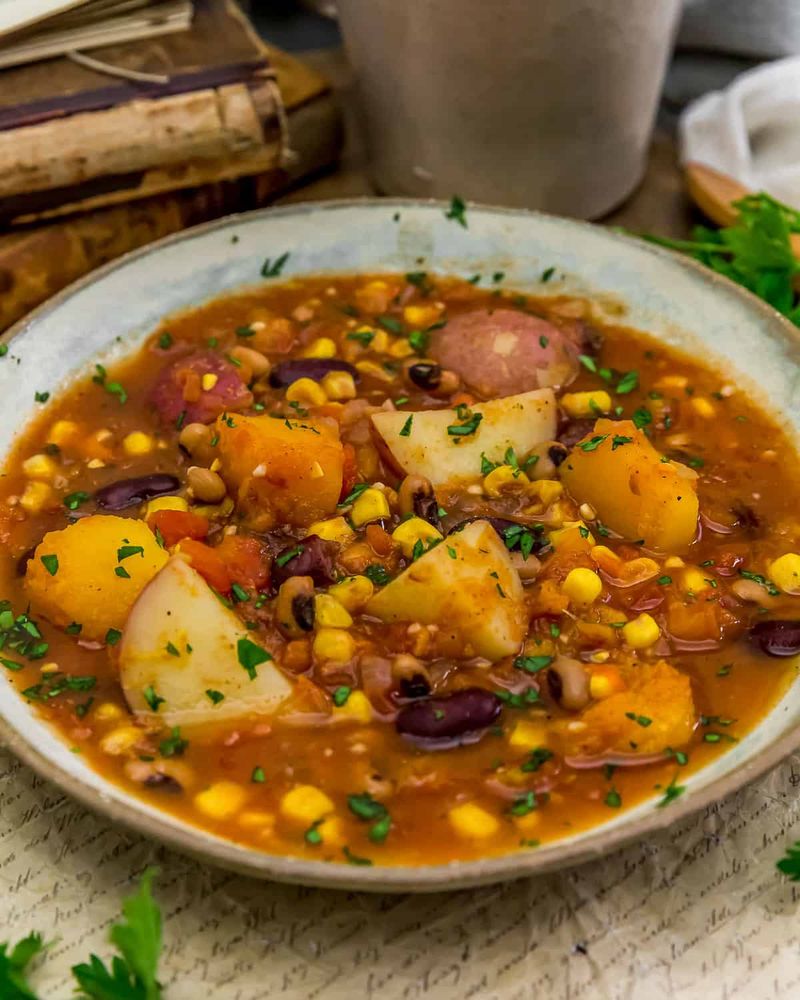
Three Sisters stew brings corn, beans, and squash together in a single pot that feels like home. You get sweetness from squash, heartiness from beans, and corn tying everything into a silky broth.
It makes sense for harvest season, using ingredients that store well and nourish you deeply.
Some cooks add onions, chilies, or dried meat when available, building layers of savory comfort. You can serve it thick with a spoon standing tall, or leave it brothy for sipping on chilly evenings.
However you land, it fills bowls and bellies with steady warmth.
Make extra and it tastes even better next day, when flavors settle. It pairs beautifully with ash cakes or a scoop of hominy.
2. Hominy and beans
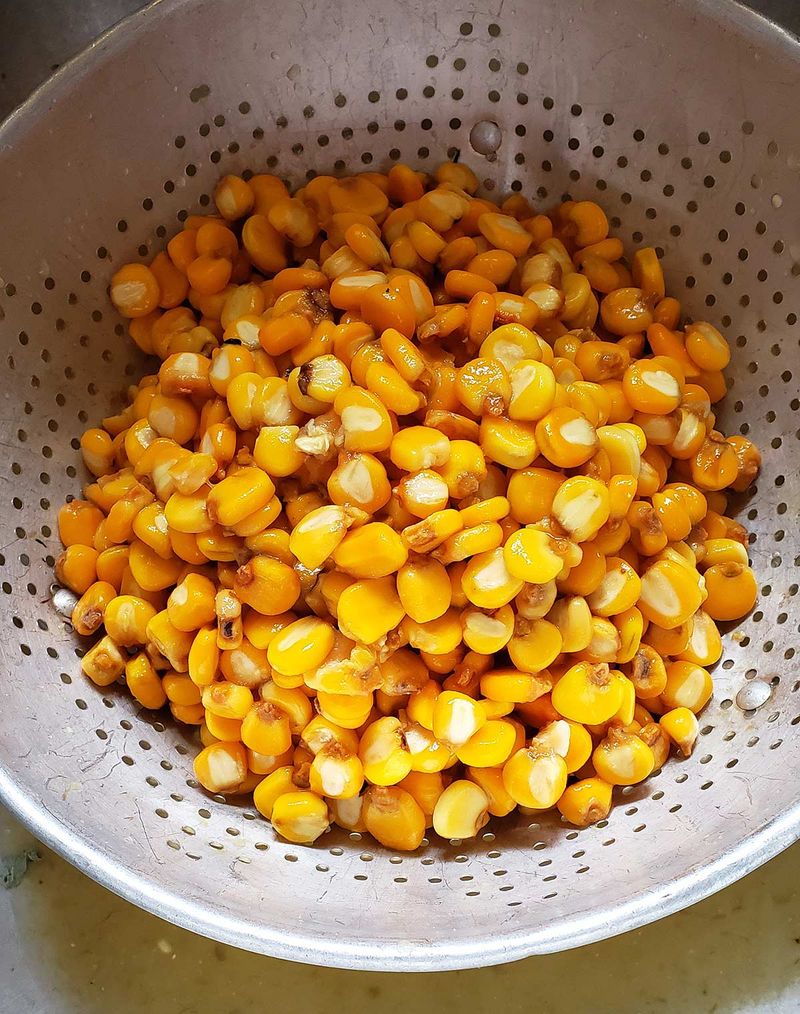
Hominy and beans feel simple at first glance, but the flavor runs deep. Nixtamalized corn turns into hominy with a tender bite and gentle sweetness, while beans bring body and comfort.
Together, they create a bowl that steadies you, especially when seasoned with herbs or a pinch of smoked salt.
In harvest time, cooks stirred in dried meat or chilies for extra strength. The broth can be light, or cooked down thicker to hug every spoonful.
Both ways, you taste patience and practicality.
It stores well, reheats easily, and welcomes toppings like green onions or sunflower seeds. Serve it alongside roasted squash, or fold leftovers into a thicker stew tomorrow.
Your kitchen will smell like care.
3. Roasted squash with sunflower seeds
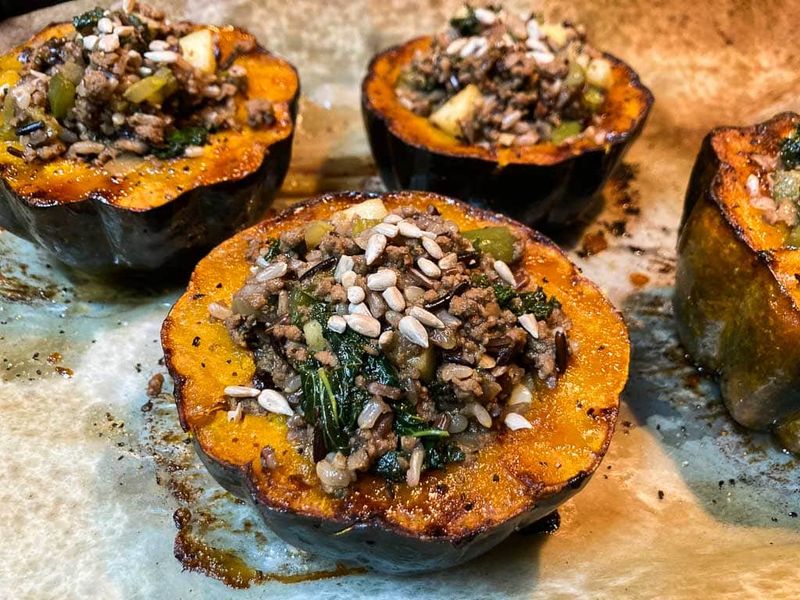
Roasted squash with sunflower seeds feels like a small celebration of the harvest. The squash turns sweet and caramelized in a hot oven or over coals, while sunflower seeds toast to a nutty crunch.
A pinch of salt and perhaps a splash of maple or herb oil lifts everything.
This side can stand alone or join stews and bean dishes. It keeps well and reheats without losing charm, which made it handy during busy seasons.
You can mash the squash slightly for a softer texture, or keep it in hearty chunks.
Sunflower seeds add protein and satisfying bite. Sprinkle them on just before serving so they stay crisp.
Every forkful tastes like sunshine stored for colder days.
4. Corn and wild greens pot
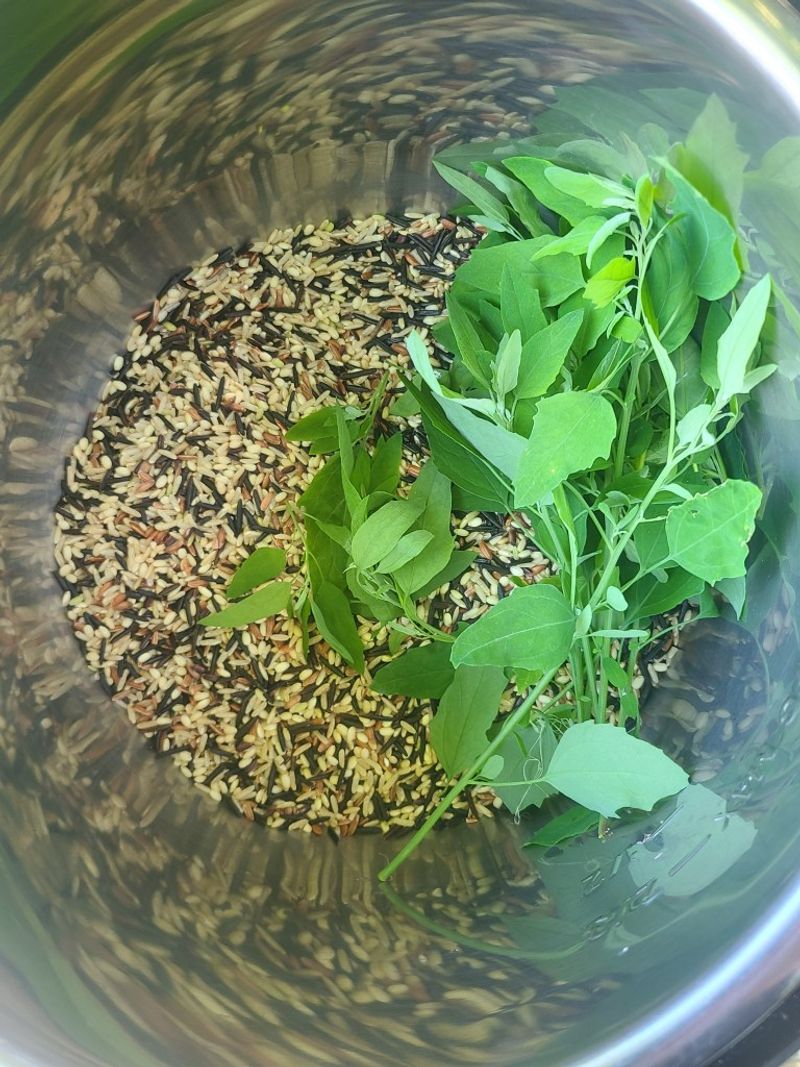
A corn and wild greens pot leans on what you can gather close to home. Corn thickens the broth, turning it velvety, while greens like lamb’s quarters bring deep, earthy notes.
It is a flexible dish, welcoming whatever the season offers.
You might add onions, garlic, or a handful of dried mushrooms. Some cooks swirl in a little oil or fat for richness, especially during colder months.
The result is wholesome, light yet satisfying, and just right for everyday meals.
Serve with ash cakes or over hominy for extra heft. Leftovers can be blended slightly for a creamy soup.
You will taste the land in every spoonful, bright and honest.
5. Blue corn mush
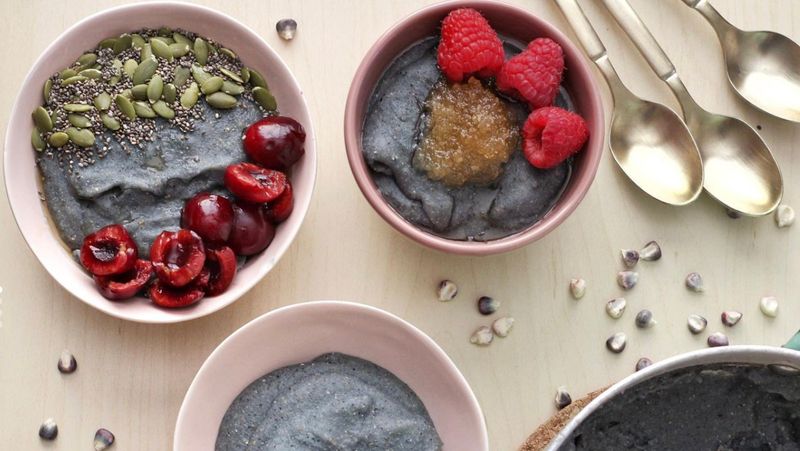
Blue corn mush is comfort you can eat with a spoon. The porridge turns a beautiful dusky blue and tastes warm, toasty, and grounded.
Depending on the day, you can sweeten it lightly or keep it plain and savory.
Some families stir in cedar ash or mineral-rich water, giving a distinctive flavor and added nutrients. Others fold in berries, seeds, or a small pat of fat for a heartier bowl.
It is quick to make and easy to digest.
Great for breakfast, but welcome any time, this mush steadies your pace. It pairs nicely with dried fruit, crisp apples, or a side of beans.
Simple ingredients, soulful results, every time.
6. Ash cakes
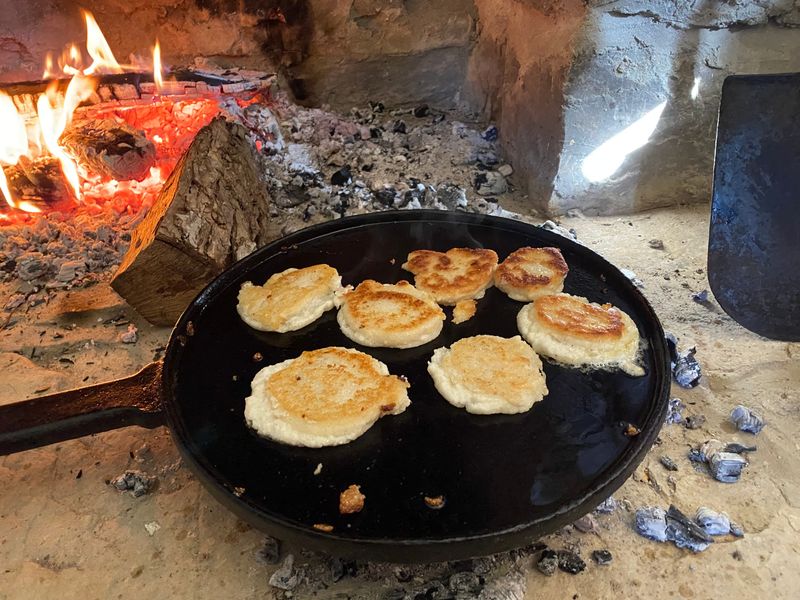
Ash cakes are humble and brilliant, turning a basic corn dough into portable bread. You pat small rounds and cook them near coals, where they pick up a smoky crust and tender center.
They fit into a pocket and keep you moving through busy harvest days.
Some cooks tuck in herbs or a splash of fat for flavor. Others press patterns on top so they do not stick and lift easily from stones.
You can eat them plain, with a smear of squash, or dunked in stew.
They travel well and revive quickly over heat. Make extra for the week because they disappear fast.
Ash cakes prove simple food can be deeply satisfying.
7. Succotash
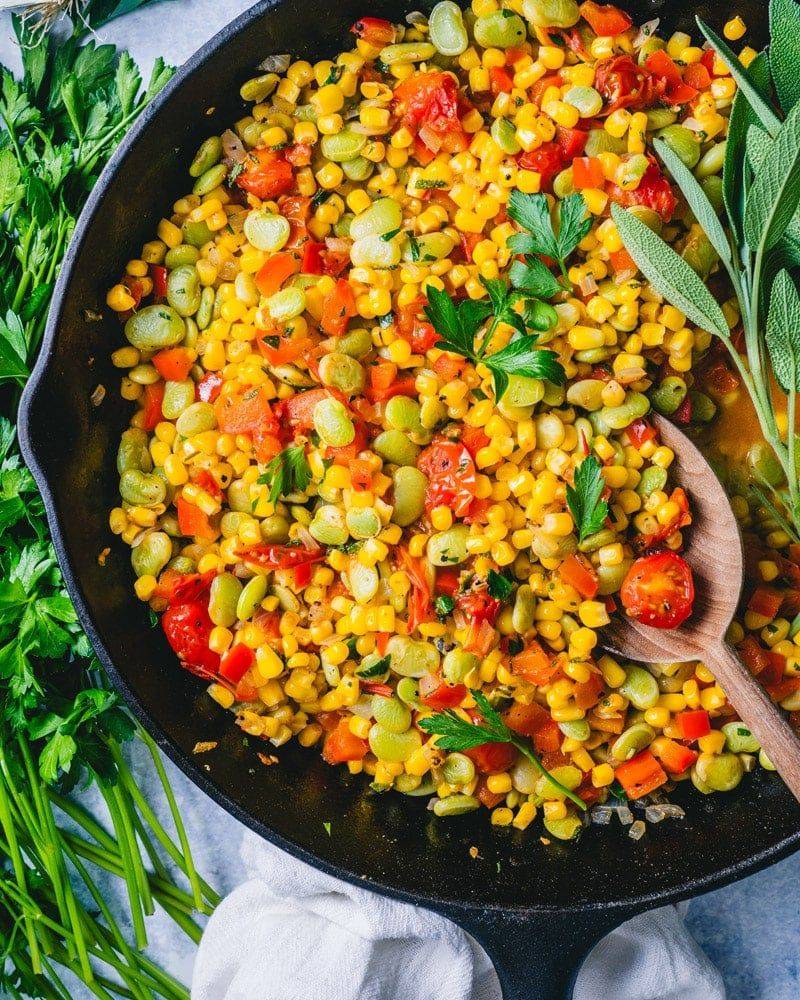
Succotash brings corn and beans together with easy grace. Sometimes squash or onions join, turning the bowl colorful and bright.
It can be brothier for hot days or cooked thicker like a stew when you want something heartier.
Season simply with salt, herbs, and maybe a little fat for shine. Dried peppers or smoked meat pieces deepen the flavor without stealing the show.
It is a dish that shifts with the pantry and still feels familiar.
Leftovers fold beautifully into next-day meals. Spoon it over ash cakes or stir into hominy for variety.
With every bite, succotash reminds you how well these crops support each other and you.
8. Cedar-plank salmon
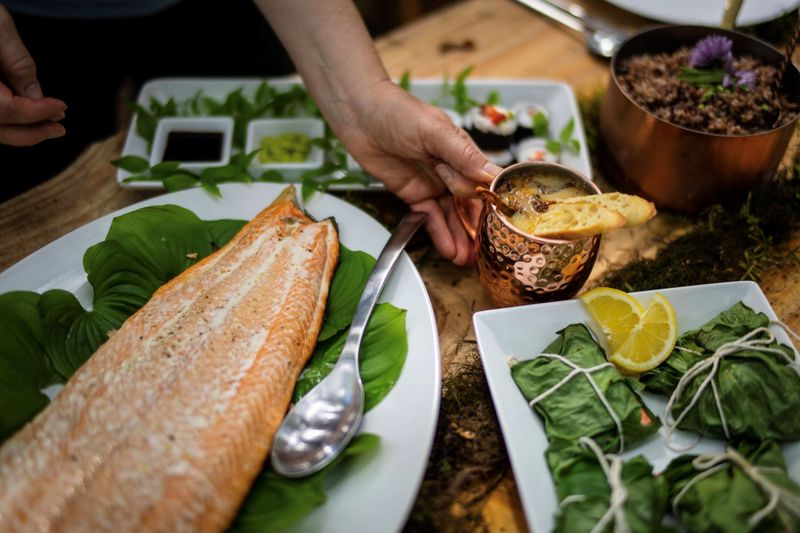
Cedar-plank salmon cooks gently, picking up aromatic smoke from the wood. The fish stays moist, flakes neatly, and tastes clean with a whisper of forest.
It is a technique cherished along coastal regions, where salmon runs anchor the season.
Sometimes the fish is brushed with rendered fat, berries, or herbs. Other times it is left plain to honor the salmon’s richness.
Either way, you get a balance of sweetness, smoke, and sea.
Serve with wild greens, roasted roots, or corn dishes. Even cooled leftovers taste special, tucked into stews or flaked over rice.
When the plank sizzles and the air smells like cedar, you know supper will be memorable.
9. Dried salmon strips

Dried salmon strips turn a fleeting harvest into lasting nourishment. Thin pieces are cured and dried until they become concentrated and savory.
Packed well, they store through winter, then slip into soups, stews, or quick snacks on the go.
The flavor is intense, so a little does plenty. Rehydrated, the strips lend body and depth to simple broths.
Crumbled, they season vegetables with a briny, satisfying note.
Drying methods vary by region and family, from smokehouses to open-air racks. What unites them is patience and care, watching weather and tending fire.
When the baskets fill with strips, you can feel relief, knowing meals are secured beyond the season.
10. Smoked venison
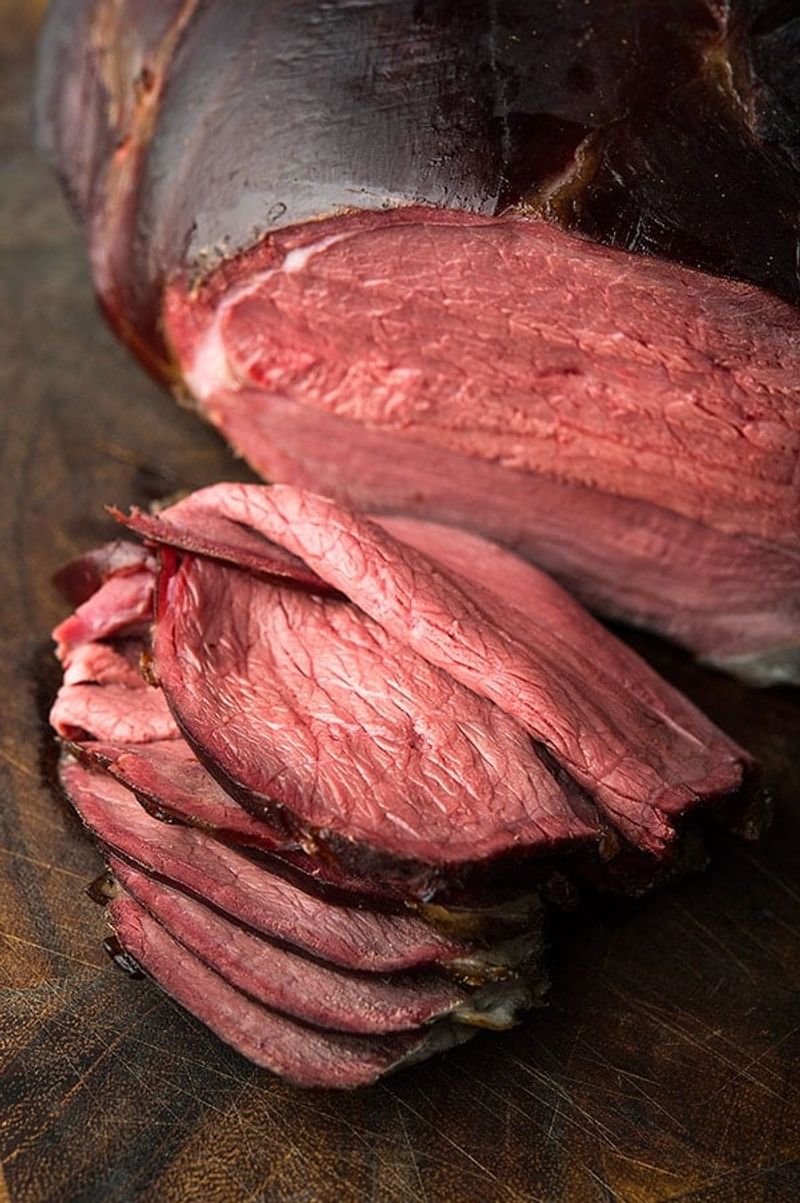
Smoked venison is hardworking food with graceful flavor. Lean deer meat takes on slow smoke, turning tender and fragrant.
Eaten as-is, it makes a satisfying chew, but it also stretches stews, beans, and corn dishes brilliantly.
Cuts vary, and so do woods, from alder to oak to fruit woods. Seasonings stay simple, letting the meat speak.
Long, low heat is the secret, along with time to rest and settle.
Pack slices for travel or crumble bits into a pot to transform a plain broth. It is practical protein, steady and dependable.
When smoke clings to your clothes, you know dinner will comfort everyone around the table.
11. Pemmican-style dried meat and berries
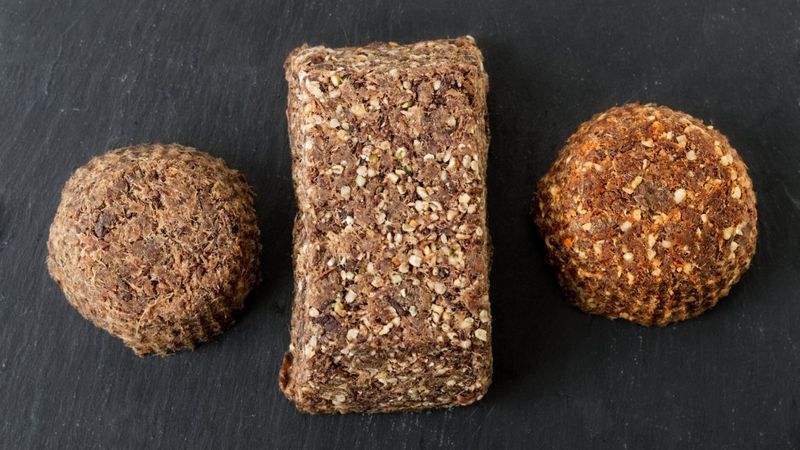
Pemmican-style food packs surprising power into a small bite. Lean dried meat is pounded, mixed with rendered fat, and sometimes blended with berries.
The result keeps well, travels well, and fuels long days when cooking is not possible.
Texture ranges from firm bars to softer patties, depending on fat ratio. Sweet-tart berries brighten the savoriness and add energy.
You can eat it straight or crumble into a hot pot to instantly enrich broth.
This approach appears across Plains and northern regions, with family methods shaping flavor. It is practical wisdom distilled into food.
When you need strength without fuss, pemmican-style bites deliver, steady and sure.
12. Wild rice and mushroom soup
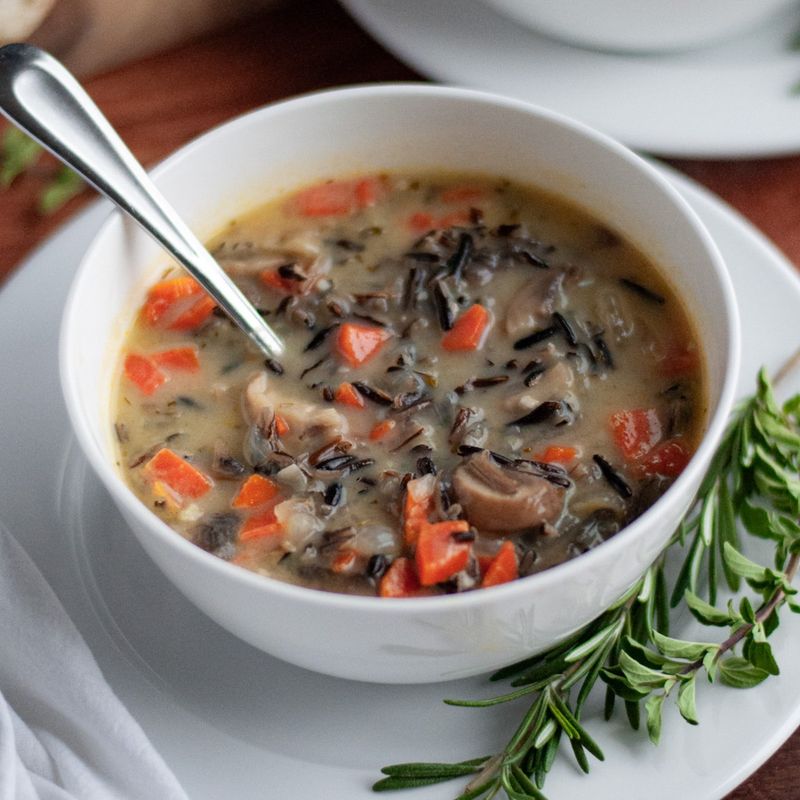
Wild rice and mushroom soup tastes like the forest in a bowl. The grains stay pleasantly toothy while mushrooms bring deep, woodsy flavor.
A good broth ties it together, sometimes enriched with a little fat for warmth.
It is tied to Great Lakes harvests, where wild rice holds cultural meaning and careful stewardship. Add onions, herbs, or diced roots if you like.
Each addition respects the rice, letting it lead.
Leftovers thicken beautifully, turning into a near-stew the next day. Serve with ash cakes or roasted squash for balance.
When steam curls up and the broth glows dark and glossy, you know you are in for comfort.
13. Maple-sweetened corn bread
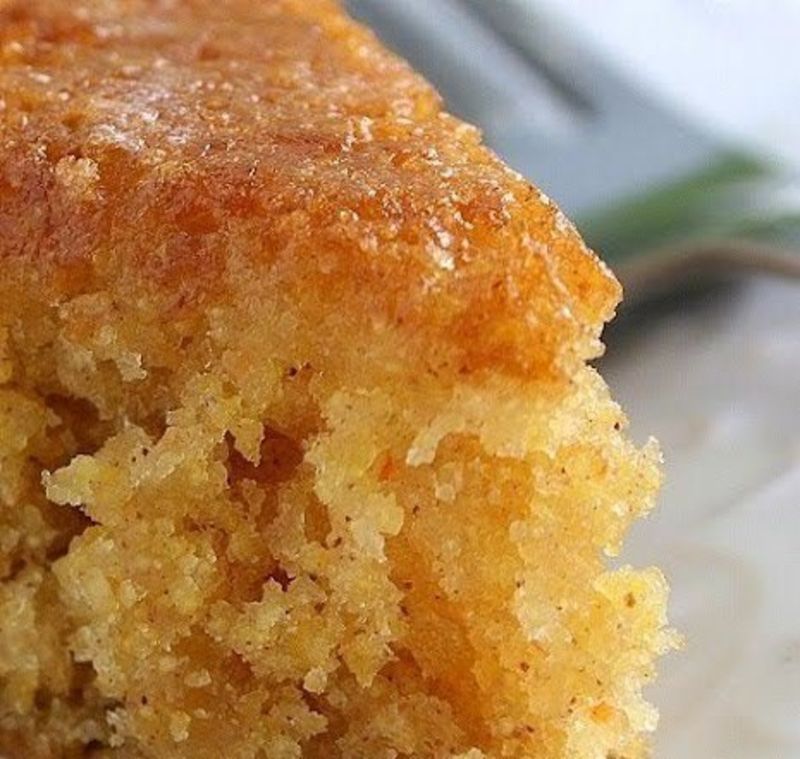
Maple-sweetened corn bread brings two harvests into harmony. Cornmeal bakes into a golden crumb, while maple adds gentle sweetness that never overwhelms.
It is lovely with tea, stews, or a smear of berry sauce.
Some cooks bake it in cast iron for crisp edges. Others steam small loaves for tenderness, depending on tradition.
The perfume of maple drifting through the house feels like celebration in any season.
Leftover slices toast beautifully and travel well. You can dial sweetness up or down to suit the meal.
Paired with savory beans or wild rice soup, this bread makes everyday eating feel quietly special.
14. Bean breads
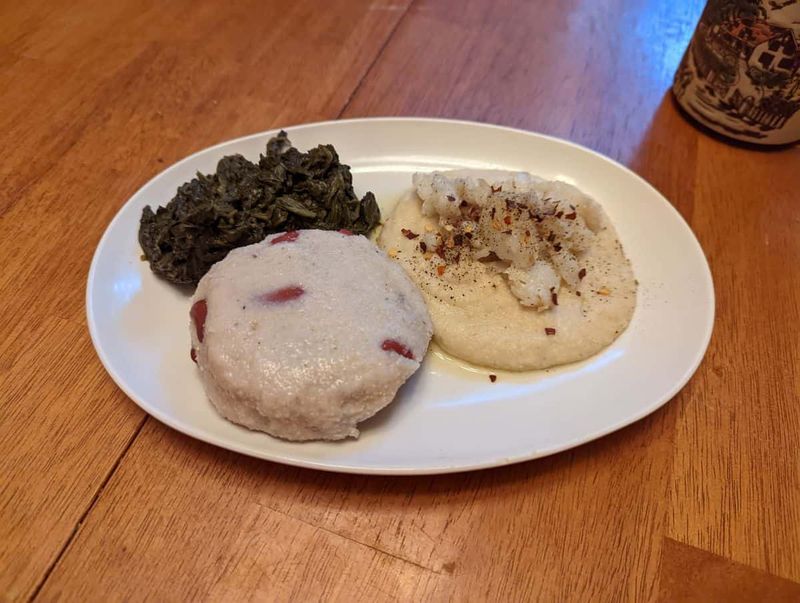
Bean breads solve a practical puzzle by stretching grain with protein. Mashed beans or bean flour fold into dough, yielding sturdy loaves and tender cakes.
The flavor is mild and toasty, perfect for pairing with soups and stews.
Some versions are wrapped and steamed, others baked in hot ovens or alongside coals. Seasonings stay simple, maybe a touch of fat or herbs.
The texture holds up to travel and reheating.
Slice it thick for open-faced snacks, or crumble into bowls like dumplings. Bean breads prove resourcefulness can taste great.
When the pantry feels lean, these loaves keep meals balanced, satisfying, and ready for whatever the day brings.
15. Acorn mush or acorn cakes
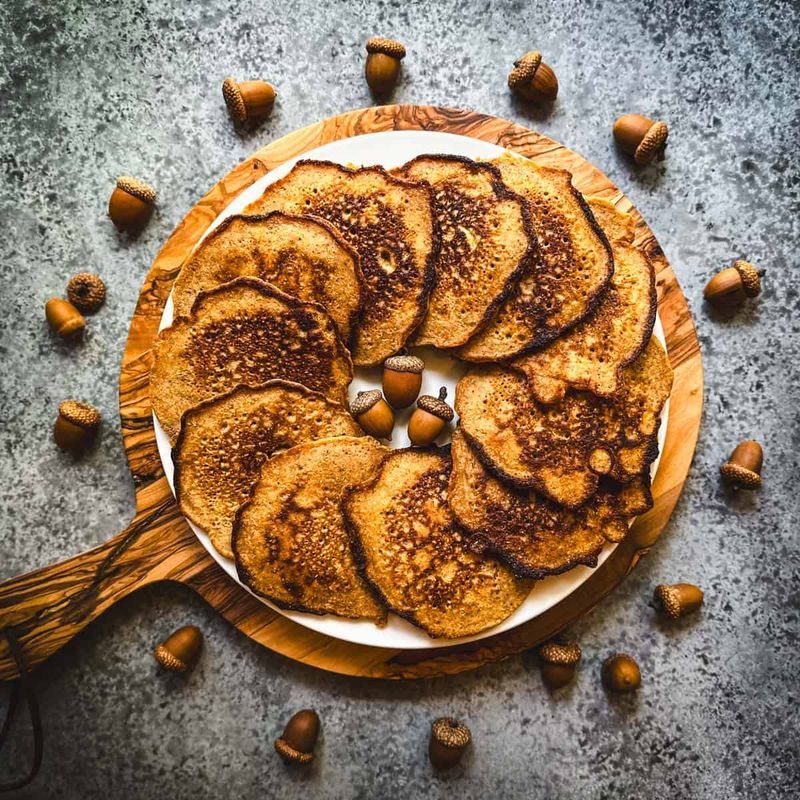
Acorn mush or cakes begin with careful leaching to remove bitterness. Once rinsed clean, the meal cooks into a nutty porridge or forms into patties for searing.
The flavor is earthy and calm, deeply tied to oak groves and seasonal rhythms.
Families perfected their methods over generations, tuning soak times and grind. You can enjoy the mush warm with berries, or fry cakes crisp for dipping into stews.
Both versions store well and reheat gracefully.
Making acorn food takes patience, but the payoff is real nourishment. It shows how closely food knowledge follows the land.
With each spoonful or bite, you taste care, skill, and enduring connection to place.