15 Fried Foods From The Past That Have Faded From Everyday Menus
Remember when a diner menu felt like a mini road trip through regional comfort food? Fried baskets, odd cuts, and thrifty plates once held court, but many have slipped into nostalgia status.
Lighter trends, rising costs, and fast casual routines nudged them aside, even if the flavors still sparkle in memory. Let’s revisit the crispy legends you rarely see anymore and maybe inspire your next kitchen experiment.
1. Chicken-Fried Brain Sandwiches
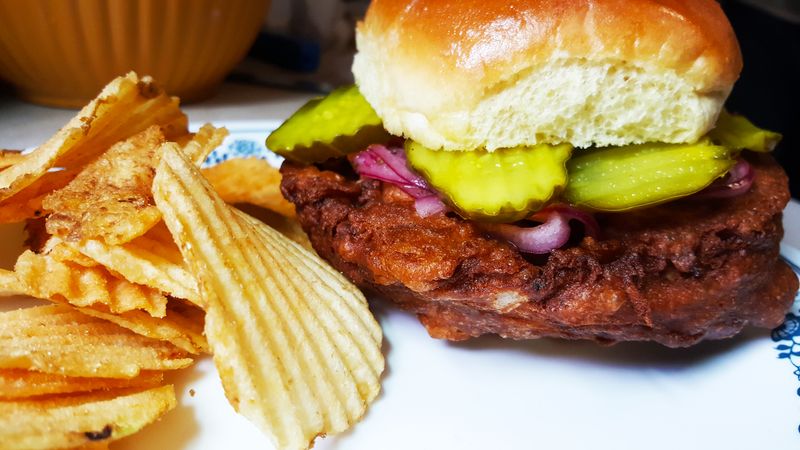
Once a bold staple in pockets of the Midwest, chicken-fried brain sandwiches delivered a surprising contrast of creamy interior and shattering crust. You would find them at old lunch counters, sometimes paired with yellow mustard, pickles, and onion.
They were an inexpensive way to transform humble ingredients into something indulgent.
Health scares and shifting appetites pushed them off mainstream menus, and sourcing became tricky. Today, you might only spot them at a few stubbornly traditional spots or specialty festivals.
If curiosity strikes, look for regional fairs or vintage diners, then go in with an open mind.
They tell a story about frugality, skill, and making do. Taste aside, their legacy is culinary creativity under pressure.
2. Fried Sweetbreads
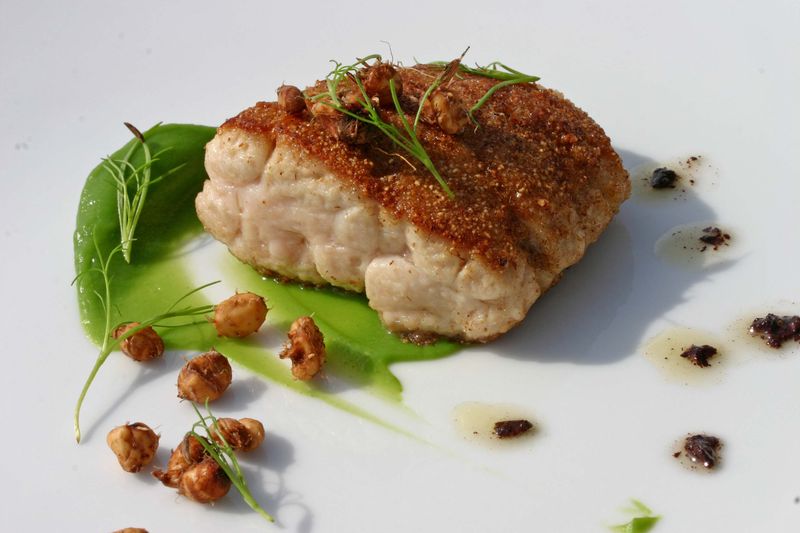
Fried sweetbreads were once fancy yet familiar, the kind of thing a confident home cook or white-tablecloth chef would nail. Properly soaked, floured, and fried, they turn lusciously tender inside, just barely rich without tipping heavy.
A squeeze of lemon and a sprinkle of salt lifted everything.
They slipped as tastes turned leaner and supply chains tightened. Many diners now skip organ meats altogether, despite the incredible texture and depth.
You will still find them at niche restaurants where chefs honor nose-to-tail cooking.
If you ever see them on a special board, consider trying. The technique rewards patience and care.
One bite explains why older generations swore by their delicate, almost custardy charm.
3. Fried Oysters as a Regular Diner Staple
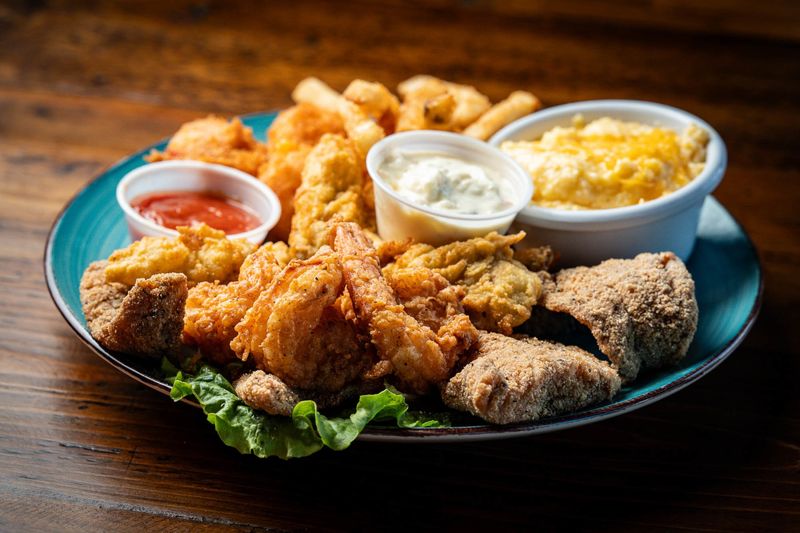
There was a time when fried oysters were not a splurge, just another dependable diner order. Crisp shells, briny centers, and a squeeze of lemon made them perfect with slaw and fries.
Even inland diners carried them, thanks to steady supply lines and a taste for maritime comfort.
Rising costs and seasonality narrowed their reach. Now they feel like a treat, more likely reserved for raw bars and special occasions.
You still can find them, but expect a higher price and careful sourcing.
When you do, enjoy that delicate ocean pop against a crunchy crust. They bridge everyday eating and coastal celebration.
Nostalgia has flavor, and oysters serve it hot.
4. Fried Clam Strips Everywhere
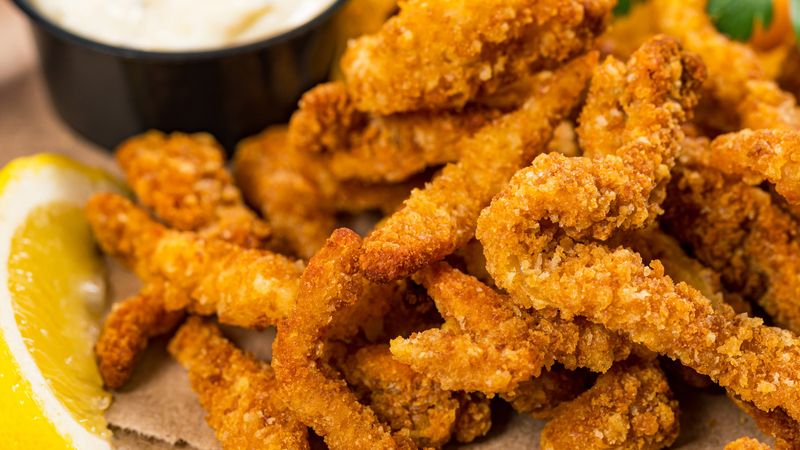
Clam strips once felt inevitable, the default order at boardwalk stands and family seafood joints. Lightly breaded and fried, they delivered salty chew and summer vibes in every bite.
Kids could handle them, adults added hot sauce, and everyone reached for another handful.
As quality and sourcing tightened, menus shifted toward whole-belly clams or pricier options. Fast casual formats trimmed fryer real estate and pushed safer, broader sellers.
You still find clam strips, but less often beyond classic coastal haunts.
If you spot them, pair with a cold soda and paper napkins. That simple ritual captures beach-town spirit.
Sometimes the experience tastes as good as the food itself.
5. Fried Smelt
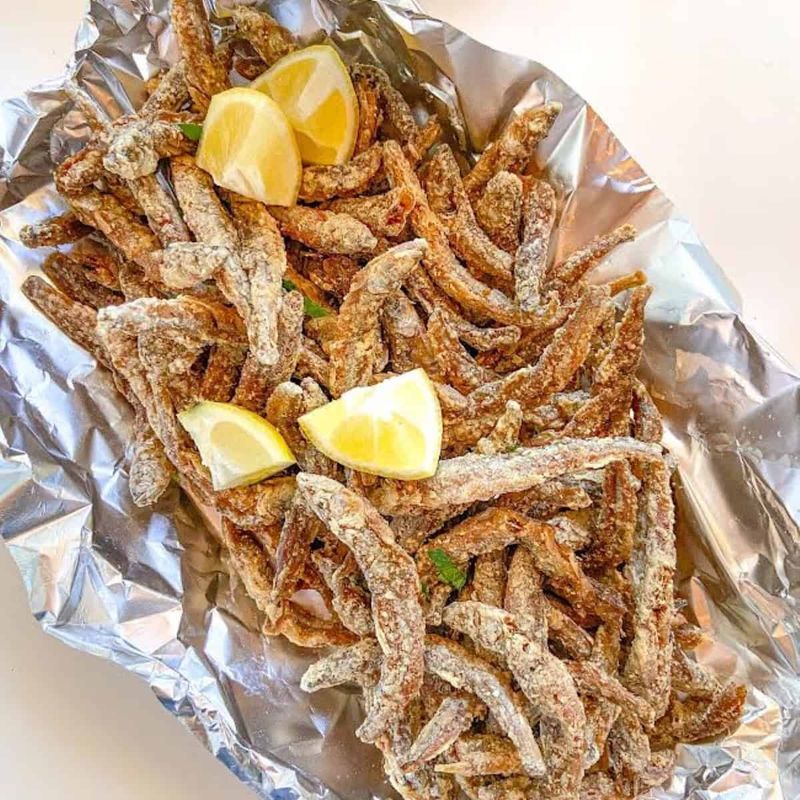
Fried smelt used to anchor fish fries and bar menus, small and plentiful with a satisfying crunch. You ate them whole, tail to head, letting salt and lemon do the heavy lifting.
They were casual, communal, and built for pitchers and conversation.
Availability and costs changed, and diners drifted toward fillets and boneless ease. Smelt became a seasonal specialty rather than a weekly habit.
Now, you need to hunt down fish fry events or beloved taverns keeping tradition alive.
When you do, expect clean flavor and addictive texture. Smelt prove that simple fryers can turn humble fish into celebration.
They taste like Friday nights done right.
6. Fried Frog Legs on Standard Menus
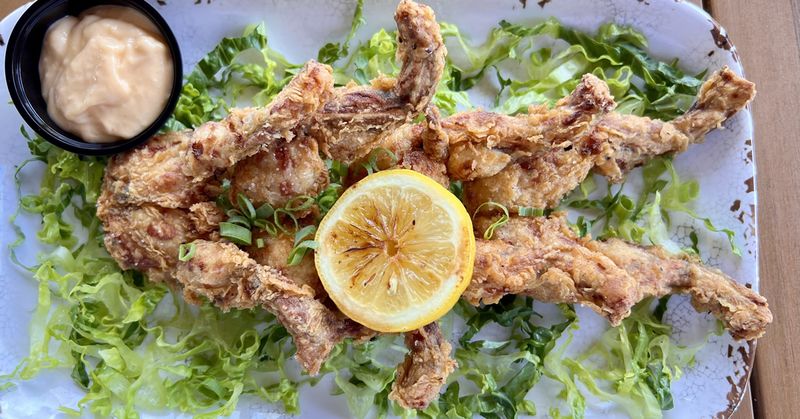
Frog legs once appeared as a playful special in mainstream restaurants, especially across the South and Midwest. The meat is delicate, like a cross of chicken and fish, begging for a quick fry and garlic butter.
They offered adventure without intimidation.
Now, sourcing and niche demand keep them off most menus. Some diners hesitate, and chefs focus on broader crowd pleasers.
You might still find them at Cajun spots, heritage fish camps, or seasonal pop-ups.
If they appear, grab the chance. The crisp batter with lemon cuts through richness perfectly.
It is a bite of culinary folklore that deserves a reintroduction to everyday eating.
7. Fried Liver and Onions as a Go-To Plate
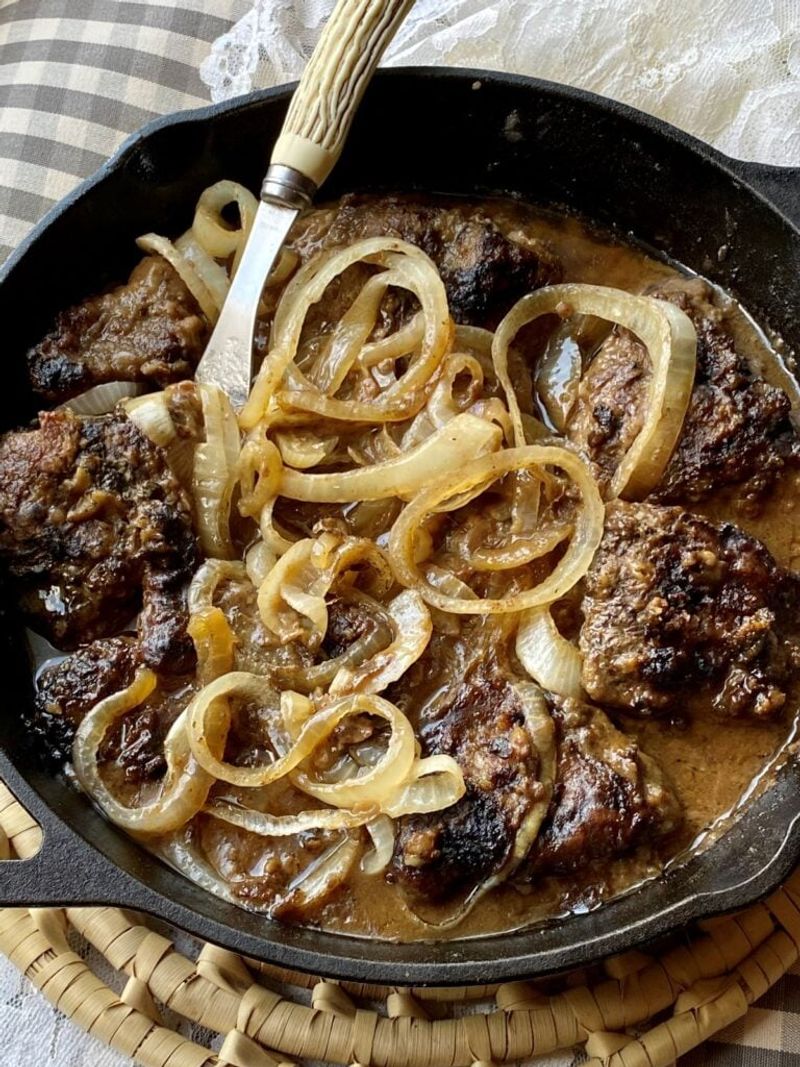
Fried liver and onions used to be a blue-plate regular, hearty and budget friendly. Properly soaked and seasoned, liver fries up tender, with sweet onions smoothing any bitterness.
Served with mashed potatoes and gravy, it felt like working person fuel.
Perception changed as palates shifted and iron-rich flavors lost ground to milder cuts. Many diners now bypass organ meats, and kitchens reduced the risk of waste.
The dish survives in committed diners and family kitchens with deep roots.
If you are liver curious, try it hot with onions deeply caramelized. The balance can be surprisingly elegant.
It is proof that frugality and flavor can share the same plate.
8. Fried Tripe
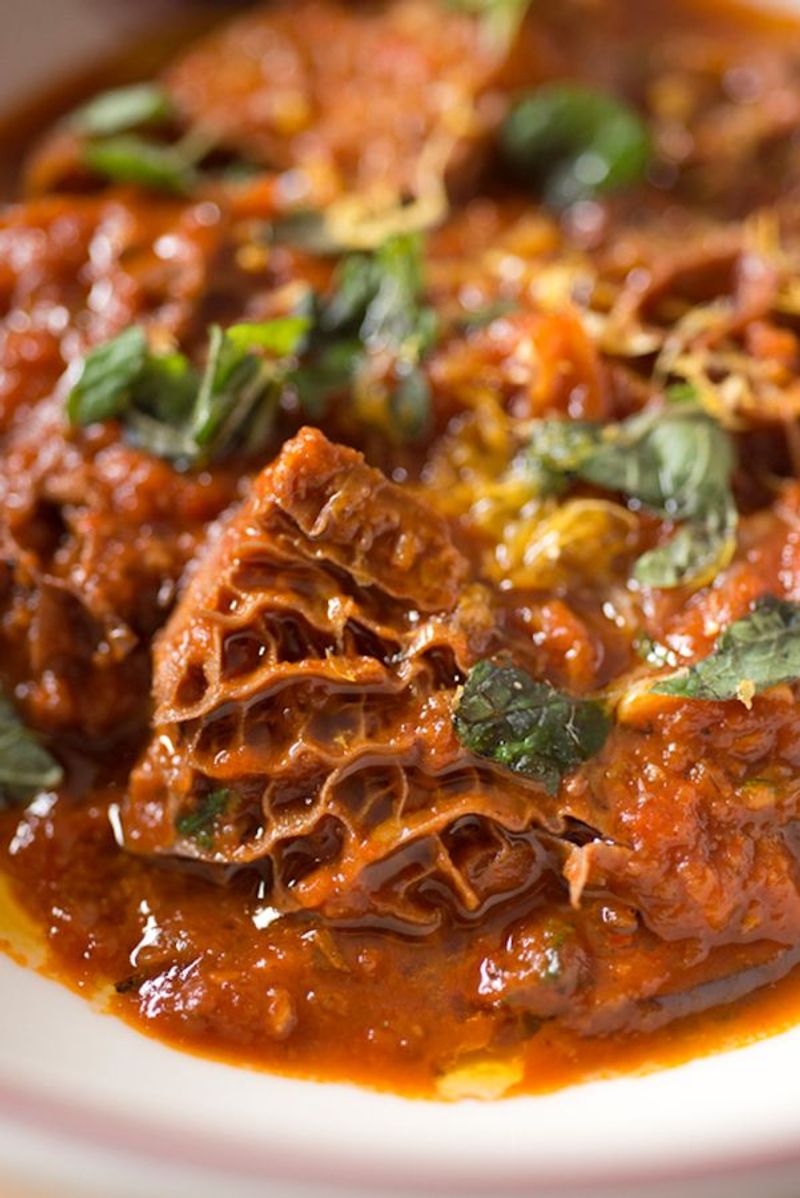
Fried tripe carried immigrant kitchen wisdom, turning thrift into texture and snap. After thorough cleaning and simmering, strips get dredged and fried until lacy crisp.
A squeeze of lemon or chili oil wakes everything up.
As offal lost popularity, tripe ceded menu space to safer choices. Prep time and labor did not help, so restaurants trimmed it out.
You might spy it at regional festivals, Italian feasts, or Filipino and Mexican eateries.
If you crave crunch, it is worth the search. The honeycomb pattern catches seasoning like magic.
Fried tripe offers tactile pleasure that modern boneless bites rarely match.
9. Fried Bologna Sandwiches as a Restaurant Item
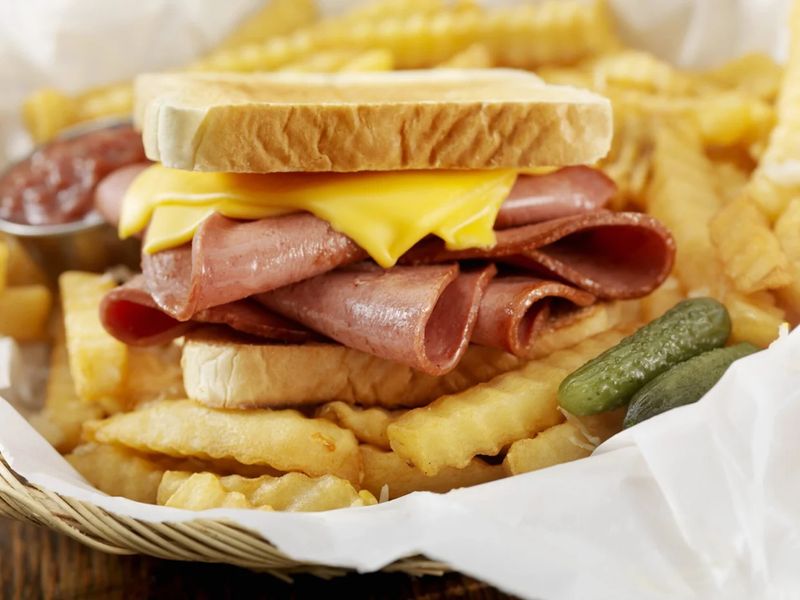
Once the king of quick lunches, the fried bologna sandwich delivered smoky edges and sizzling nostalgia. A thick slice puffed on the griddle, scored to prevent curling, then met mustard and cheese.
It was cheap, filling, and proudly unpretentious.
As menus tried to look lighter or more artisan, bologna took a back seat. Now it is a pop-up special, a wink to the past rather than a standard.
You will still find it in Appalachian spots, Midwest diners, and backyard cookouts.
Order one when you see it. Calories aside, it is comfort in a handheld package.
Some memories taste best with melted cheese and warm white bread.
10. Fried Cornmeal Mush
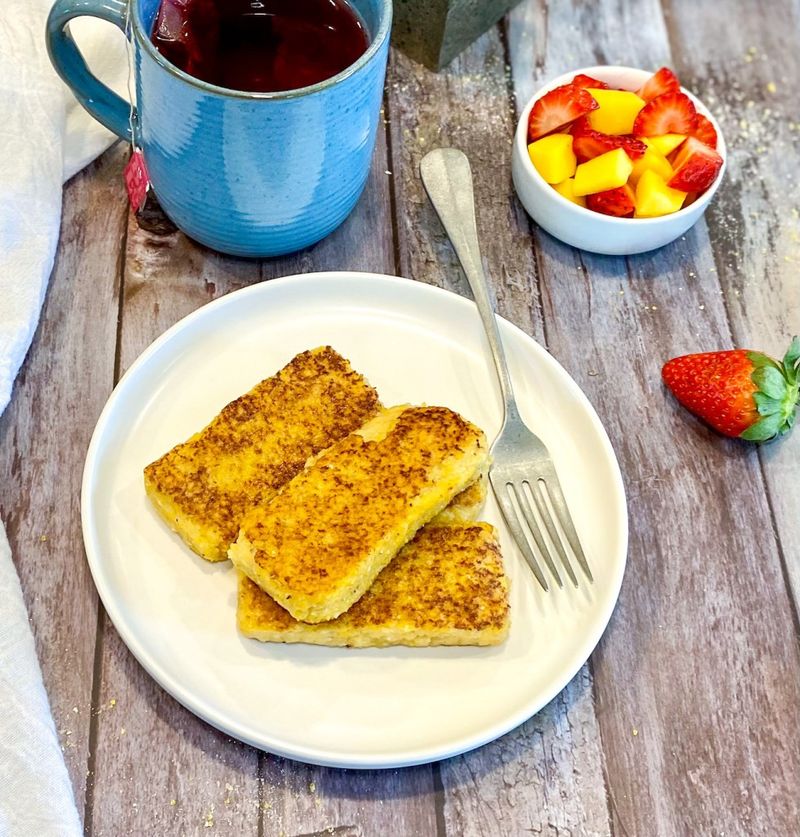
Fried cornmeal mush turned leftovers into breakfast gold. Chilled, sliced, and pan fried, the cakes develop crisp edges and a creamy interior.
Sweet syrup or savory gravy both fit, proving versatility built on thrift.
As instant cereals and convenience breakfasts took over, mush faded from daily routines. You might spot it at Amish markets, Midwest diners, or nostalgic bed and breakfasts.
Making it at home is easy if you plan ahead for chilling.
When you crave comfort, this delivers with crunch and calm. It is a small ritual that slows mornings down.
Fry a few slices, add coffee, and call it a win.
11. Fried Sardines
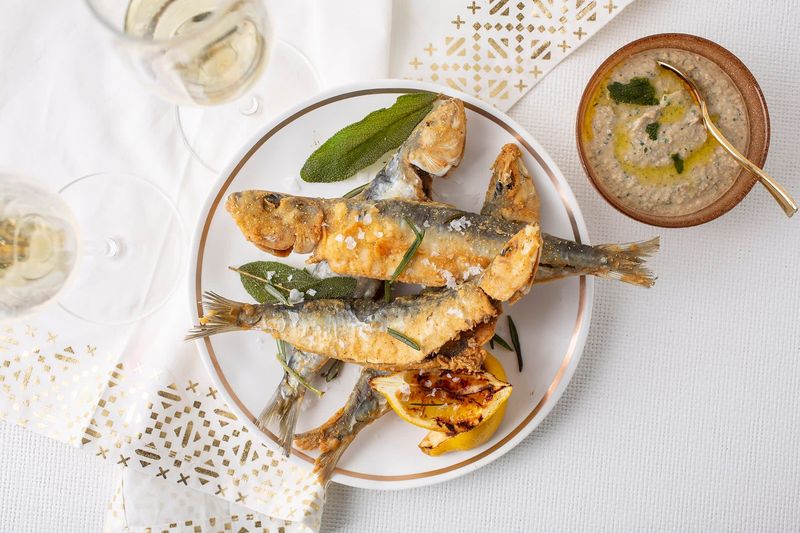
Fresh sardines, lightly floured and fried, offer big flavor in a tiny package. They shine with lemon, herbs, and a sprinkle of coarse salt.
The bones are small and edible, adding crunch and calcium along the way.
Once common in coastal markets, fried sardines lost ground to milder fillets and canned convenience. Supply inconsistencies and shifting tastes nudged them off daily menus.
You still meet them in Mediterranean taverns and Portuguese festivals.
If you see them, jump. Sardines bring clean ocean brightness without heaviness.
They taste like seaside evenings and remind you that humble fish can dazzle when cooked simply.
12. Fried Macaroni (Old-School “Macaroni Fritters”)
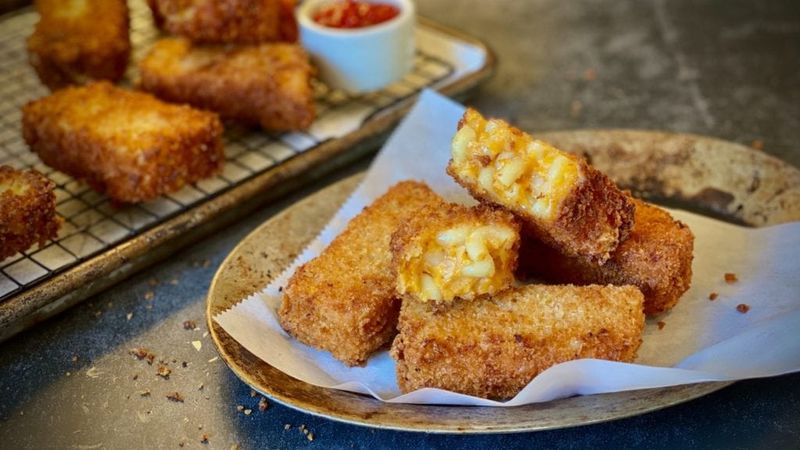
Before trendy mac and cheese bites, home cooks pressed leftover macaroni into fritters. Bound with egg and cheese, they pan-fried into crisp edged patties with tender centers.
It was a smart way to stretch pasta into tomorrow’s snack.
As frozen appetizers took over, these humble fritters faded. You still see echoes in arancini and modern fried bites, but the original style is rarer.
The charm lies in using what you already have and keeping waste low.
Try them with marinara or a lemony salad. They are weeknight friendly and childhood cozy.
Sometimes the best cooking is simply yesterday’s dinner, cleverly reheated.
13. Fried Salt Pork or Fatback Plates
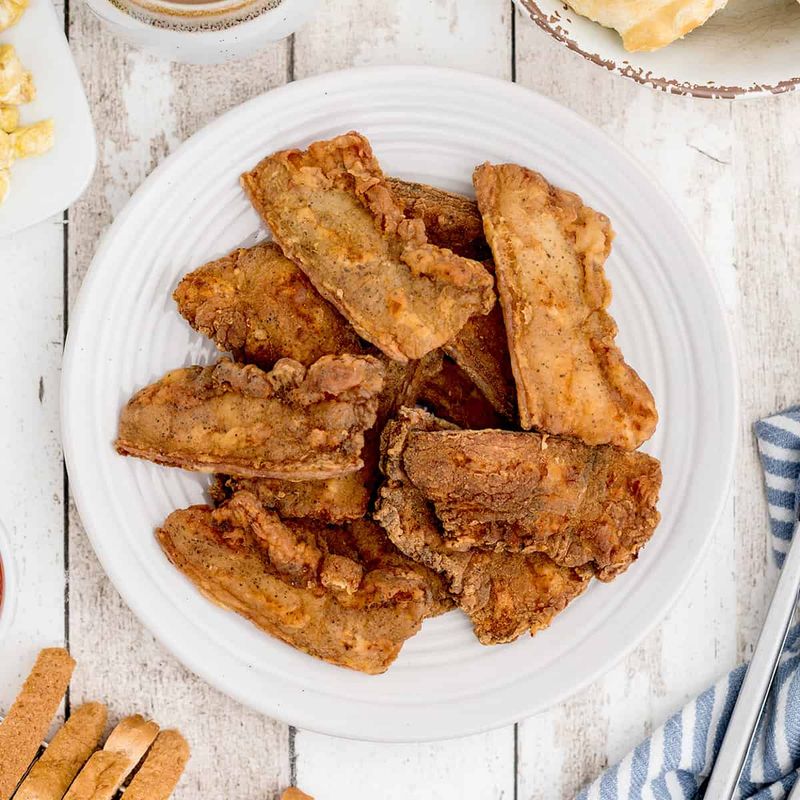
Fried salt pork and fatback once anchored plates that prized sustenance over spectacle. Salty, crisp, and deeply porky, they flavored beans, greens, and cornbread.
The technique made scarce meat stretch, turning pantry staples into satisfying meals.
Modern health trends and changing tastes moved these cuts off center stage. You will still find them seasoning pots, but rarely as the star.
Some country diners and smokehouses keep the tradition for those who remember.
If you miss unapologetic flavor, this scratches that itch. A little goes far, and the crisp bits sing with vinegar greens.
It is culinary history you can taste, crackling one bite at a time.
14. Fried Fish Roe (Roe Patties or Roe Fry)
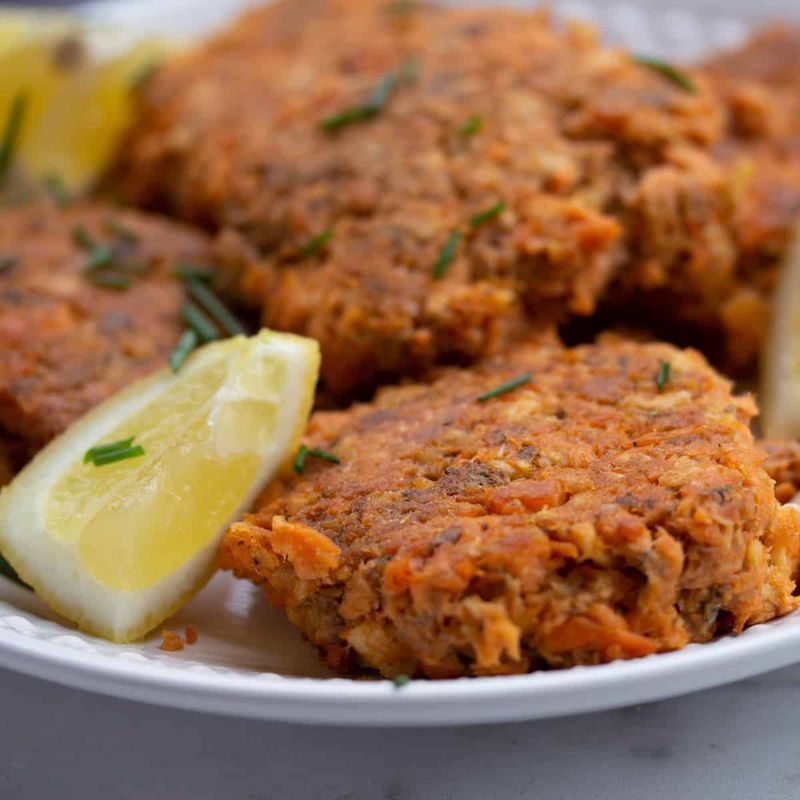
Fried fish roe once popped up when the run was on, a short window of seasonal indulgence. Sometimes shaped into patties, sometimes dredged and fried whole, it offered rich, briny depth.
A squeeze of lemon cut through, keeping bites bright.
As fishing patterns and preferences shifted, roe slid into niche territory. Chefs might feature it for a week, then it disappears again.
You need to follow local fishmongers or coastal cafes to catch it.
When you do, expect decadence with a clean finish. Roe’s delicate snap contrasts beautifully with crisp edges.
It rewards curiosity and attention to season like few other fried treats.
15. Fried Fruit Pies as a Standard Counter Dessert
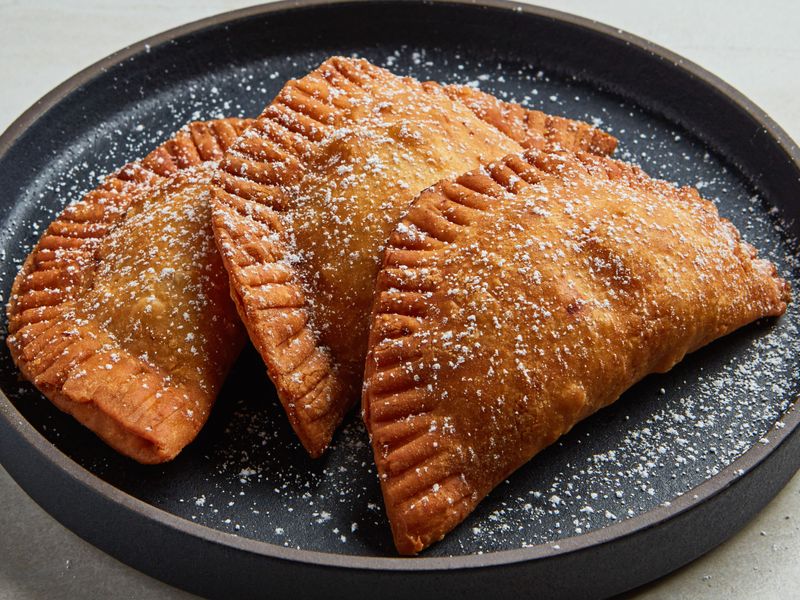
Fried fruit pies once sat proudly under glass domes, ready for a quick grab with coffee. The crust blistered and bubbled, keeping peach or apple filling warm and gooey.
They traveled well, tasted like fairs, and felt delightfully informal.
Bakeries leaned toward baked pies and fancier pastries as tastes shifted. Fryers got reserved for savory items, and regulations tightened.
You can still find hand pies, but the fried kind is rarer outside festivals.
When you meet one, take a napkin and bite carefully. The first drip is worth the risk.
It is sugary nostalgia with a crunch that ovens rarely duplicate.