15 Fruits And The Baby Boomer Perception Of Their Flavor Evolution
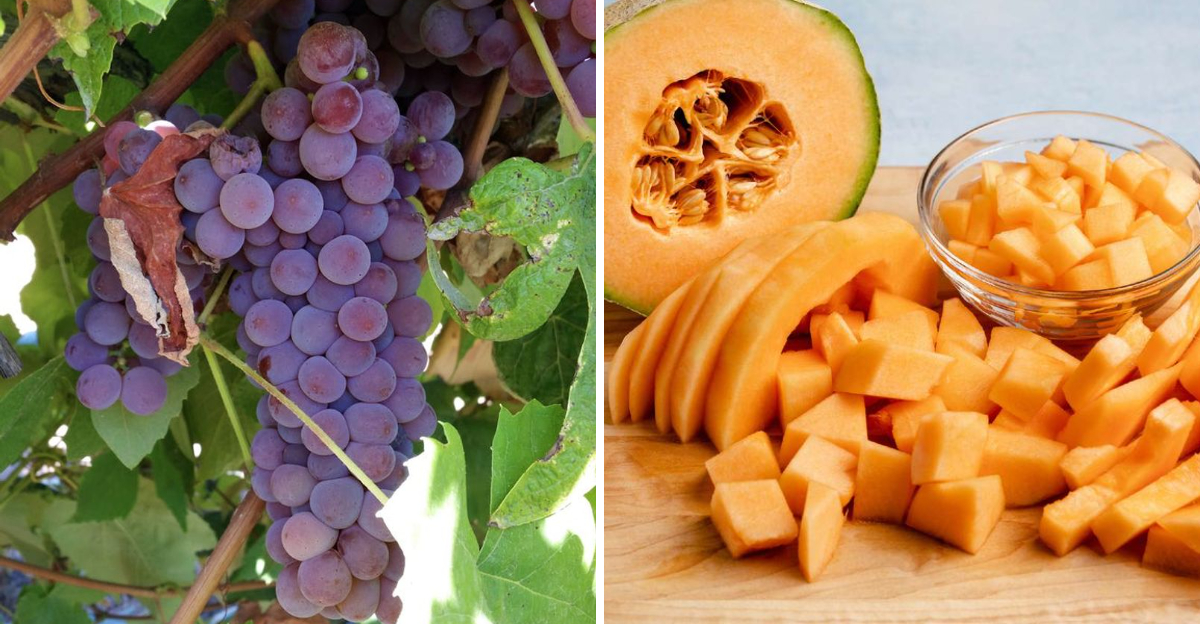
Ask a Baby Boomer about fruit, and you might hear a sigh: it used to taste better. Maybe that is nostalgia, or maybe we really reshaped fruit for looks, travel, and shelf life.
Today, produce is bigger and available longer, yet sometimes feels less fragrant or complex. Here is how that perception plays out across 15 beloved fruits, and what might be behind it.
1. Tomatoes
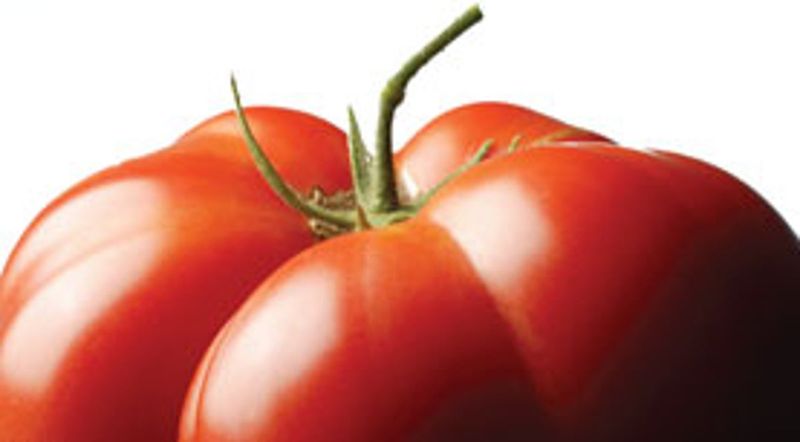
You hear this a lot: tomatoes used to taste like tomatoes, now they taste like water. That feeling often comes from how tomatoes are bred and shipped.
Firmness and uniform color make travel easier, but peak flavor usually arrives on the vine, not in a truck.
If your tomatoes look perfect yet taste dull, sourcing is the fix you want. Try local heirlooms, sun-warmed and heavy for their size, and you will catch that missing perfume.
Salt, olive oil, and room temperature help unlock sweetness and acidity.
Winter tomatoes are often the culprit. In peak season, that garden sparkle usually returns.
Your memory might be right, just waiting for the right tomato.
2. Strawberries
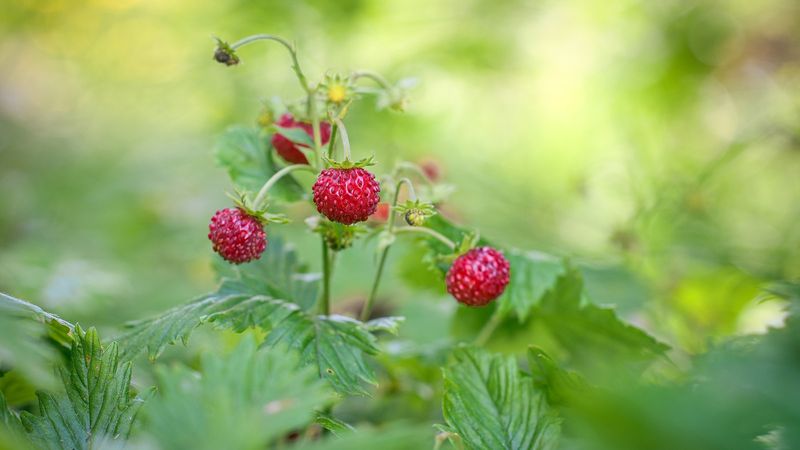
Strawberries look picture-perfect now, yet the flavor can feel muted. Many travel long distances, bred for firmness and shelf life more than perfume.
Unless they are truly ripe, you miss those wild, jammy notes Boomers remember from roadside stands.
To chase the old sparkle, smell the basket first. A fragrant berry usually tastes better.
Smaller varieties and local growers often deliver deeper sweetness and that classic strawberry aroma that perfumes your kitchen.
Let berries warm slightly on the counter before eating. Cold dulls flavor.
If you get a bland batch, a quick maceration with sugar and a squeeze of lemon wakes them up and brings back an echo of that childhood intensity.
3. Peaches
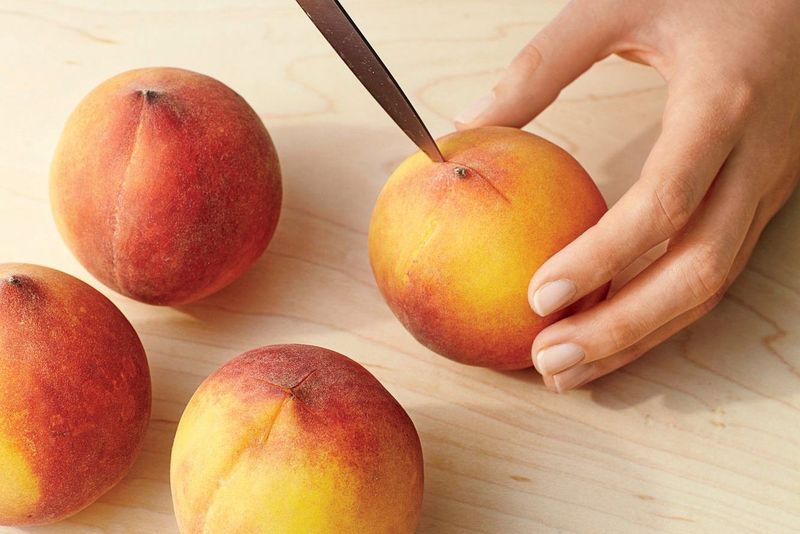
Peaches live in many Boomers’ memories as dripping, perfumed summer treasures. The disappointment today often comes from early picking and cold storage, which protect appearance but can flatten texture and scent.
A mealy bite happens when chilling damages cell structure.
To reclaim that glory, choose peaches that smell sweet and yield slightly. Ripen them on the counter in a paper bag, not the fridge.
Local, in-season fruit is your best bet for that floral burst and sticky juice running down your wrist.
If a peach still underwhelms, grill it to concentrate sugars. A drizzle of honey and pinch of salt helps too.
The magic is there, but timing and handling decide whether you taste it.
4. Watermelon
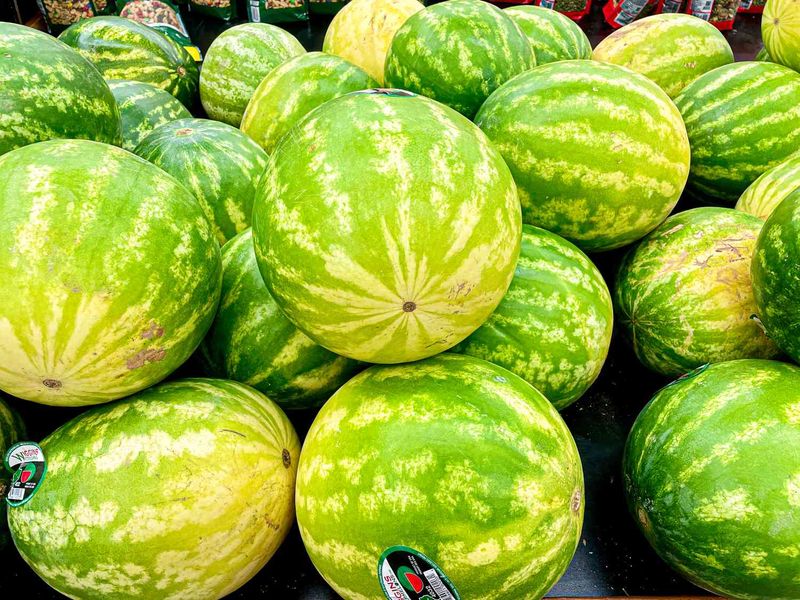
Watermelon used to taste more watermelon-y, or so the story goes. What we remember is peak August fruit, not the year-round versions that trade punch for availability.
Seedless types can be great, but they vary widely depending on field conditions and harvest timing.
Look for a creamy field spot, a duller rind, and a heavy feel for size. Those hints usually mean more juice and sweetness.
A hollow thump helps, though it is not perfect. Chilling enhances refreshment but can nudge flavor perception down.
Buy in peak season and from growers who cut samples. Off-season melons struggle to deliver fireworks.
When you land a good one, that crisp snap and summer perfume bring the memory back fast.
5. Oranges
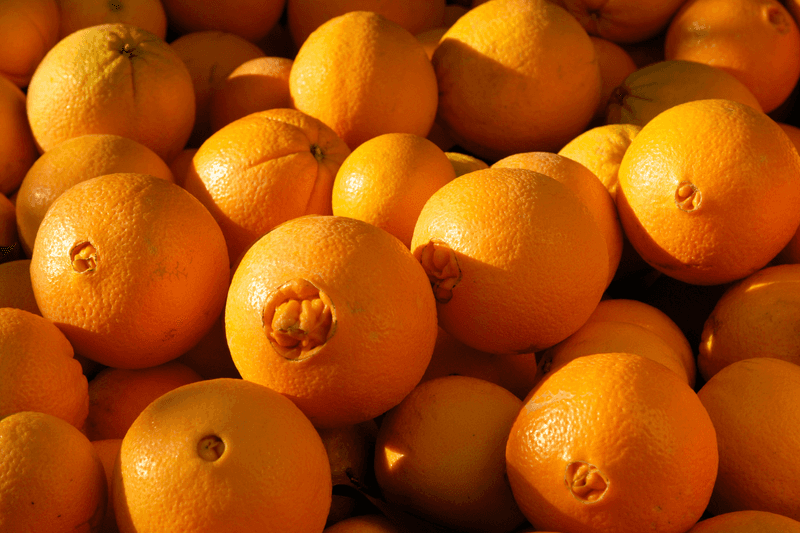
Oranges once felt juicier and brighter, especially fresh from backyard trees or nearby groves. Shipping and variety choice can soften that just-picked sparkle.
Valencias shine for juice, navels for easy peeling, and blood oranges for aroma, yet distance sometimes dulls the pop.
Choose fruit that feels heavy and has a slightly pebbly, fragrant skin. Thin-skinned, heavier oranges often mean more juice.
For peak flavor, store at cool room temperature and eat soon after buying rather than weeks later.
If your oranges taste flat, zest the peel to unlock aromatic oils and squeeze with a pinch of salt. Different varieties carry different sweetness-acid balances.
Matching purpose to variety helps recover that old-school zing.
6. Apples
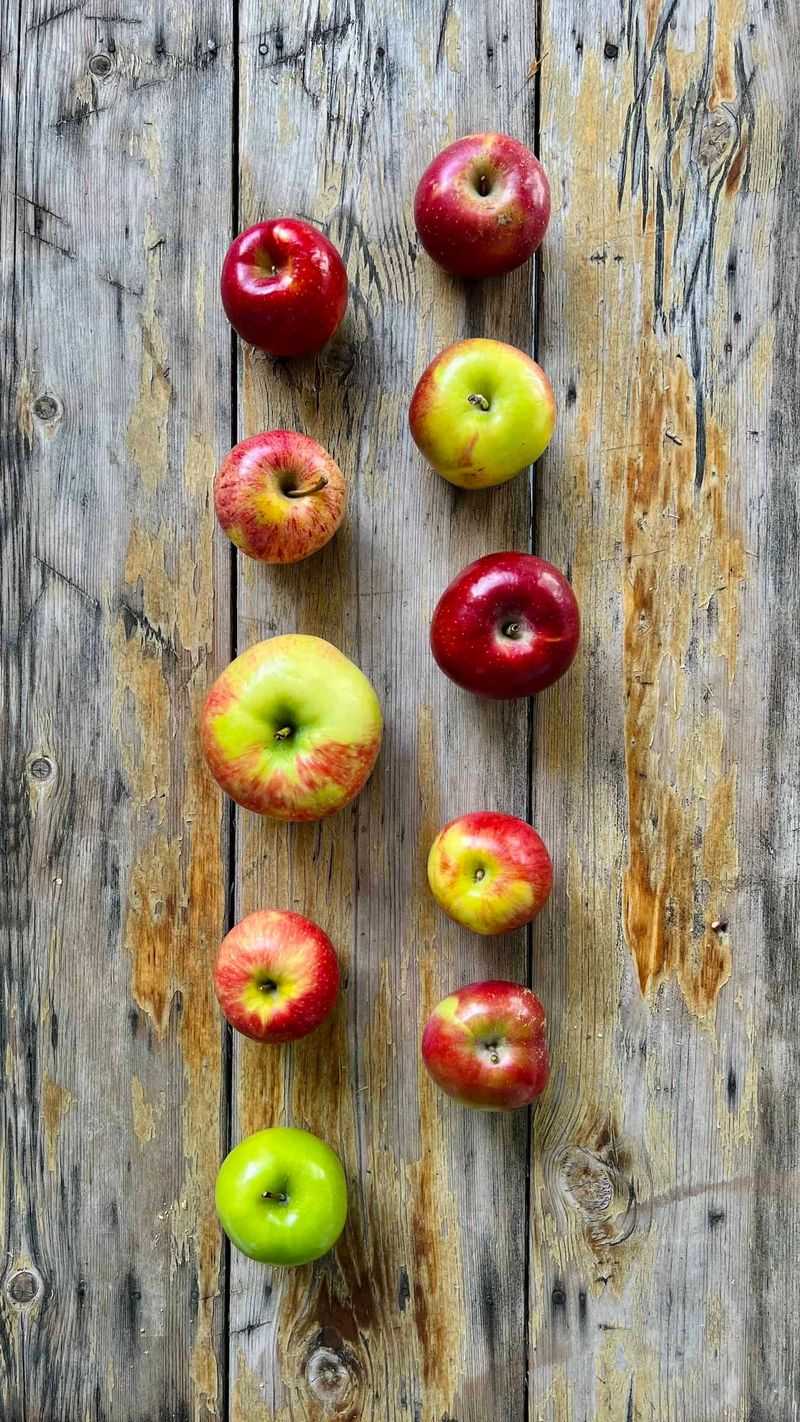
Modern apples are incredibly crisp, sometimes at the expense of perfume and complexity. Cold storage gives months of supply, but some aroma fades with time.
Boomers remember softer yet headier apples like McIntosh at their freshest, eaten right after picking.
Seek orchard-direct fruit in season and try heritage varieties. You will taste spice, floral notes, and nuanced acidity that supermarket bins often smooth out.
Let apples warm up before eating because refrigerator-cold masks sweetness and scent.
If crunch is nonnegotiable, balance it with flavor-forward types like Honeycrisp, Pink Lady, or Ashmead’s Kernel. For cooking, McIntosh or Braeburn brings perfume back to pies.
The apple aisle holds many stories, and the most fragrant ones start at the orchard.
7. Bananas
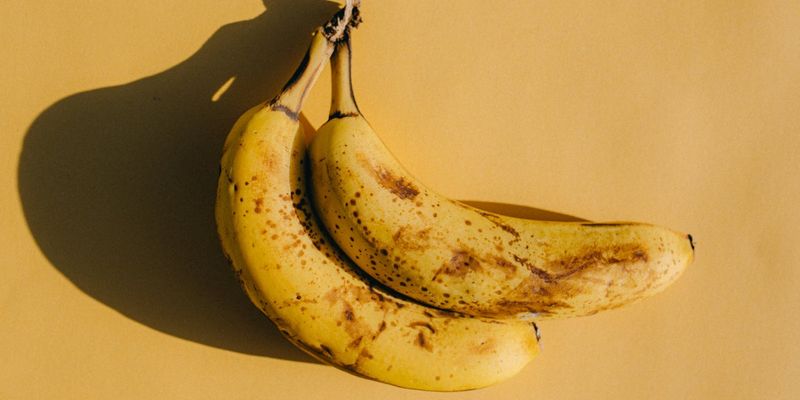
Bananas get harvested green for shipping, then ripened later in rooms with controlled ethylene. That convenience can mean brightness without depth, compared with fruit that ripened on the plant.
Boomers remember richer perfume and caramel notes near full natural ripeness.
Flavor shifts dramatically with freckles. Let bananas ripen until dotted brown if you want sweetness and bakery-level aroma.
For a quick boost, bag them with an apple to speed ripening, or roast briefly to concentrate sugars.
Varieties matter too. Small apple bananas and red bananas often taste fuller than the standard Cavendish.
If supermarket fruit seems bland, a farmers market or specialty grocer might reconnect you with that syrupy, tropical memory.
8. Grapes
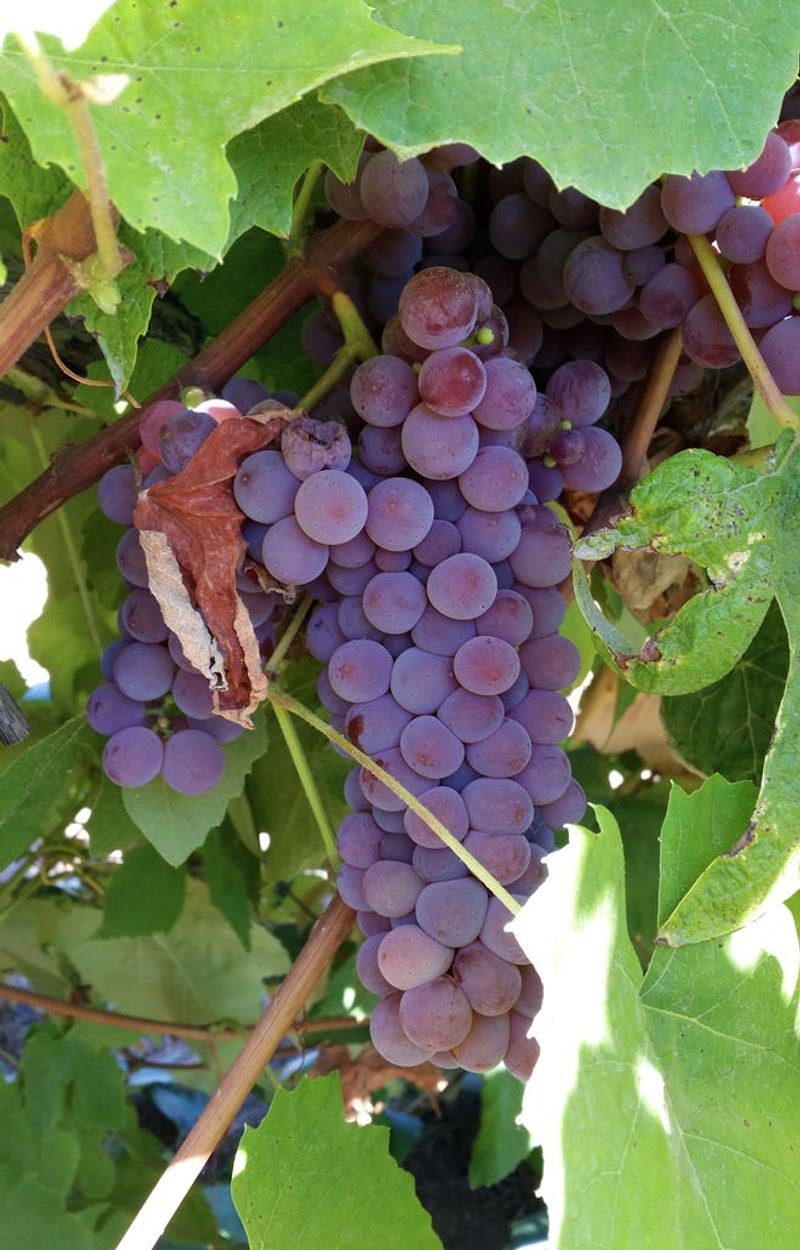
Grapes today can be huge and satisfyingly crunchy, yet some people miss the perfumed, winey character of older varieties. Breeding for size and texture sometimes trades away aroma.
Cold storage and long travel can also mute those heady floral notes.
For deeper flavor, hunt for smaller, darker grapes with a natural bloom and strong scent. Concords and Muscat types deliver a nostalgic punch, though seeds may appear.
Chill lightly, not ice-cold, to keep perfume alive.
If table grapes taste shy, try roasting them with rosemary and a pinch of salt. Heat concentrates sweetness and releases hidden character.
You can still find that old-school grape flavor, but it often hides in specific varieties and seasons.
9. Pineapple
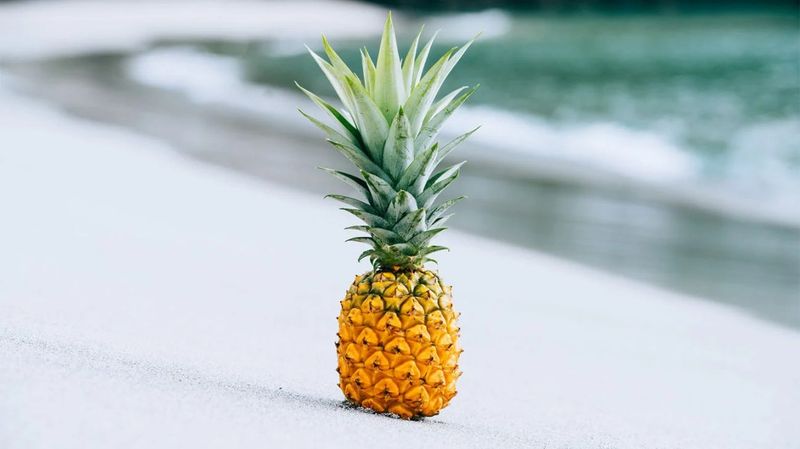
That tart-sweet pineapple punch fades when fruit is picked too early to survive shipping. While exterior color helps, aroma and leaf pull are better clues than skin alone.
A ripe pineapple smells tropical at the base and feels heavy for its size.
Once home, do not refrigerate immediately. Let it sit at room temperature a day to relax.
Cutting around the fibrous core and salting lightly can amplify sweetness. If a pineapple tastes flat, grilling caramelizes sugars and lifts perfume.
Boomers remember roadside stands and freight boats bringing riper fruit. You can still catch that intensity by buying in peak season and choosing carefully.
When it is right, pineapple sings with bright acidity and deep sugary depth.
10. Cantaloupe
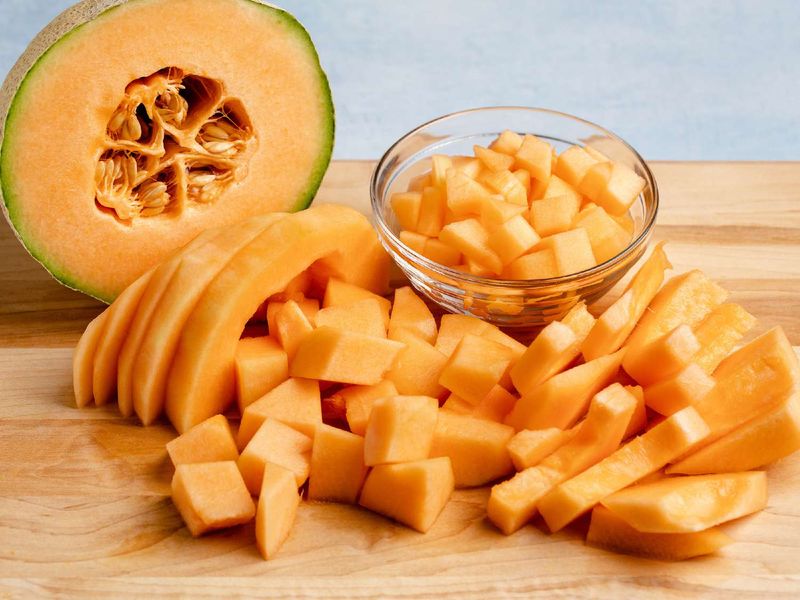
Cantaloupe once scented whole kitchens, a perfume many Boomers still chase. The hit-or-miss feeling today often comes from early harvests and long trips, where aroma compounds have not fully developed.
A fully ripe melon smells sweet and floral at the blossom end.
Choose one that feels heavy, with a raised netted rind and slight give. Avoid greenish undertones near the stem.
Let it sit on the counter for a day, then chill briefly before slicing so the scent remains vivid.
If flavor underwhelms, a pinch of salt or a squeeze of lime brightens it. Prosciutto and mint can add contrast that makes mild melons seem sweeter.
When timing aligns, cantaloupe still delivers that room-filling fragrance.
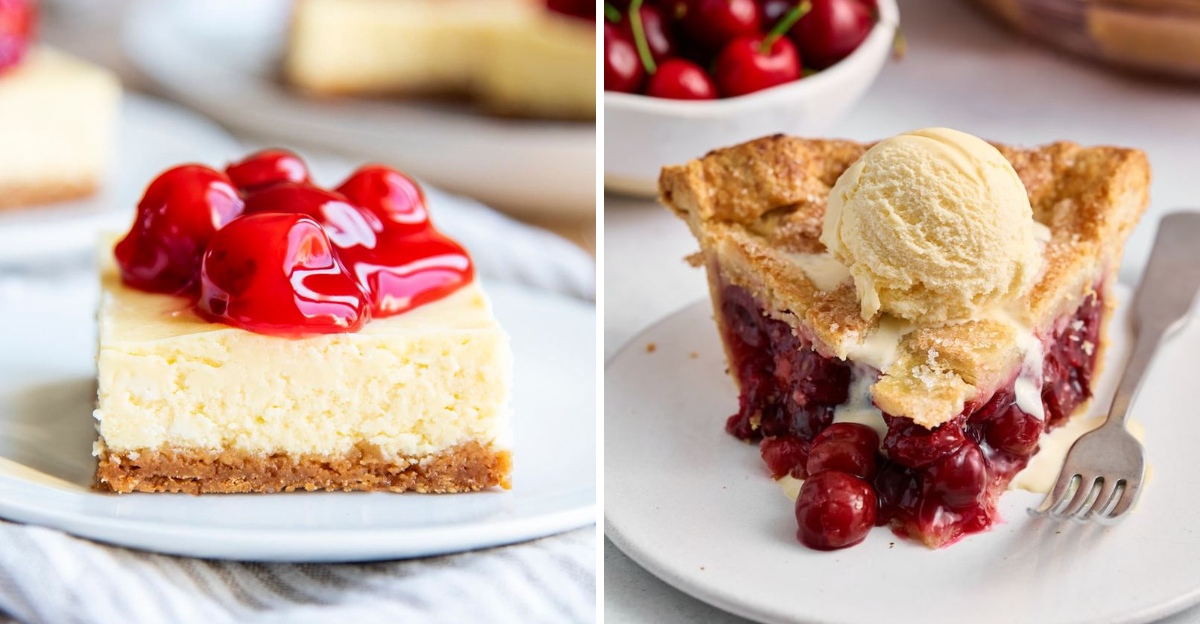
11. Cherries
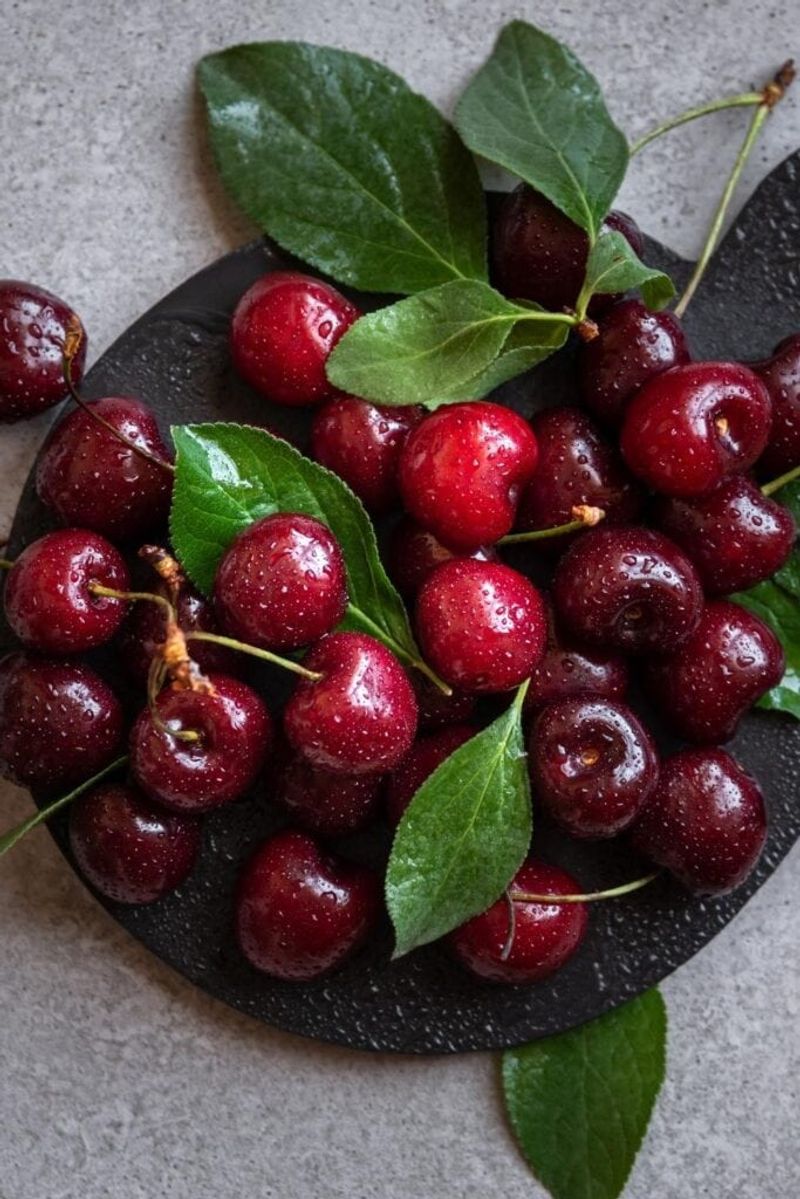
Cherries inspire loyalty because great ones taste layered, almost wine-like. But they are delicate, so growers balance sweetness with firmness to survive handling.
If picked shy of peak, cherries can taste one-note compared with the deeper, darker memory many Boomers carry.
Look for uniform deep color and taut, glossy skin. Stems should be green, not dry.
Keep cherries cold, but let them warm a few minutes before eating to release aroma. Varietal differences are huge, from Bing to Lapin and Rainier.
If your batch leans flat, macerate with a touch of sugar and lemon. For a richer profile, roast briefly to condense flavors.
The right pint still brings that velvety, winey sweetness rushing back.
12. Plums
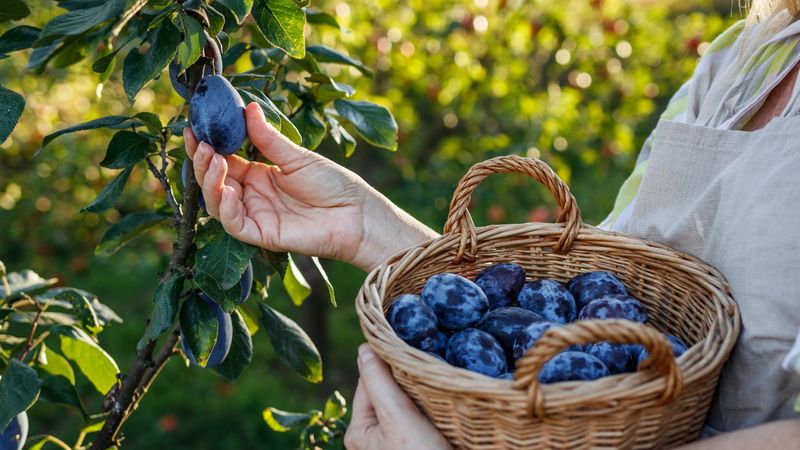
Plums can fool you by looking ripe before flavor actually lands. Early picking and travel-friendly varieties may deliver snap but not sweetness.
Boomers remember juice running down the chin and that tart-sweet spark that hits the back of the throat.
Choose plums with a light bloom and a fragrant stem end. A gentle give near the tip usually signals ripeness.
Let them soften at room temperature, then chill briefly. Pluots can be intensely sweet, but watch for texture shifts.
When flavor is shy, slice and sprinkle with sugar and a pinch of salt, or broil quickly to caramelize. The right plum tastes like candy with attitude.
It is still out there, just choosier than it looks.
13. Pears
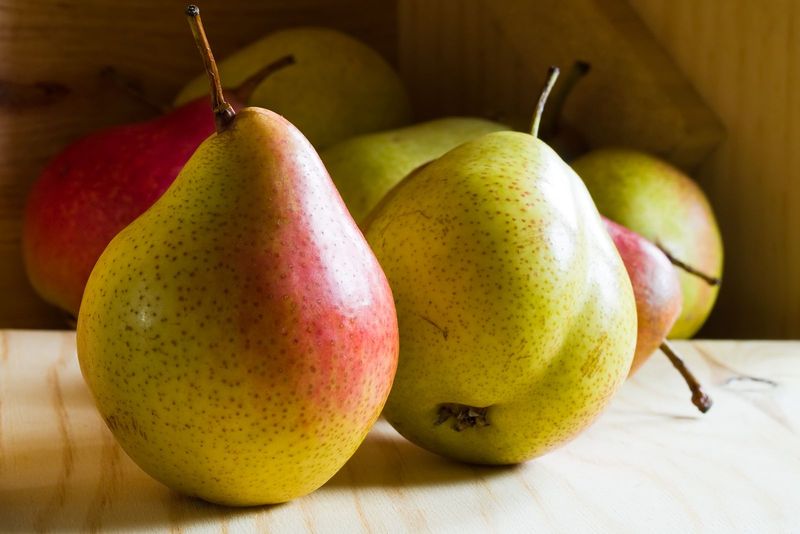
Pears frustrate because they ripen off the tree and have a narrow window of perfection. Picked firm, they can turn gritty if timing goes wrong or if cold storage lingers too long.
Boomers remember buttery, perfumed flesh that melts rather than crunches.
Use the neck test: press gently near the stem. When it yields slightly, the pear is ready.
Bartlett and Comice get luscious, while Bosc holds shape for poaching. Ripen at room temperature, then refrigerate briefly to pause them.
If texture misses, poach with vanilla and lemon to rescue aroma and silkiness. A pinch of salt enhances sweetness.
When pears land just right, that soft, dripping bite proves the old memories still have teeth.
14. Blueberries
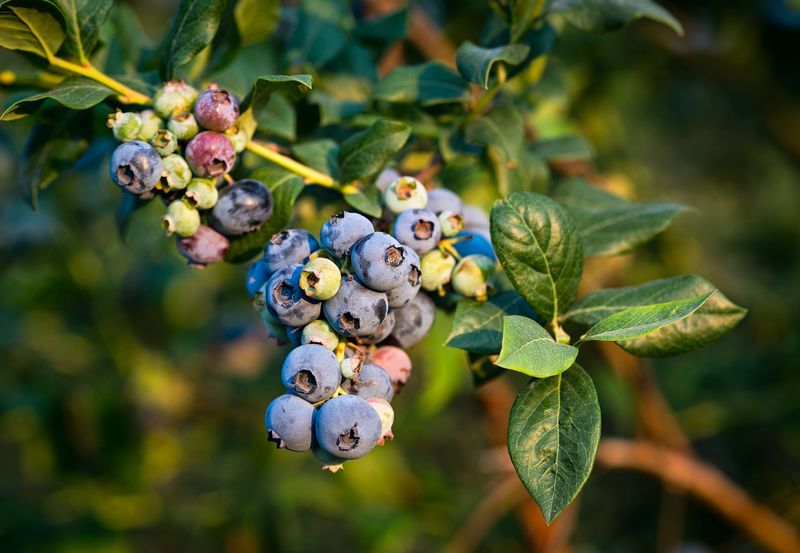
Blueberries used to feel like tiny flavor grenades. Larger berries can lean milder, and long storage mutes sparkle.
Boomers remember pint cups from local patches where the air smelled like pine and berry jam.
Look for a dusty bloom, deep uniform color, and a dry snap when shaken. Smaller berries, especially wild varieties, pack surprising intensity.
Avoid water until serving to prevent sogginess. Let them warm slightly to release aroma.
If your berries taste sweet-ish but dull, toss with lemon zest and a pinch of sugar. Roasting or quick skillet bursts with butter concentrates flavor fast.
The right handful still pops with floral, inky brightness that stains your fingers and memory.
15. Lemons
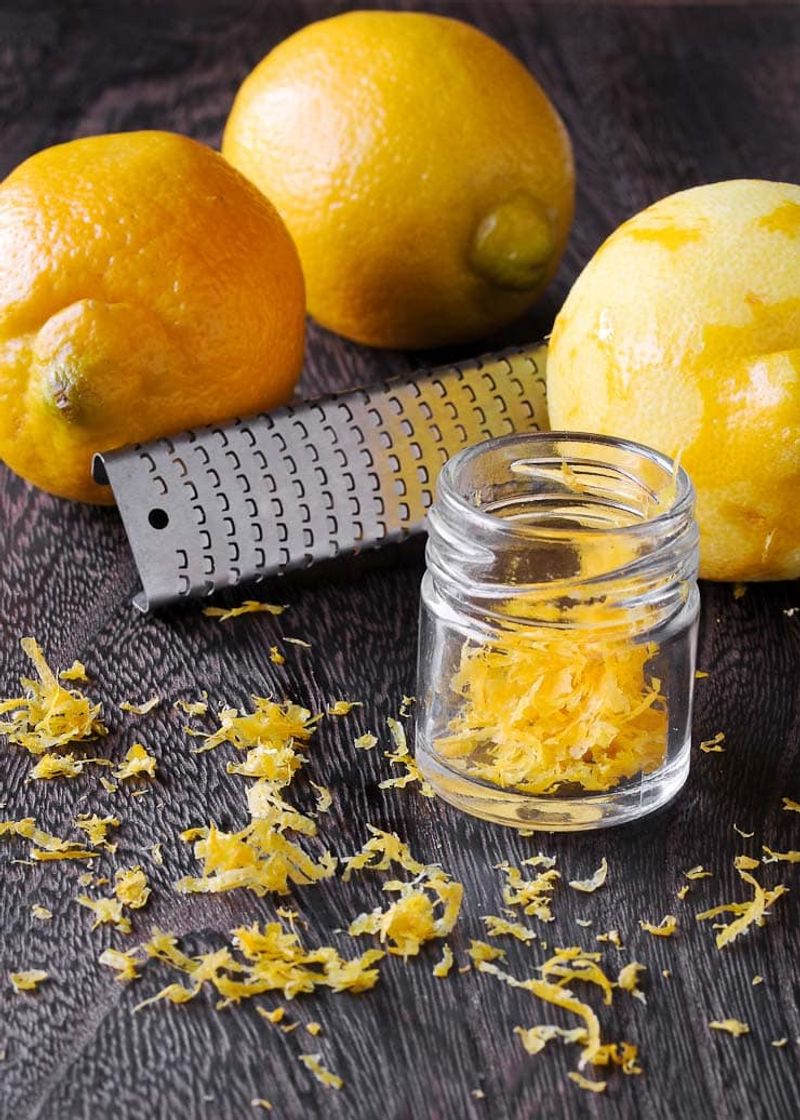
Lemon flavor lives as much in the peel as the juice. Over time and travel, those aromatic oils can fade, so a supermarket lemon may feel less punchy than a backyard pick.
Boomers remember zesty kitchens and perfumed fingertips after grating.
Choose lemons that feel heavy and have vibrant, slightly textured skin. Store loosely in the fridge, but zest just before using to capture fragrance.
Meyer lemons bring a softer, floral sweetness that reads as extra aromatic.
If a lemon seems shy, warm it and roll to release oils, then zest and juice together. Salt magnifies brightness in savory dishes.
With the right lemon and timing, that sharp, sunlit sparkle returns to the glass and plate.