15 Fruits With Price Tags That Draw Attention
Ever stared at a fruit display and felt your budget flinch? Some fruits seem to whisper luxury long before they reach your cart.
Between delicate textures, short seasons, and long travel miles, those price tags tell a bigger story. Here are the fruits that make you pause, and why they cost what they do.
1. Fresh cherries (out of season)
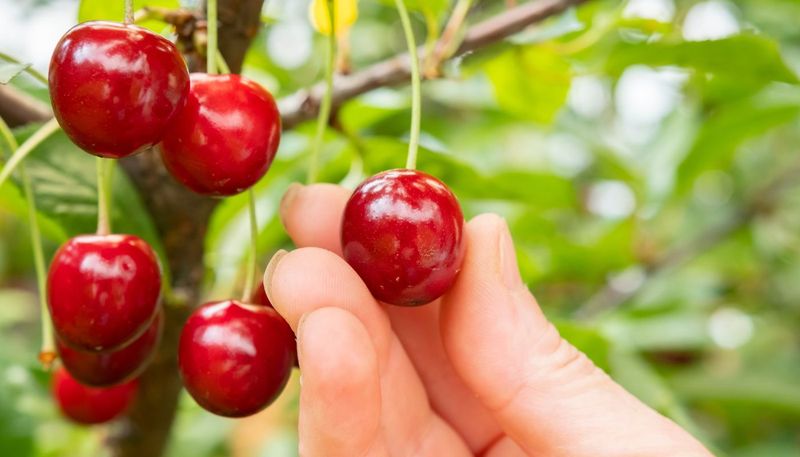
Out of season, cherries are a splurge that can surprise even savvy shoppers. Freight, cold-chain handling, and losses from bruising all hike the final price you see.
Large, sweet cultivars amplify costs because growers thin trees and sort meticulously.
When supply dips and demand stays strong, retailers raise margins to offset risk. You are also paying for delicate fruit that must be harvested gently by hand.
Every step is labor intensive, from picking to packing to rapid shipping.
If you crave that juicy snap in winter, expect premium pricing at checkout. Consider frozen for smoothies or baking to stretch value.
Otherwise, wait for peak summer, when cherries taste brighter and cost less.
2. Raspberries

Raspberries are tiny divas of the berry world. Each delicate drupelet bruises easily, so they demand gentle hands and fast transport.
Harvesting is slow, mostly manual, and yields are modest compared to sturdier fruits.
Because they spoil quickly, retailers accept higher waste, which shows up in the sticker price. Even in season, the best-looking clamshells cost more because of sorting and cold storage.
Organic adds another layer when pests and disease pressure are tough.
You pay for that tart-sweet pop and gorgeous color on cakes, parfaits, and breakfasts. If you want savings, buy in peak months and eat quickly.
Frozen raspberries deliver flavor at a friendlier price for sauces and smoothies.
3. Blackberries (premium packs)
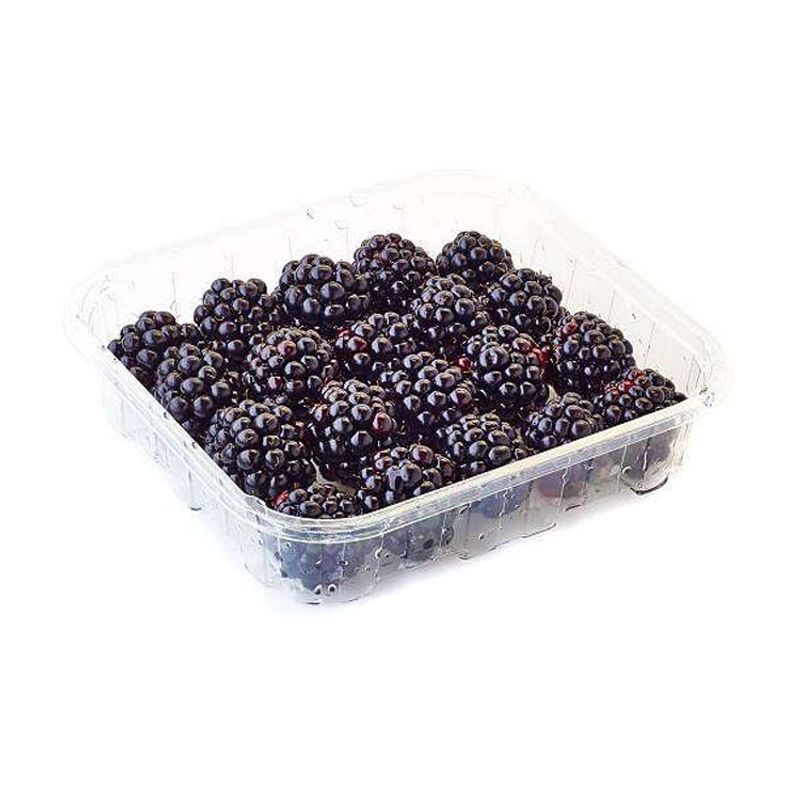
Blackberries can be budget friendly in peak season, but premium packs tell a different story. Larger, uniformly glossy berries require extra sorting and culling.
Growers invest in varieties that size up attractively, which demands careful field management.
Off season, imports and air freight add more dollars per clamshell. Gentle handling reduces crushing, but it raises labor costs and packaging needs.
Retailers position premium packs for snacking and charcuterie boards, nudging prices upward.
You get photogenic berries with fewer sour outliers and less mess. If your plan is baking, standard packs usually work fine.
For a fancy fruit plate, that premium upgrade can be worth it when presentation matters.
4. Blueberries (off-season)
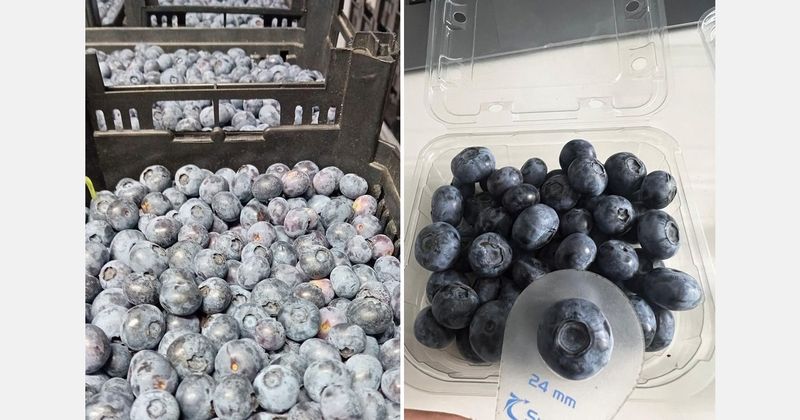
Blueberries travel better than some berries, yet off-season prices still jump. You are paying for longer supply chains, controlled atmosphere storage, and sometimes air freight.
Larger berries and organic labels add another premium on top.
When Northern Hemisphere fields rest, Southern farms bridge the gap, and logistics get complex. Temperature swings and transit time raise losses, which retailers bake into pricing.
Marketing for jumbo, extra sweet berries also sets expectations for higher costs.
If you crave them in winter oatmeal, consider frozen for the best value. For snacking, grab a small clamshell and savor every pop.
Come summer, buy big and batch-cook jams, sauces, and muffins.
5. Strawberries (winter imports)
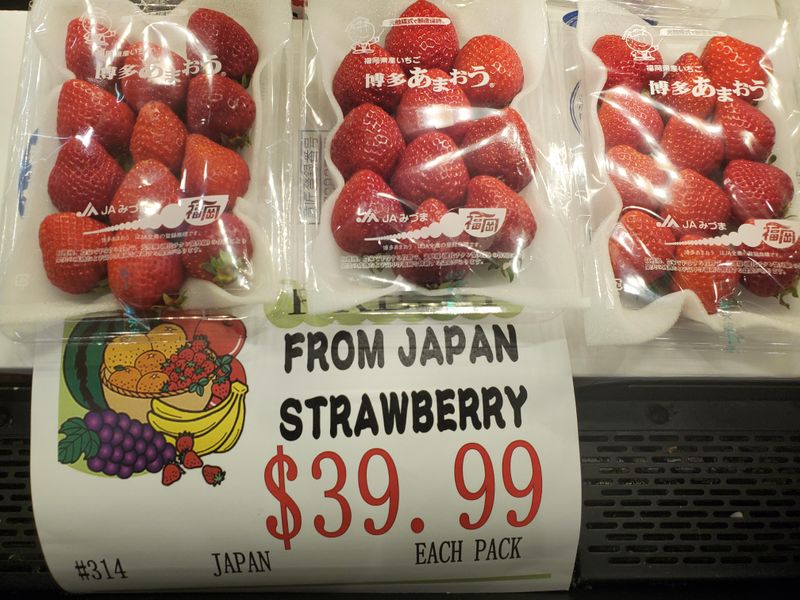
Winter strawberries look gorgeous, but the price can sting. Imports, rapid shipping, and protective packaging all add cost before you even open the clamshell.
Flavor often lags behind peak-season berries despite the premium.
Growers pick them firm for travel, which protects them but mutes sweetness. You pay for consistency, availability, and that cheerful color in dark months.
Retailers also face higher waste from bruising and dryness, pushing margins upward.
If dessert is the goal, macerate with sugar and a squeeze of lemon to boost taste. For savings, buy smaller packs or pivot to frozen for sauces.
When spring hits locally, feast on fragrant, affordable pints.
6. Pomegranates
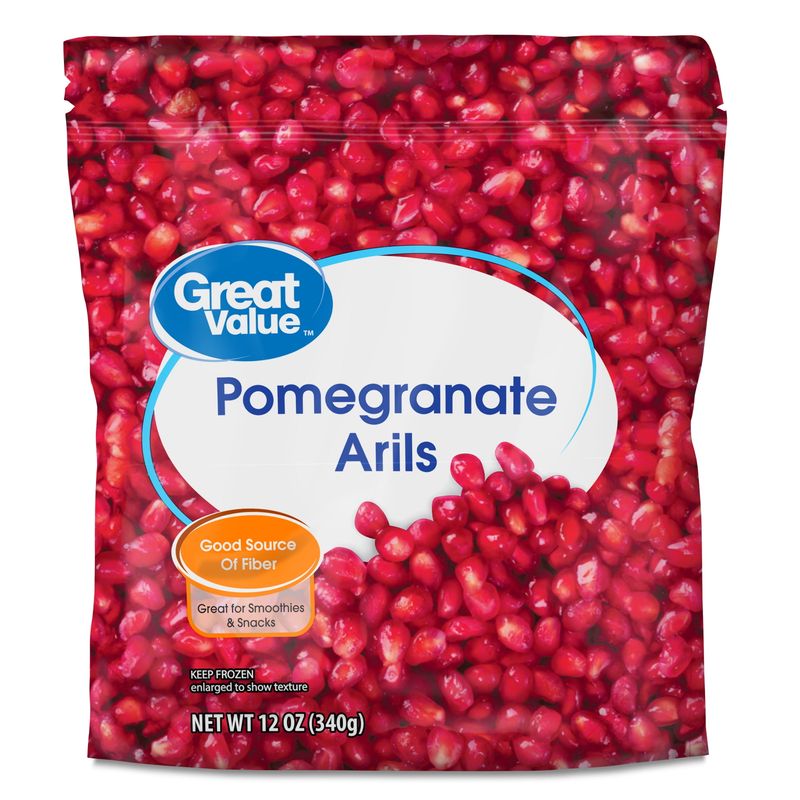
Pomegranates are not always pricey, but they swing higher depending on region and season. Their thick skins hide fragile arils that demand careful handling.
Harvesting and packing are labor intensive, and weighty fruit increases freight costs.
Supply can fluctuate with weather, driving quick price changes. You also pay for nutrition buzz and culinary versatility, from salads to spritzers.
Prepackaged arils cost even more because of processing and short shelf life.
If you want value, buy whole fruit and seed it in water to avoid stains. Refrigerate to extend freshness and plan recipes that use the entire bowl.
When prices dip, stock up and freeze arils for later.
7. Mangoes (specialty varieties)
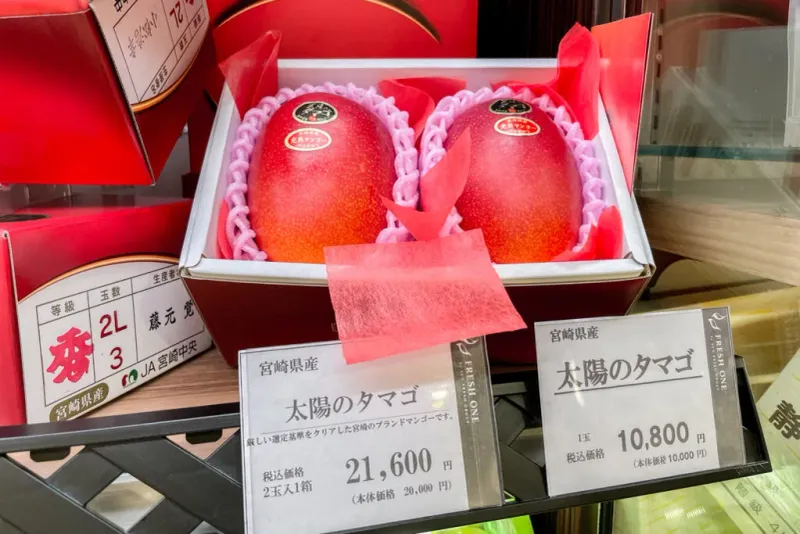
Common mangoes go on sale often, but specialty varieties tell another story. Ultra-sweet or fiberless cultivars require precise growing conditions and careful ripening.
Some are graded individually, wrapped, and shipped in cushioned trays.
Import rules, longer routes, and temperature control add to the bill. Limited harvest windows and gifting culture elevate prices for top-tier fruit.
Presentation boxes and branding cement the luxury image and cost.
If you are experimenting, buy one first and let it ripen at room temperature. Use plain yogurt, lime, and a pinch of chili salt to highlight flavor.
For smoothies and salsas, standard mangoes usually deliver great value.
8. Dragon fruit (pitaya)
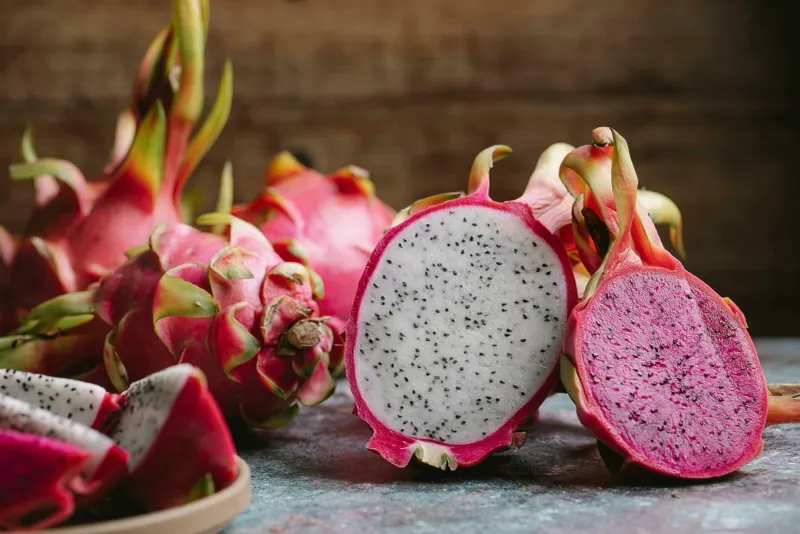
Dragon fruit is eye candy that rarely comes cheap. Often flown in from tropical regions, it needs cushioning and fast handling.
The plants fruit on climbing cacti, and harvest windows are brief.
Retailers market it as a specialty, which nudges prices higher. You are also paying for novelty, striking color, and photo-friendly slices for bowls.
White-fleshed types are common, while red and yellow varieties fetch more.
Choose fruit with bright, supple skin and avoid shriveled tips. Chill, slice, and scoop for a refreshing, subtly sweet snack.
If the goal is color pop, a single fruit can elevate platters without breaking the budget.
9. Fresh figs
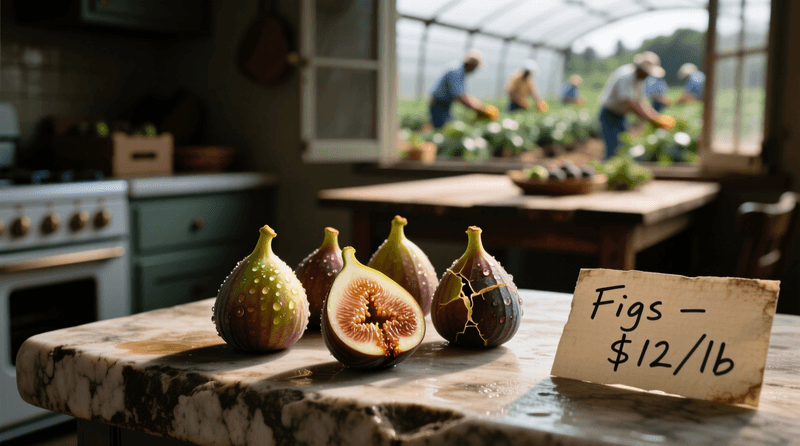
Figs are fragile and short-lived, which explains the sticker shock. They bruise at a glance, resist long storage, and ooze sweetness when perfectly ripe.
Growers pick close to ready, so timing and transit must be perfect.
Because losses are common, the price must cover waste and careful handling. Imports extend the season but increase cost and risk.
Even at farmers markets, small yields and finicky weather keep prices elevated.
Eat them quickly and store gently in a single layer. Pair with soft cheese, honey, and toasted nuts for a luxurious bite.
When prices pinch, dried figs deliver deep flavor and value for baking or snacks.
10. Passion fruit
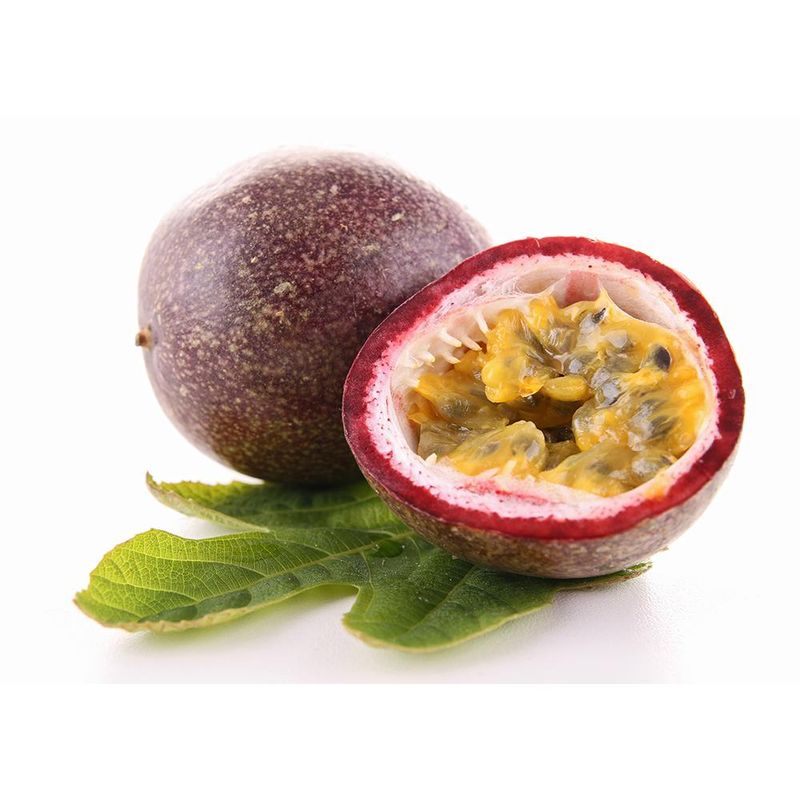
Passion fruit packs intense aroma in a small, pricey package. Vines need warmth, and harvests are limited, so supply stays tight.
Shipping ripe fruit requires care because the shells crack and leak.
Retailers often sell per piece, which magnifies the perception of cost. You pay for that tropical perfume and tangy pulp that transforms desserts.
Juicing and straining add labor when sold ready to use.
Choose fruits that feel heavy and slightly wrinkled for best flavor. A spoonful goes far in yogurt, cocktails, or pavlova.
If you crave the taste without the price, look for frozen puree, which often balances quality and cost.
11. Kiwi berries
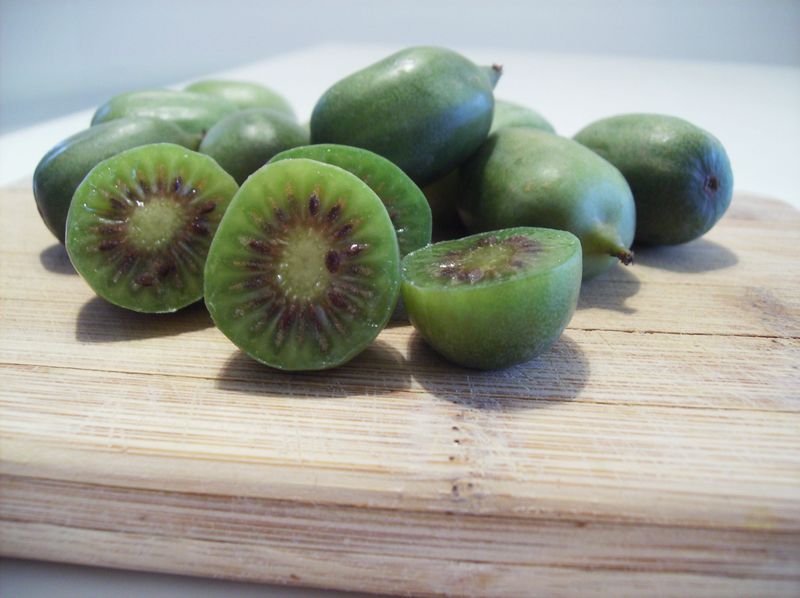
Kiwi berries look like mini kiwis without fuzz and eat like candy. They are seasonal, delicate, and not widely grown, which limits supply.
Because they ripen fast, losses mount if displays move slowly.
Growers need trellising and careful pruning, and harvesting is by hand. Packaging protects the fruit but adds cost, especially in small punnets.
Retailers position them as novelty snacking fruit, reinforcing higher prices.
When you find them firm but fragrant, chill and serve whole for peak delight. They shine on cheese boards and in lunchboxes where convenience matters.
If you want similar flavor at less cost, standard kiwis win on value.
12. Lychee
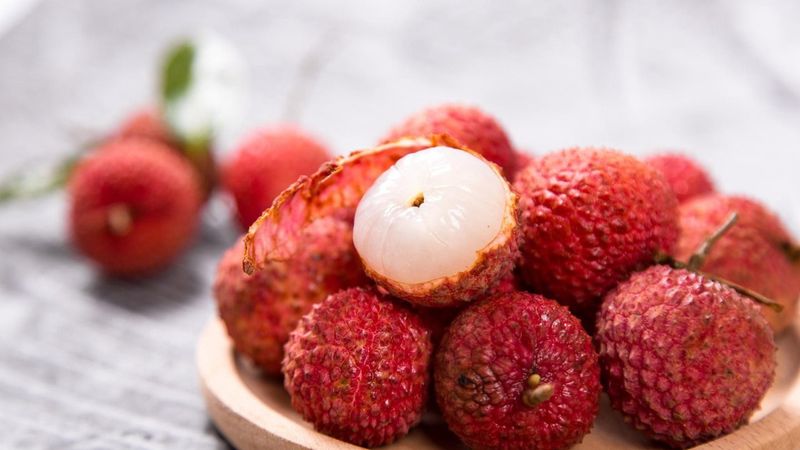
Lychee brings perfumed sweetness that seldom travels cheaply. Seasonality is tight, and most shipments are imported under strict cold-chain control.
The thin skin browns quickly, so speed and temperature are critical.
Because bruising and decay can spread, retailers price to offset losses. Handpicking clusters and quick packing add labor overhead too.
Premium cultivars and better color demand even more careful sorting.
Choose fruit with bright shells and springy feel. Chill, peel, and enjoy over crushed ice or in spritzers.
When fresh prices spike, canned lychee in light syrup offers a practical swap, though texture softens and floral notes mellow.
13. Persimmons (specialty varieties)
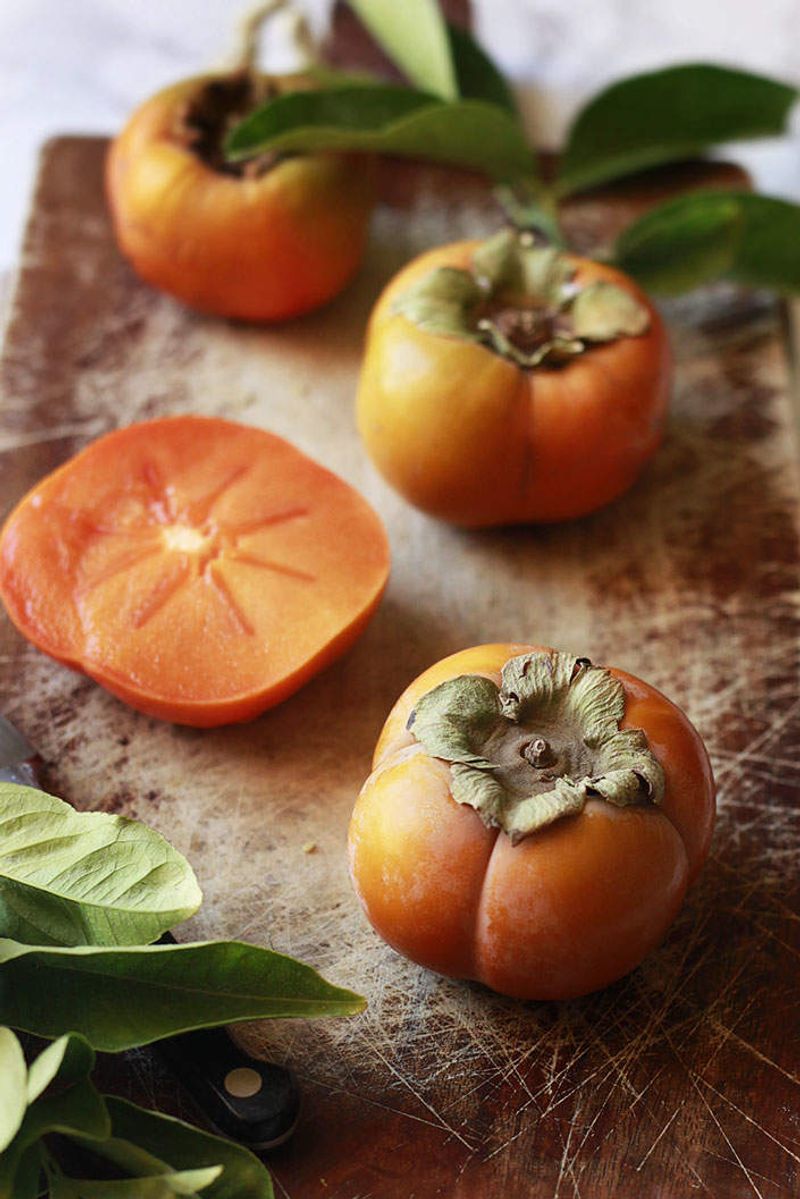
Persimmons range from budget friendly to breathtaking, especially with specialty types. Hachiya requires jelly-soft ripeness, which complicates transport and retail timing.
Fuyu holds better, but large, flawless fruit fetches premiums.
Short harvest windows, finicky ripening, and cosmetic standards all nudge prices higher. Some growers use ethylene management and careful padding during shipping.
Gift-ready boxes add branding and perceived value, raising costs further.
If you love them, plan recipes around ripeness. Spoon Hachiya over yogurt with cinnamon, or slice Fuyu into salads for crunch.
Buying slightly underripe and finishing at home can save money and reduce bruising losses.
14. Avocados (during shortages)
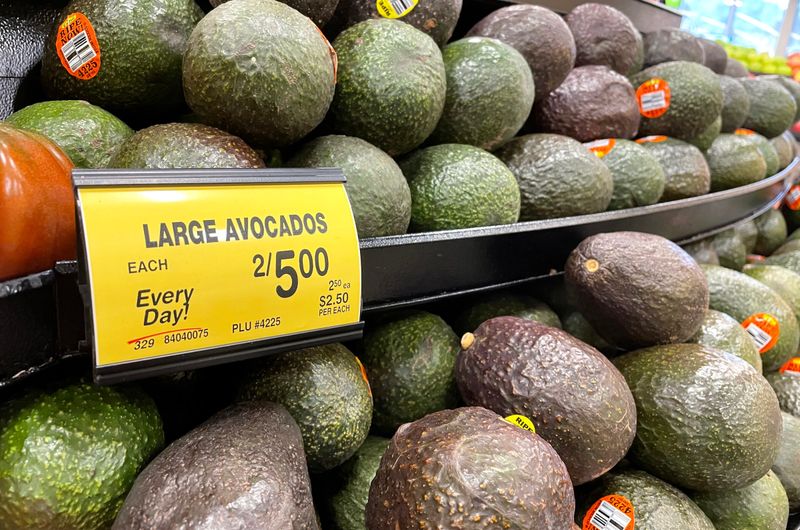
Avocado prices swing hard when supply tightens. Weather, labor disputes, or export restrictions can shrink shipments overnight.
Since demand stays strong for toast, guac, and salads, prices climb fast.
Growers also face rising costs from water use and orchard maintenance. The fruit ripens post-harvest, so retailers manage backroom conditioning, adding overhead.
Losses from overripe product get baked into the shelf price.
To save money, buy firm ones and stagger ripeness at home. Store ripe avocados in the fridge and use citrus to slow browning.
During peaks, consider smaller fruit bags or switch to chickpea or pea guac blends.
15. Grapes (premium or imported varieties)
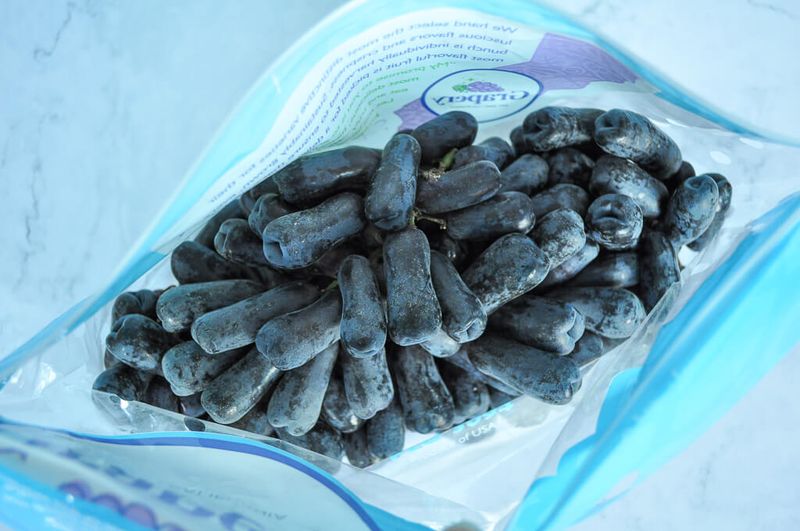
Grapes cover a wide price spectrum, and premium varieties live at the top. Novel flavors, seedless crunch, and elongated shapes require breeding and careful vineyard work.
Imports arriving early season rely on fast logistics and cushioned packaging.
Branding and licensing fees for proprietary cultivars push costs higher. Retailers highlight sweetness scales and tasting notes to justify the upgrade.
Losses from split skins and stem dryness are priced in too.
If snacking bliss matters, a small clamshell can feel worth it. For roasting, salads, or freezing, standard red or green varieties save money.
Watch for promotions when multiple regions overlap and supply surges.