
15 Ideas For Reusing Cooked Rice Water
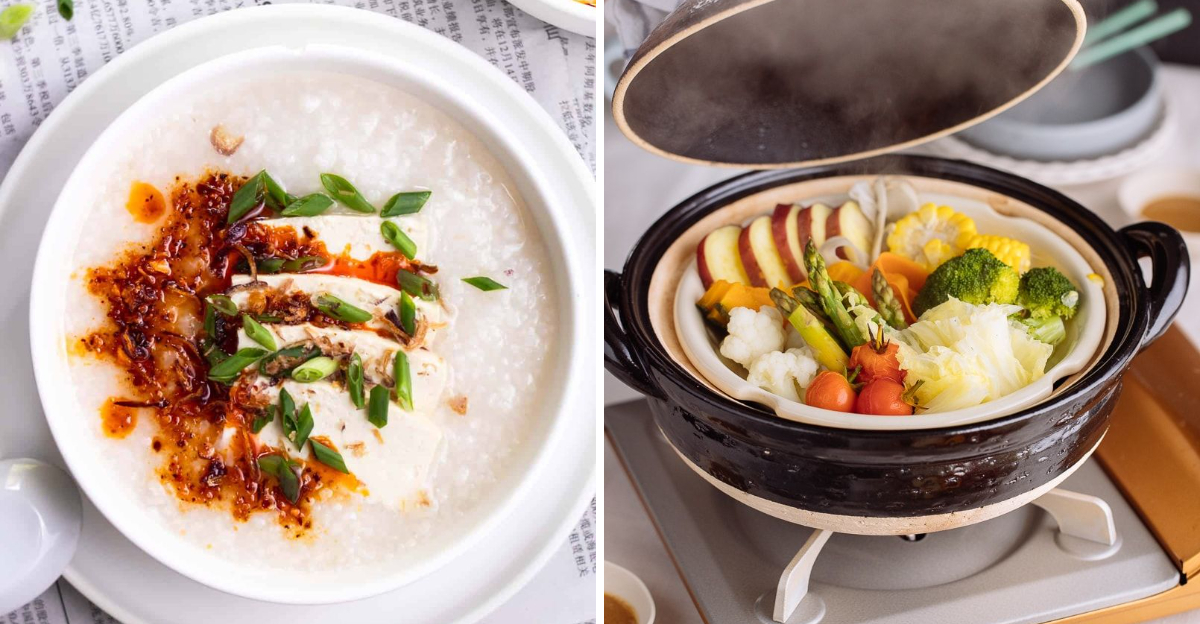
Cooked rice water is one of those wait, I’m supposed to throw this out leftovers. It’s starchy, mild, and surprisingly useful when you know how to put it to work.
From cozy kitchen tricks to a few clever household uses, you can get more value out of every pot of rice. Here are smart, simple ways to turn that cloudy liquid into something helpful and delicious.
1. Use it as a soup and stew thickener
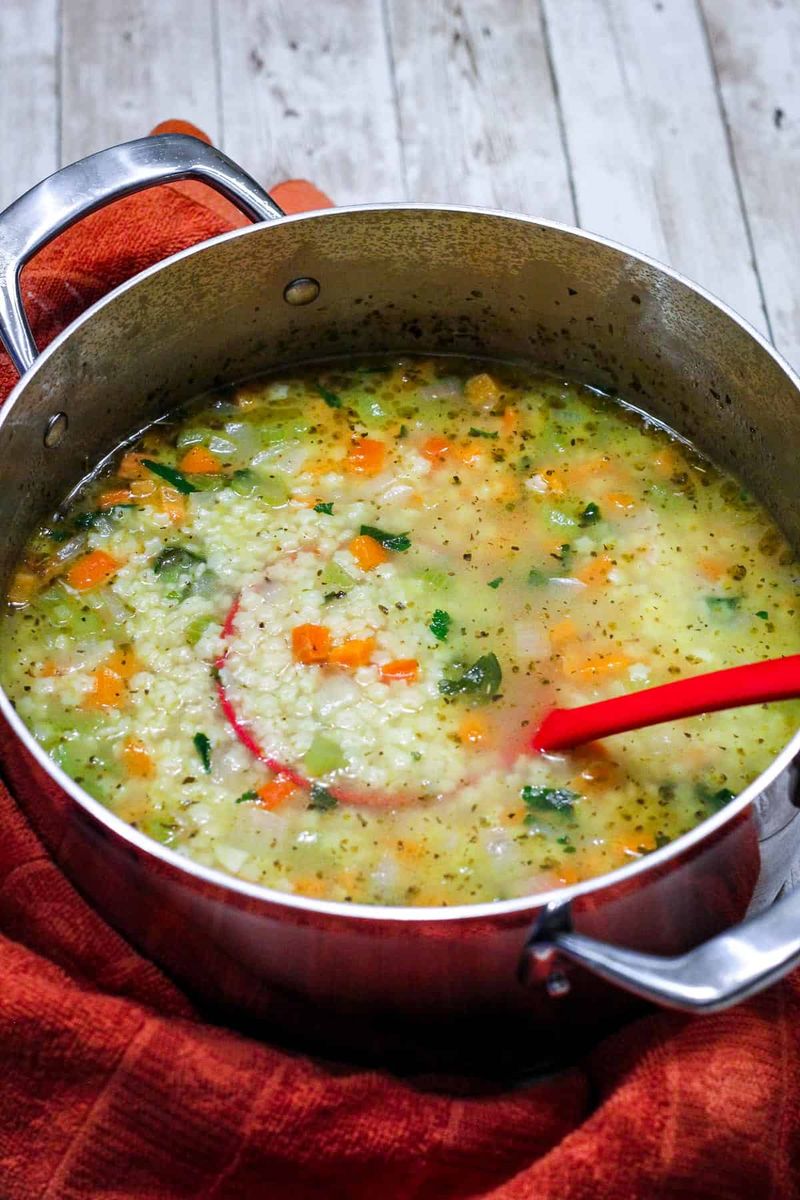
When your soup tastes great but feels a little thin, rice water saves the day. Stir in a small splash near the end, let it simmer a minute, then check the texture.
The starch gently boosts body without adding flour flavor or gritty lumps.
You control the thickness by adding a little at a time. This trick works with brothy soups, chunky stews, and creamy chowders alike.
If the pot sits and tightens up, loosen it with a teaspoon more rice water and a quick stir.
It is especially nice for light soups that need silk. Think chicken soup, vegetable minestrone, or bean stew.
The result feels balanced, cozy, and never heavy.
2. Turn it into a simple congee shortcut
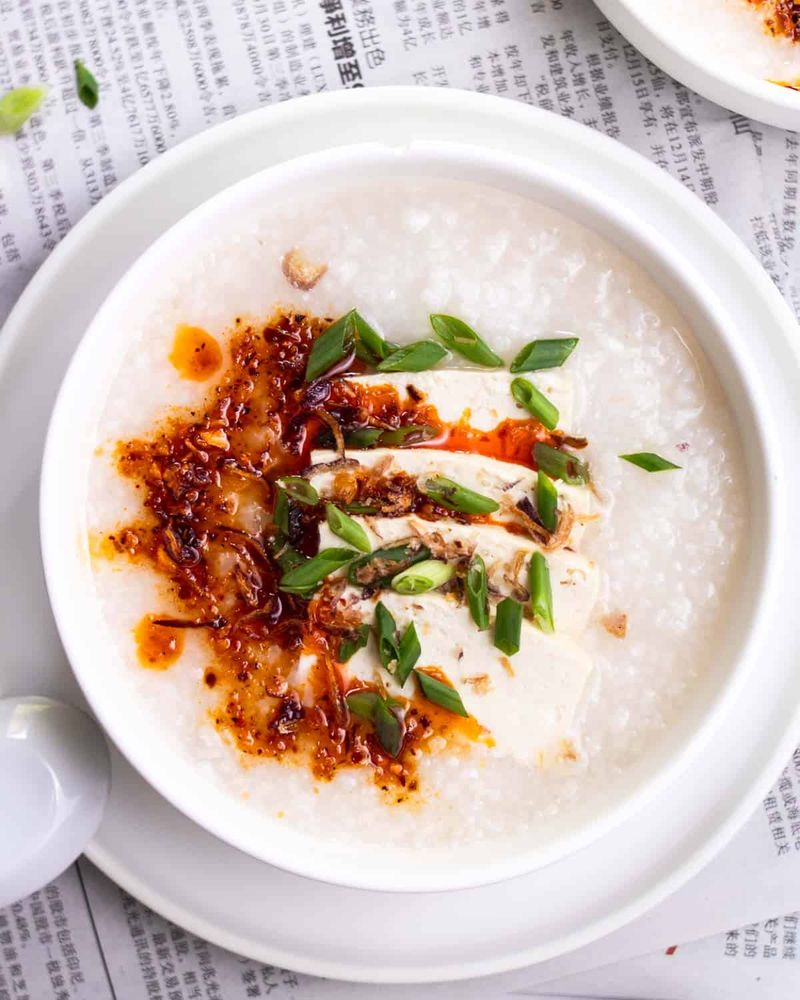
Congee thrives on starch and patience, and rice water offers the starch for free. Use it to replace part of the cooking liquid, and your porridge turns creamy faster.
The texture becomes velvety, with that comforting, spoon-coating feel you want.
Add aromatics like ginger and scallions for gentle warmth. A splash of soy sauce or a pinch of salt rounds the flavor without overpowering.
Keep stirring occasionally so nothing sticks, and let the rice bloom fully.
Top with crisp scallions, chili oil, or shredded chicken for contrast. If it thickens too much, loosen with another ladle of rice water.
You get that all-day-simmer vibe in a fraction of the time.
3. Cook oatmeal with it for extra creaminess
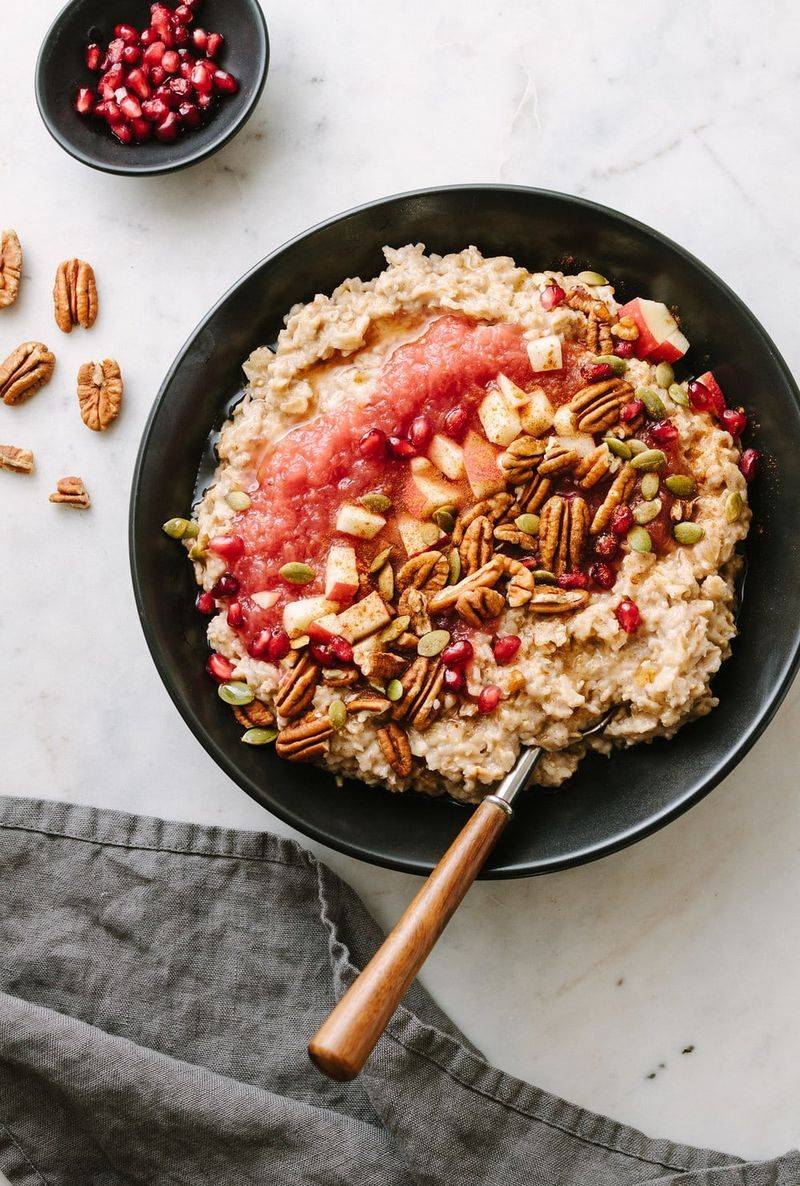
Swap some or all of the water for rice water when cooking oats. The extra starch makes oatmeal feel softer and richer without cream.
You will notice a silkier spoonful and a more cohesive texture that holds toppings nicely.
Stir in cinnamon, vanilla, or a pinch of salt as it simmers. Add fruit, nut butter, or a drizzle of maple to finish.
Steel-cut, rolled, or quick oats all benefit, though timing varies.
If it gets too thick, splash in more rice water to loosen. Leftovers reheat particularly well because the starch keeps things tender.
It is an easy weekday upgrade that feels like weekend comfort.
4. Make fluffy pancakes or crepes

Use rice water as the liquid in your pancake or crepe batter for extra tenderness. The starch supports a soft crumb and helps crepes cook thin without tearing.
You get gentle browning and a delicate bite that soaks up syrup beautifully.
Whisk eggs, flour, rice water, and a touch of oil or melted butter. Let the batter rest so bubbles calm and starch hydrates.
For crepes, aim thinner and chill briefly for smoother spreading.
Cook on a lightly greased skillet until golden and fragrant. If the batter feels tight, thin with a spoonful more rice water.
Every bite lands soft, fluffy, and irresistibly stackable.
5. Add it to bread dough
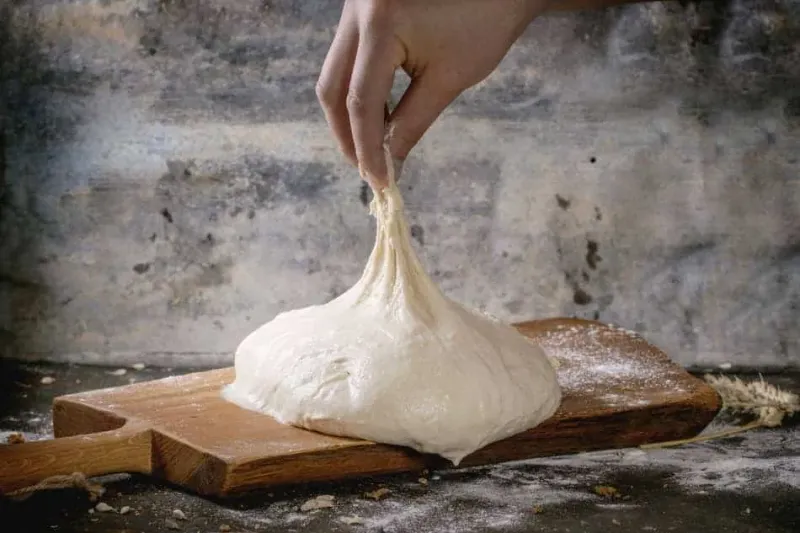
Replacing part of your dough’s water with rice water can give bread a softer crumb. The starch helps tenderness and may encourage even browning.
It works especially well in sandwich loaves, rolls, and enriched doughs.
Start by swapping 15 to 25 percent of the hydration. Mix as usual, rest, then knead or fold until smooth and elastic.
The dough may feel silkier, so adjust flour a touch if sticky.
During proofing, keep an eye on volume and texture. Bake until the crust is well colored and internal temp hits the sweet spot.
The result slices cleanly, stays soft longer, and toasts like a dream.
6. Use it to cook beans or lentils

Cooking beans or lentils in rice water adds body to the pot liquor. The starch creates a smoother mouthfeel without making things gummy.
It pairs nicely with aromatics like onion, garlic, bay leaf, and a knob of tomato paste.
Do not add salt too early if your beans are tough. Simmer gently and skim foam as needed.
If the broth gets thicker than you want, dilute with plain water.
This approach does not speed cooking, but the final spoonful feels more rounded. It is especially lovely for brothy beans you plan to serve with greens or toast.
The pot looks homier and tastes surprisingly luxurious.
7. Build a quick sauce base
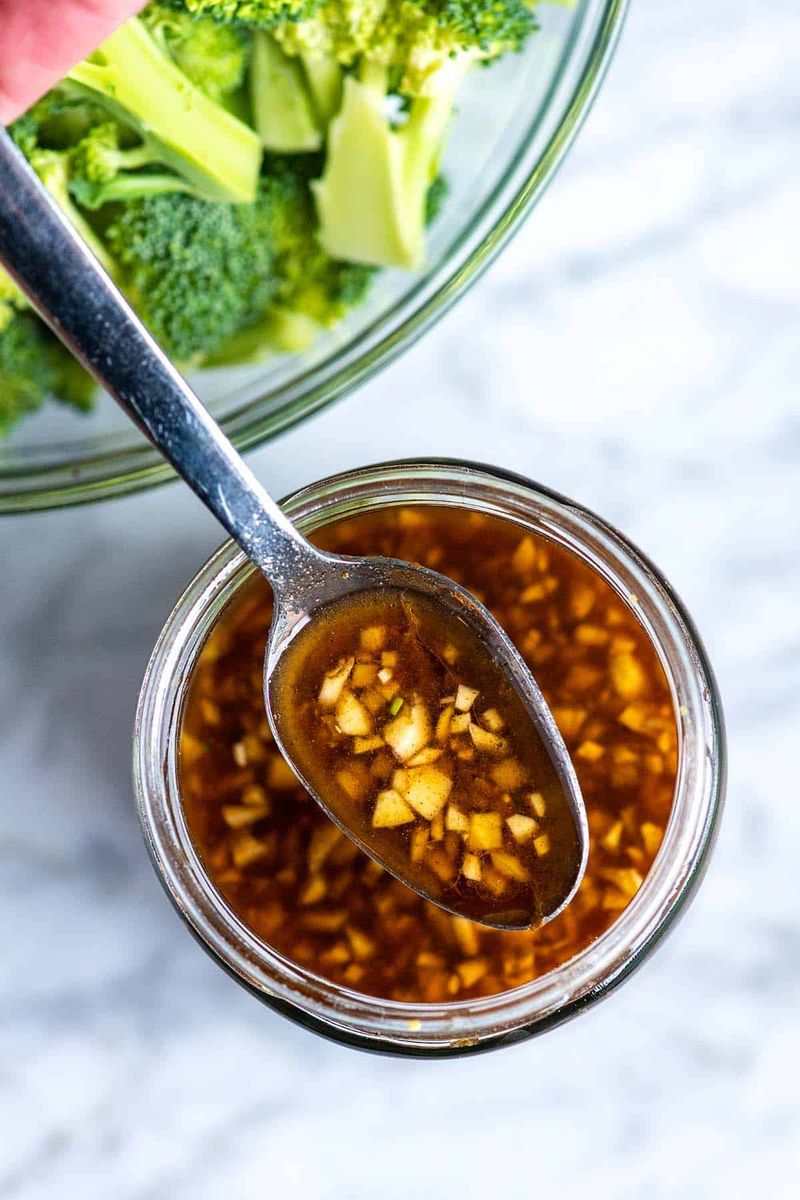
Whisk rice water with soy sauce or tamari, grated ginger, minced garlic, and a touch of honey. Simmer briefly, and watch it turn glossy and clingy.
The starch helps the sauce hug noodles, stir-fries, or pan-seared tofu.
Taste and tweak with chili flakes, rice vinegar, or sesame oil. If it is too thin, cook another minute.
Too thick, loosen with a spoon or two of rice water.
This fast base saves weeknights and elevates leftovers. Pour over steamed vegetables, toss with soba, or glaze salmon.
You get shine, balance, and savory depth without a cornstarch slurry.
8. Stretch leftover curry or stew
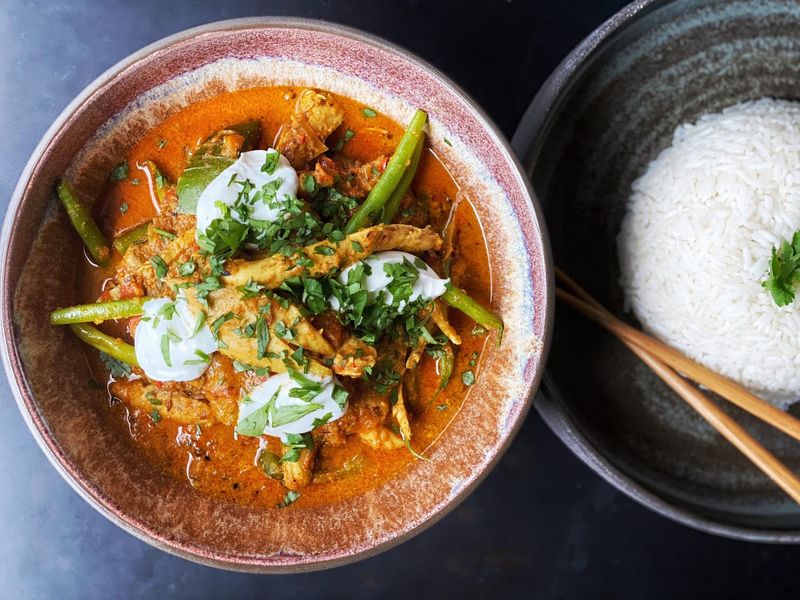
Day-old curry often tightens up. Instead of plain water, stir in rice water to revive the silky texture.
The starch keeps the sauce cohesive so flavors do not feel washed out.
Warm gently and add a little at a time. Stir between additions until the spoon glides easily.
Taste for salt, because dilution can nudge seasoning off balance.
This trick also helps stews and braises that set overnight. It brings back that glossy, spoon-coating finish you loved on day one.
The result tastes fresher, cozier, and perfectly spoonable again.
9. Make a light gravy for meatballs or tofu
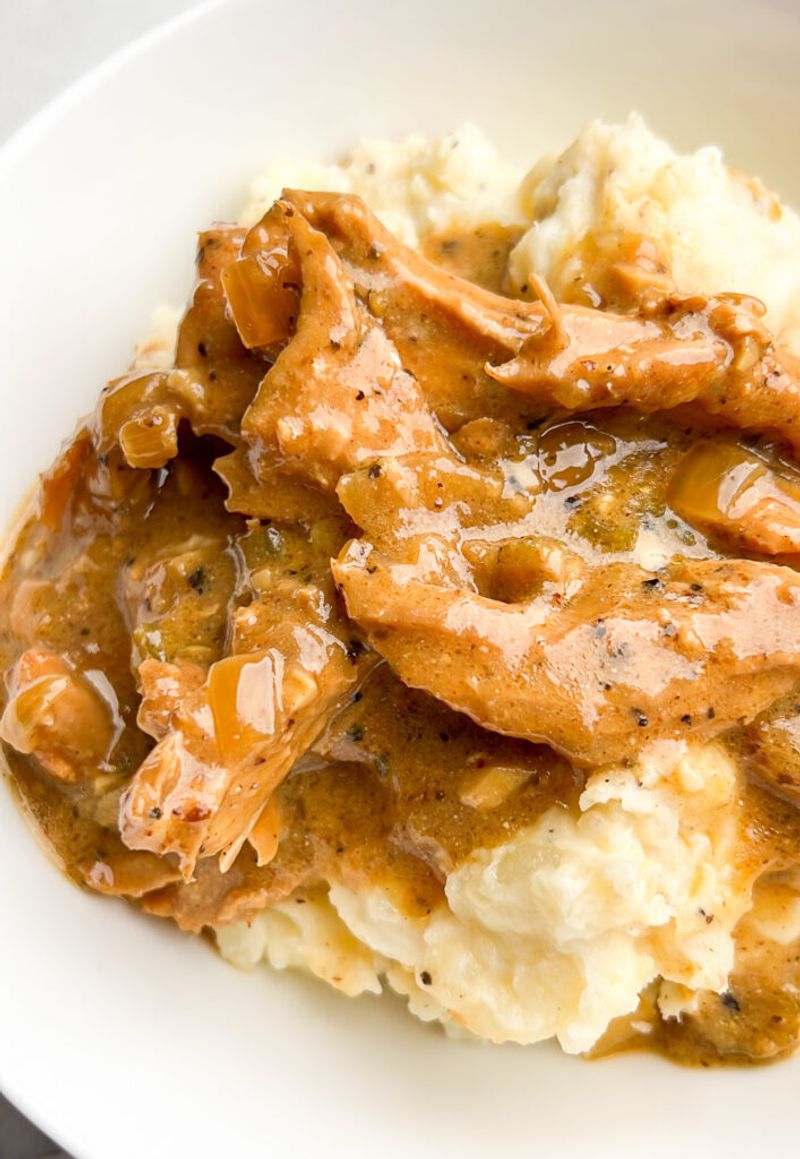
Rice water makes a gentle, cozy gravy that complements meatballs or tofu. Sauté onion and garlic in butter or oil, then whisk in rice water and seasoning.
Simmer until the bubbles look creamy and the spoon leaves a light trail.
For depth, add white pepper, thyme, or a splash of soy sauce. You can enrich with a small pat of butter.
If it thickens too far, loosen with another spoonful of rice water.
Pour over seared tofu, mashed potatoes, or tender noodles. The texture is silky without being heavy.
It tastes like comfort and looks beautifully glossy on the plate.
10. Use it to steam vegetables
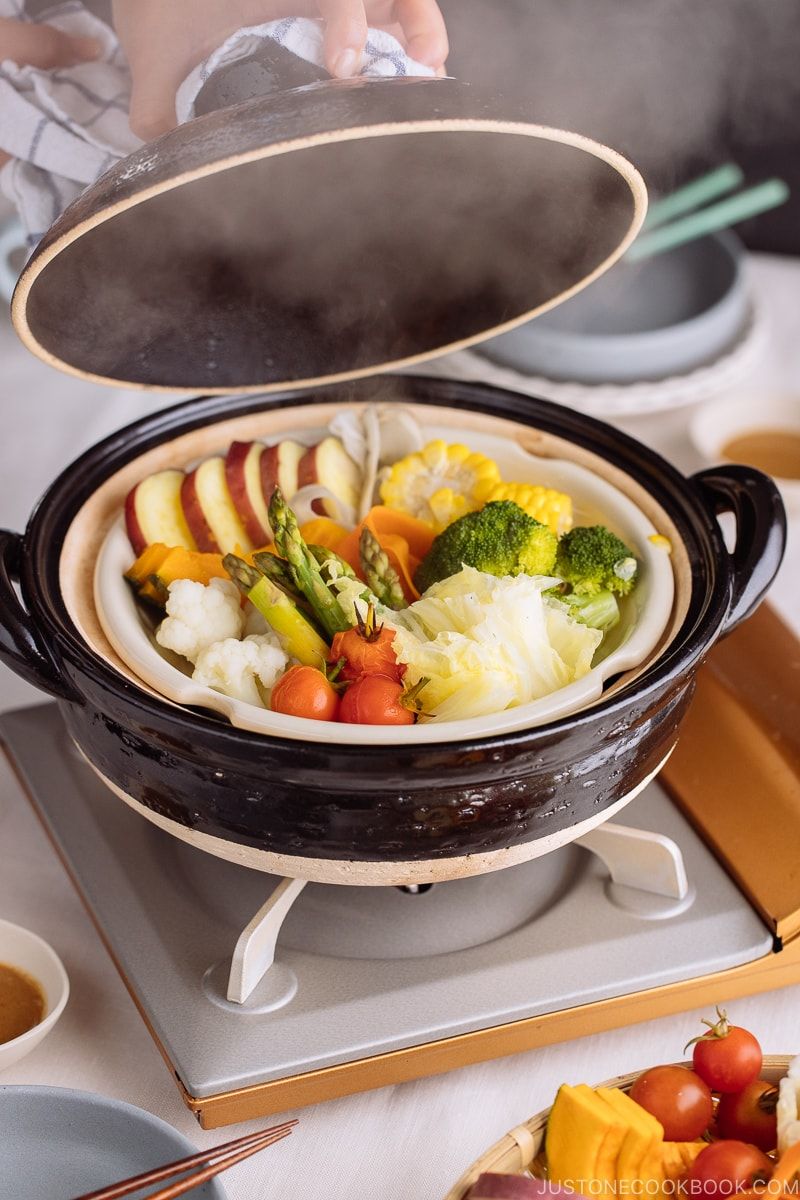
Fill your steamer with rice water instead of plain water for a subtle boost. The steam carries a touch of starch that leaves vegetables softly tender.
Broccoli, carrots, and snap peas come out vibrant and pleasant to bite.
Add aromatics to the water, like lemon peel or ginger coins, for fragrance. Keep the simmer gentle so you do not sputter onto the vegetables.
Toss with olive oil and salt right after steaming.
If you plan to glaze, the residual starch helps cling. A quick soy and sesame drizzle hugs every floret.
It is a tiny tweak that makes simple veg feel special.
11. Poach fish gently
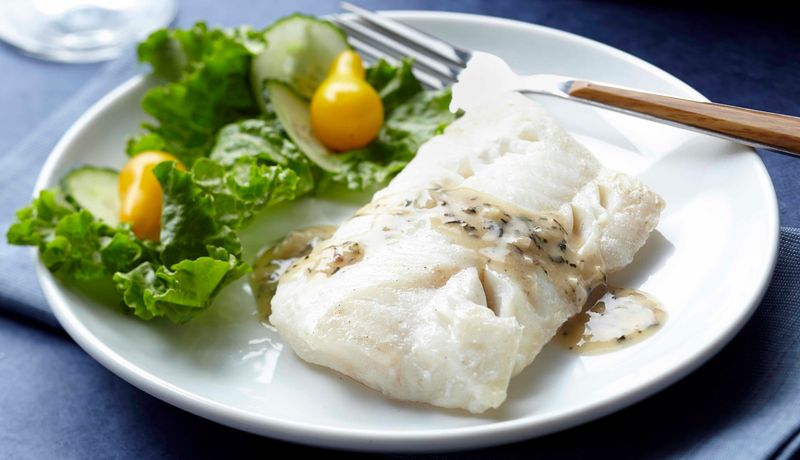
Rice water creates a mild poaching bath that treats fish tenderly. Add sliced ginger, scallions, peppercorns, and a pinch of salt.
Keep the liquid just below a simmer so proteins set gently.
The starch buffers delicate fillets like cod or halibut, helping them stay moist. Spoon the aromatic liquid over as it cooks.
When it flakes easily, rest briefly and plate with a drizzle of sesame oil.
Finish with lemon or soy for brightness. Serve alongside rice and blanched greens for balance.
The result is clean, calming, and quietly luxurious.
12. Use it as a base for homemade plant milk blends
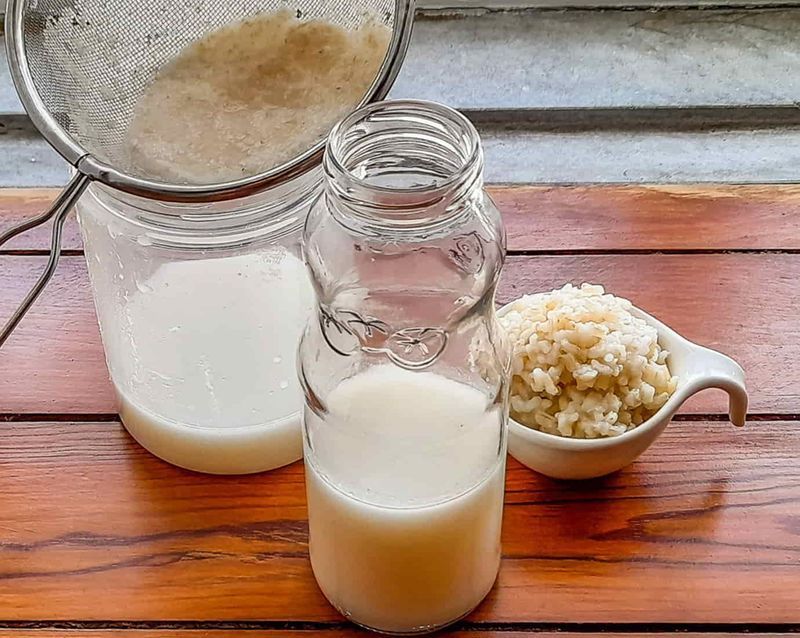
Turn rice water into an easy plant milk base. Blend with a handful of soaked nuts, a pinch of salt, and a touch of honey or vanilla.
The starch helps body while nuts add richness and flavor.
Strain through a fine sieve or nut bag if you prefer smooth. Adjust sweetness and salt to taste.
Chill well so it tastes clean and refreshing.
Use in iced coffee, overnight oats, or smoothies. It is lighter than typical nut milk but pleasantly creamy.
Store in the fridge and shake before pouring since natural separation happens.
13. Cool it and use it for soaking stuck-on pans
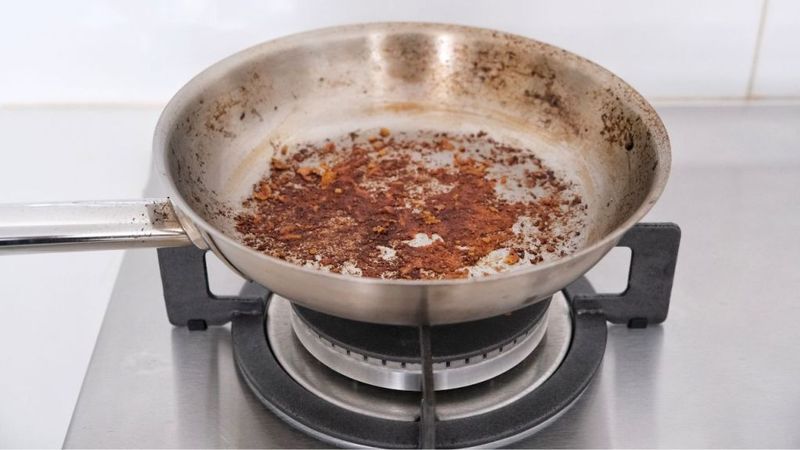
Before you scrub a stubborn pan, pour in warm rice water and let it soak. The starch loosens gunk so it lifts with less effort.
You are basically giving the mess a head start on dissolving.
Ten to twenty minutes usually does the trick for browned bits. For extra help, add a tiny squeeze of dish soap.
Then scrub with a brush or sponge and rinse clean.
Avoid soaking cast iron long, and dry it promptly if you do. For stainless and enamel, this gentle pre-soak is a winner.
It saves time, wrists, and frustration after dinner.
14. Compost or water plants with it
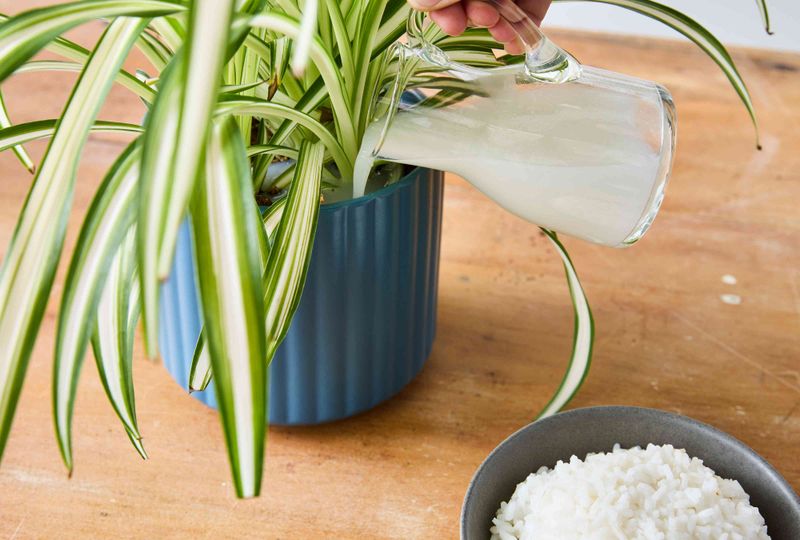
Unsalted, cooled rice water can nourish compost or give plants a mild boost. The trace starch and minerals feed soil microbes.
Pour around the base of houseplants or add to your compost pail.
Use sparingly to avoid soggy soil or attracting pests. If the water is salty, greasy, or heavily seasoned, skip it.
Rotate with plain water so roots are not overwhelmed.
Outdoors, apply on cooler mornings so it absorbs well. Indoors, wipe any spills to prevent residue.
It is a small, thrifty practice that supports healthy, lively soil.
15. Freeze it in small portions for later cooking
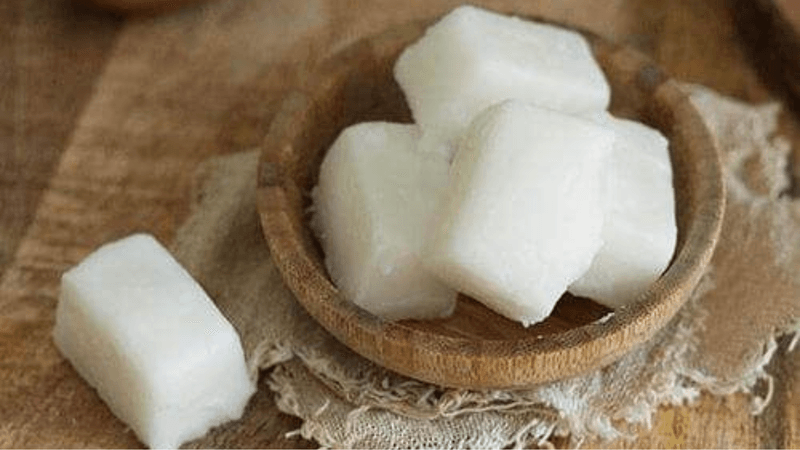
Do not waste that liquid gold. Pour rice water into an ice cube tray and freeze for future cooking.
The cubes drop straight into soups, sauces, and stir-fries when you want extra body.
Label the bag so you remember what it is. Keep plain and unsalted for maximum flexibility.
A couple cubes can rescue a thin sauce or perk up leftovers.
Thaw in a pan as you cook, or melt in the microwave briefly. You will appreciate having a stash on rushed nights.
It turns scraps into convenience, one small cube at a time.