15 Issues That Can Come Up When Cooking With Cheese
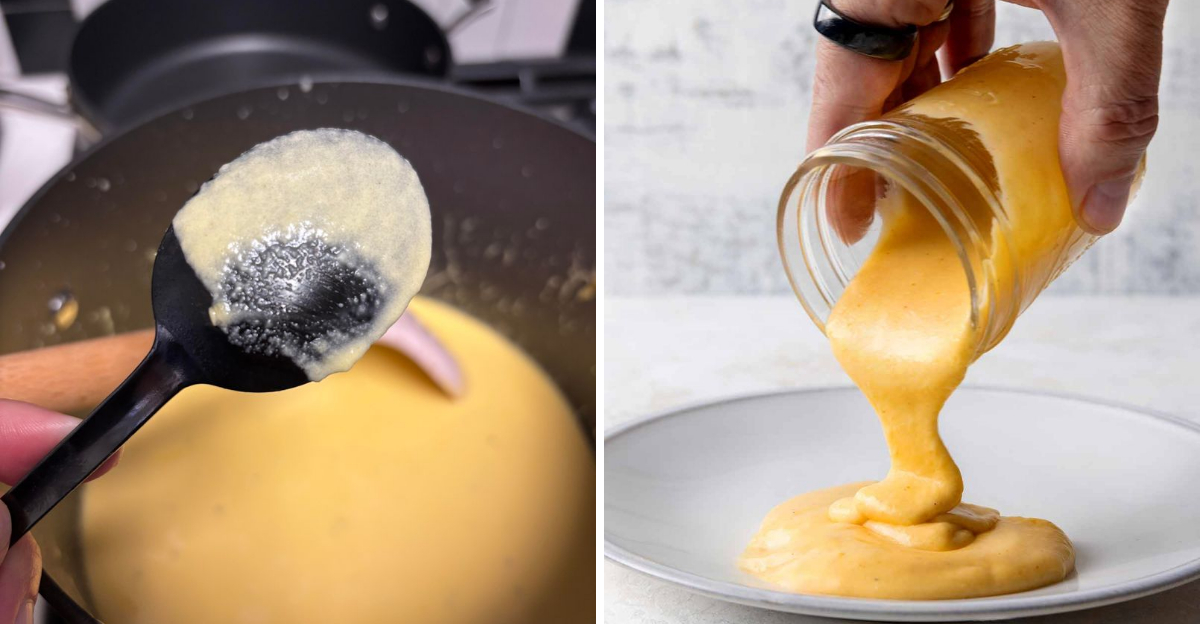
Cheese can turn a simple dish into comfort food magic, but it can also throw curveballs when heat hits the pan. One minute you have a silky sauce, the next it is greasy, grainy, or stubbornly clumped.
If you have wondered why your cheese acts up or how to fix it fast, you are in the right place. Let’s troubleshoot the most common cheese mishaps so your melts stay dreamy, not messy.
1. The cheese turns greasy and oily

When cheese turns greasy, fat has split away from protein. That usually happens with too much heat, heat applied too fast, or prolonged simmering.
You will see shiny pools on pizza or a slick on queso.
To fix it, lower the heat and stir in a splash of warm milk or water to cool and loosen the emulsion. Add a teaspoon of starch slurry, then whisk gently.
A bit of acid like lemon can help, too. Next time, melt gradually and stop at just-melted.
2. The cheese breaks in a sauce
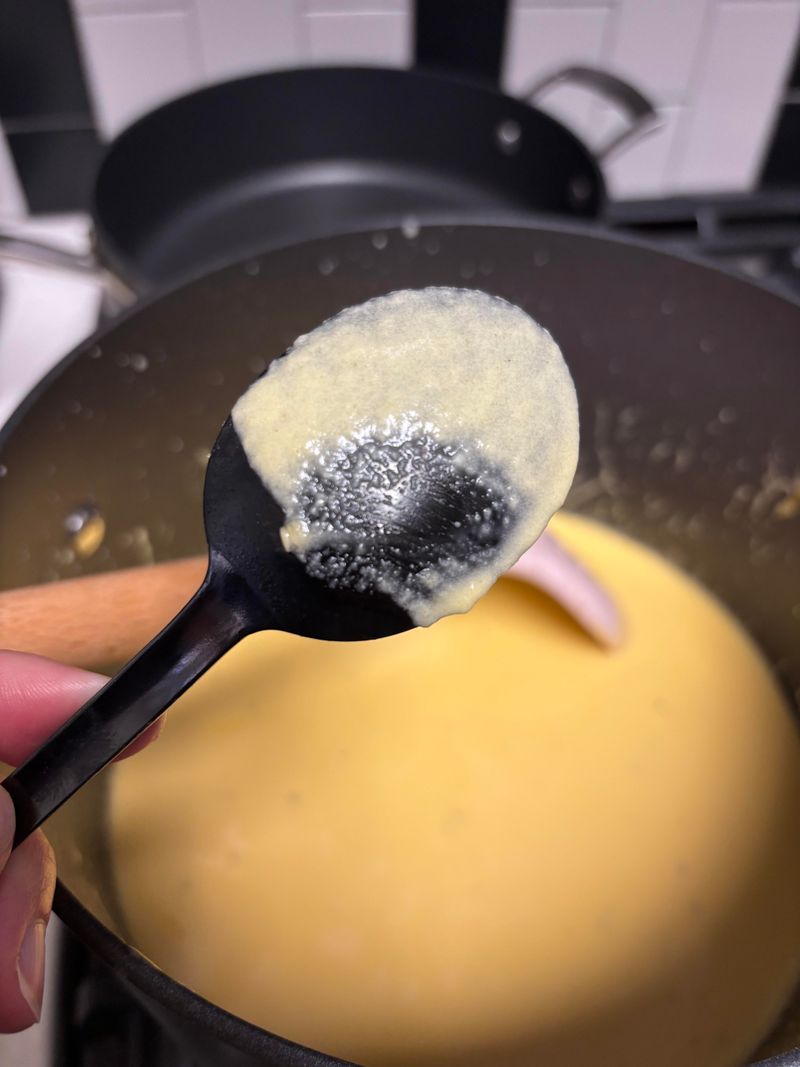
A broken sauce looks curdled, with specks and watery separation. High heat, too much acid, or dumping cheese in all at once can overwhelm the emulsion.
You lose that silky, clingy texture you wanted.
Rescue it by taking the pan off heat, whisking in warm milk or cream slowly. Add a small starch slurry for stability, or blend briefly for smoothness.
Next time, melt cheese off heat, handful by handful, and use room temperature dairy. Gentle heat preserves structure.
3. Cheese clumps instead of melting smoothly
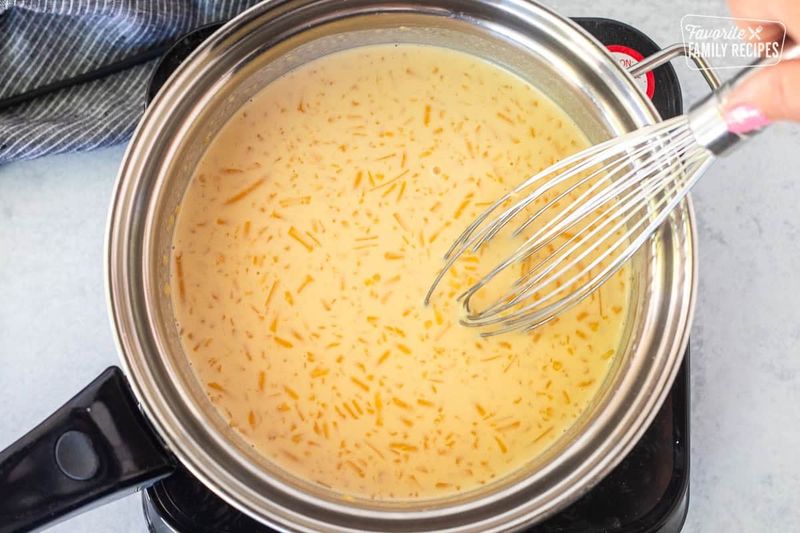
Big clumps happen when cheese hits a liquid that is not hot enough or not moving. Add it all at once, and it mats together before it can melt.
Some anti-caking agents also hinder smooth blending.
Fix by raising heat gently and whisking while sprinkling cheese gradually. Toss shredded cheese with a bit of starch first for insurance.
Use freshly grated cheese, which melts better. Keep sauce hot but not boiling, and add in stages.
You will get silken results instead of gummy blobs.
4. Sauce becomes unpleasantly stringy

A little stretch is delightful, but overheated mozzarella and similar cheeses can turn sauce into taffy. Vigorous stirring encourages long protein strands.
Suddenly every spoonful drags ropes of cheese.
Prevent by blending cheeses: add a melter like Monterey Jack with a stabilizer like a bit of cream cheese. Keep heat moderate, stir gently, and finish off heat.
Cut strings with a splash of milk or pasta water. Choose lower moisture mozzarella for controlled melt, and avoid boiling once cheese is added.
5. Cheese sauce turns grainy
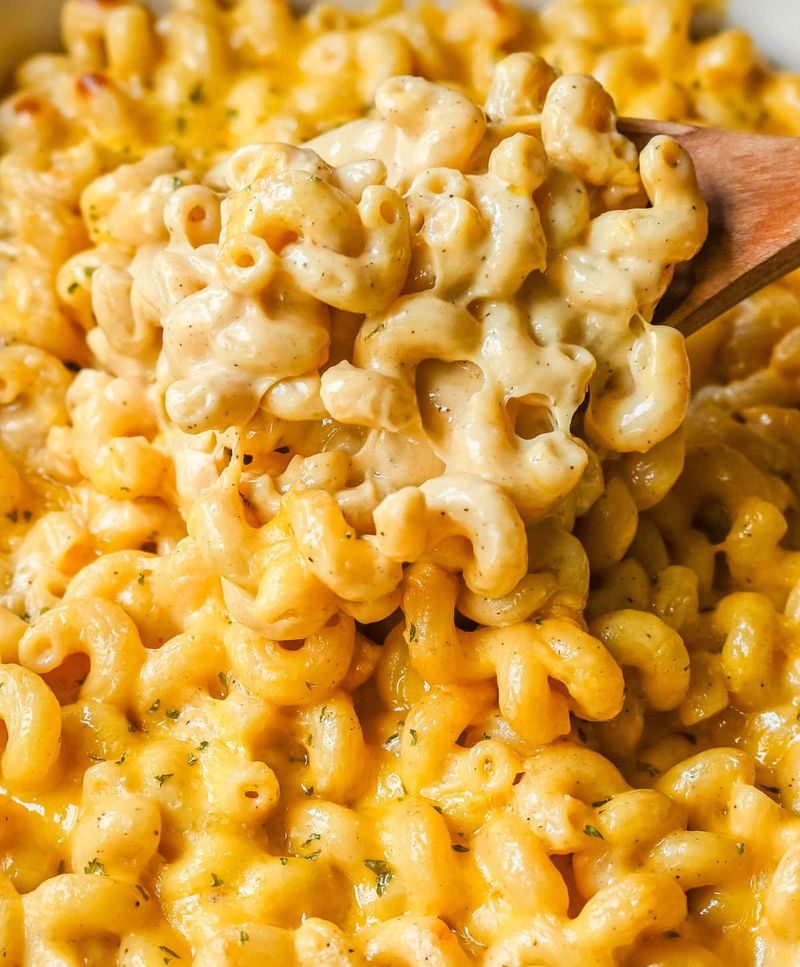
Graininess can come from overheating, low-quality melt, or anti-caking powders on pre-shredded cheese. Proteins tighten, separate, and feel sandy on the tongue.
Letting sauce sit too hot worsens texture.
Fix by removing from heat and whisking in warm milk to relax the matrix. Add a cornstarch slurry or sodium citrate for a bar-smooth finish.
Use freshly grated cheese that melts cleanly. Maintain gentle heat, and serve promptly.
Avoid boiling after cheese goes in, and store warm, not scorching.
6. Cheese scorches on the bottom of the pan
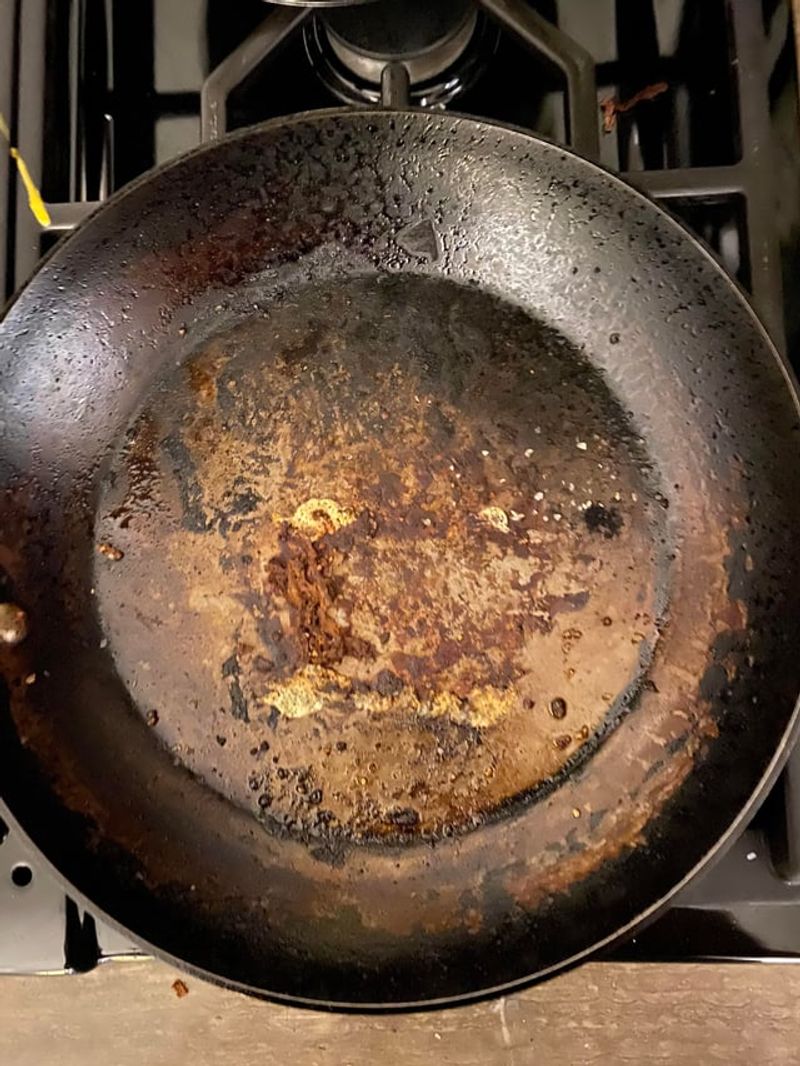
Cheese burns fast because proteins and sugars caramelize and char under direct heat. A dry pan or minimal liquid accelerates scorching.
Bitter notes and black flecks creep into your dish.
Use low to medium heat, heavier pans, and steady stirring. Add liquid before cheese, not after, and keep things moving.
If it starts sticking, stop and transfer the unburned portion immediately. Clean the pan thoroughly before retrying.
Consider a double boiler or gentle oven melt for delicate sauces.
7. Cheese will not melt at all
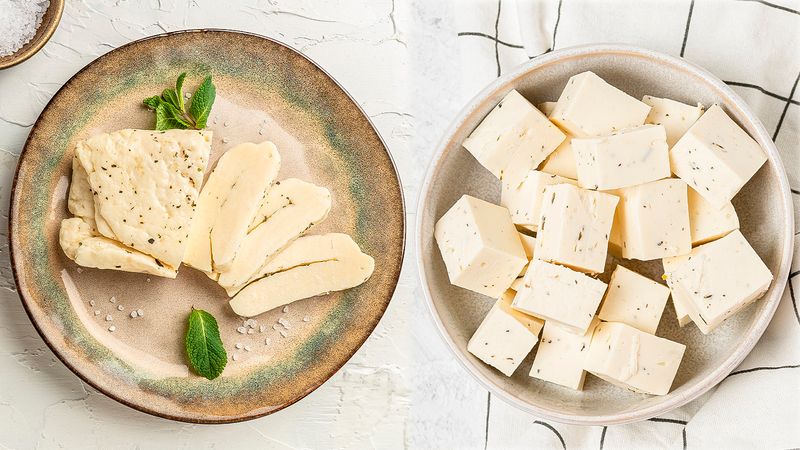
Some cheeses are designed to soften, not melt. Fresh paneer, halloumi, queso blanco, and very aged, low moisture cheeses can resist melting completely.
They warm, maybe soften, but keep shape.
Know your cheese. For gooey results, choose good melters like cheddar, Gruyere, Gouda, or Fontina.
If using non-melters, embrace their strengths by searing, cubing into salads, or finishing dishes. Add moisture and acidity to help borderline melters.
Shred finely and heat gently.
8. The cheese becomes rubbery
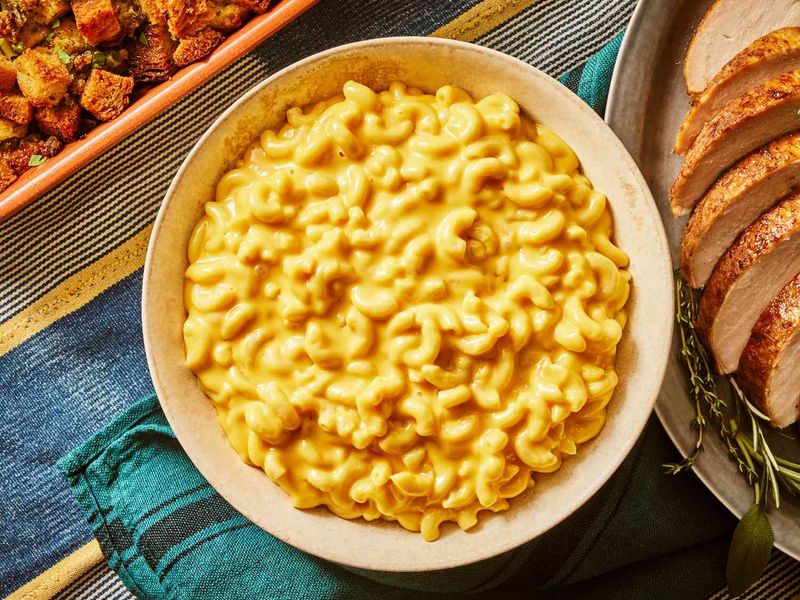
Rubbery cheese signals overcooking. Heat tightens proteins and squeezes out moisture, leaving chewiness instead of luscious melt.
Baked dishes are especially vulnerable near the end.
Fix by pulling from the oven earlier and letting carryover heat finish melting. Mix in a creamier cheese or a splash of cream to keep texture supple.
Shred thin so it melts quickly at lower temperatures. Cover briefly to steam and relax the top, then uncover to finish color without toughness.
9. Cheese gets tough after cooling
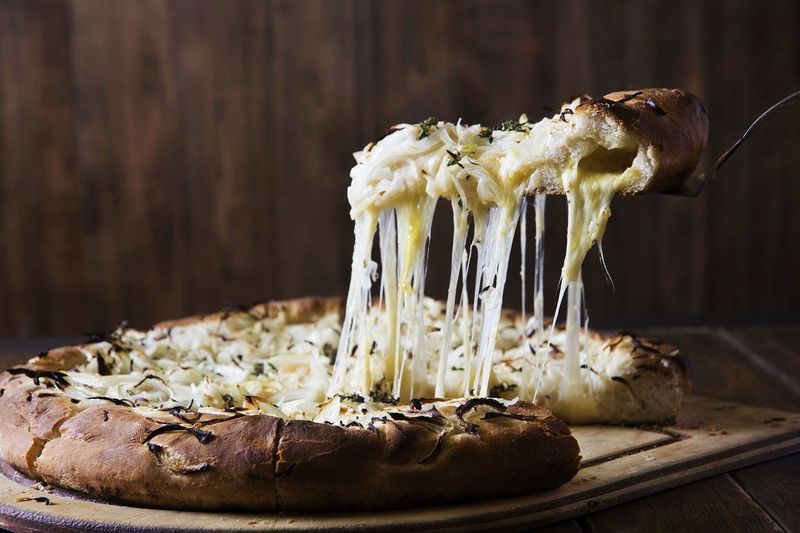
As melted cheese cools, fat firms and proteins set, turning stretchy into stiff. Mozzarella and other elastic cheeses are most noticeable offenders.
That perfect pull disappears minutes later.
Serve hot and plan timing. Hold sauces warm, not scorching, and stir occasionally to maintain fluidity.
Blend in a little evaporated milk or sodium citrate for reheat-friendly smoothness. For pizza, let it rest briefly, then eat while warm.
Rewarm gently to soften structure without breaking.
10. A sauce tastes oddly chalky
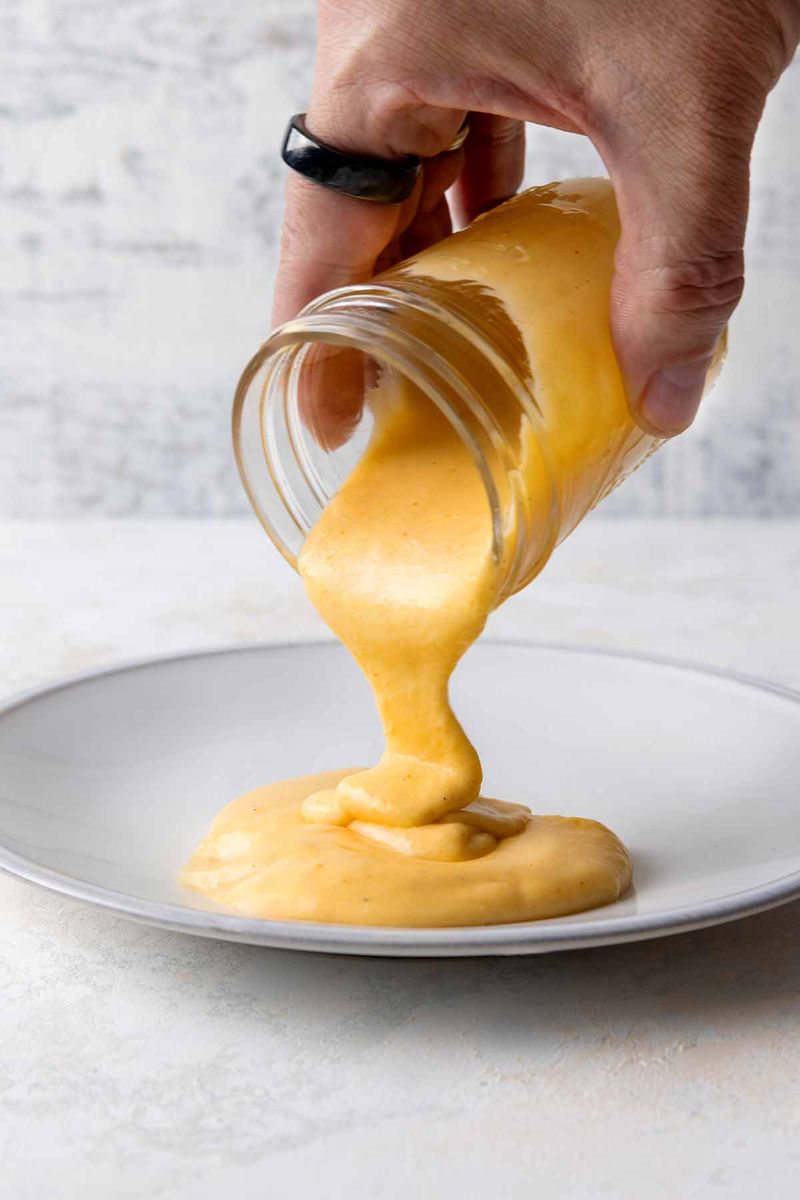
That faint chalkiness often traces back to anti-caking starches on bagged shreds. They keep pieces separate but can mute flavor and add a dusty mouthfeel.
In simple sauces, it really shows.
Grate cheese fresh for cleaner melt and brighter taste. If using pre-shredded, rinse briefly in cold water and pat dry before melting.
Balance with more seasoning, a touch of acid, or a little butter for gloss. Gentle heat preserves flavor and texture.
11. The dish ends up too salty

Cheese brings its own salt, especially Parmesan, feta, pecorino, and aged varieties. If you salt early, then shower on cheese, flavors can tip harsh.
Broths and brines compound the issue.
Salt late. Taste after adding cheese, then adjust.
Balance with acid like lemon or vinegar, or add unsalted butter, cream, or potatoes to dilute. Use lower-sodium cheeses when possible.
Rinse brined cheeses before crumbling. Reserve salty cheeses for finishing touches instead of bulk.
12. The cheese flavor disappears
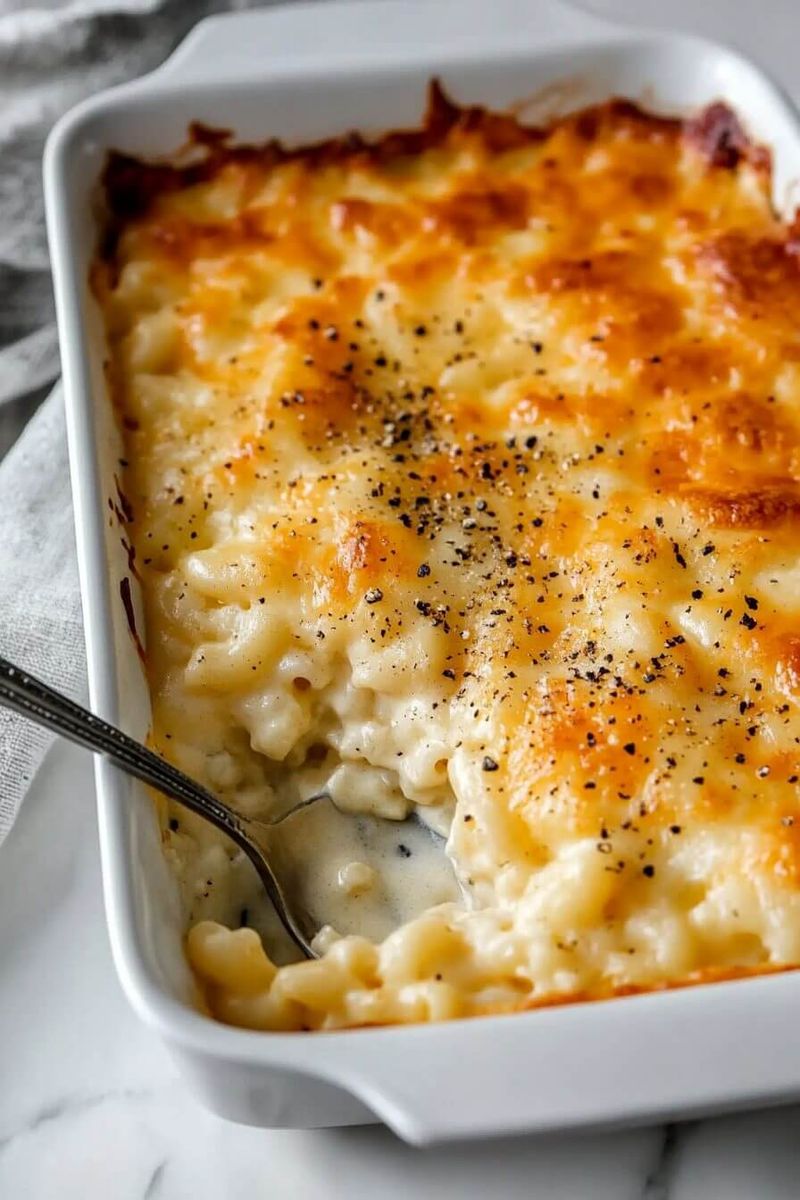
Heat can mute mild cheeses, leaving sauces tasting flat. A mountain of young mozzarella or mild cheddar may look rich but whisper on the palate.
Fat without flavor underwhelms.
Layer flavor: combine sharp cheddar with Gruyere, add a little Parmesan for umami, and season thoughtfully. Toast spices in butter, splash in mustard or hot sauce, and finish with acidity.
Add cheese off heat to preserve aroma. Choose bolder, aged cheeses when you want impact.
13. Cheese separates when reheating leftovers
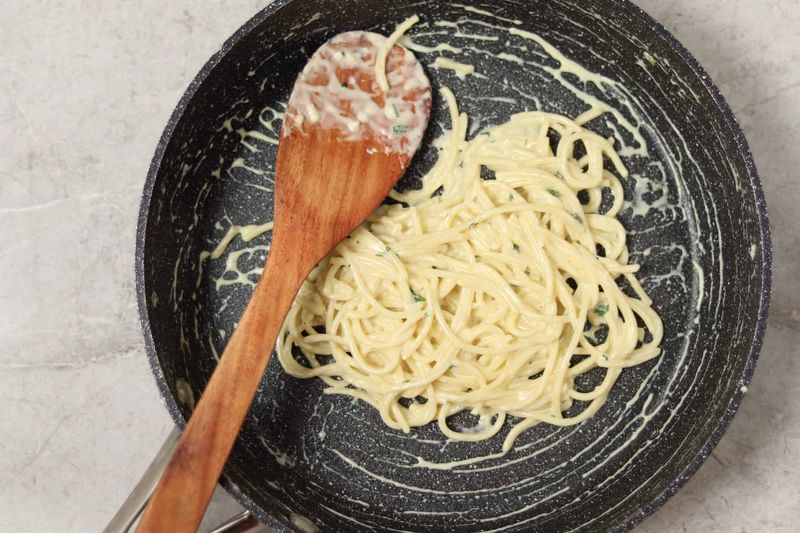
Leftovers often split because reheating drives off water and jolts fat out of emulsion. Microwaves on high are repeat offenders.
Creamy pastas and dips show shiny oil and grainy bits.
Reheat low and slow. Add a splash of milk or water, cover, and stir every 20 to 30 seconds.
A tiny starch slurry or sodium citrate can re-bind. Warm only until just hot, not bubbling.
Portion smaller for even heating.
14. Cheese browns too fast

Under broilers or very hot ovens, certain cheeses brown and blister in seconds. Fat rises, water evaporates, and sugars caramelize rapidly, tipping into bitter.
Edges go dark before centers melt.
Shield with foil until the last minute, then uncover to color. Mix in a higher moisture cheese, or brush with a little cream to slow browning.
Lower rack position buys time. Watch like a hawk and pull at golden, not mahogany.
15. Cheese sticks stubbornly to cookware
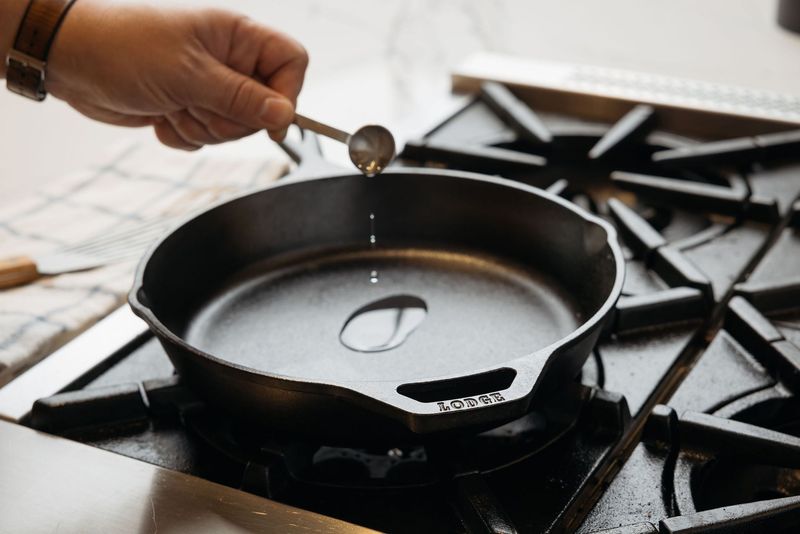
Hot cheese can weld to pans, especially dry cast iron or stainless. High heat without enough fat or liquid creates gluey adhesion.
Scraping risks tearing dinner and your patience.
Preheat pan, add oil or butter, and introduce cheese alongside moisture-rich ingredients. Use nonstick for melts, or parchment for baking.
Let a crust form before flipping to release naturally. For cleanup, soak warm, then use plastic scrapers.
Next time, manage heat and lubrication.