15 Julia Child Dishes That Capture Her Signature Technique
Julia Child turned careful technique into everyday magic, and these dishes prove it. Each one teaches a skill you can use again and again, from fearless browning to delicate folding.
You will taste the difference that patience, heat control, and proper seasoning make on the plate. Let’s cook with intention and bring Julia’s confidence into your kitchen tonight.
1. Boeuf Bourguignon
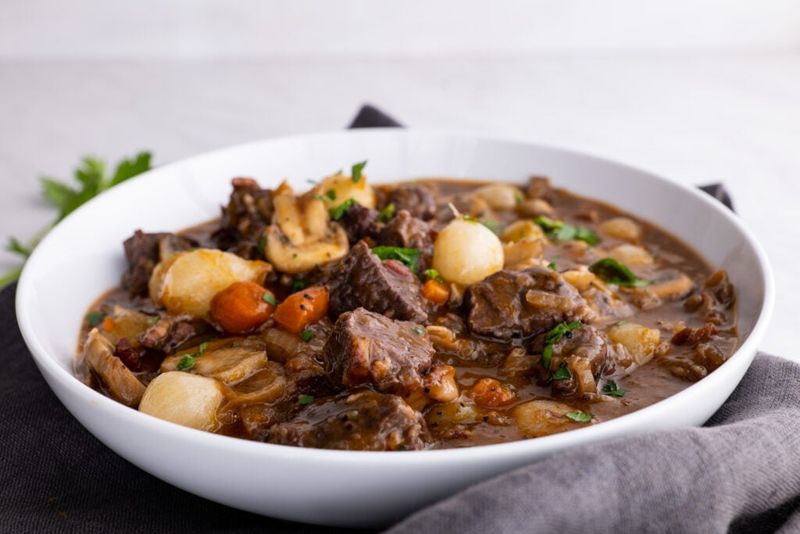
You start with patience, because flavor loves time. Dry the beef, sear in batches until crusted and fragrant, then deglaze with red wine that hisses and lifts every browned bit.
Add stock, lardons, herbs, and let it settle into a gentle braise. Mushrooms and pearl onions arrive later, so they taste distinct, not tired.
The sauce becomes silky because you reduce deliberately, skimming and tasting. Carrots hold their shape, beef yields with a spoon, and the kitchen smells like comfort.
Serve with buttered potatoes, and let the glossy sauce speak. This is stew elevated through layering, restraint, and respect.
2. Coq au Vin
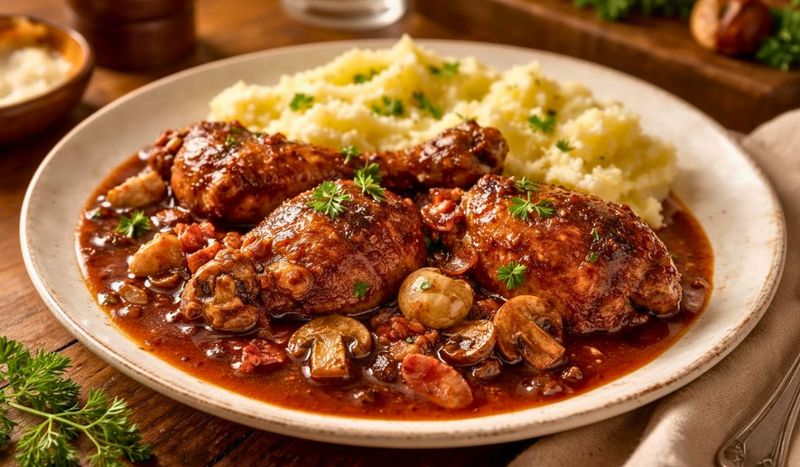
Think boeuf bourguignon’s cousin, lighter in texture yet just as serious. Brown the chicken thoroughly, because pale poultry means timid flavor.
Deglaze with Burgundy and a splash of stock, then simmer until the sauce clings. Mushrooms and onions join late, staying plump and sweet.
You are training your instincts to avoid watery stew.
Finish by adjusting seasoning and glossing with a touch of butter. The sauce should coat a spoon, not dribble.
Serve with potatoes or noodles, letting the wine’s depth shine. This is a lesson in confidence: do not rush, and the pot rewards your patience.
3. Quiche Lorraine
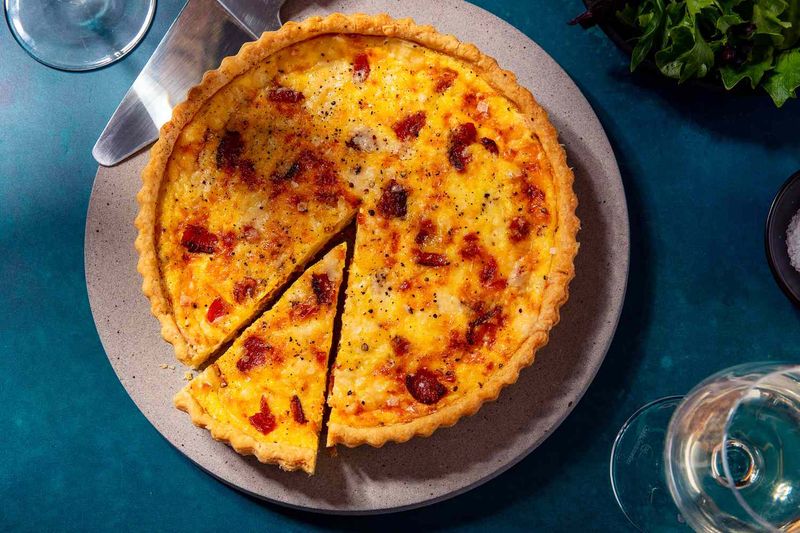
Precision is the promise here. Blind-bake the crust fully so it stays shatteringly crisp under custard.
Use cream and milk in smart ratios, season assertively with salt, pepper, and nutmeg, and let the custard glide rather than puff. Bacon lardons provide savor without sogging the base.
You taste balance, not heaviness.
Cool slightly for clean slices. The wobble matters, because carryover heat finishes the set.
Pair with a bright salad and a sharp vinaigrette to cut richness. You learn how small choices add up: proper fat, correct bake, and resting time transform a simple tart into quiet luxury.
4. Soufflé au Fromage (Cheese Soufflé)
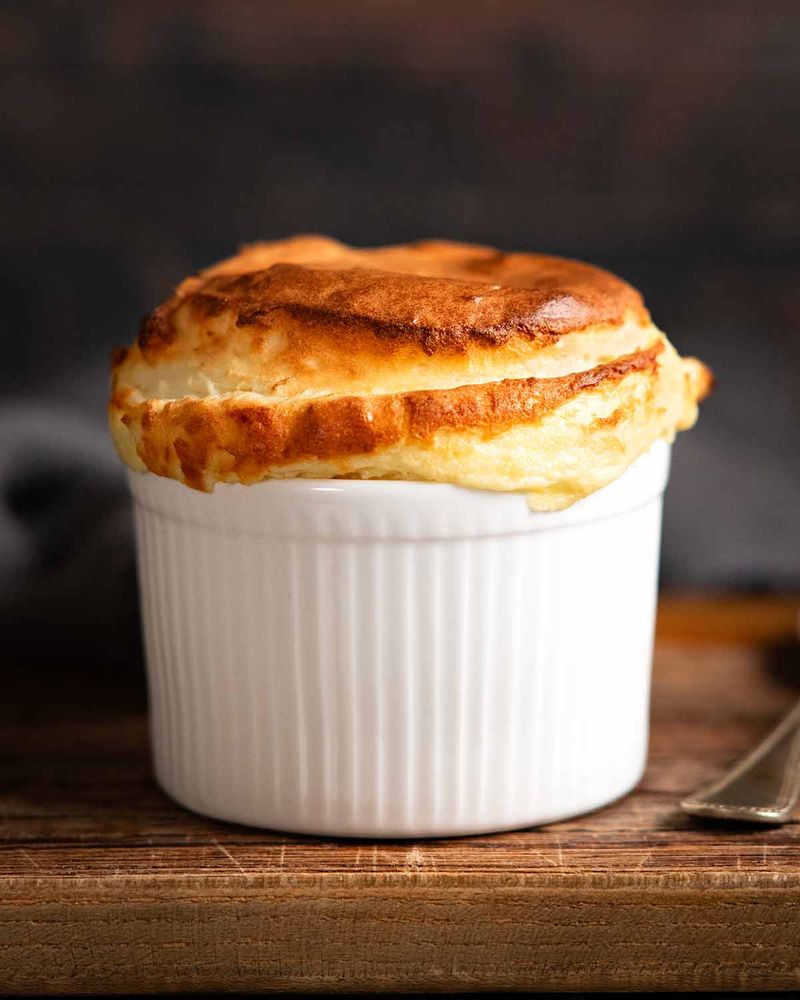
This is confidence baked. Build a sturdy base with a butter-flour roux and hot milk, then whisk in cheese until smooth.
Season bravely. Whip egg whites to glossy peaks, not dry, and fold with a calm hand, keeping volume intact.
Get it into the oven quickly. The rise rewards decisiveness, not dithering.
Do not fling the door open. When it crowns, serve immediately and smile as everyone gasps.
Inside feels cloudlike, outside gently browned. You learn structure, timing, and touch.
Master this, and fear of eggs dissolves. Technique turns drama into dependable delight you can repeat.
5. Sole Meunière
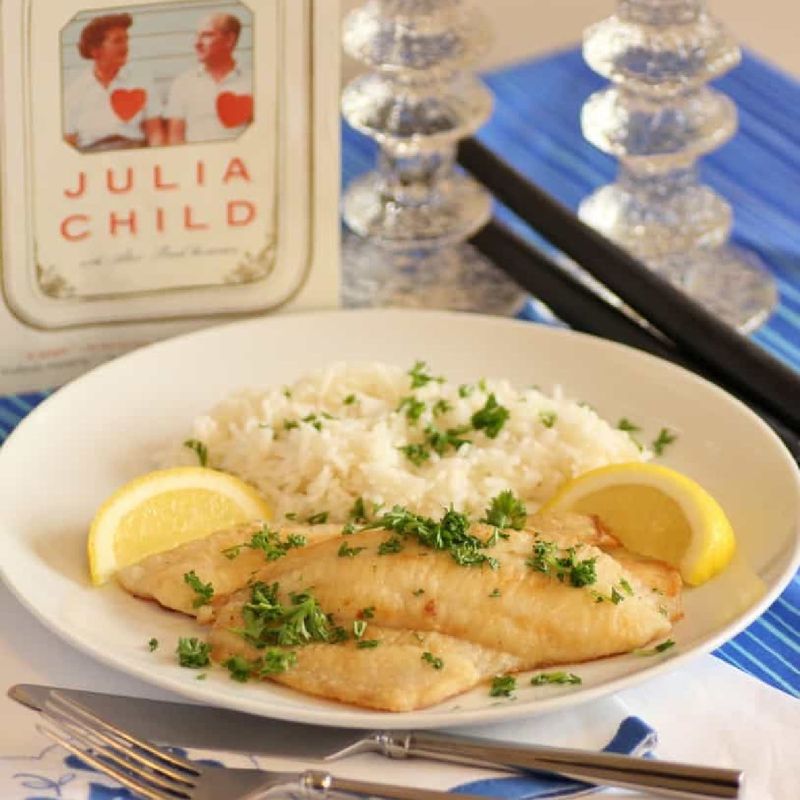
Restraint shines here. Pat the fillets dry, dust lightly with flour, and use a hot pan with clarified butter.
Cook just until the flesh flakes. Pour off, add fresh butter, and brown it to hazelnut fragrance.
Lemon juice cuts through, parsley brightens, and everything tastes more than the sum of parts.
There is nowhere to hide, which is exactly the lesson. Heat control, timing, and clean seasoning make fish sing.
Plate quickly so the butter stays nutty, not acrid. Serve with tender potatoes or spinach.
You will remember how simplicity, expertly handled, wins every time.
6. French Onion Soup Gratinée
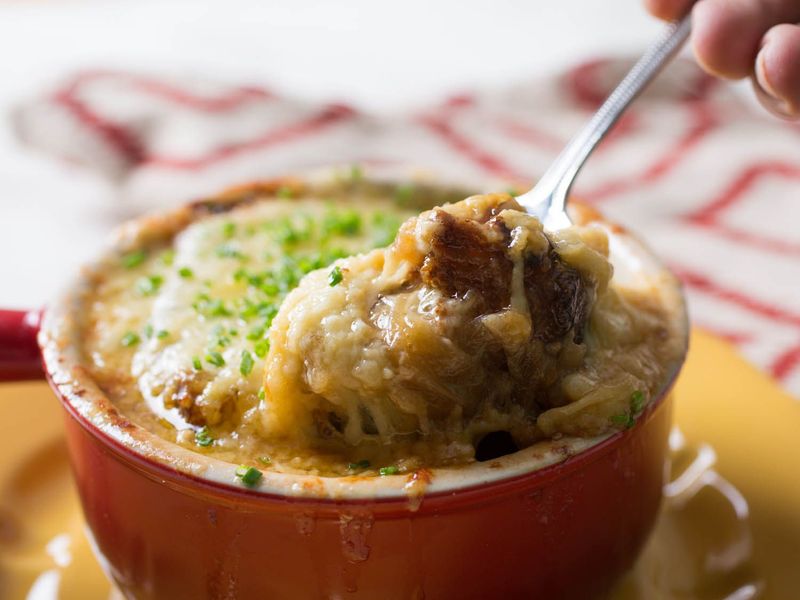
This is caramelization school. Slice a mountain of onions and coax them to deep bronze without burning.
Stir, scrape, and wait. Deglaze with wine, then add good stock and simmer until sweet, savory, and balanced.
Season carefully. Ladle into bowls, float toasts, blanket with cheese, and broil until frilled and molten.
The difference is time. Half-done onions taste sharp and thin.
Fully caramelized onions taste round and complex. Every minute at the stove repays you in depth.
Serve steaming, and let that gratin cap crackle. You earned every spoonful by staying with the pan.
7. Roast Chicken
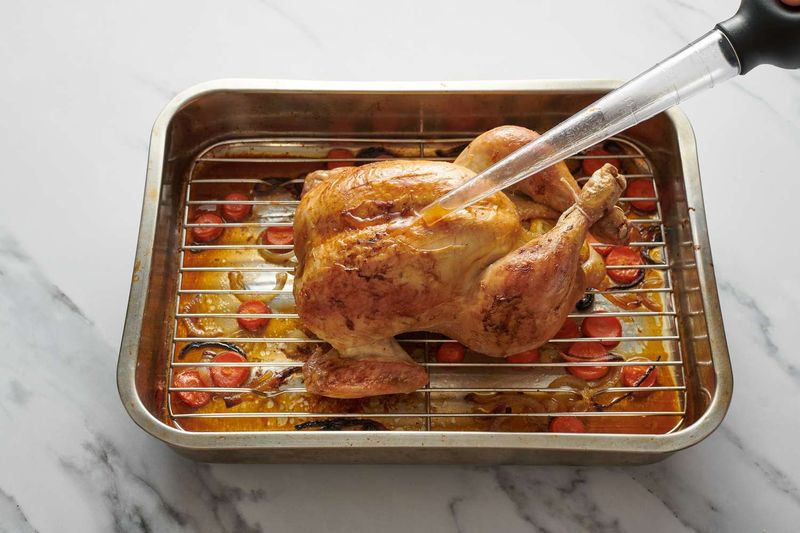
Roast chicken is a milestone in control. Dry the skin thoroughly, season generously, and roast hot.
Baste and turn with purpose so heat kisses every side. Listen for sizzle, not sputter.
Rest the bird before carving, letting juices redistribute. Pan drippings become a fast sauce with stock and butter, reduced until shiny.
Simple does not mean casual. It means intentional.
Truss for even cooking and crisp skin. Check doneness at the thigh, not guesses.
Serve with greens or potatoes. When the knife slides cleanly and the skin shatters, you know technique turned ordinary into unforgettable supper.
8. Vichyssoise (Leek and Potato Soup)
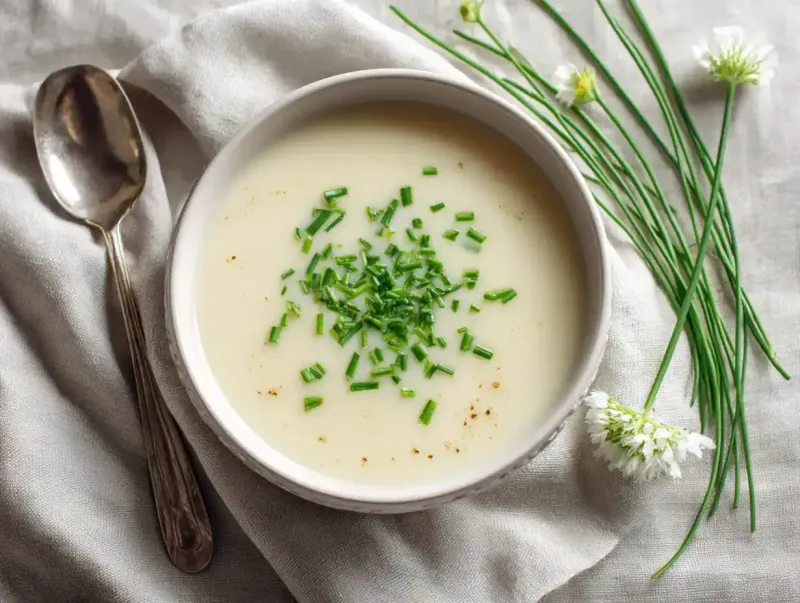
Texture is the quiet star. Sweat leeks gently without browning, then add potatoes and stock.
Simmer until tender, blend thoroughly, and strain for extra polish. Chill until the flavors marry and the texture turns luxurious.
Finish with cream and precise seasoning. Cold soups need more salt than you expect.
Serve in chilled bowls with chives for freshness. The spoon should glide.
You taste calm, clean comfort that feels elegant, not heavy. This teaches restraint, temperature awareness, and the power of smoothness.
Master it, and every puréed soup you make improves immediately.
9. Ratatouille
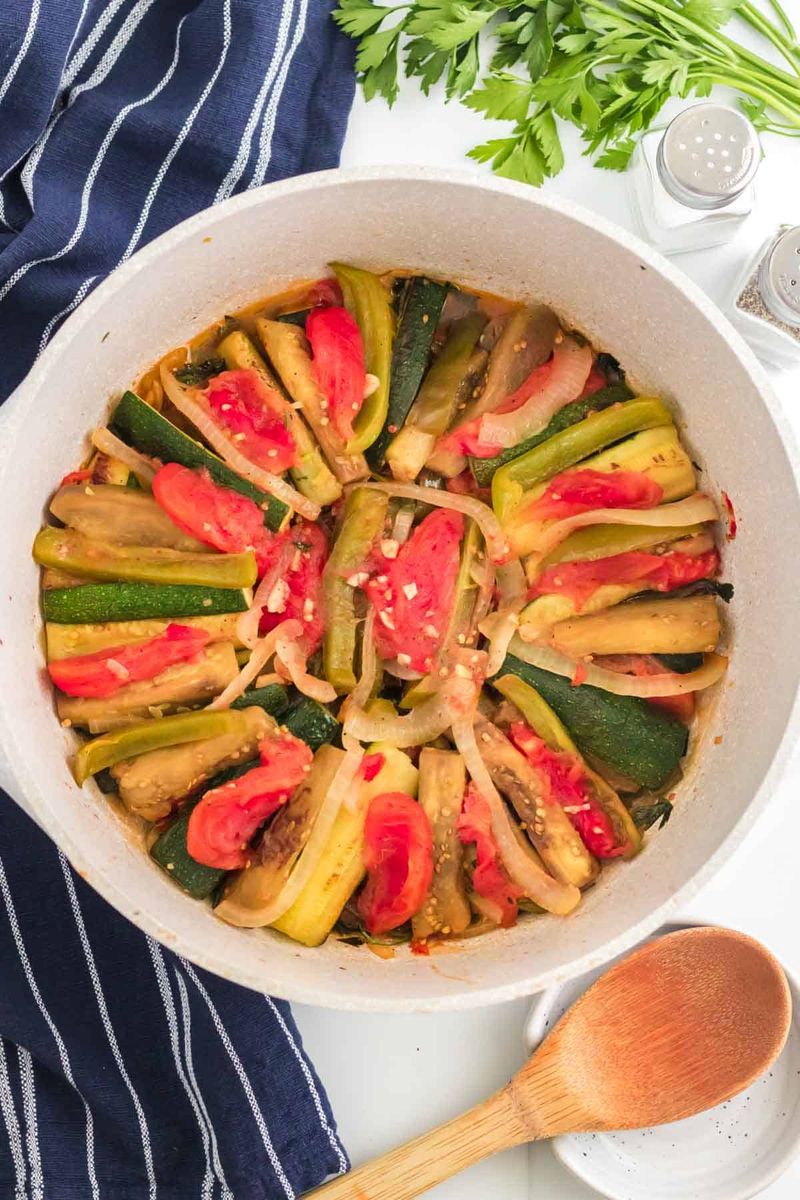
Vegetables deserve respect. Salt and drain eggplant, sauté components separately, and never crowd the pan.
Each piece should taste like itself. Combine gently and simmer to a cohesive stew that is vibrant, not mushy.
Herbs and a final thread of olive oil bring it alive. You learn patience with produce.
Serve warm, room temperature, or cold. It improves overnight, becoming deeper and sweeter.
Spoon beside fish, chicken, or crusty bread. This is method over madness: not dump and hope, but sequence and care.
The result tastes sunlit, balanced, and proudly vegetable-forward.
10. Bouillabaisse
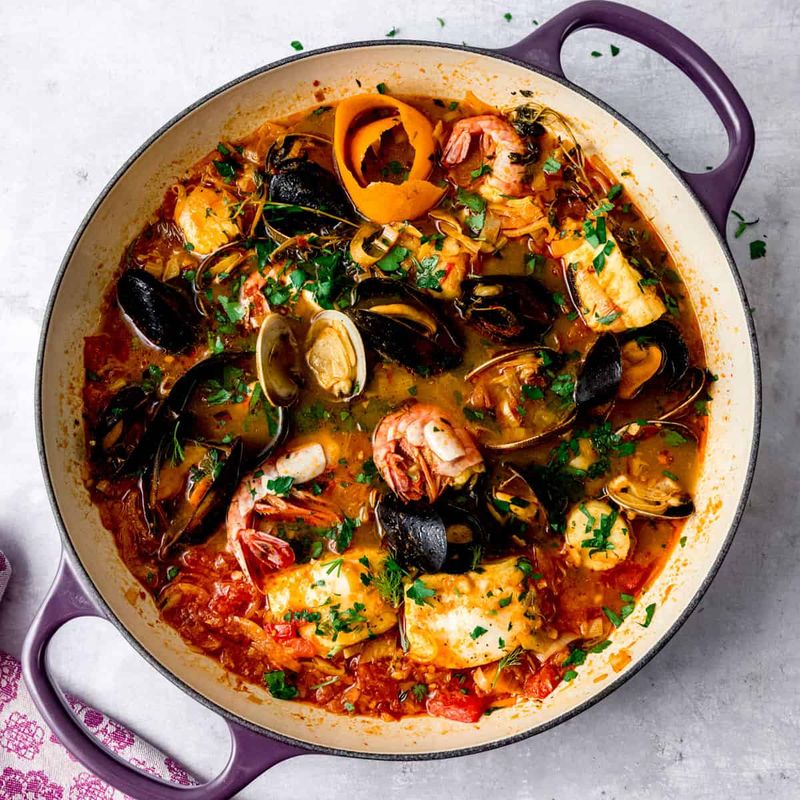
Begin with a broth worthy of the sea. Build an aromatic base with olive oil, fennel, leeks, tomatoes, garlic, and orange peel.
Add fish bones and simmer to extract soul, not murk. Strain, season, and only then add fish in order of firmness so nothing overcooks.
Saffron threads perfume, not overpower.
Serve with rouille-smeared toasts for heat and body. The broth should gleam, lifted by acidity and depth.
This is structure first, show later. When every spoonful tastes of the coast, you know timing and clarity won.
Respect the sequence, and the pot sings.
11. Coquilles Saint-Jacques
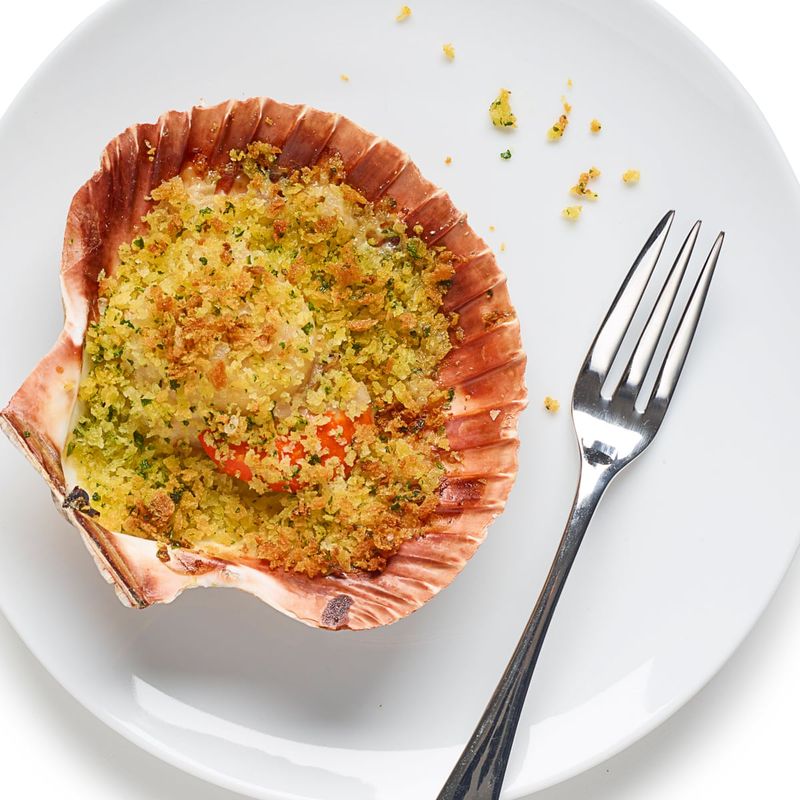
Restaurant comfort at home. Sear scallops briefly for sweetness and tenderness, then build a sauce with wine, stock, and cream reduced until it clings.
Season with restraint and finish with cheese. Spoon into shells, top with breadcrumbs and more cheese, then broil to a bubbling, golden crown.
Each element feels lush yet balanced.
The key is reduction and timing. Overcooked scallops turn rubbery, so stay attentive.
Let the sauce speak softly, not shout. Serve immediately while the crust crackles.
You will taste technique in every bite: heat, patience, and a beautiful finish.
12. Crêpes Suzette
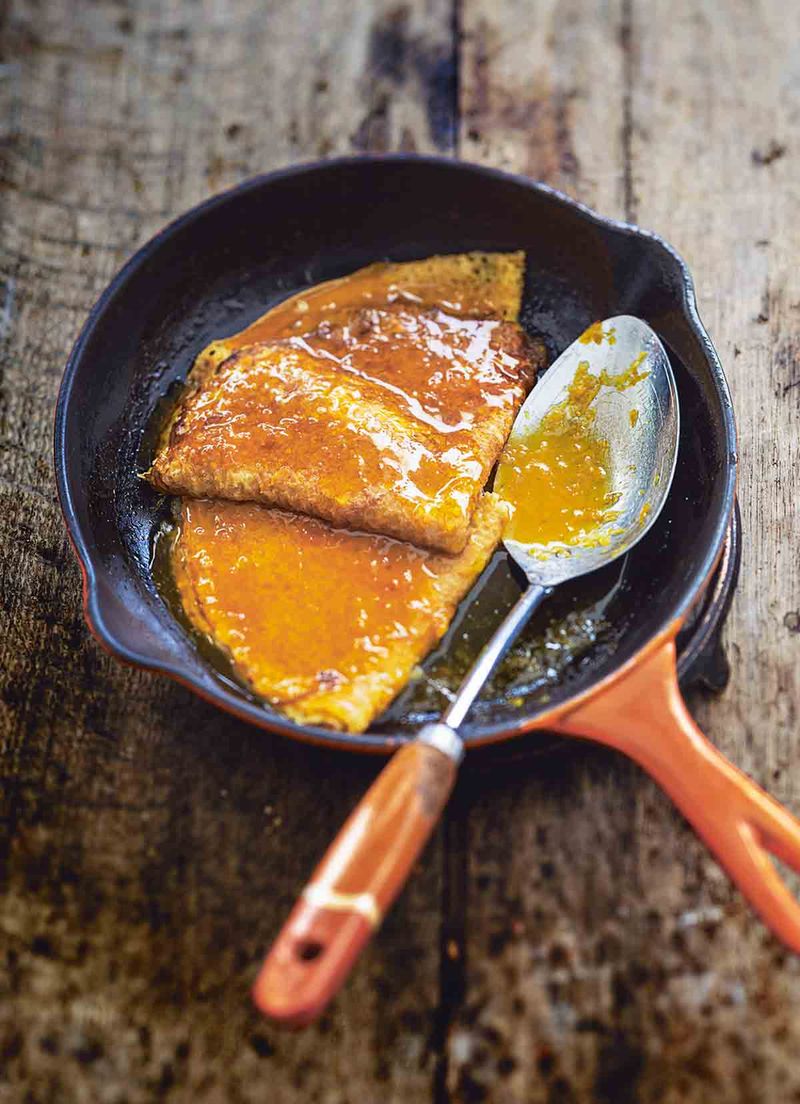
Grace under heat. Whisk a thin, rested batter and cook crepes evenly, pale gold and flexible.
Build an orange-butter sauce with sugar, zest, and liqueur. Warm the crepes in the sauce and, if you dare, flambé quickly for theater.
The goal is gloss and perfume, not scorch. Timing rules everything.
Serve immediately so the edges stay tender. A vanilla note or extra zest can sharpen focus.
You learn controlled movement: flip, fold, finish. It looks dramatic, but it is discipline wrapped in citrus.
Dessert becomes a small, blazing celebration.
13. Tarte Tatin
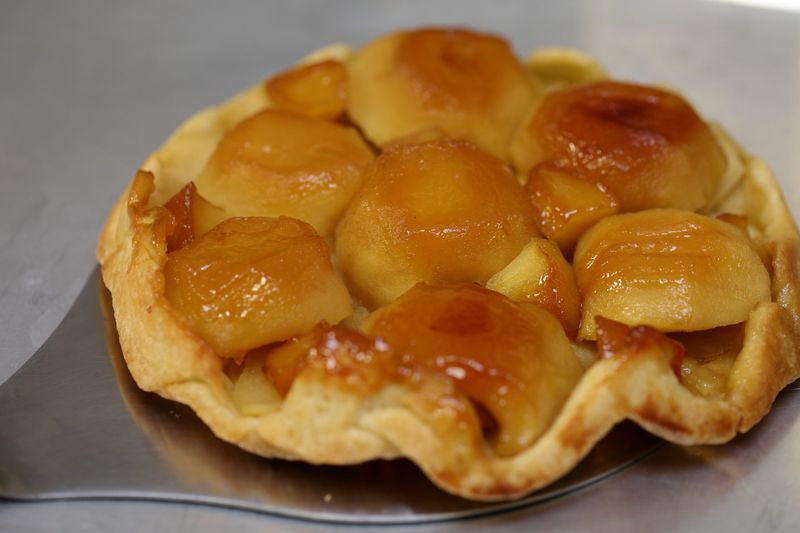
Controlled risk tastes wonderful. Make a steady caramel, add butter, then pack apples tightly so they shrink into a solid crown.
Lay pastry on top and bake until the juices bubble and the underside turns crisp. Rest briefly, then flip with courage.
If some apples slip, nudge them back. Perfection forgives improvisation.
The flavors run apple, butter, and caramel, nothing else shouting. Serve warm with crème fraîche.
This teaches trust in process and heat. Sugar rewards attention, not fear.
Each slice gleams like autumn.
14. Chocolate Mousse
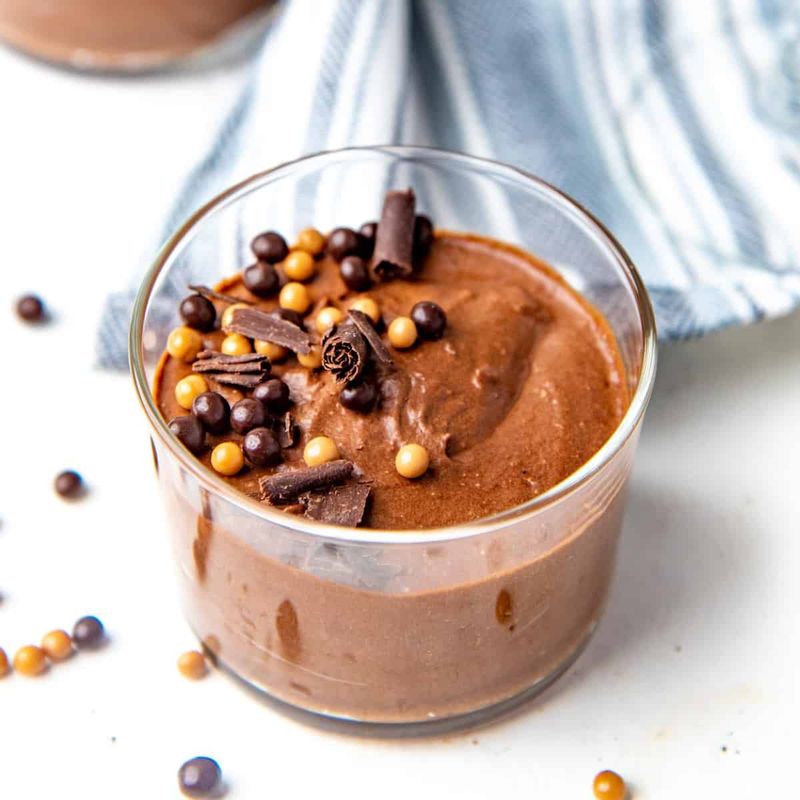
Luxury through air. Melt good chocolate gently, enrich with yolks, then fold in whipped cream or meringue without deflating.
Temperature matters, so keep mixtures close to avoid seizing. The texture should hover between cloud and satin.
Season with a whisper of coffee or liqueur if you like. Chill until softly set.
Spoon with a flexible spatula to preserve lift. Garnish simply.
You are building structure with tiny bubbles, not tricks. Overmixing smears flavor and flattens joy.
When the spoon leaves a delicate trail, you nailed the method.
15. Tarte aux Pommes (French Apple Tart)
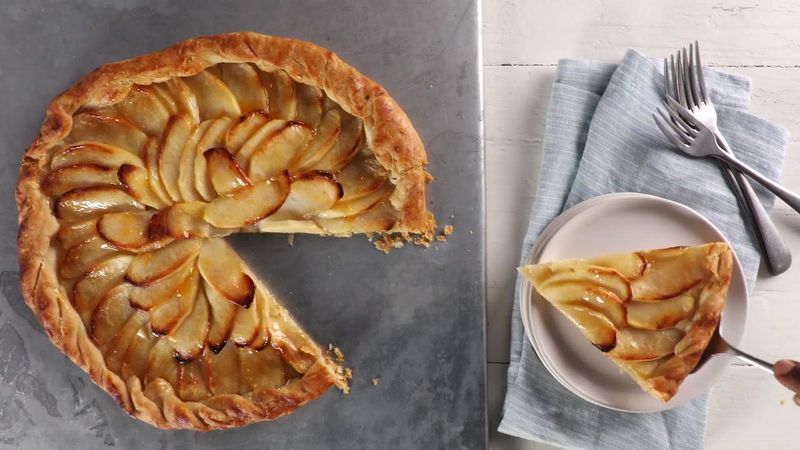
Clarity and craft define this tart. Make a crisp pâte brisée, then build concentrated apple compote to spread thinly under the slices.
Fan apples neatly, brush with butter, and bake until edges curl and caramelize. Finish with a light apricot glaze for shine and gentle tartness.
Every step aims at truer apple flavor.
Cool slightly for clean edges. The contrast between tender fruit, smooth compote, and crisp crust keeps each bite exciting.
You learn organization and finish. Nothing is loud, yet everything sings.
It tastes like a pastry shop, made at home.