15 Meals Victorian Households Made That Might Puzzle Modern Cooks

Victorian kitchens played by rules that feel unfamiliar today, where economy, ingenuity, and comfort mattered more than supermarket polish. You used every part, leaned on suet and gelatin, and turned scraps into something proudly presentable.
Some dishes are cozy revelations while others make you pause at the first wobble. Either way, tasting them is like borrowing the era’s practical magic for your own table.
1. Toast water
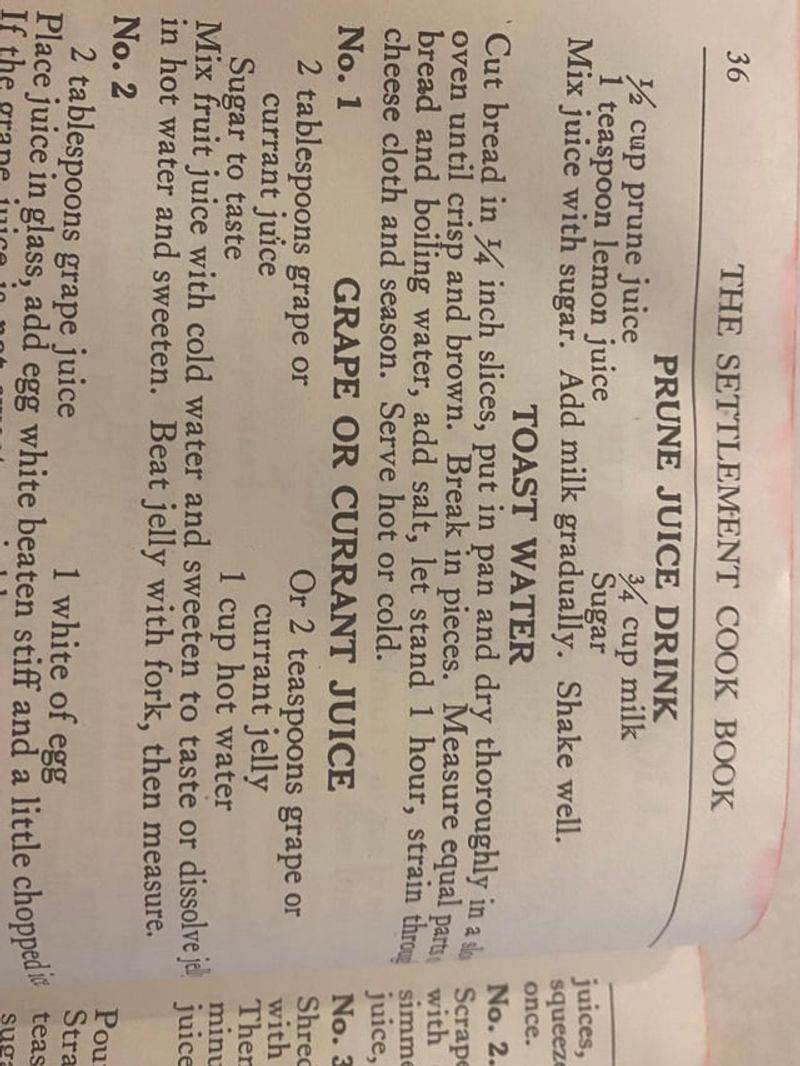
Toast water sounds like a prank until you try it thoughtfully. You brown bread until deeply toasty, then steep it in hot water to pull out sweet, nutty notes.
Strain, sweeten lightly or add lemon, and you get a gentle, comforting drink. Think of it like the bare-bones cousin of barley tea.
Victorians served it to invalids when rich food felt impossible. You might sip it warm on a rough day and feel oddly restored.
It is frugal, soothing, and a reminder that flavor can hide in plain bread. If you want more body, a splash of milk or honey nudges it into cozy territory.
2. Bread sauce
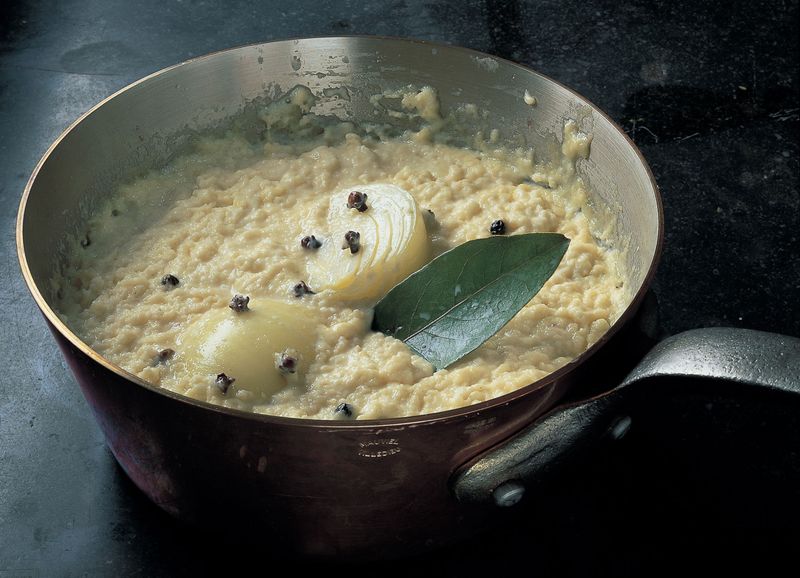
Bread sauce confuses people until the first spoonful. You simmer milk with onion, cloves, bay, and pepper, then thicken it with soft breadcrumbs.
The result is velvety, clove-scented comfort meant for roast chicken or turkey. Think of it as stuffing-adjacent, but silkier and saucier.
Victorians loved thrifty thickeners, and stale bread was kitchen gold. Spoon it beside crispy skin and it soaks up juices like a cozy blanket.
Try white pepper for a gentle kick, and finish with nutmeg or butter to make everything taste like Sunday lunch. Once you taste the warmth, you stop asking questions and start saving bread ends on purpose.
3. Beef tea
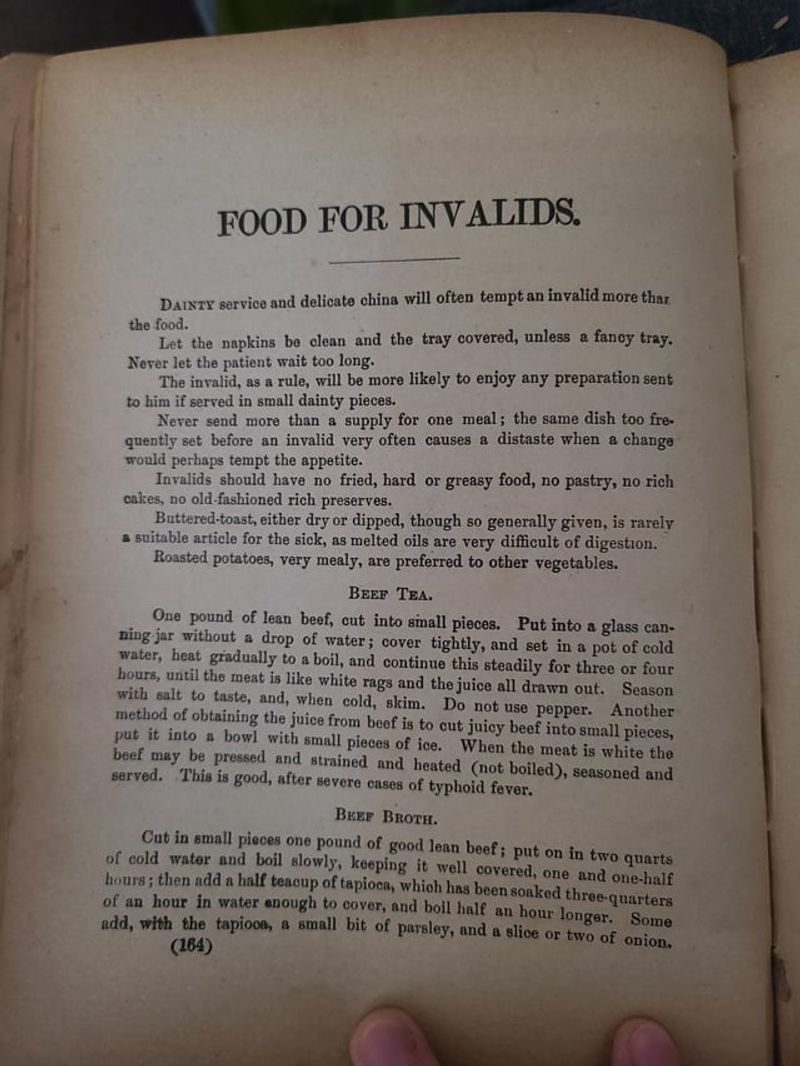
Beef tea is not a cuppa with gravy, but a clear, concentrated broth. You gently simmer minced beef with water and maybe a pinch of salt, extracting pure savoriness.
Strain carefully and sip from a cup like medicine for the tired and tender.
Victorians gave it to invalids when chewing felt impossible. You might treat it like a restorative snack, similar to bone broth without the heaviness.
Add a sliver of lemon or parsley if you want brightness, but keep it simple to understand its purpose. It is humble, focused, and surprisingly modern in its minimalism.
4. Mock turtle soup
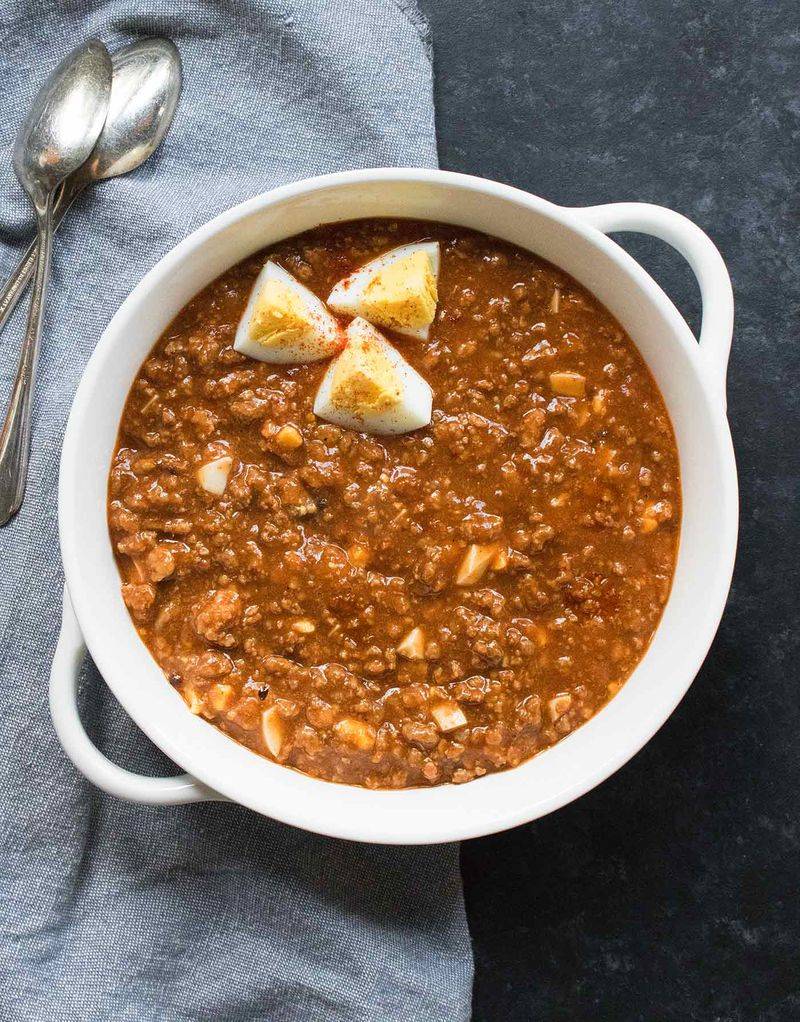
Mock turtle soup chases the texture of green turtle using calf’s head or other gelatinous bits. You build a rich stock, spice it warmly, and add diced meat to mimic luxurious chew.
Hard-boiled eggs sometimes stand in for turtle eggs, which doubles the oddness today.
The dish tastes deep, savory, and slightly sweet, like a festival of collagen. If you love oxtail, you can appreciate the logic here.
Serve with lemon, sherry, or parsley to brighten the richness and help you understand its Victorian charm. It is bold, economical, and intent on wasting nothing whatsoever.
5. Soused meat
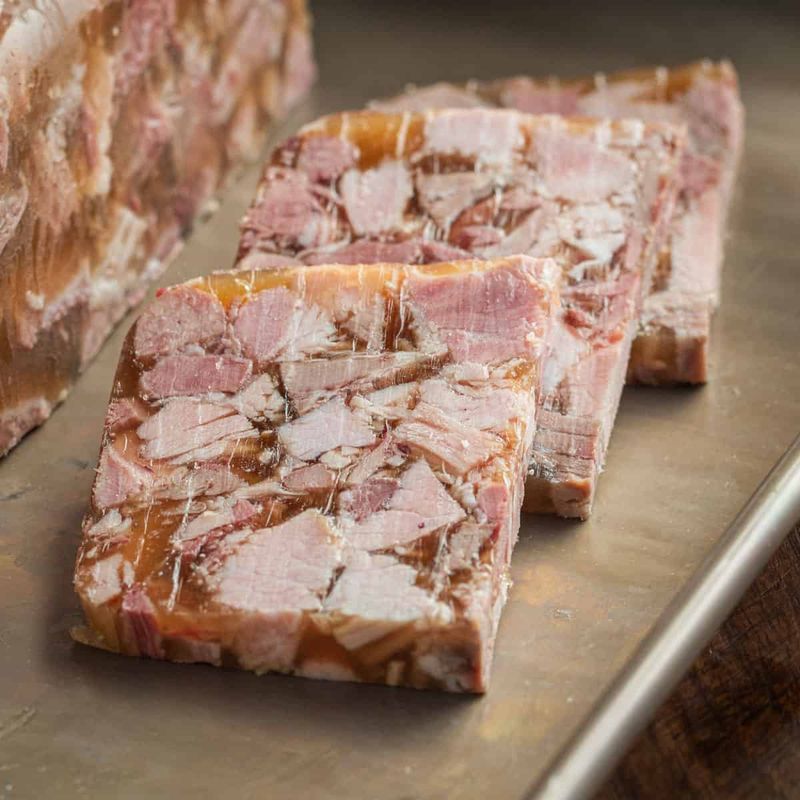
Soused meat is meat simmered, then cooled in vinegar-forward jelly until tangy and sliceable. Think picnic terrine meets pickles with Victorian thrift.
The broth sets from natural gelatin, trapping tender shreds or chunks in a glassy wobble. Spices like peppercorns and bay keep the aroma lively.
You cut neat slabs for lunch with mustard, bread, and maybe sharp cheese. The acidity preserved leftovers before fridges, and the bright flavor still works today with salads.
If aspic scares you, start with small bites and notice how clean and satisfying it tastes. It is practical, protein-rich, and oddly refreshing.
6. Potted meat
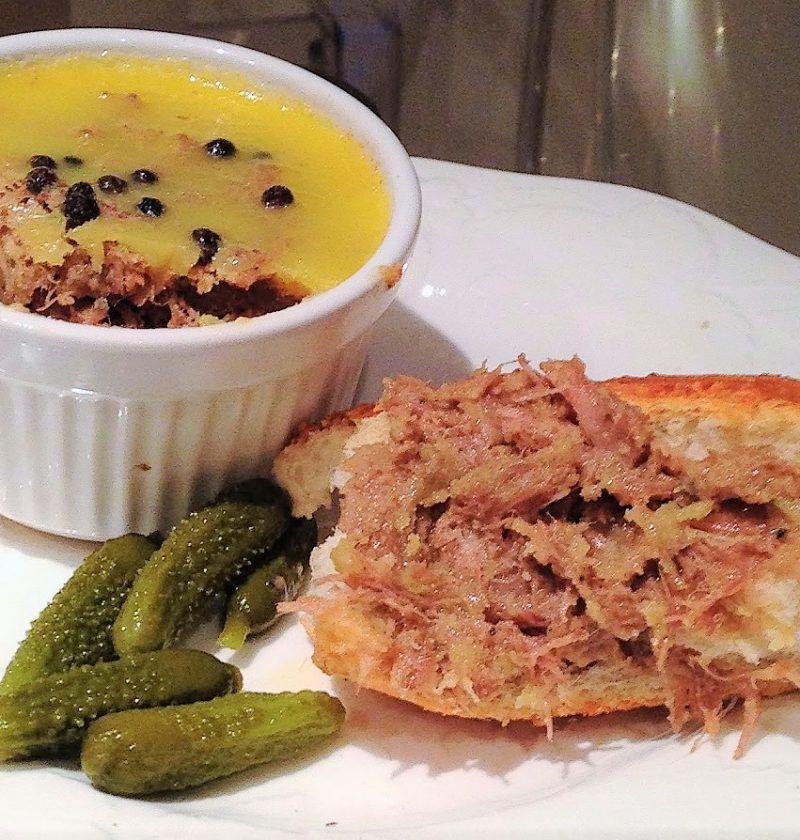
Potted meat is cooked meat pounded with butter or fat and seasonings, then packed tightly. You seal the top with melted fat to block air, a simple preservation move that predates fridges.
Spread it on toast and it tastes like rustic pâté, only punchier and heartier.
Victorians valued intensity, and this delivers thrift and flavor in one pot. You can fold in pepper, anchovy, mace, or mustard, depending on what scraps you are rescuing.
It is a make-ahead lifesaver for quick suppers or sly sandwiches when guests arrive. You will feel resourceful while eating something genuinely delicious.
7. Deviled bones or deviled leftovers

Deviled meant spicy, mustardy, and a little fiery. Leftover chops or scraps were slashed with mustard, vinegar, cayenne, and maybe Worcestershire, then flashed under fierce heat.
The sauce caramelizes and delivers drama that distracts from day-old texture. Bones got a second life under fiery spice.
You can do this with shredded roast, sausages, or even mushrooms if meat is scarce. Pile it on toast or potatoes and dinner regains swagger in minutes.
It is the Victorian equivalent of a spicy sheet-pan rescue, bold and thrifty at once. Keep napkins nearby because the glaze likes to drip.
8. Bubble and squeak
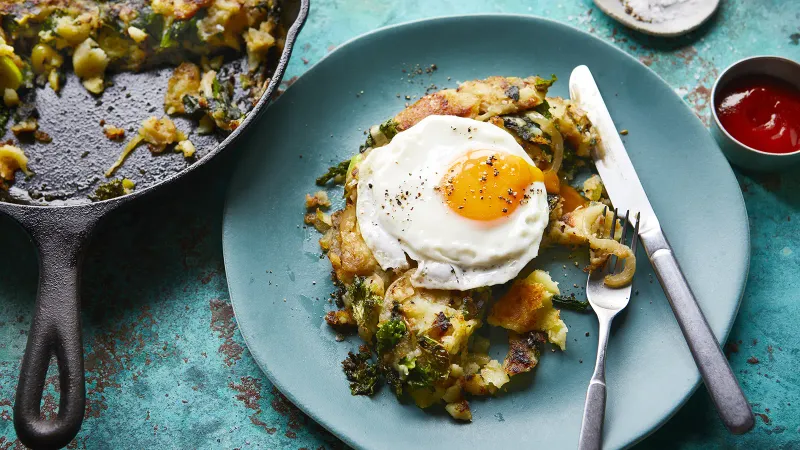
Bubble and squeak turns yesterday’s potatoes and cabbage into a crispy skillet cake. You mash, season, and fry until steam bubbles and the pan cheerfully squeaks.
Bits of beef or bacon can join the party if they are lurking in the fridge.
You get golden edges, soft centers, and that perfect balance of salt and sweetness from cabbage. Top with a runny egg or sharp chutney and you have comfort with character.
It is proof that thrift can taste like a pub classic on a Tuesday night. The name makes people laugh, but the pan silences them fast.
9. Kidney pudding or steak-and-kidney pudding
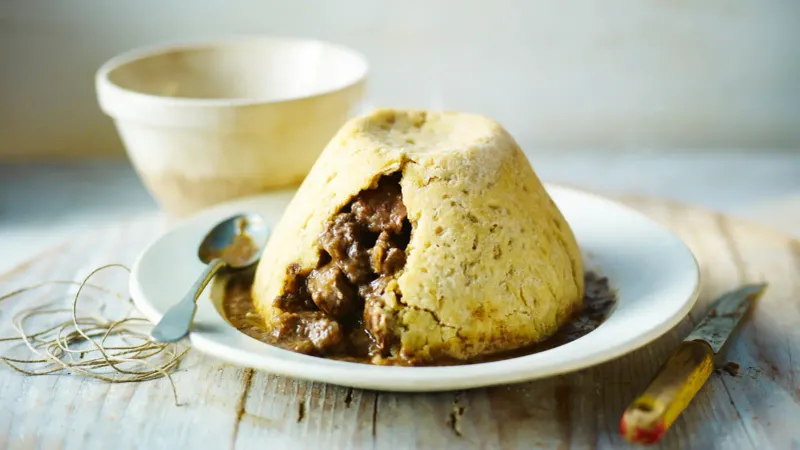
This is a savory pudding, meaning meat steamed in a suet crust until tender and steamy. Chopped kidney brings mineral richness while beef offers comfort and chew.
The crust turns glossy and resilient, catching every drop of gravy. Aromatics like onion and bay keep everything balanced.
If dessert puddings are your reference, this will surprise you in the best way. Slice it open and watch savory clouds billow while you spoon glossy sauce inside.
The suet makes a dough that resists sogginess and stays wonderfully moist. It is hearty, old-school, and perfect for cold evenings when you crave ballast.
10. Suet dumplings in stew
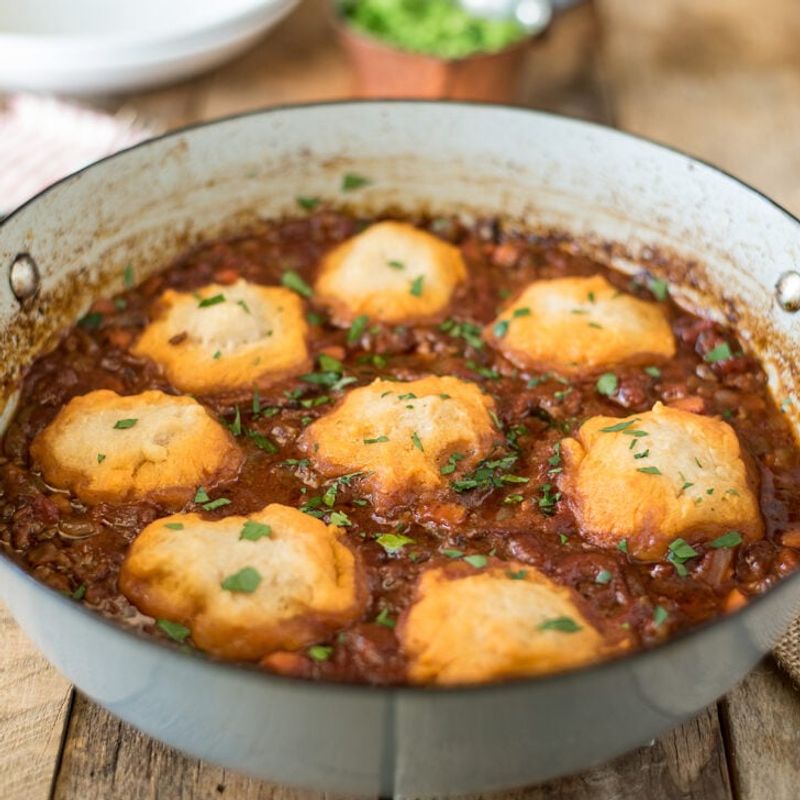
Suet dumplings are little clouds made from flour, suet, and liquid, then dropped into bubbling stew. They puff as the fat melts, becoming dense-soft pillows that drink gravy.
The texture feels unusual if you expect biscuitlike fluff, but the chew is deeply satisfying.
You can add herbs, mustard, or grated suet-friendly cheese for extra character. Cover the pot, let the steam work, and you will lift the lid to dumplings that smell like winter victory.
They stretch a small amount of meat into a big meal, exactly the Victorian idea of satisfaction. Ladle generously and eat while they are still billowy.
11. Tripe and onions
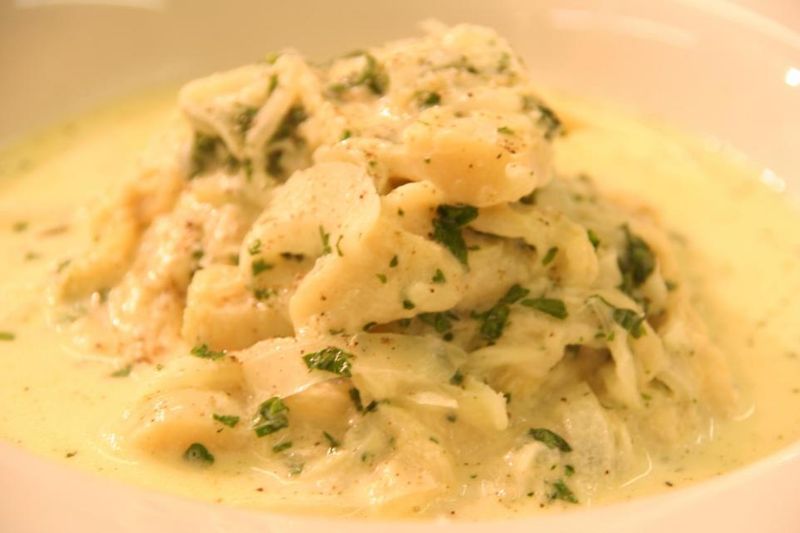
Tripe, the lining of a cow’s stomach, was a budget staple with a committed fanbase. You blanch it, then simmer gently with onions until it turns tender and mild.
A white sauce or parsley liquor brings creaminess and comfort. Vinegar and parsley brighten the broth.
Texture is the hurdle, so cut it small and cook it longer than you think. The sauce wraps everything in warmth and makes the dish feel homely rather than strange.
With mashed potatoes and pepper, you might discover why earlier generations loved it. It is gentle, thrifty, and friendlier than its reputation suggests.
12. Jellied eel
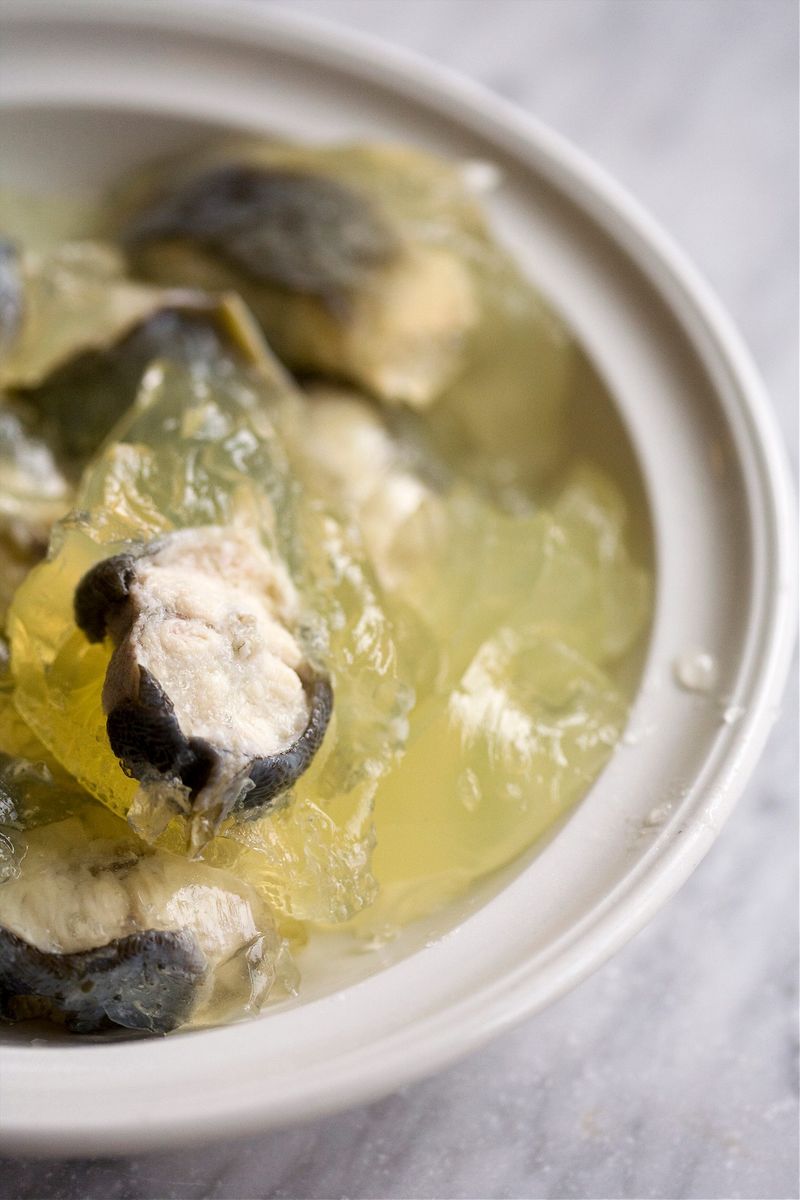
Jellied eel sets cooked eel in a lightly seasoned gelatin made from its own bones. Served cold, it slices cleanly and quivers with briny freshness.
Londoners treated it like portable seafood, easy to carry from a stall. Parsley liquor or lemon gives brightness and a clean finish.
If the wobble worries you, add vinegar and white pepper to cut the richness. The flavor is closer to delicate fish aspic than anything rubbery.
Paired with bread, pickles, and a cold evening, it makes surprising sense. Try a tiny plate first and let curiosity lead the way.
13. Giblet pie
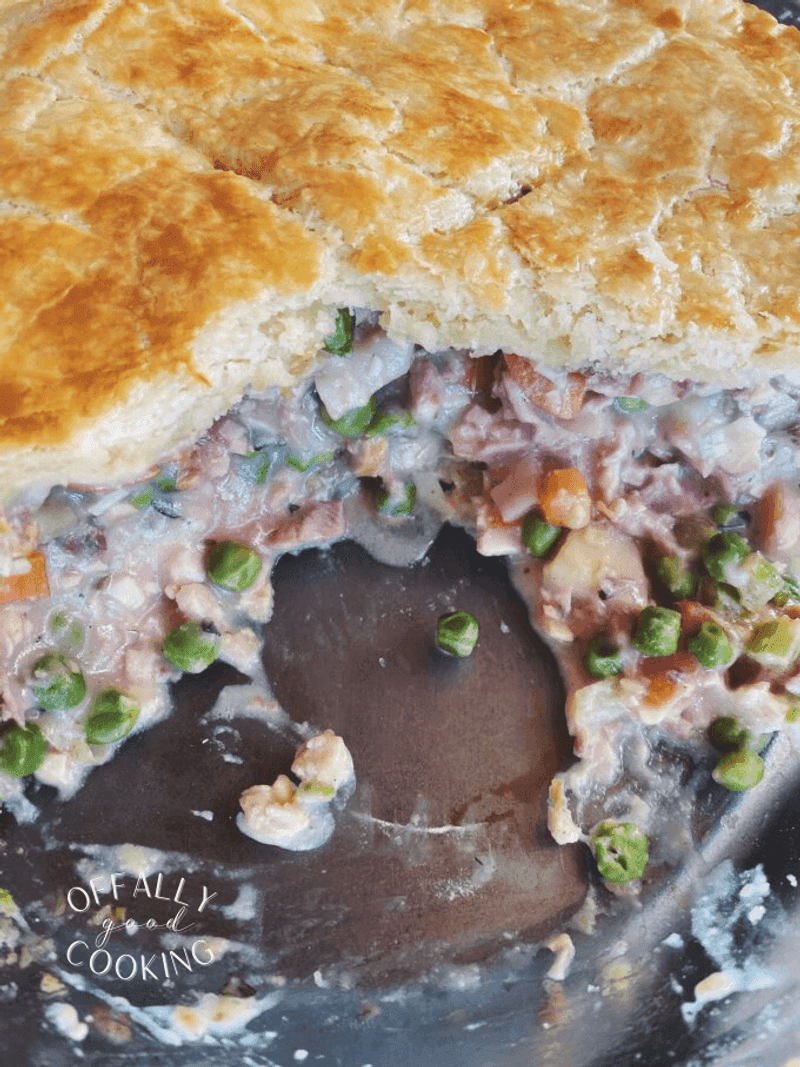
Giblet pie turns hearts, livers, and gizzards into treasure under a golden crust. You simmer the parts until tender, then fold them into a savory gravy with onion, herbs, and pepper.
The baking transforms strong flavors into something rounded and deeply satisfying. A splash of sherry lifts the sauce.
Modern cooks often toss giblets, but they bring iron-rich depth and silky textures. Chop small, season confidently, and you will get a pie that tastes far more luxurious than its cost.
Serve with mashed potatoes and peas and watch plates clear fast. It is frugality dressed up as a Sunday centerpiece.
14. Spotted dick
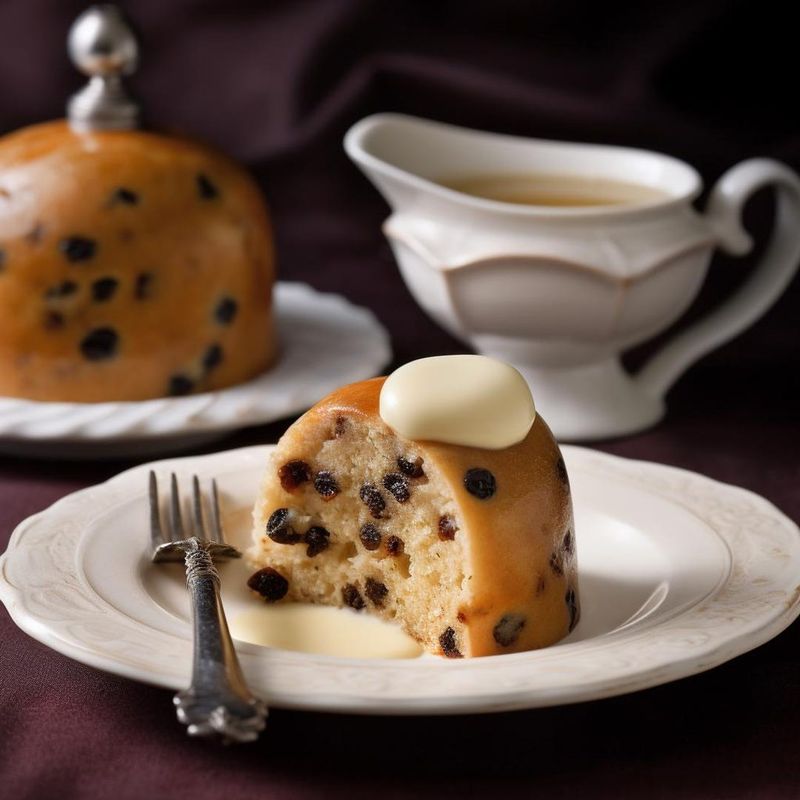
Spotted dick is a steamed suet pudding dotted with currants or raisins. The name gets laughs, but the texture is comforting and proudly old-fashioned.
Steam gently and you get a tender slice that begs for custard. Spices like nutmeg and lemon zest make it sing brightly.
Suet gives richness without greasiness, and the fruit keeps bites lively. If cake is your benchmark, this feels denser and more substantial in the best way.
Serve thick wedges after stew, and the whole table relaxes into happy silence. It is simplicity, cheer, and steam-kissed nostalgia on a plate.
15. Mince pie that did not start as dessert
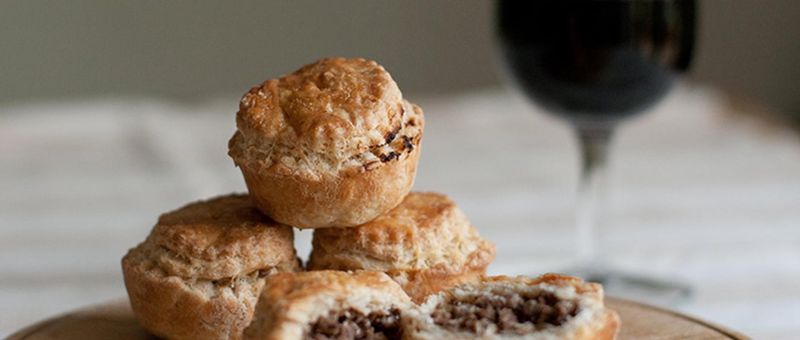
Original mince pie mixed meat with dried fruit, suet, and spices for a rich, portable feast. The blend tastes like sweet-savory stew tucked into pastry, not a candy tart.
Think clove, cinnamon, citrus, and beef working together instead of fighting. Brandy often moistened the mixture and helped it keep.
Modern versions often skip meat, but adding a little makes everything deeper and cozier. You can use lamb, venison, or well-browned beef, balanced by apples and currants.
Eat it warm with sharp cheddar and you will suddenly understand Victorian Christmas logic. It is hearty, festive, and perfect for travelers or long winter afternoons.