15 Menu Choices Some Culinary Critics Advise Against In Italian Cuisine
Italian food is endlessly lovable, and your order should always make you happy. Still, some dishes signal shortcuts, tourist targeting, or flavors that miss the spirit of regional cooking.
If you want to dodge the usual traps and taste something truly memorable, a few gentle red flags are worth knowing. Consider this your friendly guide to ordering smarter without losing any joy at the table.
1. Chicken Alfredo at a traditional Italian restaurant
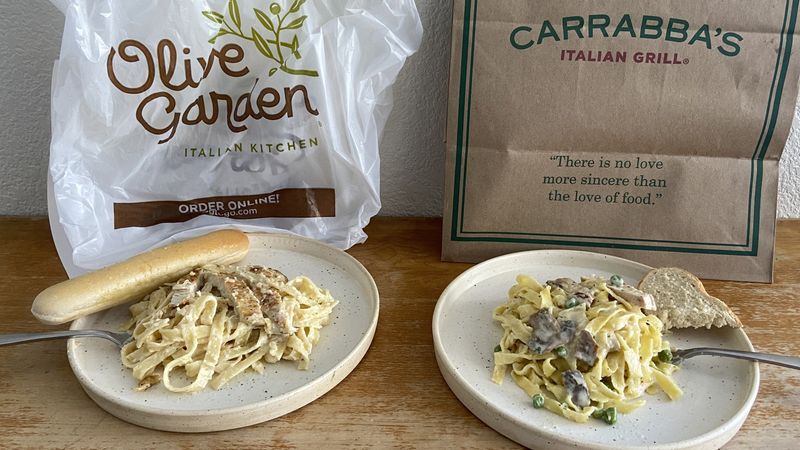
In Italy, Alfredo means something simpler, with pasta, butter, and cheese emulsified into silk. The chicken-heavy, cream-drenched version many places serve reads more like American comfort food than Roman tradition.
It can be tasty, but critics say it often masks mediocre pasta.
If a restaurant leans classic, consider cacio e pepe, gricia, or amatriciana instead. Those dishes highlight technique, balance, and region.
You will taste wheat, pepper, and cured pork rather than a blanket of cream. If your heart wants Alfredo, enjoy it, but know what it represents.
2. Spaghetti and meatballs at an authenticity-focused spot
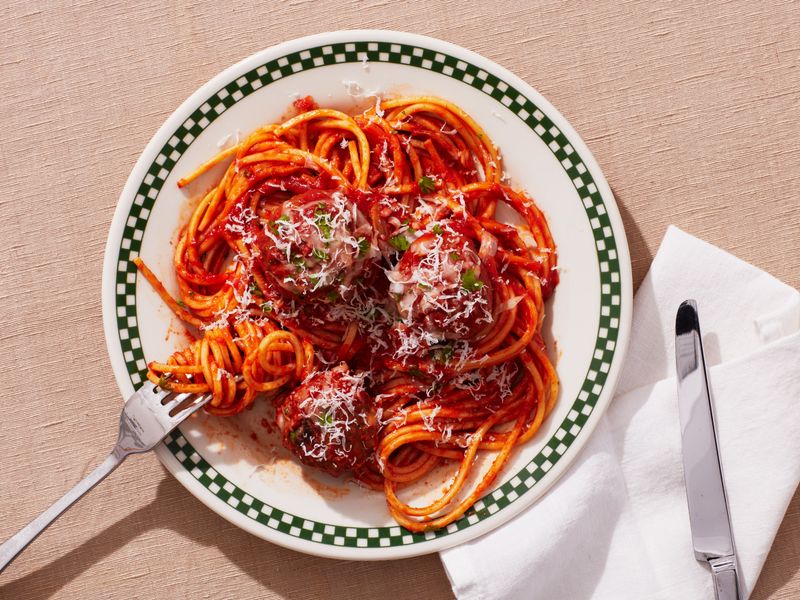
Spaghetti and meatballs thrills in many American homes, but it is not a staple of traditional Italian trattorias. Critics view it as a clue the kitchen caters to broad expectations rather than regional recipes.
Meatballs in Italy are usually served separately, often as secondi.
When menus claim regional rigor, you are better off seeking tagliatelle al ragù, orecchiette con cime di rapa, or trofie al pesto. Those plates tell a place and a story.
If spaghetti and meatballs calls your name, order it proudly, just set expectations accordingly.
3. Fettuccine Alfredo with extra cream
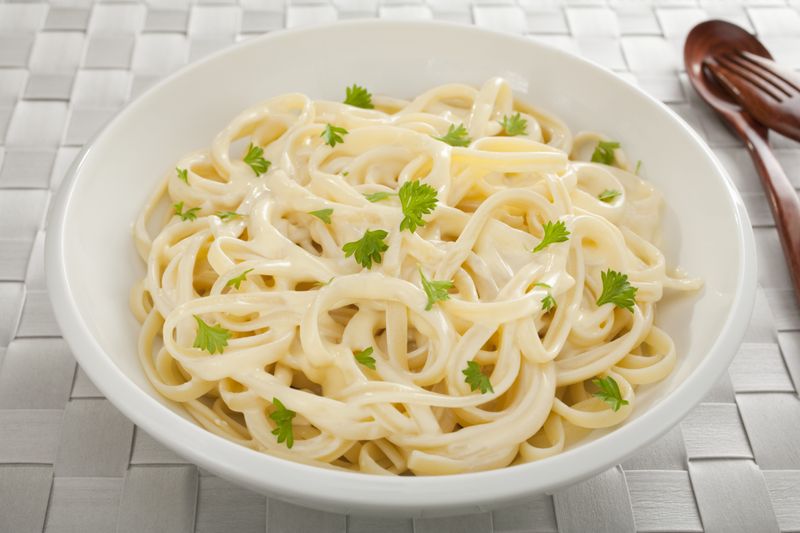
Extra cream turns a dish that should be silky and balanced into a richness bomb. Critics argue cream dulls nuance, making the sauce heavy rather than glossy and emulsified.
The pasta gets weighed down instead of coated, and flavors flatten.
Ask for a version emphasizing butter, Parmigiano Reggiano, and technique. You will notice how the sauce clings lightly, letting the pasta’s texture shine.
If you love indulgence, balance it with a bright salad or a crisp white wine. Cream can comfort, but restraint often tastes better.
4. Over-sauced pasta drowning in marinara
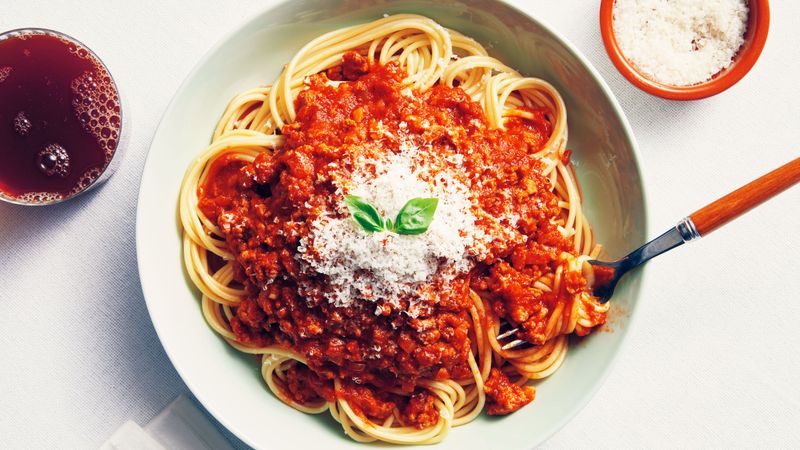
When pasta swims, critics swim away. In many Italian traditions, sauce should kiss the noodles, not drown them.
A soupy plate often signals the kitchen relies on sauce to compensate for bland pasta or weak seasoning.
Look for a glossy sheen where sauce and starch form an emulsion. That texture hints at proper finishing in the pan.
You taste tomato, herbs, and the grain, not just a tidal wave of sweetness. If a dish arrives flooded, consider sending feedback kindly or pivoting next time to a simpler, better-balanced pasta.
5. Garlic bread presented as a signature Italian side
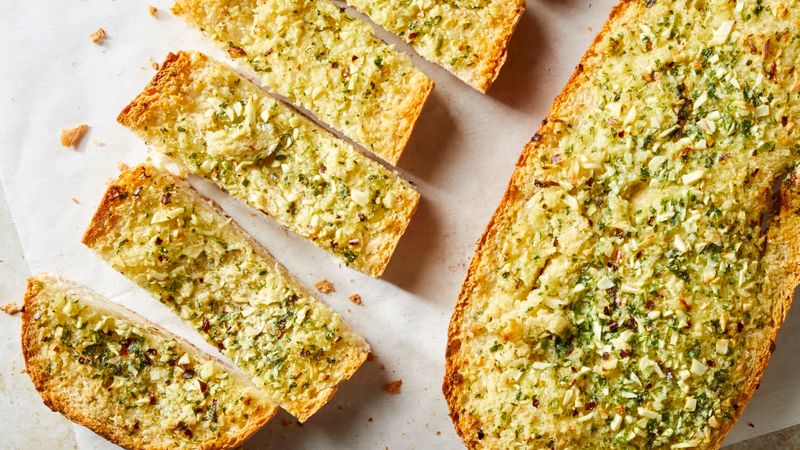
Garlic bread is comforting, but it is not the quintessential Italian side many menus claim. Critics see it as a shortcut crowd-pleaser that shouts garlic and butter instead of highlighting great bread.
In Italy, you are more likely to enjoy simple pane with olive oil or focaccia.
Ask for high-quality bread, fruity extra virgin olive oil, or a regional specialty like tigelle or gnocco fritto. Those choices showcase craft and ingredients rather than a heavy smear.
If garlic bread is your favorite, enjoy it unabashedly. Just know there are more authentic, nuanced options nearby.
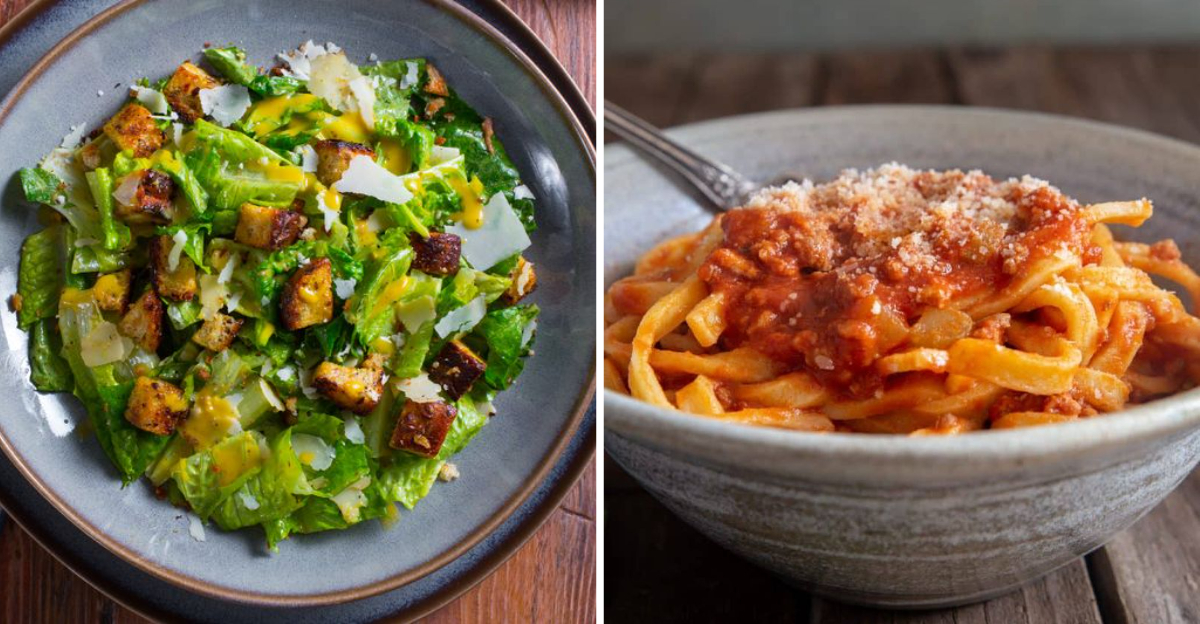
6. Caesar salad as the Italian salad option
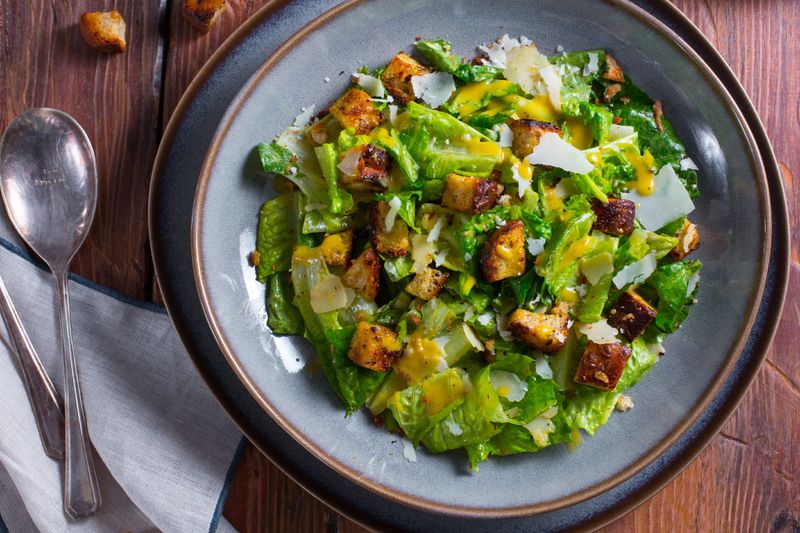
Caesar salad is delicious, but it is not Italian cuisine in the traditional sense. Critics flag it as a sign the menu aims for broad appeal rather than regional authenticity.
Heavy dressing can overshadow greens and clash with delicate antipasti.
Consider insalata mista with good olive oil and vinegar, panzanella in summer, or fennel and orange in winter. These salads whisper of seasons and place.
You taste produce first, dressing second. If Caesar comforts you, enjoy it, but do not assume it represents Italy on a plate.
7. Bright red, tomato-forward “Bolognese”
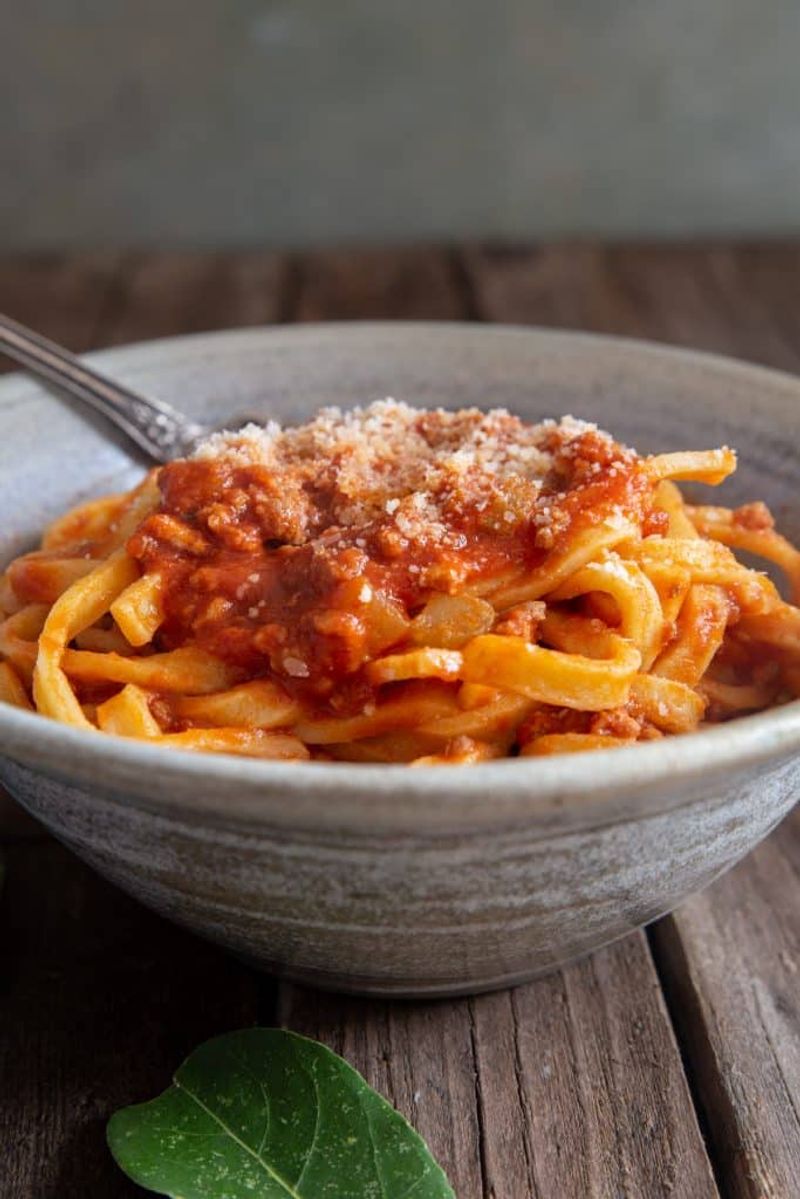
Classic ragù alla bolognese is meat-led, slow-cooked, and nuanced, with tomato playing backup. When a sauce arrives watery and scarlet, critics suspect a shortcut marinara mislabeled as Bolognese.
You miss depth, soffritto sweetness, and the gentle richness of long cooking.
Seek tagliatelle with a thick, clinging ragù that tastes of meat, vegetables, wine, and time. The color should be brickish, not neon red.
If you crave tomato brightness, choose pomodoro or amatriciana. Calling something Bolognese should mean patience and balance, not just red sauce with ground beef.
8. Carbonara made with cream
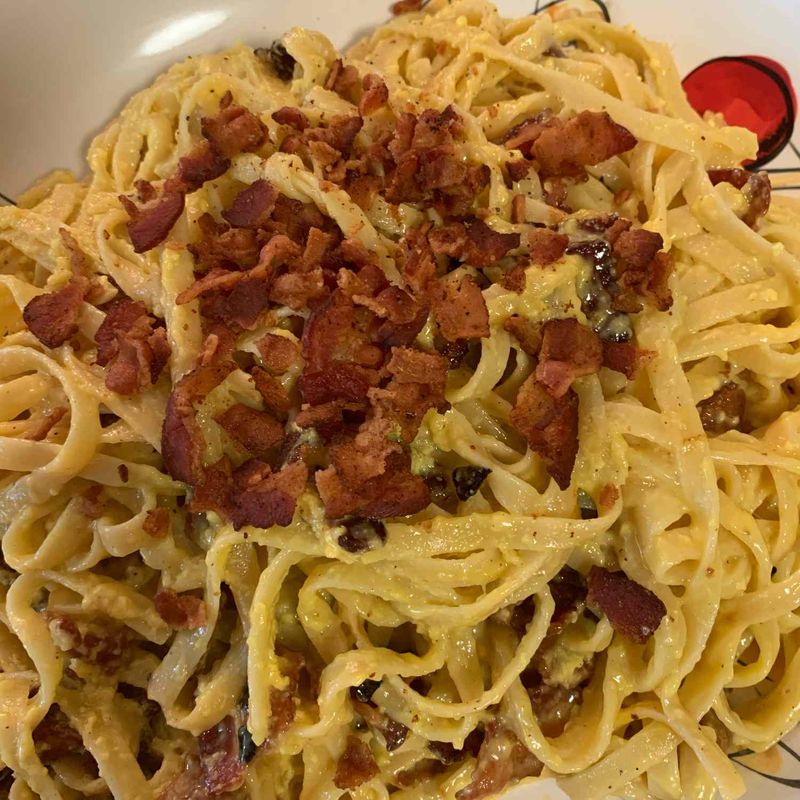
Traditional carbonara gets its creaminess from eggs, pecorino, and rendered guanciale fat. Add cream and you mute pepper bite, cheese salinity, and the silky emulsion.
Critics often see cream as a shortcut that blurs texture and flavor.
Ask for a classic rendition finished off heat, where the sauce clings without scrambling. You will taste smoke, pepper warmth, and savory depth.
If cream is your comfort zone, go for it, but know you are drifting from Rome. The true version offers richness with remarkable lightness and clarity.
9. Pasta primavera at an old-school spot
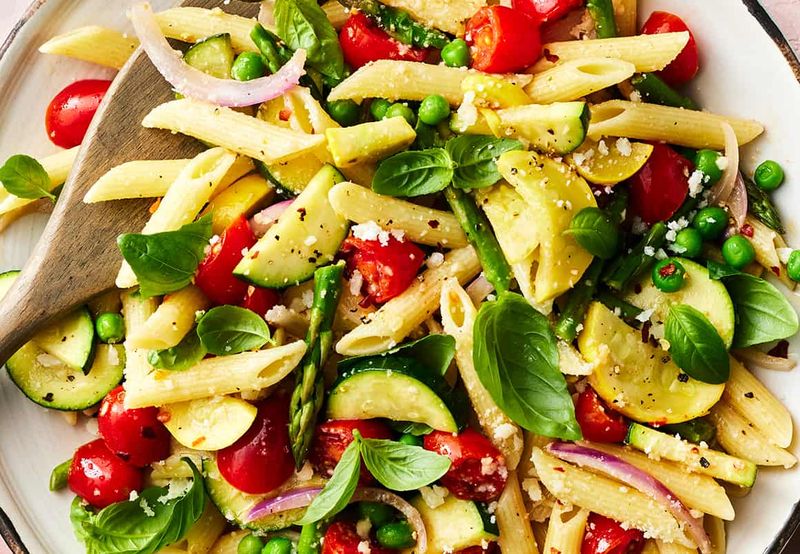
Pasta primavera can be fine, but it often reads as generic veggie pasta rather than a regional statement. Critics suggest that old-school places should showcase traditional vegetable dishes instead.
Primavera sometimes covers uneven produce with cream or butter rather than celebrating seasonality.
Look for orecchiette with turnip tops, spaghetti with zucchini alla Nerano, or pasta e ceci. These choices say place and time.
If primavera appeals, ask about the vegetables and preparation. Freshness, olive oil quality, and restraint matter more than a rainbow pile of random cuts.
10. Seafood pasta loaded with parmesan
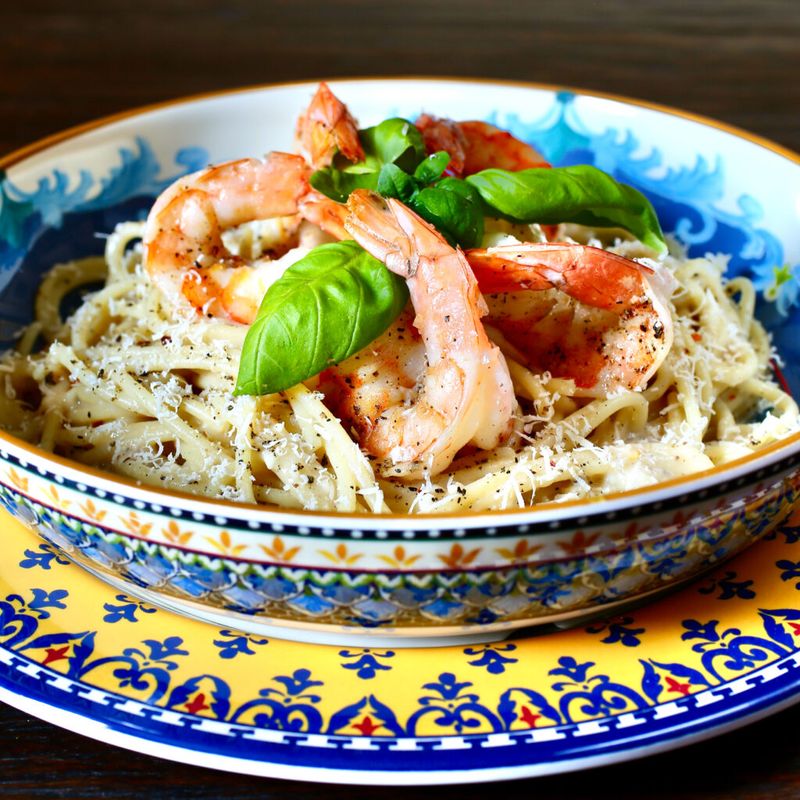
Many Italian traditions avoid cheese on seafood, not as a rule but as a harmony concern. Parmesan can steamroll delicate brininess and sweetness.
Critics raise eyebrows when menus push heavy cheese on clams, shrimp, or scallops.
Try spaghetti alle vongole with garlic, oil, wine, and parsley, or a simple bottarga finish for savor without smothering. A squeeze of lemon brightens everything better than a snowdrift of cheese.
If you love parmesan, sprinkle lightly and taste first. Let the sea speak before the dairy chorus arrives.
11. Suspiciously cheap truffle dishes
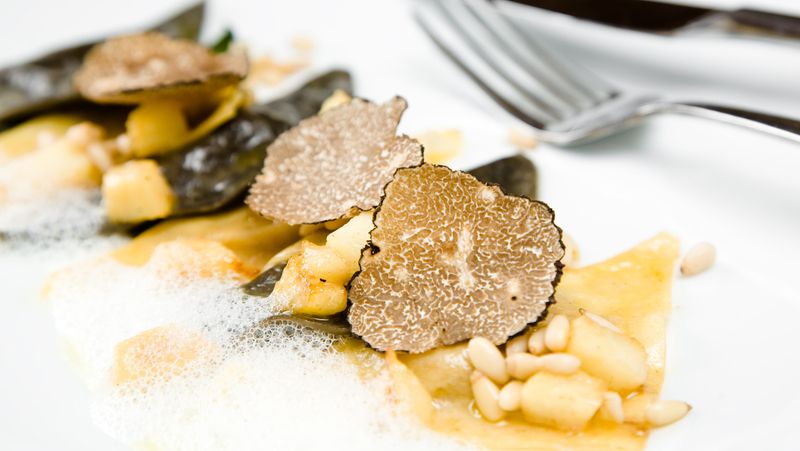
When truffle appears everywhere and prices look too friendly, critics suspect truffle oil. That bottled aroma can taste harsh and artificial, crowding out subtler flavors.
Real truffles are seasonal, perishable, and expensive, yielding earthiness rather than perfume overload.
Ask what kind of truffle, how it is used, and when it was shaved. A restrained hand signals quality.
If the scent smacks you from across the room, it is probably oil. Enjoy it if you like, but temper expectations.
Sometimes mushrooms, butter, and Parmigiano deliver better value and balance.
12. Minestrone that tastes canned
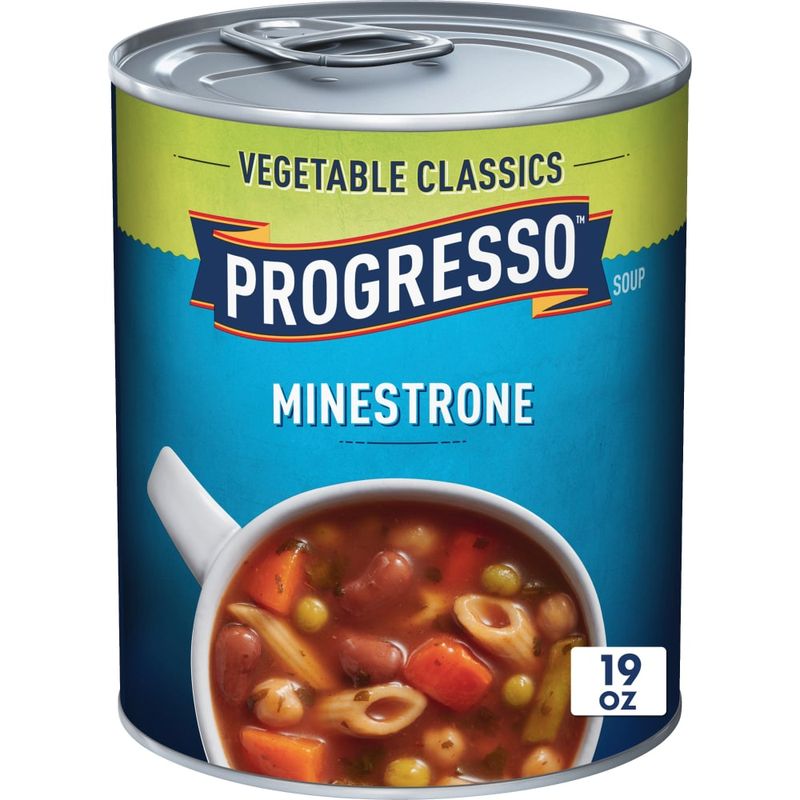
Great minestrone tastes layered, with vegetables cut thoughtfully, beans tender, and broth seasoned with patience. When it tastes flat or uniform, critics suspect a bag, can, or freezer.
Overcooked vegetables and murky seasoning give it away.
Ask about the day’s soups or a vegetable-forward primo made fresh. You want distinct textures, olive oil finishing, and a hint of Parmigiano rind depth.
If minestrone disappoints, pivot to pasta e fagioli or ribollita when available. Freshness and knife work matter as much as the recipe.
13. Lasagna that is overly wet or sloshy
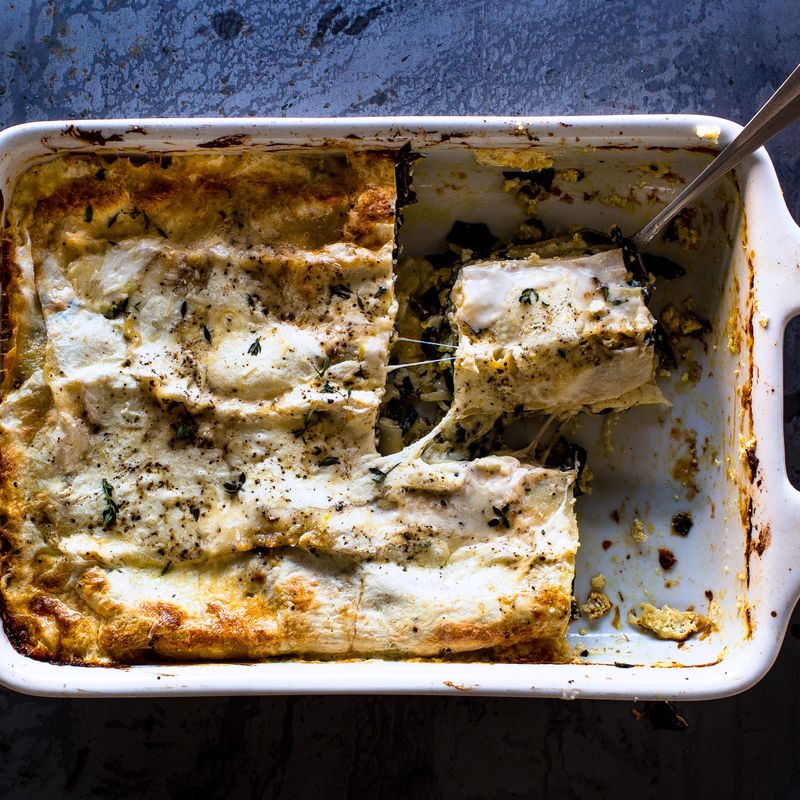
Lasagna should slice cleanly, with defined layers and a gently set interior. When it sloshes, critics see shortcuts: too much sauce, under-reduced ragù, watery ricotta, or no resting time.
Flavor washes away with the runoff.
Seek signs of care: tight layers, bechamel balanced with ragù, and browned edges. Ask if it is made in-house and baked that day.
A short rest before serving lets everything settle and concentrate. If your slice arrives soupy, enjoy the flavors, but know the texture missed the mark.
14. Tiramisu that tastes like whipped topping
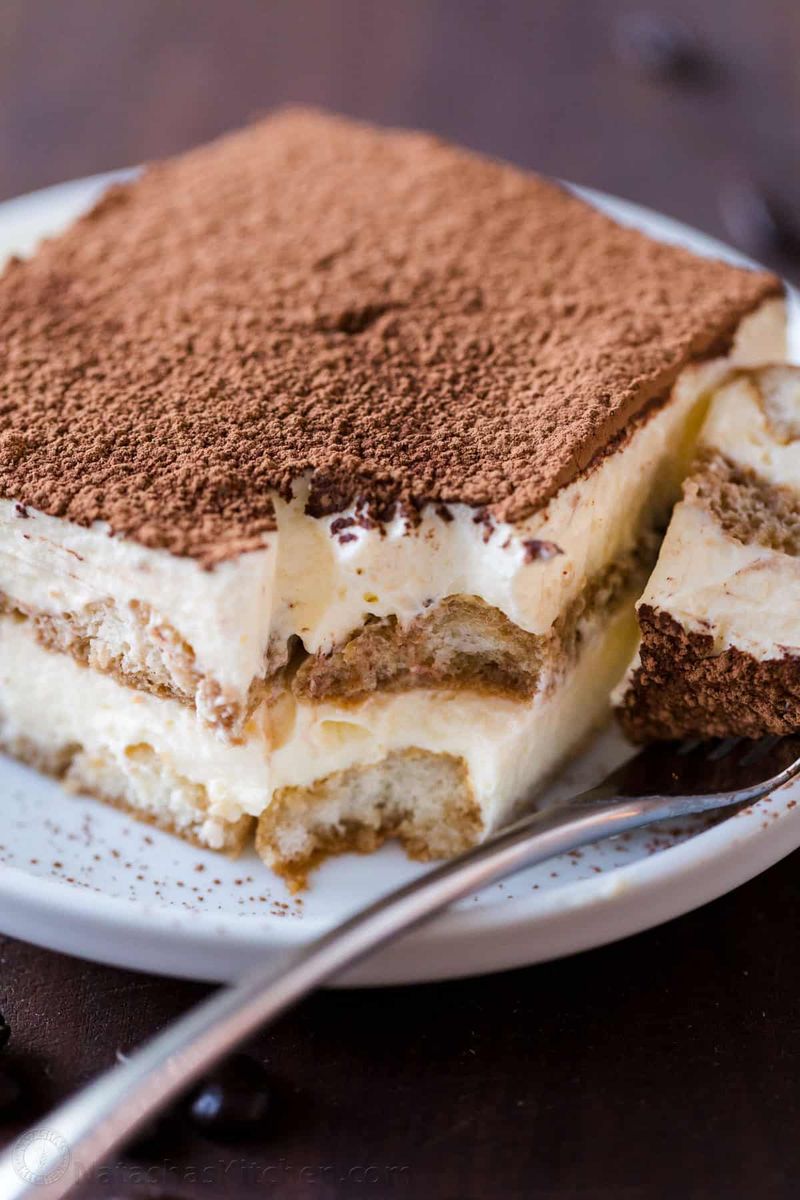
Good tiramisu balances espresso, cocoa, mascarpone, and a whisper of liqueur. When it tastes mostly like whipped topping, critics suspect shortcuts: stabilized creams, low espresso, and excess sugar.
The result is airy without character.
Look for distinct layers, visible soaking, and bittersweet cocoa. Ask whether mascarpone is used and how the coffee is brewed.
You want creamy, not fluffy, and sweetness balanced by bitterness. If you prefer light desserts, fine, but know classic tiramisu carries depth, not just sweetness and foam.
15. “House marinara” that is sugary
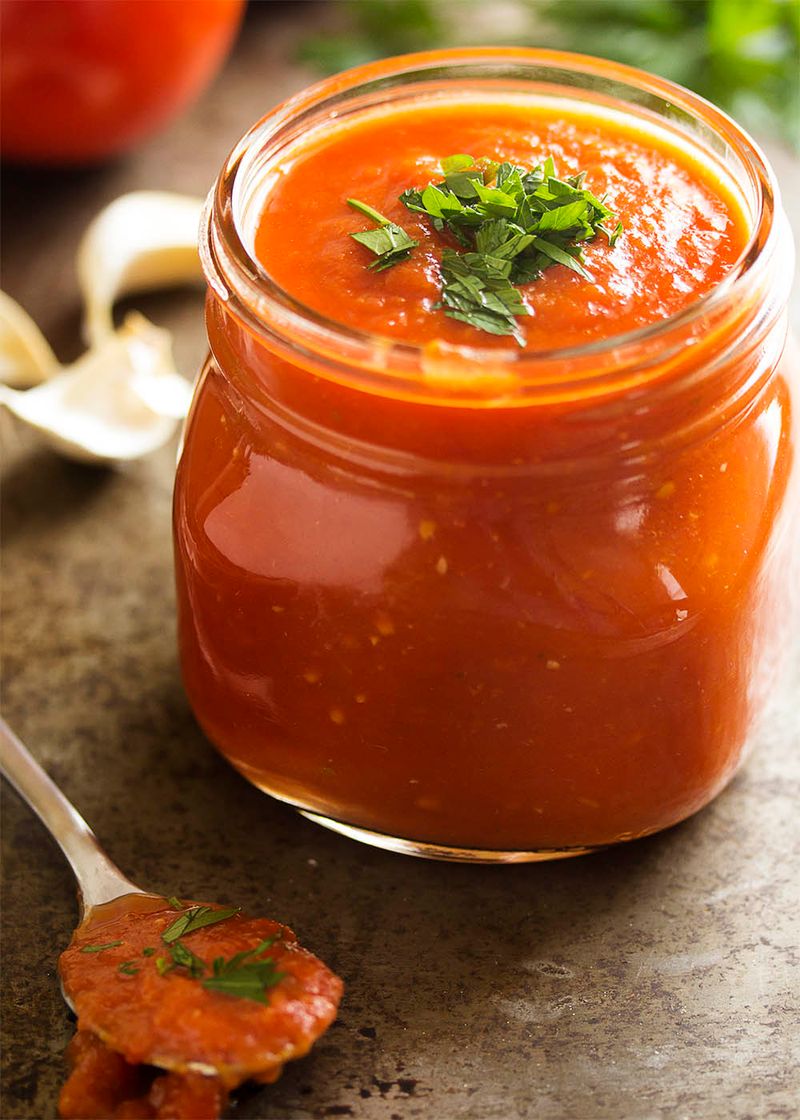
When marinara skews sweet, critics think jar profile rather than slow-simmered freshness. Sugar can hide weak tomatoes and rushed cooking.
A good sauce tastes clean, with acidity, fruit, and gentle aromatics in balance.
Ask about the tomatoes, olive oil, and cooking time. San Marzano or quality pelati, proper reduction, and seasoning make all the difference.
Pair bright sauces with simple pasta shapes to appreciate texture. If sweetness dominates, steer toward dishes showcasing olive oil, seafood, or vegetables instead.