15 Myths About Imitation Crab You’ve Likely Heard
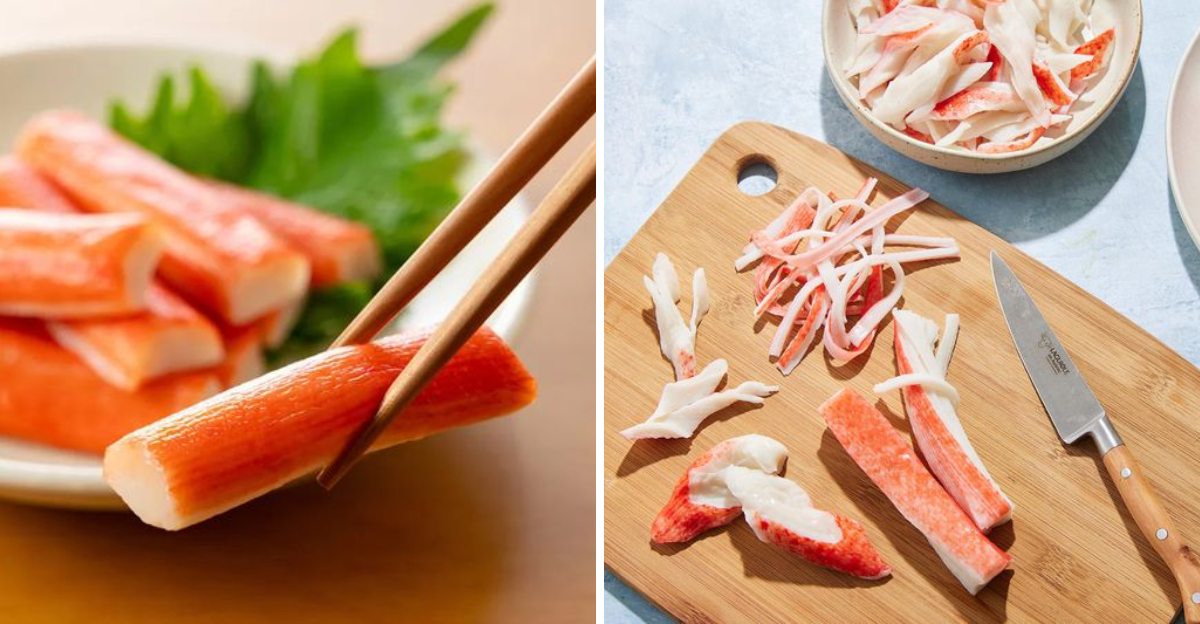
You have probably heard wild claims about imitation crab, and some of them sound convincing. Let’s untangle the rumors so you can shop, cook, and enjoy seafood with confidence. I will walk you through the most common myths and show what is actually in your California rolls and seafood salads. By the end, you’ll know exactly which beliefs to keep and which to throw overboard.
1. Myth 1: It is made from leftovers and scraps
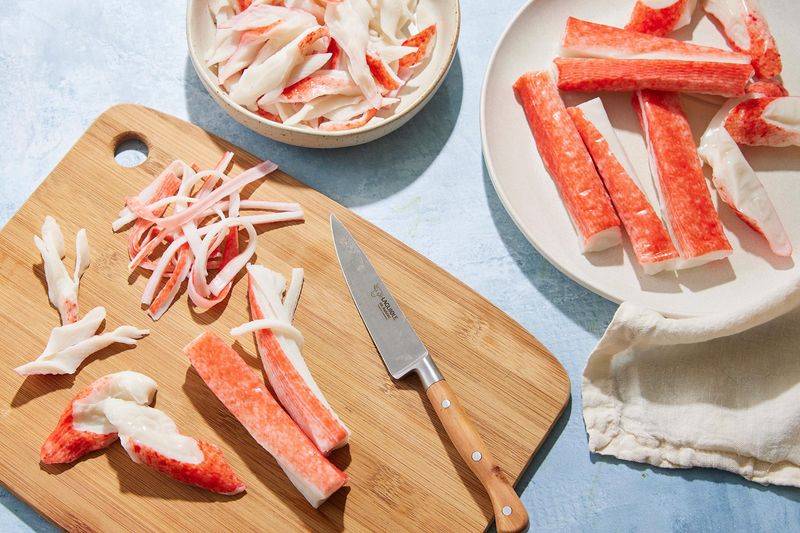
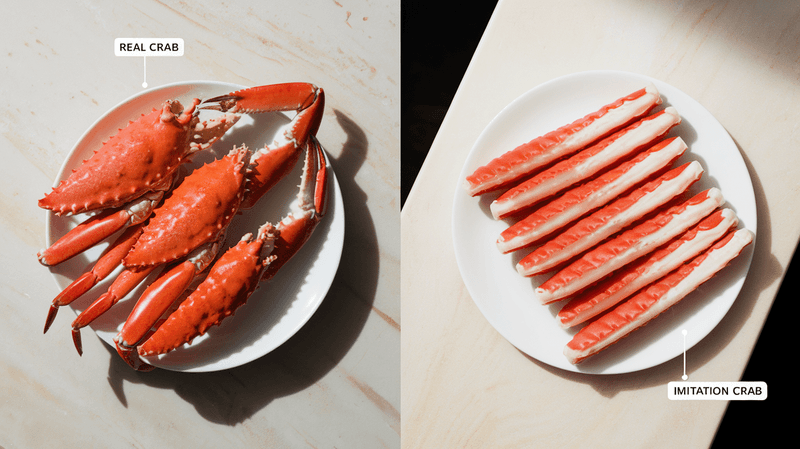
You might hear that imitation crab is just floor sweepings and random scraps. In reality, it is primarily surimi, a paste made from quality white fish like Alaska pollock, rinsed to remove fat and odor, then blended for texture. Producers standardize the mixture to be safe and consistent.
Seasonings, starch, and egg white or other binders help it hold shape. That is how you get the familiar crablike flakes. You can check labels to confirm ingredients and see the fish source listed clearly.
2. Myth 2: It contains zero real seafood
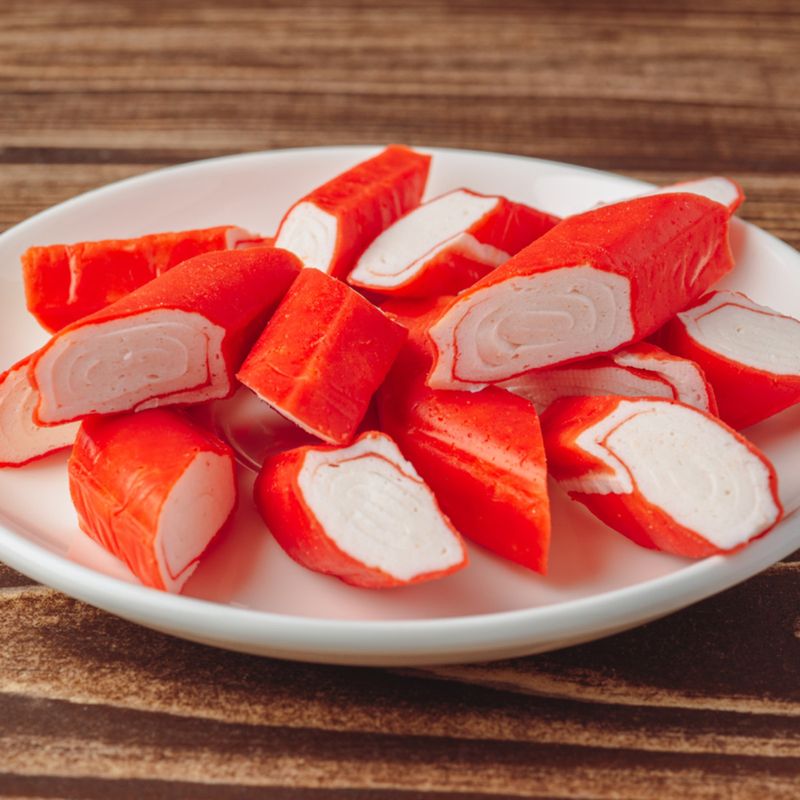
People often claim imitation crab has no seafood at all. That is not true, because the base is fish surimi. The crab flavor comes from natural flavors or crab extract, but the protein is mainly fish, not plants.
If you have a fish allergy, you should treat imitation crab as seafood and avoid it. Read ingredient lists for specific fish species and allergens. It is not a vegan product, and it should be stored like seafood.
3. Myth 3: It is raw and unsafe to eat
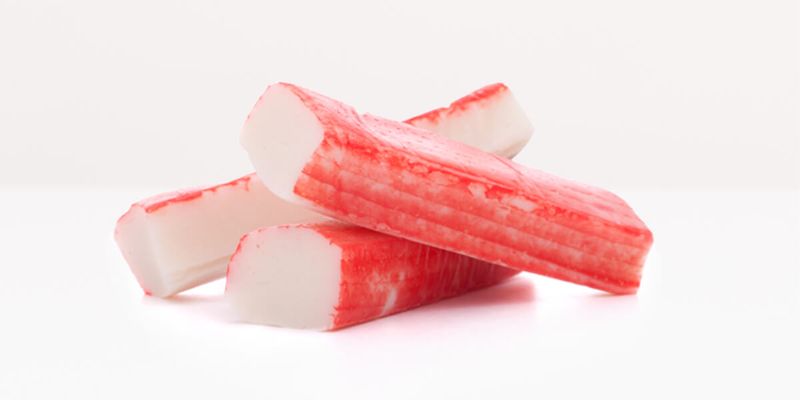
Another rumor says those red and white sticks are raw. In fact, imitation crab is fully cooked during production by steam or pasteurization. That is why you can eat it straight from the package.
Food safety still matters: keep it refrigerated and respect the use-by date. If a recipe calls for heating, you are simply reheating, not cooking from raw. Follow proper storage, and it is as safe as other ready-to-eat seafood.
4. Myth 4: It has no protein at all
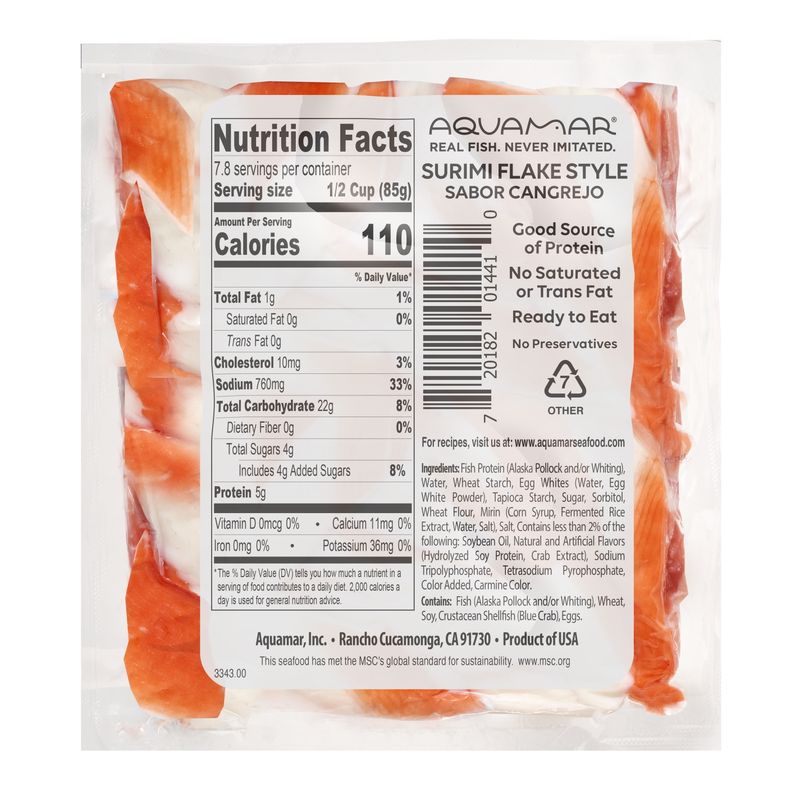
Some folks dismiss imitation crab as protein-free fluff. While it has less protein than real crab, it still provides several grams per serving because it is mostly fish. The exact amount varies by brand and added starches.
Compare labels to find options with higher protein and fewer fillers. Pair it with edamame, eggs, or Greek yogurt sauces to boost protein in meals. You can easily build a balanced plate using imitation crab thoughtfully.
5. Myth 5: It is loaded with MSG and chemicals
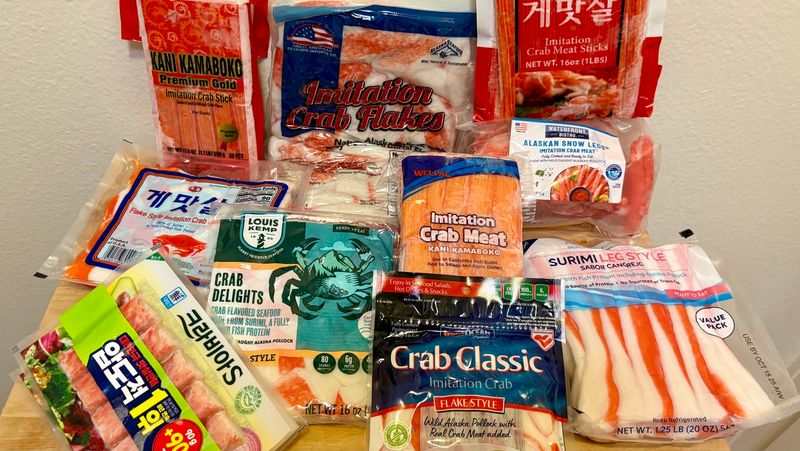
There is a belief that imitation crab is drenched in MSG and scary chemicals. Some brands use flavor enhancers, but many do not. Labels must list additives, so you can pick versions without MSG or with simpler ingredient lines.
Common ingredients include surimi, starch, sugar, salt, and natural flavors. Phosphates or sorbitol may appear for texture and moisture. If you prefer minimal additives, choose brands marketed as simple or clean label.
6. Myth 6: It always contains gluten
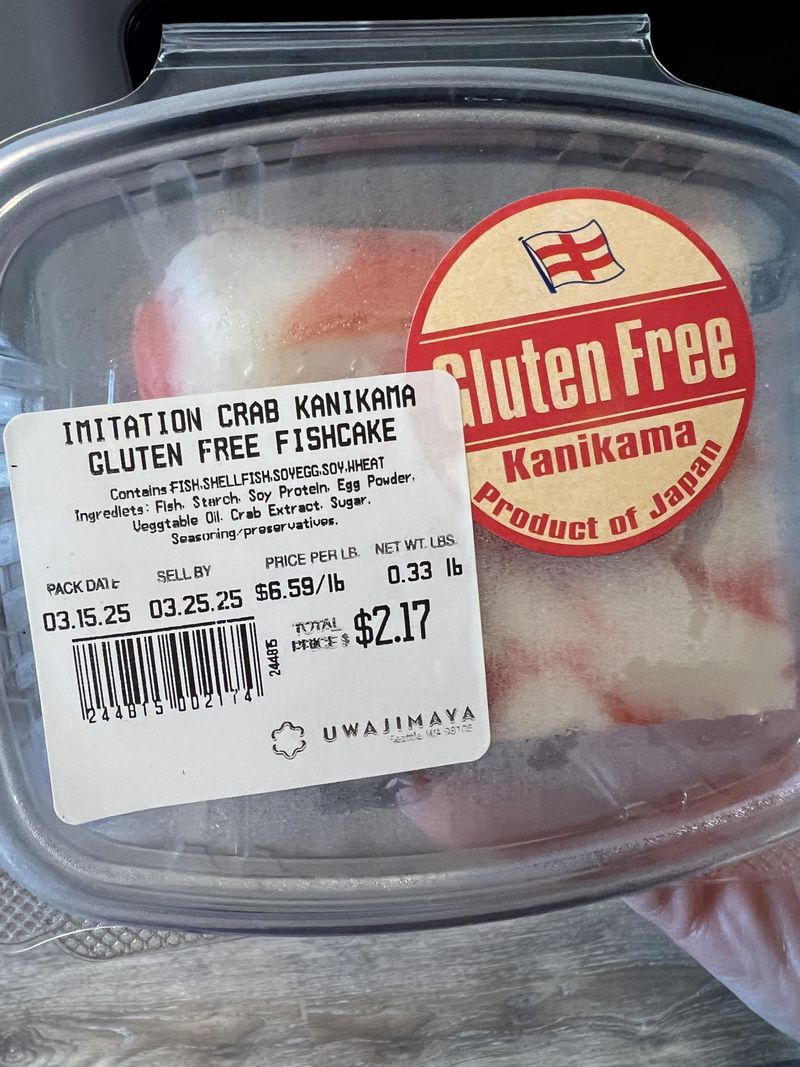
Because starch is added, people assume gluten is inevitable. Not so. Many brands use potato, tapioca, or corn starch, making their products gluten-free.
If you need to avoid gluten, look for certified gluten-free labels or check manufacturer allergen statements. Be careful with sushi bars where cross-contact can happen with soy sauce or shared prep areas. At home, you can create rice bowls or salads using certified gluten-free imitation crab safely.
7. Myth 7: It is terrible for your health
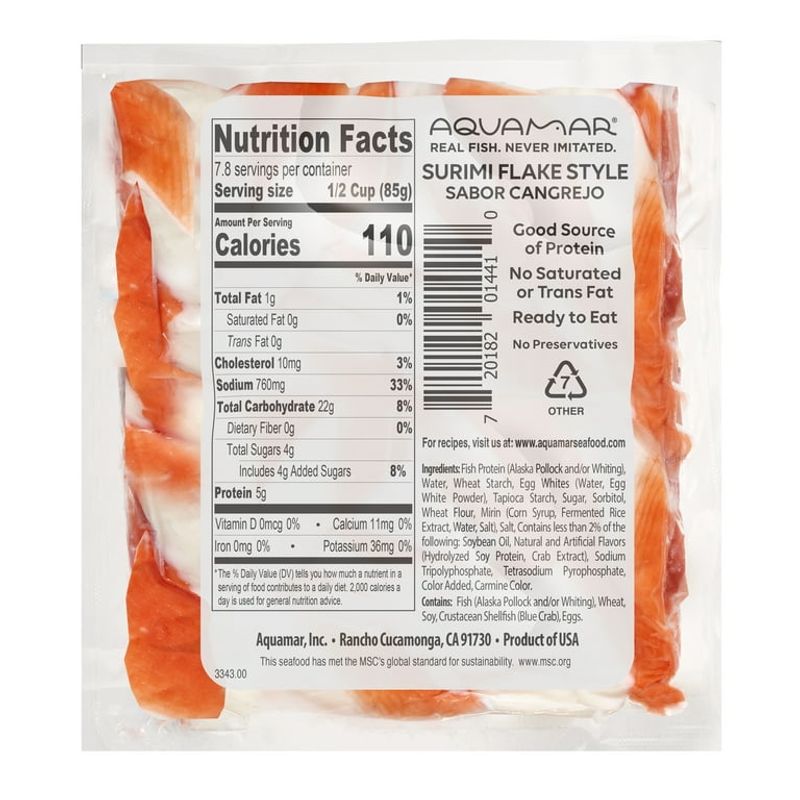
Imitation crab is not a superfood, but it is not junk by default. It offers modest protein and low fat, with calories comparable to many lean proteins. Sodium can be higher, so portion awareness helps.
Balance is key: pair it with vegetables, whole grains, and healthy fats. Think sushi bowls with brown rice, avocado, and cucumber. A few mindful tweaks can turn imitation crab dishes into sensible, satisfying meals.
8. Myth 8: It tastes nothing like crab
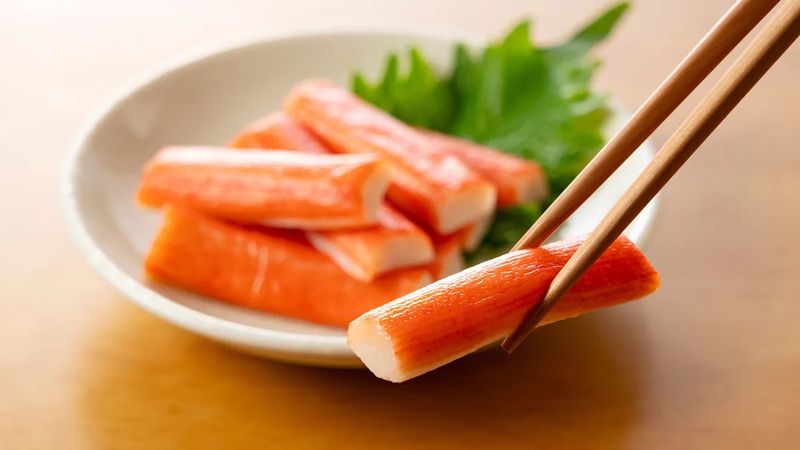
Flavor nostalgia can make comparisons tough. While it is not identical to fresh Dungeness, imitation crab has a gentle sweetness and briny notes that land in the same neighborhood. Texture is the bigger difference, leaning softer and more uniform.
Use it where delicate crab notes matter less: California rolls, seafood salads, or creamy dips. A touch of lemon, Old Bay, or dashi can nudge flavor closer to crab. You control the outcome with seasoning.
9. Myth 9: It is fake food with no standards
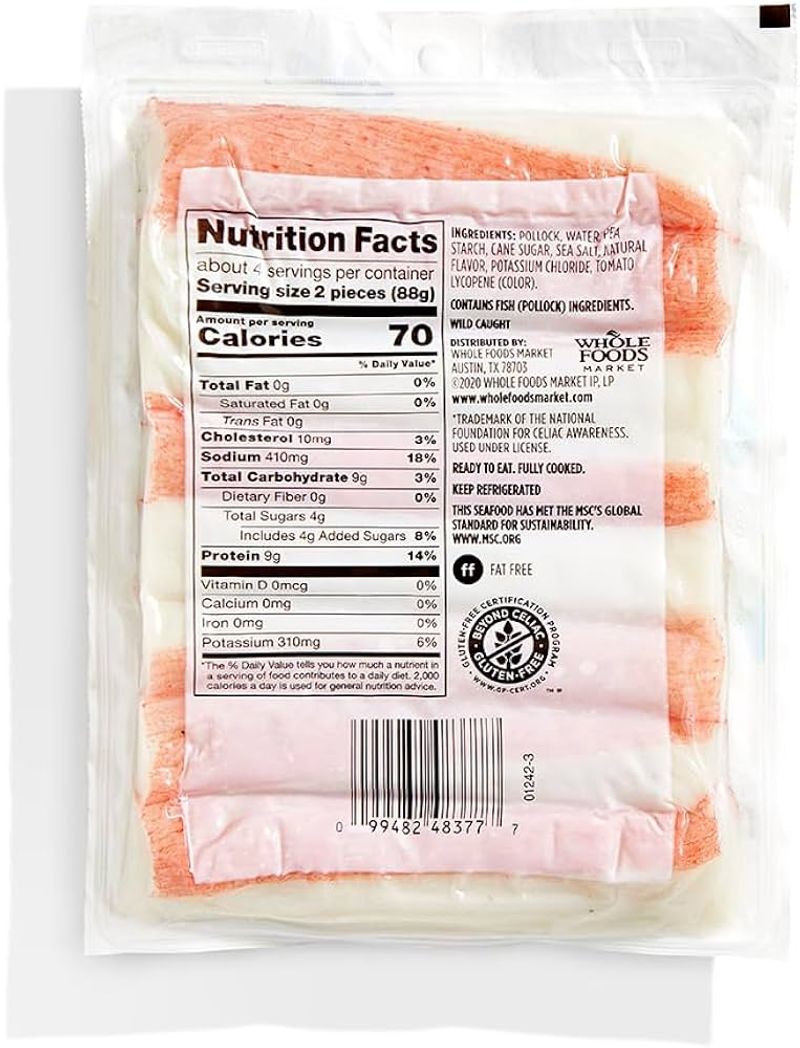
Fake does not mean lawless. Surimi production follows food safety regulations, hazard controls, and labeling rules. Established fisheries supply the white fish, and reputable plants undergo audits.
Look for certifications like MSC for sustainable fish, or SQF and HACCP for safety systems. These logos indicate oversight beyond marketing claims. You can use these cues to select trustworthy products for home cooking.
10. Myth 10: It is always dyed with artificial colors
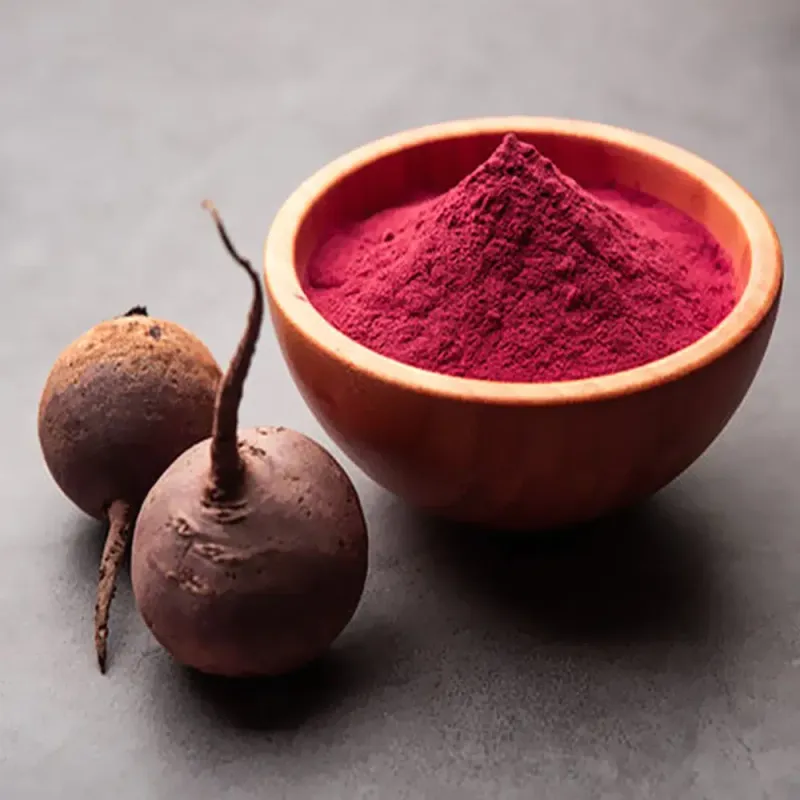
The red edge often sparks suspicion. Some brands use natural colorants like paprika or beet for the signature tint. Others may use approved artificial colors, which must appear on labels.
If you prefer natural, choose products stating paprika extract or annatto. The color is mainly visual, not flavor related. In salads and sushi, it simply signals the crab style product you are using.
11. Myth 11: It cannot be used in hot dishes
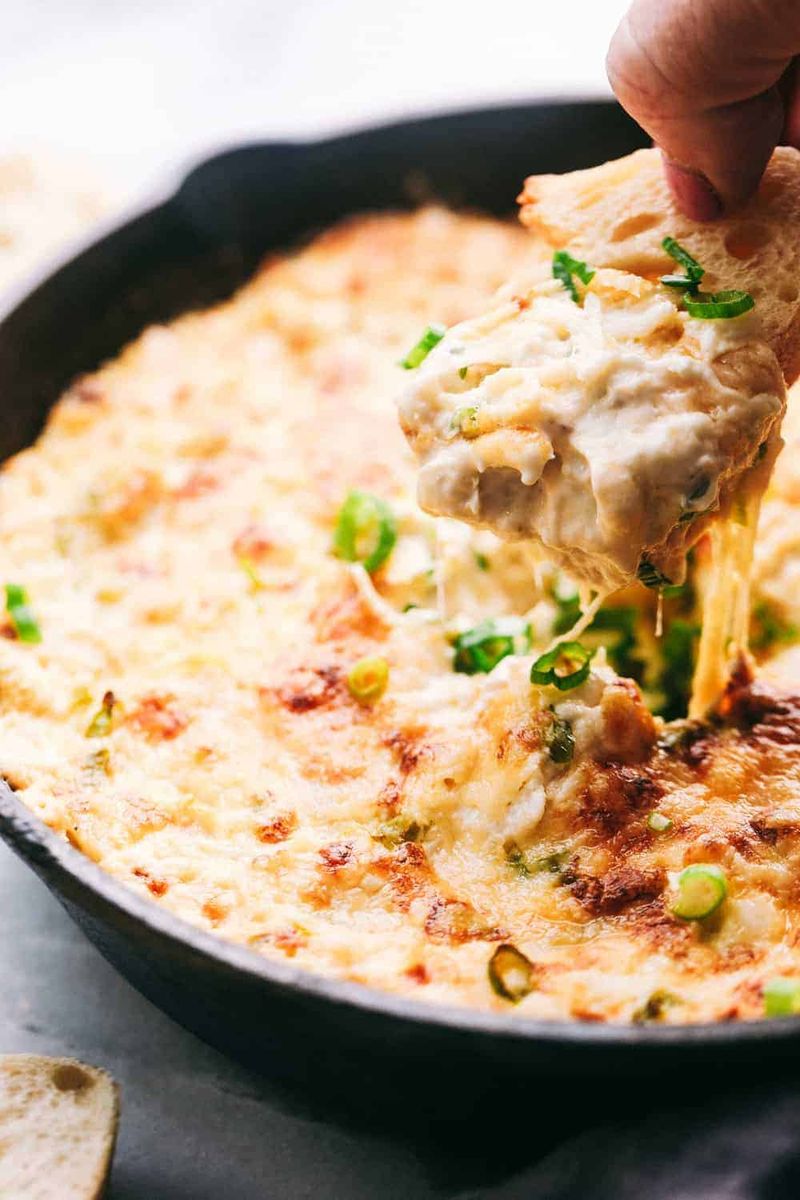
People worry it will fall apart or taste odd when heated. Since imitation crab is already cooked, gentle heating works well. Add it near the end of soups, stir-fries, or casseroles to keep texture intact.
Use steam, microwave on low, or fold into creamy pasta just before serving. Avoid high searing that dries it out. With the right technique, you get sweet seafood notes without overcooking.
12. Myth 12: It is cheaper because it is low quality
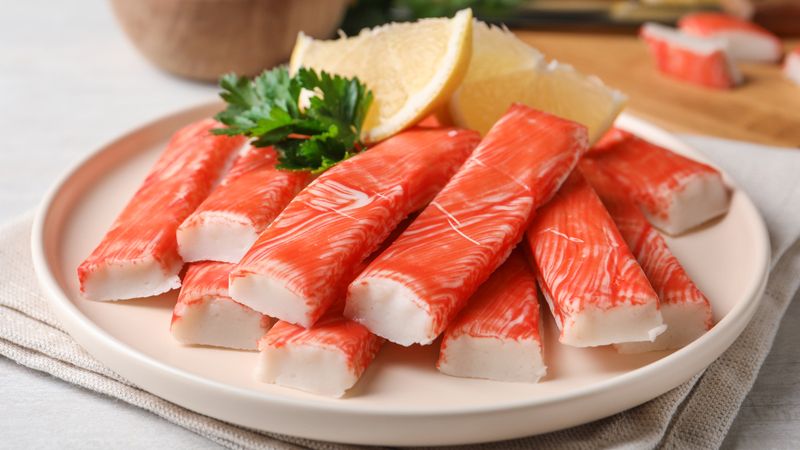
Lower price mostly reflects fish species and production efficiency, not inherent inferiority. Pollock is abundant and cost effective, and surimi processing uses standardized methods to minimize waste. That makes per-pound costs lower than premium crab.
Quality varies by brand, though. Choose reputable producers, check texture, and read reviews. A thoughtful pick can deliver good value without sacrificing taste or safety.
13. Myth 13: It is off-limits for pregnancy
Because it is fully cooked, imitation crab can be pregnancy friendly when handled properly. The key risks are mercury and contamination, both generally low for pollock-based products when stored cold and used before the date. Choose reputable brands and avoid deli cases with questionable temperature control.
Pair it with pasteurized mayo in salads, and keep portions reasonable. Always consult your healthcare provider for personal guidance. Safety depends on freshness and handling more than the ingredient list alone.
14. Myth 14: It offers no culinary creativity
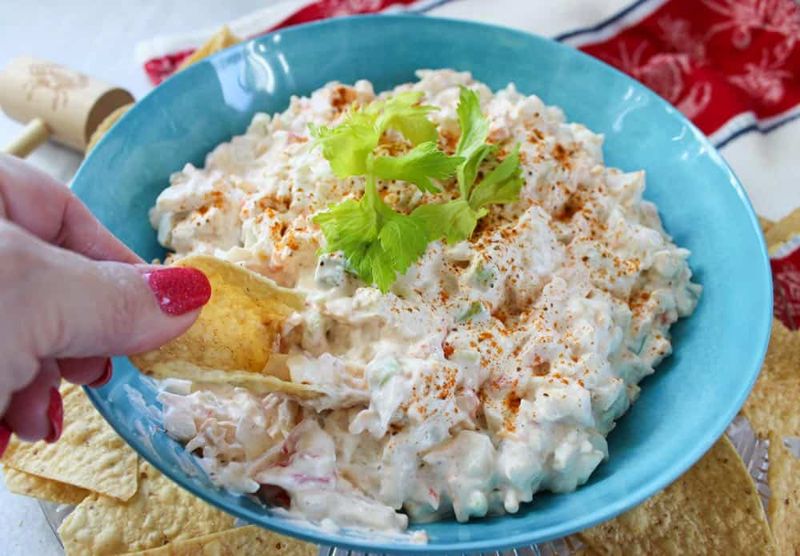
Imitation crab shines beyond sushi. Think crab cakes, stuffed mushrooms, spicy crab dip, kani salads, and quick tacos with cabbage and lime. Its mild flavor plays well with citrus, herbs, and umami-rich sauces.
Keep texture in mind: flake it gently and finish sauces off heat. A small pat of butter or a dash of dashi deepens savoriness fast. You can build weeknight-friendly seafood dishes without fuss.
15. Myth 15: It is environmentally irresponsible
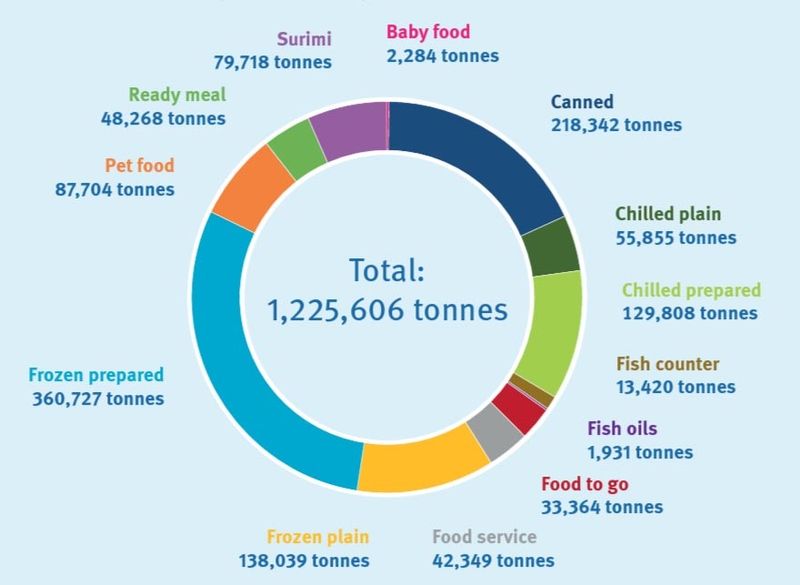
Environmental impact depends on sourcing and management, not the word imitation. Pollock fisheries in the North Pacific are often certified for sustainability and bycatch controls. Surimi can use efficiently harvested fish with traceability.
Check for MSC certification and brand transparency reports. Compared with some crab fisheries, the footprint can be lower per serving. Responsible choices let you enjoy seafood flavor while supporting better practices.