15 Myths About Imitation Crab You’ve Likely Heard
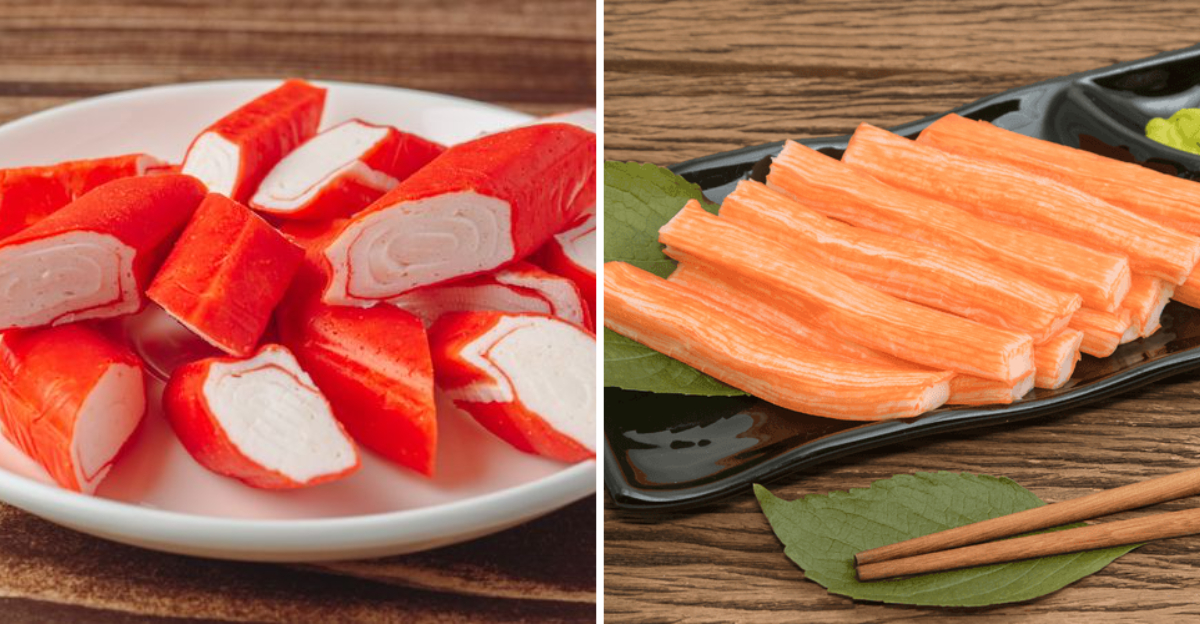
You have probably heard some wild claims about imitation crab, and not all of them hold up. From mysterious ingredients to shocking health rumors, the truth is far more straightforward than the gossip.
This guide breaks down the most common myths so you can shop and eat with confidence. Get ready to separate kitchen folklore from facts you can trust.
1. Myth 1: It is made from leftovers and scraps
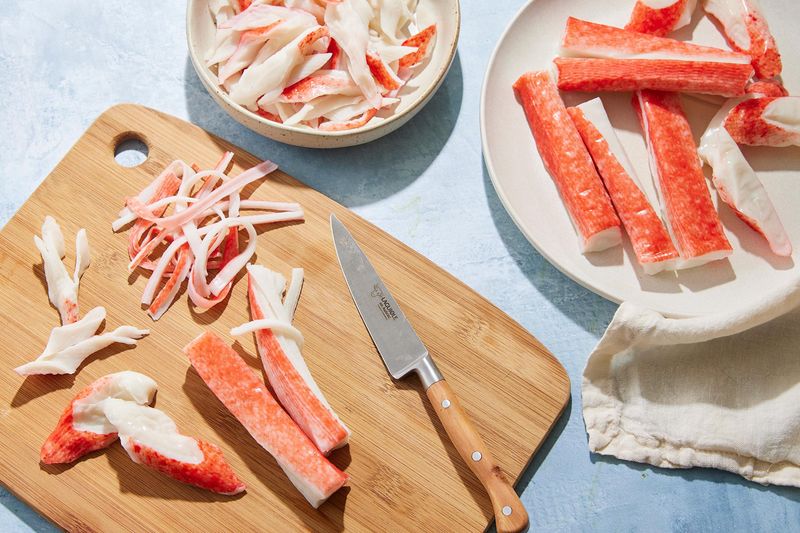
You might hear that imitation crab is just scraps swept off a factory floor. That image is dramatic, but it is not accurate.
Surimi, the base of imitation crab, is made from deboned white fish like Alaska pollock that is minced, washed, and refined.
It is a deliberate process focused on texture and purity. Food safety standards require sanitary production and traceability.
You are not getting trash fish or random trimmings, but a structured seafood paste designed for consistency.
The result is a uniform product suitable for salads, sushi, and soups. It is not leftovers.
It is engineered seafood.
2. Myth 2: There is no real seafood in it
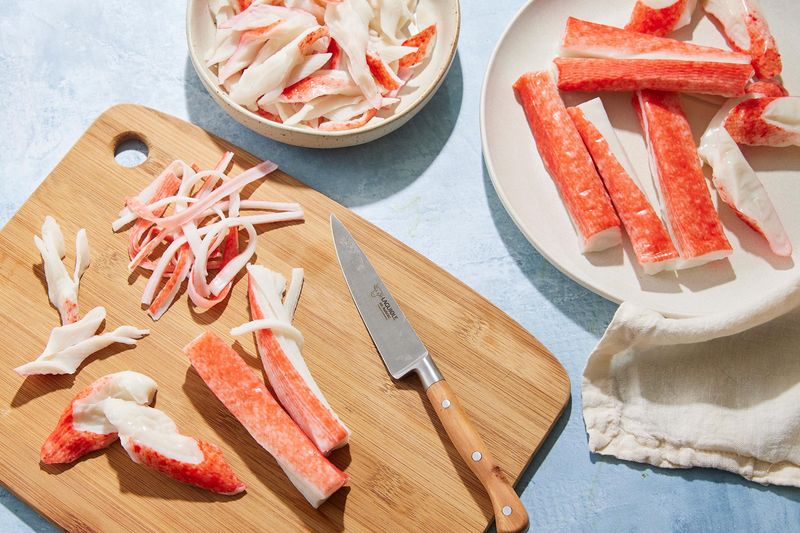
People often insist imitation crab contains zero seafood. That is false.
The main ingredient is surimi, a paste made from real fish, typically Alaska pollock, which provides the protein and structure.
Flavorings, starches, and seasonings are added to mimic the taste and texture of crab. You are still eating seafood, just not shellfish.
That distinction matters for flavor expectations and allergies.
If you need to avoid fish, imitation crab is not safe. If you avoid shellfish, it can be a practical option.
Always check labels for fish sources and added ingredients.
3. Myth 3: It is dangerous because of additives
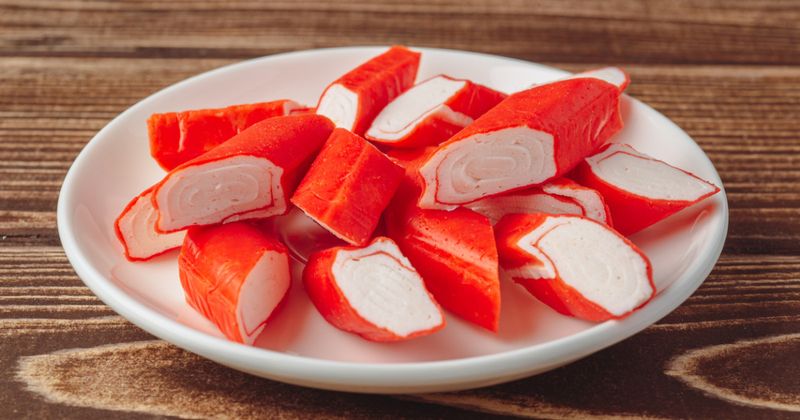
Additives in imitation crab often get a scary reputation. In reality, stabilizers like starch and egg white help bind the surimi, while flavorings and color create the crablike experience.
These are common, regulated food ingredients used in many products.
Safety depends on dose and regulation, and both are addressed by strict standards. If you are sensitive to certain additives, reading labels is smart.
Otherwise, typical servings are considered safe for most people.
There is no secret chemical cocktail lurking. It is mostly fish protein with texture aids.
Sensible moderation and brand choice go a long way.
4. Myth 4: It is always high in sugar and salt
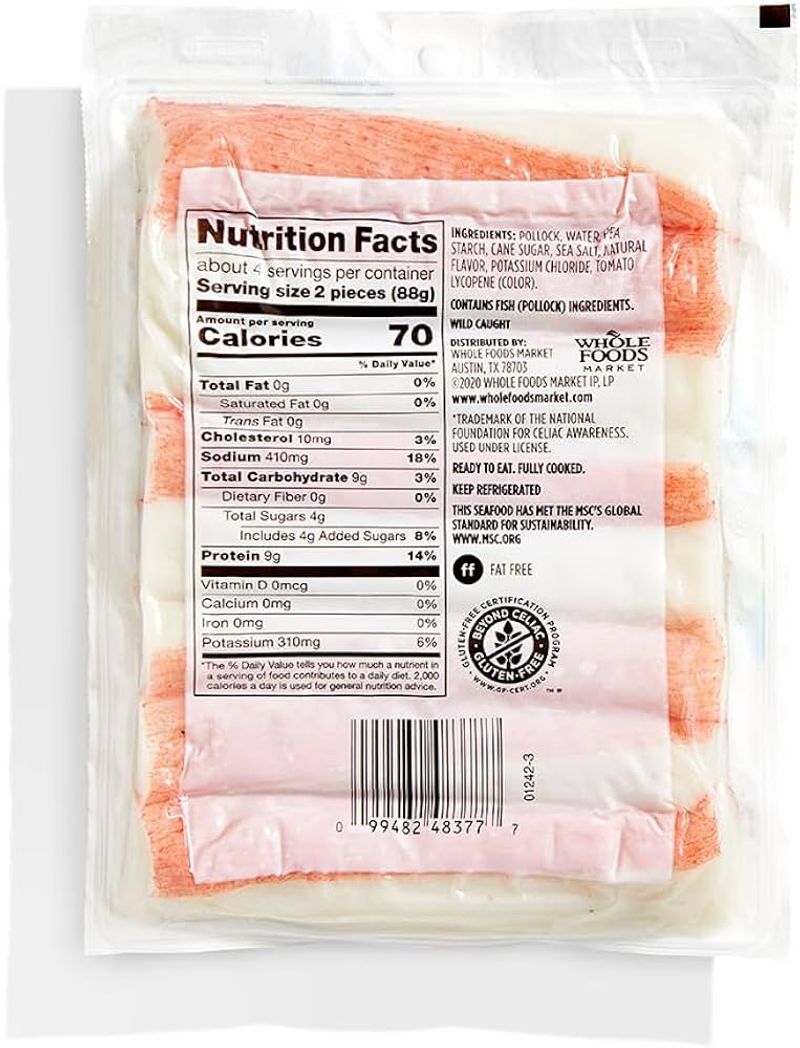
Some claim imitation crab is loaded with sugar and salt by default. Levels do vary, but not every brand is heavy-handed.
Many products use modest sugar for flavor balance and manageable sodium for preservation.
Checking the nutrition label tells the real story. You can find lower sodium versions or simply balance your meal with fresh vegetables and low-salt sides.
Portion size makes a difference too.
Calling it always high exaggerates the issue. Choose wisely and you can fit imitation crab into a mindful diet.
The label is your best guide, not rumors.
5. Myth 5: It offers zero nutrition
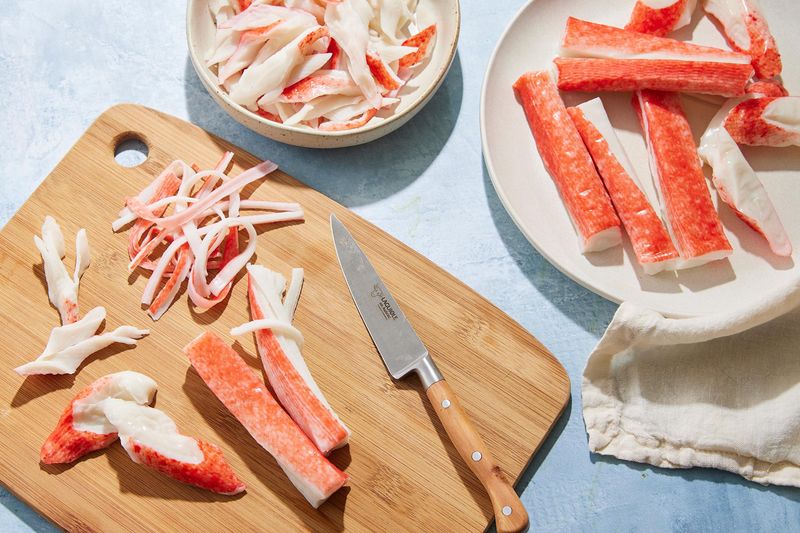
The idea that imitation crab is nutritionally empty misses the mark. It provides protein from fish, often with fewer calories than richer seafood.
You will not get the same micronutrient profile as real crab, but there is still value.
Depending on the brand, you may find added vitamins or omega-3 content from the fish used. It can be a convenient protein for salads, sushi, and snacks.
Not a superfood, but not a void either.
Think of it as a lighter, budget-friendly seafood option. Pair it with vegetables and whole grains to round out your meal.
6. Myth 6: It tastes nothing like crab
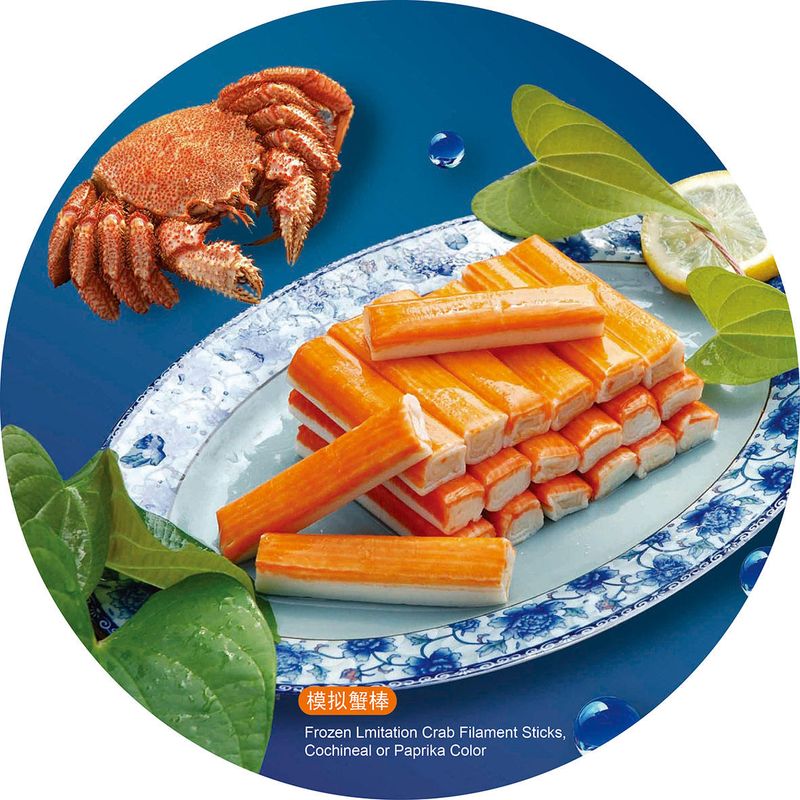
Some swear imitation crab tastes nothing like the real thing. It is not identical, but it captures key flavor notes.
Surimi is seasoned to echo crab sweetness and briny character, while the textured fibers mimic flake.
Blind tastings often show people enjoy it in sushi, salads, and dips. Expectations matter: it is a crablike experience, not a perfect dupe.
Temperature and seasoning also influence perception.
When served chilled with citrus or warmed in creamy dishes, the resemblance strengthens. Try it in recipes designed for it.
You might be pleasantly surprised by the similarity.
7. Myth 7: It is just dyed tofu
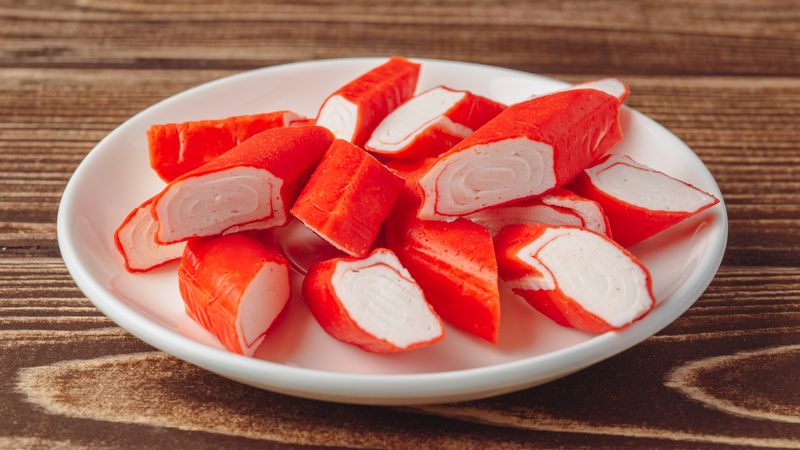
The tofu myth pops up because both can be affordable protein. But imitation crab is fish-based, not soy-based.
Surimi comes from minced white fish, washed for purity, then seasoned and formed.
Tofu, on the other hand, is made from coagulated soy milk. Completely different raw materials, textures, and production methods.
Color in imitation crab usually comes from paprika or carmine, not tofu trickery.
If you need a soy-free option, check labels for added soy, but fish remains the core. Calling it dyed tofu is catchy, not correct.
Know what you are buying.
8. Myth 8: It is unsafe for pregnancy
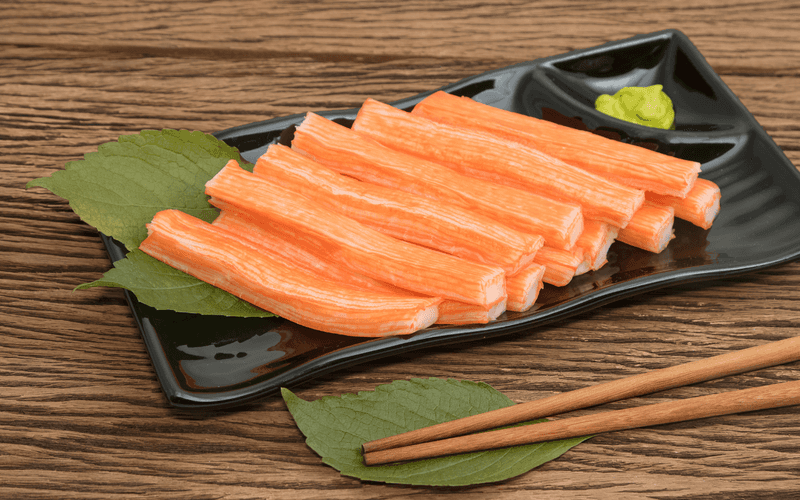
Safety during pregnancy is a valid concern, but imitation crab is typically cooked during production. That reduces risk compared to raw seafood.
The bigger considerations are mercury levels and food handling.
Surimi from pollock tends to be low in mercury. As long as it is stored properly and eaten in moderation, many healthcare providers consider it acceptable.
Always confirm with your doctor for personal guidance.
Skip versions served with raw fish or risky sauces. Choose reputable brands and keep portions reasonable.
Food safety basics apply, just like with other ready-to-eat items.
9. Myth 9: It is always gluten-free

Many assume imitation crab is naturally gluten-free. Not always.
Some brands include wheat starch or soy sauce for binding and flavor, which introduces gluten.
If you have celiac disease or sensitivity, reading the ingredient list and allergen statement is essential. Fortunately, certified gluten-free options exist.
They use alternative starches like potato or tapioca.
Do not rely on the product name alone. Look for verified labels or contact the manufacturer when in doubt.
Your safest bet is choosing a brand that clearly states gluten-free on the package and maintains strict cross-contact controls.
10. Myth 10: It is purely artificial flavor
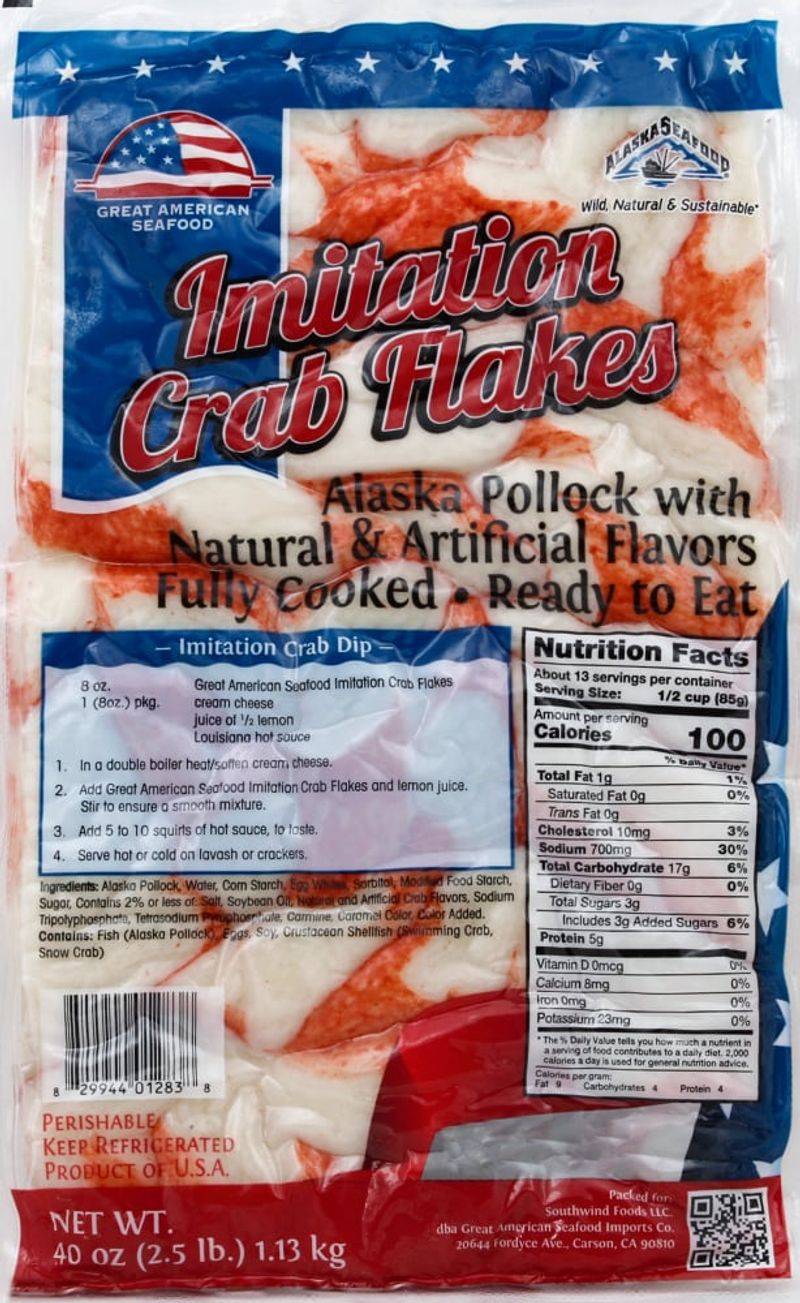
It is tempting to think the flavor is entirely synthetic. In reality, many producers use natural flavors derived from seafood or plant sources to achieve that crablike taste.
The label often says natural and artificial flavors because both can be present.
Artificial does not automatically mean unsafe or low quality. It reflects a consistent flavor target across batches.
If you prefer fewer artificial elements, compare ingredient lists among brands.
You can taste the difference when paired with citrus or umami-rich sauces. Flavor is a blend of sources, not just lab-only.
Balance and quality control matter most.
11. Myth 11: It is environmentally worse than crab

Environmental impact depends on the fishery, not the product name. Surimi often uses Alaska pollock from well-managed fisheries with third-party certifications.
That can mean efficient yields and lower bycatch compared to some crab sources.
However, not all fisheries are equal. Look for eco labels like MSC to guide better choices.
Transportation and processing also factor into footprint.
Declaring imitation crab automatically worse is oversimplified. Responsible sourcing exists on both sides.
Choose certified products and support brands that publish traceability and sustainability data so your purchase aligns with your values.
12. Myth 12: It causes shellfish allergies
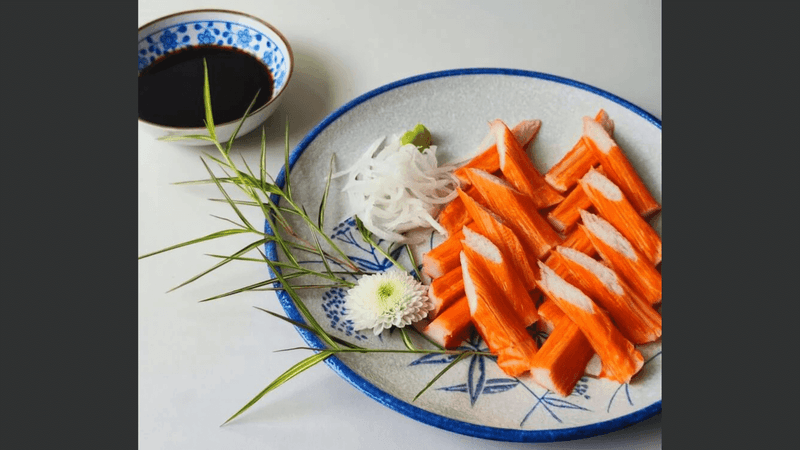
Imitation crab is fish-based, not shellfish, so the allergens differ. People with shellfish allergies may tolerate surimi, but cross-contact in facilities is possible.
Always review labels for allergen statements and consult an allergist if unsure.
Conversely, those with fish allergies should avoid imitation crab. It contains fish proteins that can trigger reactions.
The confusion arises because the flavor suggests crab, but the biology is distinct.
Do not assume safety without checking. Manufacturers vary in controls and disclosures.
When in doubt, stick to brands with clear allergen management and consider contacting customer service for details.
13. Myth 13: It cannot be used in hot dishes
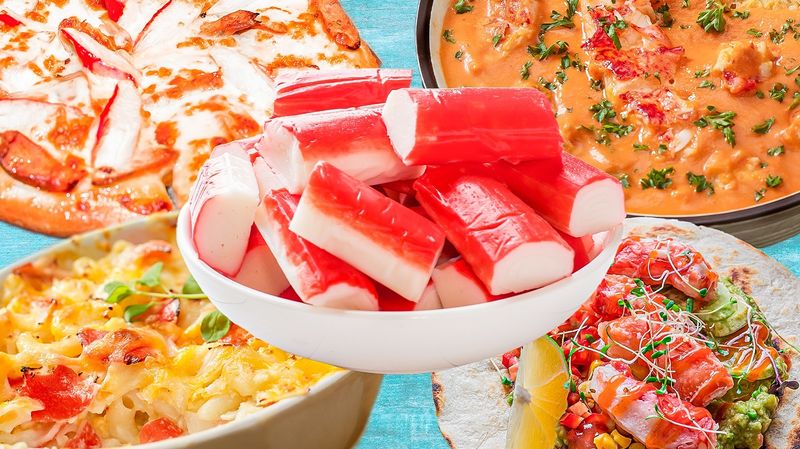
Some think imitation crab falls apart when heated. It is already cooked and holds up well in many recipes.
Gentle heat preserves texture, making it great for chowders, casseroles, and crab rangoon fillings.
The trick is adding it near the end of cooking. Boiling it for long periods can make it rubbery, but that is true of many proteins.
Treat it kindly and it rewards you.
Try folding pieces into creamy pasta, fried rice, or omelets. You will get savory seafood notes without overcooking.
Heat is fine, technique matters.
14. Myth 14: It is always cheaper than real crab
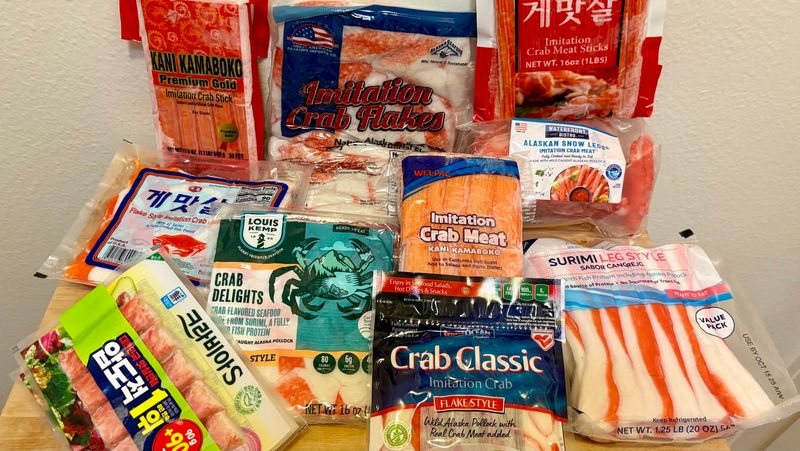
Imitation crab is often budget-friendly, but not universally cheaper. Premium surimi products with higher fish content or specialty flavors can approach or exceed the price of lower quality crab.
Market conditions also swing pricing.
Seasonality, supply chain costs, and brand positioning all matter. In some regions, pasteurized crab on sale may beat certain surimi options.
The only reliable answer is to compare labels and prices that day.
Value includes taste, texture, and convenience. Choose what suits your recipe and budget.
Do not assume the name alone predicts cost at the register.
15. Myth 15: It is low quality street food only
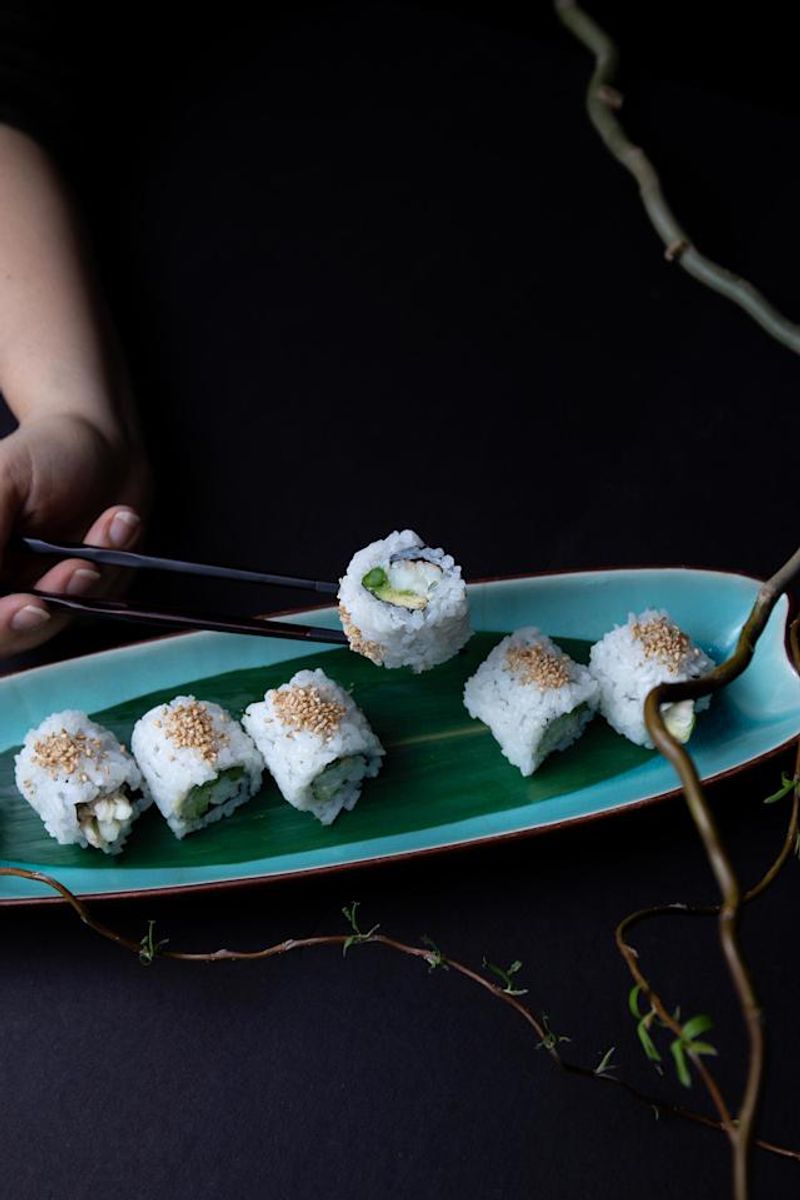
Imitation crab shows up in casual bites, but it also appears in reputable restaurants. Chefs use it for consistent texture, reliable supply, and mild sweetness that plays well with sauces.
California rolls became iconic for a reason.
Quality depends on the brand and preparation, not the concept. You can find impressive dishes from poke bowls to creamy dips that highlight it respectfully.
Presentation elevates perception, too.
At home, you can treat it like any convenient seafood. Pair with fresh herbs, citrus, and crisp vegetables.
The result feels polished, not low quality, when handled thoughtfully.