
15 Practical Ideas For Cooking With Wild Edible Plants
Cooking with wild edible plants can turn an ordinary meal into something unforgettable. The secret is simple: know what you are picking, treat it gently, and start small until you learn each plant’s personality.
You will discover bright, surprising flavors, from lemony greens to garlicky shoots and sun-sweet berries. Ready to cook smarter, safer, and more deliciously with what nature offers right now?
1. Identify with certainty first
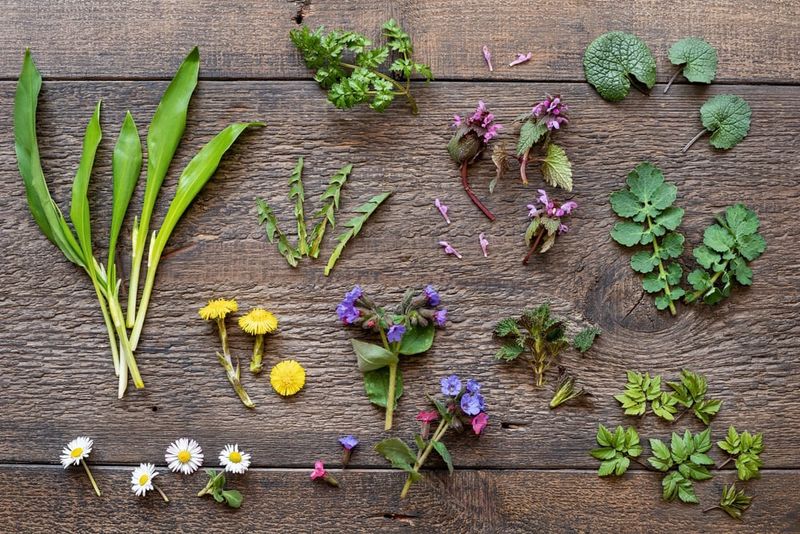
Before any cooking, identification is nonnegotiable. Use multiple sources like regional field guides, expert-led walks, and reputable apps, then confirm with habitat, season, smell, and spore or flower details.
If anything feels off, skip it.
Many edibles have dangerous lookalikes that heat cannot fix. Build a habit of saying no quickly and confidently.
Your best meal is the one you safely decline, and there will always be another plant tomorrow.
When in doubt, consult a local botanist or extension office. Take sharp, well-lit photos of the whole plant.
Safety tastes better.
2. Start with tiny portions

Even safe wild foods can surprise a sensitive stomach. Start with a few bites and wait, especially if trying a plant for the first time.
Avoid serving new wild ingredients as the headline dish for guests.
This gentle approach helps you learn flavors without overwhelm. Keep a clean, simple seasoning baseline so reactions are easy to spot.
Record what you feel.
Build up quantities over a few meals. Your body’s feedback is your most honest guide.
Tiny tastes today mean confident cooking tomorrow and fewer regrets.
3. Harvest clean and far from contamination
Source matters as much as species. Harvest away from roads, lawns, pet paths, and any sprayed or industrial areas.
Plants absorb pollutants you cannot wash away completely.
Favor high, breezy places with clean soil and thriving diversity. Ask land managers about herbicide schedules.
Respect property boundaries and local regulations.
Collect into breathable baskets, not plastic bags that steam and wilt. Trim dirty roots in the field to keep baskets cleaner.
Clean sourcing is the first ingredient in delicious, safe meals.
4. Wash like you mean it

Grit ruins texture and mood. Soak greens in cold water, swish well, then lift them out so sand stays put.
Repeat until the water runs perfectly clear.
Delicate herbs appreciate a salad spinner and clean towels. Root vegetables need a brush and a second rinse.
Keep everything cold to retain snap.
Trim tough stems after washing to avoid trapping grit. Finish with a short rest on towels before cooking.
Meticulous washing turns wild harvests into restaurant-level ingredients at home.
5. Blanch bitter greens
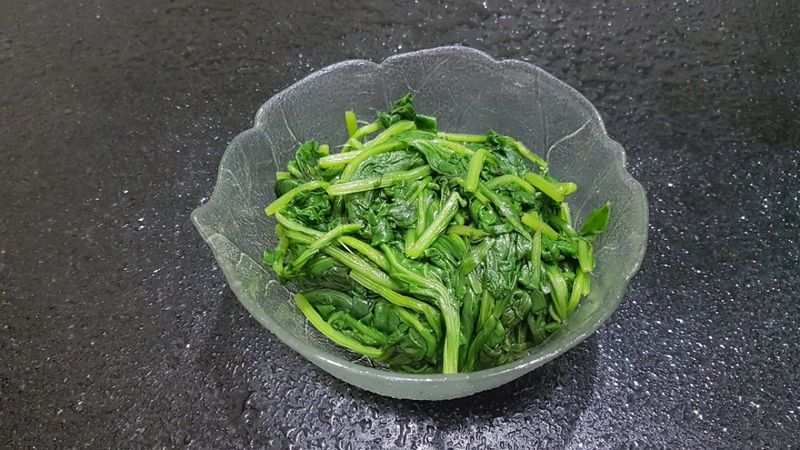
A quick blanch can transform strong flavors. Drop chopped bitter greens into boiling salted water for 30 to 60 seconds, then shock in ice water to lock color and tame harshness.
Drain thoroughly.
From there, sauté, stew, or add to soups. Blanching tenderizes fibers while preserving brightness.
It gives you balance and control.
Squeeze out excess water before cooking to avoid sogginess. Taste and adjust salt, lemon, or chili.
Blanching is the bridge between foraged intensity and weeknight comfort.
6. Sauté like spinach
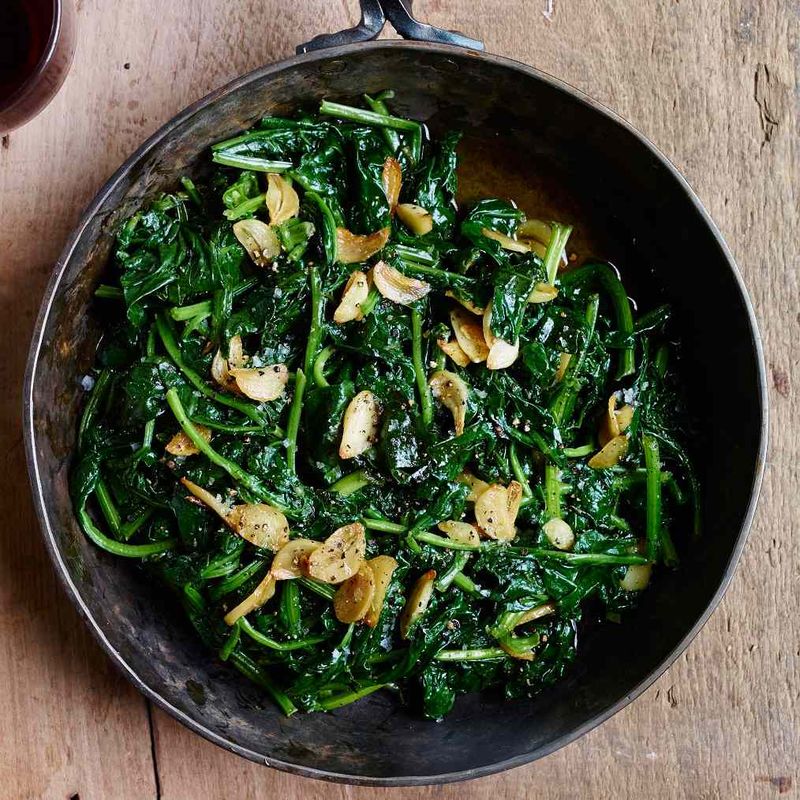
Treat many wild greens the way you treat spinach. Warm olive oil with sliced garlic, add greens, toss over medium heat, and finish with salt and a squeeze of lemon.
Keep it quick.
This format reveals character without hiding it. If the flavor is bold, blend with milder greens.
Add chili flakes or crushed seeds sparingly.
Serve beside eggs, grilled fish, or grains. A straightforward sauté is the fastest way to know whether you love a new plant.
Keep notes on texture and timing.
7. Make a mixed greens soup
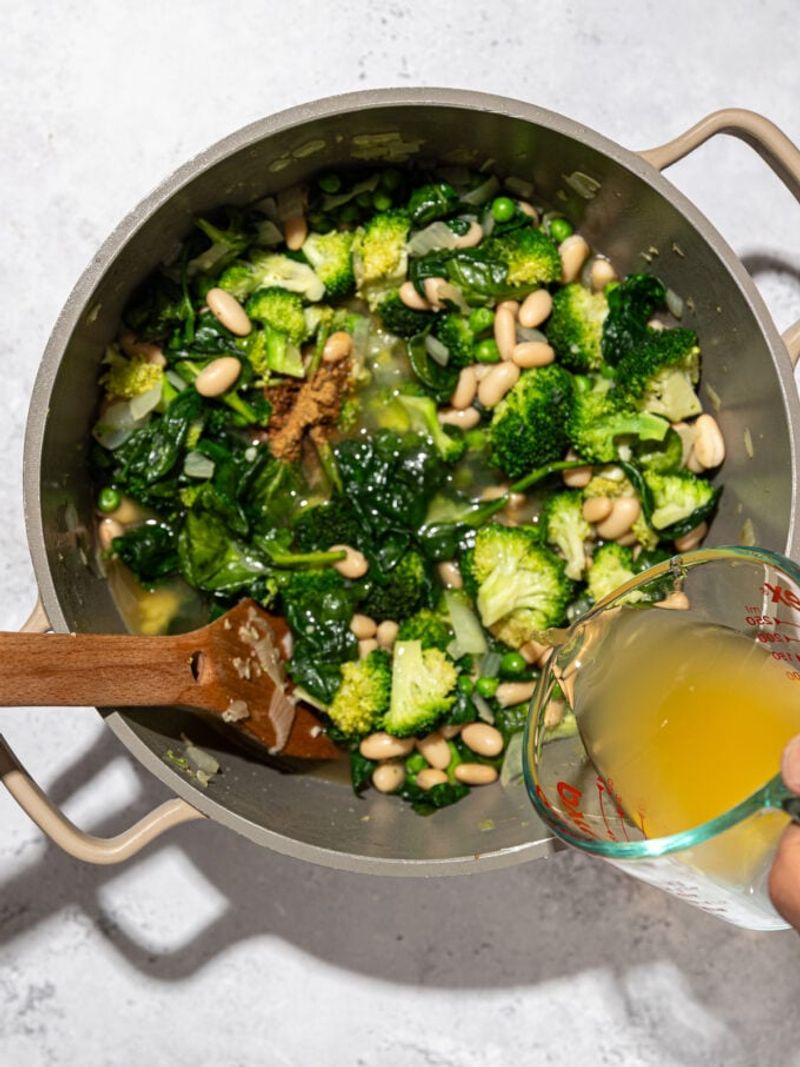
Soup spreads flavors gently. Build a base with onions, garlic, potatoes, and beans or lentils.
Fold in chopped wild greens near the end so they stay tender and colorful.
Season with bay, pepper, and a splash of vinegar for brightness. Bitter varieties mellow in broth, making bowls comforting instead of bracing.
Adjust salt last.
Leftovers taste better tomorrow. Serve with crusty bread and olive oil.
Mixed greens soup turns a handful of foraged leaves into a nourishing, repeatable meal.
8. Turn tender herbs into pesto
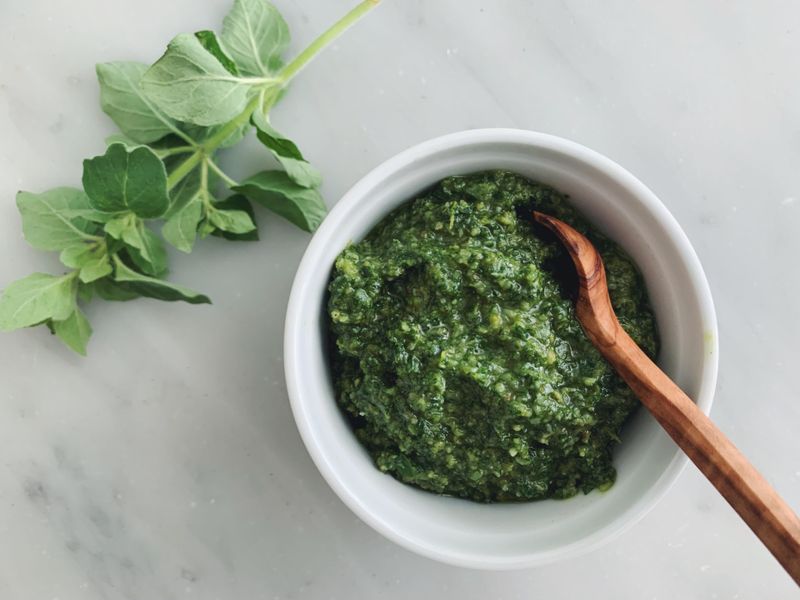
Pesto forgives and adapts. Blend tender wild herbs with olive oil, nuts or seeds, lemon, and optional cheese.
Taste as you go, balancing salt, acidity, and richness.
Use a mortar and pestle for texture or a processor for speed. Toss with pasta, smear on toast, or swirl into soup.
A spoonful transforms plain grains.
Keep portions small at first with potent herbs. Freeze extra in ice cube trays for quick weeknight upgrades.
Pesto is a playful, low-risk way to learn flavors.
9. Use wild alliums sparingly
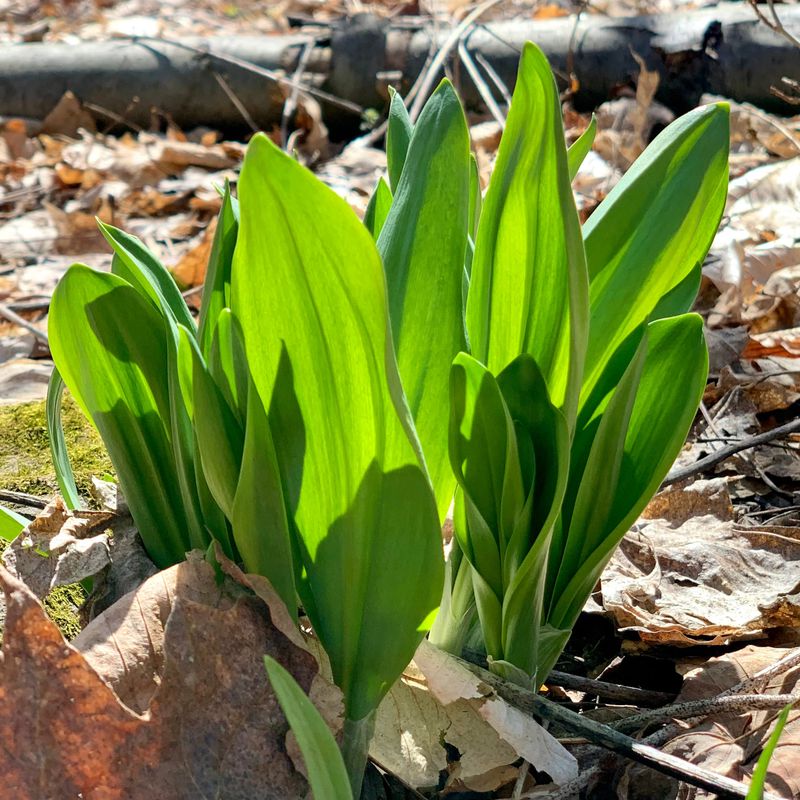
Wild onion and garlic relatives are powerful. Finely slice and add at the end for punch, or cook gently for sweetness.
Compound butter and scrambled eggs love them.
Raw equals stronger, cooked equals softer. Start with less than you think you need.
Their aroma can dominate a dish quickly.
Confirm identity with the onion or garlic scent. Avoid lookalikes lacking that smell.
Used thoughtfully, wild alliums deliver clean, savory depth without overpowering the plate.
10. Infuse vinegar or oil
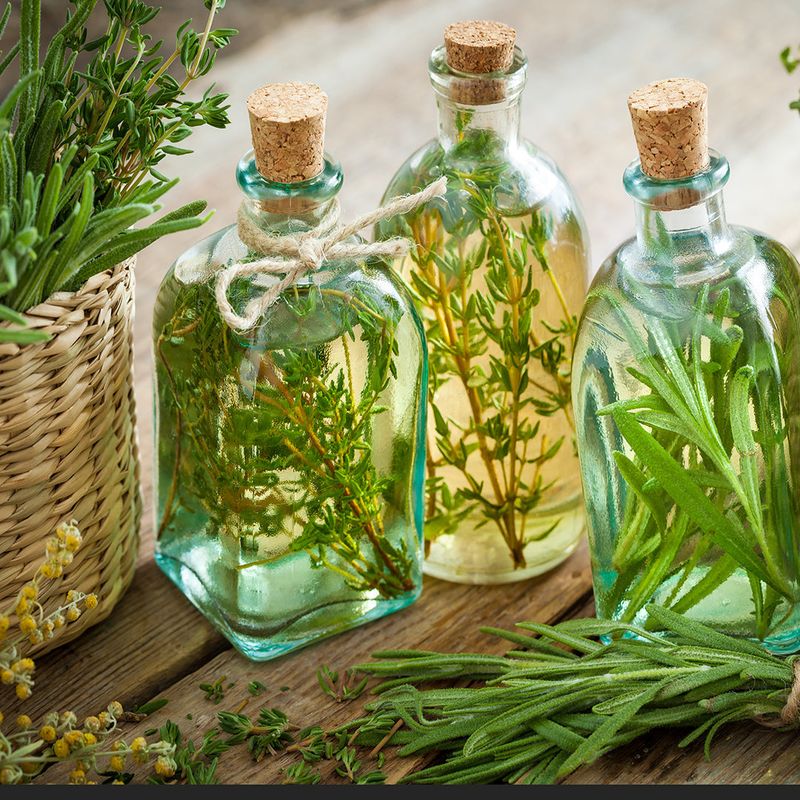
Infusions capture fleeting seasons. Clean, thoroughly dried leaves or flowers steep in vinegar for salads and quick pickles.
Label with plant, location, and date.
For oil, be extra cautious. Use very fresh herbs, keep refrigerated, and finish quickly to reduce risk.
When uncertain, choose vinegar instead.
Strain for clarity and store away from heat and light. A drizzle brightens roasted vegetables and grains.
Infusions concentrate wild character into a convenient splash.
11. Quick-pickle crunchy bits
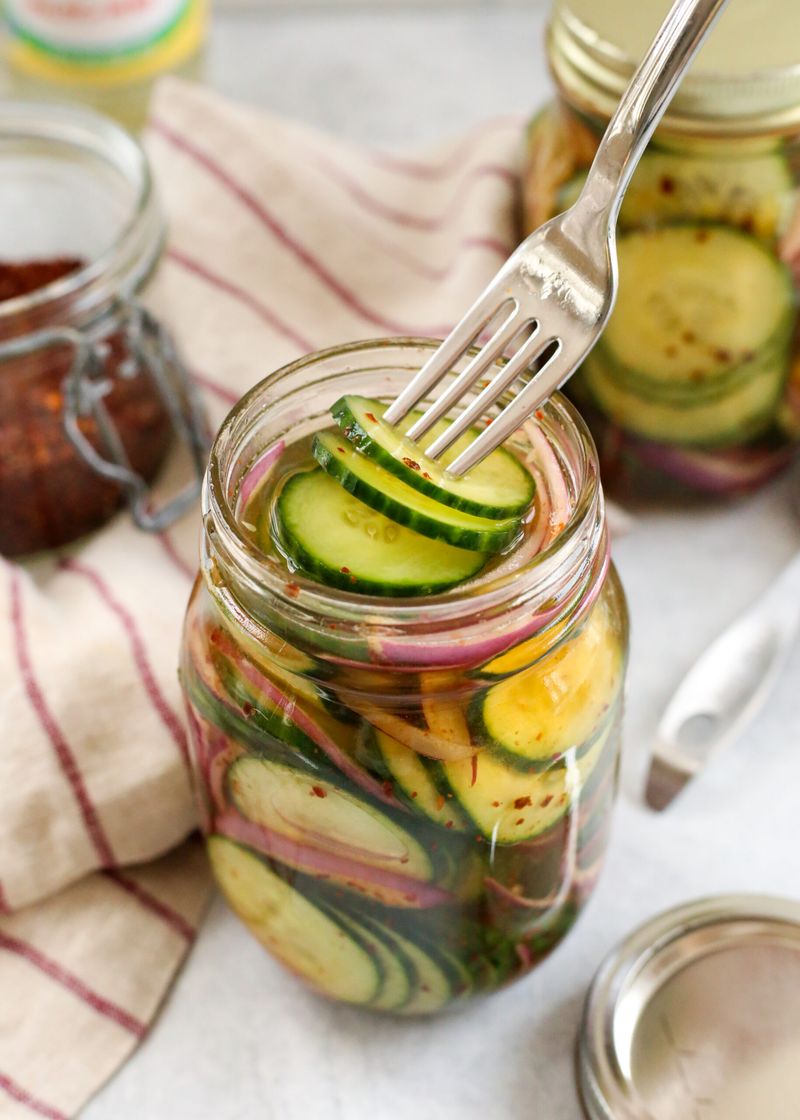
Got safely identified shoots or buds. Quick pickling adds brightness and preserves snap.
Combine vinegar, water, salt, and a touch of sugar, then pour over cleaned plants.
Thirty minutes yields a lively garnish for tacos, bowls, or sandwiches. Strong flavors become friendly.
Keep refrigerated and eat within a week.
Spices like mustard seed or coriander play well, but avoid masking the plant’s identity. Label clearly so you remember what worked.
Quick pickles are your pantry’s shortcut to zing.
12. Low-cook berry desserts
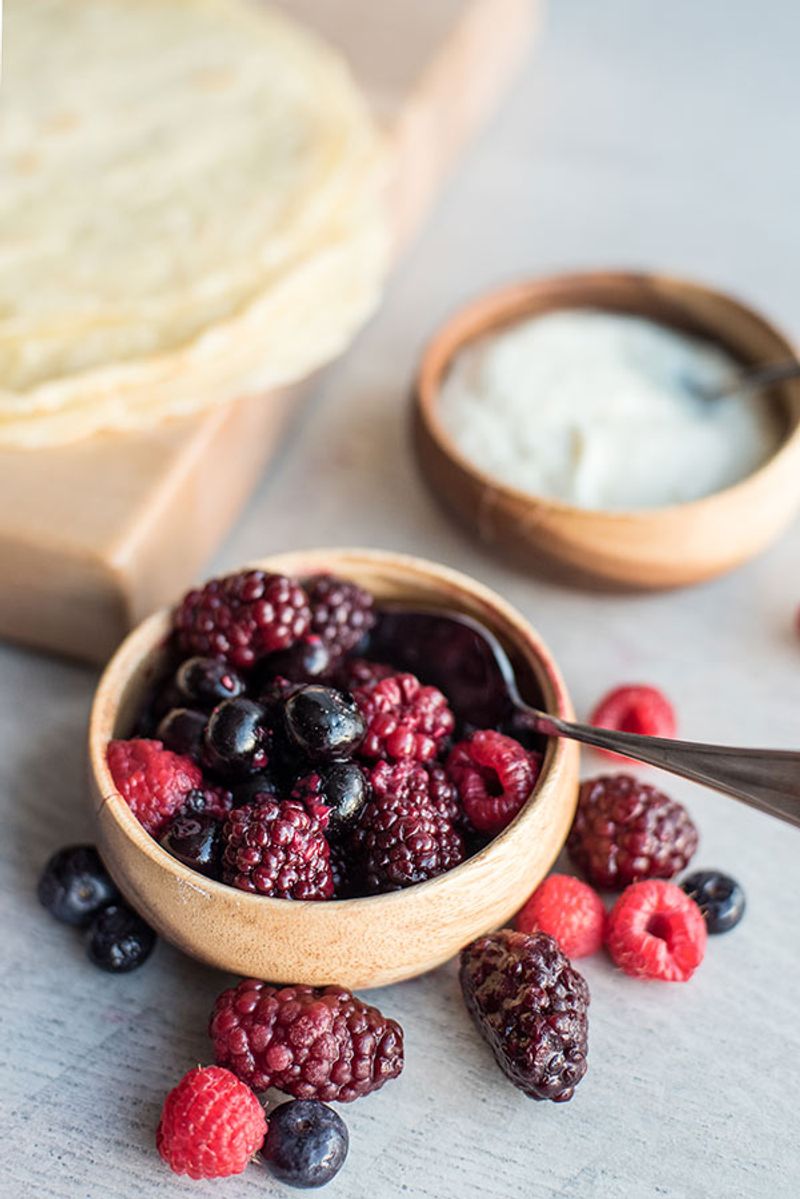
Keep berries’ purity front and center. Warm them gently with a little sugar and lemon until just saucy.
Spoon over yogurt, pancakes, or ice cream.
Short cooking protects aroma and color. Taste and adjust sweetness gradually.
If seeds bother you, press through a sieve.
Add herbs like mint with restraint. You want clarity, not camouflage.
Low-cook desserts celebrate the fruit you actually like, not the fruit you are hiding.
13. Bake muffins and cobblers

Muffins, crisps, and cobblers are friendly formats. Batter and topping cushion tartness while letting the fruit sing.
Mix unfamiliar wild fruit with apple or pear for balance.
Toss fruit with a little sugar, lemon, and starch to manage juices. Do not overmix batter.
Bake until edges brown and centers set.
Serve warm with cream or yogurt. These bakes scale well for gatherings and accept substitutions easily.
They turn mixed-forage odds and ends into crowd-pleasers.
14. Dry extras for later
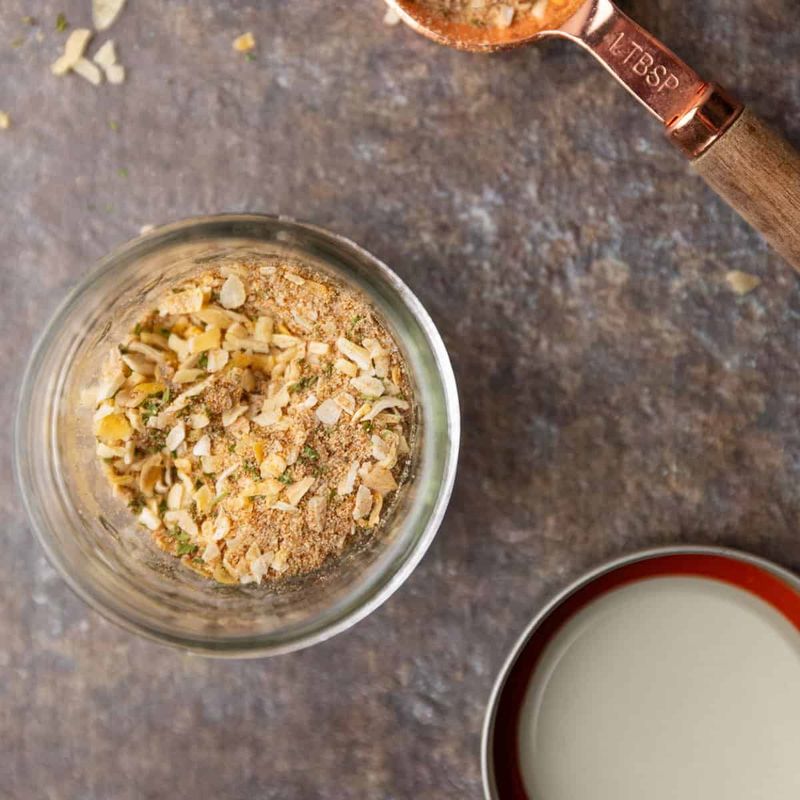
Drying stretches the season. Spread herbs in a single airy layer or hang small bundles out of direct sun.
When crisp, jar them airtight and label clearly.
Tea blends, rubs, and winter soups love these flavors. Crush just before using to release aroma.
Keep jars cool and dark.
A dehydrator speeds the process with gentle heat. Avoid overdrying to dust.
Smart storage makes foraged abundance useful long after the trail fades.
15. Keep a foraging notebook

Your notes become a personalized cookbook. Record where you found each plant, how you cleaned it, and how you cooked it.
Add weather, stage of growth, and flavor impressions.
Patterns emerge quickly across seasons and places. Successful methods repeat, and mistakes shrink.
Ratings help future you decide faster.
Include sketches or photos and any reactions after eating small portions. Data builds confidence.
A thoughtful log turns curiosity into skill.