15 Signs A Pizzeria May Be Cutting Corners

A great pizza place does not need hype to win you over – the pie tells the story fast. Once you know what to notice, the warning signs get surprisingly obvious from the first bite.
Bland crust, greasy cheese, soggy slices, and vague answers at the counter can all point to shortcuts behind the scenes. If you want better odds of finding a truly solid pizzeria, these clues are worth keeping in mind.
1. The crust tastes bland even when it’s hot
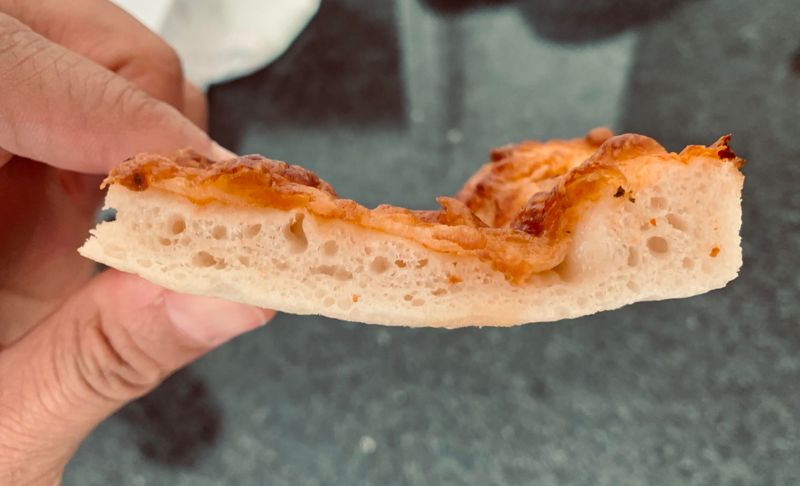
If the crust tastes flat even when the pizza is fresh and hot, that is usually a bad sign. Good dough should have a little salt, a little tang, and enough depth to stand on its own.
When it tastes like plain bread with nothing going on, you are probably eating rushed dough.
I start wondering whether the shop skipped a long fermentation or treated dough like an afterthought. A quality pizzeria knows the crust is not just a topping delivery system.
If the base has no character, every slice feels forgettable no matter what you ordered on top.
2. The crust is pale with no real browning

A properly baked crust should show color, blistering, or at least some real browning around the edges. If the whole pie comes out pale, soft, and almost steamed looking, something went wrong in the oven.
That usually points to low heat, a rushed bake, or equipment settings doing the job badly.
You can taste the difference right away because pale crust often lacks both texture and flavor. Instead of crisp structure, you get softness without purpose.
When a pizzeria cannot coax color out of dough, I start questioning whether speed matters more there than making a balanced, fully baked pizza.
3. The slice collapses into a soggy fold instantly
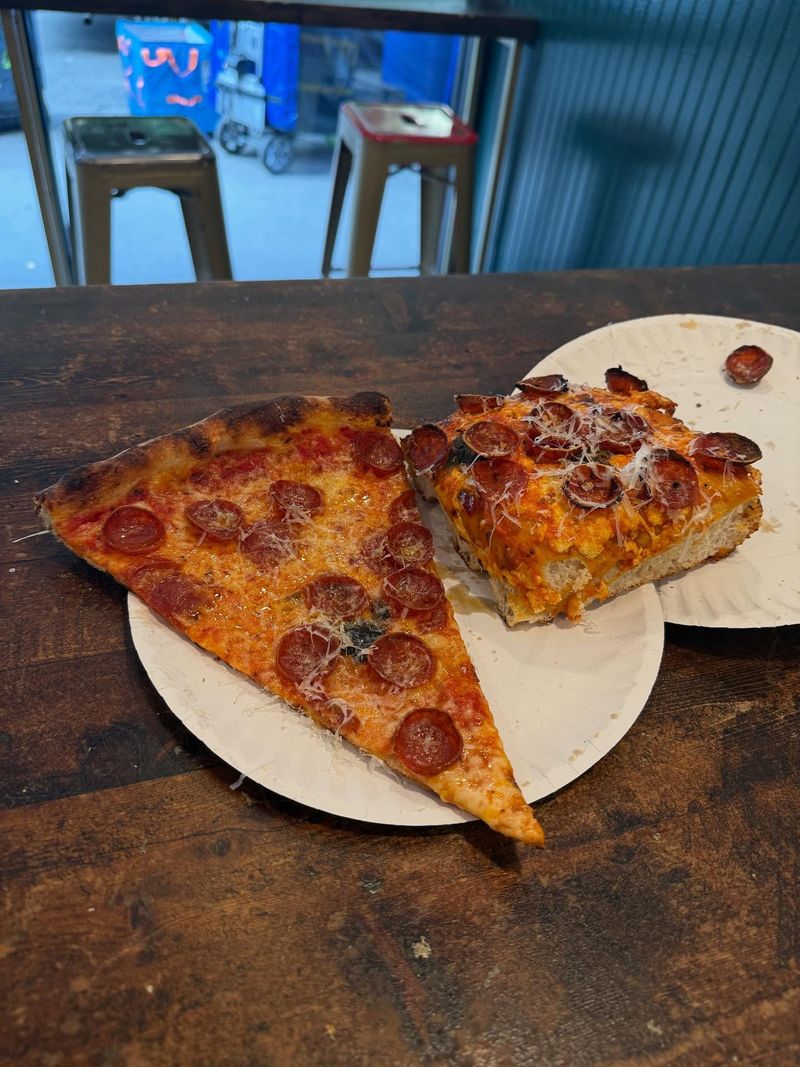
Some pizzas are naturally softer, so a little droop is not automatically a problem. But if your slice folds into a wet mess the second you lift it, that usually signals weak structure underneath.
Watery sauce, cheap cheese, or an underbaked center can all cause that quick collapse.
You should still feel some support from the crust, even on a flexible slice. When everything slides together and the toppings threaten to fall off, the pizza was probably not balanced well.
A good shop understands moisture control, because texture matters just as much as the flavor on top.
4. The cheese layer looks greasy and separates
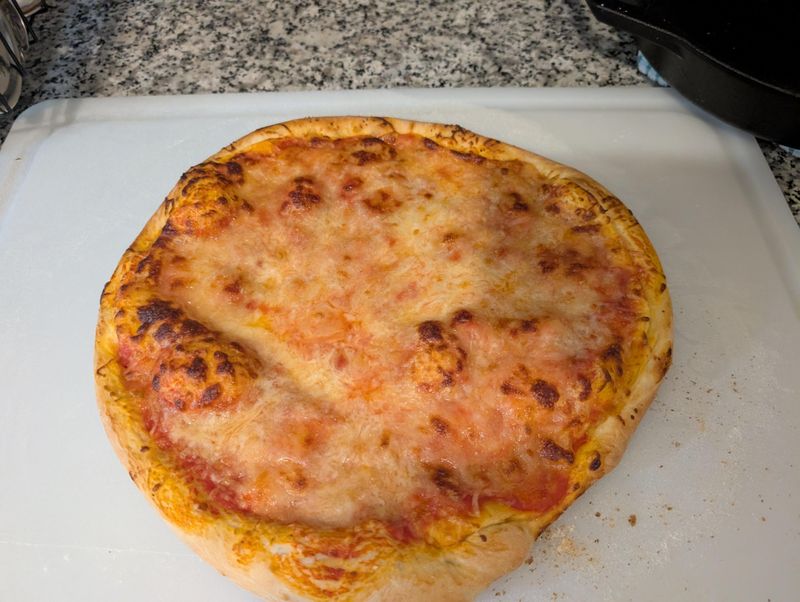
A shiny pizza is normal, but a giant orange oil slick across the cheese is another story. When the top looks like it broke apart into grease and rubber, the cheese blend may be low quality or overloaded with cheaper oils.
Too much cheese can also create that heavy separated look.
The problem is not just appearance, because the mouthfeel usually turns greasy and dull. Instead of creamy melt and balanced richness, you get an oily layer that overwhelms everything else.
When I see cheese separating this badly, I assume the pizzeria is saving money somewhere that absolutely shows in the final pie.
5. The sauce tastes like raw canned tomatoes
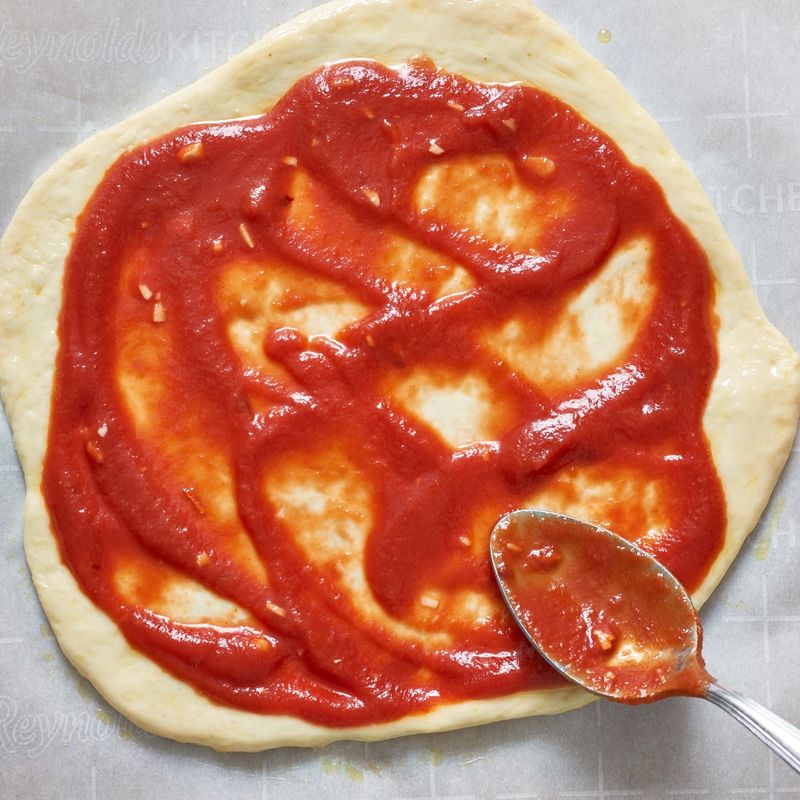
Pizza sauce does not need to be complicated, but it should taste balanced and intentional. If it comes across sharp, metallic, watery, or strangely raw, the shop may not be seasoning it properly.
Sometimes it feels like crushed tomatoes were dumped on dough and sent straight to the oven.
A good sauce supports the crust and cheese instead of fighting both. You want sweetness, acidity, salt, and depth working together in one clean bite.
When the sauce screams canned tomatoes without any care behind it, that usually tells you the pizzeria is skipping one of the easiest places to build flavor.
6. The pizza is overloaded to hide weak fundamentals
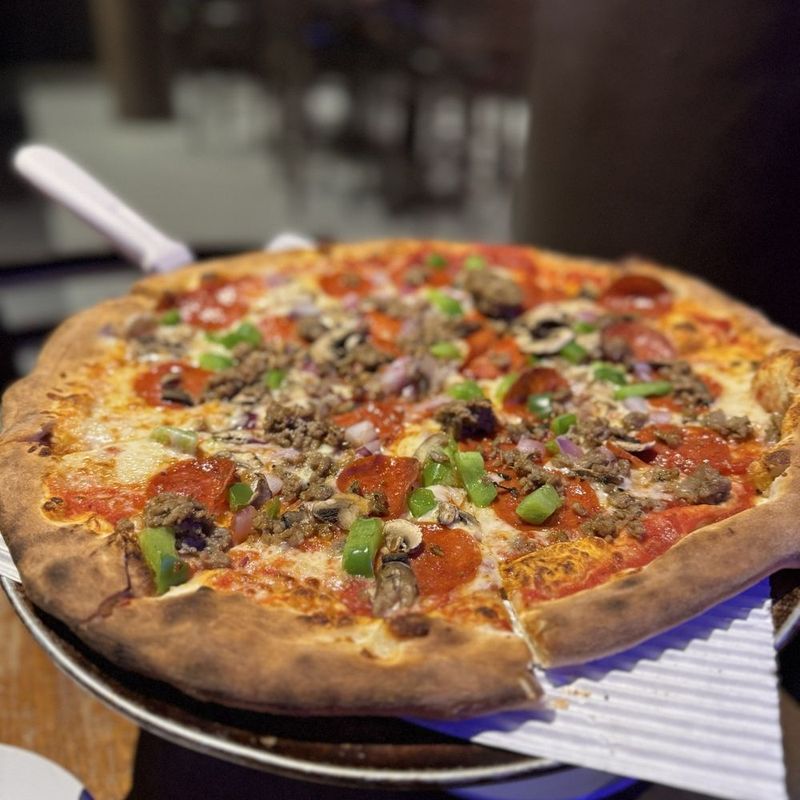
A mountain of toppings can look exciting at first, especially if you are hungry and ordering with your eyes. But sometimes that overloaded pie is hiding a weak crust, bland sauce, or forgettable cheese underneath.
Great pizza rarely needs a pile of distractions to make a strong impression.
When every square inch is buried, the balance usually suffers fast. You lose texture, the center gets heavier, and the ingredients start competing instead of working together.
If a pizzeria seems determined to overwhelm you with volume rather than quality, I take that as a clue that the basics may not hold up alone.
7. The toppings are chopped in inconsistent sizes

When toppings are cut in wildly different sizes, it usually points to sloppy prep rather than rustic charm. Huge chunks next to tiny scraps do not cook at the same rate, so the pizza ends up uneven in texture and flavor.
One bite may feel raw while the next feels dried out.
Consistency matters because it helps the whole pie bake evenly and eat cleanly. You should not have to wrestle one oversized pepper strip off your slice while tiny bits disappear into the cheese.
If the prep station looks careless on the finished pizza, there is a good chance other shortcuts are happening too.
8. Vegetables are watery and undercooked
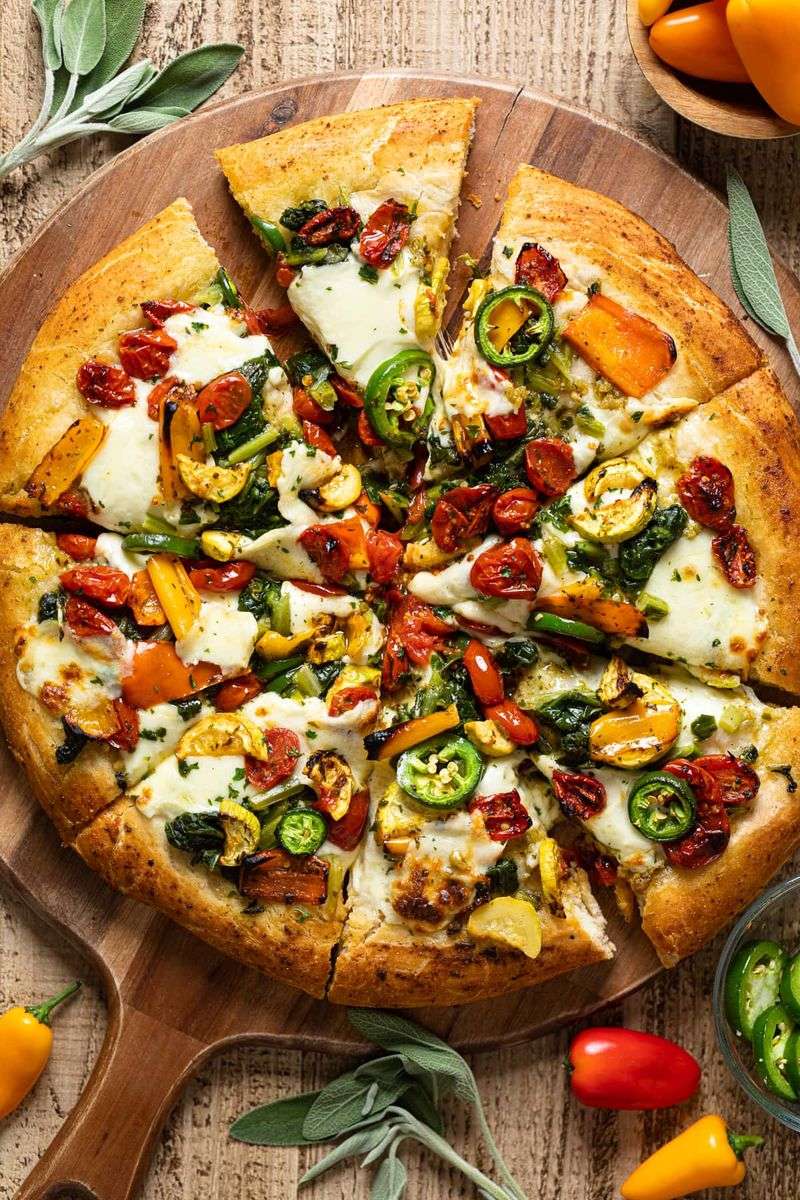
Vegetables can bring sweetness, texture, and freshness to a pizza, but they need to be handled correctly. If mushrooms, peppers, or onions dump water all over the top, the whole slice suffers.
That often means they were thrown on raw without enough thought about moisture or cooking time.
You notice it quickly when the cheese looks wet and the crust beneath turns limp. Instead of adding flavor, those toppings dilute everything around them and make each bite feel sloppy.
A careful pizzeria knows when to pre-cook vegetables, slice them thinner, or use less so the pizza stays balanced from center to edge.
9. The pepperoni cups are floppy and pale
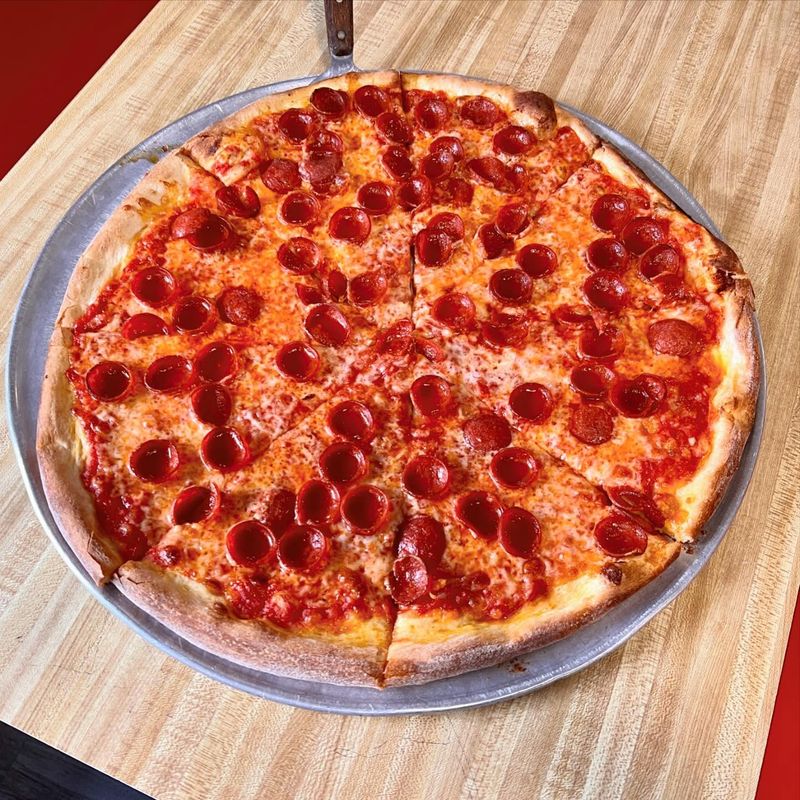
Not every pizza needs classic cupping pepperoni, so I do not treat that shape as a hard rule. Still, pepperoni should look cooked, slightly crisped, and pleasantly rendered around the edges.
If the slices are pale, floppy, and almost steamed, they probably never got the heat they needed.
That can happen when the oven is too cool, the topping is low quality, or the whole pie is overloaded. Instead of smoky spice and crisp texture, you get greasy softness with very little pop.
When pepperoni looks tired before you even take a bite, the rest of the pizza often follows the same pattern.
10. The crust is tough and dry by the time you sit down
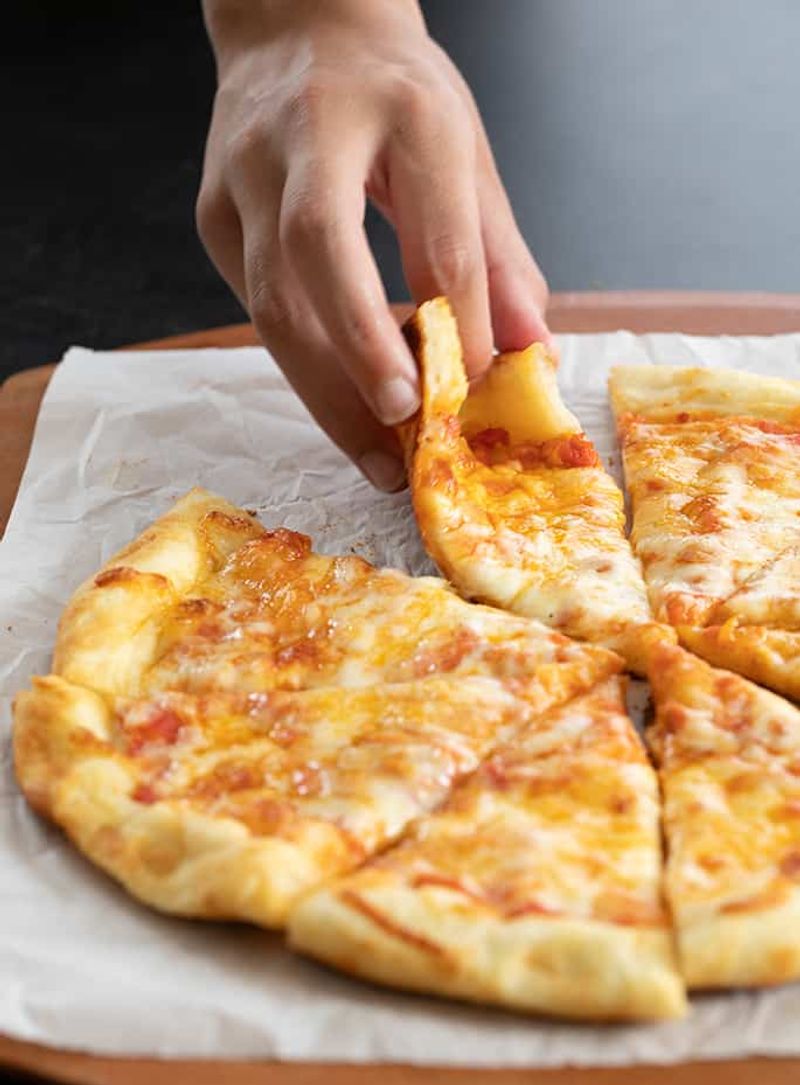
Pizza should not feel stale ten minutes after it hits the table. If the crust is already tough, dry, or hard to chew by the time you sit down, something is off.
Overbaking, old dough, or aggressive reheating can all leave a slice feeling more punished than freshly made.
You want some chew, some crispness, and enough moisture to keep the bite lively. Dry crust makes every topping feel less flavorful because the foundation is pulling the whole experience down.
When a pizzeria serves pizza that seems tired immediately, I start wondering how long that dough or slice sat before reaching you.
11. Every slice tastes identical, no matter the pie
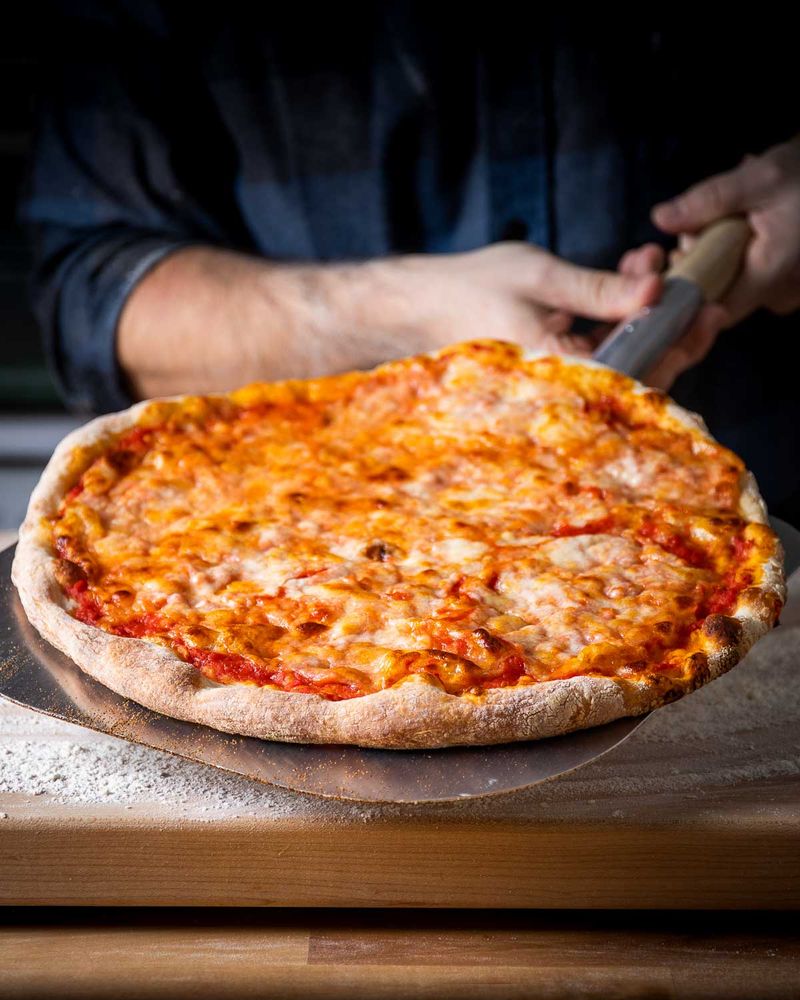
Different pizzas should still share a house style, but they should not all taste almost exactly the same. If every pie is just a generic base with barely noticeable topping differences, the ingredients may be too standardized.
That can happen when a shop relies heavily on pre-portioned components and safe sameness.
A margherita, pepperoni, and vegetable pie should each bring something distinct beyond surface appearance. You should notice changes in sweetness, spice, salt, and texture as the toppings shift.
When every slice lands on the same dull note, it suggests the pizzeria is assembling products rather than truly building pizzas with care.
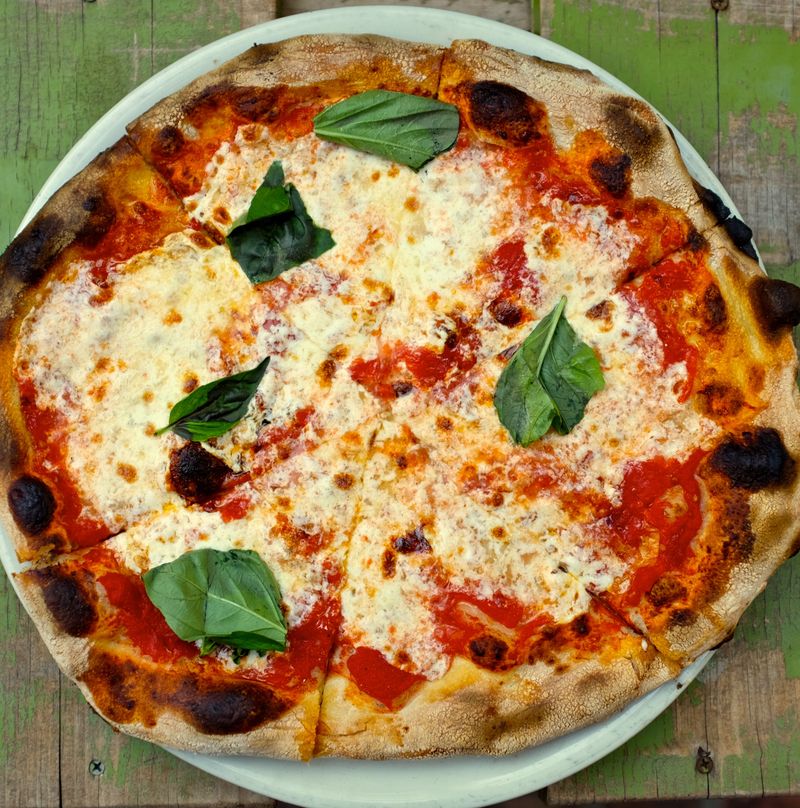
12. The fresh basil looks black and wilted

Fresh basil should brighten a pizza visually and aromatically the moment it arrives. If the leaves are black, limp, and shriveled, they either went on too early or were not fresh to begin with.
That might sound minor, but it reveals how little care went into finishing the pie properly.
Basil is delicate, so timing matters a lot if you want it to stay vibrant. When a pizzeria gets that simple detail wrong, I start wondering what other ingredients are being treated carelessly.
A good finishing touch should make the pizza feel more alive, not like it gave up before reaching your table.
13. The pizza cools down and becomes rubbery fast
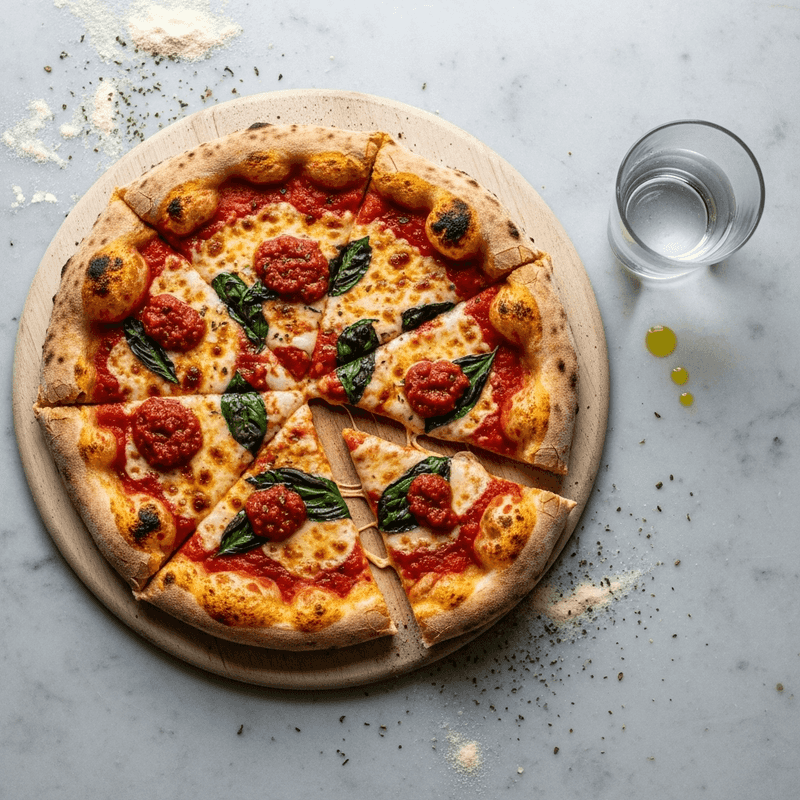
Most pizza changes a little as it cools, but it should not turn rubbery almost immediately. If the cheese stiffens into a stretchy sheet and the crust loses its life fast, the ingredients or bake may be off.
Low quality cheese, underfermented dough, or weak structure can all contribute.
A well made slice still eats nicely after a few minutes, even if it is best hot. You want the texture to settle gracefully, not collapse into chewiness and bounce.
When pizza becomes rubbery before the conversation even starts, it suggests the pizzeria nailed convenience more than craftsmanship or ingredient quality.
14. The crust edge is thick but empty inside
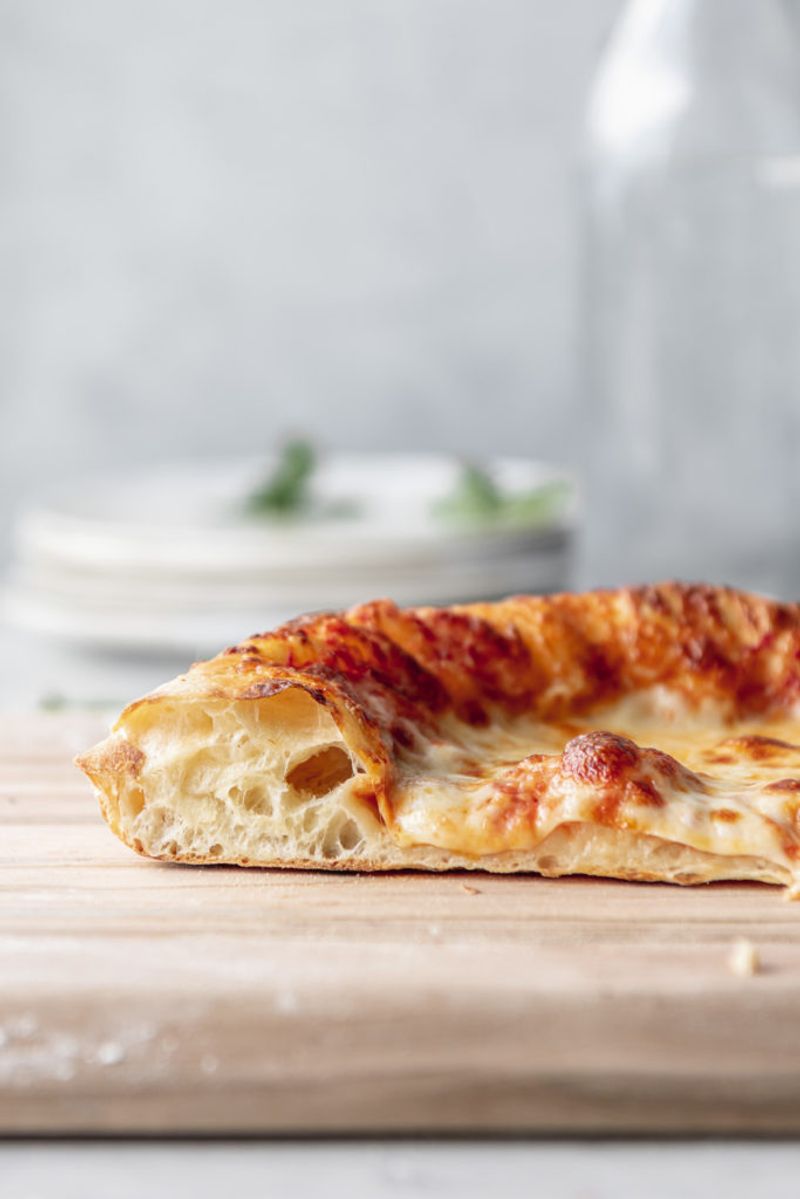
A large crust rim can be wonderful when it has chew, air, and real flavor inside. But a thick edge that feels hollow, empty, or strangely dry usually points to rushed dough development.
It may have risen quickly enough to look impressive without gaining the character that makes crust worth eating.
You can spot this when the outer rim seems dramatic but contributes very little to the meal. Instead of a flavorful finish, you get a puffed shell with not much substance.
When the cornicione looks better than it tastes, I start suspecting shortcuts in fermentation, handling, or overall dough management.
15. The place cannot answer basic pizza questions
You do not need a lecture from the counter staff, but basic questions should get basic answers. If nobody can tell you whether the dough is made daily, fermented overnight, or what mozzarella they use, that is revealing.
It often suggests the shop relies on premade components more than it wants to admit.
Great pizzerias are usually proud of their process, even when they keep the explanation simple. Clear answers build trust because they show someone actually knows what is being served.
When the response is blank stares or vague deflection, I take it as a sign that convenience may be driving the operation behind the curtain.