15 Small Tweaks That Transform A Basic Omelet

A great omelet does not need fancy tricks, just a few smart tweaks that do the heavy lifting. These small changes boost flavor, texture, and confidence at the stove without complicating your morning.
You will taste the difference in every soft, custardy bite and wonder why you did not do this sooner. Ready to turn basic eggs into a brunch level win in minutes?
1. Salt the eggs before they hit the pan
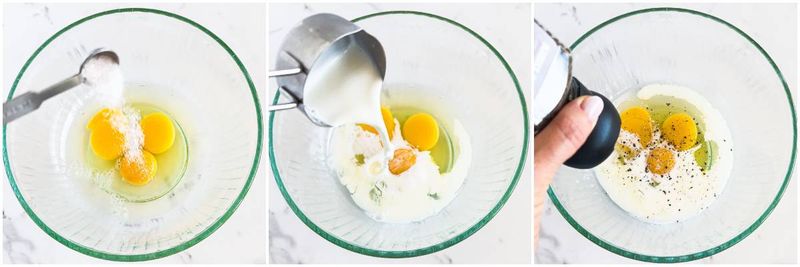
Season the eggs in the bowl, not after they set. A small pinch dissolves as you whisk, spreading salinity evenly and making the omelet taste seasoned from the inside out.
You will notice fuller, rounder flavor without needing to chase it with more salt later.
Early seasoning also helps proteins relax for a softer bite. It is a tiny step that builds better balance and reduces surface saltiness.
Start conservatively, then taste and adjust next time to dial in your perfect level.
2. Add a splash of water, not milk
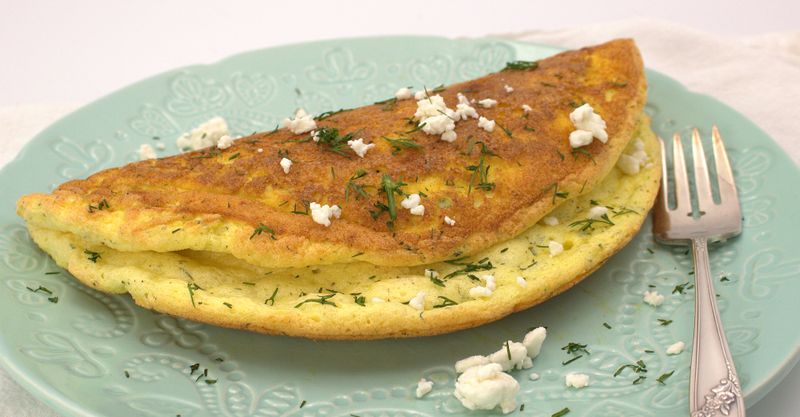
Add a teaspoon of water to the beaten eggs and skip milk. Water flashes into steam as the omelet cooks, creating gentle lift and a light, tender texture.
Milk can mute flavor and weigh things down, sometimes leaving streaks or a slightly rubbery finish.
The steam trick keeps eggs plush without tasting diluted. It is subtle, but you will see puff and softness improve.
Use just a splash, whisk well, and cook with calm heat so the steam does its quiet magic.
3. Whisk longer than you think

Whisk until the eggs look fully homogeneous and lightly foamy, with no streaks of white. Extra whisking adds air, which translates into a tender, evenly set omelet.
It also breaks up thick albumen strands that otherwise cook into chewy patches.
You are aiming for a glossy, even mixture that pours like cream. Thirty to forty seconds is often right for two to three eggs.
This is a low effort upgrade that consistently improves texture, especially when combined with lower heat.
4. Use butter and let it foam
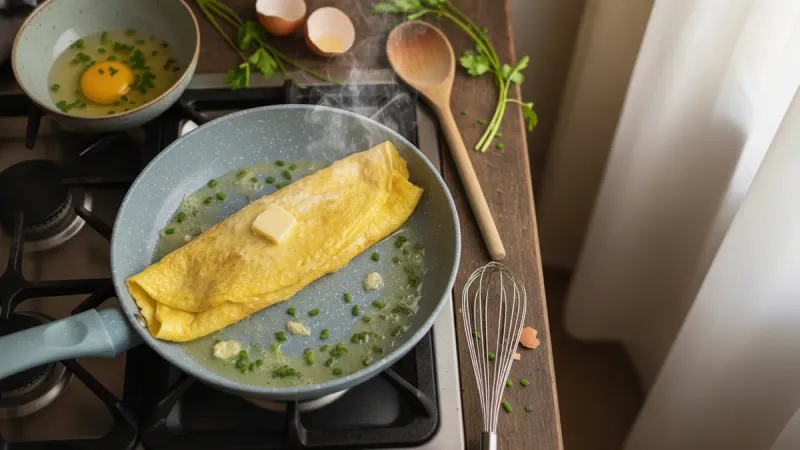
Butter does double duty: it adds flavor and signals heat. When it melts and just begins to foam, the pan is hot enough to set eggs without scorching.
That foam is a cue you are in the sweet spot for gentle, even cooking and easy release.
Let the butter bloom, then swirl to coat. If it browns rapidly, lower the flame and wait.
You want a quiet, creamy sizzle that whispers, not shouts, as the eggs go in.
5. Lower the heat after the butter melts

Once the butter foams, nudge the heat to medium low. High heat toughens proteins quickly and leaves brown spots before the center sets.
Gentler heat gives you control, subtle curds, and a creamy middle that folds without cracking.
Think patience, not power. Tilt and nudge the eggs as they set, letting uncooked portions flow to the edges.
This measured pace turns a rushed scramble into a custardy omelet that tastes thoughtfully made.
6. Add a pinch of something savory
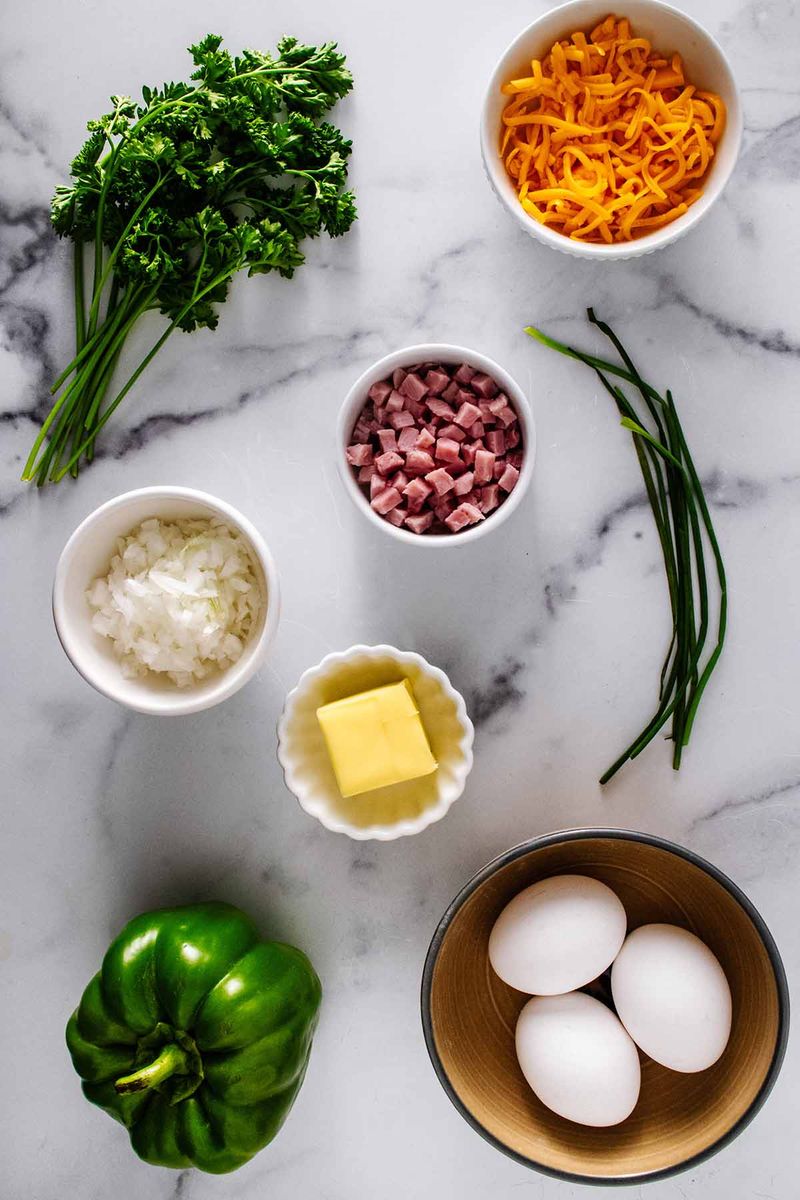
A micro pinch of garlic powder, onion powder, or smoked paprika deepens flavor without shouting. You are not making a spice omelet, just nudging the background.
That quiet savoriness makes plain eggs feel more complete and interesting.
Sprinkle into the bowl before cooking so it disperses evenly. Start with less than you think you need, then build next time.
The goal is a whisper that supports butter, cheese, and herbs, not a takeover.
7. Finish with fresh herbs
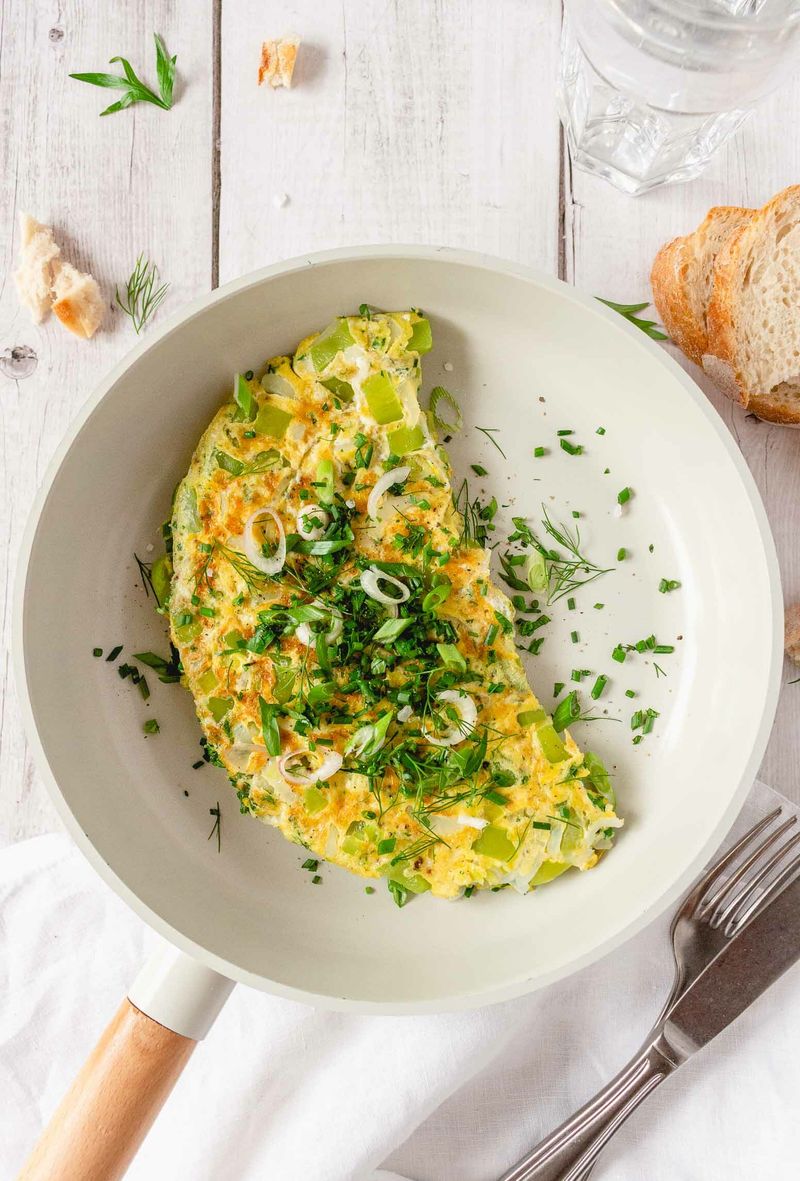
Fresh herbs wake up rich eggs instantly. Chives, parsley, dill, basil, or cilantro add brightness and a little perfume that reads as brunchy sophistication.
Even a scant sprinkle across the fold changes how the whole plate tastes and looks.
Chop just before serving to keep flavors vivid. Scatter on top or fold a pinch inside at the end so they do not wilt.
You will get freshness in every bite instead of tired, cooked herb flavor.
8. Use a stronger cheese

Swap bland cheese for sharp cheddar, feta, goat cheese, or Parmesan. Stronger cheeses bring salty tang and umami, so a little goes a long way and the omelet does not taste like plain eggs with stuff.
The punch balances butter and lifts herbs beautifully.
Add near the end so it melts without weeping oil. Use smaller pieces for even distribution.
You get pockets of flavor that feel intentional instead of heavy blankets.
9. Warm your fillings first

Cold fillings cool the eggs and can make an omelet tear as you fold. Give mushrooms, onions, peppers, or spinach a quick sauté so they are hot, tender, and relatively dry.
This helps cheese melt smoothly and keeps the interior from turning watery.
Keep portions modest so the omelet can close neatly. Layer warmed fillings just as the eggs set for a seamless fold.
The result is cohesive and melty, not patchy and cold.
10. Add something crunchy

Texture sells satisfaction. A modest sprinkle of crunch on or inside the omelet instantly makes each bite more interesting.
Think crisp bacon, fried onions, toasted nuts, or crushed tortilla chips for a breakfast taco vibe that wakes everything up.
Use restraint so crunch accents rather than dominates. Add at the end or just before folding to preserve snap.
Paired with soft eggs and melty cheese, that contrast feels like a chef move done in seconds.
11. Add a bright finish
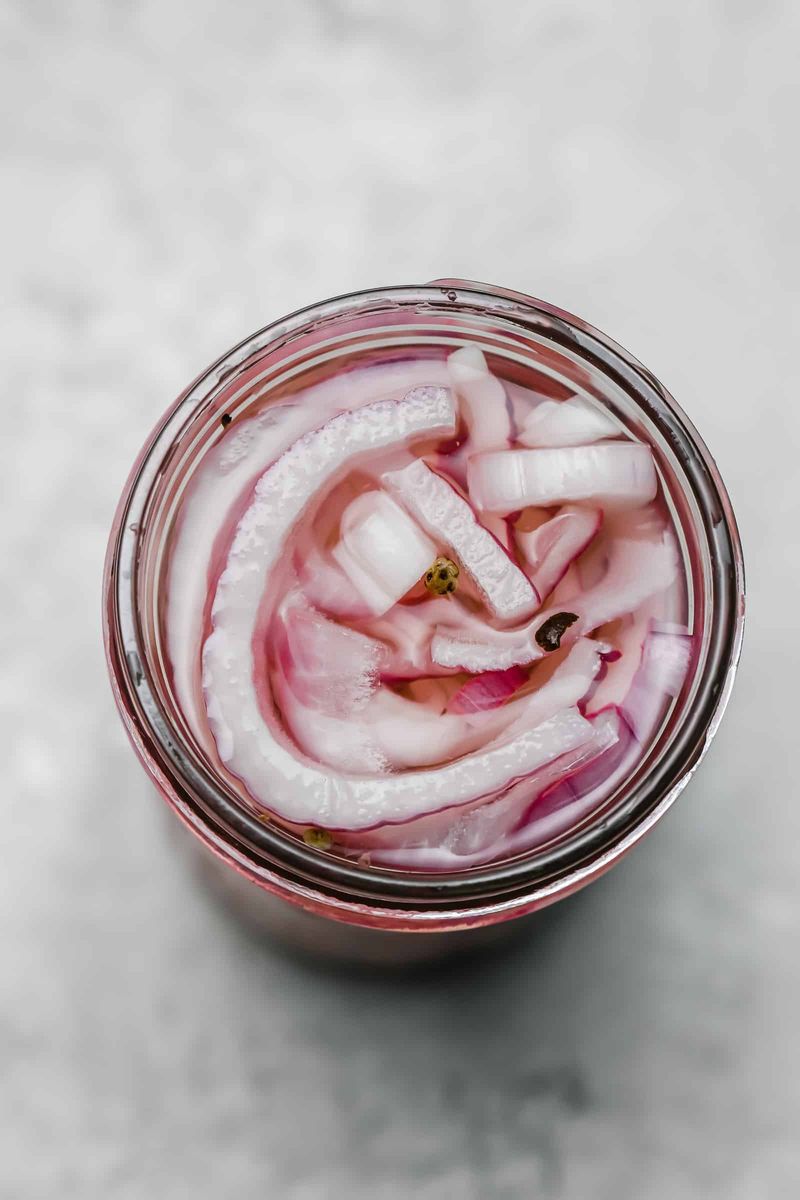
Rich eggs love contrast. A squeeze of lemon, spoon of salsa, or scatter of pickled onions slices through butter and cheese, making flavors pop.
That quick brightness wakes your palate so the last bite tastes as lively as the first.
Keep the dose small to avoid sogginess. Drizzle or dot right before serving, or serve on the side for control.
Your omelet goes from cozy to dynamic in a second.
12. Try a savory spread inside

Paint a thin layer of pesto, tapenade, harissa, or chili crisp inside the fold. You get big personality without bulky fillings, and every slice carries the same flavor.
It is like seasoning from the inside, with aromas that bloom as the omelet warms.
Use a light hand to avoid oozing. Pair spreads with a mild cheese and fresh herbs for balance.
The result tastes clever but effortless, ideal for fast weekday upgrades.
13. Add a spoon of something creamy
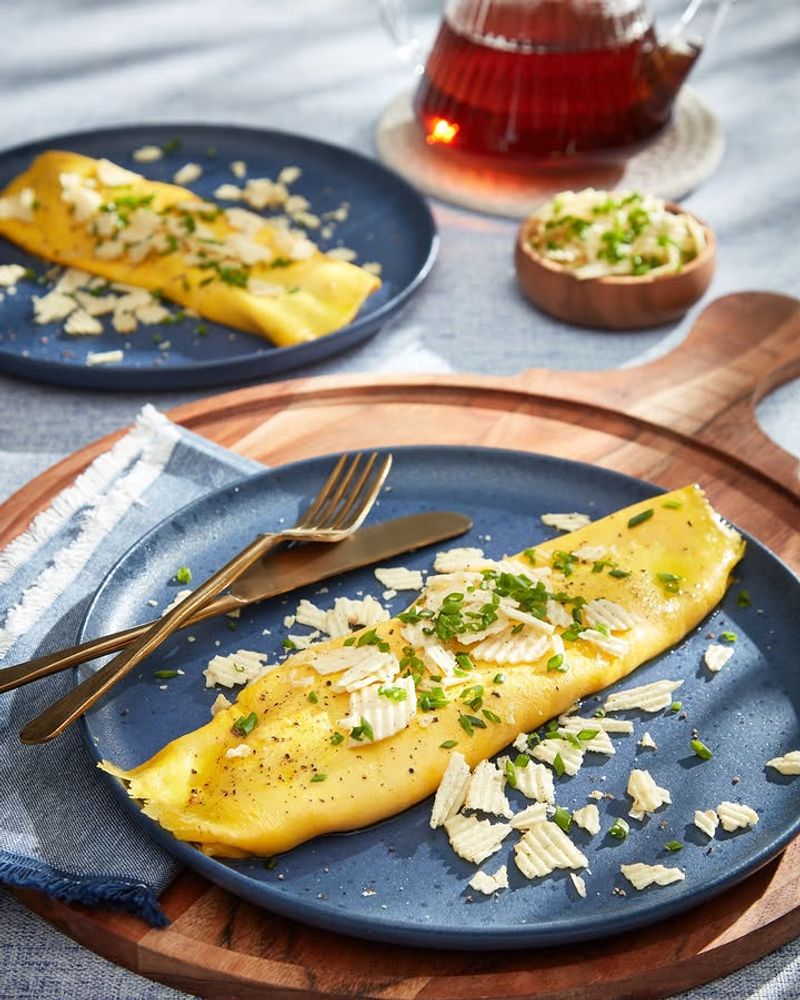
Slip in a spoon of ricotta, cream cheese, or sour cream for plush, hotel style richness. The creaminess cushions the eggs and blends with cheese into a luxurious center.
It also tamps down salt, giving you room for a bright finish on top.
Add near the end in small dollops so it gently warms, not weeps. Fold carefully and let it rest briefly to settle.
Each forkful feels velvety without heaviness.
14. Top it like a plate, not a fold
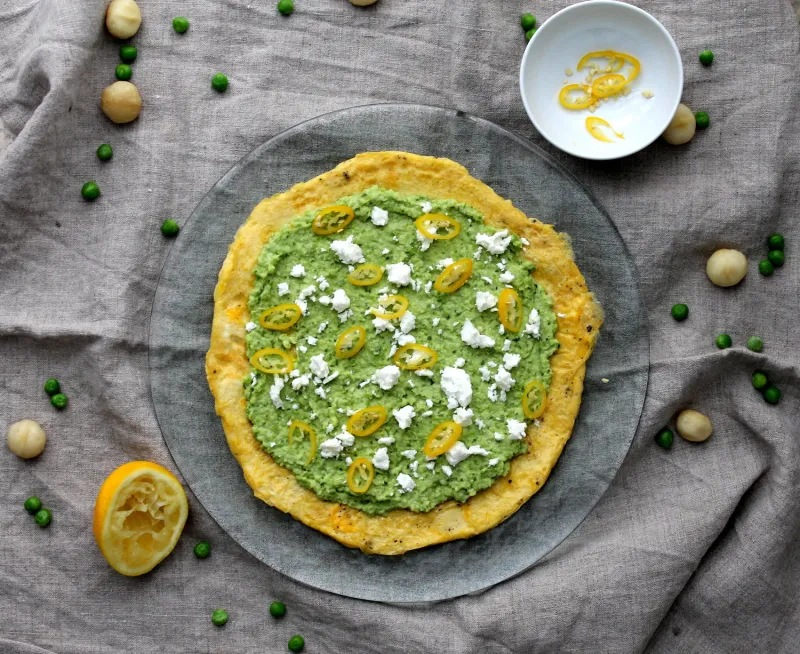
Treat the omelet like a canvas and finish it openly. Instead of hiding everything inside, top with avocado, microgreens, shaved cheese, or a drizzle of sauce.
It looks intentional and eats better because textures and temperatures stay vivid.
Cook the eggs softly, then slide onto a warm plate and garnish right away. This approach turns breakfast into a composed dish you would serve guests proudly, no extra time required.
15. Let it slightly undercook, then rest
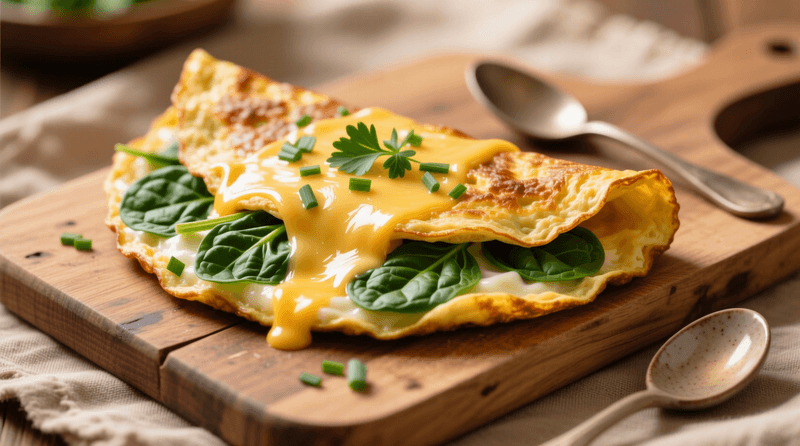
Pull the omelet when it is just set but still softly glossy. Residual heat will finish the center without drying it out.
That brief rest evens textures so the outside is not overcooked while the middle catches up.
Give it thirty to sixty seconds before cutting. The payoff is tender, custardy bites that hold together yet feel delicate.
It is the simplest way to cook with confidence and avoid chalky eggs.