15 Soda Flavors From The 1970s That Faded From The Market
Crack open a time capsule, and you can almost hear the pop and fizz of long-lost flavors from the 1970s. This was a decade of experiments, bold branding, and curious ideas that sometimes vanished as quickly as they appeared.
You will spot early diet plays, citrus gambles, and quirky mixers that tried to reinvent the soda aisle. Ready to revisit the oddballs that briefly ruled the fridge, then slipped away?
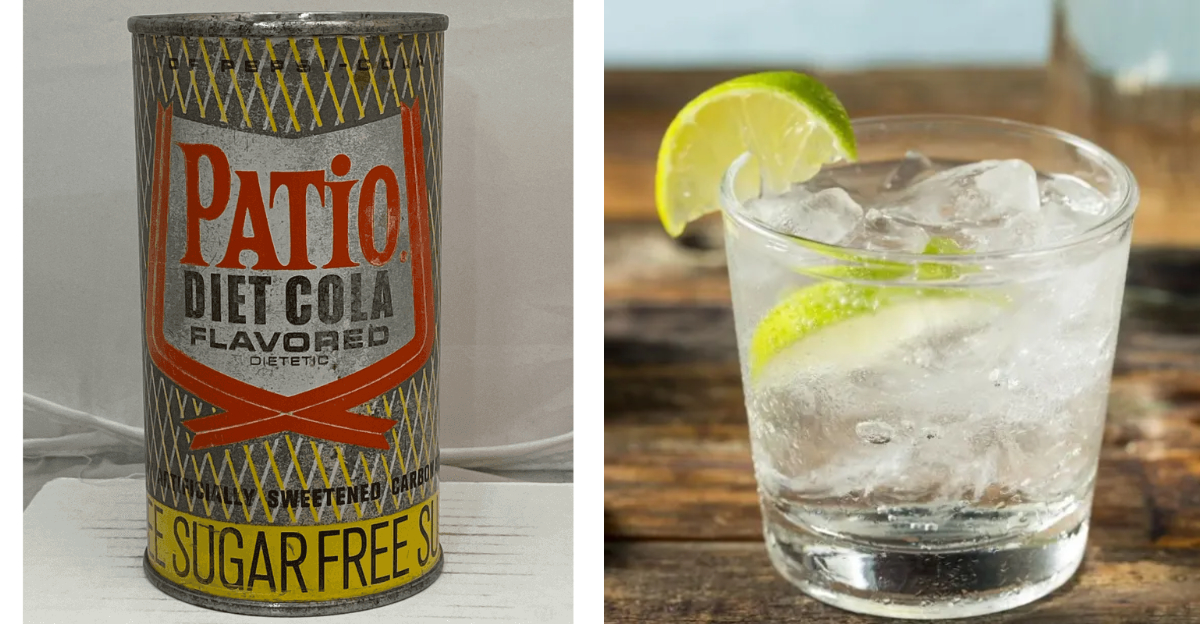
1. Patio Diet Cola
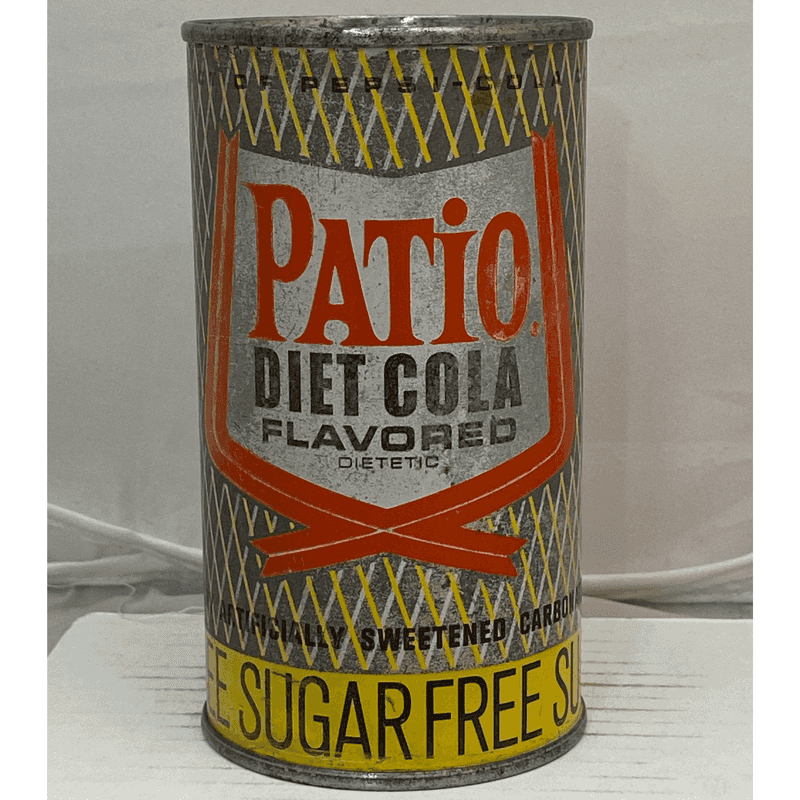
Before diet cola felt ordinary, Patio Diet Cola stepped in as a careful pitch to calorie counters. You can picture the slim can, the tidy fonts, and the promise of modern living without sugar overload.
It was PepsiCo testing the waters, gauging whether a lighter cola had staying power.
The taste leaned crisp, a bit restrained, and very of its era. Over time, branding evolved, and Patio slipped behind bigger names and cleaner labels.
You might remember it from ads that hinted at sophistication. Then it faded, leaving an echo many modern diet colas still chase.
2. Patio Orange
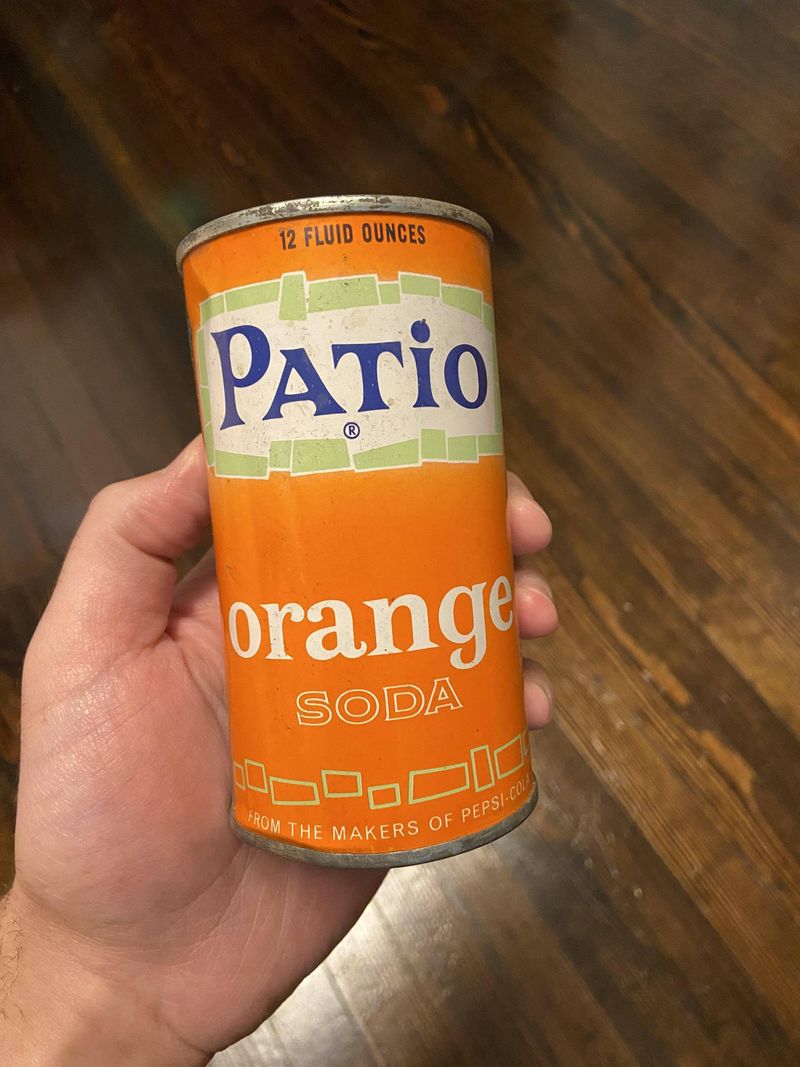
Patio Orange promised a sunny, diet-friendly splash that felt playful and bright. The can’s citrus pop matched the decade’s cheery palettes, with optimism baked into every bubble.
You could almost taste the promise that soda could be both light and lively without feeling skimpy.
As the Patio line thinned, this flavor slipped too, overshadowed by bigger orange names and changing diets. It was part of a larger attempt to fill every shelf niche.
Today it reads like a blueprint for zero-sugar oranges. Back then, it was a bold bet that did not quite stick.
3. Patio Root Beer
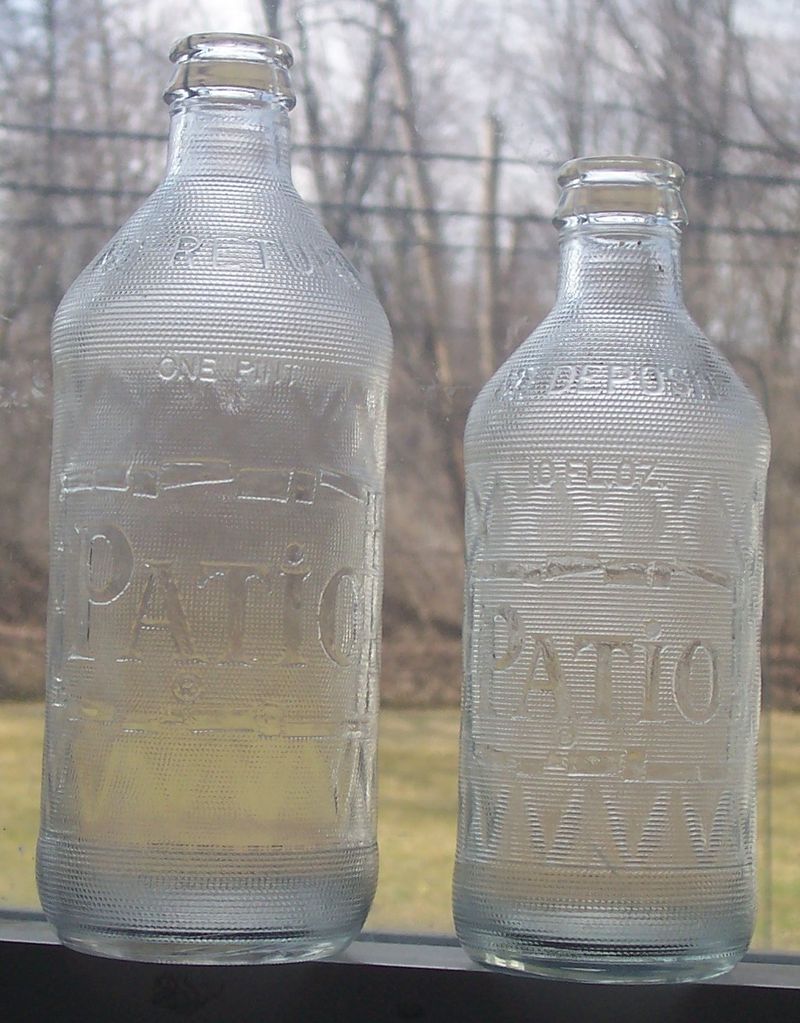
Diet root beer sounds normal now, but Patio Root Beer felt like a curious tweak in its time. That creamy, herbal profile needed sweetness to sing, and dialing it back was a tricky art.
Still, it arrived with confidence, promising the familiar float experience with fewer calories.
Brand consolidation and shifting priorities nudged it off shelves. The line’s phase-out took this flavor with it, despite loyal sippers.
It left behind the idea that even classic, nostalgic styles could go lighter. Many modern diet root beers owe a nod to this early attempt.
4. Patio Imitation Grape
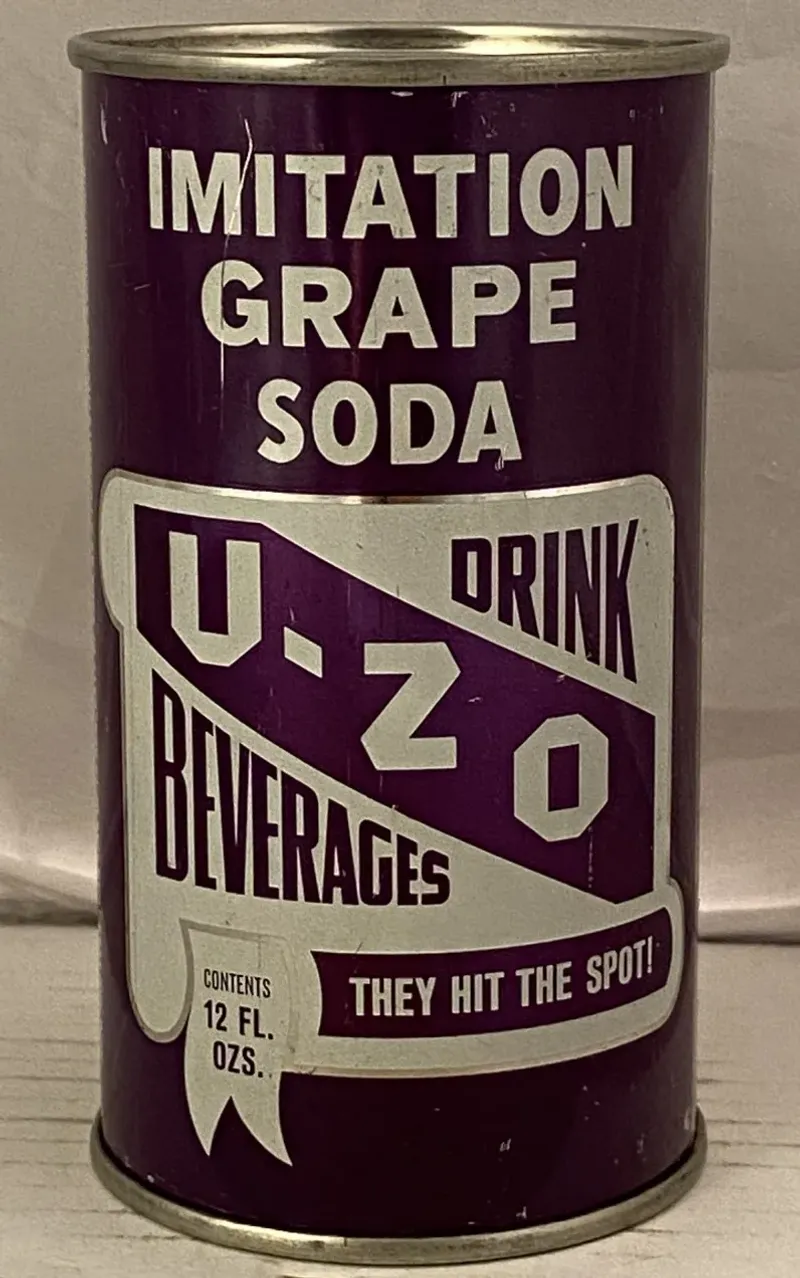
Even the name says throwback: Imitation Grape, loud and unashamed in purple tones. It delivered that candy-grape zing people loved at movie theaters and school dances.
Within the Patio lineup, it signaled breadth, not just cola clones, aiming to satisfy every sweet tooth.
As the brand tightened and eventually disappeared, this one went quiet too. It felt fun, slightly artificial, and exactly right for the time.
You could imagine pouring it over crushed ice in a plastic cup. Today, it is a memory fizzing behind more refined grape sodas.
5. Patio Imitation Strawberry
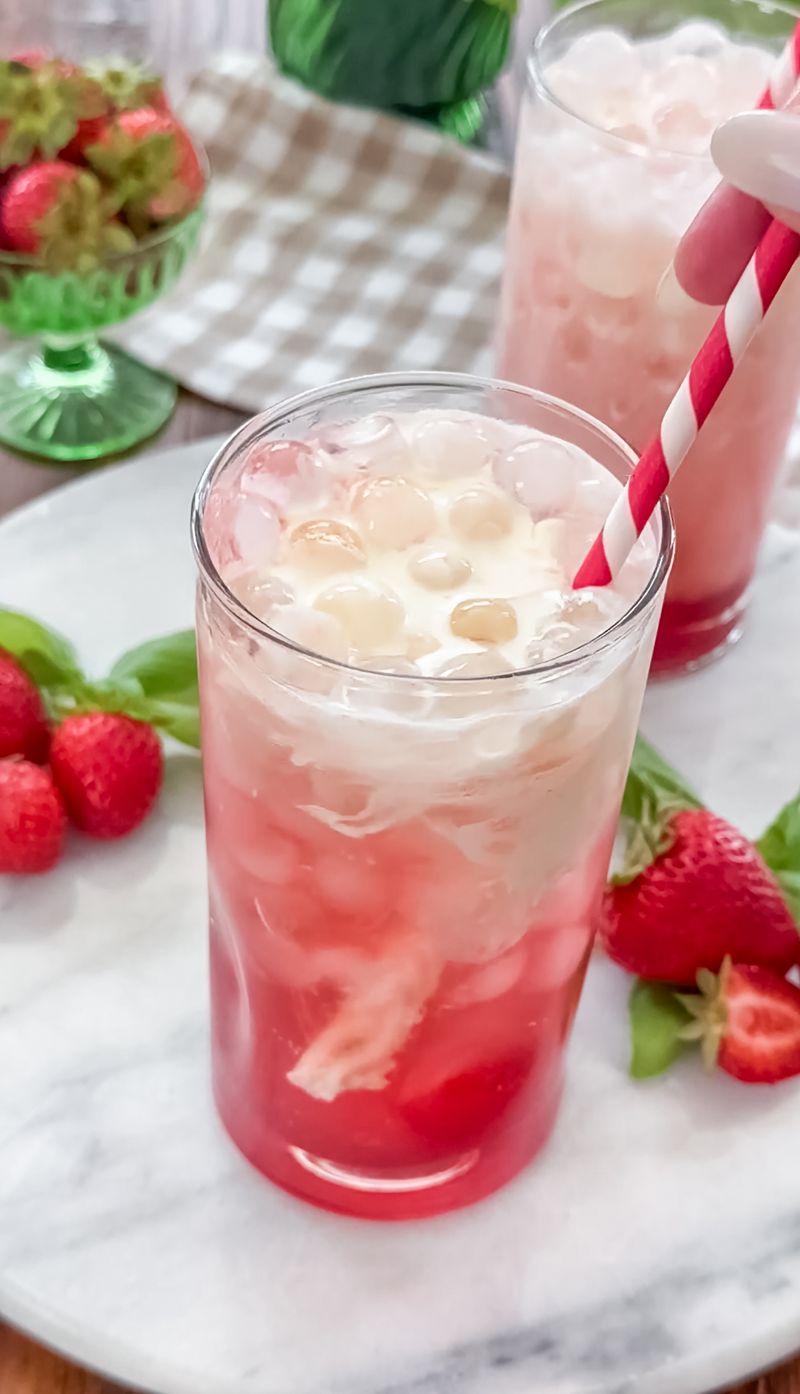
Patio Imitation Strawberry leaned into a playful, candy-bright profile, dialing back sugar while keeping the pop. It promised a strawberry burst that felt picnic-ready and unapologetically synthetic.
For a moment, it carved out a lane for diet fruit flavors beyond citrus and cola.
Then the lineup thinned, and this flavor faded with it, overshadowed by later zero-sugar tech. You might remember the pinkish labels and cheerful ads.
It hinted at a world where diet did not mean dull. In the end, changing tastes and branding shifts closed the chapter quietly.
6. Patio Dry Ginger Ale
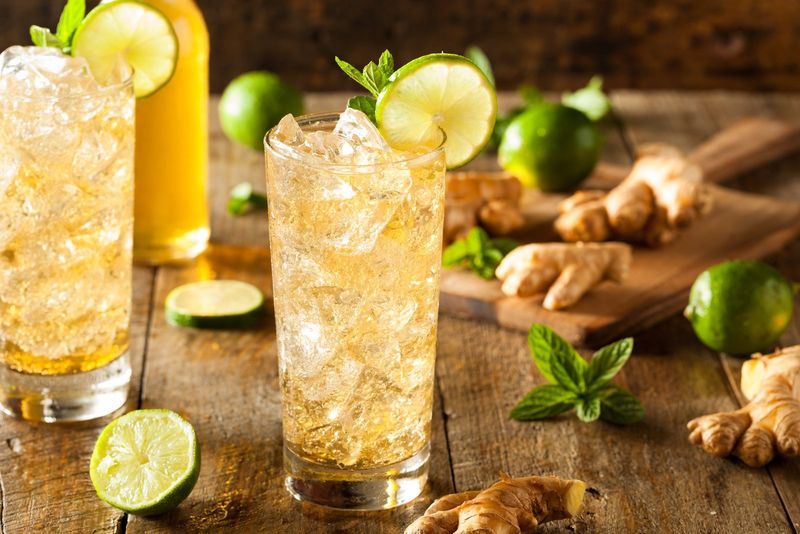
Patio Dry Ginger Ale brought mixer energy to a diet-focused family. Dry meant crisp, with a restrained sweetness you could sip solo or splash into cocktails.
It hinted at sophistication, the kind of drink stocked beside tonic and club for Friday night gatherings.
As Patio receded, so did this can, replaced by bigger ginger ale names with broader reach. Still, it helped normalize lighter ginger options for calorie-conscious drinkers.
You could taste the bite without a syrupy finish. Its quiet exit left space for today’s slimline, sharper ginger ales to shine.
7. Patio Dry Tonic Water
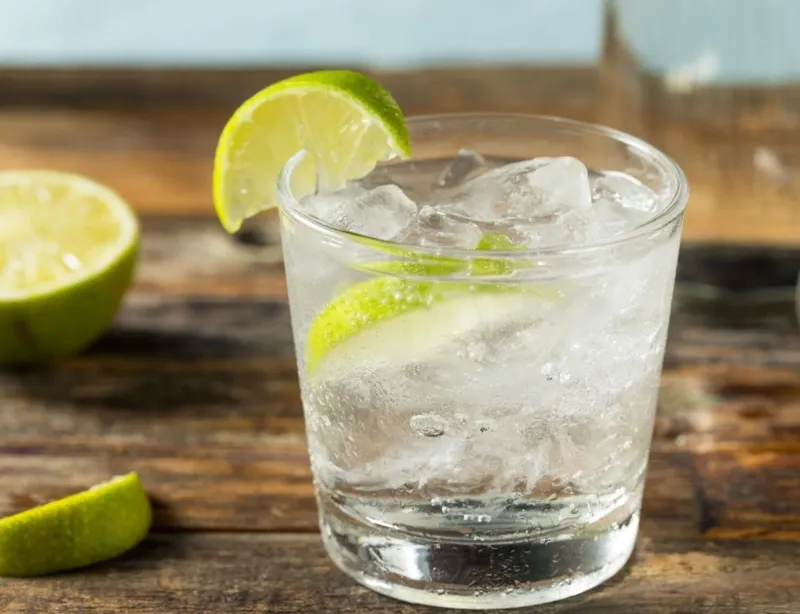
Patio Dry Tonic Water felt like the savvy mixer for lighter cocktails. Bitter quinine, bubbly lift, and a cleaner profile aimed squarely at mindful drinkers.
It fit the Patio promise: a full bar cart in diet form, ready for gin and sizzling summer evenings.
Eventually the line collapsed, and this tonic slipped into memory as mainstream brands took over. You might remember its tidy can and smart, understated branding.
It made the case that diet did not need to shout to be useful. Then it vanished, leaving a crisp afterthought.
8. Patio Dry Club Soda
Not glamorous, but practical, Patio Dry Club Soda rounded out a utilitarian shelf. It was for spritzers, tall highballs, or simply cutting sweetness in other drinks.
The bubbles were brisk, the flavor neutral, a quiet workhorse behind brighter cans.
As the Patio name disappeared, so did this reliable mixer. Bigger seltzer and club soda brands stepped in without missing a beat.
You kept buying bubbles, just not these. It is the kind of product that rarely earns headlines, yet defines how home bars once looked.
9. Patio Red Cherry
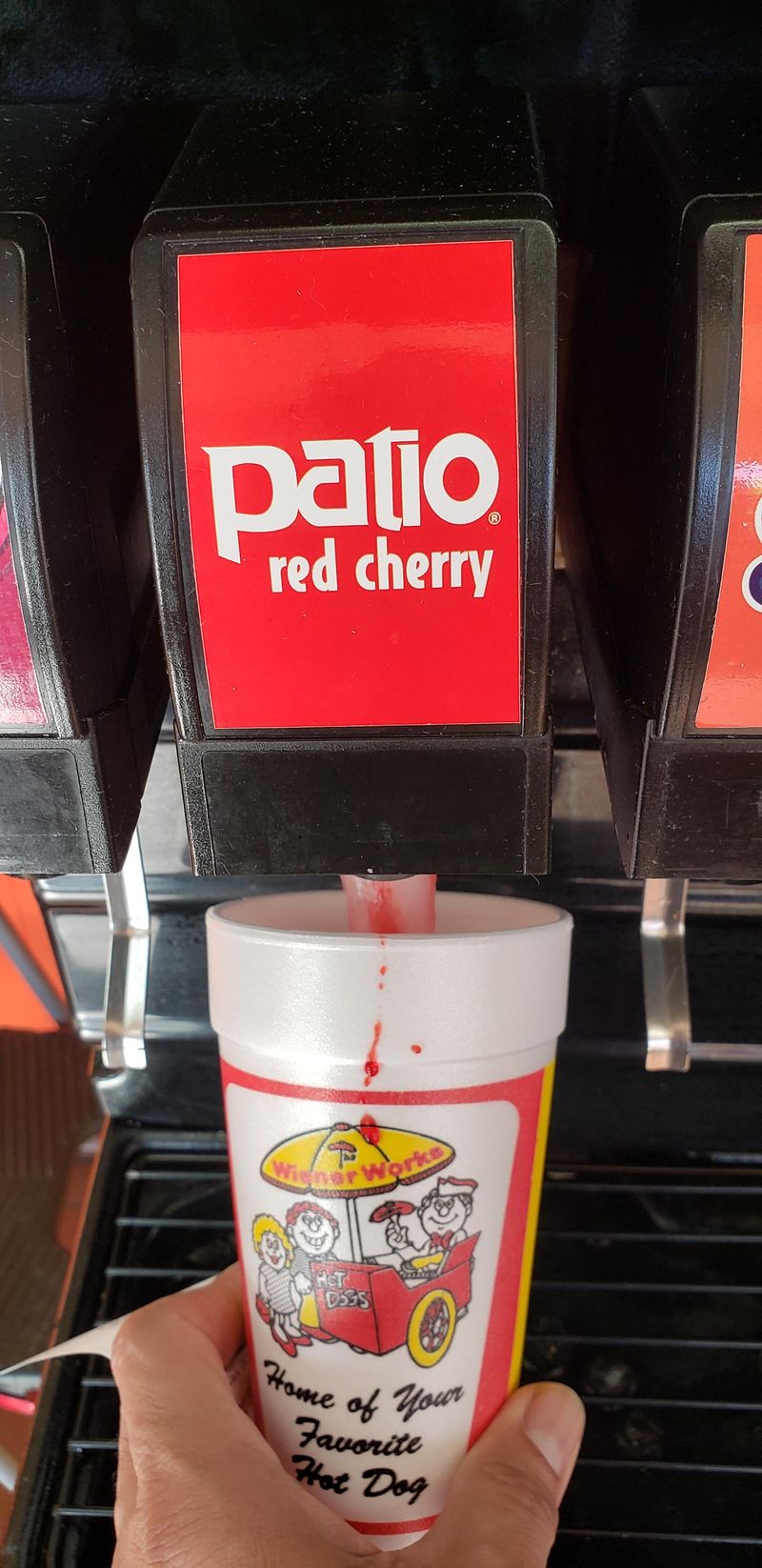
Patio Red Cherry stands out because it was not strictly diet like the rest. It flashed bright candy-red confidence, promising a soda-shop vibe in a can.
You could picture it poured over crushed ice, cherry aroma drifting up like a sundae topper.
When the Patio umbrella folded, this flavor folded too, despite that playful edge. It felt like a treat, a cousin to classic cherry colas without the darker bite.
The memory lingers in cherry variations today. Still, this exact version belongs to another age entirely.
10. Simba (lemon citrus)

Simba charged in with thirst-quenching swagger, a lemon-citrus punch meant for active days. The branding felt tough and outdoorsy, staking ground against other bright sippers.
It promised refreshment that hit fast, then moved on without syrupy weight.
Despite the push, Simba did not hit Coke’s targets and was discontinued in 1972. If you remember it, you likely recall the kinetic ads and tart snap.
It was a loud entry with a short arc. The citrus lane stayed crowded, and Simba’s roar faded quickly.
11. Pepsi Light (lemon twist)
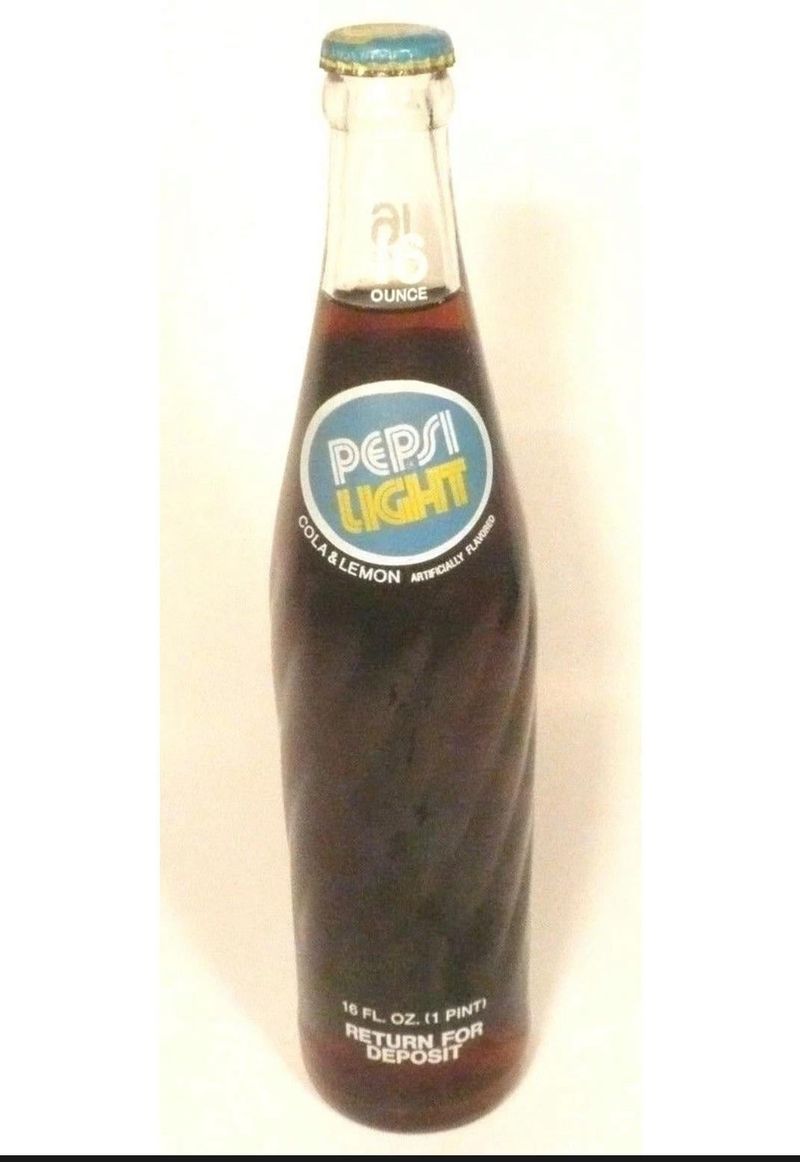
Pepsi Light added a lemon twist to a lower-calorie cola, aiming for brightness over heaviness. It felt like an experiment you could actually drink every day.
The citrus lift tried to balance artificial sweeteners with a clean, zippy edge.
Introduced in 1975, it eventually lost shelf space to simpler diet branding and improved formulas. You can sense the prototype DNA behind later successes.
It was a stepping stone, not a destination. For a while, though, that lemon note made regular cola taste a bit sleepy.
12. Rondo (citrus)
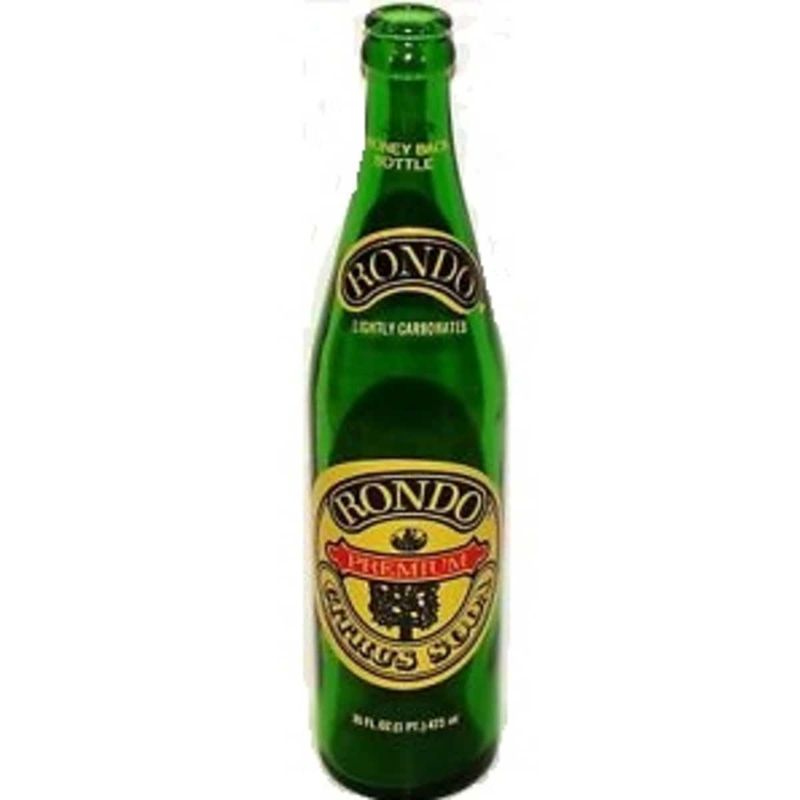
Rondo showed up with high-adrenaline marketing and a slam-it-down-fast persona. The citrus profile was bold, almost sports-drink adjacent, but unmistakably soda.
Commercials made it feel like a badge of courage to chug.
Distribution stayed spotty, and the momentum never fully landed. Limited markets remembered it fondly while others barely saw a can.
It became a cult footnote from a loud decade. If you caught it cold on a hot day, you understood the appeal immediately.
13. Diet Rondo
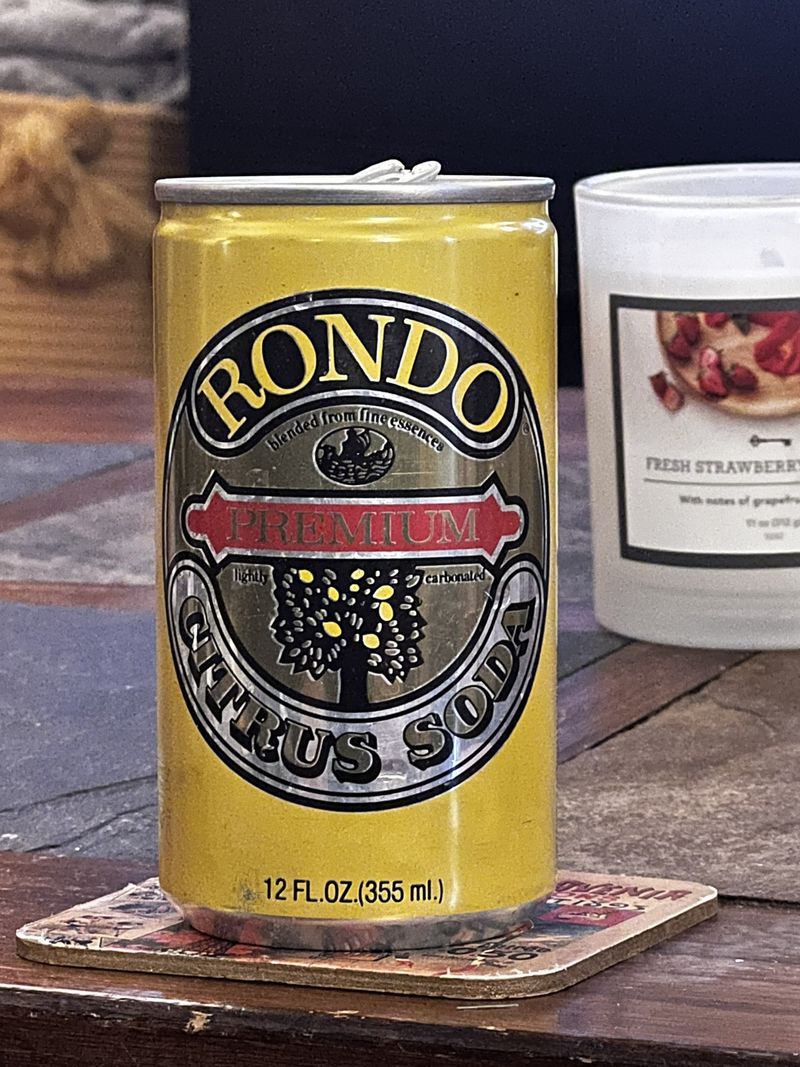
Diet Rondo took the same daredevil pitch and lightened the load. The idea was fun first, calories second, a very 1970s balancing act.
Ads nudged you to move, sweat, then crush a can with a grin.
Like its full-sugar sibling, distribution never reached escape velocity. It faded as quickly as the trend shifted, leaving fans with memories and maybe a saved can.
The concept foreshadowed fitness-forward sodas. Execution, though, could not outrun the market’s pivots.
14. Teem (lemon-lime)
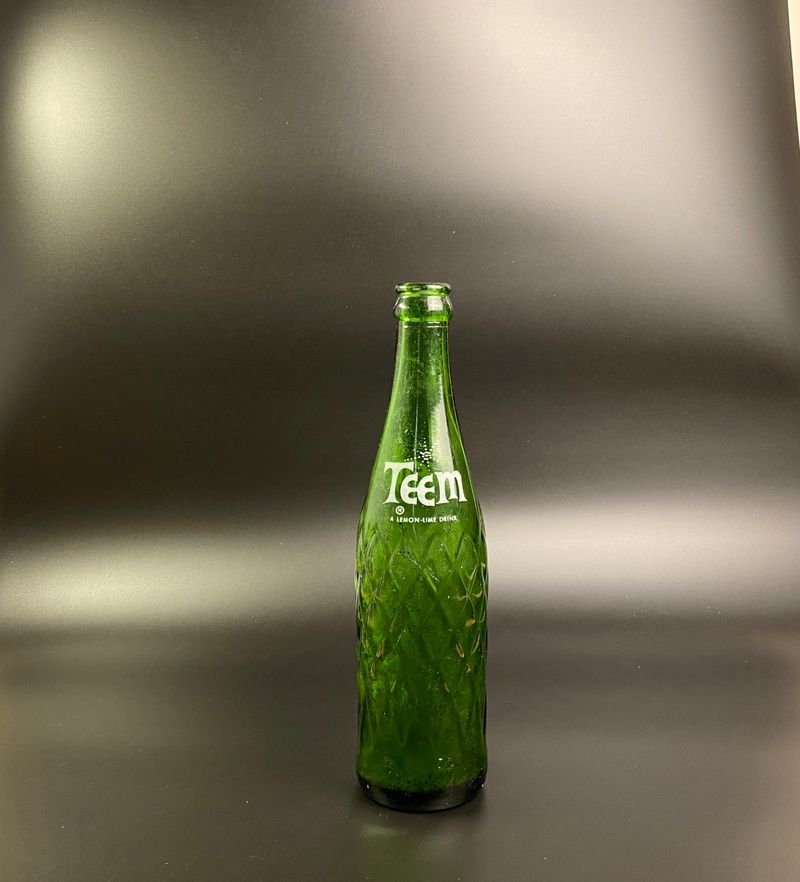
Teem was a crisp lemon-lime contender that felt clean, fast, and uncomplicated. It held its own through the 1970s, especially wherever fountains and vending machines met.
The taste leaned dry compared to sweeter rivals, a nice palate refresher between bites.
Though discontinued in the U.S. by 1984, Teem lingered abroad, a quiet survivor in scattered markets. If you grew up with it, you might still crave that tidy sparkle.
Shelves moved on to bigger brands. The memory remains chilled and clear as ice.
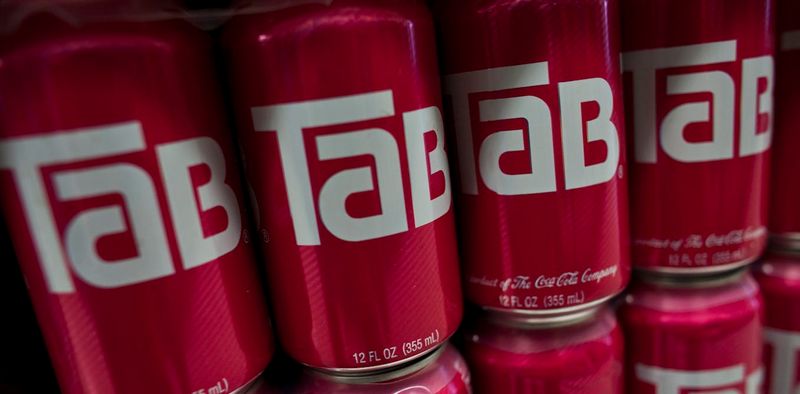
15. TaB (diet cola)
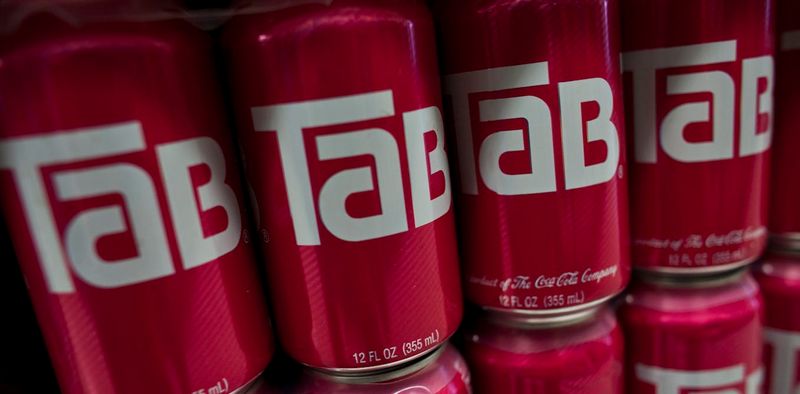
TaB was the sassy, unmistakable face of diet cola long before zero sugar went mainstream. It carried attitude, a fashion accessory in aluminum.
The flavor was distinct, a little sharp, and wholly memorable if it clicked with you.
Though a 1970s icon, it survived decades before finally ending in 2020 during portfolio trims. You can still picture that magenta mark in vending machines and office fridges.
It proved a diet brand could have a cult. Its goodbye felt like closing a glittery, fizzing chapter.