15 Things To Know When Dining At Korean Restaurants
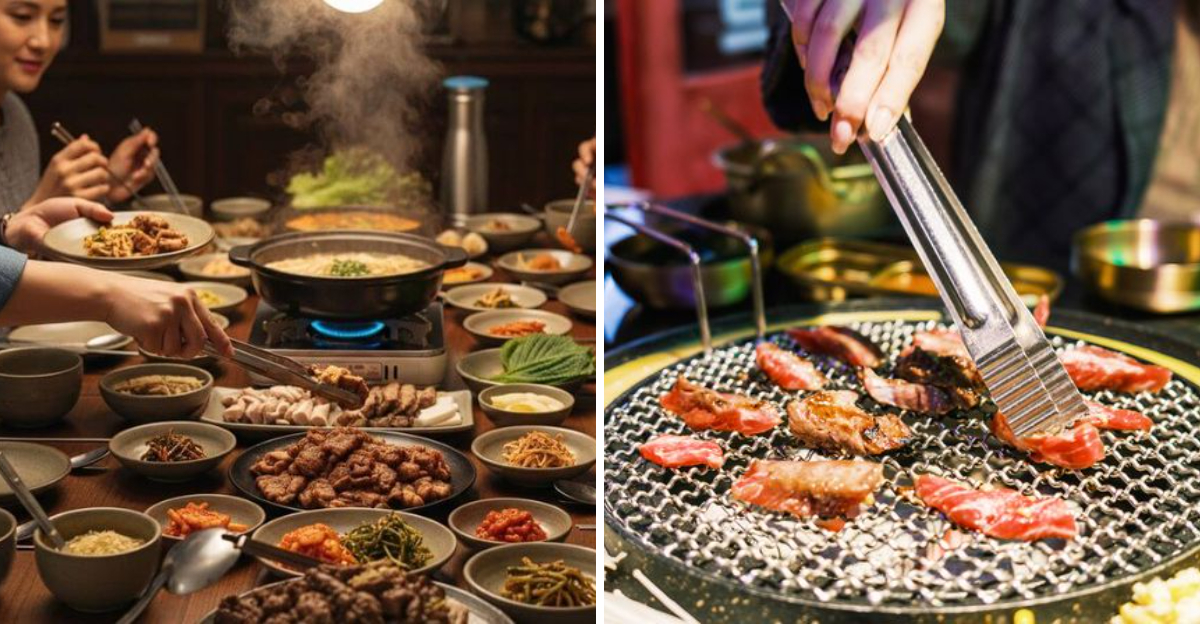
Korean restaurants can feel thrilling the first time because there is so much happening at once. You will see little plates everywhere, sizzling grills, and sauces that change every bite.
Once you learn a few easy rhythms, it becomes one of the most fun, social ways to eat. Here is exactly what to know so you can relax and enjoy every flavor-packed moment.
1. Banchan are the side dishes
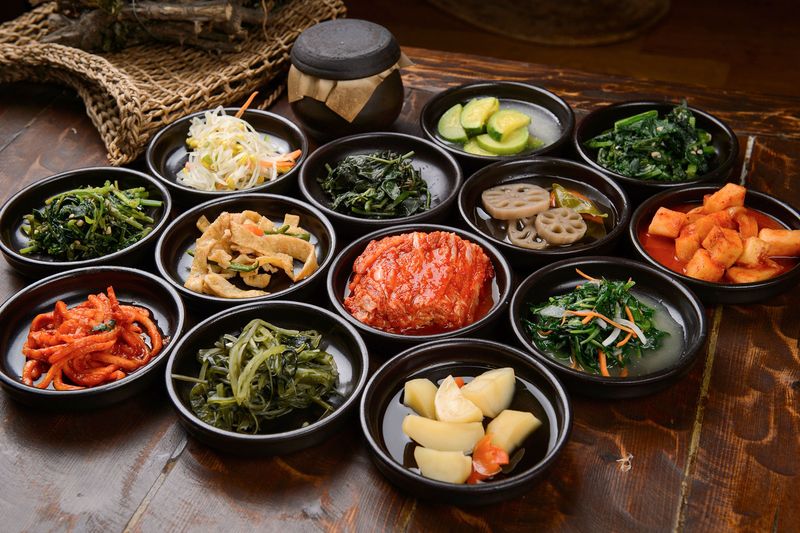
Banchan are the small side dishes that land on your table before much else, and they are meant for sharing. You might get kimchi, pickled radish, bean sprouts, spinach, fish cake, or sweet soy potatoes.
Mix and match them with rice, meats, or stews to build bites that feel bright and balanced.
Refills vary by restaurant, so it is fine to ask politely if you would like more. Try a tiny taste of everything first, then circle back to favorites.
Keep your small plate as a tasting canvas so the table can reach and share easily.
Do not worry about perfect order. Banchan is playful, flexible, and a delicious part of the experience.
2. Meals are designed to be shared
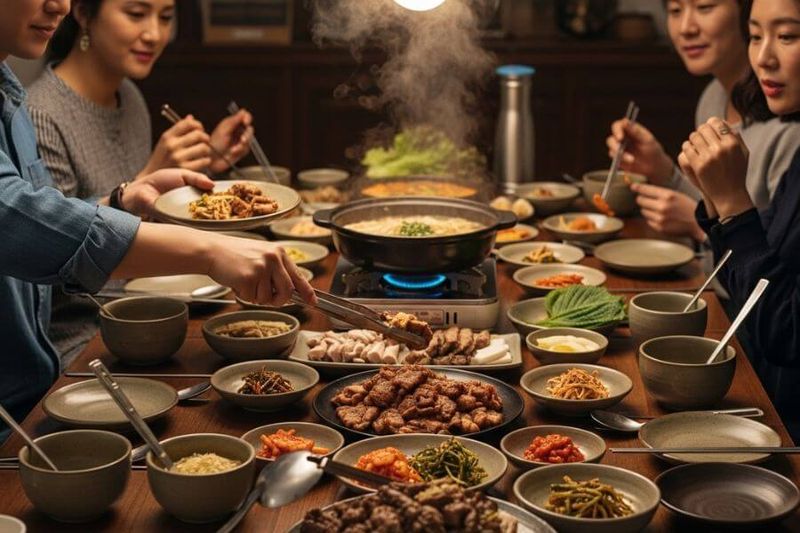
Korean meals are built for sharing, even when you order individual bowls. Dishes land in the middle, and everyone builds bites from different plates.
It is normal to pass spoons across the table, top rice with a bit of stew, then add crunchy banchan.
If you are new, say you want to try a little of everything and invite others to taste. Sharing makes it easier to discover favorites quickly.
It also lets you balance spicy, savory, and sweet in a single sitting.
Order a spread rather than one giant entree. You will enjoy a more complete flavor picture, and the table will feel lively.
That is the heart of Korean dining.
3. Korean BBQ pacing and flow
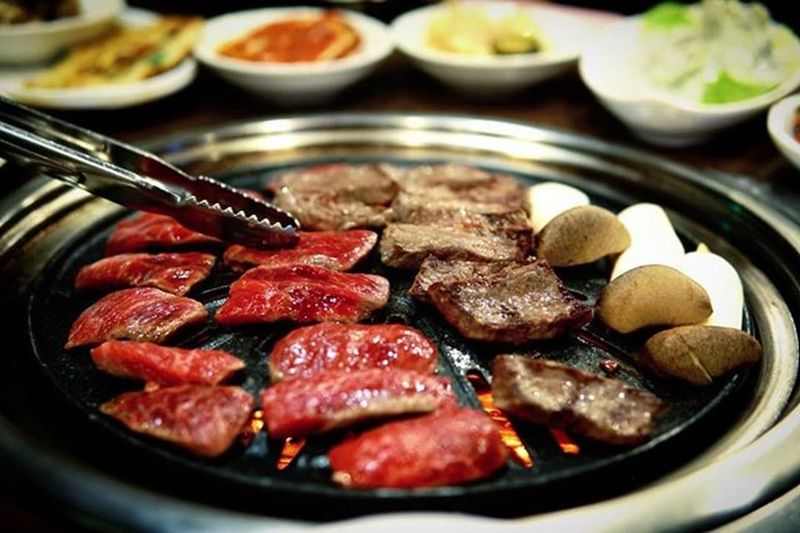
Korean BBQ moves in small, happy waves. Meats arrive raw, then you grill a little, eat a little, and repeat.
You are not waiting for a single big plate, you are building the meal in real time with your group.
Ask which cuts cook first, and start with thinner slices that sear fast. Rotate meat to avoid charring and keep a clean zone for finished pieces.
Share tongs and take turns so everyone is part of the action.
Between batches, rest your palate with banchan, rice, and sips of something cold. The rhythm is conversation, sizzle, and bite.
Relax into it and enjoy the unfolding pace.
4. Wrap culture: make ssam
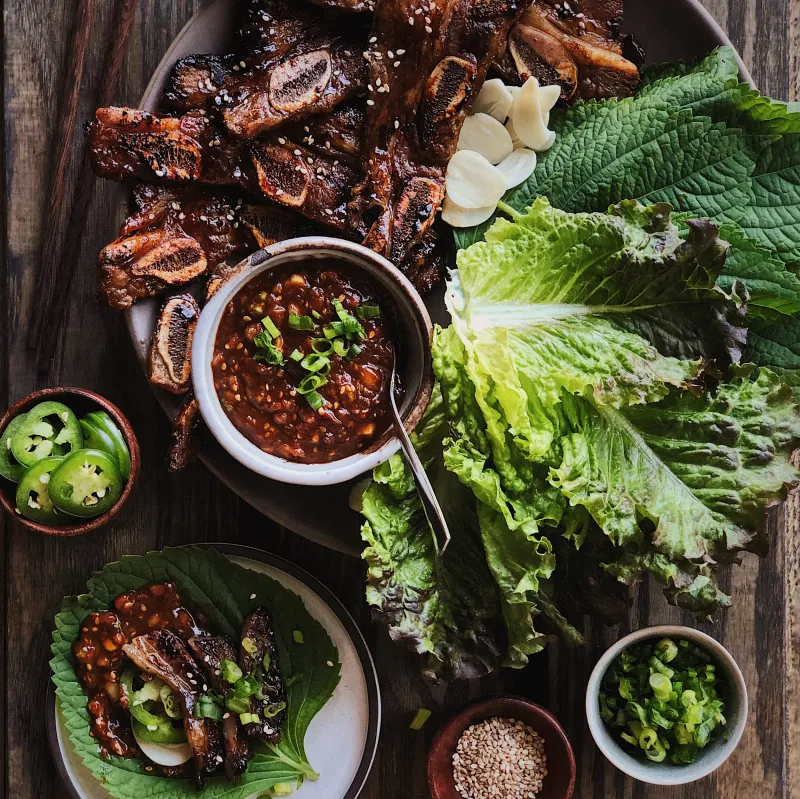
Ssam means wrap, and it is one of the most satisfying ways to eat Korean BBQ. Grab a lettuce or perilla leaf, add a bit of rice, a slice of meat, a dab of ssamjang, and maybe a sliver of garlic or kimchi.
Fold it up into a one-bite flavor bomb.
Keep wraps small so they are tidy and easy to eat. Alternate leaves and fillings to keep the meal varied.
Perilla brings herbal, minty notes while lettuce feels crisp and refreshing.
Play with texture. Try crunchy kimchi, tender meat, and soft rice in a single mouthful.
Once you find your perfect ratio, you will want to build the next wrap immediately.
5. The sauces truly matter
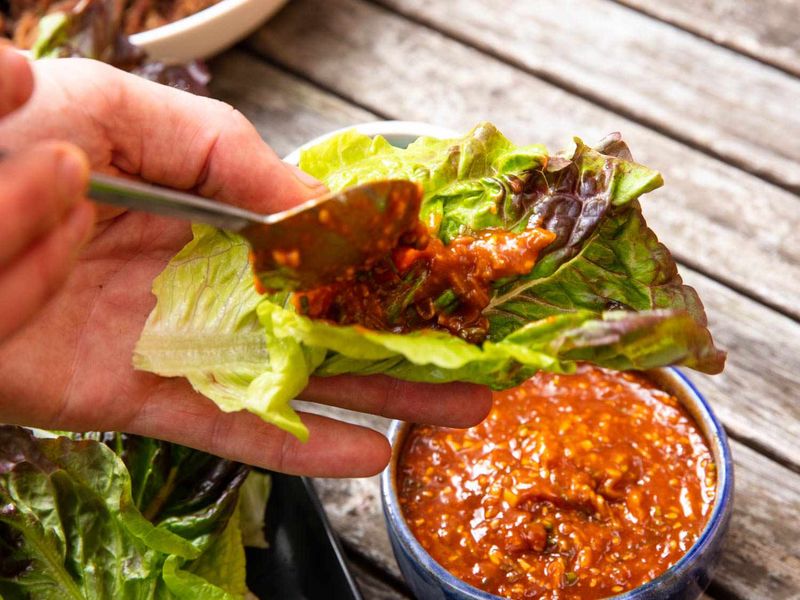
Sauces are not extras, they are essential. Ssamjang brings savory, spicy depth that makes grilled meat pop.
A simple dish of sesame oil with salt and pepper highlights fatty cuts like pork belly in a clean, toasty way.
Use a light touch first, then add more as you figure out balance. Try dipping, then layering into a wrap, and notice how the flavor shifts.
Gochujang can add gentle heat and sweetness, while soy-based sauces bring umami.
Keep sauces near the grill so you can reach easily. Refresh them if they get messy.
The right sauce pairing can turn a good bite into a great one instantly.
6. Order a stew with BBQ
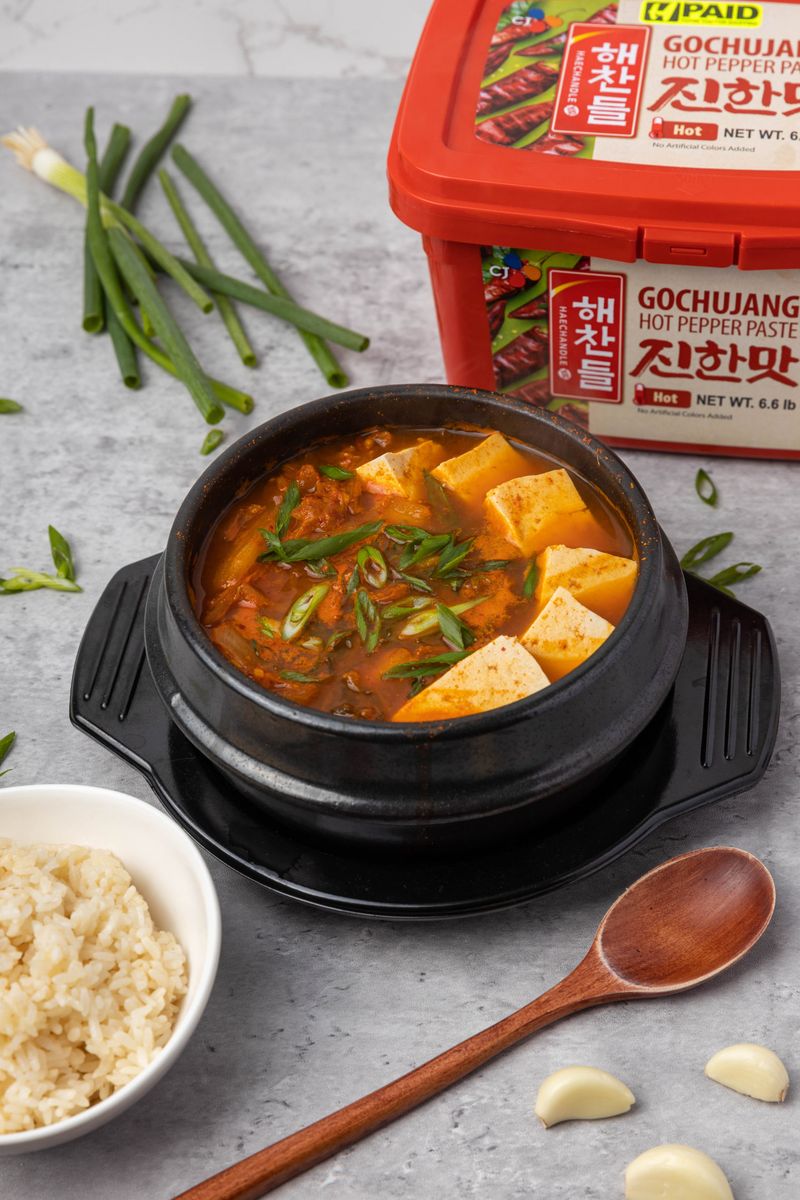
Pairing a hot stew with the grill rounds out the meal. Kimchi jjigae brings spicy tang, doenjang jjigae is earthy and comforting, and sundubu jjigae adds silky tofu in a bubbling broth.
A spoonful between grilled bites refreshes your palate and keeps the table warm and lively.
Ask which stew complements your meat order. Pork belly loves kimchi jjigae’s acidity, while beef pairs nicely with doenjang richness.
Share the pot and ladle into small bowls so everyone gets a sip.
Stew also stretches the meal for a group. It invites rice, banchan, and conversation back into the spotlight.
The combination feels complete and satisfying.
7. Who cooks the grill
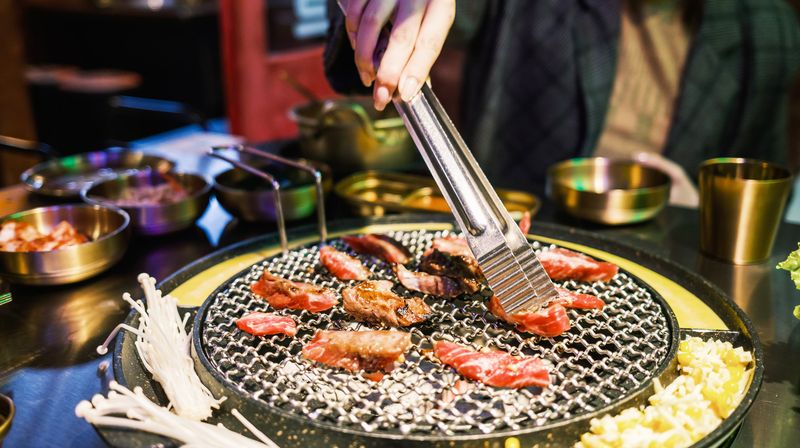
Some Korean BBQ spots handle the grill for you, while others expect you to cook. Ask right away so you are aligned with the restaurant’s style.
If staff takes over, relax and enjoy; if not, rotate responsibility around the table.
When cooking yourself, keep raw and cooked zones separate. Use tongs for raw meat and chopsticks for finished pieces.
Cut thicker cuts later with scissors once they are seared and resting.
If you are unsure about doneness, ask a server for guidance. They are used to helping newcomers.
Clear communication at the start saves confusion and delivers better, juicier bites.
8. Decoding meat names
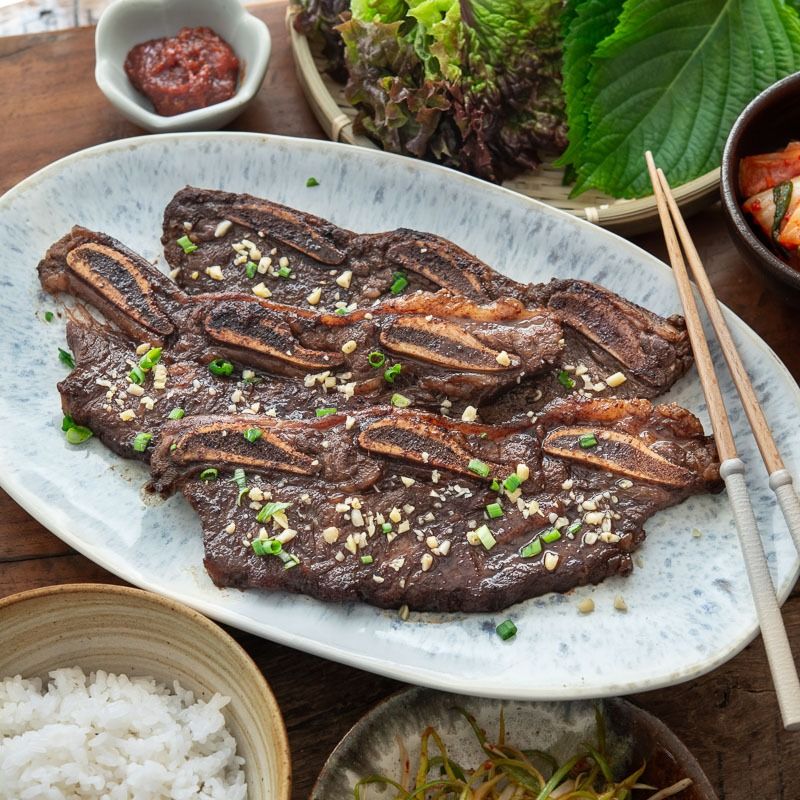
Meat names can be tricky at first, but a few basics help a lot. Galbi means short rib, usually marinated and slightly sweet.
Bulgogi is thin-sliced marinated beef, fast-cooking and crowd-pleasing, while samgyeopsal is rich, unseasoned pork belly perfect with sesame oil dip.
Many menus list cuts by part and marinade. If you are unsure, ask which options are beginner-friendly.
Staff can guide you toward a balanced set that cooks well together.
Mix textures and flavors. Pair a marinated cut with a plain cut to keep things lively.
This variety makes each round on the grill feel new, and it helps everyone find favorites quickly.
9. Expect plenty of garlic
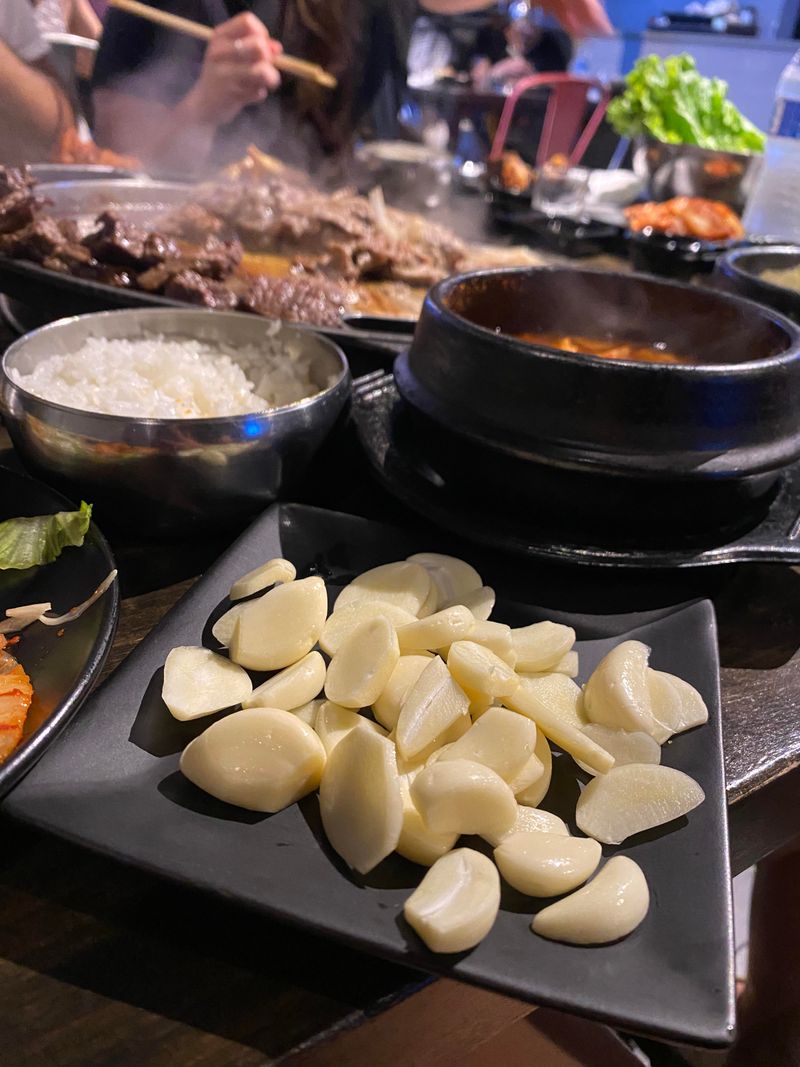
Garlic shows up everywhere in Korean dining. You will see raw slices, roasted cloves on the grill, garlicky marinades, and banchan with punchy savoriness.
If you enjoy bold flavor, you are in the right place, and your wraps will taste even better.
Not a big garlic fan? Keep it minimal or skip it entirely in your wrap.
Sesame oil dip and ssamjang still deliver depth without the extra kick.
When grilling, toss a few slices onto the edges to soften and sweeten. Tuck them into a later wrap for a mellow lift.
A little goes a long way, and you control the intensity bite by bite.
10. Scissors at the grill
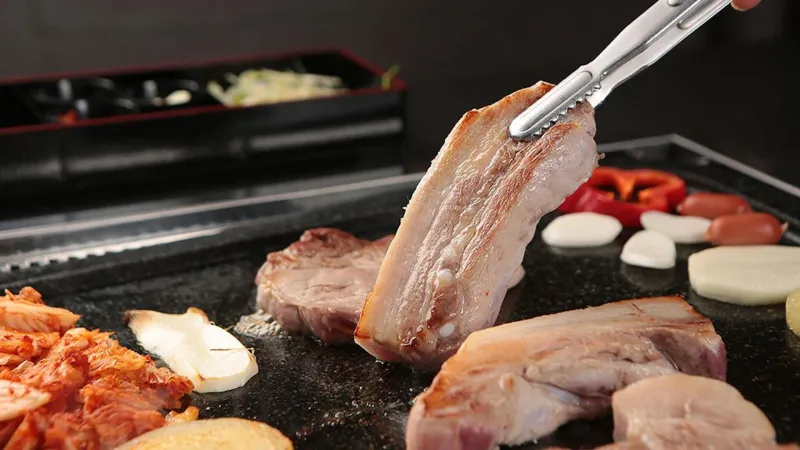
Do not panic when scissors appear. In Korean BBQ, scissors are normal, practical tools for cutting cooked meat into bite-size pieces right on the grill.
It keeps portions even, speeds up serving, and helps everyone grab a perfect bite.
If you are the cutter, snip across the grain once the surface is seared. Move finished pieces to a cooler spot so they stay juicy.
Share the job so everyone gets time to relax and eat.
Scissors also help with noodles or long vegetables. They are simply part of the table toolkit.
Embrace the efficiency and you will wonder why more restaurants do not use them.
11. Rice is not always included
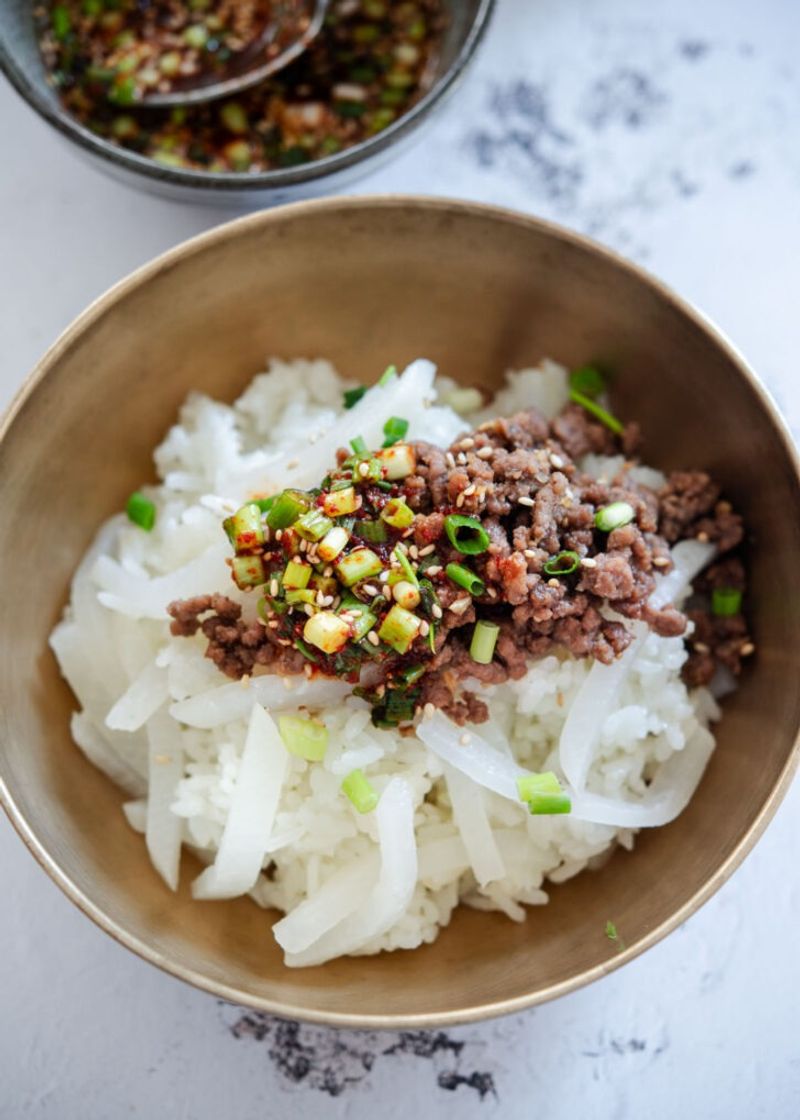
Rice might not automatically arrive with Korean BBQ. Some places include it with certain dishes, while others list it as a side.
If you want rice for wraps or with stew, just order bowls for the table at the start.
Rice balances salty, fatty meats and hot stews beautifully. It also helps cool spicy bites.
Keeping a shared bowl nearby makes building wraps smoother and less messy.
Ask whether refills cost extra so you can plan. Leftover rice is great for finishing the last bits of stew.
A small portion goes far in rounding out flavors and textures throughout the meal.
12. Spice levels vary widely
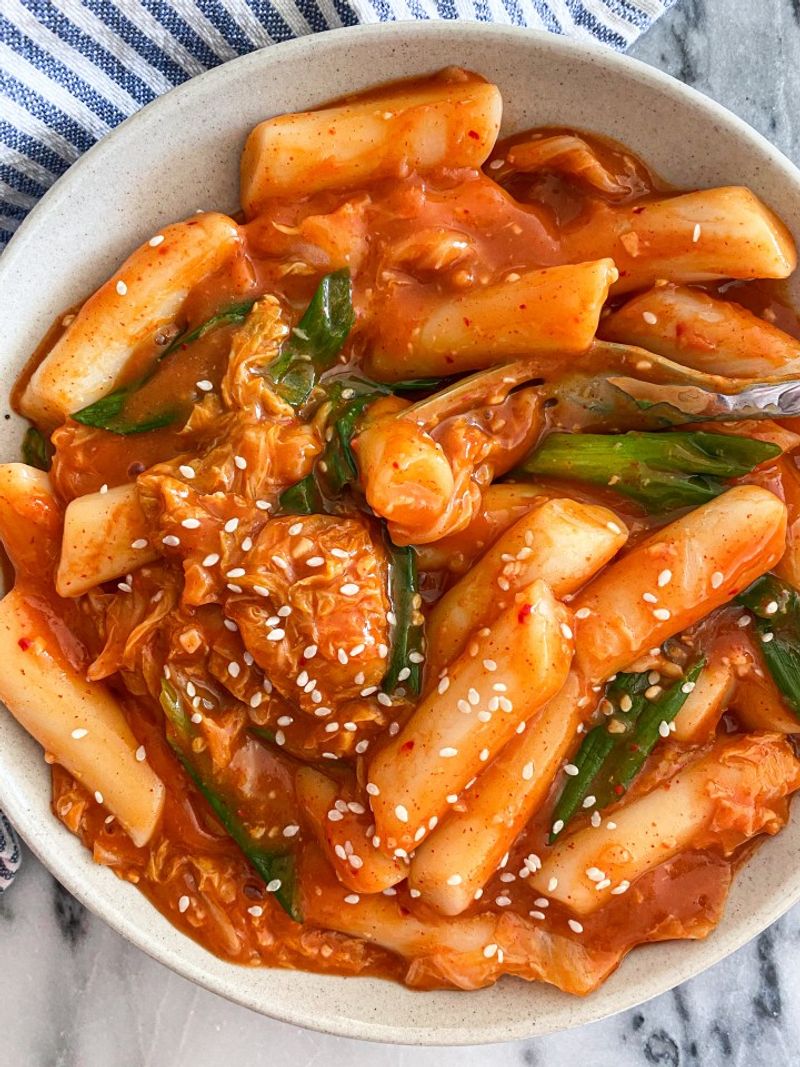
Korean food ranges from gentle to fiery, so ask questions if you are heat-sensitive. Mild picks include many soups and marinated galbi, while spicy stews, tteokbokki, and anything very red can pack serious heat.
Balance bites with rice, banchan, and lettuce wraps.
If you want control, request sauce on the side when possible. Start small, then build.
A spoon of broth can test your spice comfort before diving in fully.
Remember that sweetness sometimes hides heat. Sip water or barley tea, but dairy helps more if things go wild.
With a little planning, you get flavor without unpleasant burn, and the table stays happy.
13. Embrace a little mess
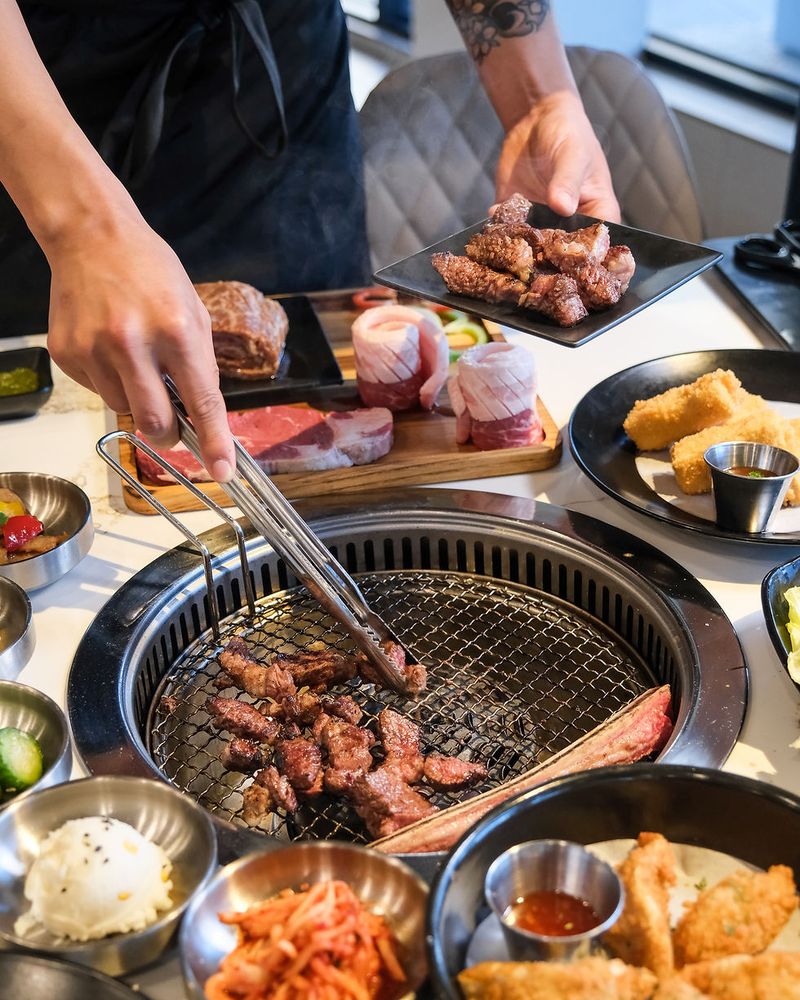
Korean meals invite a little chaos, and that is part of the charm. Wraps overflow, tongs drip, and stews might bubble over.
Keep napkins handy and relax; the best bites are not always the neatest.
Use your small plate as a landing zone for drips. Build smaller wraps if you want tidier mouthfuls.
Share the sauces, and do quick wipe-downs between grilling rounds.
Perfection is not the goal. Flavor and fun are.
When you let go of tidy expectations, the meal feels more communal, and you will enjoy the textures and spontaneity even more.
14. Korean fried chicken style
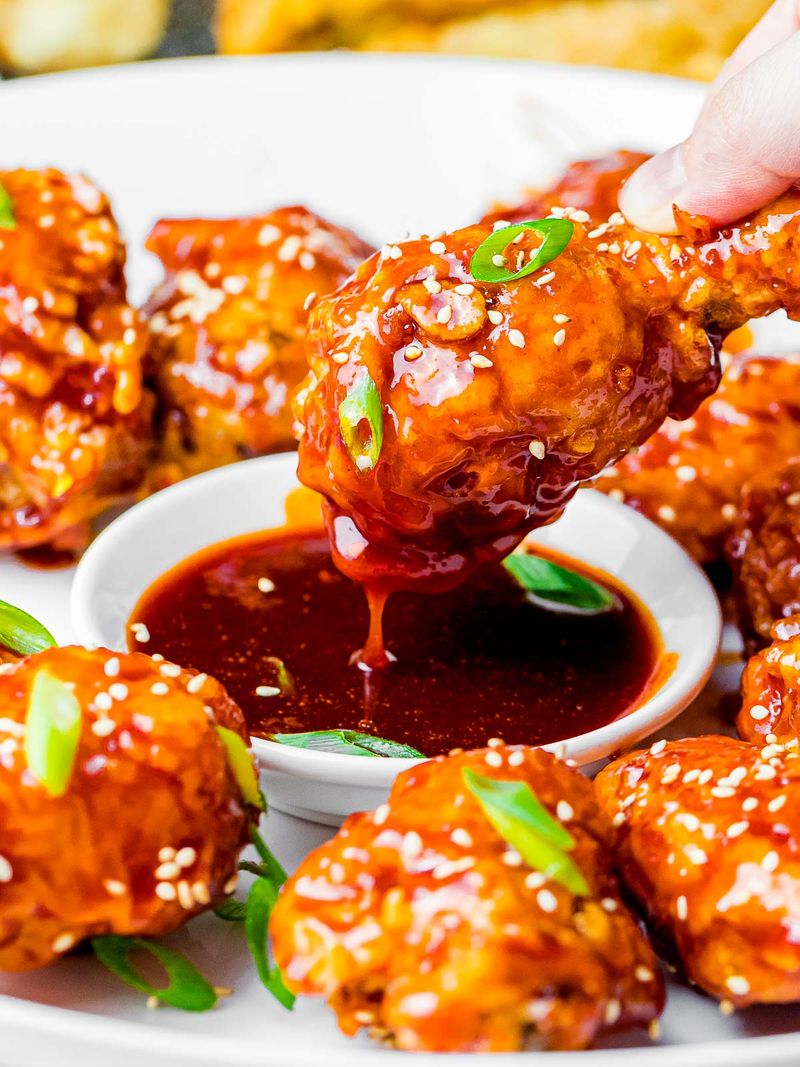
Korean fried chicken is ultra-crispy with a shattering, thin crust. Sauces like yangnyeom bring sweet heat, while soy-garlic tastes savory and aromatic.
It is ideal for sharing with drinks, and half-and-half orders let you try two flavors at once.
Give sauced pieces a minute to set so the glaze clings. Keep napkins near because sticky fingers are part of the fun.
Pair with pickled radish for a crisp, palate-cleansing bite.
Order enough for the table, not just one person. It disappears fast.
The contrast of crispy skin, juicy meat, and punchy sauce will likely become a go-to craving after your first taste.
15. Drink pairing culture
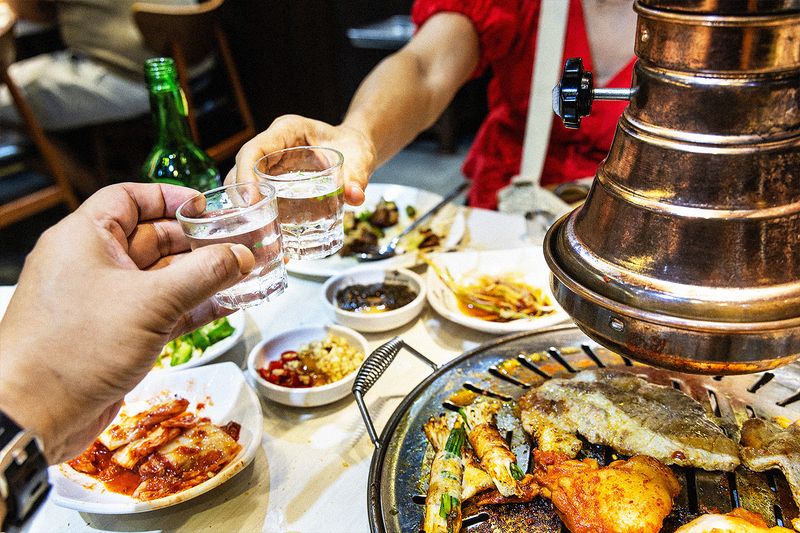
Drinks are woven into the meal. Soju is clean and versatile, makgeolli is lightly fizzy and creamy, and Korean lagers are crisp with BBQ.
People often pour for each other, which feels friendly and celebratory.
If you are new to soju, start with classic green-bottle varieties. Sip slowly and keep bites of food coming.
Makgeolli pairs nicely with savory pancakes and spicy stews.
Set the tone you want. A gentle drink keeps conversation flowing, while a round of shots turns things lively.
Pace yourself, hydrate, and snack steadily so the flavors and fun stay balanced throughout the night.