15+ Traditional Japanese Foods Considered Culinary Staples
Japanese food balances comfort and craft, turning simple ingredients into meals that feel both nourishing and precise. You see the same staples pop up at breakfast, in bento, and at cozy neighborhood shops.
From rice and miso soup to noodles, pickles, and humble grilled fish, these classics shape everyday eating. Explore the dishes and ingredients that quietly anchor Japanese tables across regions and seasons.
1. Gohan (Steamed Rice)
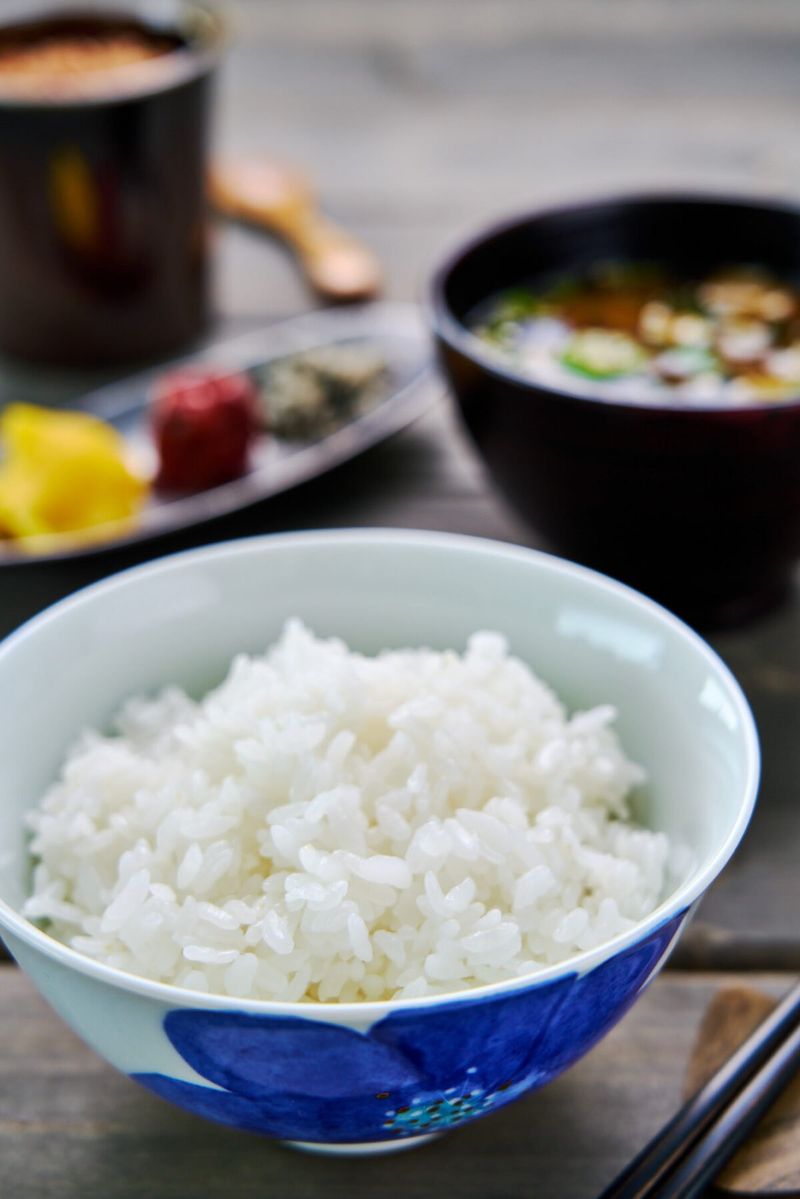
Gohan is the quiet heartbeat of Japanese meals, a steady presence that makes everything else make sense. Each grain is plump, slightly sticky, and subtly sweet, perfect for shaping onigiri or catching sauces.
You taste care in the wash, soak, and steam, a tiny ritual repeated daily.
Pair it with miso soup, grilled fish, or a scatter of pickles, and you have dinner. Leftovers become fried rice, rice porridge, or a bento base.
Season it with furikake, dab it with butter and soy sauce, or crown it with natto.
Good rice needs no performance. It simply holds the meal together, one comforting bowl at a time, reminding you that basics matter.
2. Miso Soup
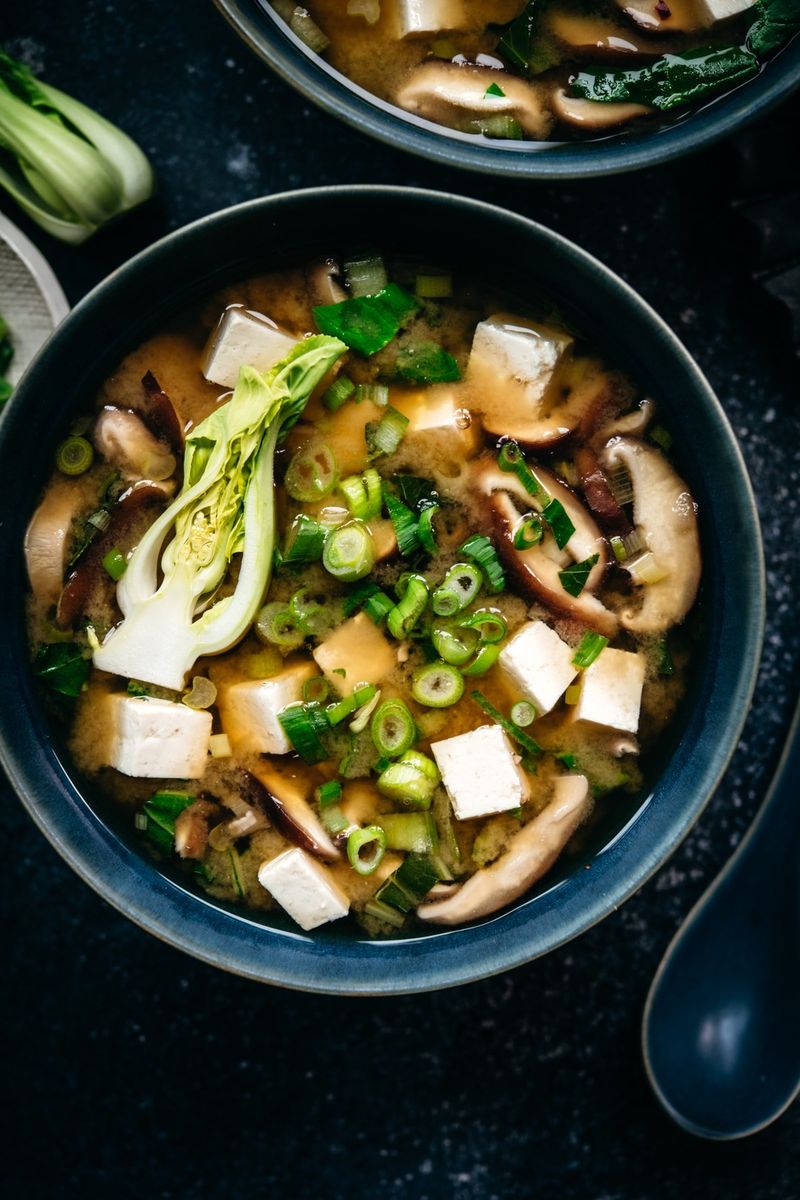
Miso soup feels like a friendly habit. Dashi broth gets whisked with miso paste, then tofu and wakame join in, with scallions floating on top.
The aroma is ocean clean and softly savory, waking up your palate without shouting.
You can switch miso types for mood: light shiro for gentle sweetness, red aka for deeper character. Add mushrooms, daikon, or clams, and it still stays humble.
It pairs with rice at breakfast, slides into lunch, and resets dinner.
Stir gently off heat so miso stays bright and alive. Sip it slowly, notice the warmth travel, and you will understand why homes keep miso close.
It is daily comfort done right.
3. Nimono (Simmered Dishes)
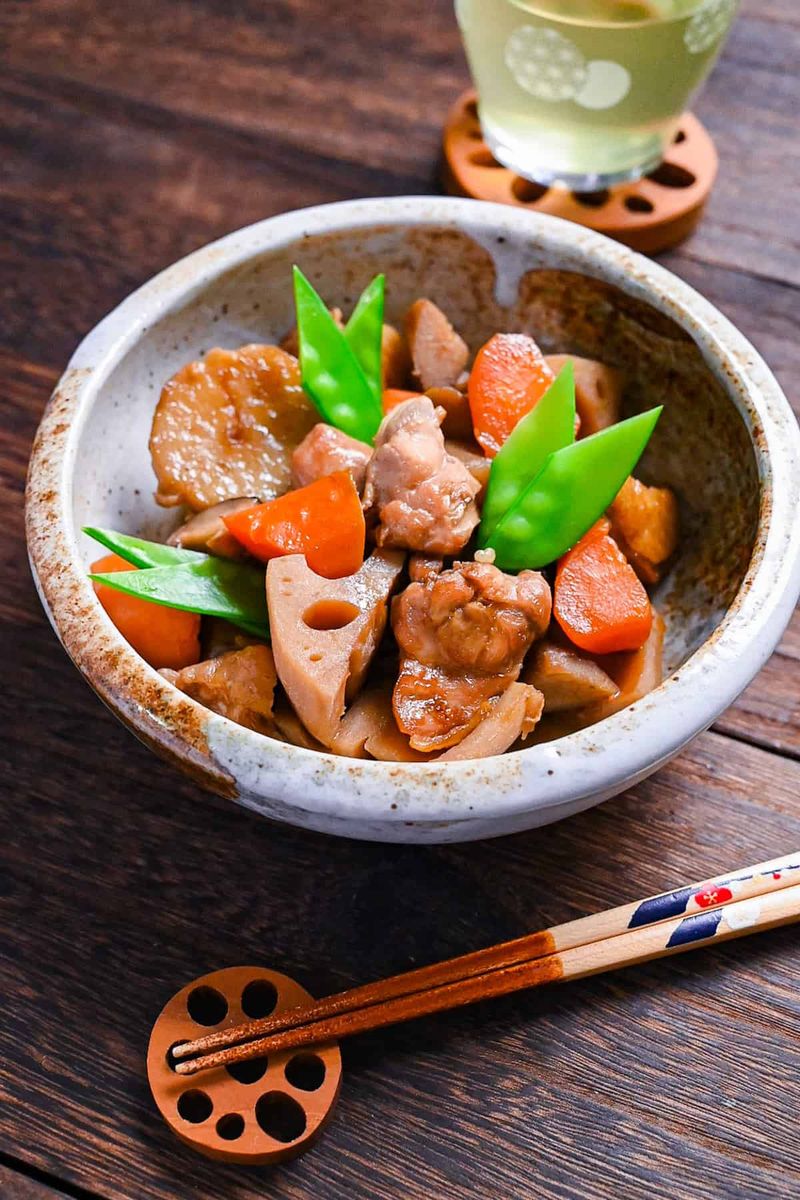
Nimono is slow, soothing cooking, where vegetables and proteins gently bathe in a seasoned dashi. Think kabocha, lotus root, burdock, taro, and tofu, sometimes a piece of fish.
The broth leans soy, mirin, and sake, creating a sweet salty balance that seeps inward.
Every piece tastes like itself, just calmer and more rounded. Textures stay important: tender but with structure.
Serve it warm in winter or at room temperature in summer, and let the flavors settle.
Nimono shows restraint and time, ideal for meal prep and bento sides. It teaches patience through a quiet simmer.
When you want depth without heaviness, a bowl of nimono centers the table and your appetite.
4. Yakizakana (Grilled Fish)
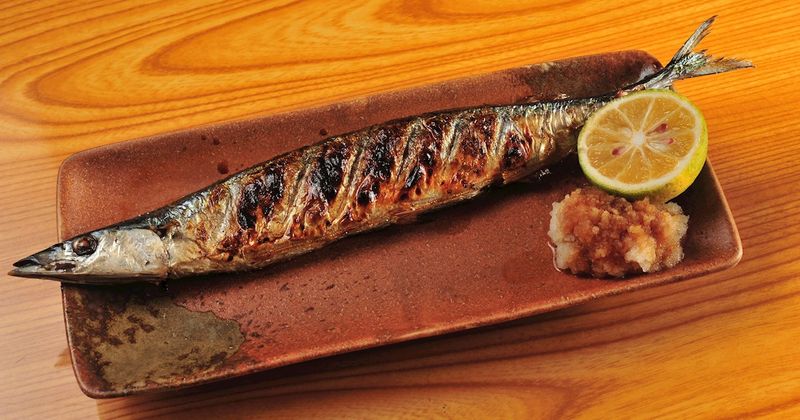
Yakizakana celebrates fish at its simplest: salted, air dried briefly, then grilled until the skin crackles. Inside, the flesh stays juicy and fragrant, needing little more than grated daikon.
You taste the sea, smoke, and restraint in each bite.
Mackerel, salmon, horse mackerel, and saury are frequent stars. Breakfast or dinner, it pairs with rice, miso soup, and pickles for a complete set.
A tiny brush of soy or a squeeze of citrus is plenty.
It is homey and fast, ideal for weekdays when you want clean protein. A fish grill or broiler does the job.
With practice, you will nail that borderline char that keeps the skin irresistible.
5. Tsukemono (Pickles)
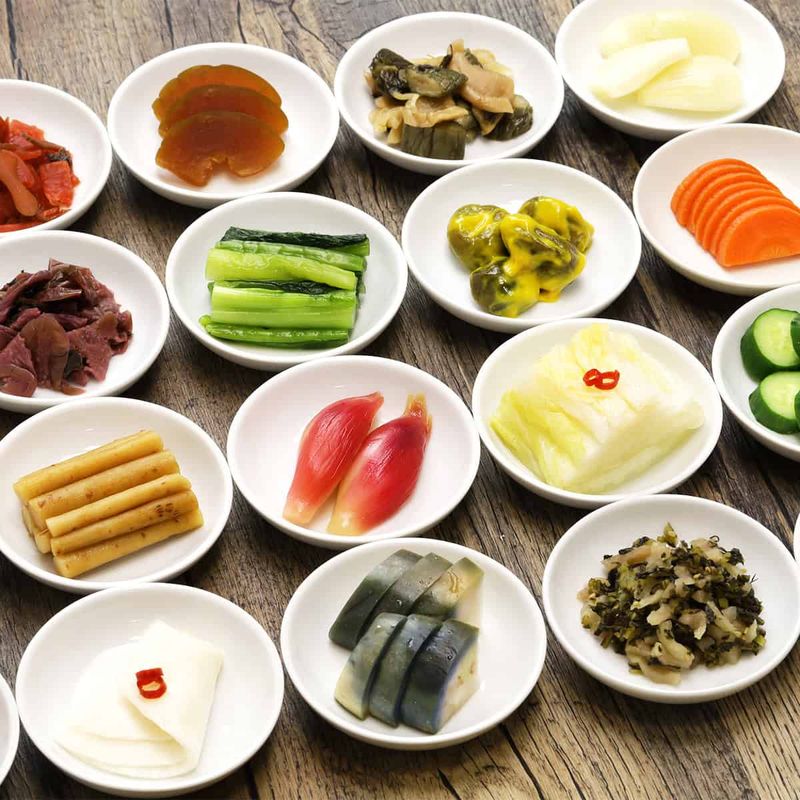
Tsukemono bring crunch, brightness, and a little mischief to the table. Salted cucumbers, purple shibazuke, sunny takuan, and bracing umeboshi transform bites of rice and mellow soups.
You do not need much, just a few slices to wake everything up.
Quick asazuke takes minutes, while nukazuke ferments in rice bran for layered tang. Regional styles keep the category exciting year round.
They travel well into bento, cutting through rich foods without stealing attention.
Homemade or store bought, they are the punctuation marks of a meal. Keep a couple jars on hand and suddenly breakfast tastes brighter.
Tsukemono prove that small sides can reset your palate and mood instantly.
6. Natto
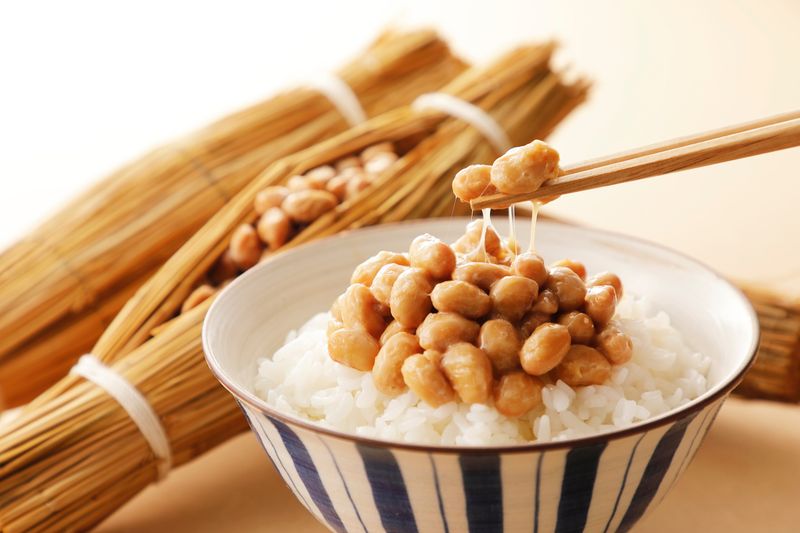
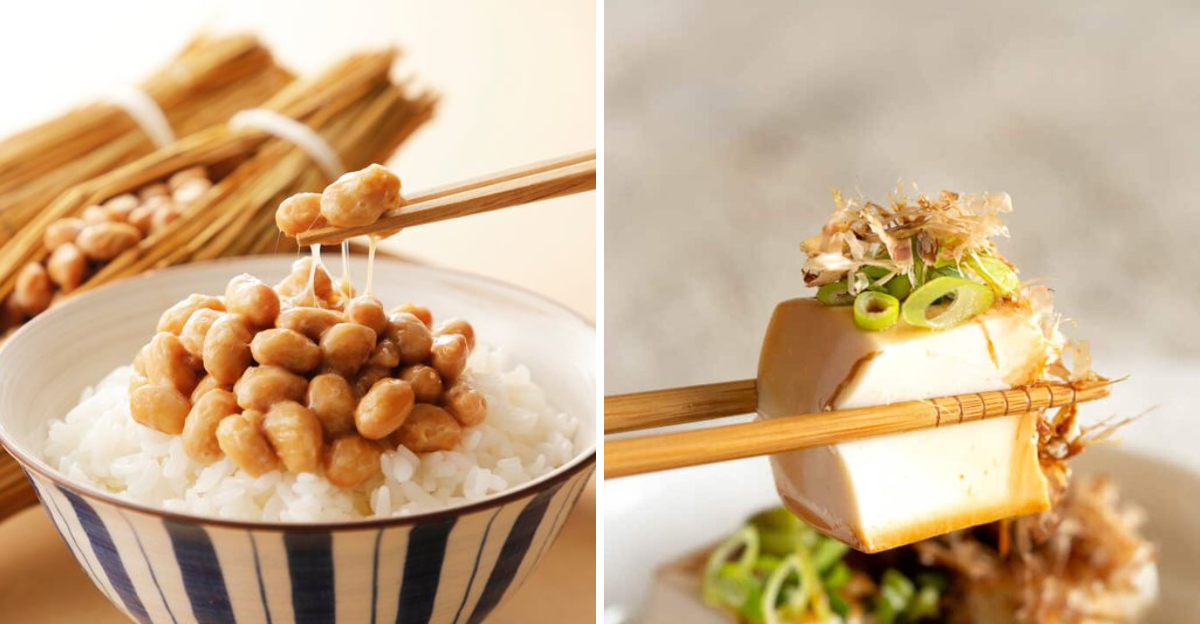
Natto is bold, sticky, and famously divisive, yet deeply staple. Fermented soybeans develop nutty funk, a soft bite, and those signature threads when stirred.
Add soy sauce, karashi mustard, or scallions, then drop it over hot rice.
Once you lean in, the savoriness and gentle sweetness win you over. It is protein rich, quick, and budget friendly, perfect for busy mornings.
Some crack in a raw egg or pair it with kimchi for a kick.
To start gently, mix well until glossy and tame the aroma with nori. Natto rewards curiosity.
It is a taste that becomes a habit, and then a small daily victory.
7. Tofu (Various Preparations)
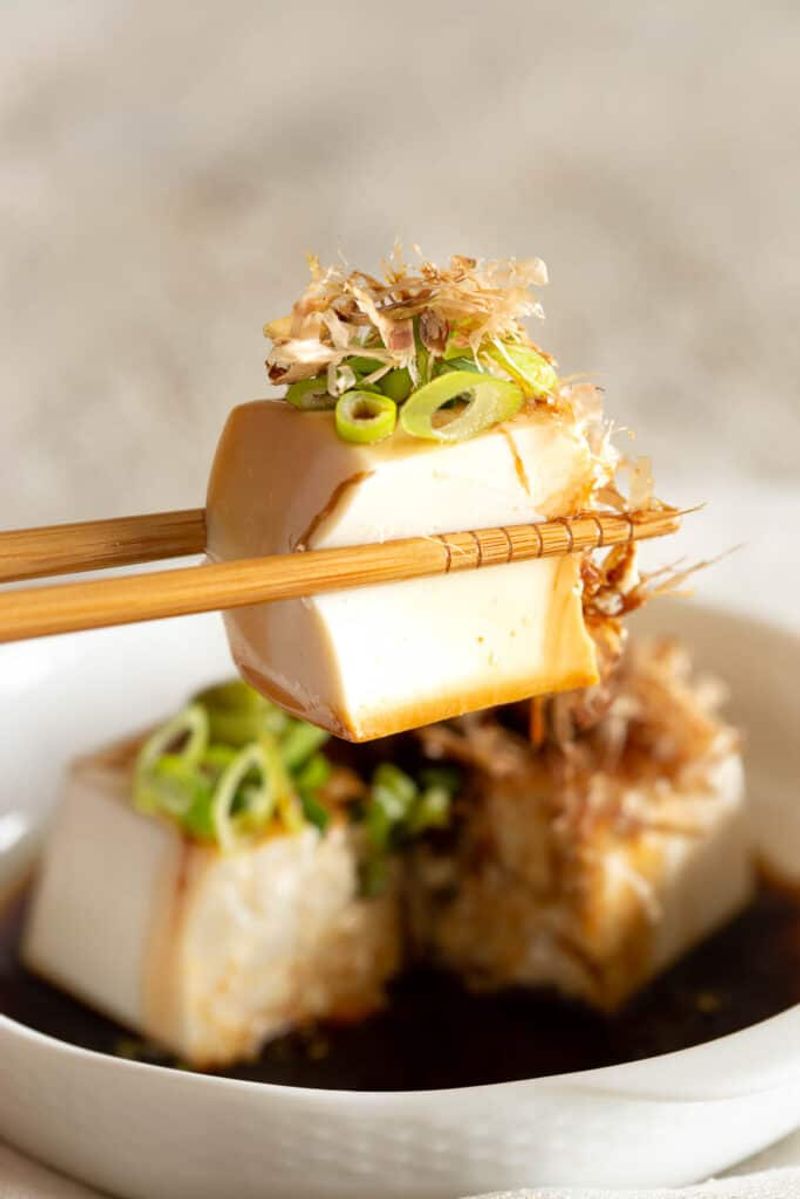
Tofu is a shapeshifter, sliding into roles from chilled hiyayakko to sizzling agedashi. Silken, firm, or extra firm textures meet different preparations, each highlighting soy’s gentle sweetness.
With kombu broth or a crisp fry, tofu becomes comforting and complete.
Top chilled tofu with grated ginger, scallions, and soy for a five minute dish. Or simmer yudofu gently and finish with ponzu.
In stir fries and nimono, it soaks up flavors like a polite sponge.
Tofu belongs everywhere: breakfast, bento, bar snacks, and temple cuisine. Keep a block in the fridge, and dinner solves itself.
It is proof that modest ingredients can feel generous on the plate.
8. Tamagoyaki (Rolled Omelet)
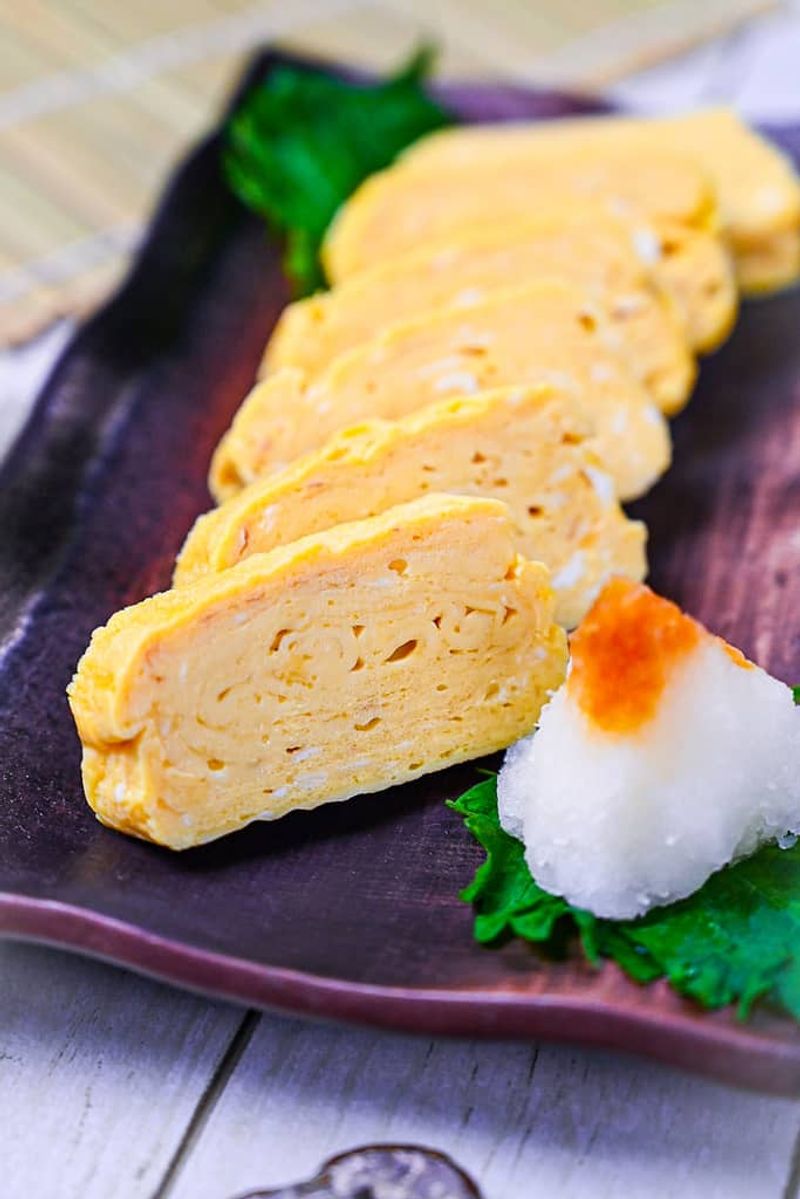
Tamagoyaki is sweet savory comfort, layered into a tender, bouncy omelet. A dash of dashi, sugar, and soy creates balance, while the rolling builds soft structure.
Sliced into glossy pieces, it shines at breakfast or tucked into bento.
The technique looks tricky, but practice turns it meditative. Brush a thin layer, roll, oil lightly, and repeat.
Use a rectangular pan if you have one, though a round pan works too.
Serve warm or room temperature with grated daikon. The gentle sweetness plays well with rice and pickles.
It is a small crowd pleaser that tastes familiar from the first bite.
9. Onigiri
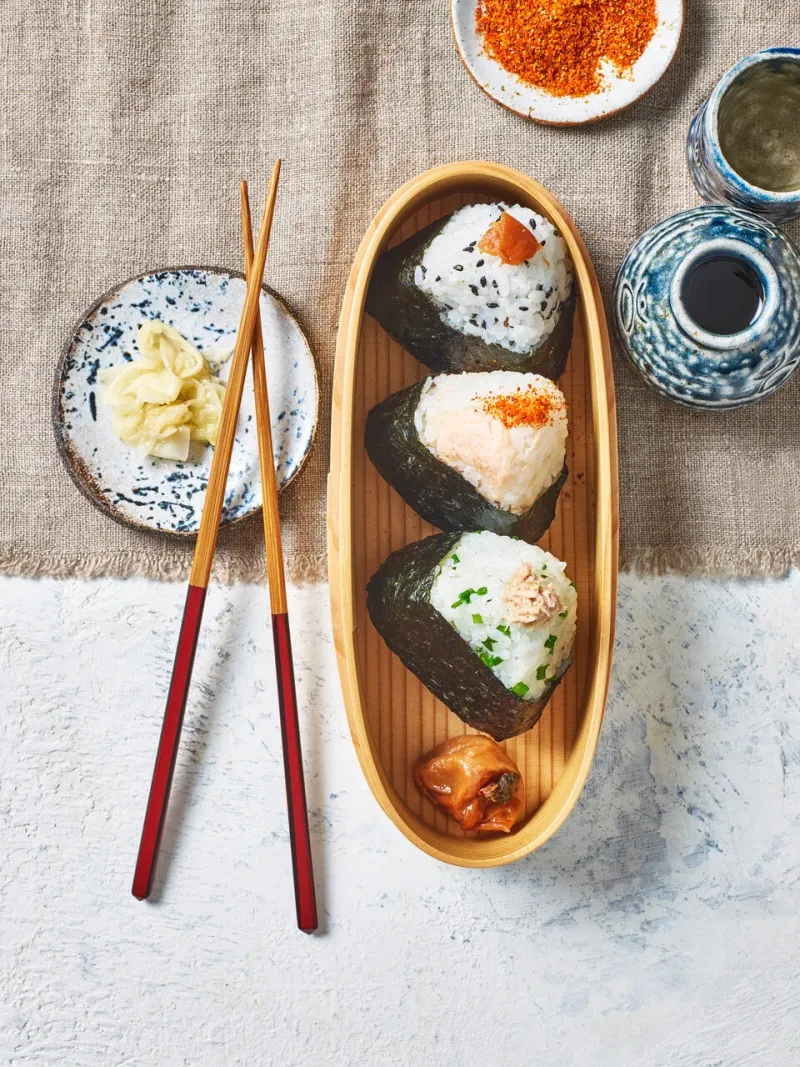
Onigiri are portable hugs made of rice. Shaped into neat triangles or rounds, they tuck in fillings like salted salmon, tuna mayo, or tart umeboshi.
A strip of nori keeps fingers tidy and adds crisp briny contrast.
They are perfect for picnics, train rides, or desk lunches. Season the rice lightly with salt, and keep water nearby to prevent sticking.
Freshness matters, but they hold up surprisingly well in bento.
Simple to make, endlessly adaptable, and budget friendly, onigiri belong in every home cook’s rotation. Try shio kombu, miso pork, or mentaiko for variety.
One or two onigiri can turn leftovers into a satisfying meal.
10. Udon
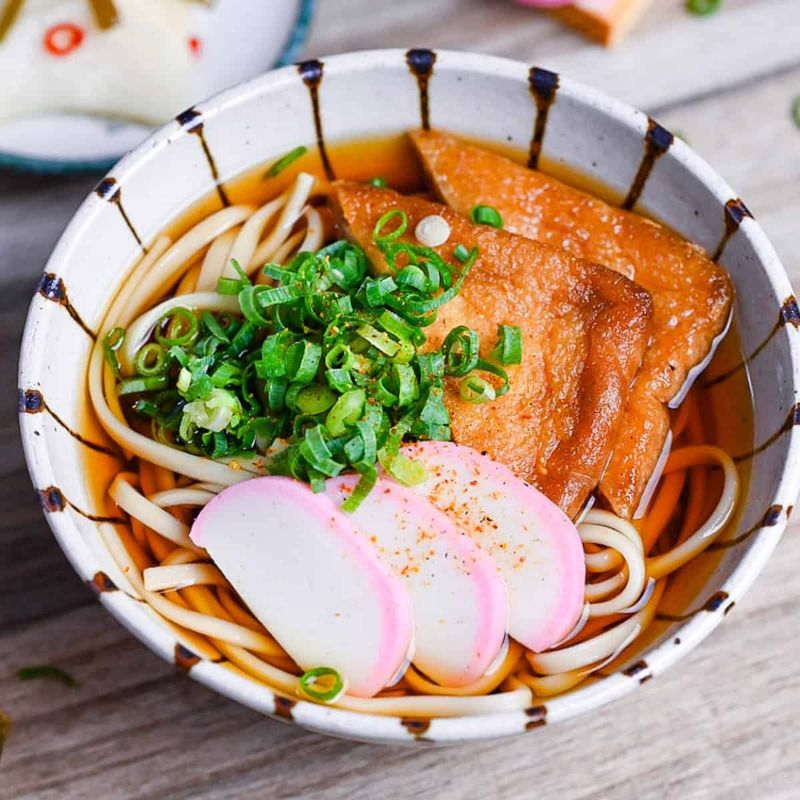
Udon brings chewy satisfaction in generous strands. In hot broth, it is soothing and plush, while chilled zaru udon turns snappy with dipping sauce.
The noodles carry clean dashi flavors and welcome toppings without losing themselves.
Order kitsune with sweet fried tofu, curry udon for robust warmth, or tempura on the side for crunch. At home, frozen udon delivers great texture quickly.
A sprinkle of shichimi wakes the bowl up.
You can slurp loudly and proudly. Udon suits stormy nights, rushed lunches, and lazy Sundays equally well.
It proves that texture can be comfort, as much as flavor.
11. Soba
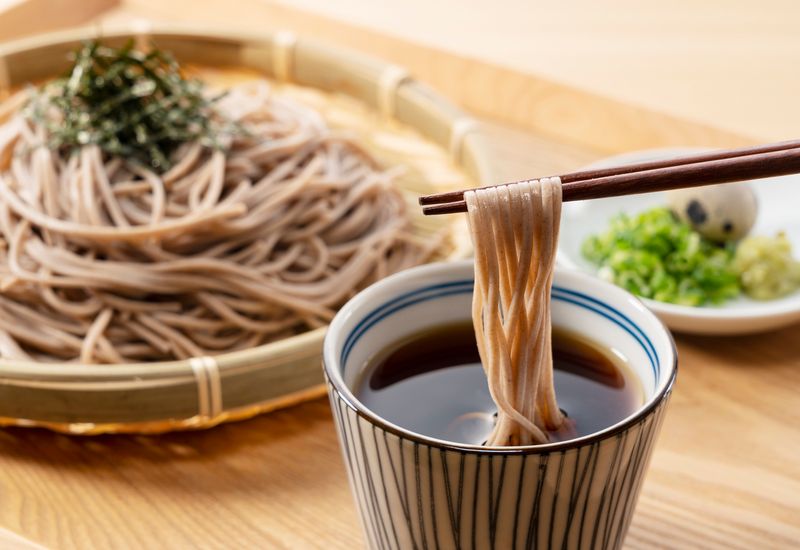
Soba leans earthy and elegant, thanks to buckwheat’s gentle nuttiness. Chilled zaru soba with dipping tsuyu tastes crisp and refreshing, especially in summer.
Hot kake soba feels minimal and restorative, with steam carrying buckwheat aroma.
Quality matters: higher buckwheat ratios deepen flavor and a slight crumble. Swish, dip, slurp, repeat, and savor the rhythm.
Finish with soba yu, the starchy cooking water whisked into leftover sauce.
Toppings stay subtle: scallions, wasabi, tempura bits, or a slender slice of kamaboko. Soba rewards attention without demanding it.
It is the noodle you reach for when you want clarity in a bowl.
12. Ramen
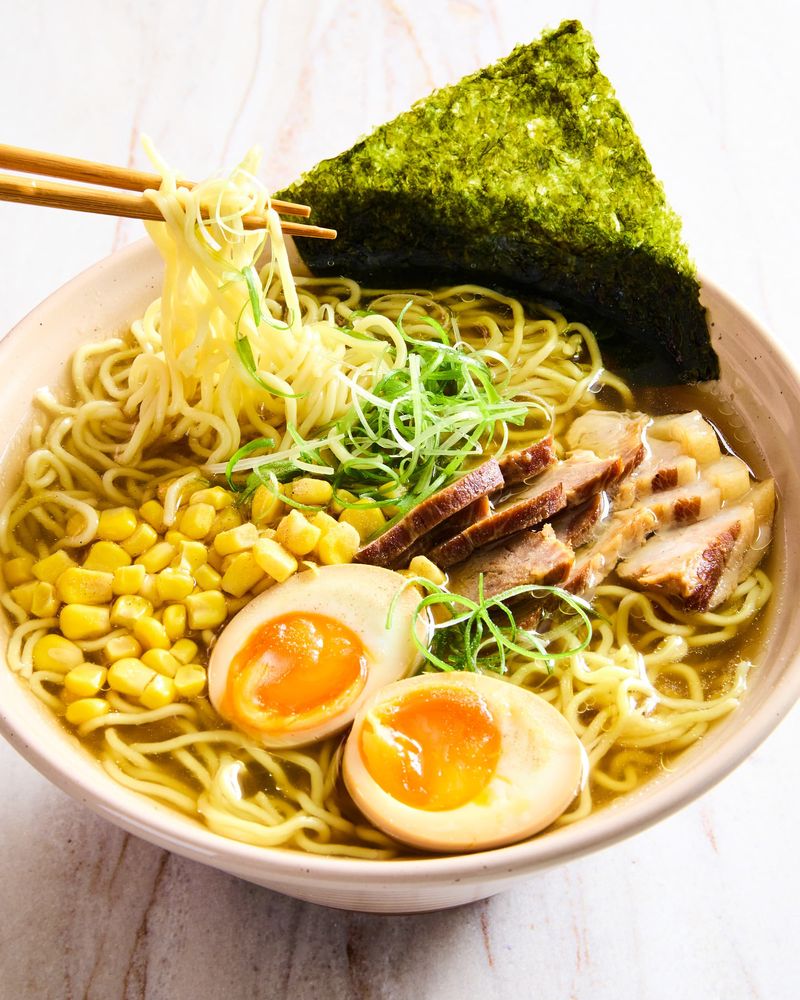
Ramen is a full on craving machine. From soy bright shoyu to creamy tonkotsu and miso rich bowls, it invites obsession.
Springy noodles, layered broths, and precise toppings make every slurp a small event.
Chashu, menma, soft eggs, and nori are classics, but shops riff endlessly. At home, good instant or fresh kits scratch the itch fast.
Add chili oil, butter, or corn and bend it to your mood.
Ramen feels casual yet exacting, a snapshot of contemporary Japanese comfort. It is not shy, and that is the point.
When only a big, satisfying bowl will do, ramen answers immediately.
13. Okonomiyaki
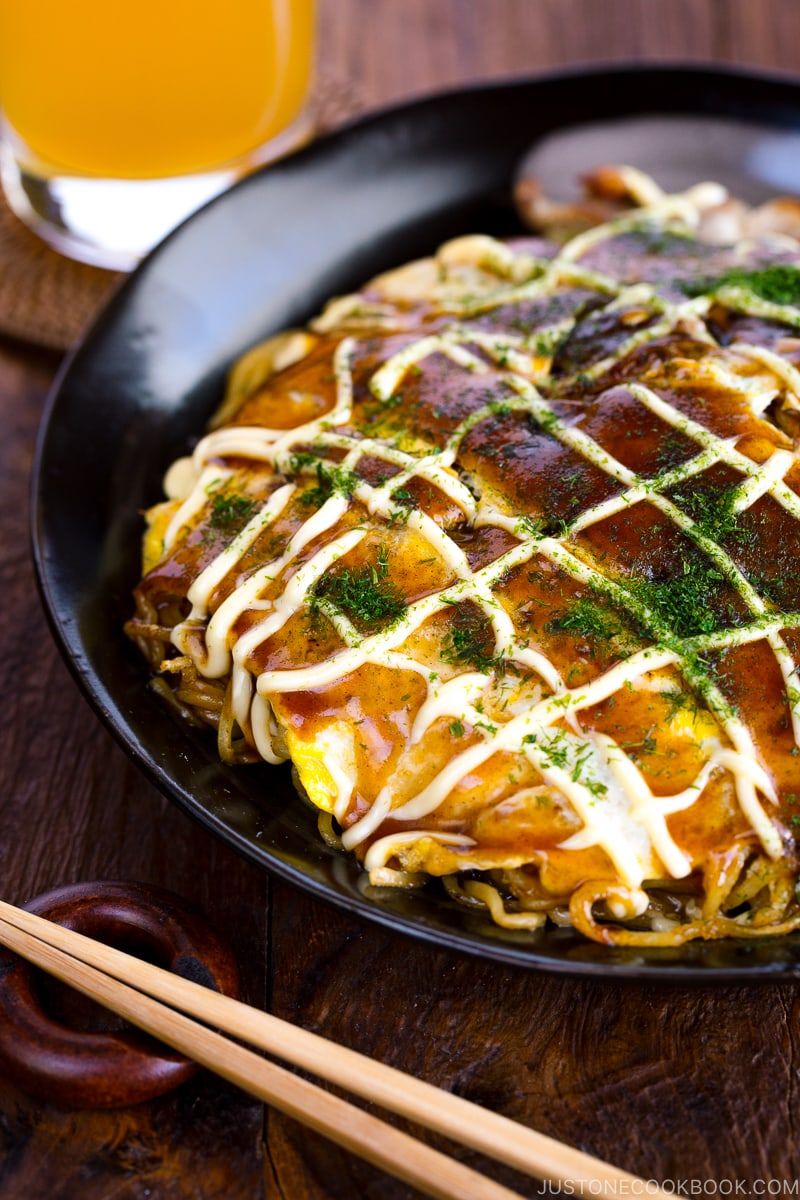
Okonomiyaki is a choose your own adventure pancake. Cabbage forms the heart, bound with batter, egg, and whatever add ins you crave.
Griddled until crisp edged, it gets glossy sauce, mayo zigzags, aonori, and dancing bonito.
Osaka style mixes ingredients in, while Hiroshima layers noodles and cabbage. Both are hearty, messy, and deeply satisfying.
You cut it into squares and share, or keep the whole thing to yourself.
It tastes like a weekend night with friends. At home, a nonstick pan works fine, and leftovers reheat well.
When you want playful comfort, okonomiyaki brings the party to the plate.
14. Tempura
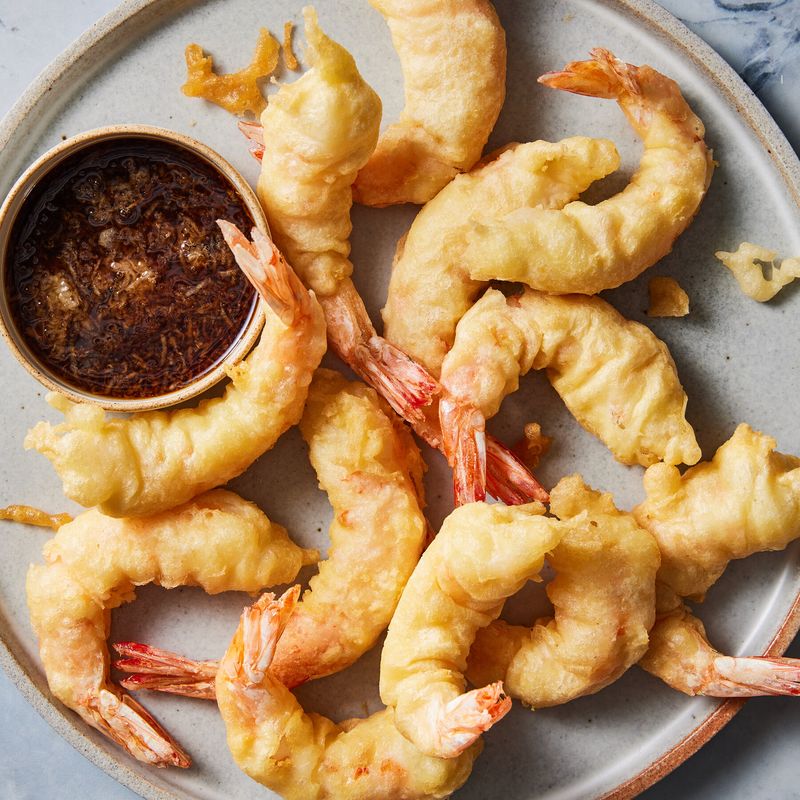
Tempura is all about lightness and timing. Cold batter meets hot oil, creating lacy crusts around shrimp, kabocha, and seasonal vegetables.
The result is crisp without greasiness, a delicate shell that protects tender interiors.
Dip into tentsuyu with grated daikon or sprinkle with salt to highlight sweetness. Eat fast while the crackle lasts.
A wire rack, hot oil, and restraint with mixing are your best friends.
At home, start small and keep ingredients dry. Fry in batches, mind the temperature, and you will get that whisper crisp bite.
Tempura turns simple produce into something celebratory, yet still wonderfully restrained.
15. Karaage (Japanese Fried Chicken)
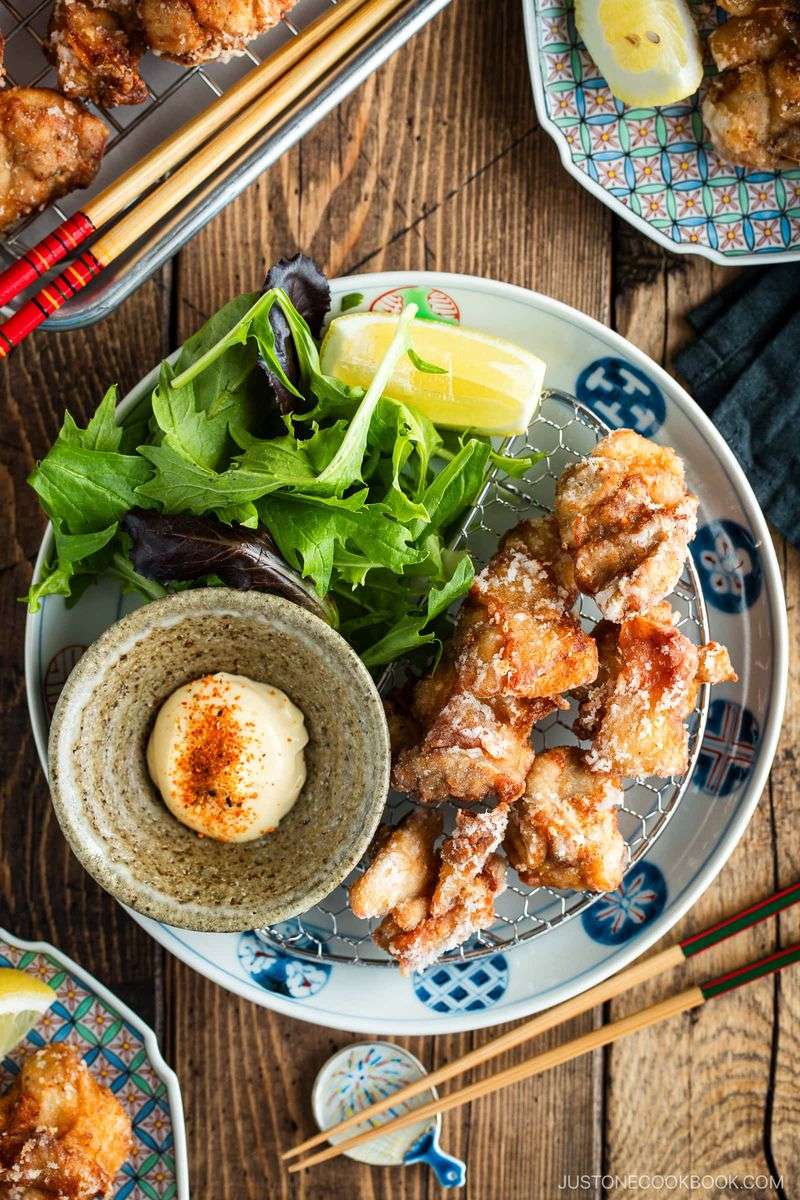
Karaage brings big flavor in small bites. Chicken marinates in soy, ginger, and garlic, then gets lightly coated and fried until craggy and juicy.
The contrast between crisp shell and tender meat makes it hard to stop.
Lemon wedges and a side of mayo keep things lively. Pack it into bento, set it out for parties, or pair with cold beer.
Dark meat stays most forgiving, but breast works with care.
Double fry for extra crunch, and do not crowd the pot. Even cooled, karaage remains satisfying.
It is the fried chicken that slips effortlessly into everyday Japanese meals.
16. Gyudon
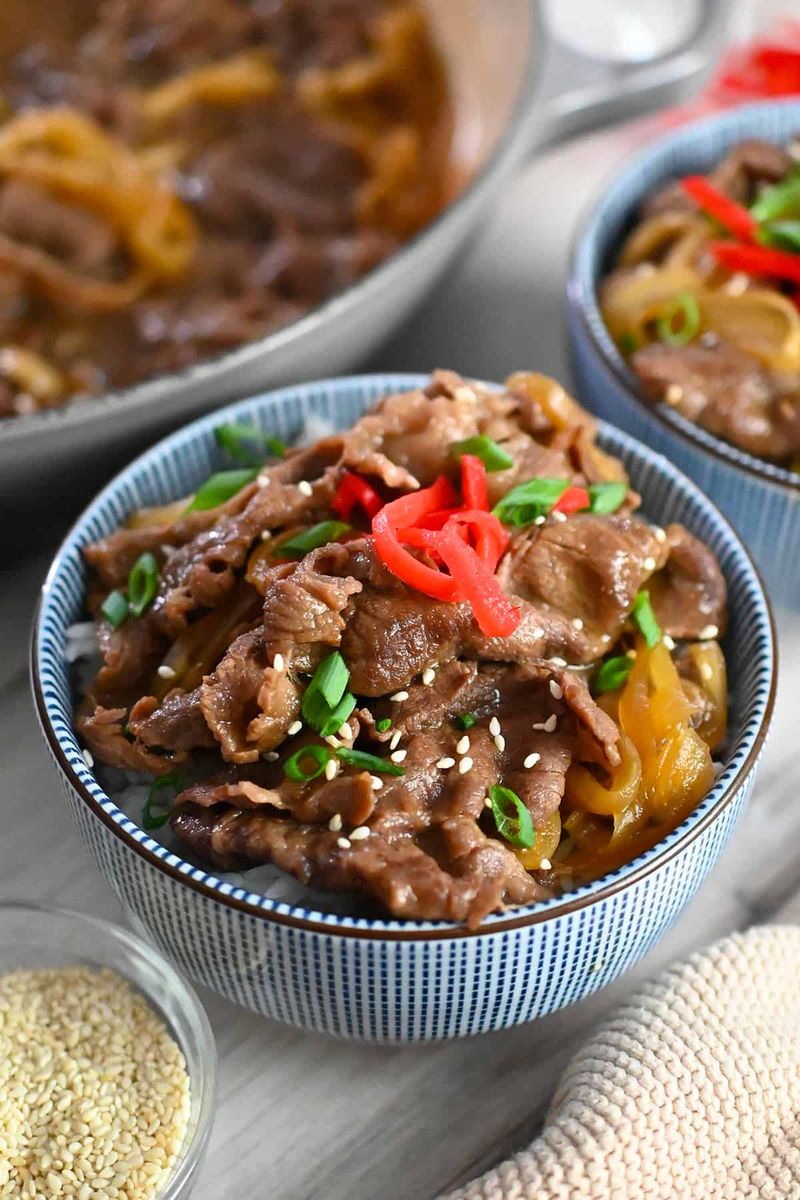
Gyudon is weeknight speed and comfort. Thin beef and onions simmer in a sweet savory sauce, then slide over hot rice.
Beni shoga adds color and zing, while an onsen egg or raw yolk turns it silky.
It is deeply satisfying without heaviness. You can stretch the beef with extra onions or tofu, and it still delivers.
The sauce is pantry friendly and forgiving, perfect for quick cravings.
Make a big pot, keep toppings ready, and dinner appears in minutes. Gyudon proves simple technique can taste luxurious.
One bowl, a spoon, and you are set for the evening.
17. Oyakodon

Oyakodon is tenderness in a bowl. Chicken and onions simmer in a gentle sauce, then eggs slide in to set softly, almost custardy.
Spoon it over rice and you have something warm, savory, and instantly soothing.
The name means parent and child, a nod to chicken and egg. Mitsuba or scallions lift the flavor without crowding it.
It cooks quickly, making it ideal for weeknights or an easy lunch.
Do not overcook the eggs. Turn off the heat just before they look done, and let residual warmth finish the job.
Oyakodon rewards a light touch with pure comfort.
18. Curry Rice (Kare Raisu)
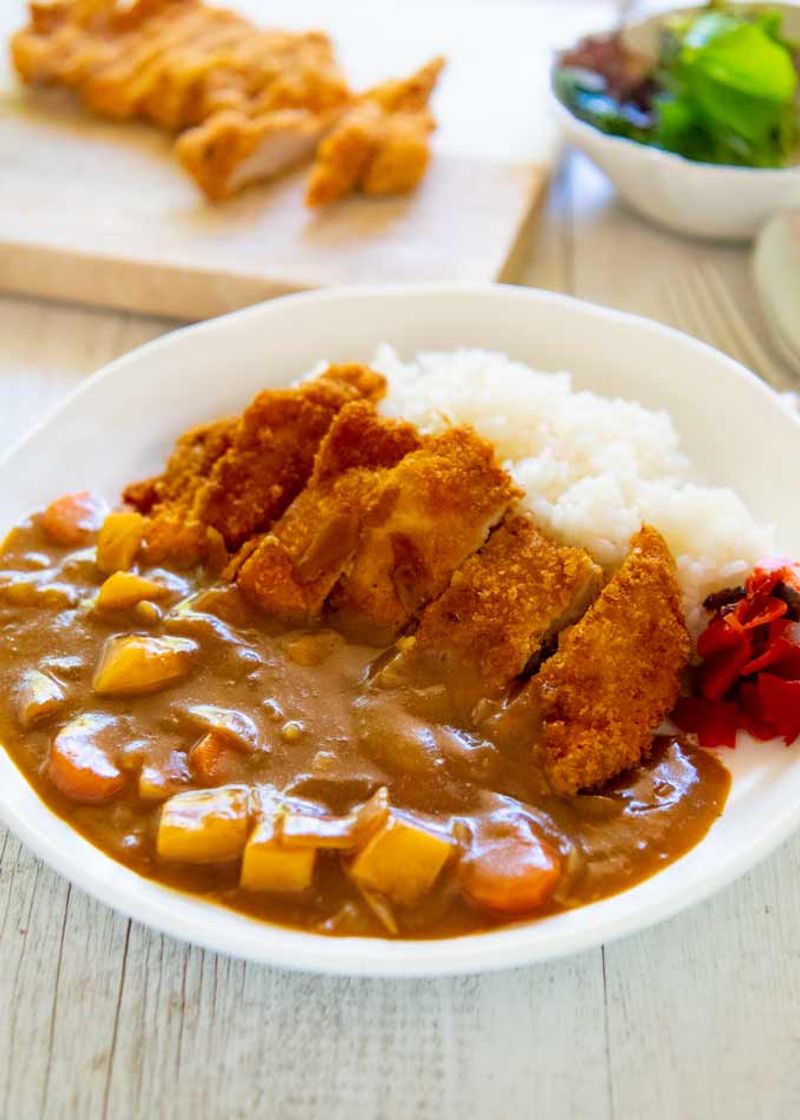
Japanese curry rice is mellow, thick, and utterly cozy. Carrots, potatoes, and onions stew into a glossy sauce that hugs every grain of rice.
It is mild but flavorful, perfect for family tables and leftovers.
Roux blocks make it weeknight easy, though from scratch versions sing too. Add pork, beef, or vegetables, and adjust thickness to taste.
A pile of fukujinzuke or rakkyo on the side brightens each spoonful.
For a treat, crown it with pork katsu and hear the crunch meet the gravy. Curry rice turns chilly evenings friendly.
It is the dish you make once and crave again tomorrow.
19. Shiozake (Salted Salmon)
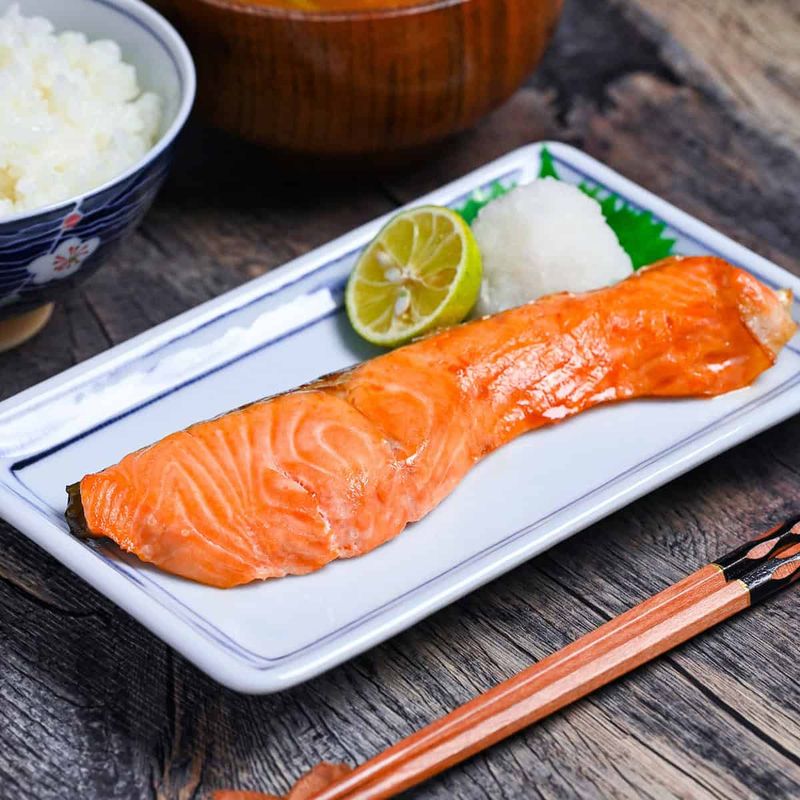
Shiozake is salted salmon done simply and perfectly. A light cure firms the flesh and concentrates flavor, then quick grilling brings gentle smokiness.
The skin crisps, the fat renders, and breakfast suddenly feels special.
Serve with rice, miso soup, and pickles, and you have a classic morning set. Leftovers flake beautifully into onigiri or mixed rice.
A squeeze of citrus or dab of soy is all it needs.
It teaches how little is required to make fish shine. Keep a few portions in the freezer for fast meals.
Shiozake is everyday luxury, quietly reliable and deeply satisfying.
20. Shoyu (Soy Sauce)
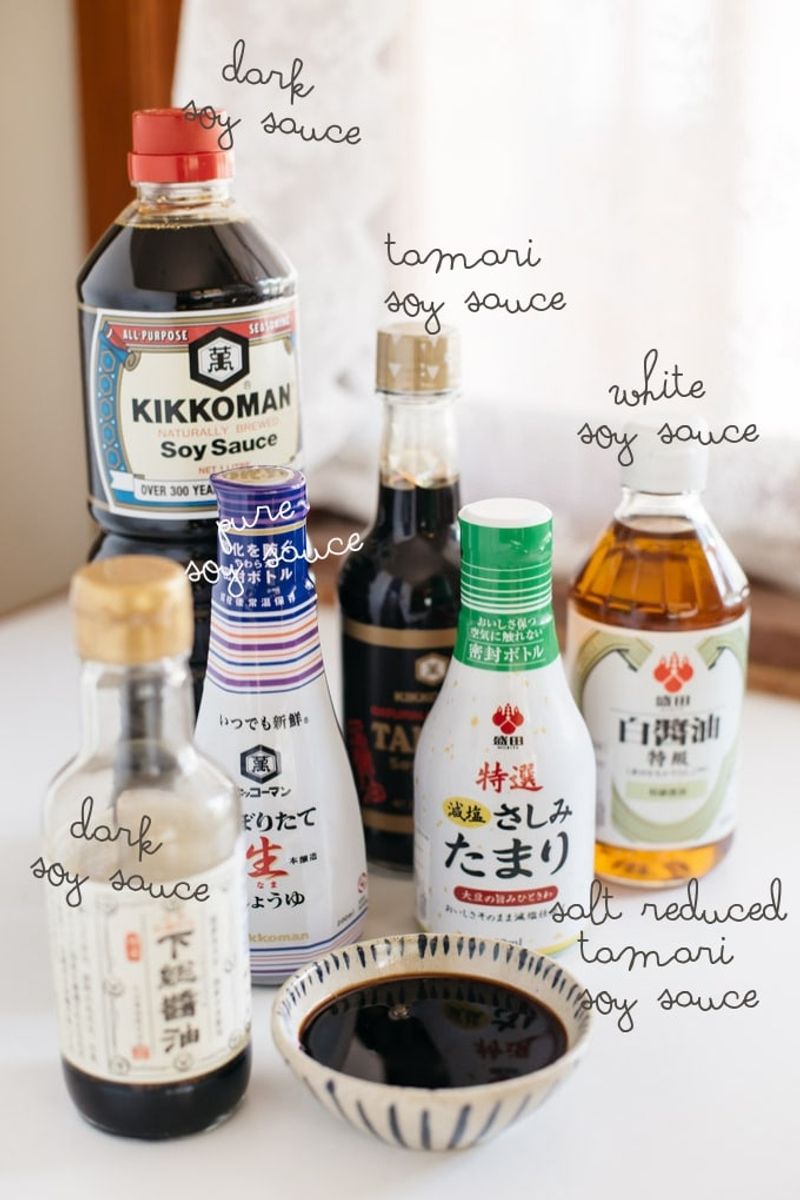
Shoyu is the table whisperer, pulling flavors into focus. Brewed from soybeans, wheat, salt, and time, it layers saltiness with rounded umami.
A few drops transform rice, tofu, and grilled fish without stealing the spotlight.
Different styles shine in different roles: koikuchi for all purpose use, usukuchi for lighter color but pointed salinity. Tamari leans wheat light and suits dipping well.
Keep it fresh, stored cool, and taste before seasoning.
Use it respectfully, not recklessly. Think brush, not bucket.
When you want dishes to speak clearly, shoyu provides the punctuation that makes every bite read true.