
15 Types Of Greens And The Best Ways To Cook Them
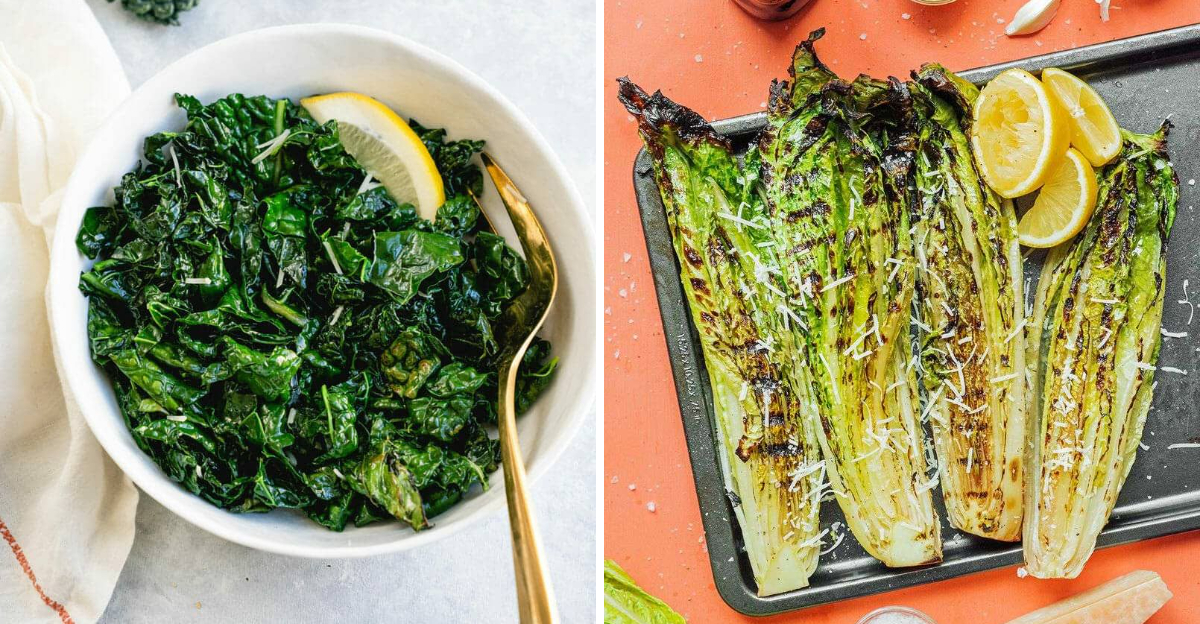
Greens can taste wildly different depending on how you cook them, from silky braises to crisp-tender stir-fries. If you have ever wondered why restaurant kale melts in your mouth or how spinach turns luxurious in minutes, this guide is for you.
You will learn exactly which methods make each leafy green shine without turning bitter. Grab a skillet, some garlic, and a squeeze of lemon, and let us get cooking.
1. Spinach
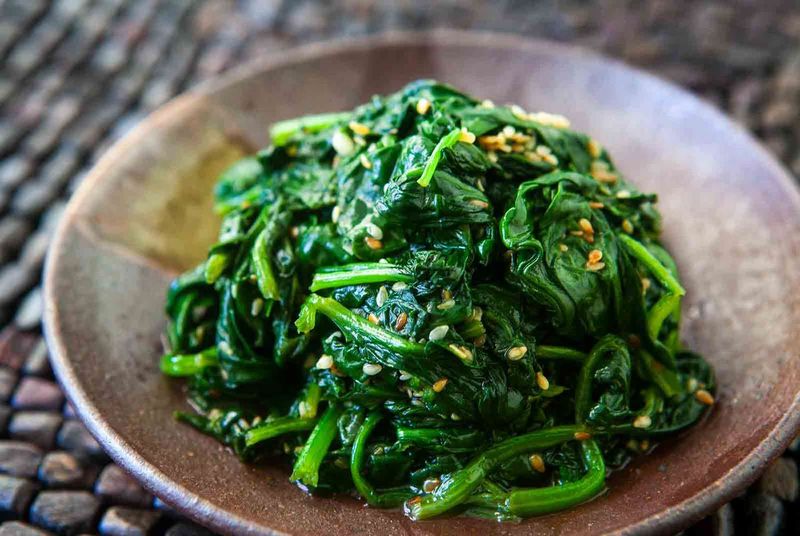
Spinach loves quick heat and plenty of room in the pan. Toss it into hot olive oil with sliced garlic, then season simply with salt, pepper, and a squeeze of lemon.
It wilts fast, so cook in batches to avoid steaming.
You can also add it to soups, curries, or pasta right at the end so it softens without turning watery. A knob of butter or drizzle of cream adds richness.
Keep stems if tender, and dry leaves thoroughly to prevent splatter.
2. Kale (Curly or Lacinato)
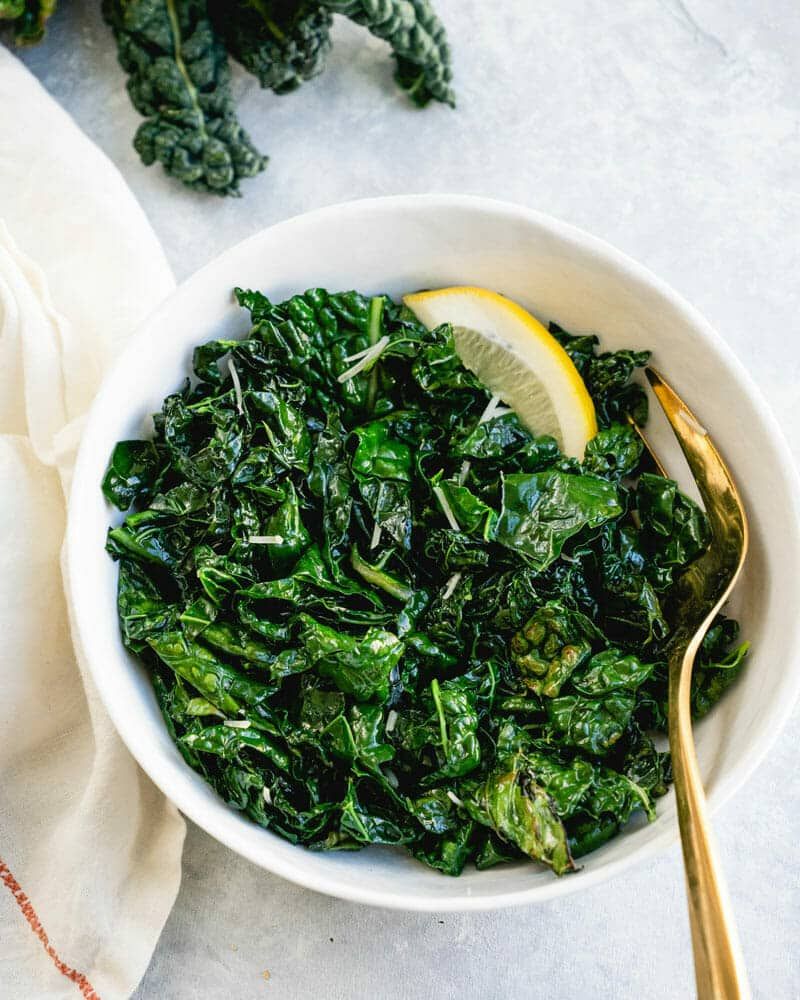
Kale stands up to heat, so do not be shy. Start with olive oil, garlic, and a pinch of chili, then sauté until edges soften.
Add a splash of broth to steam and tenderize. Finish with lemon or vinegar to brighten.
For crispy bits, roast torn leaves lightly oiled until frizzled. Or simmer kale in beans or soup until silky but not mushy.
Strip tough ribs, slice thin, and salt early. A handful of Parmesan or toasted nuts adds welcome richness and crunch.
3. Collard Greens
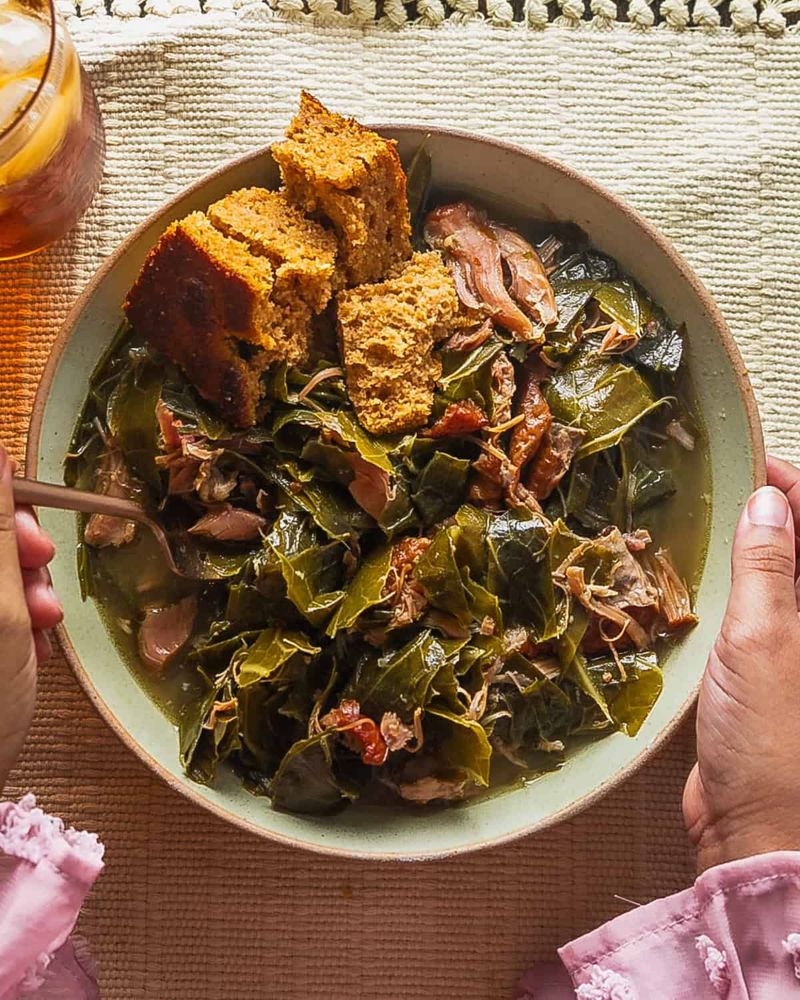
Collards reward patience. Slice into ribbons and slowly braise with onion, garlic, and something smoky like bacon or smoked turkey.
Add broth, a splash of apple cider vinegar, and simmer until silky and deep.
Skim excess fat, then season assertively with salt and pepper. A pinch of sugar balances bitterness without making it sweet.
Serve with cornbread to soak up pot liquor. Leftovers reheat beautifully and taste even better the next day.
4. Swiss Chard
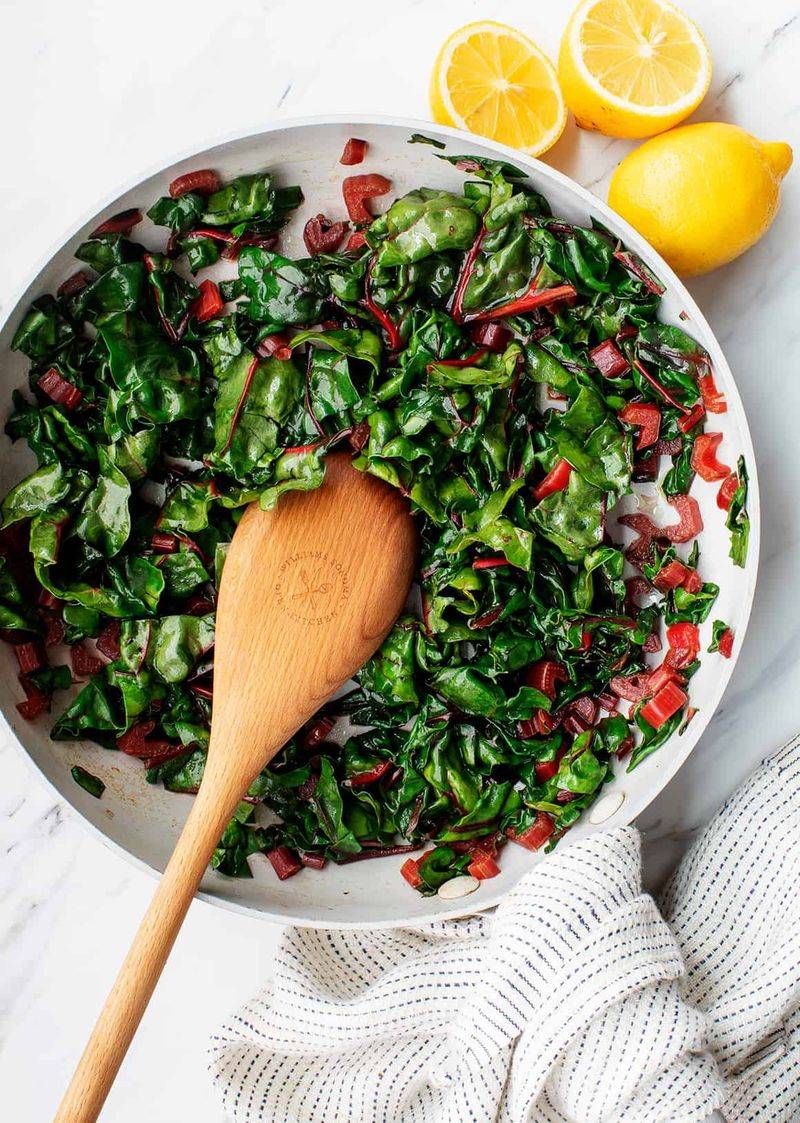
Chard stems need a head start. Dice stems and sauté with onion in olive oil until tender, then add chopped leaves.
Wilt just until glossy, finishing with lemon juice and flaky salt. This keeps colors vibrant and flavors bright.
For extra depth, toss in garlic and a pinch of chili. A dollop of ricotta or feta makes it creamy, while toasted almonds add crunch.
Do not overcook or it turns muddy. Serve beside fish, eggs, or polenta.
5. Mustard Greens
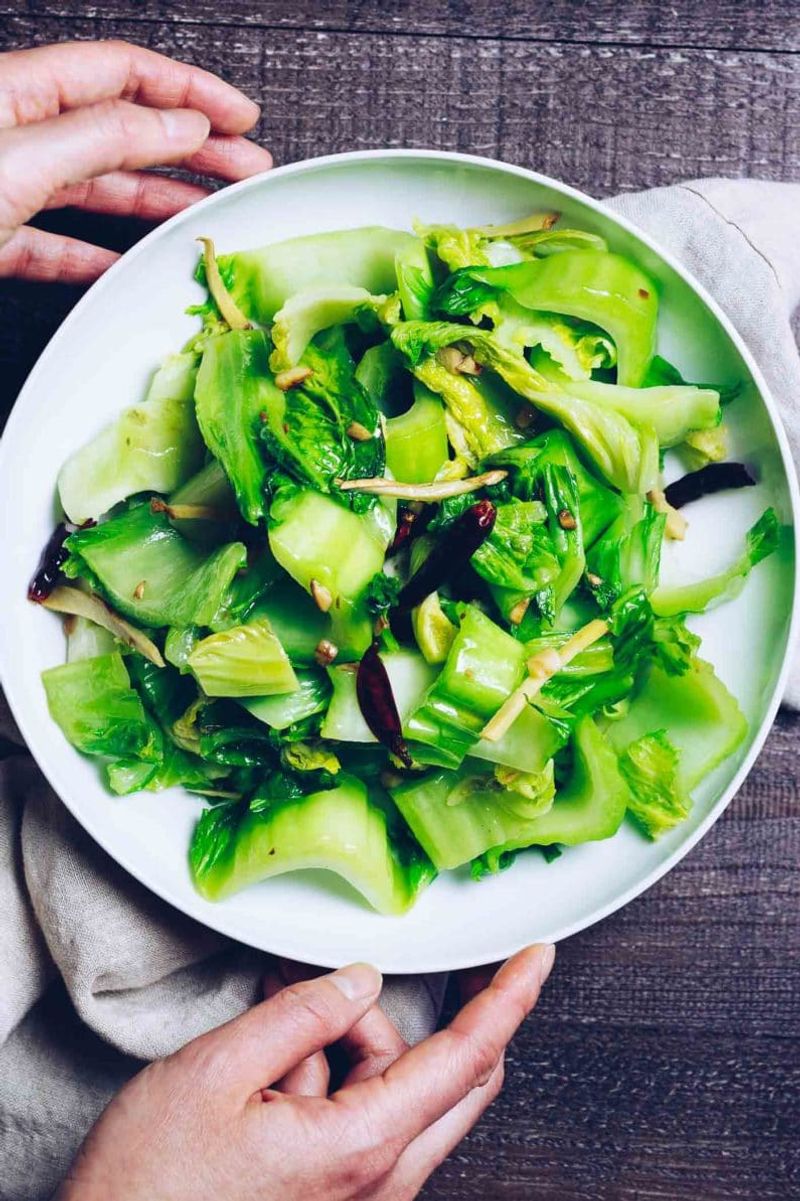
Mustard greens bring peppery intensity. For a lively bite, do a quick sauté with garlic and ginger, finishing with lemon or rice vinegar.
If you want gentler flavors, give them a brief braise with broth until just tender.
A touch of honey or mirin balances heat, while chili adds sparkle. Remove tough ribs, slice thin, and avoid overcooking.
They shine with pork, tofu, or beans. Serve over rice or fold into noodles for a speedy, satisfying side.
6. Turnip Greens
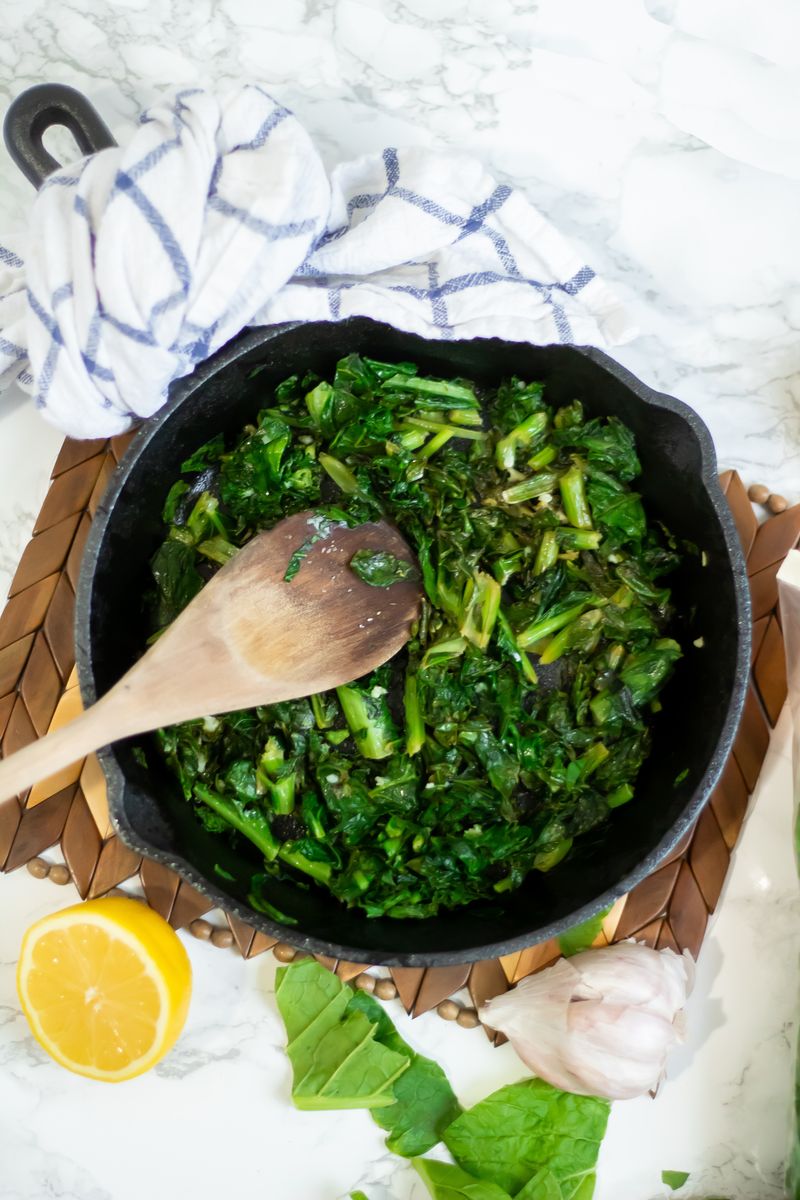
Turnip greens are slightly bitter and wonderfully earthy. Sauté them with olive oil, garlic, and chili, or simmer gently with beans and broth until tender.
A squeeze of lemon helps tame bitterness and lifts the flavor.
Include chopped stems for texture, cooking them a few minutes before the leaves. Salt early, taste often.
A drizzle of good vinegar or hot sauce at the table adds zing. Serve with crusty bread or spoon over grits for comfort.
7. Beet Greens
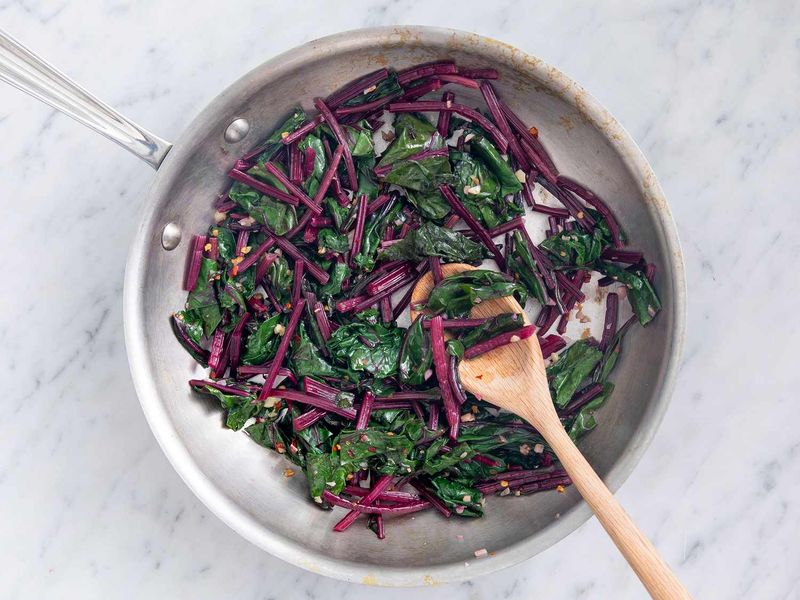
Beet greens cook like a cross between spinach and chard. Rinse well, then sauté with olive oil and garlic until just wilted.
Finish with red wine vinegar or lemon for contrast. Their colorful stems bring sweetness and crunch.
Pair with goat cheese, toasted walnuts, or a soft egg. Keep seasoning simple to let their earthy flavor shine.
Avoid overcooking to maintain color and tenderness. They make an excellent bed for roasted beets or grilled fish.
8. Bok Choy
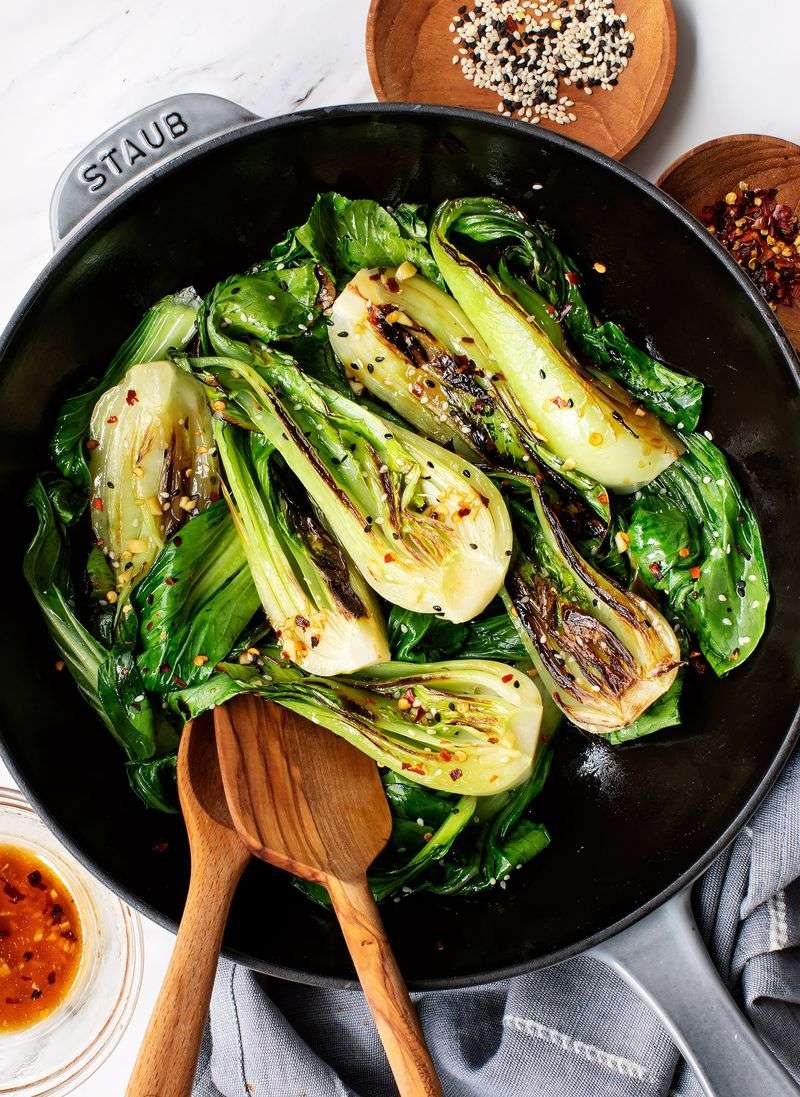
Bok choy loves high heat. Halve or slice, pat dry, then sear cut sides until lightly charred.
Toss quickly with garlic, ginger, and a splash of soy. Stems should stay crisp-tender while leaves wilt.
Finish with sesame oil and a pinch of chili flakes. A little stock turns it into a quick braise.
Do not crowd the wok or it will steam. Serve alongside rice and fish, tofu, or dumplings for a bright, clean side.
9. Napa Cabbage
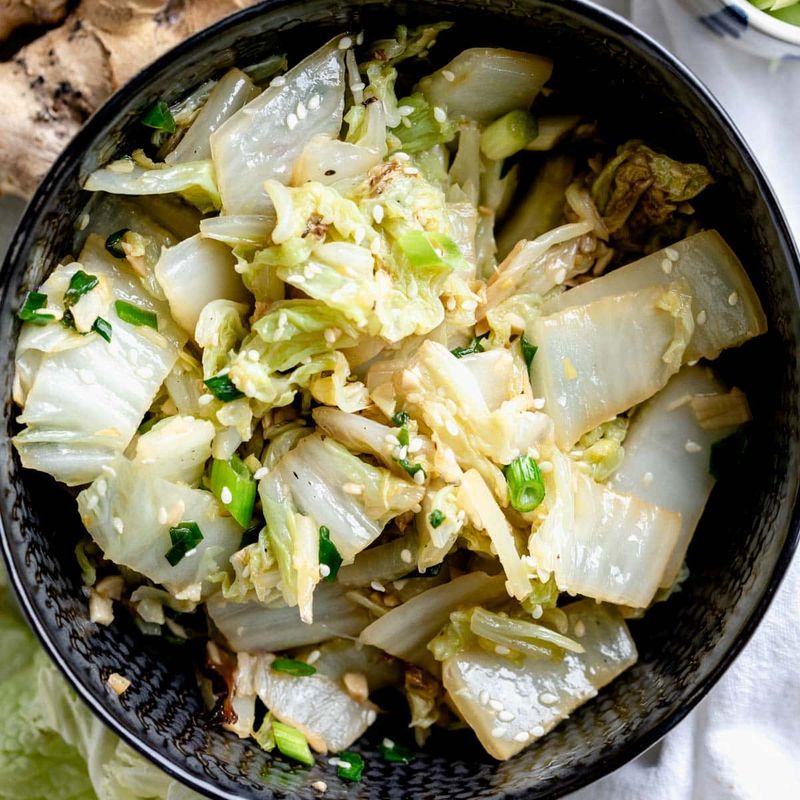
Napa cabbage softens quickly and turns sweet. Slice into ribbons and stir-fry with garlic and scallions, or simmer in a light broth with mushrooms.
It drinks up flavors, so season with soy, sesame oil, and white pepper.
For a quick braise, add stock and cover briefly. Keep some crunch by pulling it off heat early.
A drizzle of chili crisp is lovely. It is perfect for hot pot, weeknight soups, and fast sides.
10. Romaine
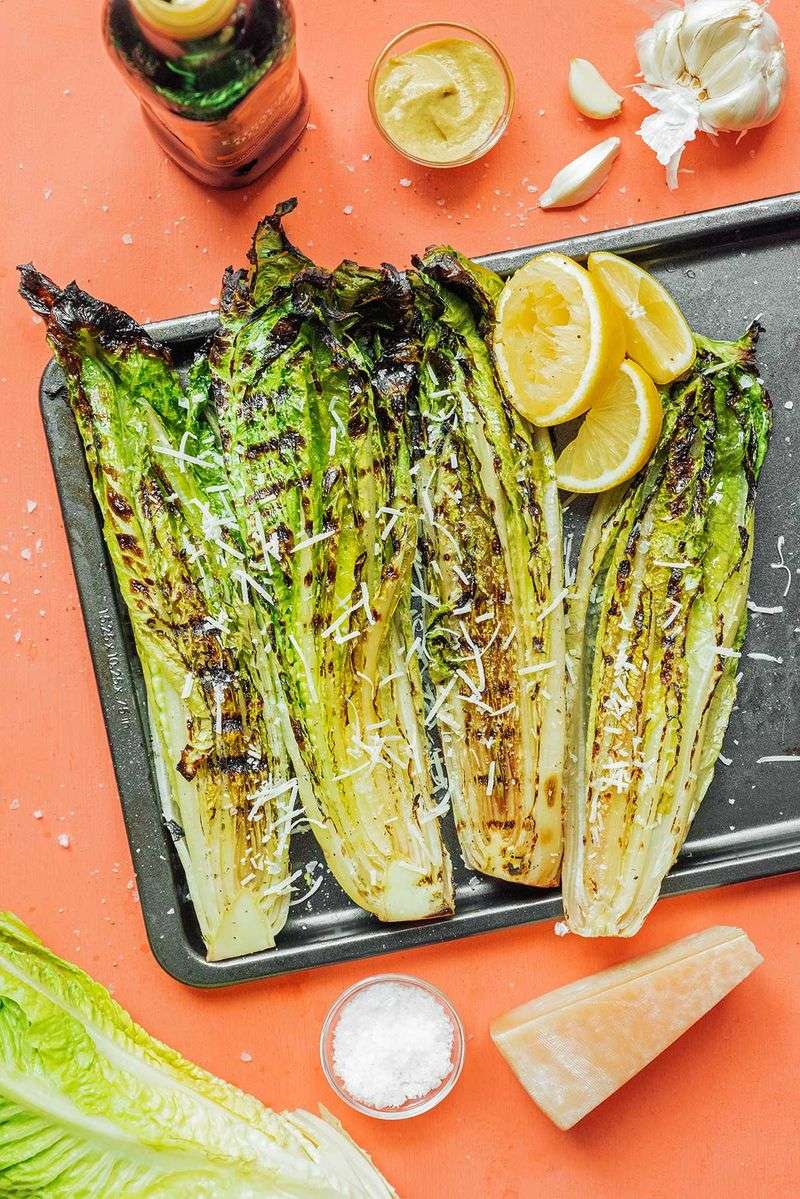
Romaine transforms on the grill. Halve hearts, keep cores intact, and oil generously.
Grill hot and fast until lightly charred and smoky. Sprinkle with salt, then finish with lemon, cracked pepper, and Parmesan or anchovy dressing.
The heat sweetens the ribs while edges crisp. Do not overdo it or leaves wilt to mush.
Serve immediately for best texture. It is a quick side that surprises guests and makes salads feel like steakhouse fare.
11. Arugula
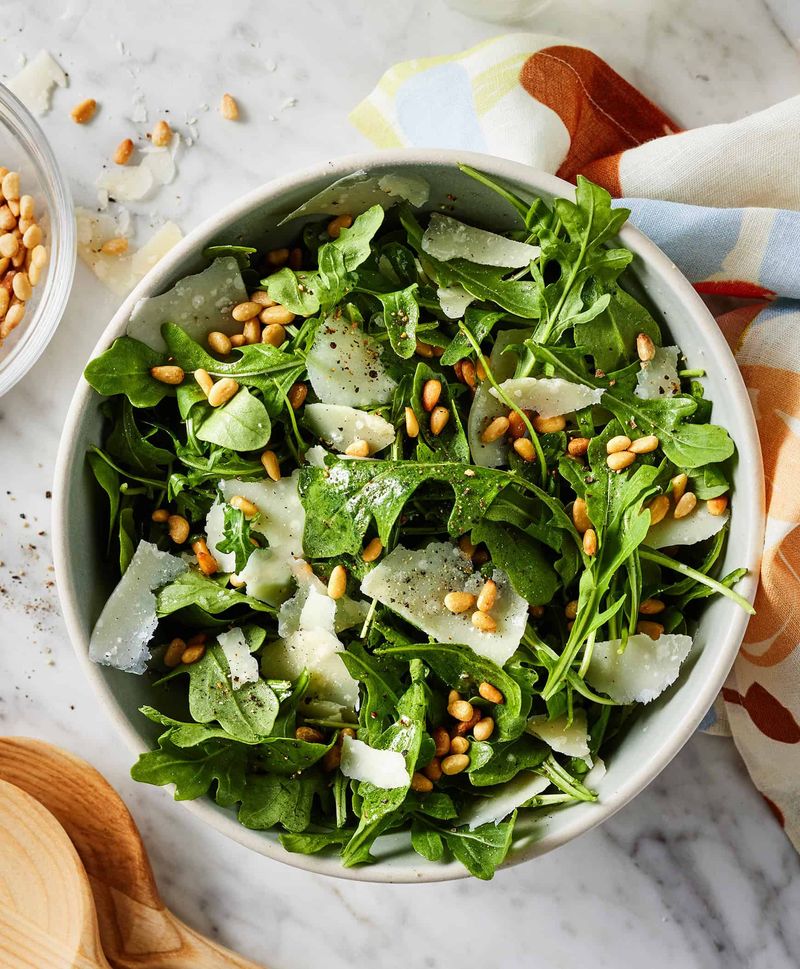
Arugula is peppery and delicate, best raw or barely wilted. Toss with lemon, olive oil, and salt for salads, or stir into hot pasta right before serving so it softens without losing bite.
Shave Parmesan for richness.
For pizza, scatter after baking so heat kisses the leaves. A handful livens grain bowls and omelets.
Do not cook long or flavors dull. Keep it cold and dry until the moment you use it.
12. Watercress
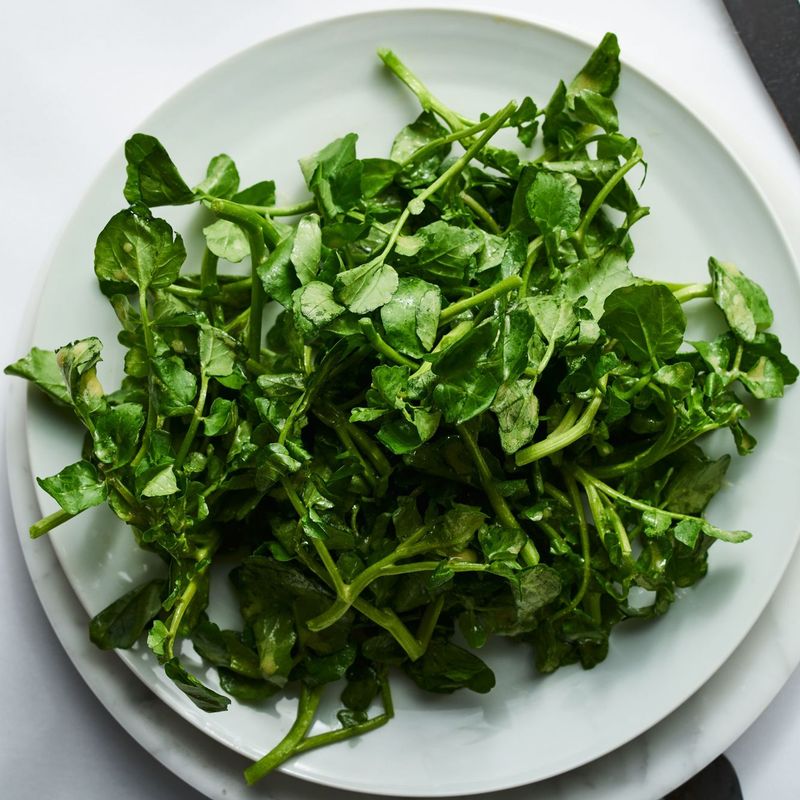
Watercress brings fresh, peppery snap. Keep it raw in salads with radish and citrus, or stir into hot soup right before serving so it stays bright.
Trim thicker stems and dry gently after rinsing.
A simple vinaigrette of lemon, olive oil, and a pinch of salt flatters its bite. Add avocado for creaminess or smoked fish for contrast.
It bruises easily, so handle lightly. Serve immediately to keep leaves perky.
13. Endive
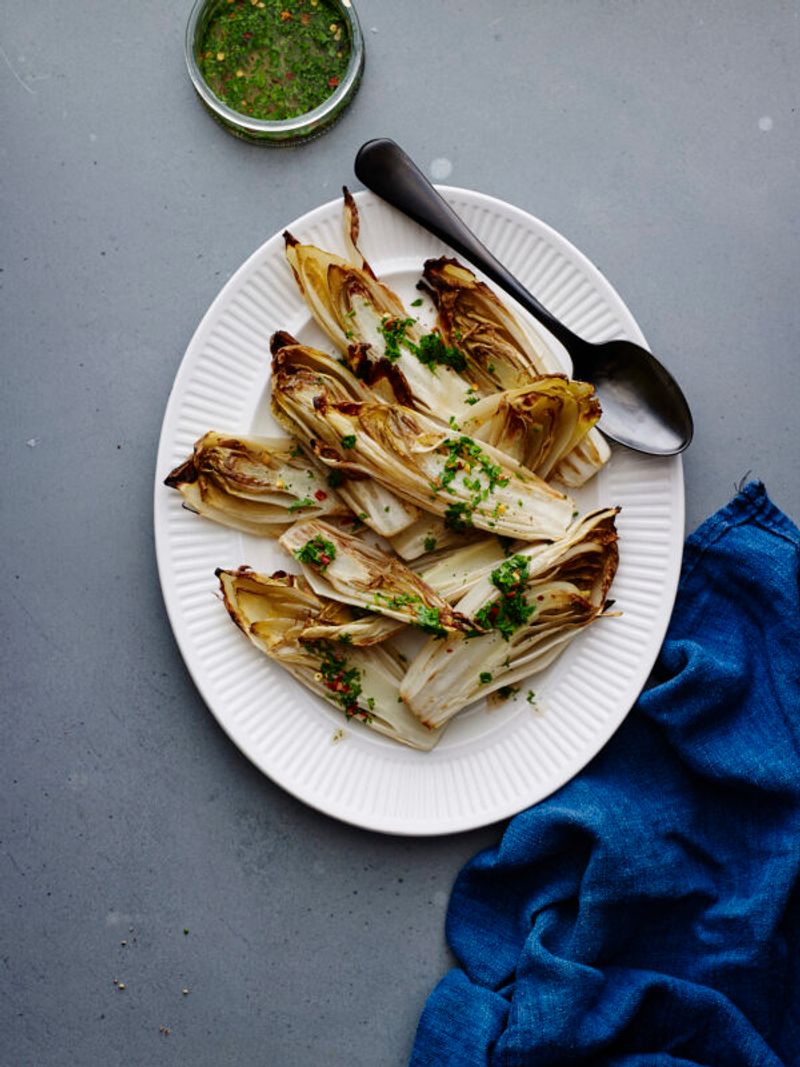
Endive starts slightly bitter but turns sweet when cooked. Brown cut sides in butter, then add a splash of broth, cover, and braise until tender.
A final uncover lets juices reduce into a glossy glaze.
Season with salt, pepper, and lemon. For richness, add a touch of cream or grated Gruyere.
Keep heat moderate to avoid scorching. Serve alongside roast chicken or fish, or tuck into tarts for a sophisticated side.
14. Radicchio
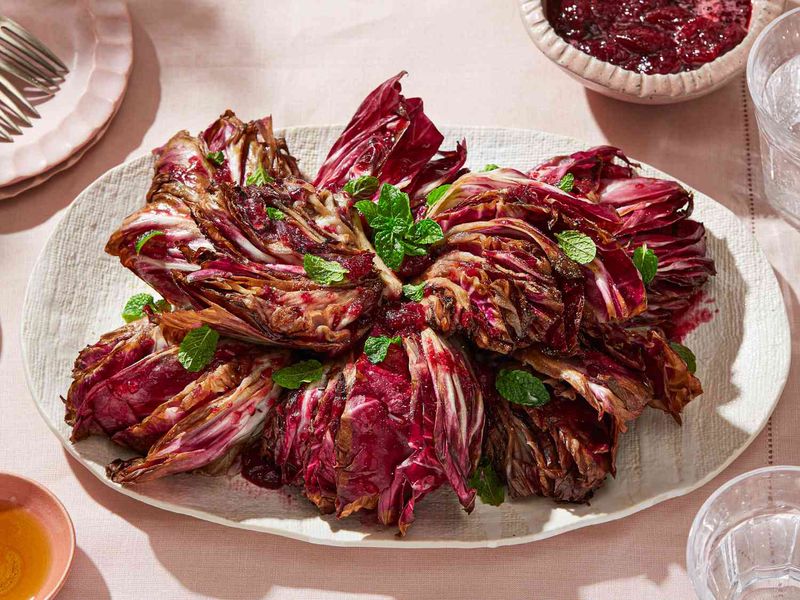
Radicchio’s bold bitterness mellows with heat. Cut into wedges, oil well, and grill or roast until edges char and centers soften.
While warm, dress with balsamic or citrus to balance and a pinch of salt to wake it up.
Olive oil and honey create a lovely glaze. Add crushed pistachios or shaved Parmesan for texture.
Do not overcook or it turns floppy. Serve warm with grilled meats or as a striking salad base.
15. Escarole
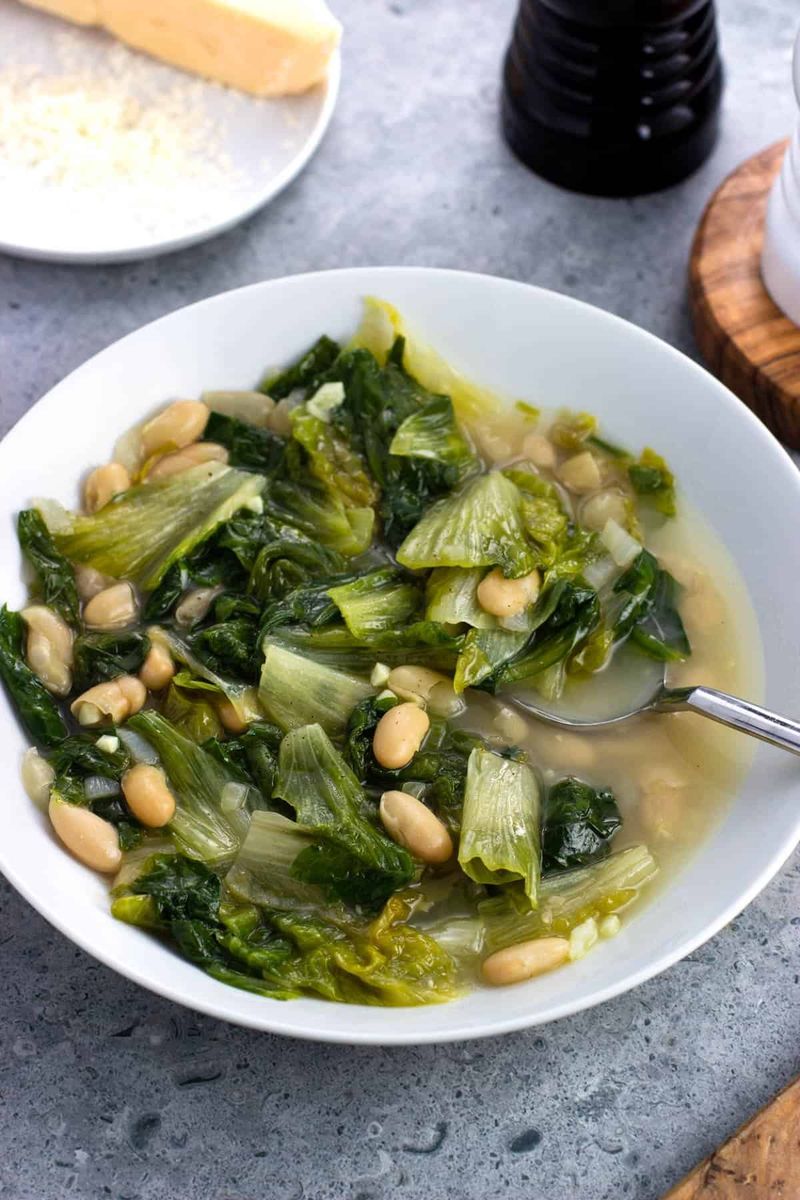
Escarole is a classic in Italian soups and beans. Slice, rinse away grit, then sauté with garlic and olive oil.
Add cannellini beans and a splash of broth, simmering briefly until tender yet pleasantly crisp. Finish with lemon and lots of black pepper.
Salt assertively to tame mild bitterness. A few anchovies melted in the oil give depth.
Do not cook to mush. Ladle over toast or into broth for a comforting, hearty bowl.