
15 Vegetables That Don’t Show Up Much Anymore

Some vegetables used to be regulars at dinner, then quietly slipped off the weekly shopping list. Blame year round availability of the same few favorites, faster prep habits, and a drift toward milder flavors.
Still, these old standbys bring depth, nutrition, and character you might be missing. Give them another look and you might uncover a new go to side or a standout main.
1. Salsify (Oyster Plant)

Salsify hides behind humble, twiggy roots, but its flavor leans subtly oceanic, like oyster kissed earth. You will want to peel it carefully and drop slices into lemon water to prevent browning.
Roast with olive oil, thyme, and plenty of salt until the edges frill and caramelize.
Old cookbooks treat it like a winter delicacy, often creamed or tucked into gratins. It fell away as supermarkets favored tidy shapes and faster cooking vegetables.
If you like parsnips or artichokes, salsify slots right in.
Try it in a velvety soup with garlic and a splash of cream, or shaved raw, crisp, and lemony in salad. It rewards patience with gentle sweetness and a quietly luxurious texture.
2. Parsnips (as a regular side)

Parsnips used to headline winter plates, sweet and earthy when the cold concentrates their sugars. Now they are often a holiday afterthought, eclipsed by potatoes and carrots.
You can bring them back by roasting until deeply caramelized, then tossing with butter and a drizzle of honey.
They mash beautifully too, especially with cream and white pepper for a cozy, nutty side. If you want more snap, try thin coins seared in a skillet until spotty brown.
Their perfume plays well with rosemary, cumin, or miso.
Peel thicker, woody specimens, and seek smaller roots for tenderness. Cook them long enough to coax sweetness but stop before they collapse.
That balance delivers the nostalgic, rib sticking comfort they were once loved for.
3. Rutabaga
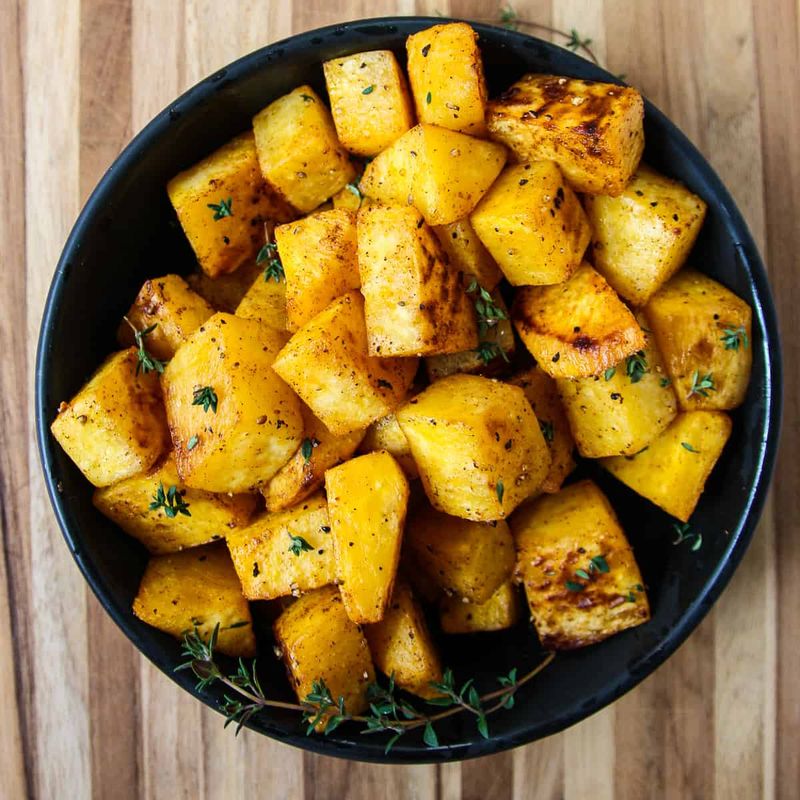
Rutabaga looks gnarly, but it transforms into buttery, gently peppery comfort. Trim the waxed skin aggressively, then cube and simmer until tender.
Mash with butter and a splash of cream, or fold into stews where it holds shape better than potatoes.
Roasting gives rutabaga a toffee edge and a satisfying chew. Toss with mustard, maple, and smoked paprika for a sheet pan upgrade.
It is a cold weather workhorse that respects budget and storage.
If bitterness worries you, blanch briefly before roasting to tame it. Pair with dill, caraway, or horseradish for Nordic vibes.
Once you taste that sweet savory balance, you will wonder why it ever left the regular rotation.
4. Turnips (beyond soup)

Turnips get typecast as soup filler, but young ones are crisp, juicy, and lightly peppery. Slice thin and sauté quickly with butter, garlic, and a squeeze of lemon.
The tops cook like tender greens, so do not toss them.
Roasted, turnips caramelize into something sweet and pleasantly earthy. Glaze with miso and honey, or toss with tahini and herbs for a modern side.
They also shine raw, shaved into salads with apples and toasted nuts.
Older, larger bulbs can taste sharper, so peel and blanch before final cooking. Salt early to draw moisture and encourage browning.
When treated with care, turnips step confidently out of the soup pot and onto center stage.
5. Kohlrabi
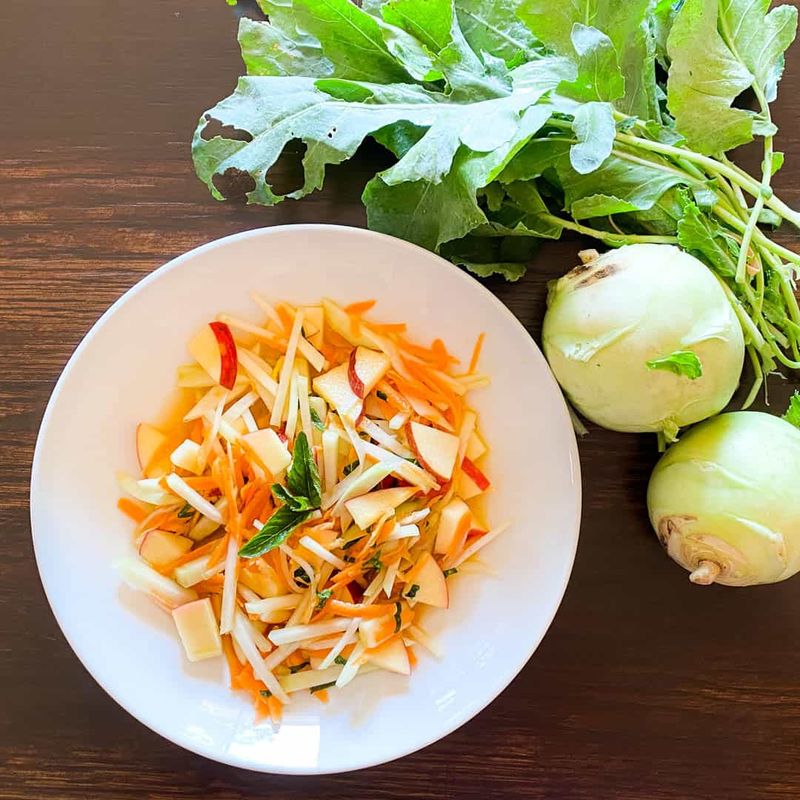
Kohlrabi looks like a spaceship, but it tastes like broccoli stem meets apple crispness. Peel thickly, then slice thin for crunchy slaws with apple, lemon, and yogurt.
You can also pan roast wedges until sweet and browned at the edges.
The leaves are edible and behave like kale in a quick sauté. Its mildness welcomes bold dressings, from sesame ginger to mustardy vinaigrettes.
Grate it into latkes to lighten and sweeten the mix.
If you avoid it because of the odd shape, try pre cutting it into sticks for snacking. Sprinkle salt and chili, and you will keep reaching back.
Kohlrabi is versatile, unfussy, and unfairly overlooked in everyday cooking.
6. Celeriac (Celery Root)
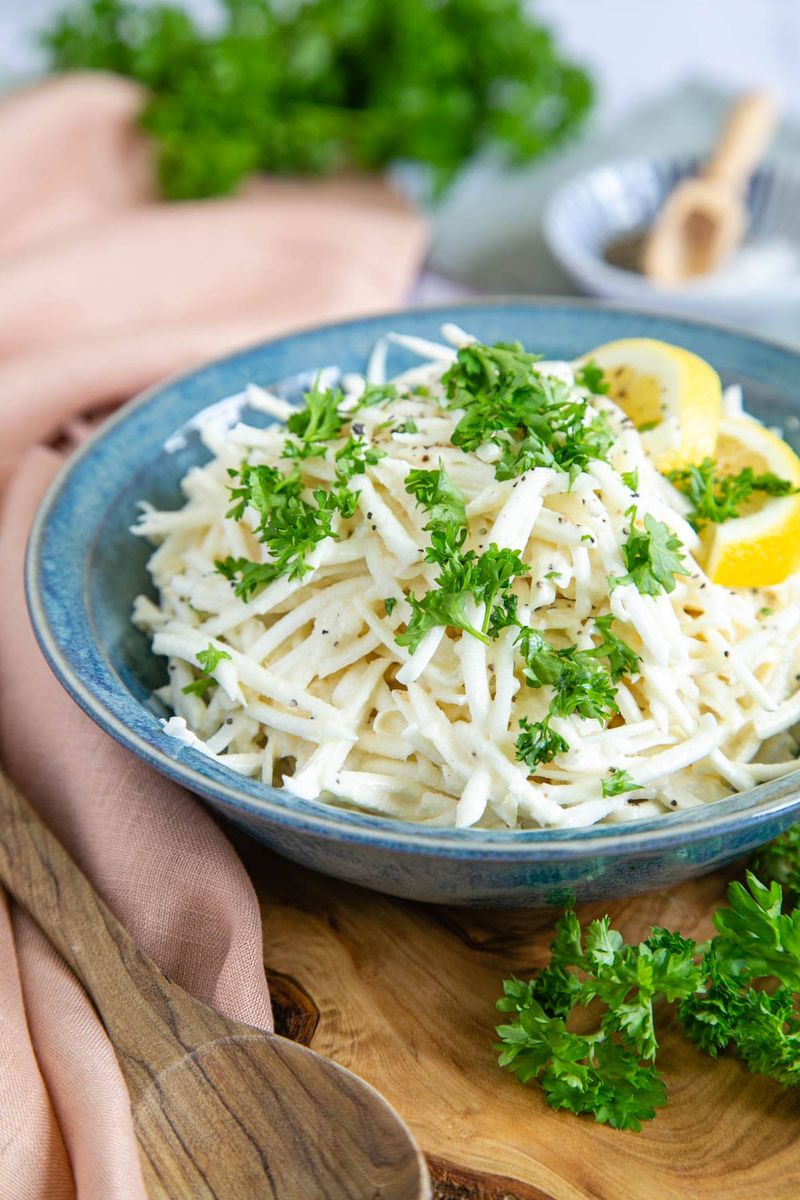
Celeriac is the wallflower with incredible flavor, celery like but nutty and deep. Peel the rough exterior with a knife, not a peeler, to get clean white flesh.
Simmer and puree with butter for a silken mash that rivals potatoes.
Matchsticks tossed with lemon and mayo make céleri rémoulade, a bracing French classic. Roast cubes with garlic and rosemary until caramel edges form.
It slips into soups to add body without heaviness.
Do not fear the looks. Store it chilled and wrapped to prevent drying, then use within a week or two.
Once you taste that aromatic sweetness, you will hunt for it on winter market tables.
7. Fiddlehead Ferns
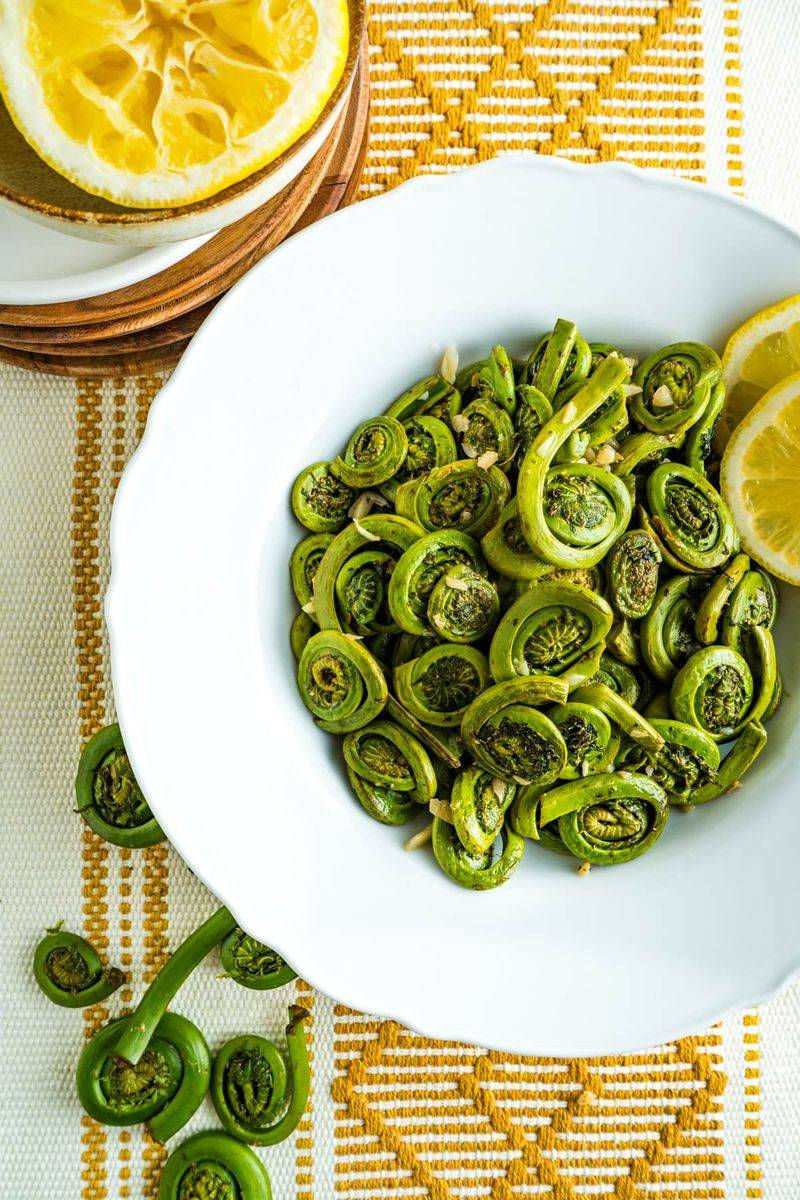
Fiddleheads are springtime spirals with a grassy, asparagus like flavor. You must clean them well, then blanch before sautéing to remove bitterness.
A quick toss with butter, garlic, and lemon keeps their snap.
They used to be a regional rite of spring, now mostly a niche specialty. Eat them simply with eggs, or pile onto toast with ricotta.
Their season is short, so cook them the day you buy them if possible.
Do not overdo it, because they can turn mushy fast. Toasted almonds, chili, and herbs make them sing.
If you crave a seasonal ritual, fiddleheads deliver that fleeting, first green taste of the year.
8. Cardoons
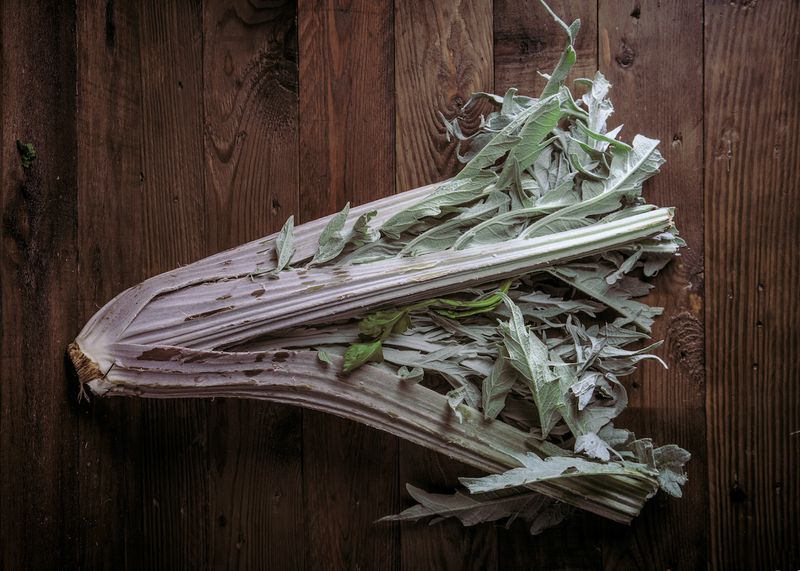
Cardoons resemble giant, silvery celery with a hint of artichoke flavor. They need trimming, stringing, and a good blanch in lemon salted water.
After that, they melt into luscious gratins with béchamel and Parmesan.
In Italian kitchens, cardoons once signaled holiday feasts and Sundays. Today, they rarely appear outside specialty markets.
The mild bitterness loves anchovy, lemon, and olive oil, so try them braised with those flavors.
Yes, there is effort, but the payoff is silky, savory, and unique. Serve alongside roast lamb or bright citrus salads.
Cardoons reward slow cooking and a little patience with a taste that feels both rustic and elegant.
9. Chicory (as a cooked green)
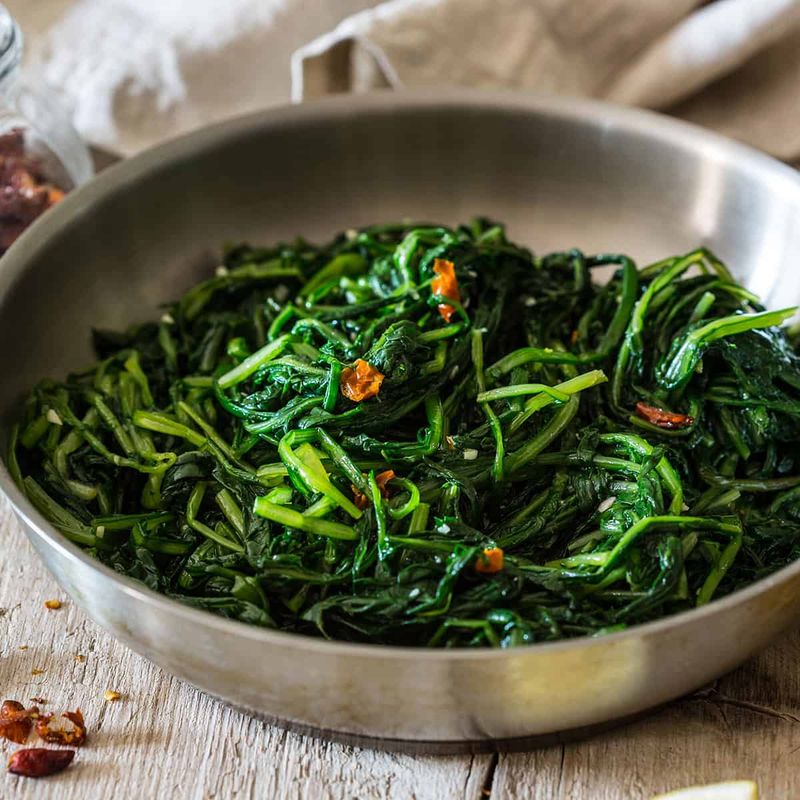
Cooked chicory brings satisfying bitterness that wakes up rich foods. Sauté with garlic, chili, and olive oil, then finish with lemon.
It pairs beautifully with beans, sausage, and creamy polenta.
Once common on weeknights, bitter greens faded as palates leaned sweeter. You can reintroduce them by mixing with milder escarole or spinach.
Blanch first if you want a gentler profile, then squeeze dry before sautéing.
A final splash of vinegar or a few anchovies turns everything savory and balanced. Serve as a side or heap onto toast with fried eggs.
If you miss complexity at dinner, chicory reclaims that bold, old school groove.
10. Beet Greens
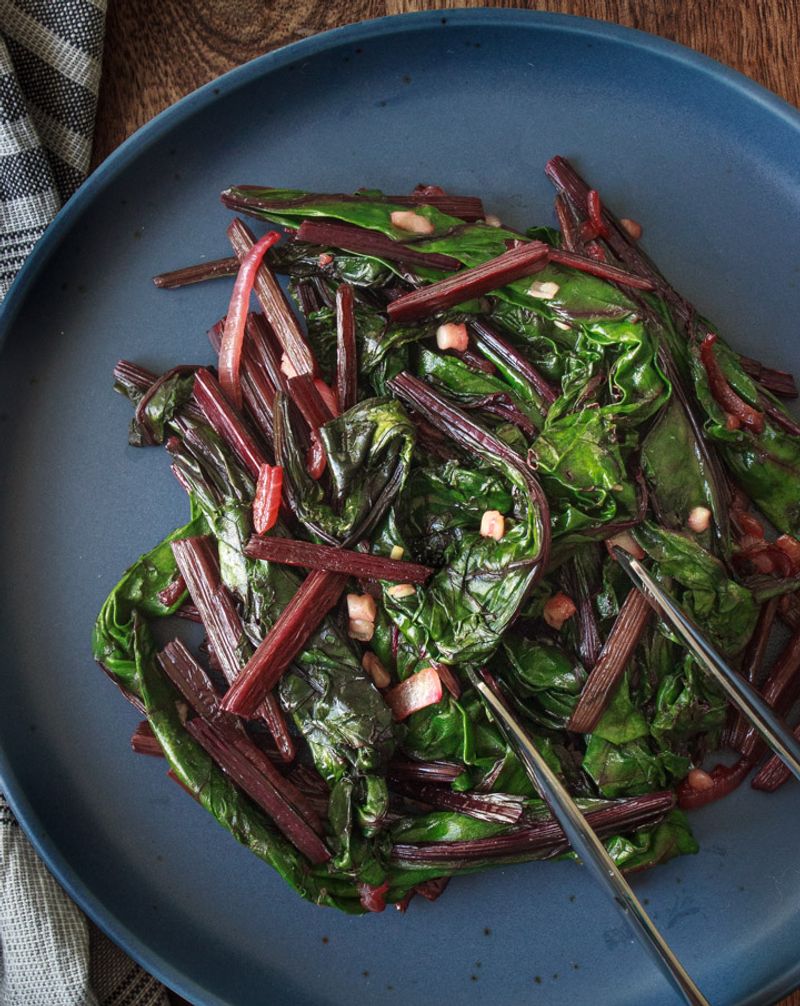
Beet greens often get tossed, but they cook into silky, mineral rich goodness. Wash thoroughly, then chop stems and leaves separately for even timing.
Sauté stems first with garlic, add leaves, and finish with lemon.
The flavor sits between Swiss chard and spinach, with a gentle sweetness. Fold into omelets, swirl into polenta, or spoon over grains with yogurt.
They are an easy two for one when you buy whole beets.
If the bunch looks wilted, revive in cold water before cooking. Keep seasoning bright and salty to counter earthiness.
Turning tops into dinner feels thrifty and delicious, a small act that reduces waste and adds color.
11. Mustard Greens (outside of the South)
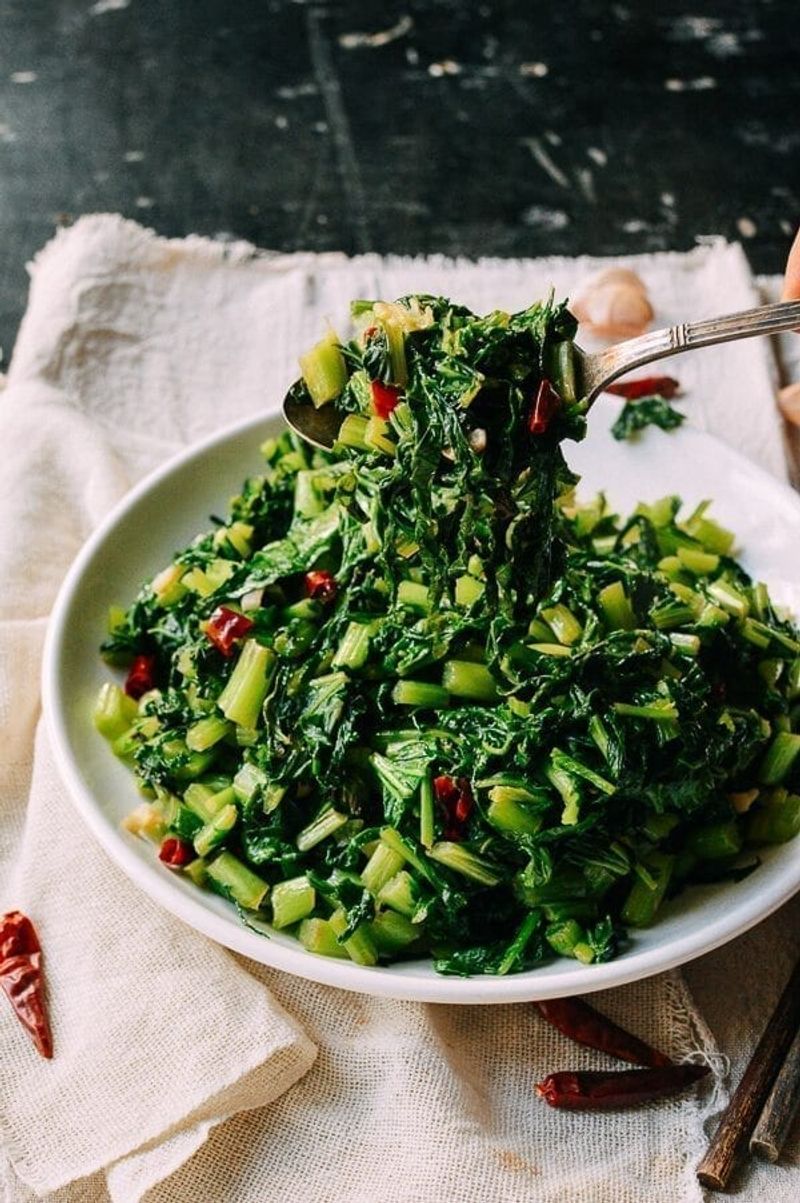
Mustard greens bring peppery punch and a satisfying chew. Outside the South, they show up less often than kale or spinach, which is a shame.
Braise with garlic, stock, and a splash of vinegar until tender but lively.
For speed, stir fry with ginger and soy, finishing with sesame oil. The heat softens the bite while keeping personality.
Smoked paprika, bacon, or mushrooms add backbone without heavy sauces.
Choose smaller leaves for milder flavor, or embrace the brassiness and pair with rich mains. A little acidity is non negotiable to balance bitterness.
Bring them back when you crave greens that cut through heavy, comfort food plates.
12. Dandelion Greens
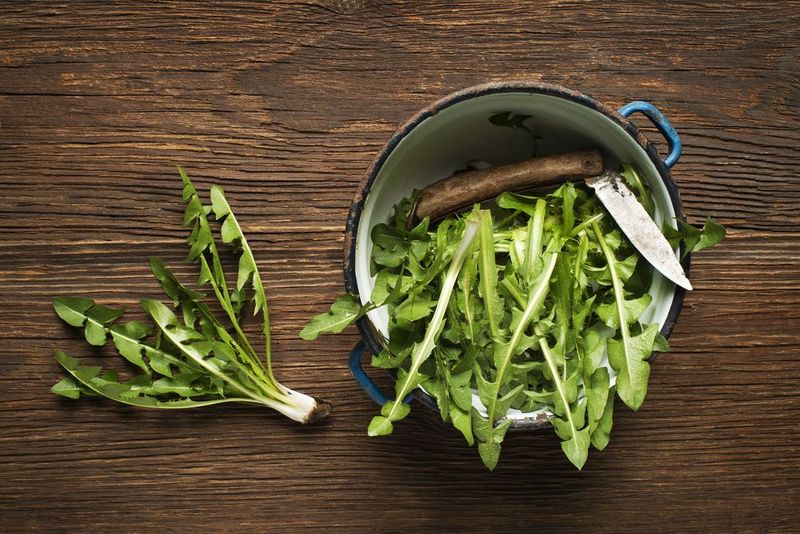
Dandelion greens taste boldly bitter and peppery, especially when grown wild. Tame them by blanching, then sauté with garlic, chili, and olive oil.
A squeeze of lemon makes everything pop and keeps the greens lively.
They used to mark spring, gathered young before the bite got intense. Now they are more of a specialty purchase.
If bitterness scares you, mix with milder greens or add creamy elements like ricotta.
Serve with a fried egg and crusty toast for a simple meal. Or toss into bean dishes where their edge adds balance.
Once you dial in the seasoning, you will crave that pleasantly challenging bite.
13. Sorrel
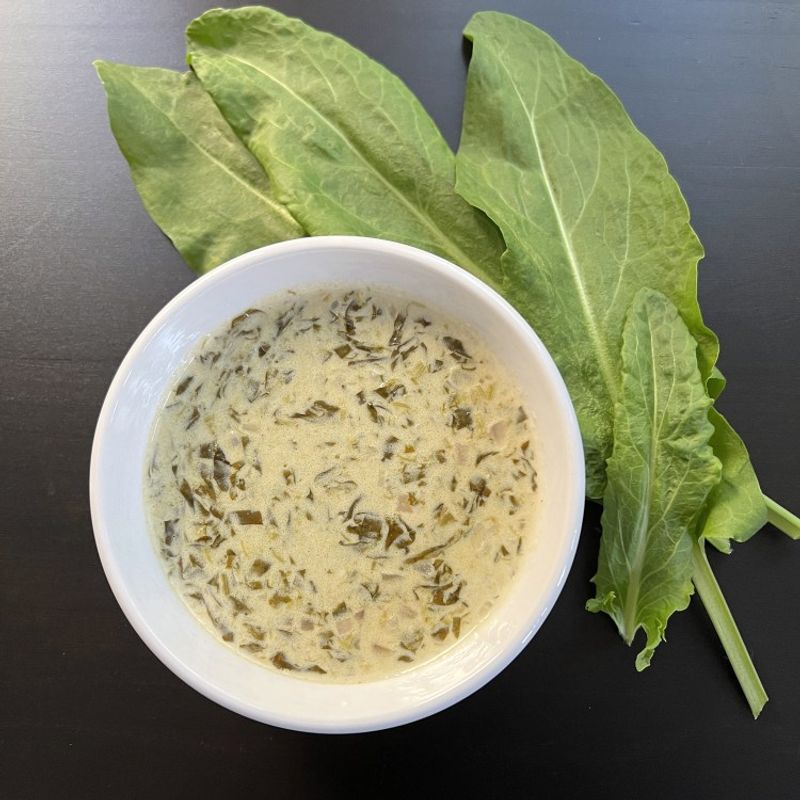
Sorrel brings a bright, lemony snap that cuts through richness. It wilts quickly, so add near the end to preserve color and tang.
Classic sorrel soup is silky and cheerful, perfect with a swirl of cream.
The leaves make sauces that sing over fish, chicken, or potatoes. Chiffonade into salads with cucumber and herbs for a lively crunch.
Heat dulls its acid, so consider splitting the batch and adding some off heat.
If you cannot find sorrel, add a hint of lemon to spinach as a stand in. But when you do spot it, grab extra for freezing.
That puckery freshness brightens a weeknight like a squeeze of sunshine.
14. Jerusalem Artichokes (Sunchokes)
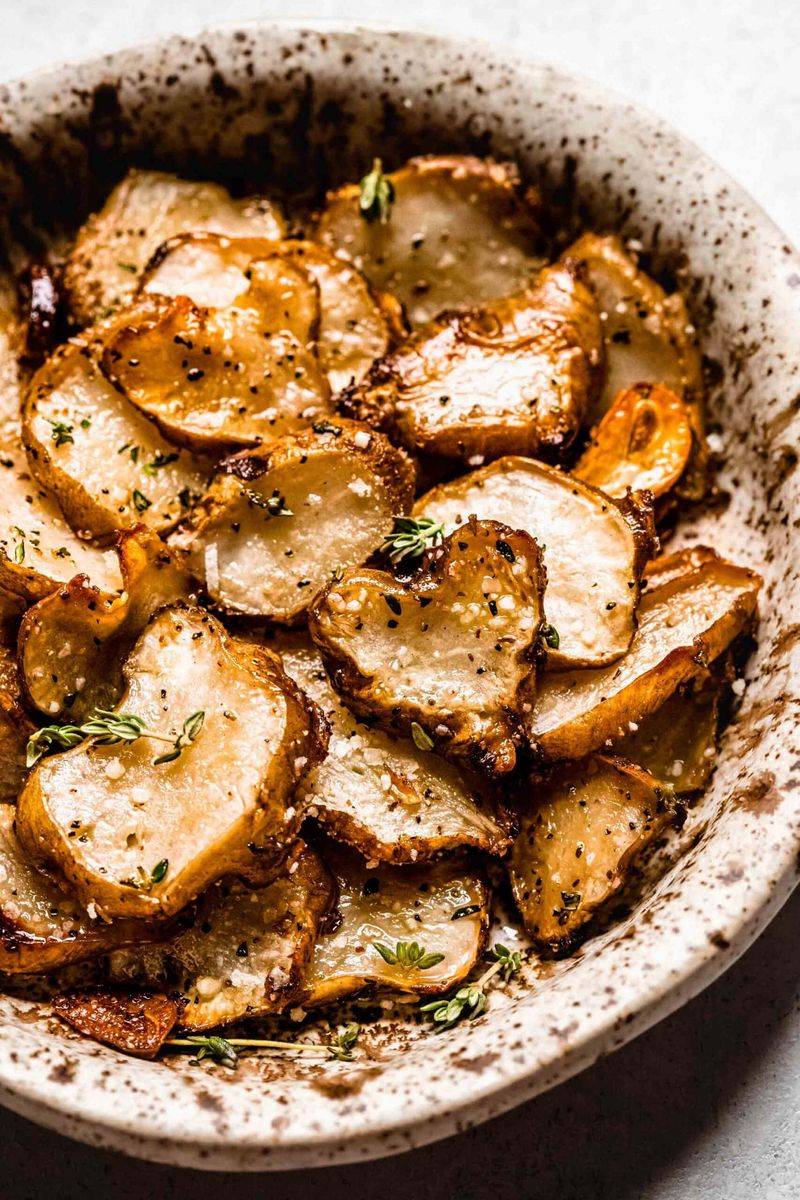
Sunchokes roast into nutty, sweet nuggets with irresistibly crisp edges. Scrub well, no need to peel, then slice and toss with oil and salt.
Roast hot until golden and tender inside.
They also puree into a luxurious, slightly smoky soup. The texture feels creamy without much dairy.
Some people experience digestive rumbling, so start with a smaller portion and cook thoroughly.
Pair with lemon, hazelnut, or rosemary, and treat them like potatoes with more personality. A quick pickle turns them crunchy and bright.
When you want something familiar yet surprising, sunchokes deliver depth and charm.
15. Fresh Cranberry Beans (Shell Beans)
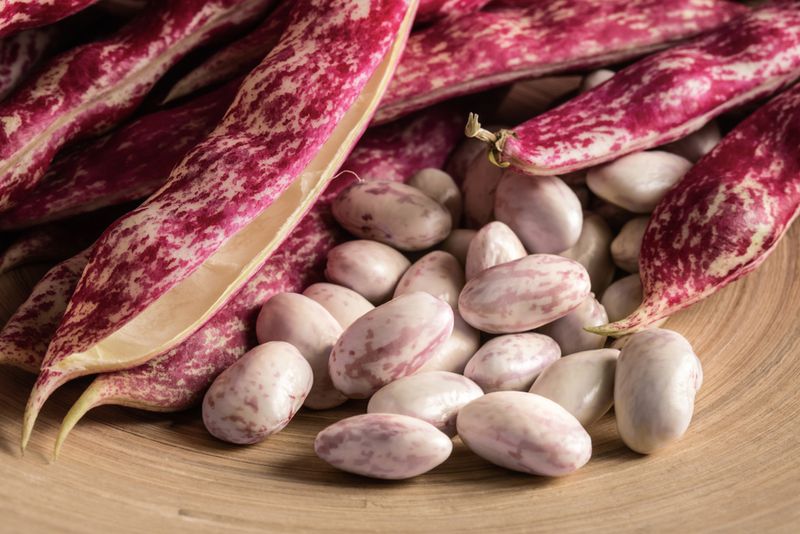
Fresh cranberry beans wear pink speckles that fade when cooked to creamy tenderness. Shelling takes a few minutes, but the payoff is incomparable.
Simmer gently with onion, garlic, and bay until soft but intact.
Brothy beans make a comforting bowl with olive oil and lemon. Stir into pasta with tomatoes and herbs, or spoon over toast with greens.
They freeze well after a quick cook, so you can stretch the season.
Because canned beans are so convenient, these fell off shopping lists. Bring them back for Sunday cooking and easy lunches all week.
The texture and flavor remind you why slow, simple food can feel quietly luxurious.