16 Foods And Dining Habits That Defined Mid-Century America
Step into a world where dinner came in tidy compartments and the television dictated mealtime. Mid-century America shaped how many of us still eat, from casserole nights to backyard grill rituals.
You will see familiar comfort foods, quirky gelatin showpieces, and party spreads that made neighbors feel like family. Get ready to recognize your grandparents’ table and maybe your own weeknight habits, too.
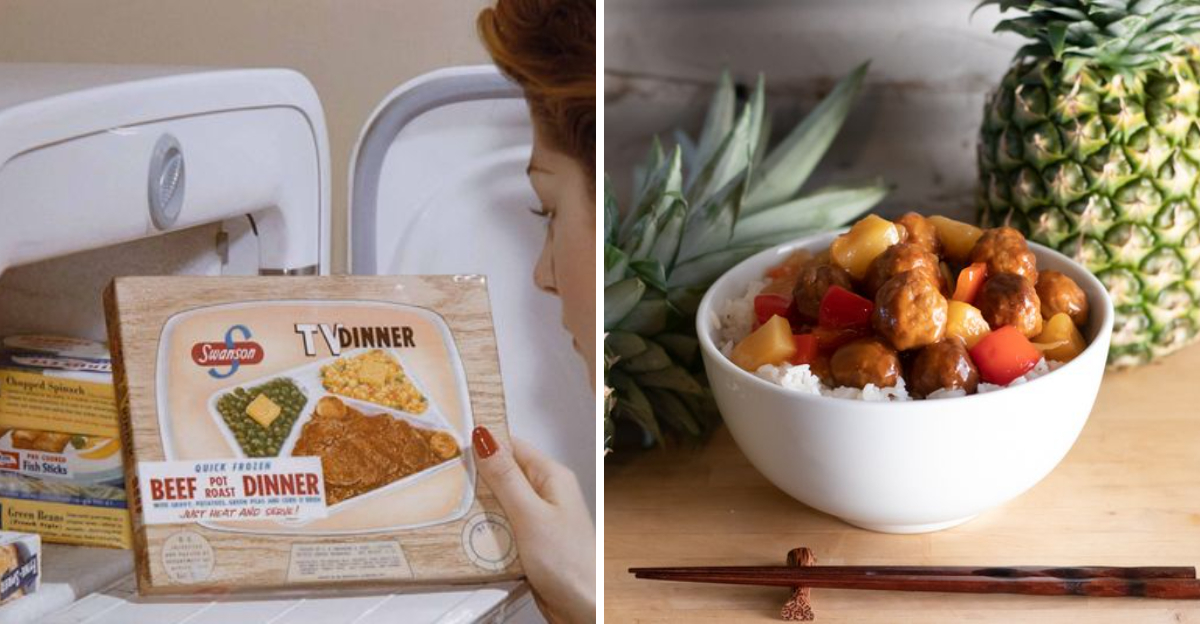
1. TV Dinners On Compartment Trays
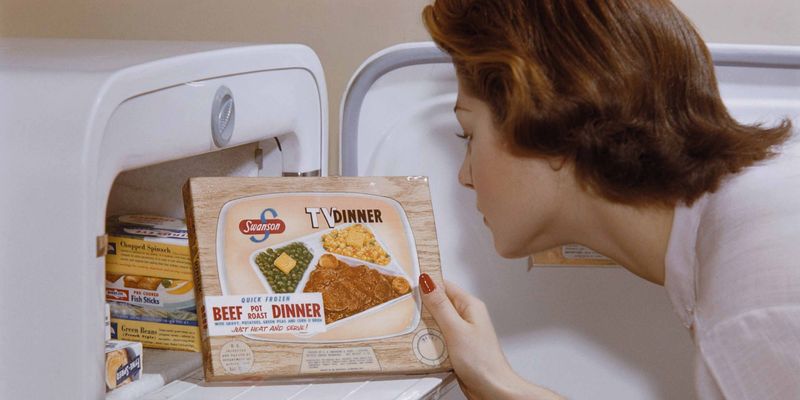
Pop open the freezer, slide the foil tray into the oven, and dinner lands in neat compartments. TV dinners normalized eating on the couch while watching favorite programs, no need for formal tables.
Protein in one square, veggies in another, dessert tucked safely apart defined expectations.
You could count on consistency and minimal cleanup. That tidy layout trained palates to think main plus sides as a standard formula.
Convenience beat culinary adventure, and the ritual stuck.
Families synchronized eating with broadcast schedules. You might remember Salisbury steak or turkey with peas.
The hum of the set became background seasoning.
2. Casseroles Built From Condensed Soup
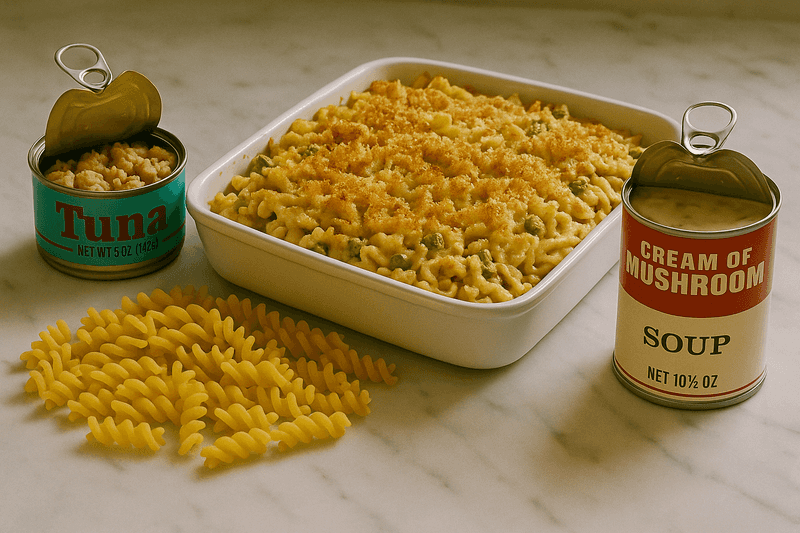
Open a can of cream-of-something, stir with starch and leftovers, and you have dinner for six. Condensed soup turned home cooks into assembly pros, delivering predictable results fast.
Tuna-noodle, chicken-and-rice, green bean bake these became weeknight heroes.
You could stretch meat, use pantry staples, and still feel you cooked from scratch. The sauce coated everything like a culinary safety net.
Church cookbooks spread the formulas, standardizing taste.
That creamy shortcut shaped comfort expectations. When you crave cozy, your mind still reaches for that texture.
It is thrift, efficiency, and nostalgia in one Pyrex.
3. Jell-O Molds And Gelatin Salads
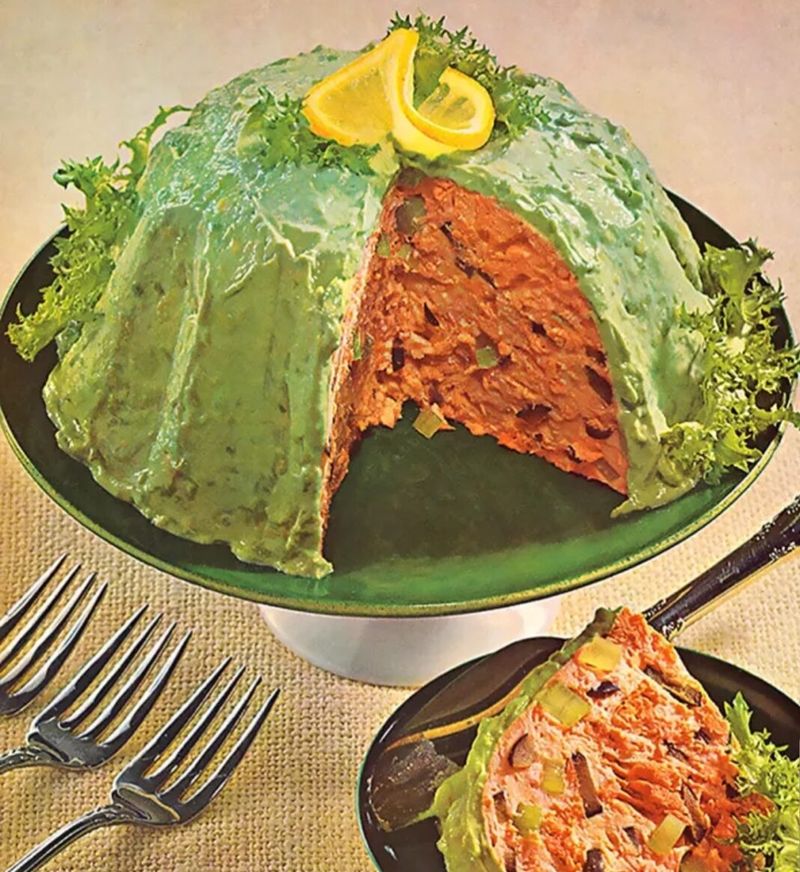
Shimmering rings and tower molds promised party magic with a wobble. Sweet or savory, gelatin salads held fruit, celery, olives, even shredded chicken.
Convenience met spectacle you could unmold, garnish, and serve with a flourish.
Refrigerators made make-ahead shine. Guests admired translucence like stained glass, even when flavors clashed.
You learned the jiggle was part of the charm.
Kitschy today, iconic then, these molds symbolized modern control over time. Set it, forget it, unveil it later.
Every slice revealed suspended nostalgia, perfectly chilled for applause.
4. Cocktail Parties And Hors d’Oeuvres
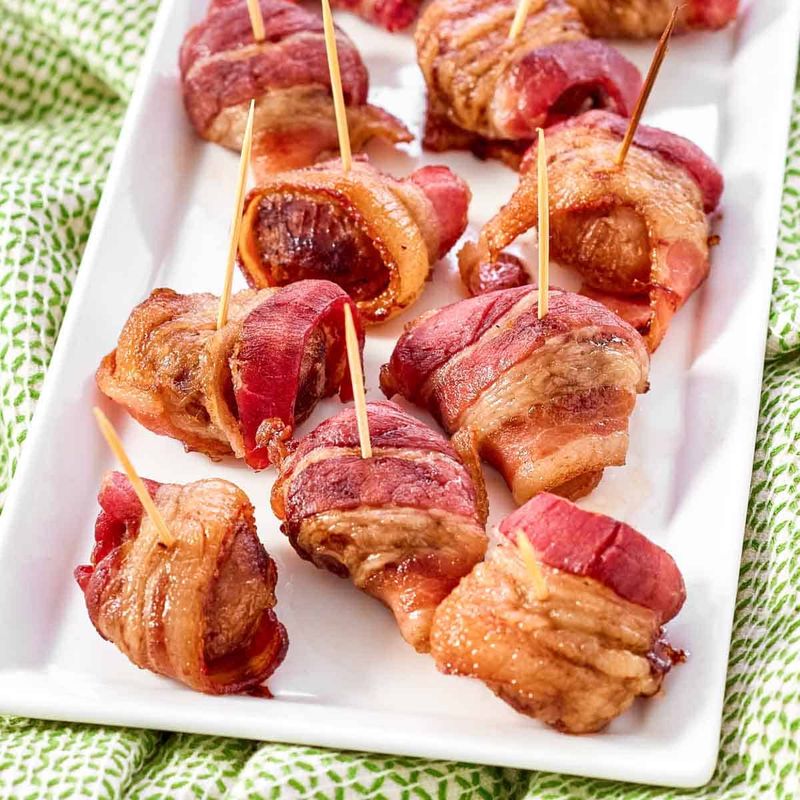
Glasses clinked, records spun, and bites circulated on silver trays. Cocktail parties favored grazing over seated formality, perfect for new suburban living rooms.
Cheese balls, pigs in blankets, and deviled eggs kept conversations flowing.
You did not need a big dining room, just a coffee table and toothpicks. Dips and crackers stretched budgets without killing vibe.
Hosts became curators of small flavors.
The ritual encouraged mingling and confidence with convenience. A good bar cart paired with reliable nibble recipes.
You remember the sparkle as much as the snacks.
5. The Rise Of Salad As A Side Category
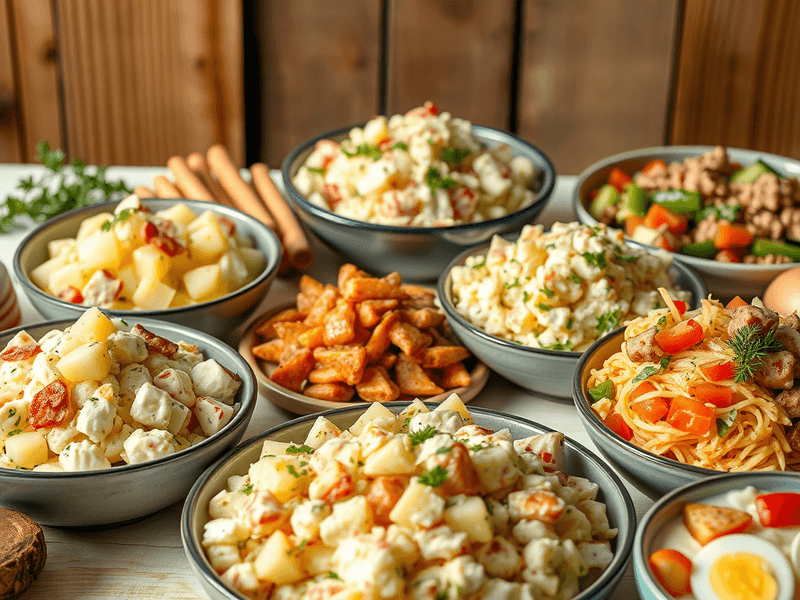
Salad meant more than lettuce. Potato, macaroni, coleslaw, and molded varieties earned permanent space beside mains.
Mayonnaise and bright dressings unified flavors, especially when dishes were made the day before.
You could feed crowds cold, portioned, and dependable. Picnic tables and church basements loved these bowls.
Each scoop promised creamy comfort with tang.
The word salad expanded household vocabulary. That flexibility trained palates to expect a chilled counterpoint to warm entrees.
Even today, barbecue feels incomplete without a mayo based side.
6. Potlucks As A Social Default
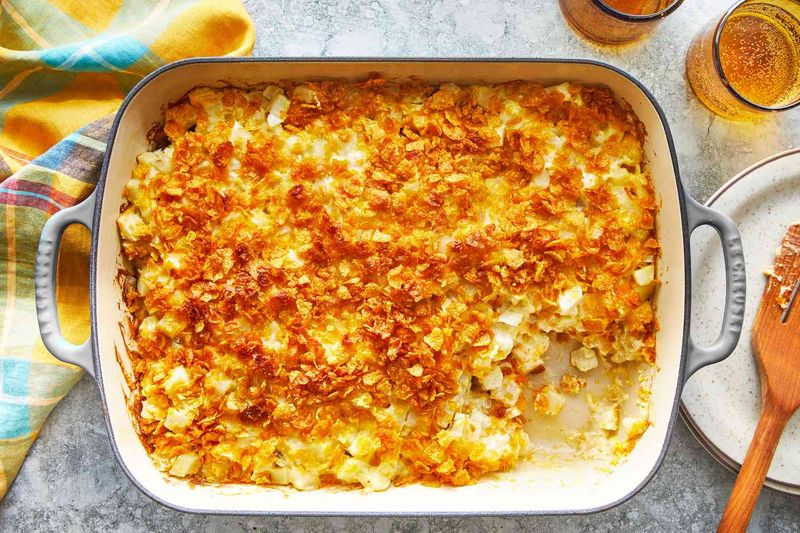
Bring a dish and join the table that was the mid-century social password. Potlucks turned many kitchens into one buffet, making casseroles and baked desserts the stars.
Dishes traveled well in glass pans and foil.
You tasted neighbors’ traditions and carried home new recipes. Standardized pans meant portions stayed predictable.
Modest budgets stretched into abundance with sharing.
These gatherings trained expectations for comfort food and practicality. A successful dish was easy, portable, and forgiving.
Community was seasoned with cream, crumbs, and coffee.
7. Convenience Baking Mixes
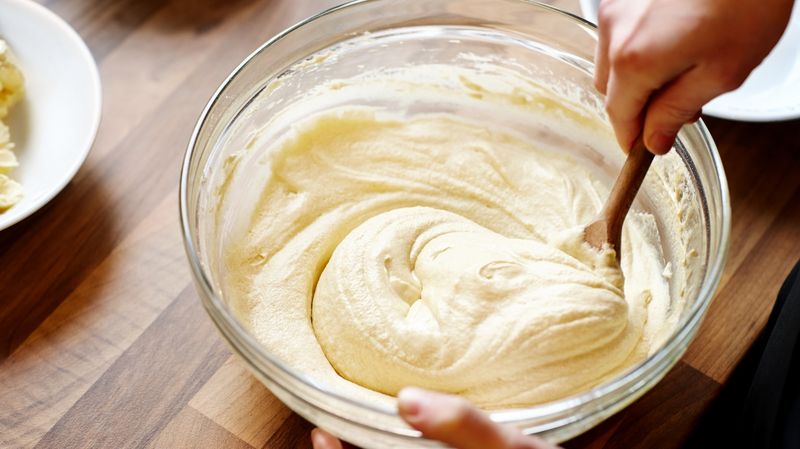
Open a box, add eggs and oil, and you looked like a pro. Baking mixes democratized dessert, narrowing the gap between scratch and shortcut.
Packaging taught techniques right on the panel.
You got reliable crumb, tall layers, and on-time birthdays. Pudding and gelatin mixes expanded pantry superpowers.
The brand became your silent kitchen helper.
These products standardized what homemade looked and tasted like. A frosted sheet cake with confetti said celebration.
Convenience made confidence rise like batter in the oven.
8. Meatloaf As A Weekly Staple
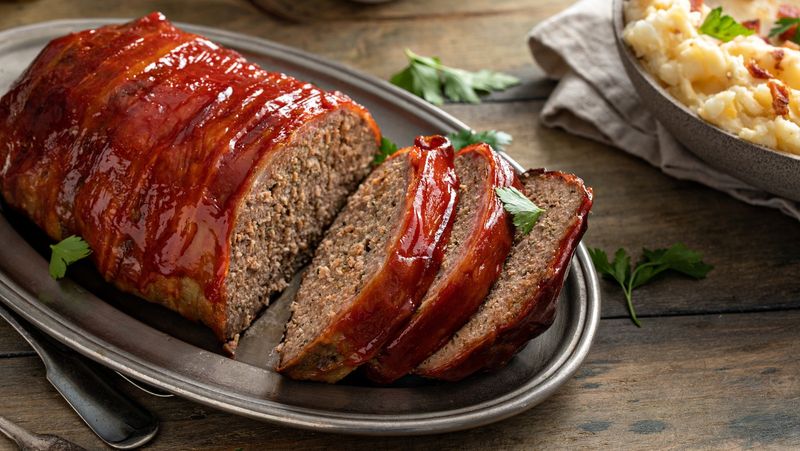
Ground meat, binder, and glaze turned into thrifty comfort. Meatloaf stretched protein with breadcrumbs, oats, or crackers.
It sliced neatly, perfect for sandwiches the next day.
You could crowd-please without fuss or fancy cuts. Ketchup or tomato glaze caramelized on top like a promise.
The loaf pan kept everything uniform and dependable.
Weekly repetition taught expectations for hearty, filling plates. Even reheated, it held structure and flavor.
Practicality met ritual, and dinner felt complete with mashed potatoes alongside.
9. Luncheon Meats And Sandwich Culture
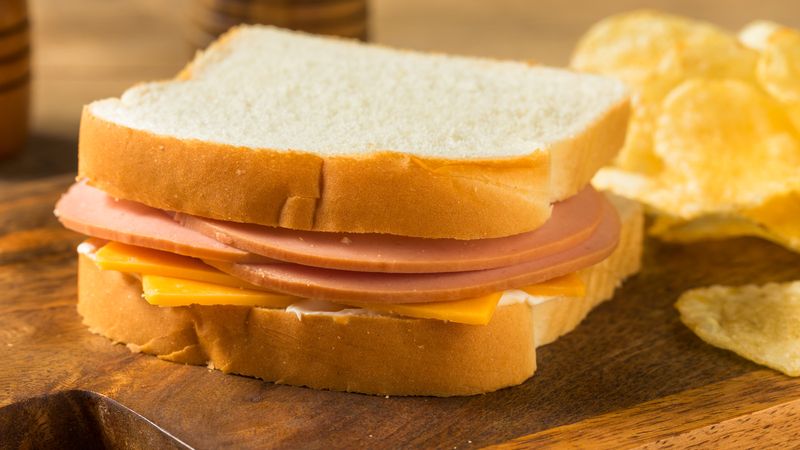
Pre-sliced deli packs made lunch assembly-line easy. Bologna, ham, salami, and American cheese lived beside mustard and pickles.
White bread framed everything into neat rectangles.
You could pack lunches fast, consistent, and kid approved. Thermoses and brown bags marched to school and office.
Sandwiches became the default midday script.
Advertising sold portability and efficiency as modern virtues. The ritual carried into picnics and road trips.
Even today, a cold cut stack feels reassuringly familiar.
10. Canned And Frozen Vegetables As Everyday Cooking
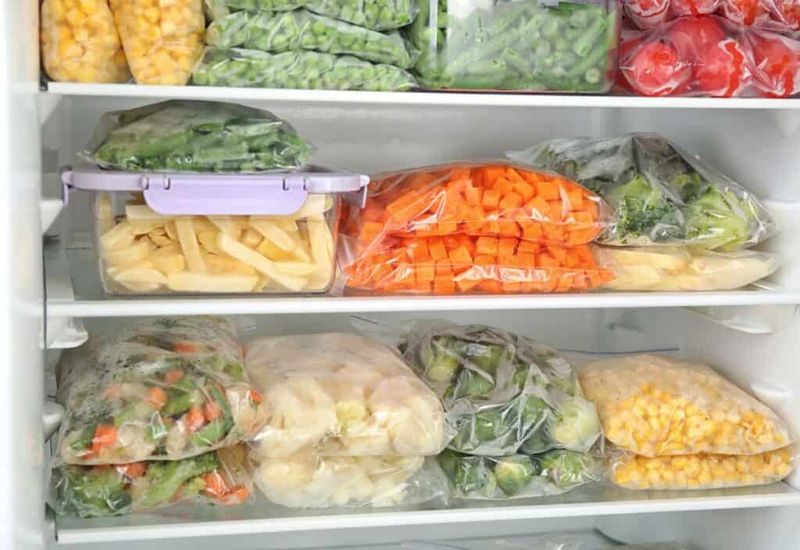
Shelf stable cans and frosty bags promised vegetables anytime. Flavor took a back seat to availability and speed.
Green beans, corn, and peas showed up nightly, drained, buttered, and salted.
You could plan meals without worrying about seasons. Freezers and can openers felt like progress on the counter.
Labels taught serving sizes and quick methods.
The habit shaped family palates toward uniform textures. Convenience won, even if freshness lost.
Many side dishes you reach for today trace back to those aisles.
11. Backyard Grilling And Cookout Food
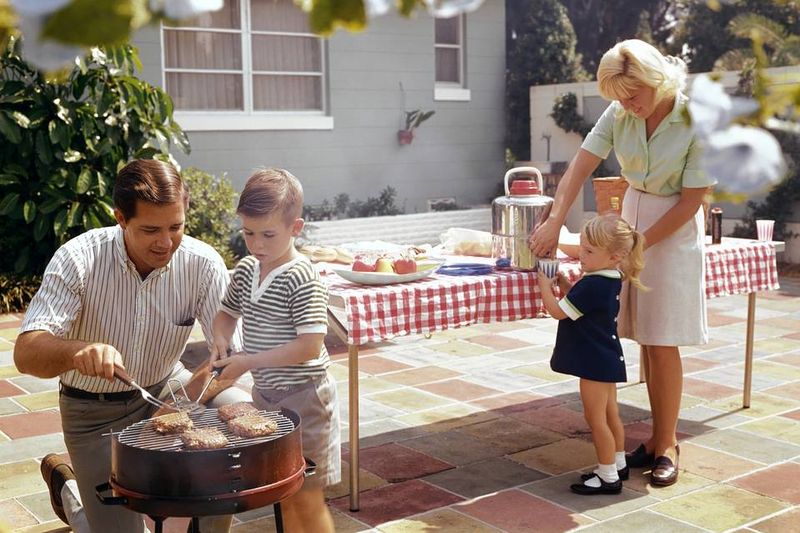
Suburban backyards turned into open-air kitchens. Charcoal smoke perfumed weekends, and the menu rarely strayed from burgers, dogs, and simple sides.
Paper plates and plaid tablecloths finished the scene.
You learned grilling meant togetherness, not chef credentials. Neighbors drifted over when they smelled dinner.
Potato salad and coleslaw anchored the spread.
This ritual made summer taste like flame and ketchup. Affordable cuts and repeatable methods kept stress low.
Even now, you chase that backyard sizzle when the weather turns kind.
12. The Cafeteria And Diner Boom
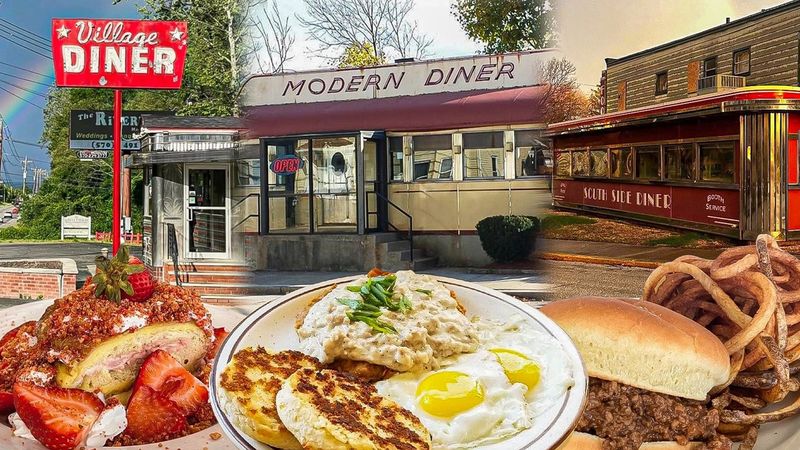
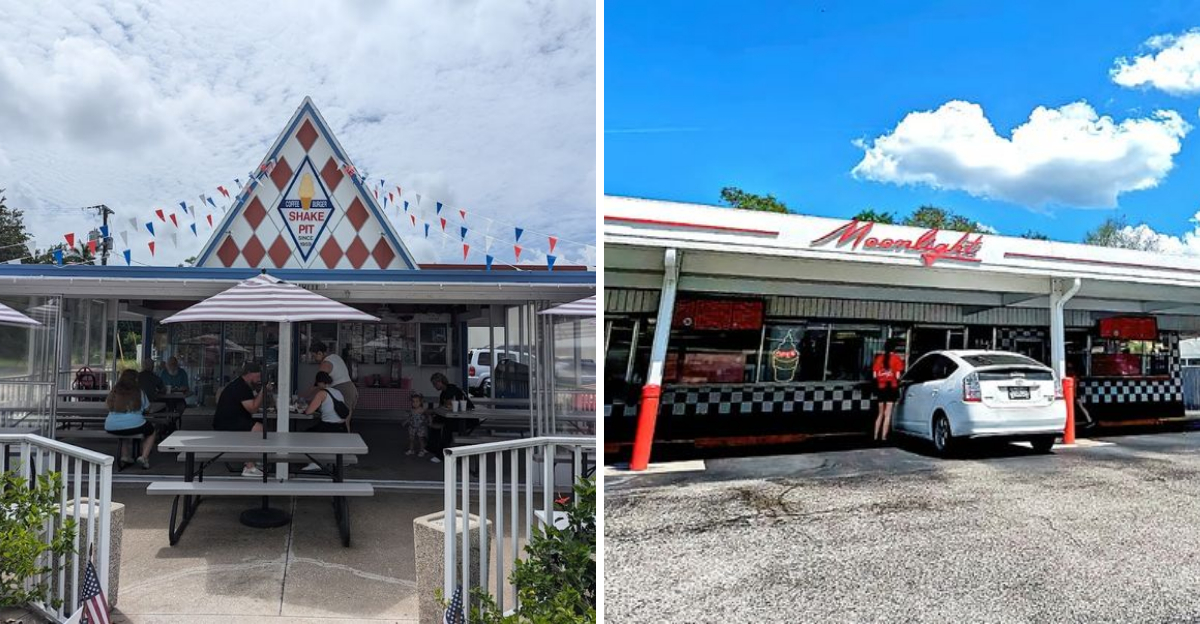
Neon lights and chrome counters promised predictable plates. Diners and cafeterias thrived by serving comfort food fast, with generous portions and familiar names.
Trays slid past steam tables like edible assembly lines.
You could count on coffee, pie, and the blue plate special. Prices stayed approachable for families.
Uniforms and jukeboxes set a friendly rhythm.
Eating out reinforced home tastes rather than replacing them. The menu read like your pantry, only quicker.
That reliability built lifelong cravings for simple, sturdy fare.
13. Exotic Foods Adapted For American Tastes
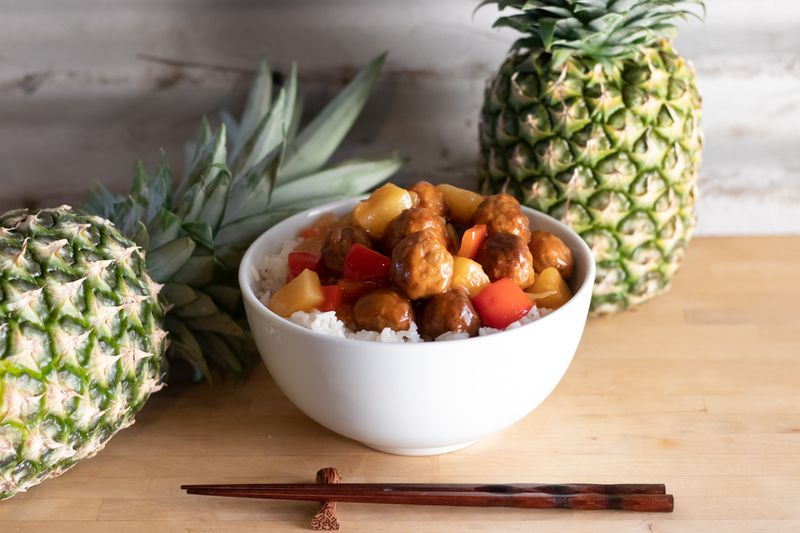
Global dishes arrived filtered through convenience and local taste. Chop suey, pineapple-on-ham, spaghetti with meat sauce you saw them simplified for weeknights.
Canned goods and familiar spices kept flavors approachable.
You got novelty without leaving comfort zones. Recipes traveled via magazines and brand pamphlets.
Skillet shortcuts stood in for long techniques.
The result broadened horizons while reinforcing American pantry habits. It was culinary tourism by can opener.
Many beloved weeknight standbys started as gentle translations.
14. Bright, Sweet Salad Dressings
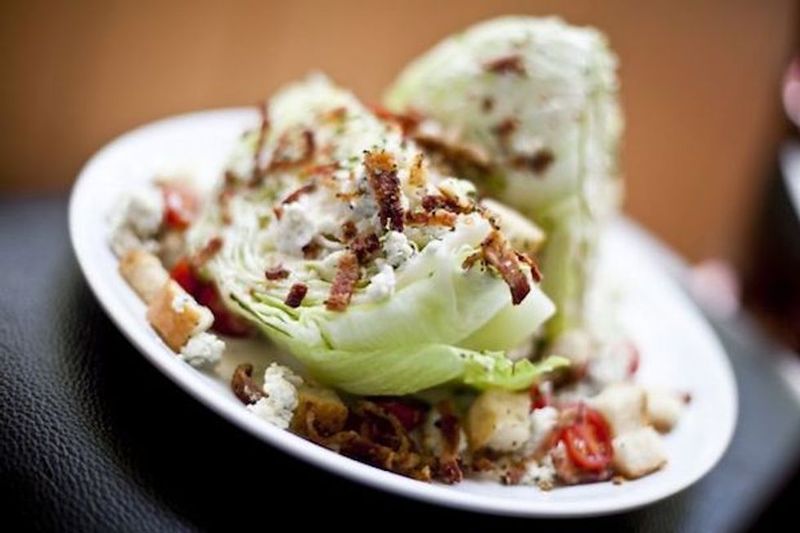
Bottled dressings glowed in orange and red, sweet and tangy enough to tame iceberg. French and Catalina styles coated salads, but also marinated meats and brightened casseroles.
The shine announced flavor before the first bite.
You learned to expect bold sweetness on crisp lettuce. Squeeze bottles and jars simplified weeknights.
The fridge door became a color palette of sauces.
These dressings trained palates to enjoy sugar with savory. That preference lingers in many modern vinaigrettes.
Even today, an iceberg wedge begs for that nostalgic drizzle.
15. Big Sheet Cakes And Church-Style Desserts
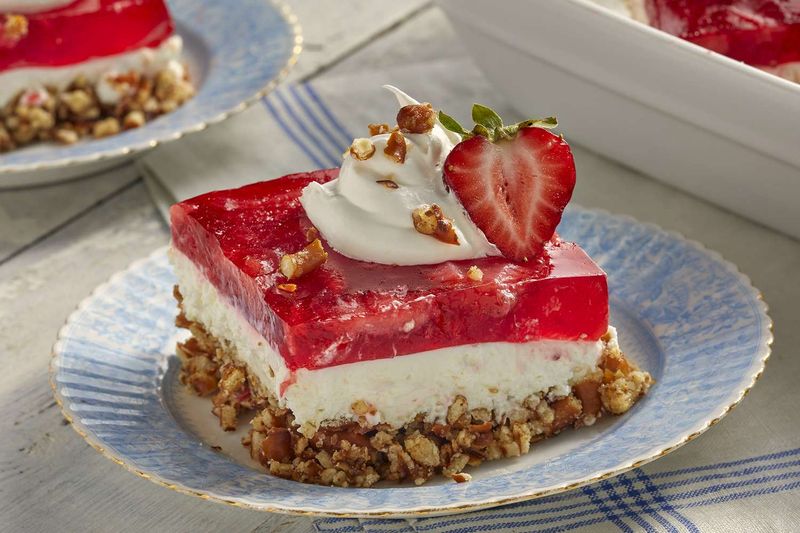
When the crowd was big, dessert went wide. Sheet cakes, bars, and pies maximized portions while minimizing fuss.
Frosting swirls signaled celebration you could slice cleanly.
You baked in sturdy pans that traveled easily to basements and school gyms. Recipes emphasized reliability over flourish.
Coffee urns and paper plates completed the ritual.
These bakes taught generosity by the square. Seconds were expected, leftovers welcomed.
Your idea of a proper party still tastes like vanilla crumb and cocoa icing.
16. Drinks As Part Of The Table Identity
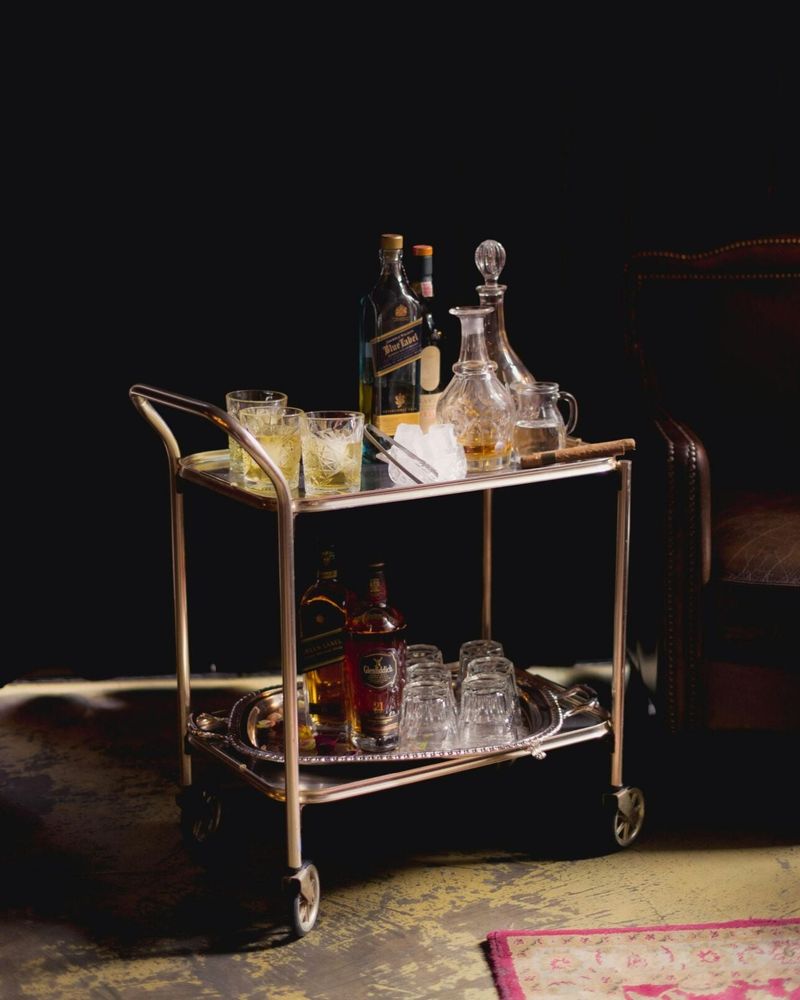
Every spread had a drink identity. Adults mixed martinis, highballs, and sours while kids sipped punch or chocolate milk.
Swizzle sticks and ice buckets felt like accessories to hospitality.
You judged a host by glassware as much as recipes. Beverage rituals signaled occasion and care.
Even weeknights got uplifted by a proper pour.
This culture paired plates with clinks and fizz. The soundtrack of cubes against glass lingers in memory.
Hosting meant feeding thirst and conversation in equal measure.