16 Foods Typically Excluded From Formal British Royal Menus
Curious what never makes it to a regal banquet? Behind the glittering place settings and military precision service, there is a careful list of culinary no go’s.
These rules balance tradition, diplomacy, and practical concerns like etiquette, aroma, and safety. If you love food lore and royal ritual, you are in for some deliciously surprising exclusions.
1. Garlic-heavy dishes
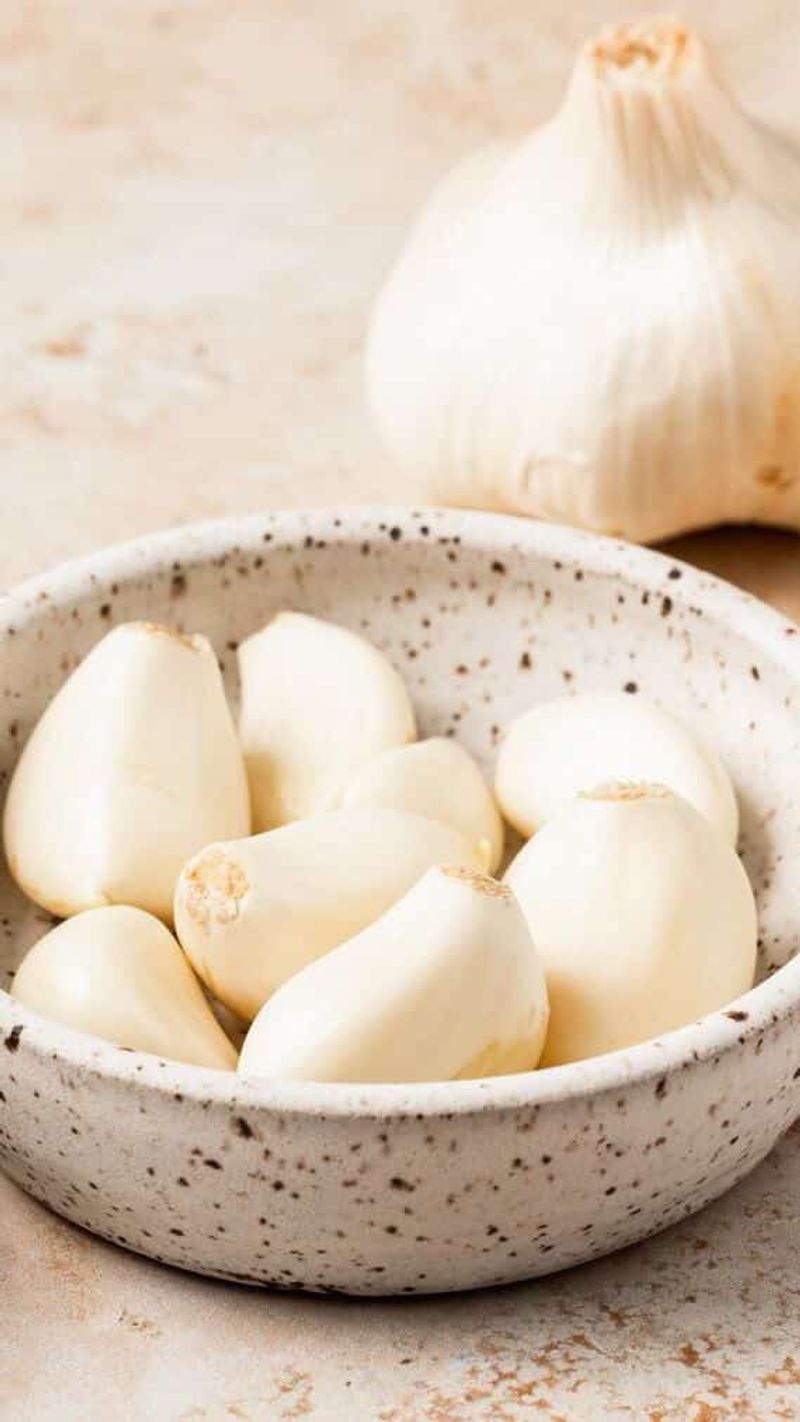
Garlic might taste glorious, but its lingering aroma can overshadow polite conversation. At court, close quarters and public engagements make breathy fragrances risky.
Imagine leaning in for a diplomatic whisper while announcing last night’s aioli. Not exactly regal.
So chefs keep flavors bright using herbs, citrus, and precise seasoning instead.
That does not mean bland food. It means discretion.
You still get depth from roasted shallots and gentle alliums that soften in cooking. The goal is poise on the palate, not perfume in the air.
Save the garlicky joy for evenings off duty and private, relaxed tables.
2. Onion-forward recipes
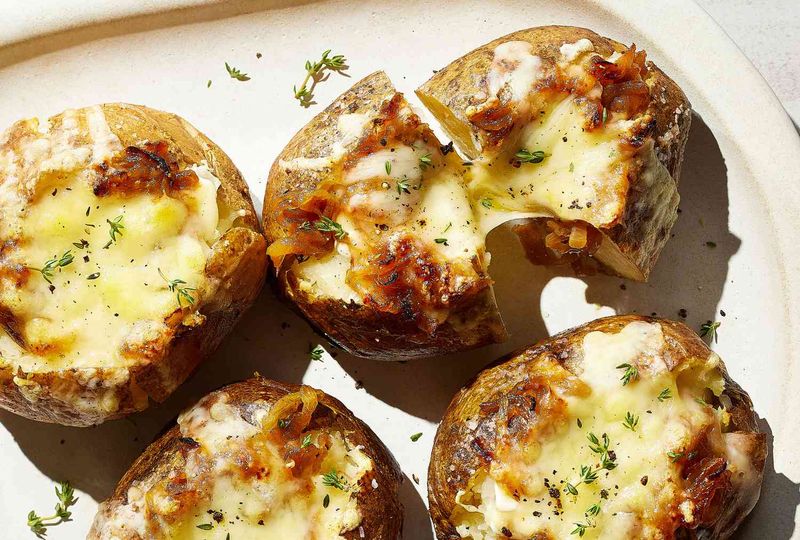
Like garlic, bold onion can leave a memory long after the plates are cleared. Formal royal settings prize conversation as much as cuisine, so chefs sidestep strong raw onion.
Cooked, mellow versions might appear privately, but big onion crunch is rare. The rule prioritizes grace, not deprivation, keeping aromas soft.
Instead, menus lean on chives, leeks, and confit techniques for quiet sweetness. You still taste complexity without the aftershock.
Think silkiness over sharp bite. The entire experience aims to be seamless from first greeting to last farewell, with no lingering onion notes stealing the social spotlight.
3. Spicy heat bombs
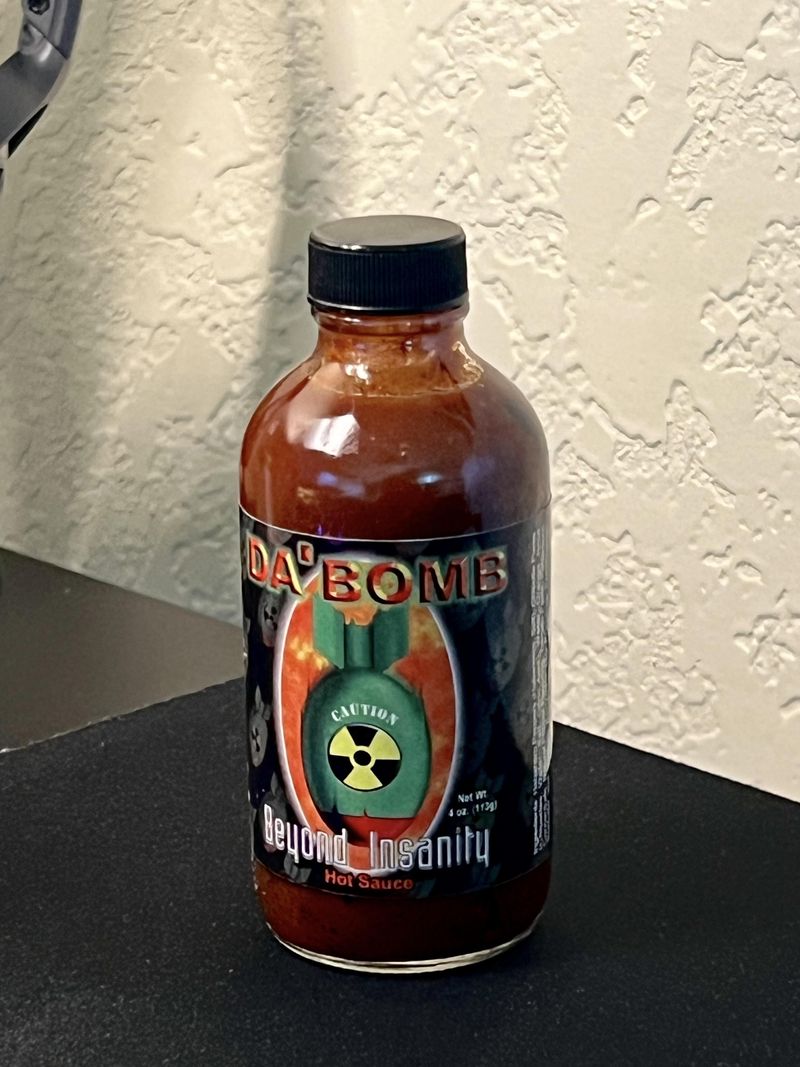
Fire breathing heat does not pair nicely with courtly poise. Sweating foreheads, watering eyes, and the need for gulped water do not flatter small talk.
Royals often engage guests during meals, so balance and control matter. Chefs favor gentle warmth from peppercorns instead of scorching chilies that dominate conversation.
That does not cancel spice entirely. Nuanced blends like mace, coriander, and nutmeg still sing softly.
The kitchen respects heritage dishes but dials back intensity. You enjoy layered flavor that whispers rather than shouts.
A banquet should feel graceful and measured, with no palate emergencies mid toast or photo.
4. Shellfish platters
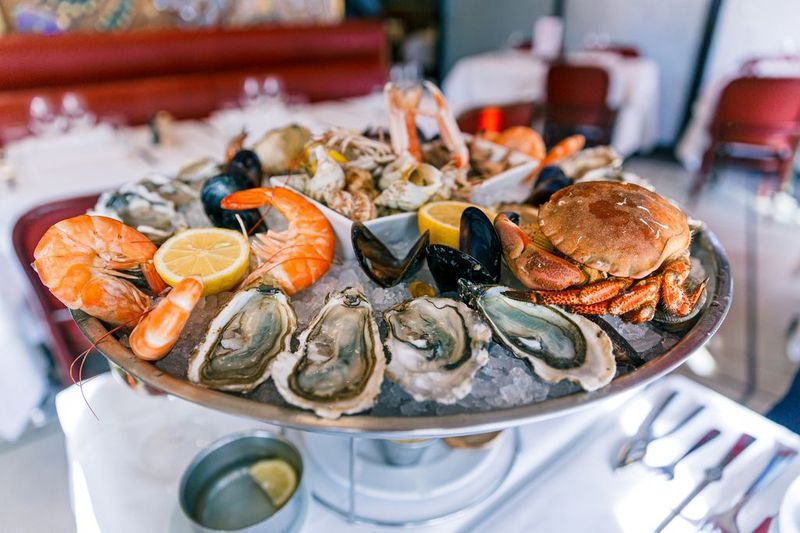
Shellfish can be exquisite, but it carries allergy risks and safety concerns. A single misstep could derail an entire event.
Formal royal menus often skip prawns, oysters, and crab to keep guests safe and comfortable. It is easier to avoid cross contamination when crustaceans never enter the kitchen.
There is also the etiquette of mess. Shelling, dripping, and briny aromas complicate decorum.
Chefs pivot to pristine fish or meat where precision plating shines. You still get luxury without potential mishaps.
The result is elegant control, with flavor and formality marching in step throughout the evening.
5. Undercooked meats
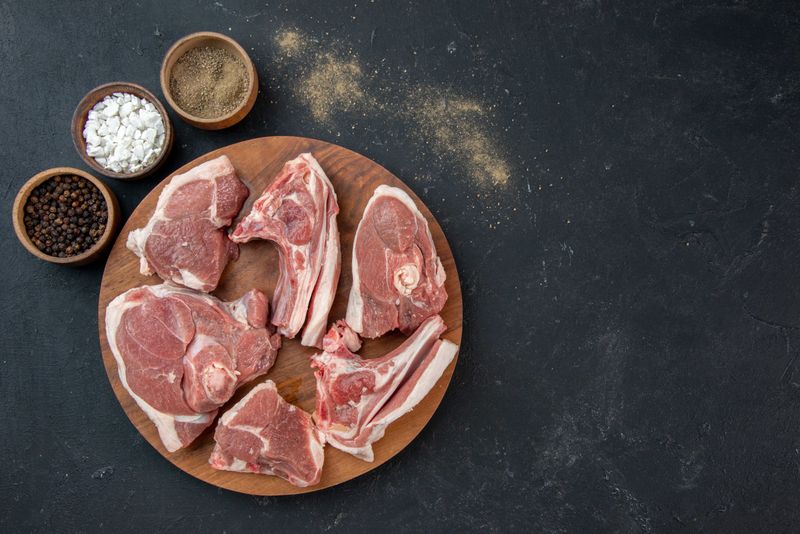
Food safety rules reign where public duty meets hospitality. Rare or undercooked meats increase risk, and a royal schedule allows little room for upset stomachs.
Chefs aim for safe internal temperatures without sacrificing tenderness. Think perfectly blushing lamb rather than bleeding steaks at a state banquet.
Precision temps are quietly confirmed behind the scenes. Sous vide and careful resting help maintain juiciness while meeting guidelines.
It is a compromise between culinary artistry and responsibility to guests. You taste confidence on the plate, knowing every bite has been considered for both pleasure and safety.
6. Foie gras
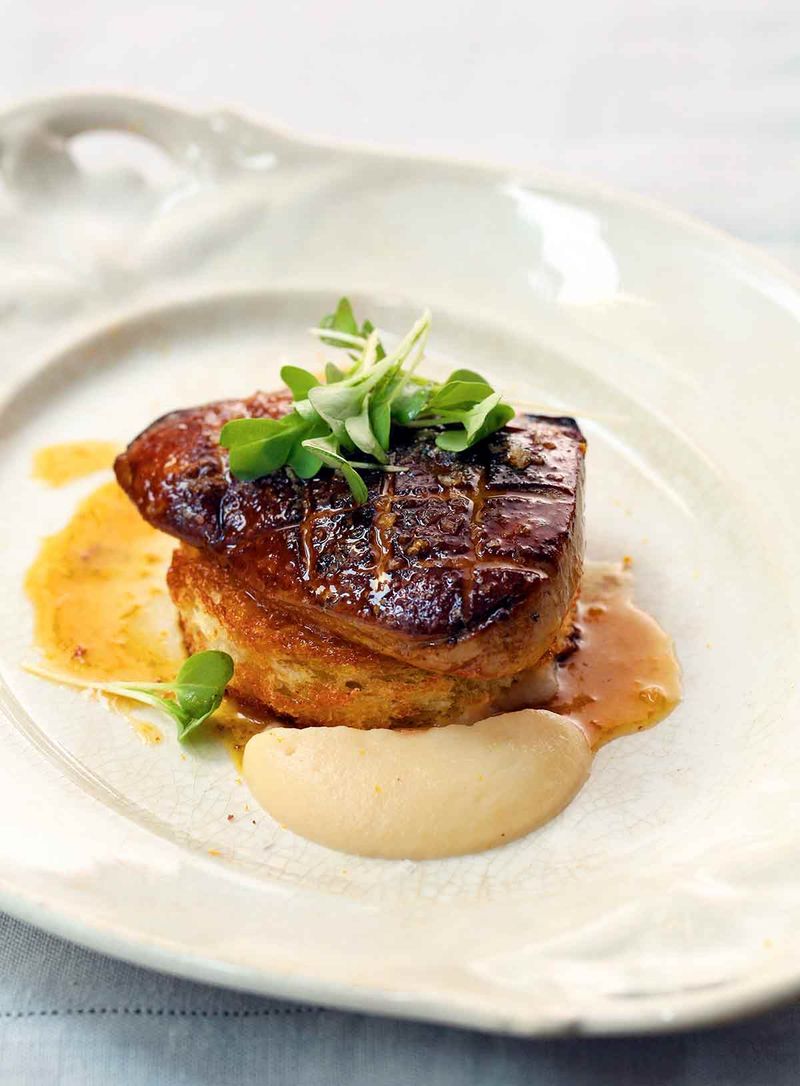
Foie gras sparks ethical debates that the palace prefers to sidestep. While opinions vary, formal menus often omit it to avoid controversy distracting from diplomacy.
Guests come from many cultures and viewpoints. Keeping harmony matters more than a rich terrine moment, especially with cameras nearby.
Chefs craft indulgence with alternatives like chicken liver parfait, truffled mushrooms, and silky custards. You still get decadence without the debate.
It is a thoughtful line between culinary opulence and public values. When the spotlight is bright, the menu quietly chooses unity over headlines, letting conversation, not contention, carry the night.
7. Strong blue cheeses
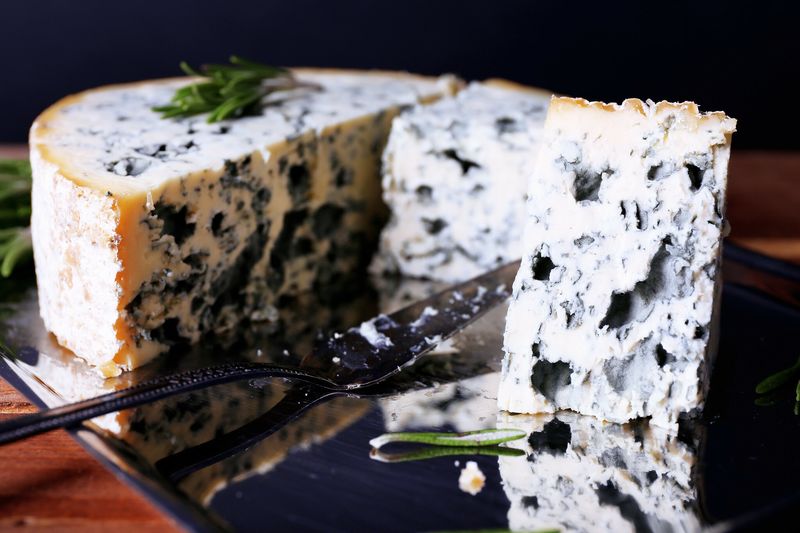
Pungent blue cheese can perfume a room faster than a speech finishes. At formal tables, aroma restraint is a must.
Mild, beautifully ripened options often replace blues, preserving elegance without overwhelming noses. A cheese course can still feel regal with soft, nutty, and gently tangy selections.
Texture plays a role too. Crumbling blues can be messy during poised conversation.
You might see delicate wedges and neat cuts that glide onto crackers. The aim is seamless service and serene scents.
Flavor remains complex, but the experience stays gracious, letting people focus on each other rather than powerful cheese.
8. Out of season produce
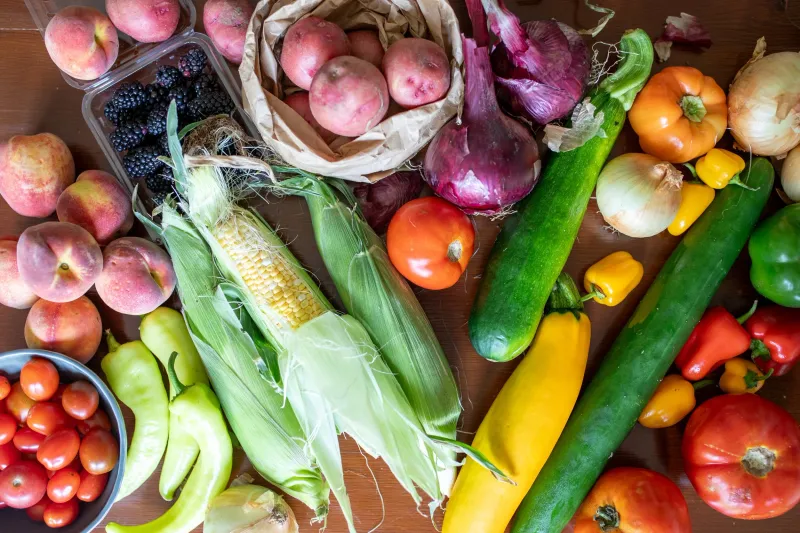
Seasonality is not just fashionable, it is practical and political. Serving strawberries in winter raises eyebrows and carbon footprints.
Royal kitchens showcase local produce at peak flavor, honoring British growers and sustainability. It keeps menus authentic and avoids bland, watery imports that wilt under scrutiny.
Seasonal planning also supports flawless logistics. Chefs can predict quality and build dishes that shine naturally.
You taste landscape and time, not compromise. When a banquet reflects the season, it feels grounded and truthful.
The result is freshness on the fork and credibility in every carefully composed course.
9. Messy finger foods
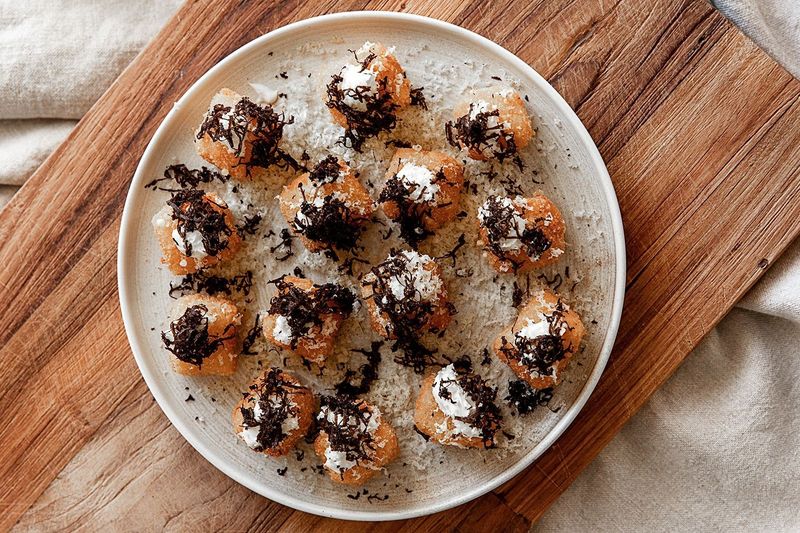
Greasy drips and crumb showers do not flatter uniforms or gowns. Formal royal menus avoid foods that demand two napkins and a prayer.
Think tidy canapes you can handle gracefully rather than saucy sliders. The goal is effortless elegance where conversation flows and sleeves stay spotless.
Chefs design bites that deliver full flavor in one clean mouthful. Structural integrity matters, from crisp tart shells to firm mousses.
You will rarely need to wrestle a bite. That careful engineering preserves poise, ensuring the only thing that breaks is ice, not pastries or dress code.
10. Strongly flavored game
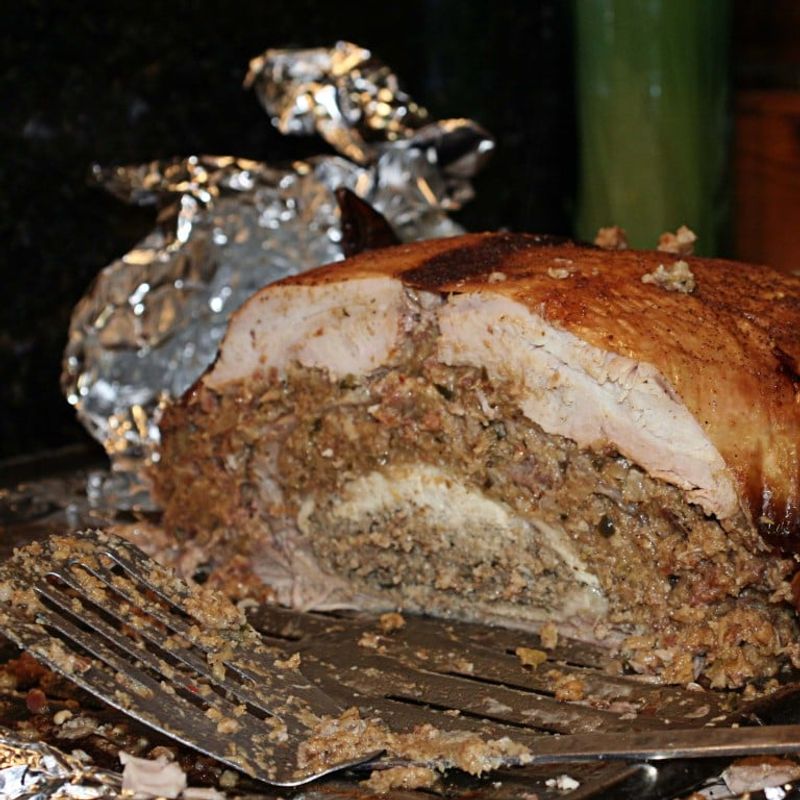
Robust, gamy flavors can divide a room quickly. At state dinners, universal appeal is strategic.
Chefs often choose milder meats or mellow preparations that welcome all palates. The aim is harmony, not culinary brinkmanship, especially when guests represent different traditions and tastes.
That does not erase British heritage. It reframes it with finesse, sometimes using gentle sauces and careful aging to soften intensity.
You experience a nod to countryside tradition without polarizing the table. It is diplomacy on a plate, designed to charm rather than challenge during delicate conversations.
11. Overly sauced pasta
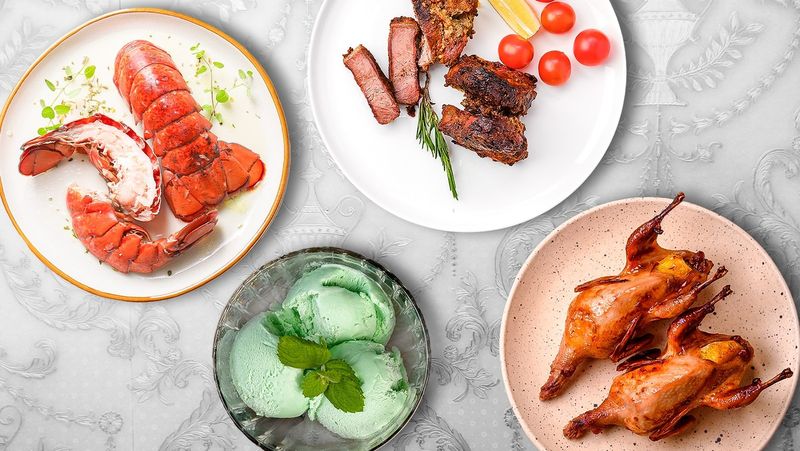
Hefty, sloshing sauces risk splatters on silk and seating plans. Formal settings prefer controlled portions and lighter dressings.
Pasta may appear rarely and elegantly, not drenched. The focus is on tidy twirls and balanced flavor, allowing guests to eat gracefully without wardrobe anxiety.
Smaller courses keep the pace measured. A delicate raviolo with a gloss of butter speaks refinement better than a saucy avalanche.
You get comfort without chaos. The kitchen curates textures that stay put, so elegance remains unbroken from first sip of wine to final cordial.
12. Bony fish with pin bones
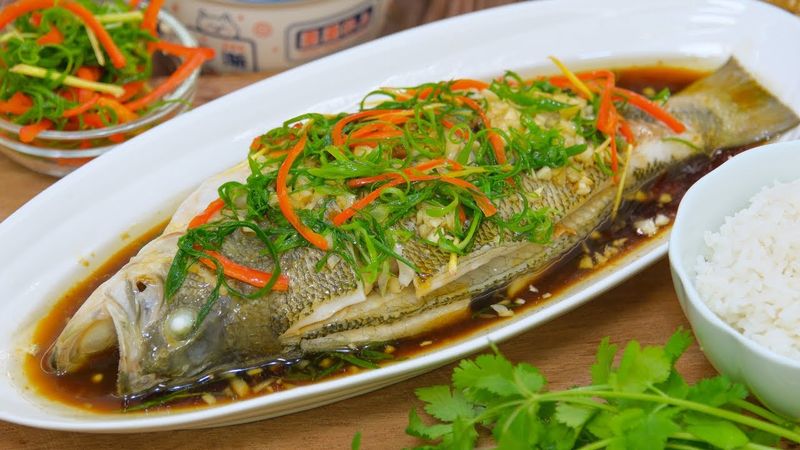
Nothing stalls a conversation like a rogue fish bone. Formal menus prioritize ease, so chefs select fillets that can be meticulously deboned.
Whole fish with pin bones invites awkward picking and potential hazards. A graceful meal should not demand surgery with cutlery.
Instead, expect immaculate portions with silken sauces. Techniques like pin boning and careful trimming happen out of sight.
You simply enjoy delicate flakes that fall apart without surprise. The experience feels assured and calm, letting diplomacy and delight be the only challenges at the table.
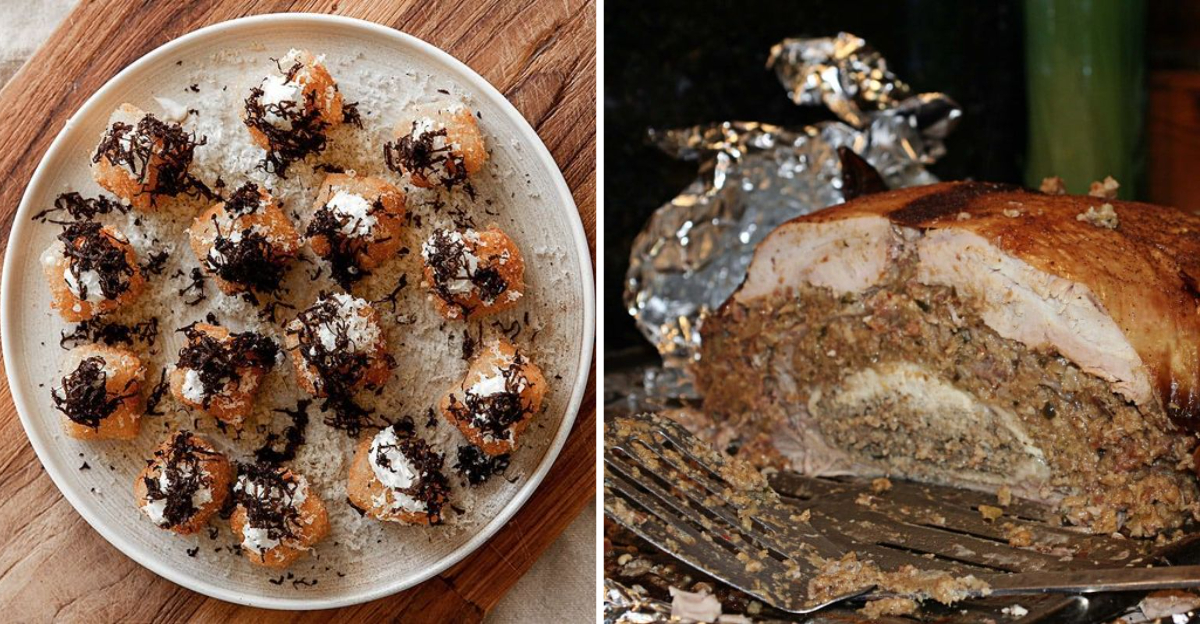
13. Strongly scented truffle overload
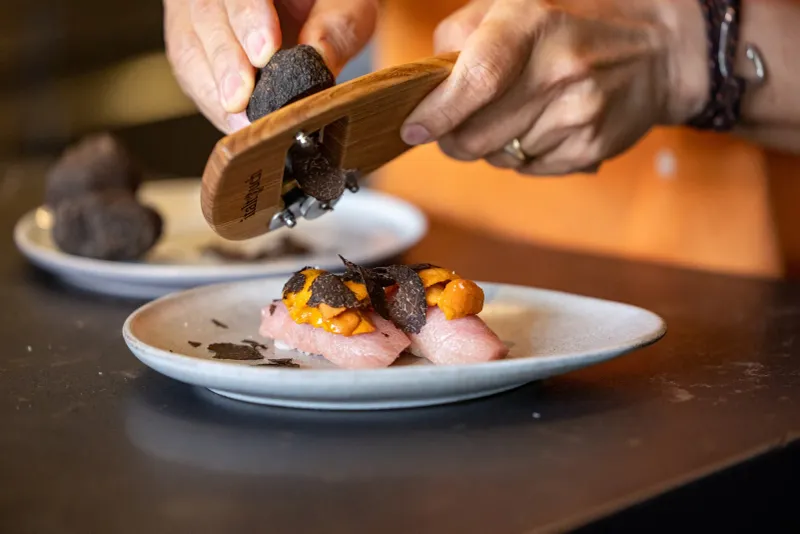
Truffles whisper luxury, but too much can hijack a room. Formal occasions value balance, so chefs use truffle with restraint.
Overpowering aromas can outtalk the guests, and that is not the goal. Expect subtle shavings that enhance rather than dominate, keeping the spotlight on conversation.
Restraint also prevents palate fatigue across multiple courses. A touch in a sauce or custard feels special without becoming a theme.
You taste finesse instead of a fog of earthiness. The result is sophisticated uplift, not sensory steamrolling during starched linen moments.
14. Excessively sugary desserts
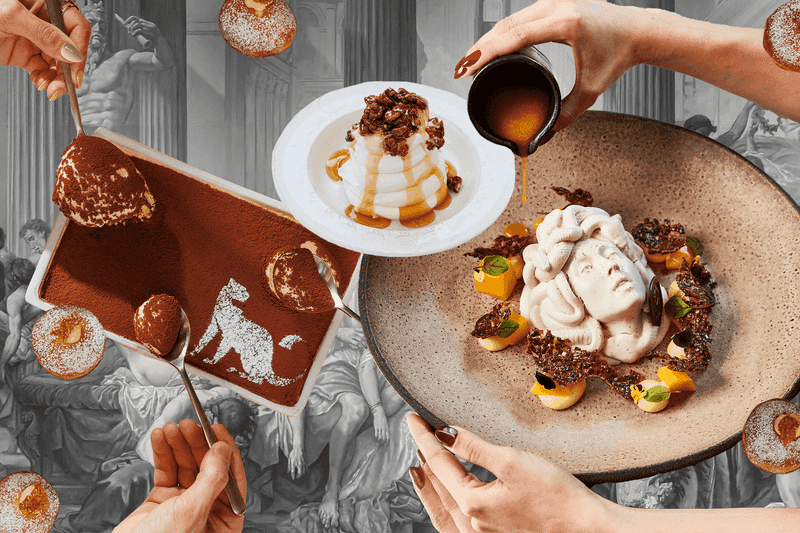
Desserts should close the curtain, not drop it. Overly sweet finales can clobber the palate and overshadow fine wines.
Royal menus lean toward balanced fruit, creams, and pastry with measured sugar. Guests leave refreshed, not buzzing.
It keeps conversation bright through to the final handshake.
Technique does the talking. Custards, compotes, and airy mousses deliver satisfaction without syrupy heaviness.
You get clarity of flavor and perfect texture. The kitchen composes endings that feel poised, ensuring memories come from company and craft, not a sugar crash in the carriage ride home.
15. Highly allergenic nuts in bulk
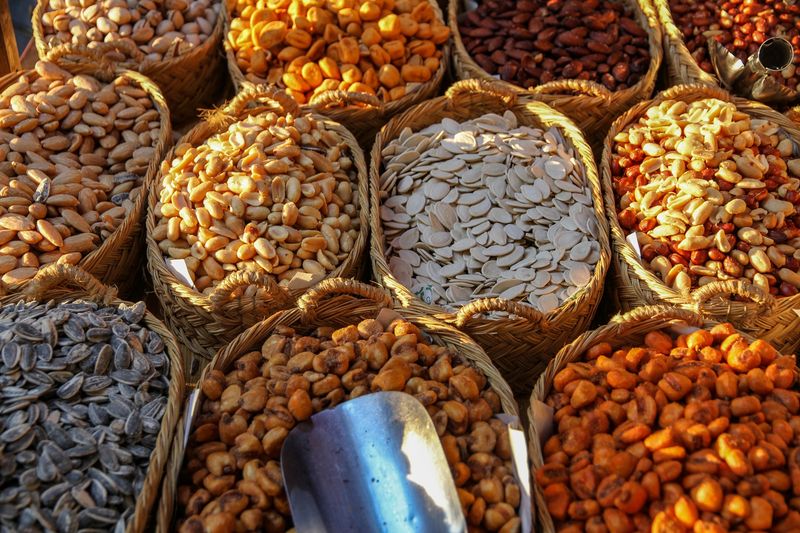
Allergy management is crucial when hosting dignitaries. While nuts may appear sparingly and labeled, bulk use is often avoided at formal events.
One hidden walnut could become a crisis. The safer path is clear recipes and rigorous controls, limiting cross contact and anxiety for guests.
Chefs build richness with seeds, chocolate, and dairy textures. You still get crunch from brittle like elements or praline style crumbs made nut free.
Transparency matters as much as taste. The guiding principle is inclusive enjoyment, ensuring everyone can raise a glass without scanning the petit fours like detectives.
16. Strongly aromatic curries
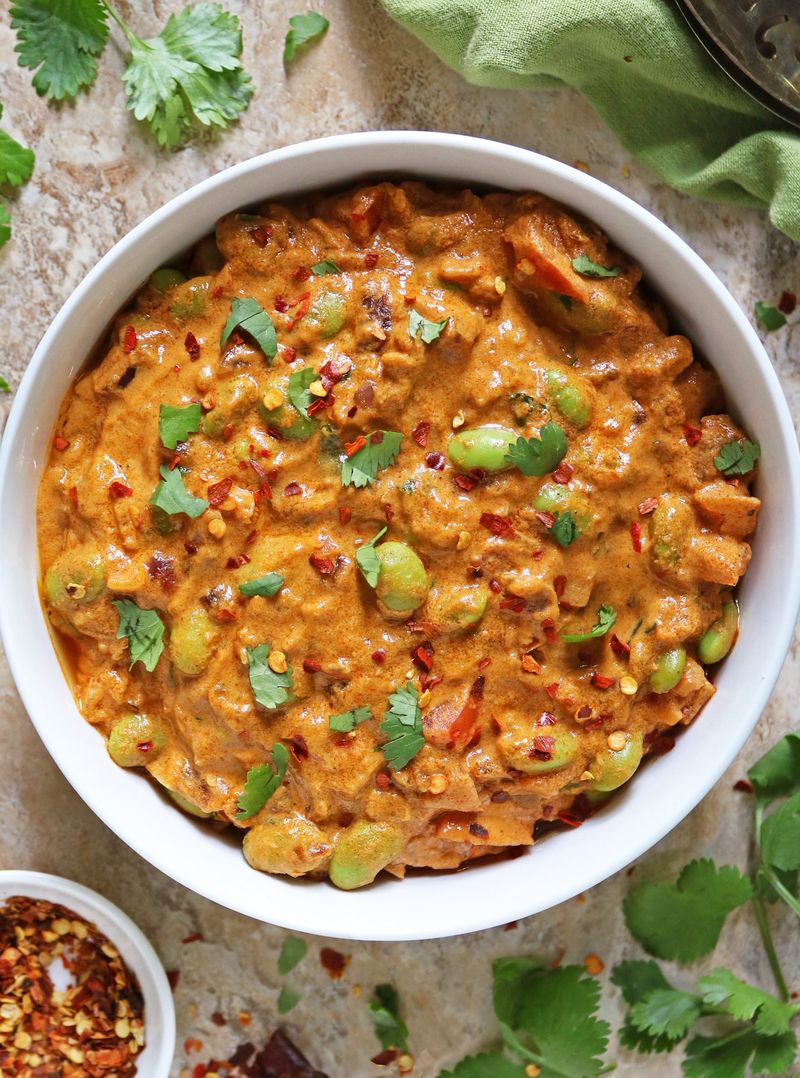
Curry is beloved across Britain, but its bold aromas can dominate a formal room. For state occasions, chefs tend to dial back or skip intensely fragrant curries.
The objective is inclusive subtlety that respects diverse palates. Guests should remember the conversation, not a cloud of spice trailing every plate.
Expect gentle nods to spice in refined sauces or delicate broths. You still taste warmth and depth, without the olfactory takeover.
The balance keeps attire, air, and attention clear. It is hospitality tuned for diplomacy, where flavor complements rather than commands the evening.