16 Grocery Items Skyrocketing In Price

Some grocery prices creep up slowly. Others jump so hard you notice at checkout immediately.
Using the latest U.S. CPI food-at-home breakdown comparing January 2026 to January 2025, here are the items running especially hot right now.
Spot them here and learn a few ways to keep your cart cost in check.
1. Instant coffee
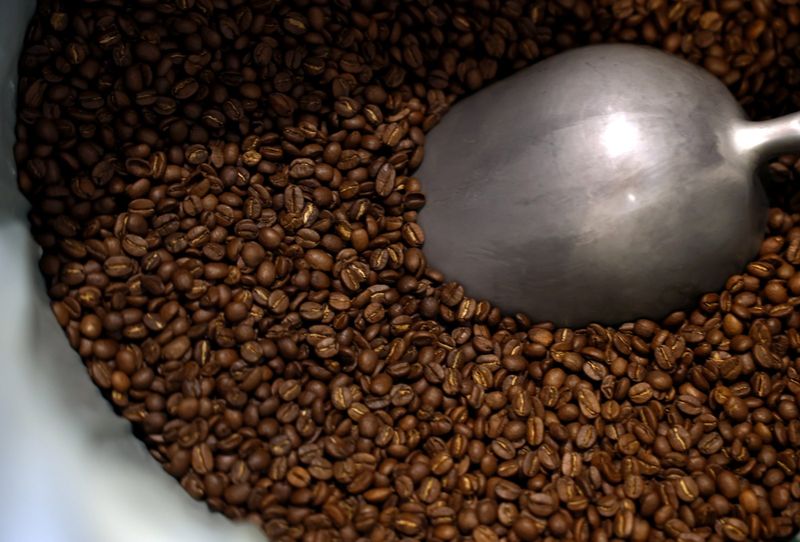
If you drink instant coffee most mornings, you have felt the jump. Jars that used to sit under ten bucks now flirt with the teens, and store brands are creeping up too.
Supply hiccups, robusta crop issues, and higher packaging costs are all brewing in the background.
Your best move is to buy bigger formats when unit prices dip, or switch to blends that still taste decent. Watch for digital coupons, warehouse club promos, and subscribe-and-save cycles you can pause later.
If you own a grinder, try whole beans for home cold brew on weekends, then keep instant for speed.
2. Coffee (overall)
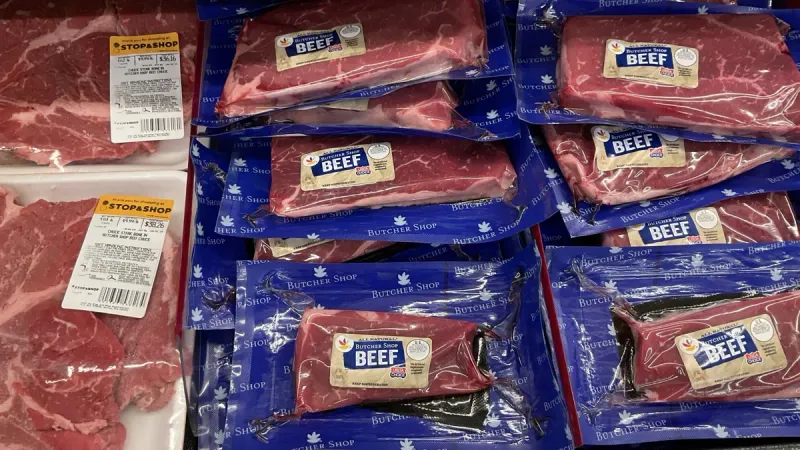
Even if instant is not your thing, coffee across the board is running hotter. Futures volatility, shipping, and labor have kept pressure on roasters, and cafes pass it along.
At the grocery shelf, bag sizes shrink while price tags rise, so your per cup math hurts.
Try comparing unit price by ounce, not just the sticker. House blends often undercut single origin, yet brew surprisingly well with a little grind tweak.
Consider a reusable filter, stretch with chicory or roasted barley, and brew concentrate you can dilute through the week to keep that caffeine budget sane.
3. Uncooked ground beef
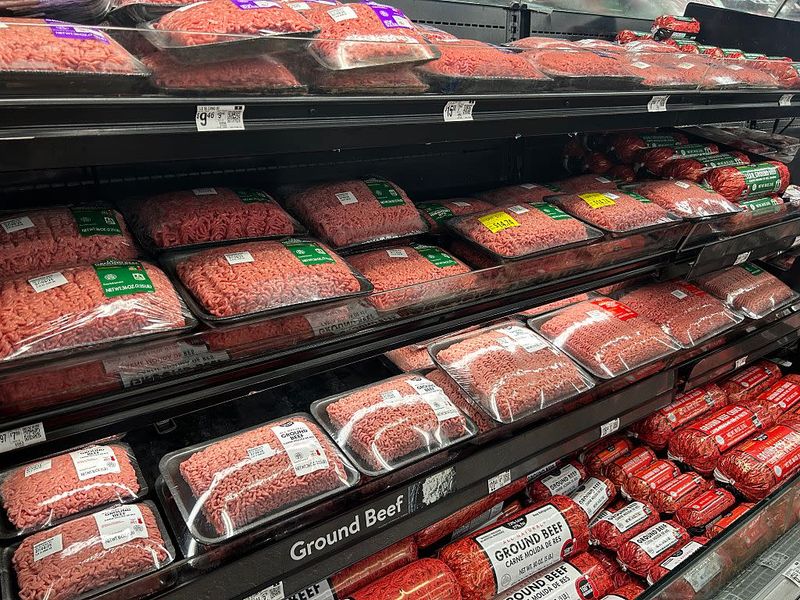
Ground beef used to be the easy answer on busy nights. Now those familiar one pound packs jump a notch every few weeks, and family sizes are not the bargain they once were.
Feed costs, processing constraints, and herd rebuild timelines all stack into the number you see.
You can stretch it with lentils, mushrooms, or finely chopped veggies without losing comfort food vibes. Buy higher fat and drain well if lean is expensive that week.
Batch cook taco meat or meat sauce, freeze flat in bags, and you will glide past a couple of price spikes without stress.
4. Beef and veal (overall)

The broader beef and veal category has marched upward, and it shows up everywhere. Restaurant specials feel steeper, and your home recipes are not immune.
Drought impacts, smaller herds, and longer production cycles create a supply squeeze that takes time to unwind.
If you love these proteins, shop the weekly ad hard and pivot to cuts that braise well. Consider half portions mixed with beans or grains for bowls that still feel satisfying.
When a true sale hits, freeze in meal sized packs, label clearly, and plan menus around what you already have. Use loyalty apps to stack discounts.
5. Uncooked beef roasts
That classic Sunday roast suddenly asks more from your wallet. Chuck and rump that once anchored a budget meal now ring up like a splurge.
Demand around holidays, export dynamics, and transportation costs keep the pressure elevated. Pack sizes also hide shrinkflation, so double check net weight.
Lean into slow cookers and pressure cookers to make tougher, cheaper cuts shine. You can cube roasts for stew, shred for sandwiches, and stretch leftovers into hash.
Scout markdown bins early in the morning, portion and freeze, then build a roast rotation that chases sales rather than impulse.
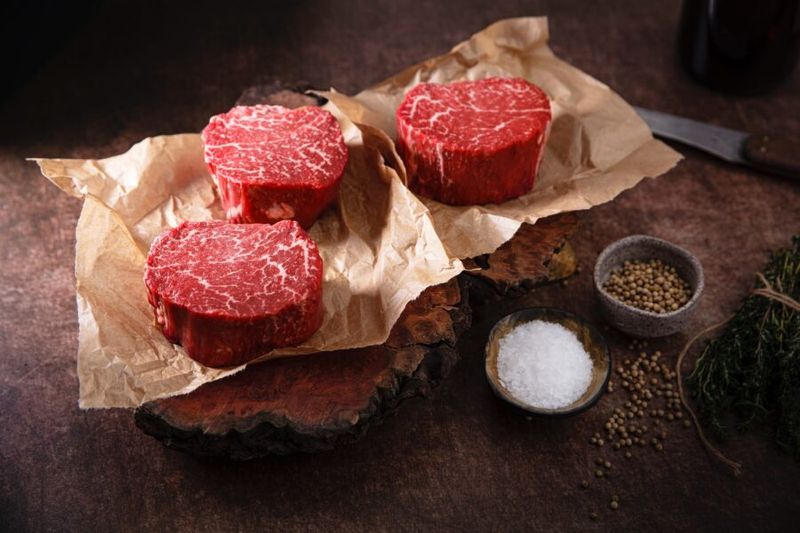
6. Uncooked beef steaks
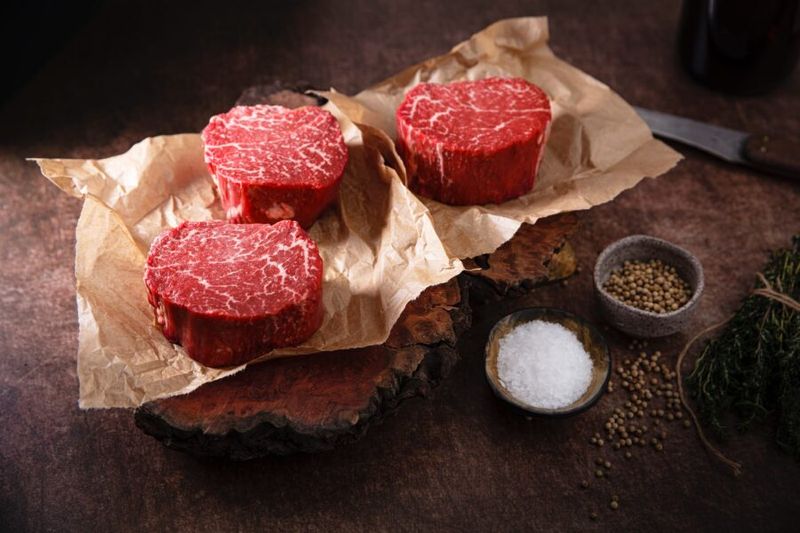
Steak night still thrills, but the sticker shock is real. Ribeye, strip, and tenderloin have all climbed, and even value cuts feel pricier.
Restaurant demand, grading premiums, and processing throughput shape what you pay on a random Tuesday.
Hunt for sirloin, flat iron, or chuck eye when ribeye screams. Marinate smarter, slice thin against the grain, and build steak salads that showcase flavor without needing a 12 ounce portion.
A screaming sale is your cue to portion, vacuum seal if possible, and freeze flat for quick weeknight sears. Rest the meat well so juices stay put.
7. Other uncooked beef and veal cuts
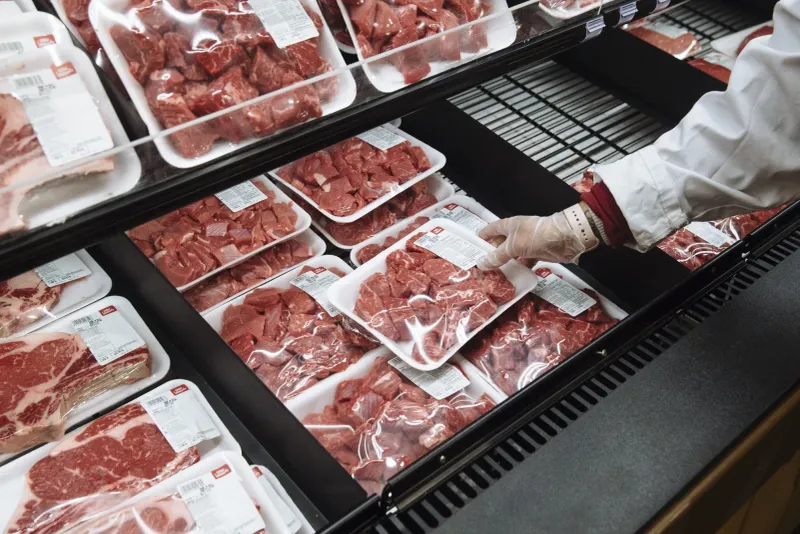
Beyond steaks and roasts, the grab bag of beef and veal cuts has crept up too. Think short ribs, shanks, stew meat, cutlets, and odd trims that used to be sleepers.
As headline cuts rise, these follow, pulled higher by the same supply math fast.
Flex your technique. Braise low and slow, pressure cook for weeknights, and finish under the broiler for gloss.
Ask the butcher for comparable alternatives, then freeze portions for soups, curries, and saucy pasta that stretch across two dinners. When prices spike, flavor strategy keeps satisfaction high while the ounces shrink.
8. Other meats (non-beef, non-pork, etc.)
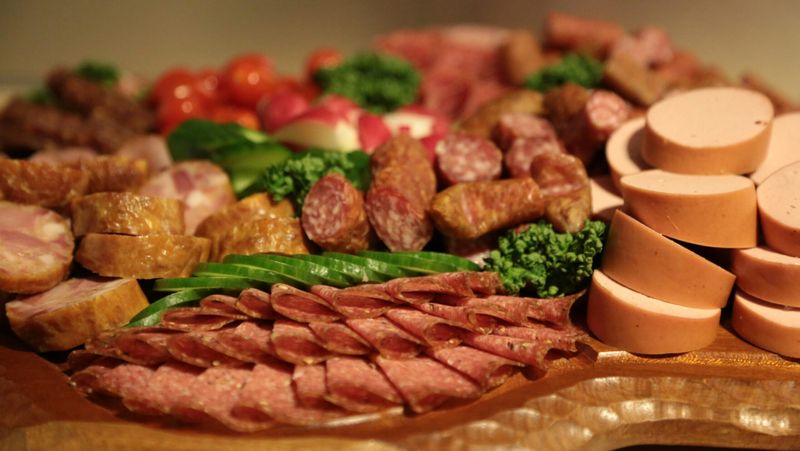
Even outside beef and pork, the catchall meats basket has been rising. Think lamb, goat, turkey parts, game meats, and specialty sausages that rotate into your menu.
Processing, feed, and transport all add friction, and smaller categories can swing faster.
Price proof with flexible recipes. Swap ground turkey for part of beef, braise lamb with beans, or lean on eggs when cartons dip.
Frozen sections sometimes hide excellent value, especially family packs. Keep a running list of target prices on your phone, then grab two when the number hits your line.
Leftovers make great wraps tomorrow.
9. Lunchmeats

Deli sandwiches at home are starting to feel premium. Sliced turkey, ham, and chicken breast have all ticked up, and ounces per package quietly drift down.
Add in convenience markup and nitrogen flush packaging, and it is easy to overspend.
Anchor lunches with rotisserie chicken you shred yourself, or roast a small turkey breast on Sunday. Portion slices with parchment dividers, freeze, then thaw overnight in the fridge.
Stack flavor with pickles and mustard so you can buy a less expensive meat and still get that deli counter satisfaction. Watch unit prices at the service case too.
10. Fish and seafood
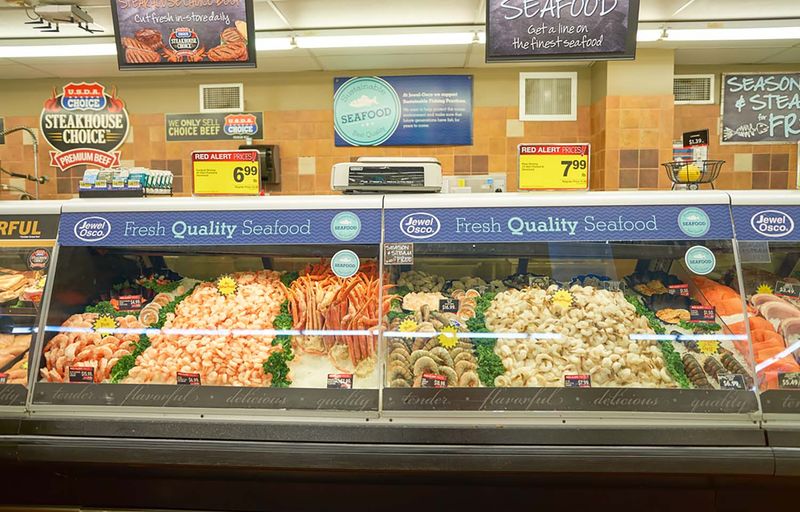
Seafood has been trending higher, whether you buy frozen fillets or shelf stable cans. Fuel, quotas, and weather disruptions ripple through supply chains in unpredictable bursts.
Many stores also prioritize premium lines, nudging budgets upward. Freight surcharges and ice logistics add invisible costs.
You can still eat the ocean affordably. Hunt for flash frozen bags, canned salmon, sardines, and mussels, then build bowls with rice, greens, and big flavor.
Buy when the boat is in, ask fishmongers about underloved species, and lean on spice rubs and quick sauces to keep dinners exciting. Fish stock alternates help balance menus.
11. Fresh fish and seafood
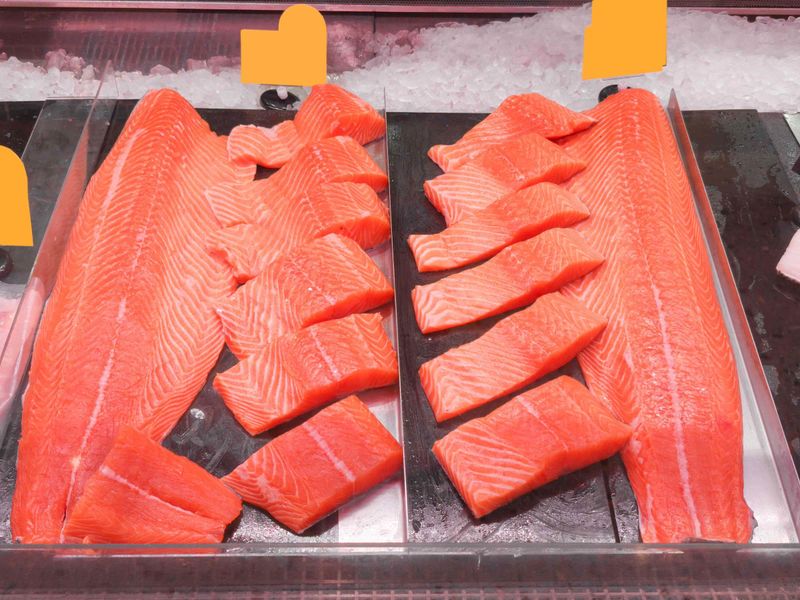
Fresh cases in particular have moved up faster than the broader category. Labor, spoilage risk, and same day delivery windows demand higher margins.
When availability tightens, stores buy pricier substitutes to keep the ice full. Airfreight and cold chain failures can spike prices overnight.
Your play is to time purchases. Shop the day shipments land, ask for end cuts for stews, and pivot to frozen when freshness is uncertain.
A simple marinade, hot pan, and lemon finish let you buy a smaller portion without losing joy, especially alongside hearty sides like beans or farro. Ask for skin on portions.
12. Sugar and sweets

Sugar and sweets are running hotter, and you feel it in baking aisles. Global supply swings, energy costs, and stronger demand for indulgence have tightened the screws.
Bags shrink, prices rise, and your holiday plans get more expensive. Cocoa derivatives amplify the climb.
Control the sweetness. Use vanilla, citrus zest, warm spices, and salt to boost perception while cutting sugar a bit.
Buy big bags only when unit price beats smaller, store the rest air tight, and rotate in fruit forward desserts. Your sweet tooth wins, and the budget breathes easier without feeling deprived.
Measure carefully.
13. Candy and chewing gum

Inside sugar and sweets, candy and gum have leapt the most. Cocoa, gelatin, packaging, and brand premiums all tug prices higher.
Impulse buys at checkout sting because unit costs on single bars soar. Sugar free lines are not immune either.
Fight back with planned treats. Grab multipacks when they drop, stash them at home, and portion reasonably.
Explore store brands or seasonal overstock the day after holidays. Mint tea can scratch the gum itch, and dried fruit with chocolate chunks hits the sweet spot without paying top dollar for tiny packages.
Share bags split nicely with friends.
14. Breakfast cereal

Cereal has become a head scratcher. Boxes look the same, but the ounces and prices play musical chairs.
Grain inputs, advertising, and freight combine with relentless shelf placement battles to squeeze you hard. Family sizes are not always cheaper anymore.
Do the math per ounce, then consider oats or granola you mix yourself. Add nuts, seeds, and dried fruit to build texture, and use yogurt to anchor breakfast.
When you still want the classics, wait for buy one get one, stack a coupon, and grab two so you skip the next hike. Store brands can surprise.
15. Cookies

Packaged cookies creep up a little at a time until you suddenly notice. Ingredient costs, marketing, and shiny limited editions all inch the shelf price higher.
Smaller sleeves inside big boxes hide the real math. Seasonal flavors often cost extra.
Bake a quick tray at home when butter is on sale, or grab bakery outlet deals. Pair store brands with a fancy chocolate bar to split the difference.
When cravings hit, pour tea, plate two, and slow down. That ritual helps you enjoy more while buying less, and the budget thanks you.
Freeze dough balls for later.
16. Other condiments
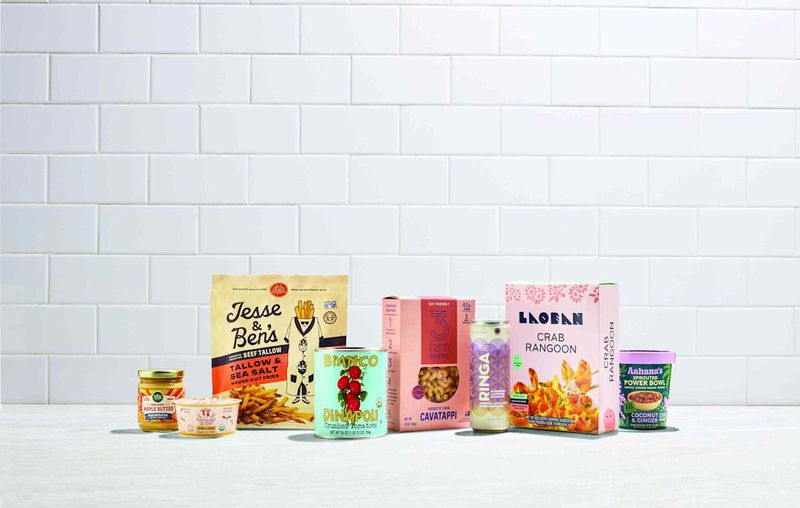
This sneaky category climbs because it hides in small jars and bottles. Hot sauce, pickles, mayo, relish, tahini, and specialty spreads all notch higher.
Glass, shipping, and ingredient volatility push costs up while you are not looking. Recipe creators keep launching limited flavors that tempt you.
Tame it with strategy. Refill from bulk when possible, try powdered versions, and make quick fridge pickles for salads.
Two or three high impact condiments can carry a week of dinners. Track unit prices, avoid tiny novelty bottles, and wait for clearance end caps to stock up without feeling nickeled and dimed.