
16 Healthy Breads Picks Recommended By Dietitians
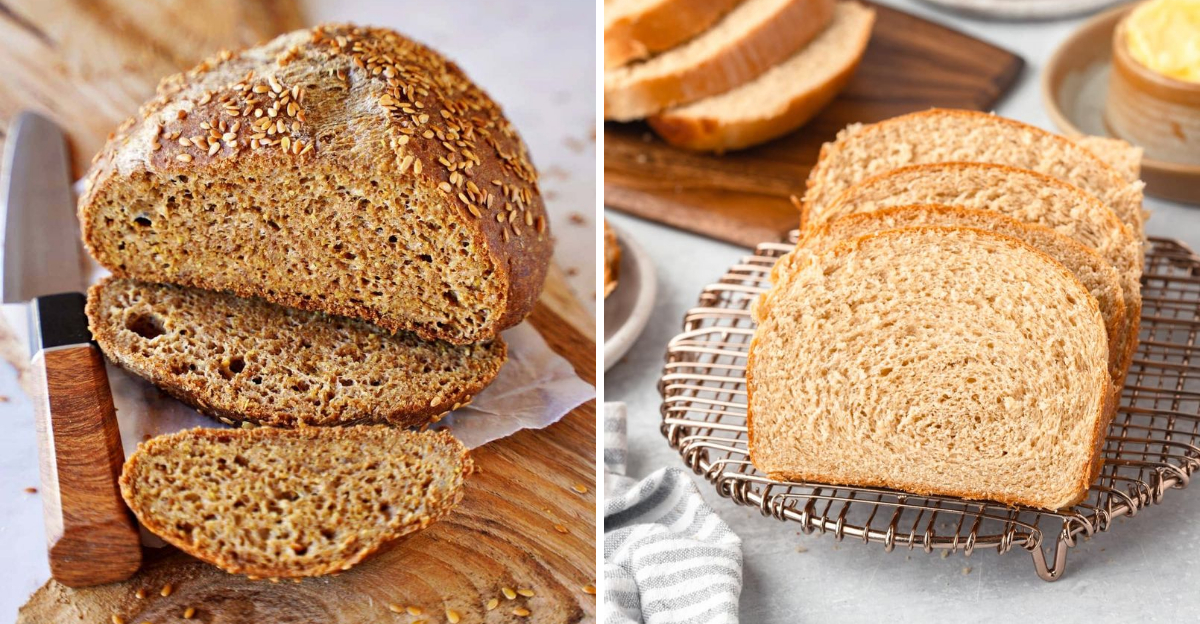
Discover a selection of wholesome breads, each offering unique health benefits and flavors, recommended by dietitians for a balanced diet.
1. 100% Whole Wheat Bread
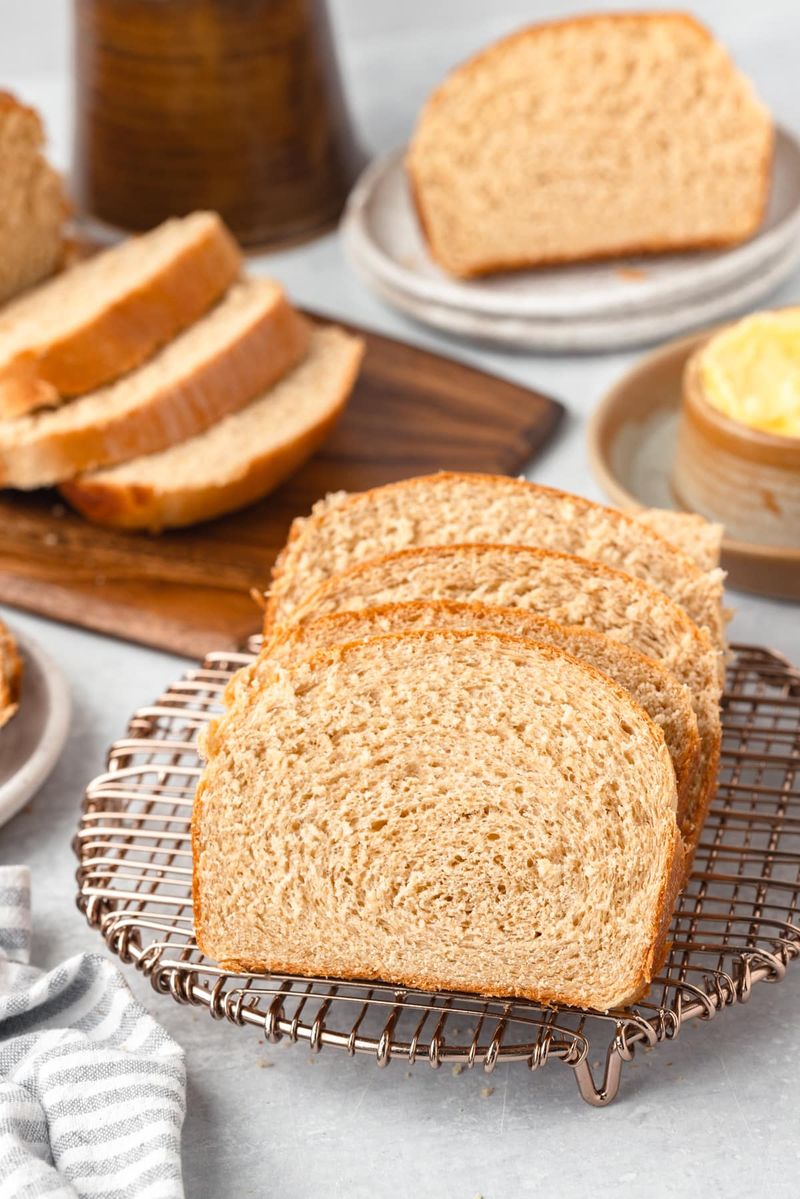
Whole wheat bread is a classic staple in many households. Its robust flavor and hearty texture make it a favorite for sandwiches and toast alike. Packed with fiber and essential nutrients, it keeps you feeling full longer than typical white bread.
Dietitians often recommend it as a healthier alternative due to its higher content of vitamins and minerals. It’s an easy swap that significantly boosts your daily fiber intake. The whole wheat grains also contribute to better digestion and offer a more satisfying chew than refined options.
2. 100% Whole Grain Bread
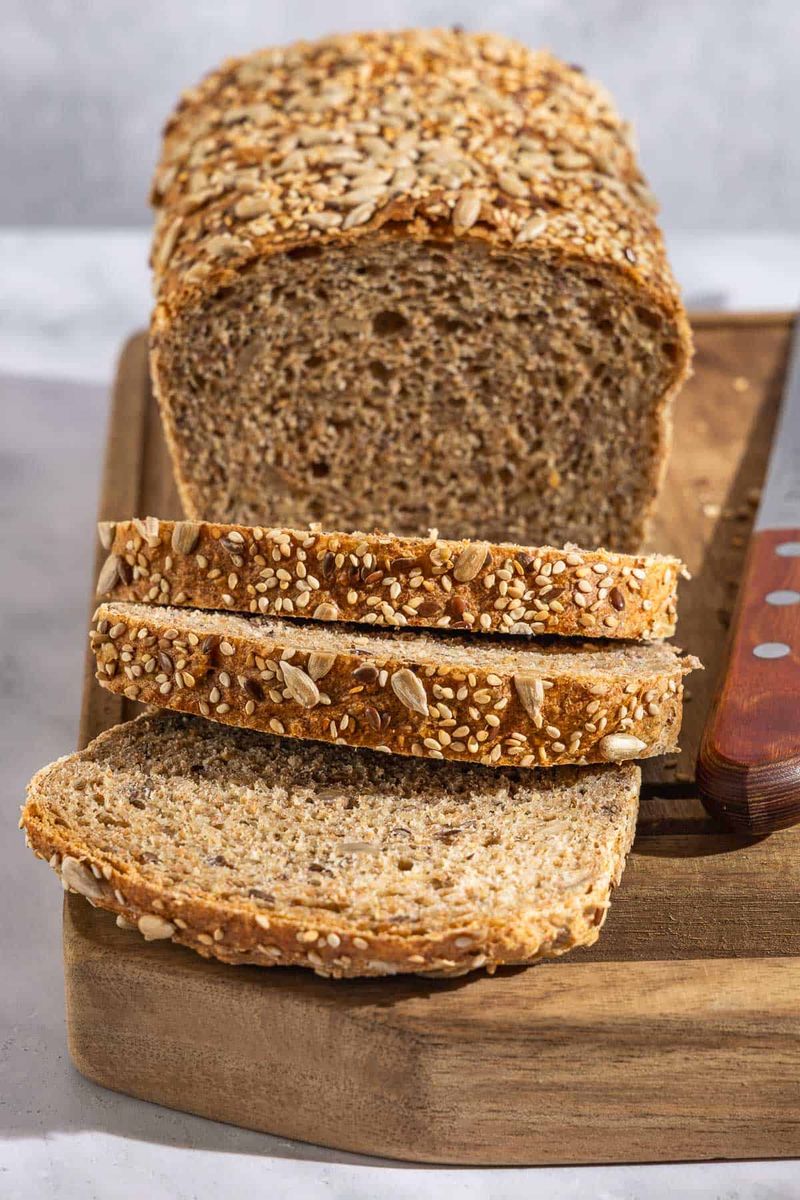
Whole grain bread stands out with its rich and nutty flavor. Unlike products labeled simply as “wheat,” this bread ensures the use of entire grains. This provides more fiber and nutrients per bite, which can aid in maintaining energy levels throughout the day.
The grains used are minimally processed, retaining the bran, germ, and endosperm. This makes it a superior choice for those seeking heart health benefits. Whole grain bread’s hearty texture and taste are perfect for any meal or snack.
3. Sprouted Grain Bread

Sprouted grain bread offers a delightful combination of taste and nutrition. The sprouting process increases the bread’s fiber content, providing a filling option that supports digestion. Its hearty texture and slightly sweet flavor make it a satisfying choice.
This bread is often favored by dietitians for its higher content of vitamins and amino acids. The sprouting process unlocks nutrients that are otherwise inaccessible in regular grains. Whether toasted or fresh, it pairs well with a variety of toppings.
4. True Sourdough (Long-Fermented)
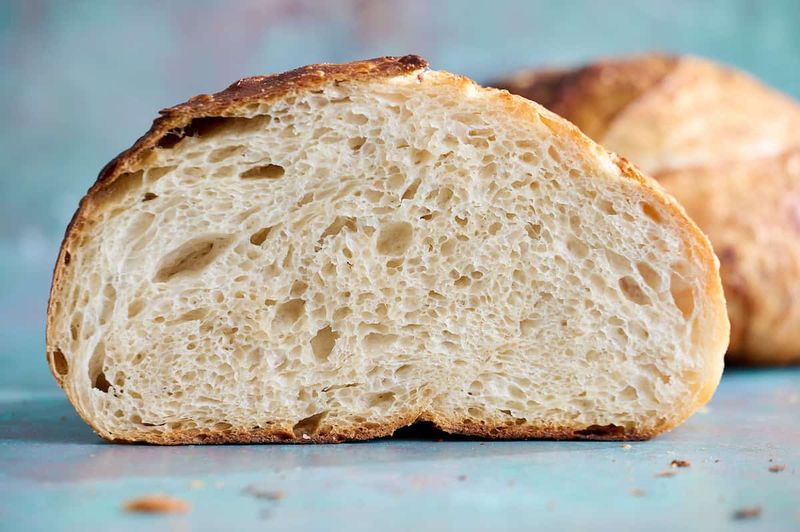
True sourdough bread is a delight for the senses, with its distinct tangy flavor and chewy texture. The extended fermentation process can make it easier to digest for some people. This method also enhances the natural flavors without the need for sugar.
Dietitians appreciate sourdough for its potential lower glycemic index, which can help maintain stable blood sugar levels. Its bold taste makes it a perfect accompaniment to both sweet and savory dishes. Enjoy it as a base for open-faced sandwiches or a simple side.
5. Rye Bread (Whole Rye if possible)
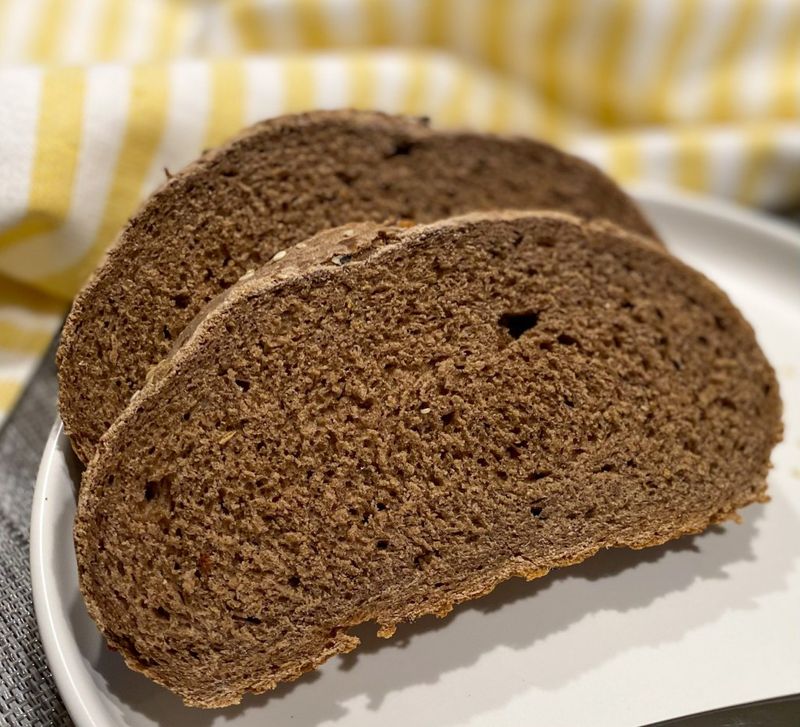
Rye bread, especially when made from whole rye, is a robust choice known for its dense texture and earthy flavor. Rich in fiber, it provides a more satisfying option than many white breads.
Its unique taste pairs well with savory spreads and toppings, making it a versatile addition to any meal. Rye’s natural richness often means you need fewer slices to feel satisfied. This bread is a must-try for anyone looking to explore different grains.
6. Oat Bread (Whole Grain/Oat-Forward)
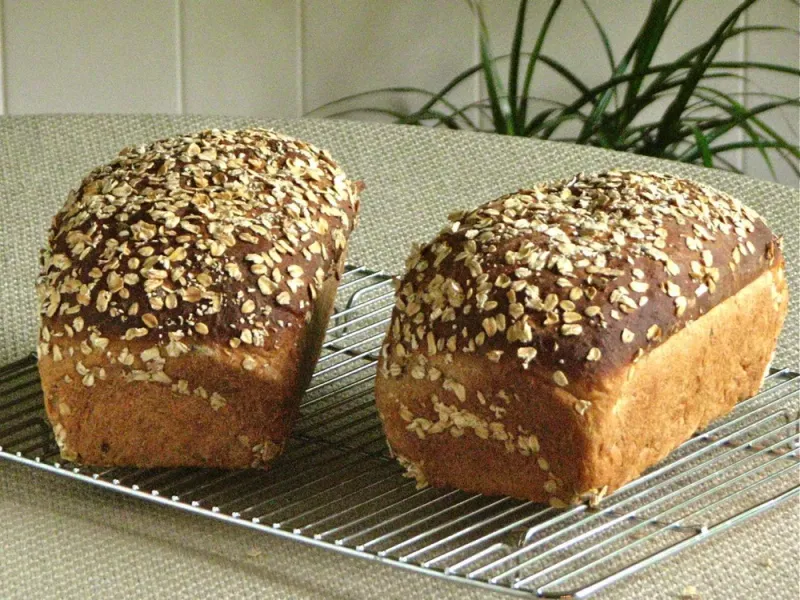
Oat bread combines the wholesome goodness of oats with a mild sweetness that appeals to many palates. The oats increase the bread’s fiber content, promoting longer-lasting fullness and better heart health.
This bread is an excellent choice for those who appreciate a soft texture with a bit of chew from the oats. Its pleasant taste makes it ideal for breakfast or a light lunch. Oat bread is often recommended for people looking to improve their cholesterol levels naturally.
7. Flaxseed Bread
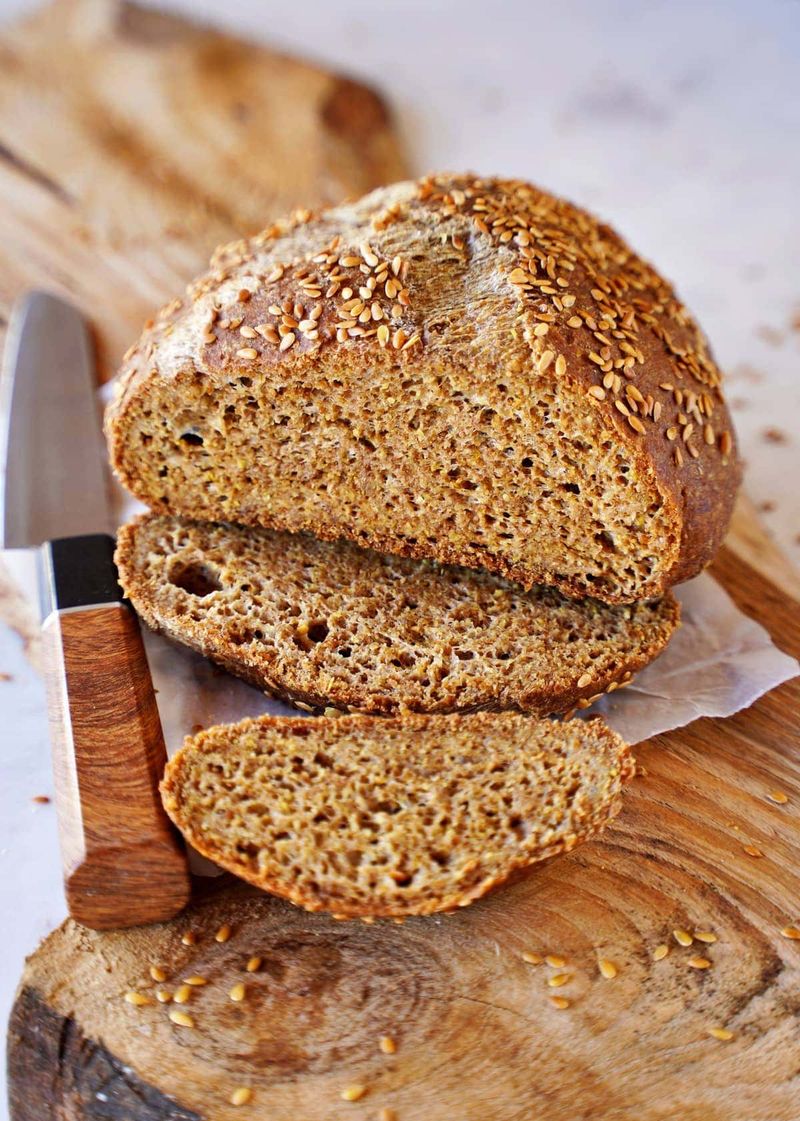
Flaxseed bread offers a robust, nutty flavor thanks to the presence of nutrient-rich flax seeds. Its rich fiber content aids digestion and keeps you satisfied longer. The seeds also provide a source of healthy omega-3 fatty acids.
This bread is perfect for those seeking a nutrient-dense option that doesn’t skimp on taste. Dietitians often highlight its benefits for heart health and its ability to support weight management. A slice or two can transform a simple meal into a nutritious feast.
8. Chia Seed Bread
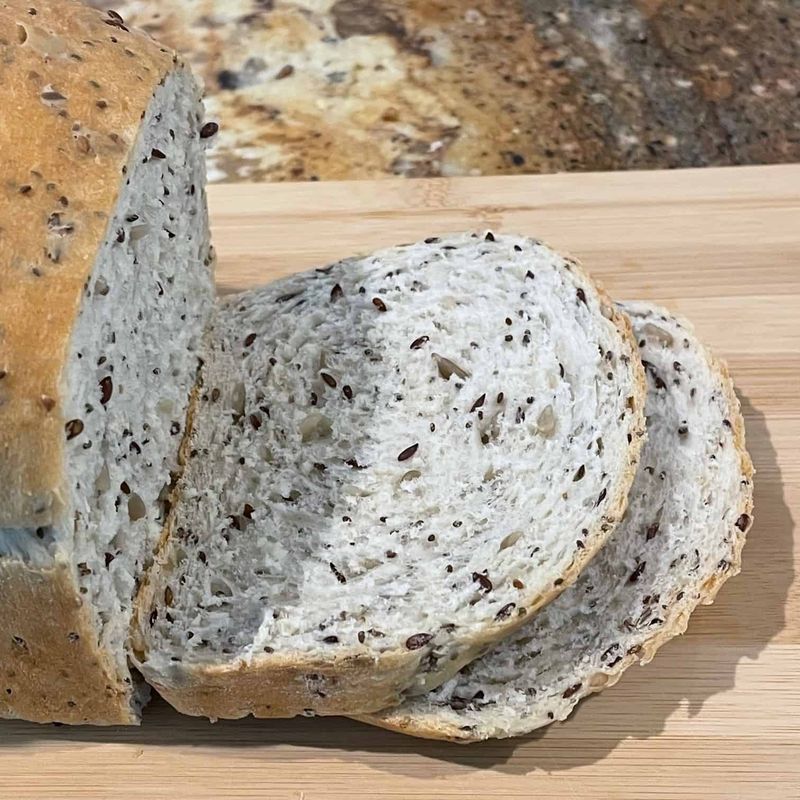
Chia seed bread is a powerhouse of nutrition, boasting an impressive amount of fiber and omega-3 fatty acids. The seeds give this bread a delightful crunch, elevating both texture and taste.
With its unique blend of flavors, chia seed bread is a favored choice for health-conscious individuals. The added fiber helps keep you full, making it easier to manage hunger and cravings. It pairs seamlessly with a variety of spreads and toppings, making it a versatile addition to your diet.
9. Multigrain Bread (Only if it’s truly whole grain)
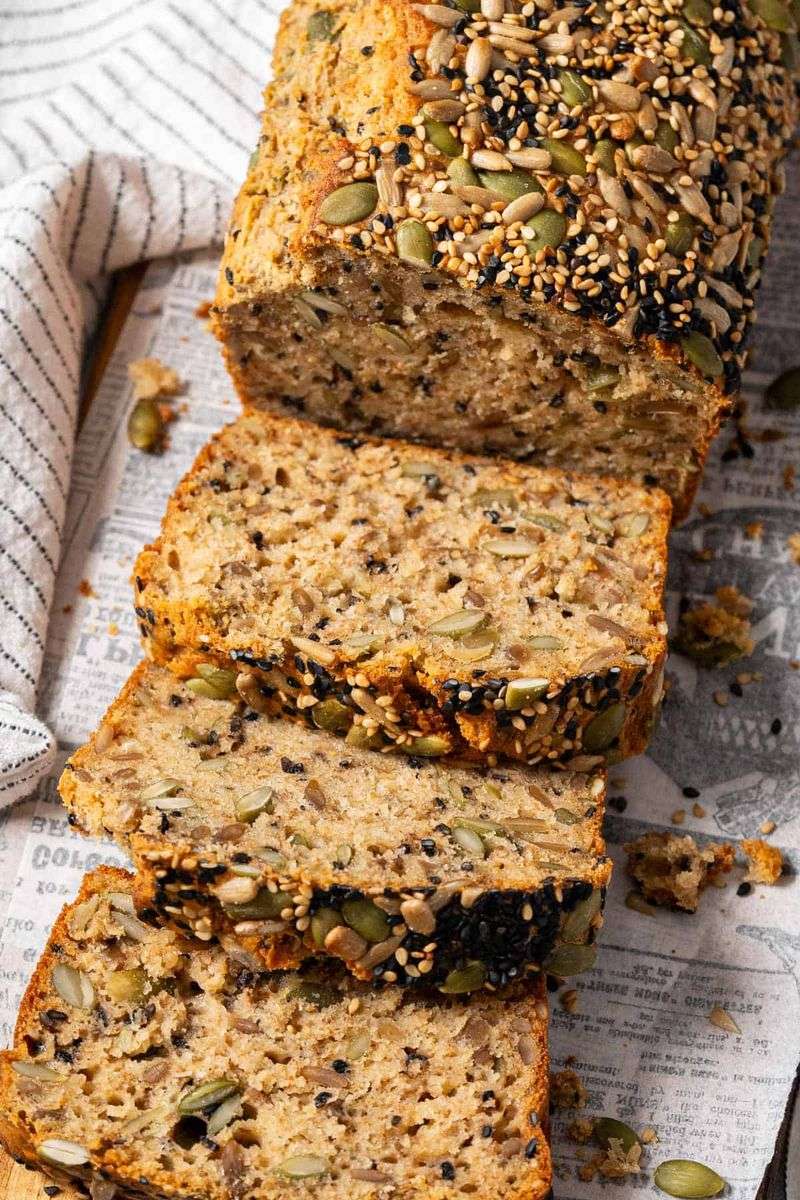
Multigrain bread can be misleading, but when genuinely whole grain, it provides a hearty, nutritious option. Packed with different grains and seeds, it offers a distinct flavor profile that appeals to diverse tastes.
This bread is renowned for its health benefits, thanks to the variety of grains contributing to its nutritional value. Dietitians recommend checking labels to ensure whole grains are listed first. It’s a delicious way to incorporate more nutrients into your meals.
10. High-Fiber Bread (5g+ fiber per serving when you can find it)
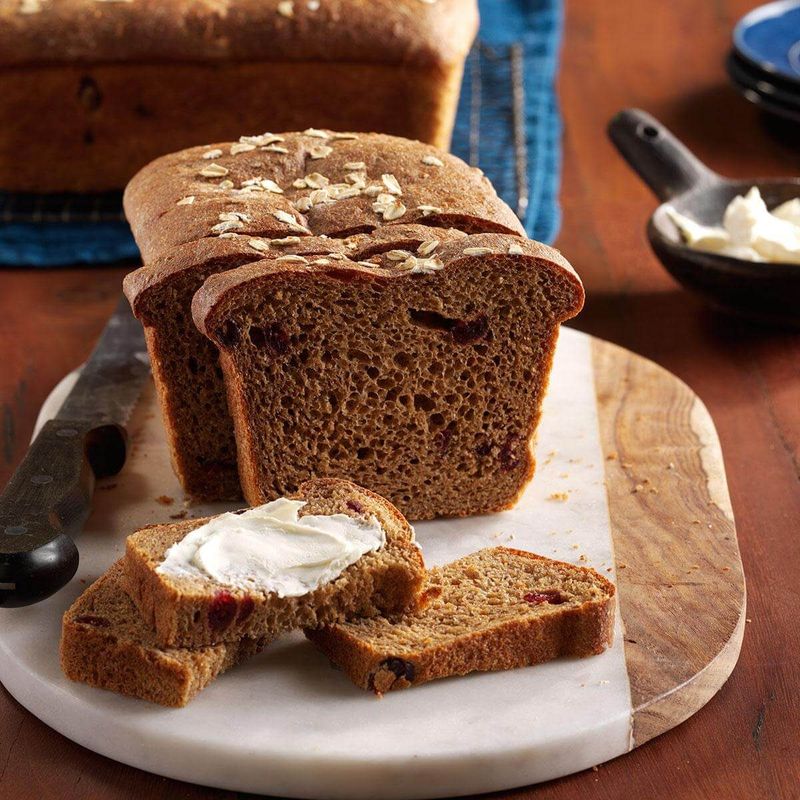
High-fiber bread is a game-changer for those looking to improve their digestive health. With at least 5 grams of fiber per serving, it supports regularity and satiety. Its hearty texture and flavor make it a satisfying choice.
Dietitians often suggest including high-fiber options for those seeking weight management solutions. The added fiber helps keep hunger at bay, reducing the temptation to snack between meals. This bread is an excellent ally for a balanced diet.
11. Lower-Sodium Whole Grain Bread
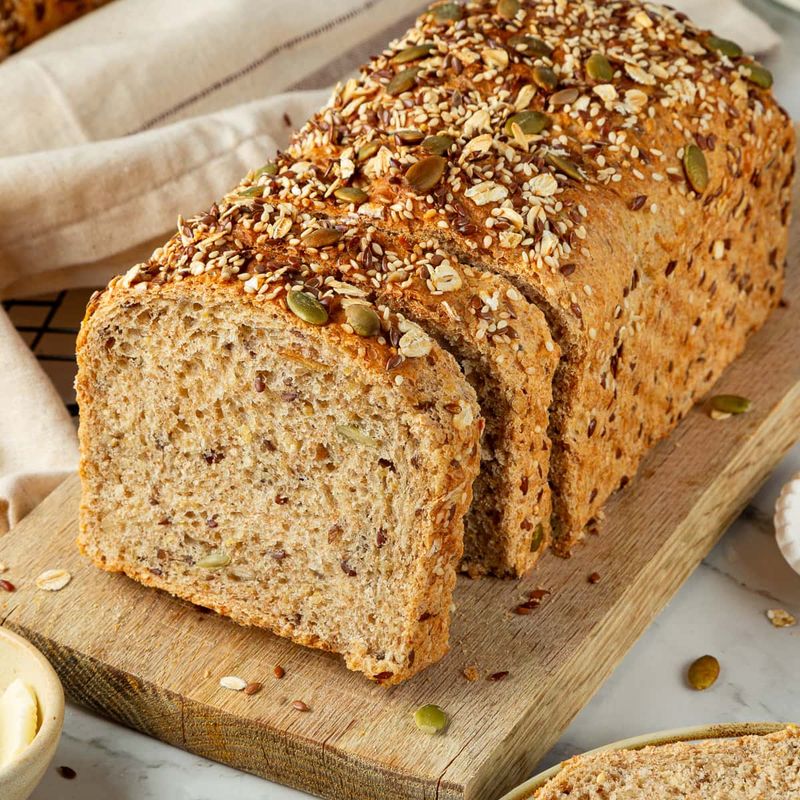
Lower-sodium whole grain bread offers a flavorful, health-conscious option for those mindful of their salt intake. Despite its reduced sodium content, it maintains a delightful taste and firm texture.
This bread is particularly beneficial for individuals monitoring their blood pressure. It allows you to enjoy the benefits of whole grains without the excess salt often found in other breads. It’s a versatile choice that pairs well with an array of toppings.
12. Whole Grain English Muffins

Whole grain English muffins present a convenient, portion-controlled option for quick breakfasts. Their light, fluffy texture makes them a favorite for toasting.
Packed with nutrients, these muffins support a balanced diet while offering a delightful taste. They’re perfect for those mornings when you need something fast yet satisfying. Top them with your favorite spreads for a nutritious start to your day.
13. Whole Wheat Pita
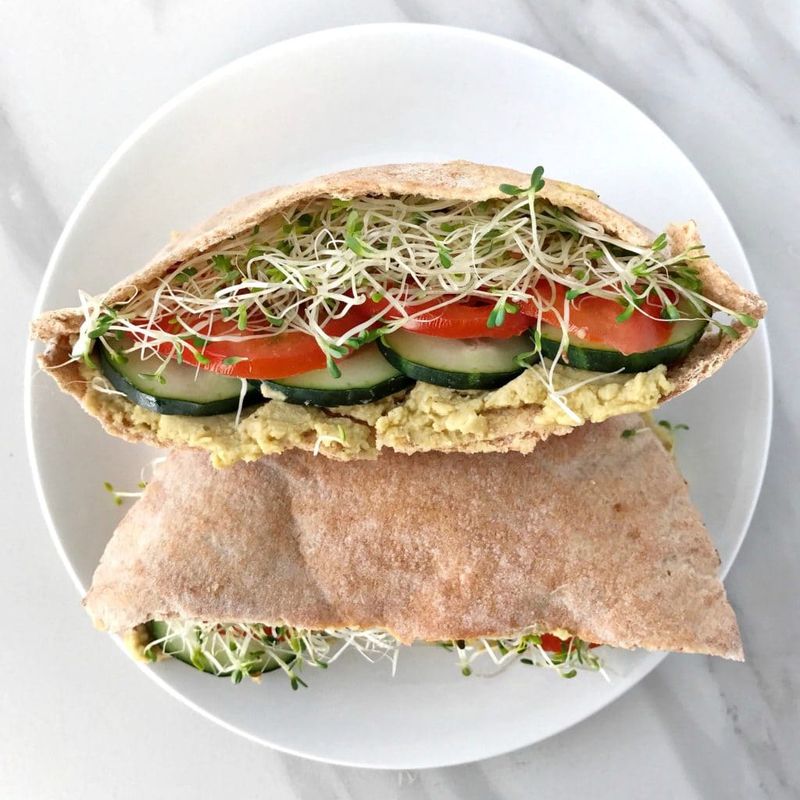
Whole wheat pita offers a versatile and healthy alternative to traditional bread. Its pocket-like structure makes it ideal for sandwiches, holding fillings securely.
Dietitians appreciate its portion-friendly nature, allowing you to control the amount of bread in your meal. The whole wheat version boosts fiber content, supporting digestion. Whether stuffed or sliced, it’s a practical choice for health-conscious eaters.
14. Whole Grain Tortillas/Wraps

Whole grain tortillas and wraps are a practical choice for those seeking a bread alternative. Their thin, flexible nature makes them perfect for wraps and burritos, offering a lower-calorie option.
Rich in fiber and nutrients, they support a balanced diet while providing a satisfying base for various fillings. Dietitians often recommend them for those looking to reduce their bread intake without sacrificing taste or texture.
15. Protein-Boosted Whole Grain Bread
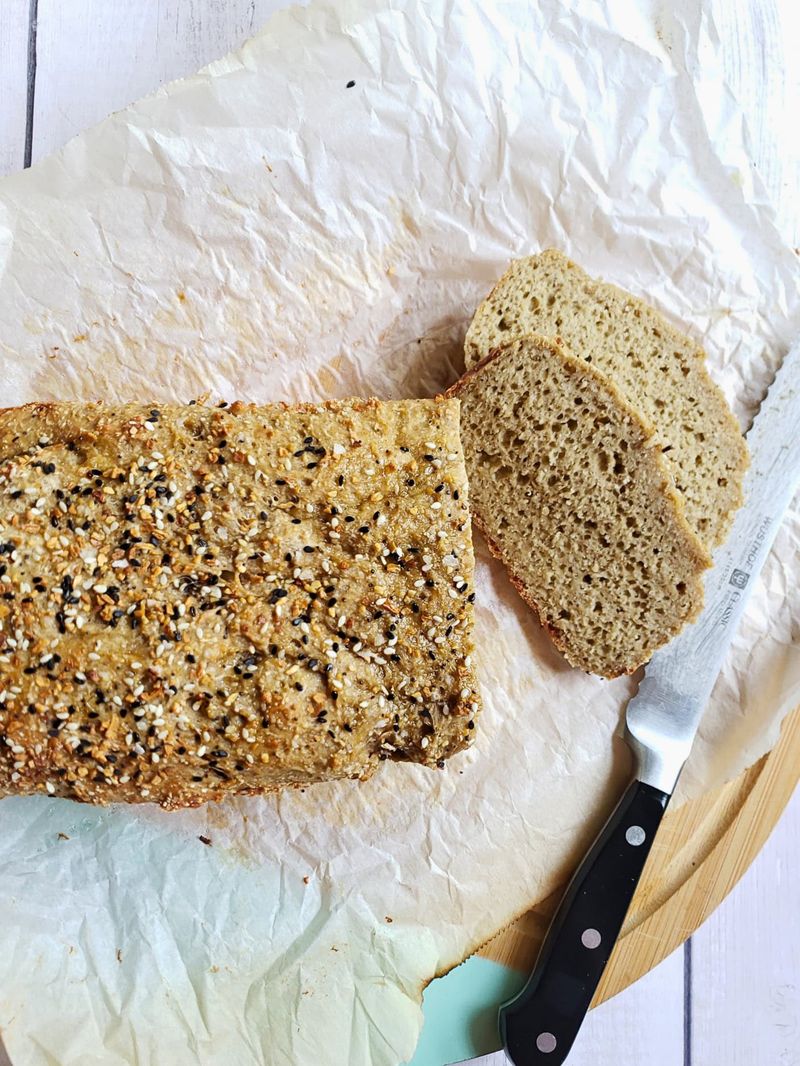
Protein-boosted whole grain bread is an innovative option for those looking to increase their protein intake effortlessly. Grains or seeds are used to enhance the protein content, making it a filling choice.
It’s particularly beneficial for people seeking to maintain or build muscle. The added protein can help with satiety, reducing the urge to snack. This bread is a robust option for breakfast or lunch, providing a nutritious foundation for any meal.
16. Gluten-Free Whole Grain Bread (brown rice, sorghum, buckwheat blends)
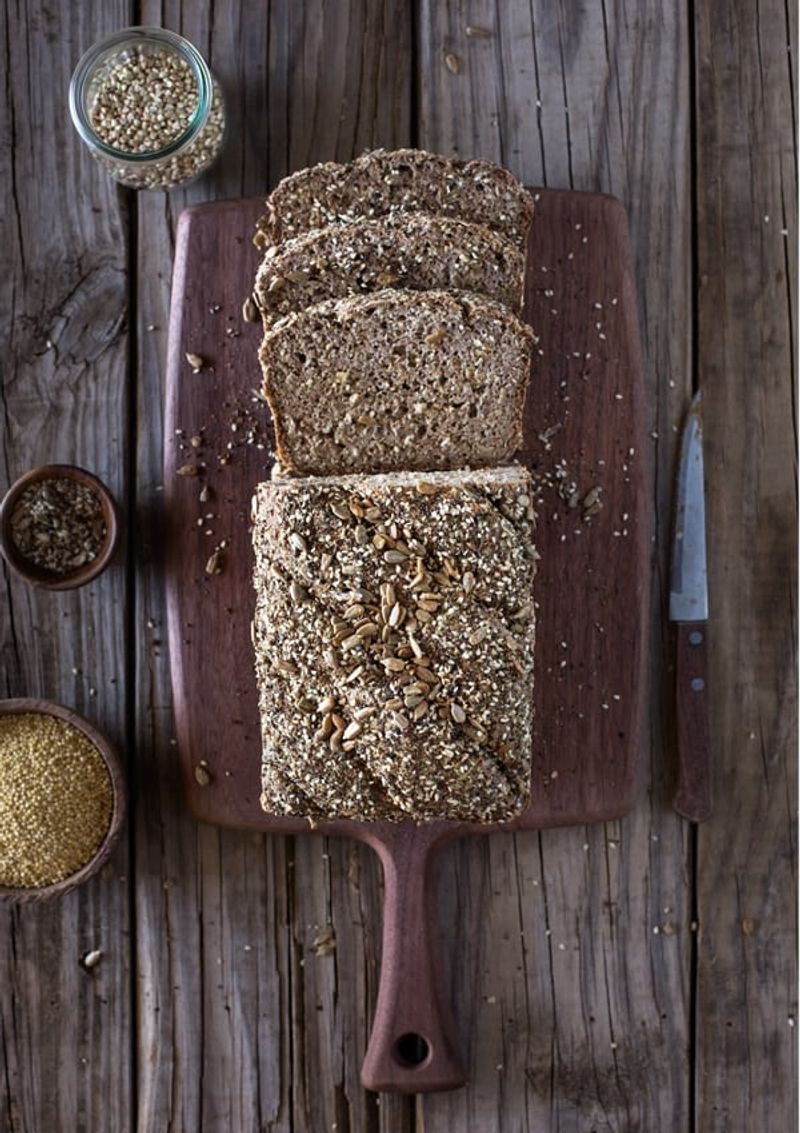
Gluten-free whole grain bread is a godsend for those with gluten sensitivities. Made with blends like brown rice, sorghum, and buckwheat, it offers a nutritious alternative to traditional bread.
This bread provides essential fiber and nutrients often missing in typical gluten-free options. Dietitians recommend checking for whole grain content to ensure you’re getting the best nutritional value. Its rich taste and satisfying texture make it a delightful addition to any meal.