16 Little-Known Facts From Ice Cream History
Think you know ice cream? The real story is wilder than a double scoop on a hot sidewalk.
From salted ice chemistry to royal kitchen showpieces, this dessert’s past is full of myths, hacks, and clever inventions that changed how we chill out. Come for the legends, stay for the surprising truths you can drop at your next sundae night.
1. Flavored Ice Came First
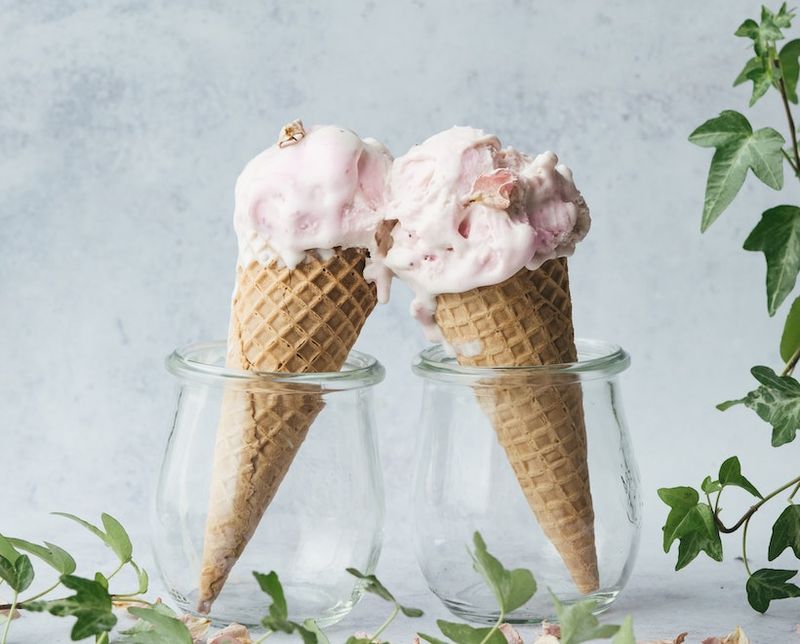
Before creamy churned delights, frozen treats started as flavored ice. Think snow or shaved ice drenched with honey, grape must, or floral syrups.
You were basically tasting winter in a bowl, sweetened and perfumed.
Across Persia, China, and the Mediterranean, people prized the refreshing chill more than richness. Dairy came later, once techniques and tastes evolved.
If you imagine a sophisticated snow cone with historical flair, you are close.
These early experiments proved one big idea: cold plus sweetness feels luxurious. Everything else, from custards to churns, built on that simple, brilliant start.
2. Salt Made Freezing Possible
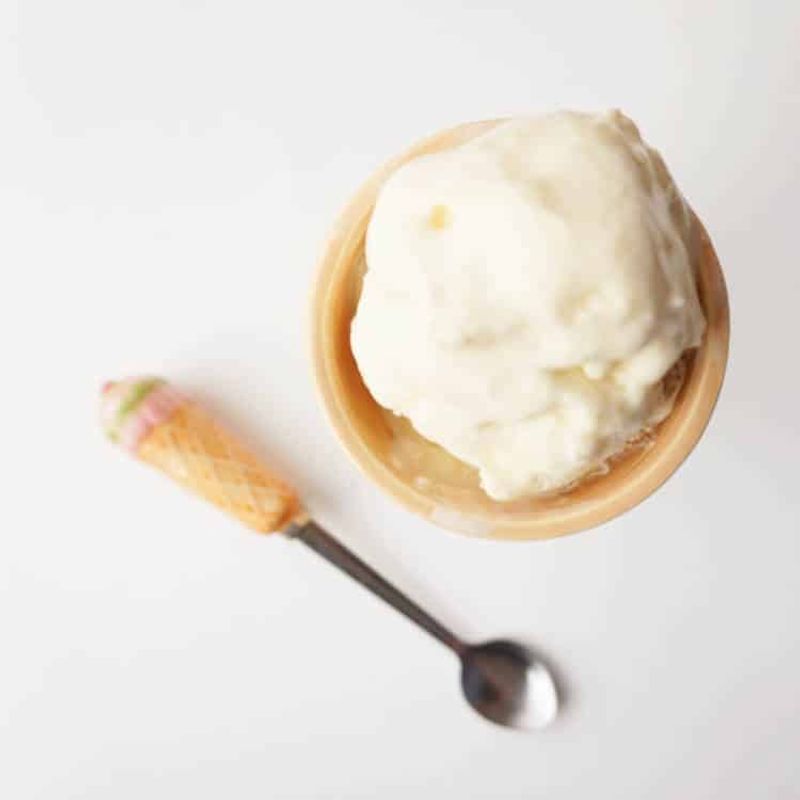
You might picture a fancy machine, but salt was the real hero. Mixing salt with ice drops the freezing point, creating a colder brine that can freeze a sweet mixture fast.
That simple chemistry turned syrup into spoonable magic.
Without electricity, cooks packed canisters in salted ice and waited for physics to work. You could hear the crackle and feel the chill deepen.
The result was a smoother, safer freeze.
Salt meant consistency, not just luck with winter ice. It democratized chilling and nudged frozen desserts from rare spectacle to workable craft, centuries before plugs and motors.
3. Hand-Powered Science Experiments
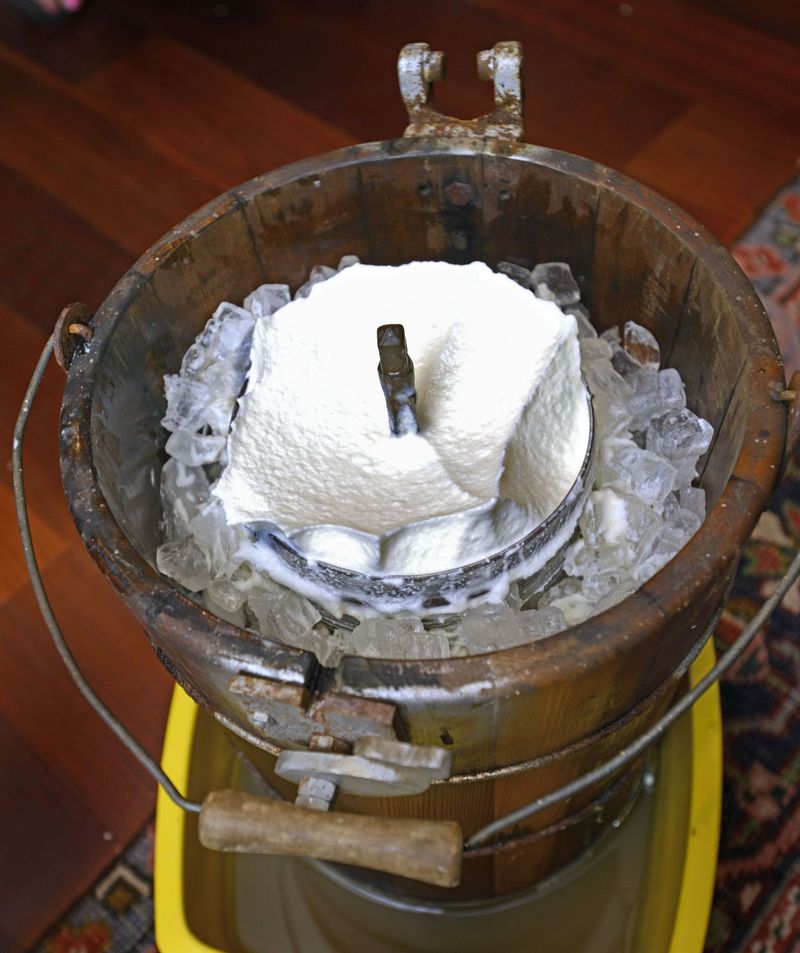
Early ice cream makers were basically manual laboratories. A metal canister sat in salted ice while someone cranked, stirred, and scraped endlessly.
The goal was preventing big crystals and building fine texture.
That constant motion mattered. No churn meant grainy results, more ice than cream on the tongue.
Smoothness was earned with patience, muscle, and a feel for timing.
Because labor cost time and money, ice cream read as luxury. Servants or hired hands powered the party.
When you savor silky scoops today, you are tasting the payoff of hard rotations.
4. Sorbet and Sherbet, Tangled Twins
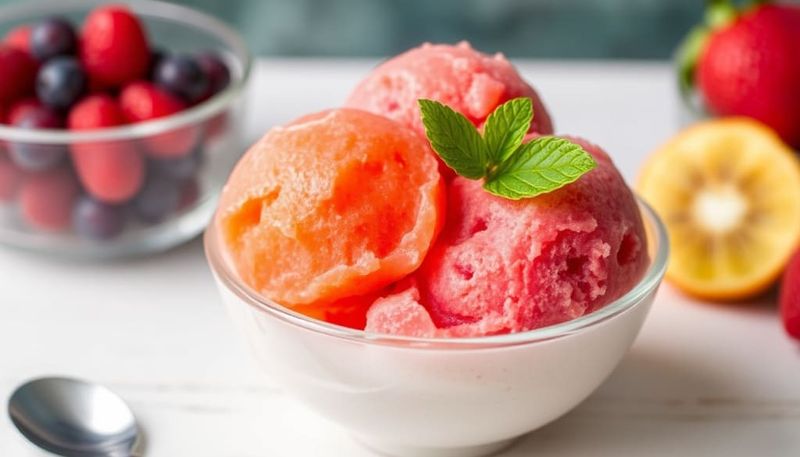
Ask three countries what sherbet means and you will get four answers. Sometimes it is a drink, sometimes a fruit ice, sometimes dairy-kissed.
Sorbet, usually dairy-free, kept closer to fruit and sugar.
Names drifted with trade routes and translation. Ottoman sharbat inspired European sherbet, then recipes morphed in kitchens and confectioneries.
You could sip, spoon, or almost chew versions over centuries.
If the labels confuse you, history did that first. What mattered was refreshment, color, and bright flavor.
The modern grocery freezer only later tried to pin definitions down.
5. Court Kitchens and Status
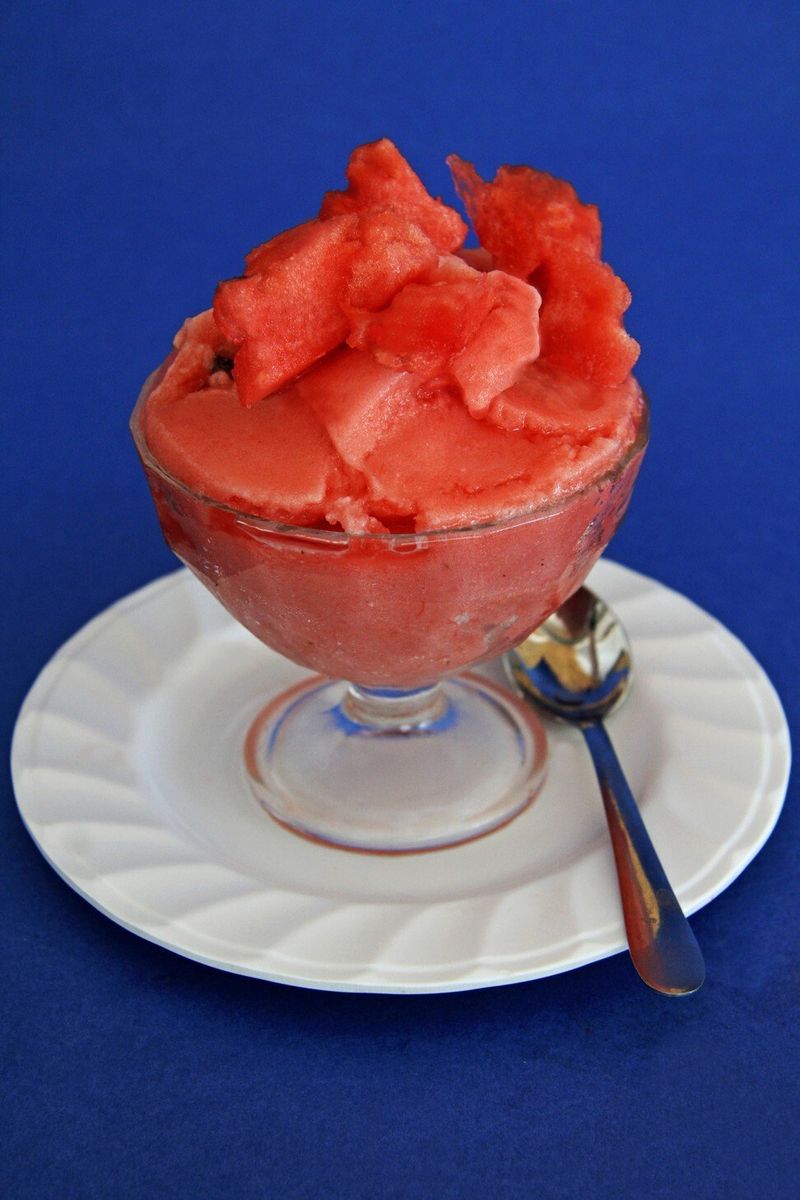
In Europe, frozen sweets signaled power. You needed ice houses, storage, skilled cooks, and time.
Serving a chilled dessert said, we control seasons and supply chains.
Court kitchens turned ice cream into theater. Elaborate centerpieces arrived frosted like jewels.
Guests gasped, then gossiped, cementing the dessert as an elite calling card.
Behind the spectacle, logistics ruled. Harvested winter ice, insulated pits, and coordinated staff made summer snow possible.
When a spoon cracked through a glossy surface, it was wealth you could taste and see.
6. The Catherine de’ Medici Legend

People love saying Catherine de’ Medici introduced France to frozen wonders. It is a great story, tidy and dramatic.
Historians usually shrug, calling it legend wrapped around slower change.
Culinary habits shift through trade, migration, taste, and tools, not one royal suitcase. Still, the tale persists because it is deliciously simple.
One queen, one dessert, instant transformation.
Reality is fuzzier and more interesting. Techniques spread, recipes adapted, and cooks improvised.
If you hear Catherine credited at a dinner party, smile kindly and add, the truth melts into many kitchens.
7. Marco Polo and the Myth Trail
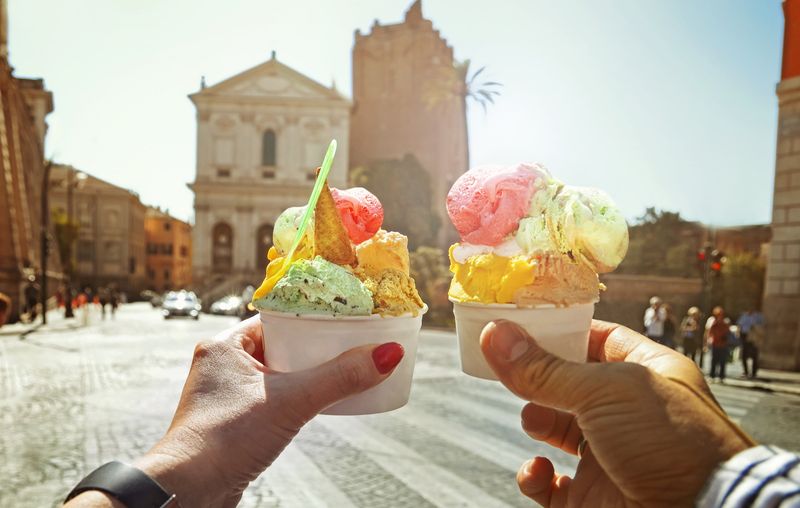
Another favorite tale ties Marco Polo to ice cream’s European debut. It sounds perfect: explorer returns with secret frozen knowledge.
Documentation, though, stays thin and wobbly.
What you get instead is folklore, echoes, and later retellings. Many cultures had cold sweets without needing a single courier.
Stories grow like frost on windows, lovely but not structural.
Still, the myth shaped how people imagine culinary exchange. We crave neat origins.
The truth usually involves many hands, regional tweaks, and the patient march of technique crossing borders.
8. Neapolitan Was Smart Marketing
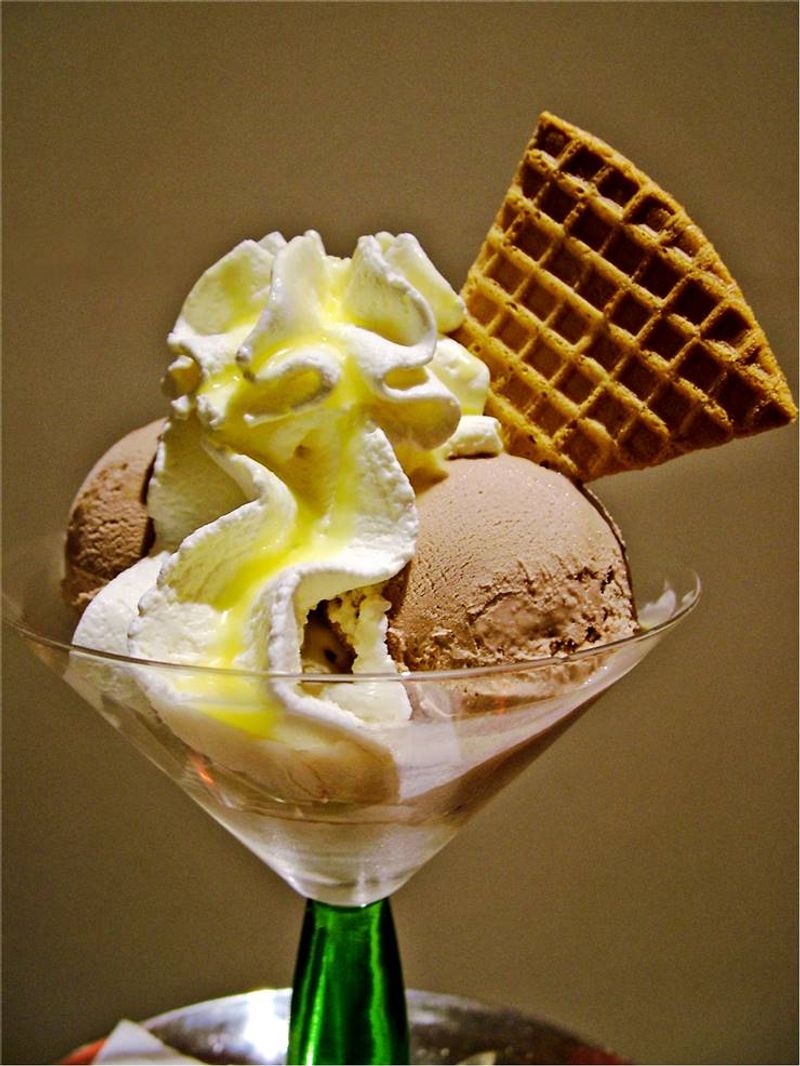
Neapolitan feels like a single invention, but it is really presentation genius. Three flavors lined up promised choice and visual punch.
Vendors could please a crowd without juggling endless tubs.
Italian influence helped frame the style, yet the appeal was practical. Slices traveled neatly, colors sold themselves, and families compromised peacefully.
You could say it democratized dessert decisions.
Over time, the trio became an icon. Not because rules required it, but because the format worked everywhere.
Marketing met appetite, and a striped brick won hearts and freezers.
9. Seasonal Business Before Fridges

Before reliable refrigeration, ice cream rode the calendar. Winter meant harvesting blocks, stacking them in sawdust, praying they lasted.
Summer meant selling fast while crowds lined up for cold relief.
Prices and availability swung with weather and storage. A warm spring could shrink supplies and profits.
Your cone depended on last January’s labor and luck.
Seasonality made ice cream feel fleeting and special. People remembered the first hot day’s scoop like a holiday.
Home freezers eventually flattened those curves, but the old rhythm shaped habits and expectations.
10. Chocolate Took Time To Dominate
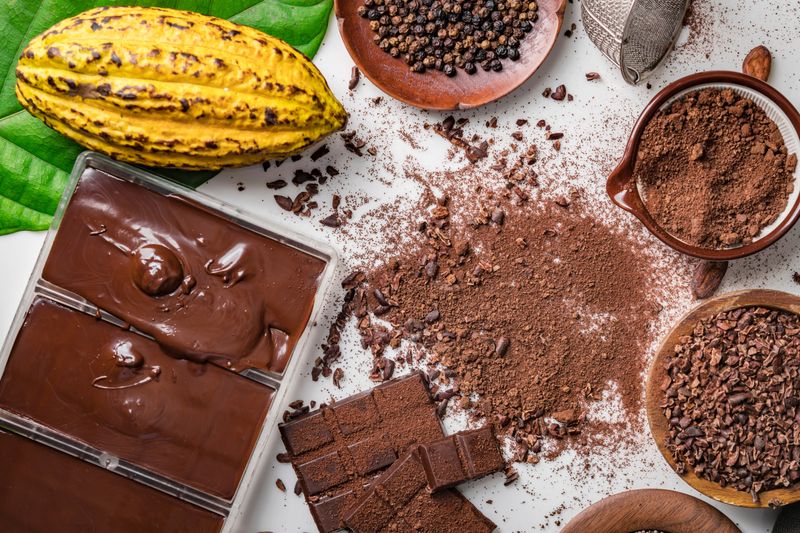
Chocolate screams obvious ice cream flavor today, but it was once pricey and drink-focused. Early recipes treated cocoa like a tonic or luxurious beverage.
Folding it into frozen custards took resources and creativity.
As supply chains stabilized and costs dropped, chocolate moved from rarefied cup to everyday scoop. Texture and emulsification challenges had to be solved, too.
Getting smooth, not gritty, mattered.
When chocolate finally settled into freezers, it never left. Now it anchors menus and pints.
Behind that familiarity sits a long path of trade, technique, and taste aligning.
11. The Cone Solved a Mess
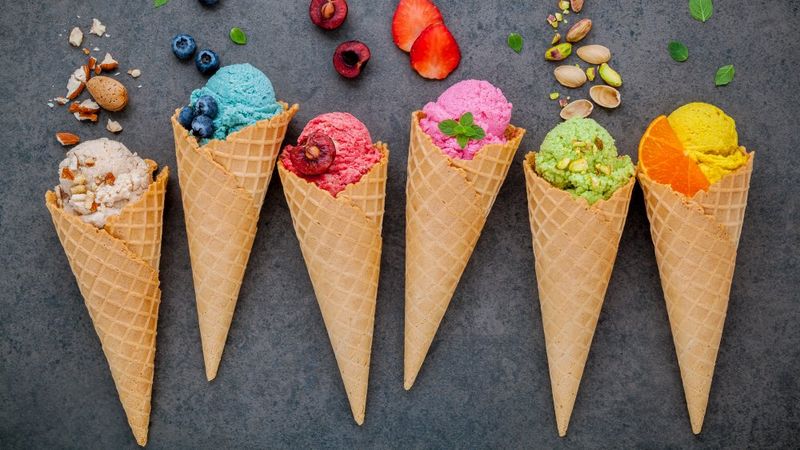
Cones changed the game by turning serving ware into a snack. No dish to wash, no spoon to lose, fewer drips on the go.
For street vending, that was gold.
Edible containers had existed, but mass popularity blossomed when fairs and urban strolls met ingenious bakers. Roll a waffle, hand it over, keep the line moving.
You enjoyed portability and crunch together.
Debates about who did it first will never fully settle. The idea’s timing fit the moment.
Public snacking needed neatness, and cones delivered with style.
12. Ice Cream Parlors Shaped Social Life
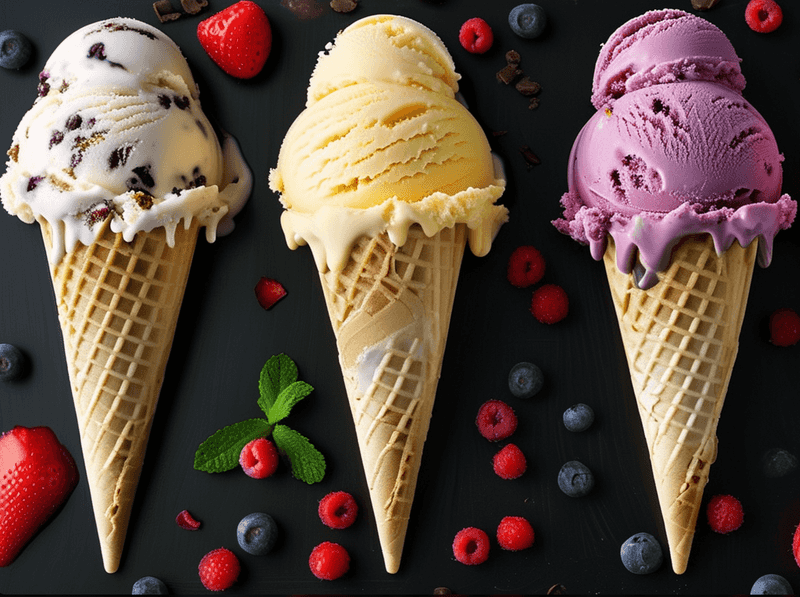
Ice cream shops became third places before we used that term. You could meet friends, bring kids, and linger without alcohol.
A banana split felt like a ticket to belong.
Soda fountains and parlors stitched neighborhoods together. Clerks learned regulars, teens flirted, and grandparents told stories over malts.
The space itself sweetened the scoop.
As cities changed, these counters offered gentle nightlife. Bright lights, tinkling glasses, and shared treats made socializing easy.
Even now, a booth and a sundae can turn strangers into cheerful acquaintances.
13. Home Freezers Changed Expectations
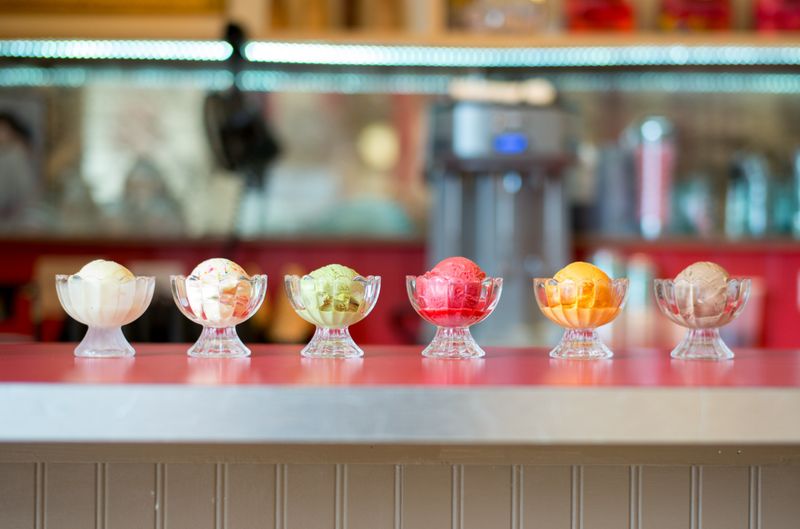
When households got reliable freezers, ice cream shifted from outing to staple. You no longer waited for a parlor visit or summer cart.
A pint sat ready for Tuesday night.
That convenience nudged brands to chase stability. Formulas targeted longer shelf life, cleaner scoops straight from cold storage, and flavors that stayed true.
Texture became a promise.
Home storage also rewired habits. Parties stocked multiple pints, and late-night cravings met quick satisfaction.
The freezer normalized everyday indulgence, transforming ice cream from event dessert to familiar companion.
14. Air, Also an Ingredient
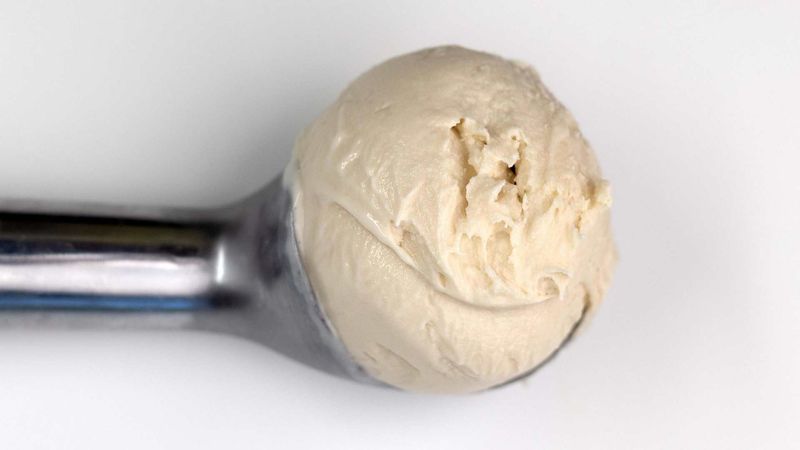
Commercial ice cream includes air, called overrun. Whipped in during churning, it changes body, scoopability, and melt.
You feel it as fluff or density on your spoon.
Higher overrun can mean lighter texture and lower cost per tub. Lower overrun reads as richer and heavier.
Brands build identities around that dial, from cloudlike to custard-thick.
You may not see air, but you taste its choreography. It carries aromas and softens cold shock.
Next time a scoop feels remarkably plush, thank tiny bubbles doing invisible, crucial work.
15. Molded Showpieces Were Sculpture
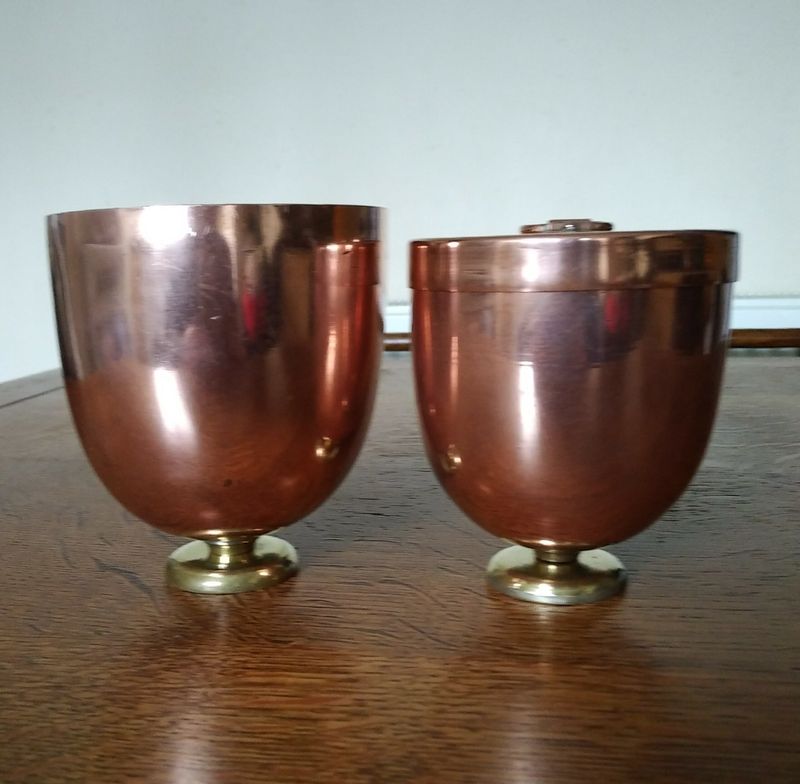
Before pints ruled, molded ice creams stole the show. Cooks layered colors and flavors into copper shapes, then unveiled edible sculptures at dessert.
The gasp was part of the recipe.
Think bombes, pyramids, fruits that looked peeled, then reassembled in cream. Texture, timing, and temperature control were everything.
A few degrees decided triumph or puddle.
These pieces announced skill and resources. They demanded staff, patience, and ceremony.
Even today, a well-turned mold feels theatrical, reminding you dessert can be architecture as much as taste.
16. Famous Names, Fuzzier Facts
Stories link Napoleon and other celebrities to favorite flavors or inventions. Some are plausible, many are foggy.
Fame sticks to desserts like sprinkles, even when sources are thin.
These tales reveal more about culture than proof. People wanted elite tastes to bless everyday treats.
If a conqueror loved vanilla, your scoop felt momentous.
Historians sift anecdotes, letters, and menus, often finding smoke but little flame. Still, the myths travel well.
They show ice cream rising high enough to attract legends and dinner-party name drops.