16 LongHorn Steakhouse Dining Rules That Keep Service Running Smoothly
LongHorn runs best when guests and the team move in sync. A few smart choices from you can keep steaks timed perfectly, drinks landing right, and the whole table smiling.
Think of this as your insider guide to getting great food faster without the hiccups. Follow these simple rules and you will feel the difference from the first hello to the final check.
1. Decide your steak temperature early
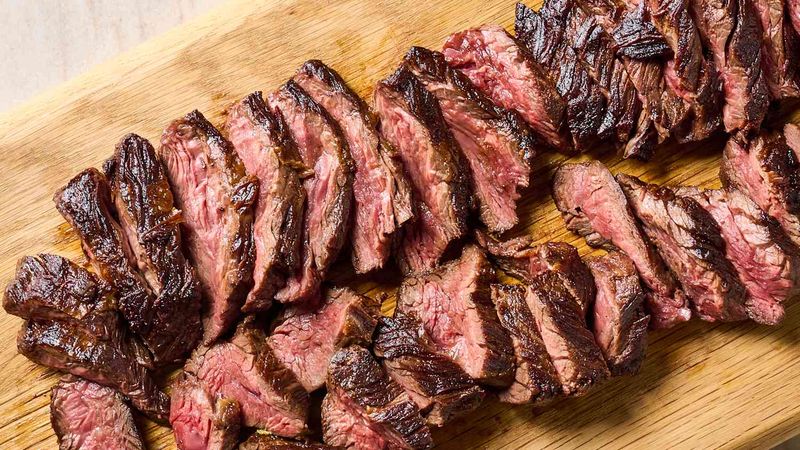
Decide how you want that steak cooked before the server walks away. Rare, medium rare, medium, medium well, or well changes how long your entrée takes, and the entire table’s pacing hangs on that call.
If you are unsure, ask for a quick recommendation and commit.
When you lock your temp early, the kitchen fires accurately and sides can be sequenced to land hot. Waiting or changing your mind midstream slows things and sometimes overcooks other items.
Confidence helps everyone.
2. If you are splitting, say it up front
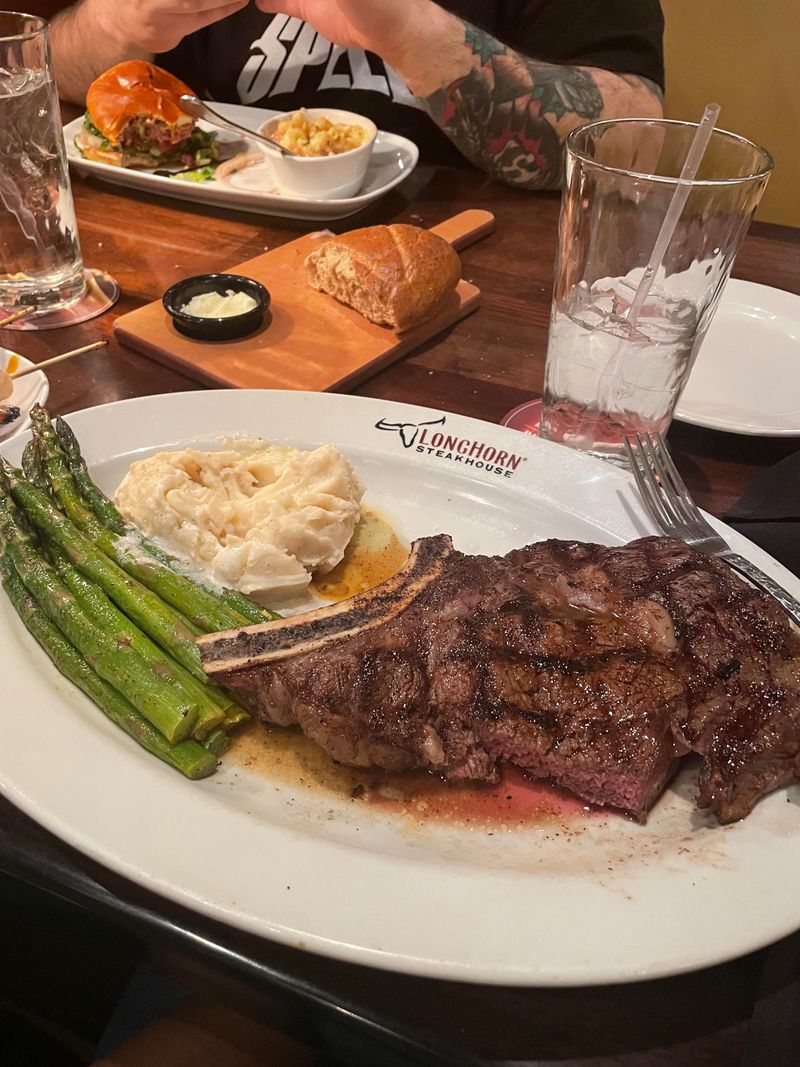
Splitting entrées, appetizers, or checks is totally fine. The key is telling your server at the start so they can stage plates, extra shareware, and proper pacing.
Last second splits mean extra runs for plates, silverware, and system changes right when food is ready to leave the window.
Speak up early and everyone wins. You will get clean divides, hot food, and fewer interruptions.
If you know you will split sides or a steak, mention how you want it portioned to avoid mid-meal reshuffles.
3. Keep modifications reasonable during rush
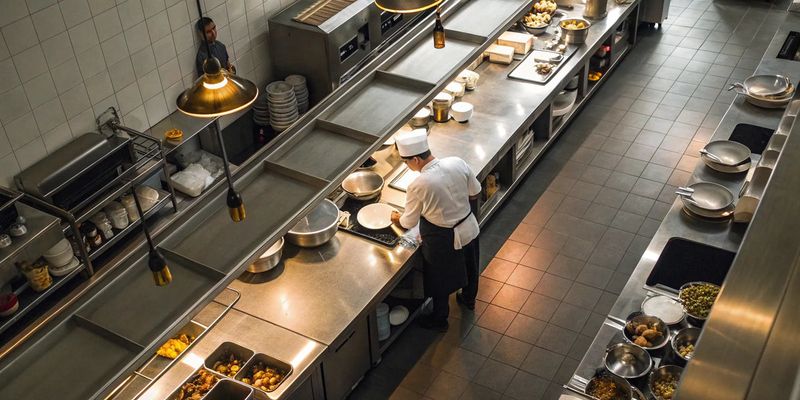
A tweak or two is totally manageable. But building a custom jigsaw of swaps, sauces, and extra doneness during peak rush throws off standardized timing.
Steakhouses thrive on repetition because it keeps your plate hot and accurate.
If you have special needs, call them out concisely. Otherwise, trust the menu’s pairings and let the kitchen execute.
You will get faster food and better consistency, and the grill team will not have to pause a whole board of steaks to solve a single special case.
4. Do not audible after the order is fired
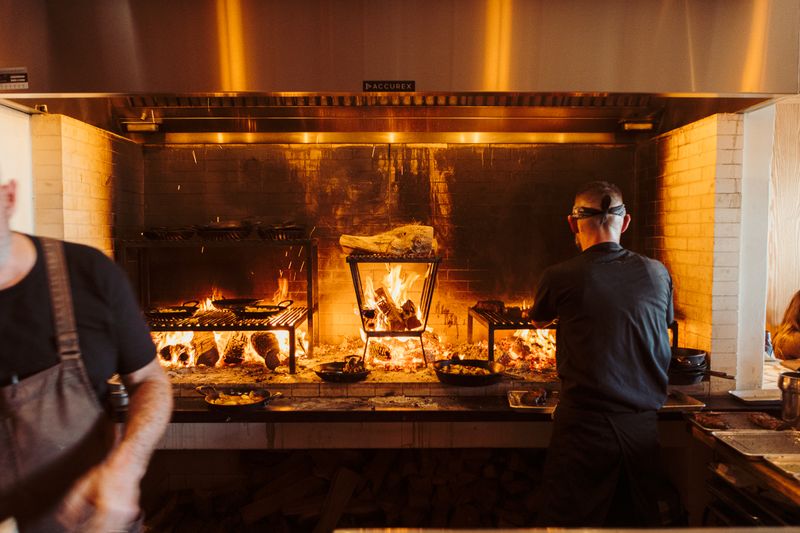
Once your order is fired, the kitchen is already cooking and coordinating sides. Changing your mind then creates waste, delays, and confusion, and it can push your table’s pacing off track.
If you are torn, ask questions first, then commit confidently.
Your server can help you choose the cut, temp, and sides before tickets print. After that, switching gears often means starting over.
Stick with the plan you approved and your food arrives hot, correct, and in sync with the rest of the table.
5. Call out allergies clearly and immediately
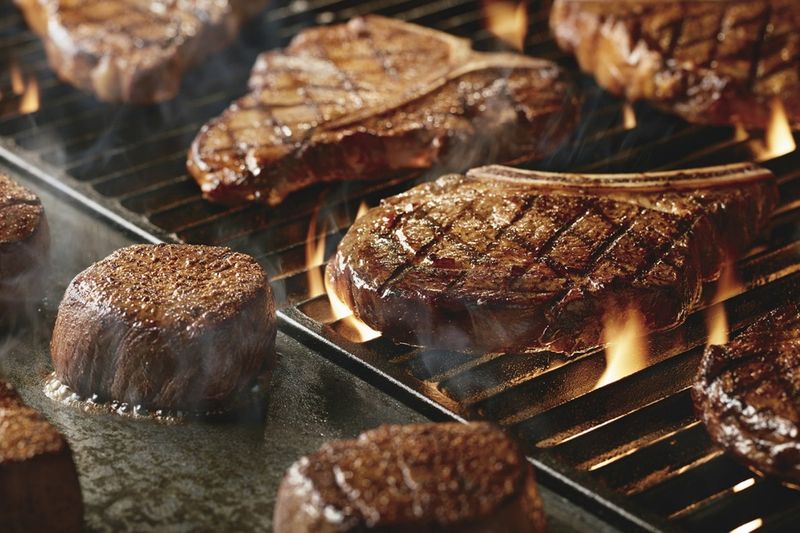
Allergies change the playbook. They can require dedicated tools, separate prep areas, or different sauces, and that needs time to set up right.
Tell your server immediately and confirm details so the kitchen can flag and follow the proper protocol.
Clear early communication keeps you safe and the line flowing smoothly. Expect a few extra minutes for careful handling.
The payoff is peace of mind and fewer last minute scrambles. When in doubt, ask for ingredient info and trust the process that keeps cross contact risks low.
6. Order appetizers strategically
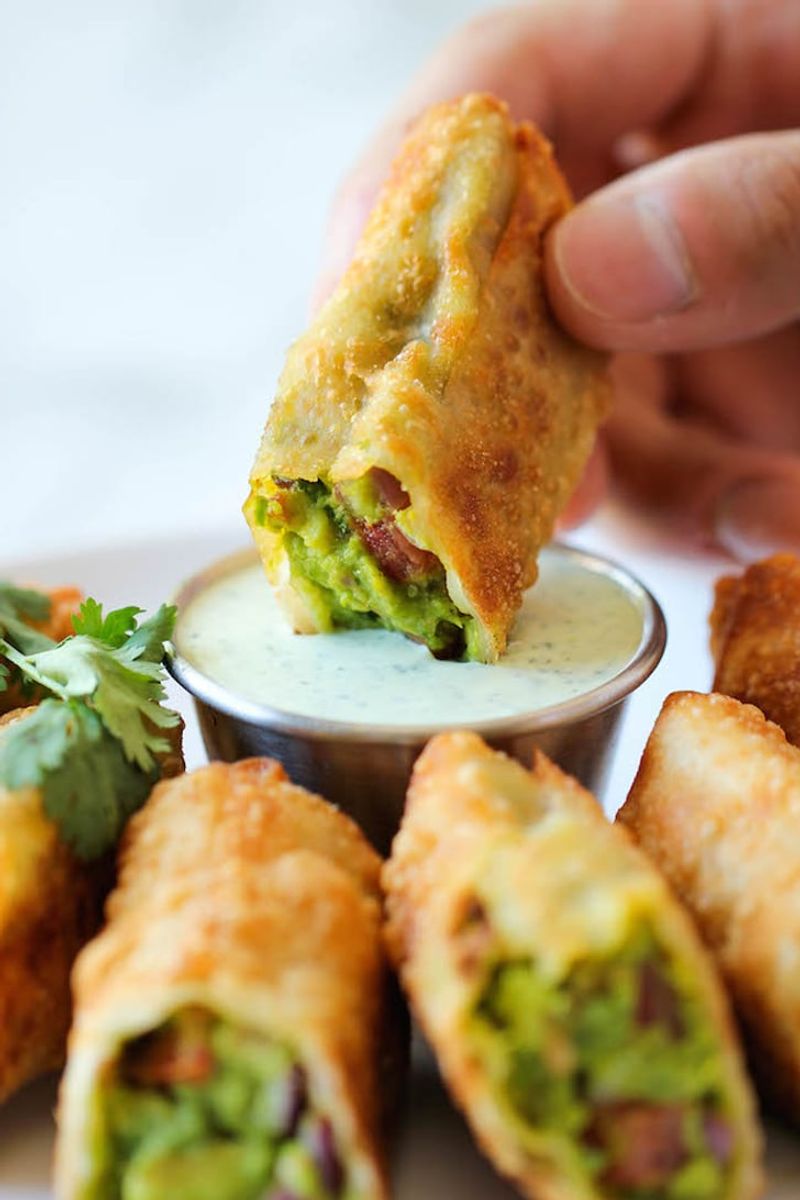
If you want apps, order them right away so they can land before entrées. Asking for an appetizer after salads often means everything collides at once, crowding the table and cooling your mains.
Early orders let the kitchen stage fryers, ovens, and finishing touches efficiently.
Think of appetizers as the opening act. Get them in first, enjoy them hot, and give your server room to pace salads and steaks afterward.
Your meal flows better, and nothing sits under a heat lamp waiting for space.
7. Go easy on extra hot requests
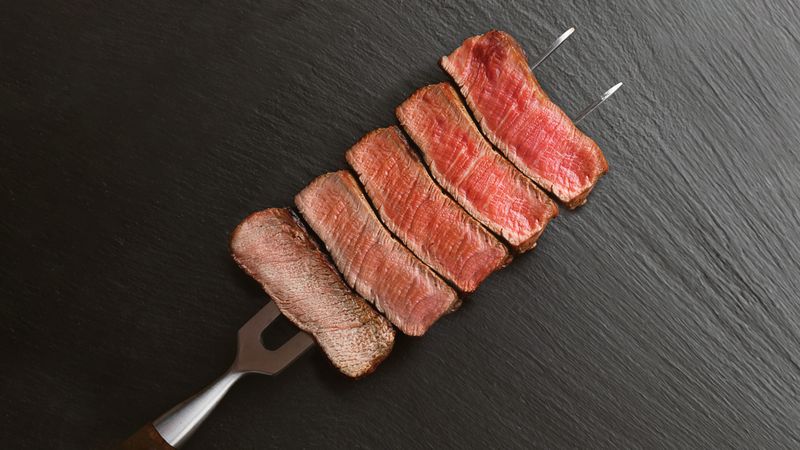
Asking for extra hot sounds harmless, but keeping plates under heat longer can dry out steaks or wilt sides. The kitchen already aims for hot, fresh food timed to your table.
Let them run the play as designed and you will taste the difference.
If you truly need hotter, tell your server once, not repeatedly. Expect a minute more and possible tradeoffs in texture.
Most of the time, trusting the standard timing delivers the best balance of heat, juiciness, and crispness.
8. Pick a table communicator in big groups

Big groups move faster when one person answers quick questions like sauces, sides, and splits. Without a point person, the server makes multiple trips to clarify small details, and that stacks minutes.
A designated communicator keeps the order tight and accurate.
Before the server arrives, settle key choices and give that person authority to confirm. You will see appetizers drop sooner, drinks flow smoother, and fewer mid-meal corrections.
Simple coordination beats chaos when the room is humming.
9. Bundle refills and condiments in one ask
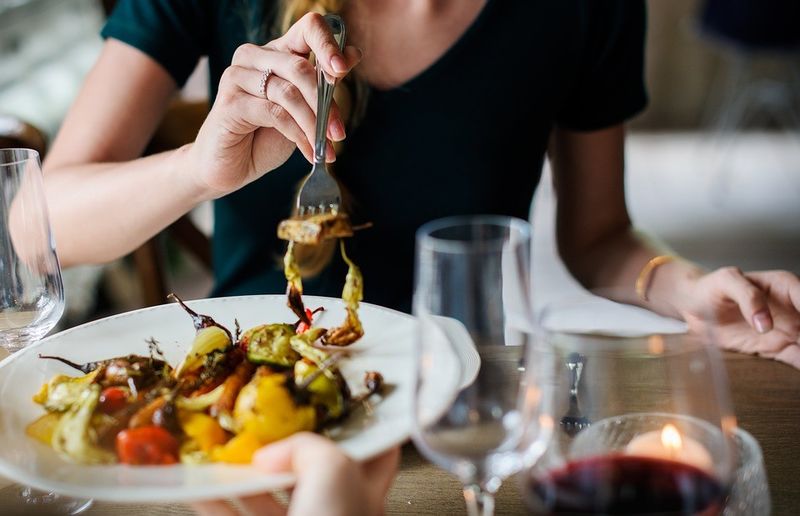
Need a refill, ranch, ketchup, and extra napkins. Ask for them together.
It saves multiple laps across a busy dining room and gets everything to you faster in one tidy drop. Servers love a bundled request because it respects time and reduces misses.
Before your server returns, do a quick table check and list what you need. You will cut down on interruptions and keep meals hot.
One trip, many solves, happier everyone.
10. Keep kids orders simple and early
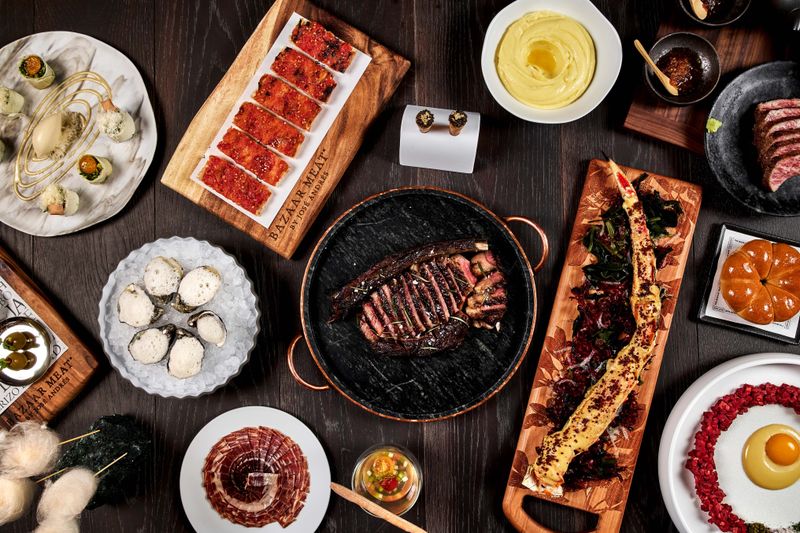
Hungry kids can tip a whole table off balance. Order their meals early and keep choices simple so the kitchen can fire them fast.
Many kids items are designed to come out quickly, which buys time for adults to settle in without meltdowns.
Ask your server to stage the kids plates slightly ahead of entrées. Happy kids equal smoother pacing and relaxed conversation.
You will thank yourself when your ribeye arrives hot and you are not scrambling for snacks.
11. Start cocktails early if you want them

Bar timing runs on its own clock. If cocktails are part of your plan, order them early so they can land before food rolls out.
That keeps the meal paced and avoids drinks arriving after your steak is already on the table.
Share any preferences upfront, like spirit, sweetness, or garnish. Early clarity means round one hits before appetizers, and refills can be timed cleanly.
Enjoy the sip, then the steak.
12. Mention dessert interest when entrées arrive
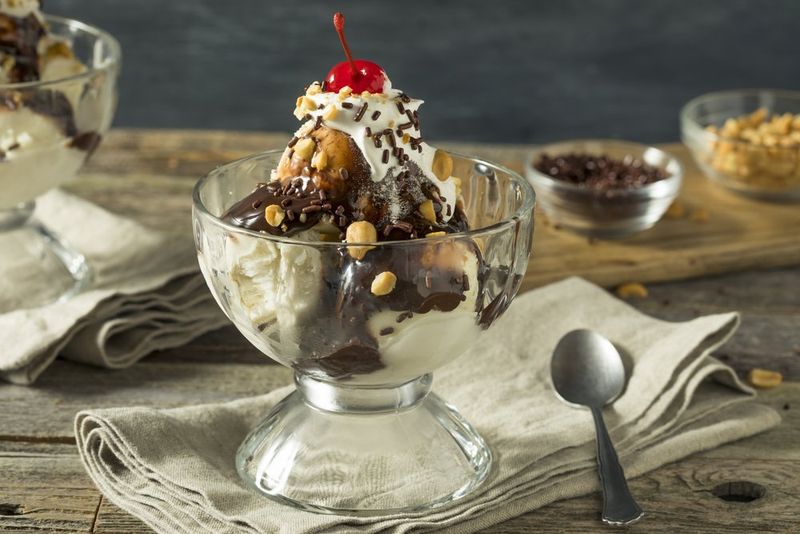
You are not locking it in, just signaling. Some desserts bake or prep longer than expected, and a heads up lets the server stage it without stalling your check.
Mention dessert interest when entrées hit so pacing stays smooth.
If you change your mind, no harm done. But if you still want it, your timing will feel intentional, not tacked on.
That little cue often means sweet endings without long waits.
13. Do not seat hop without telling anyone
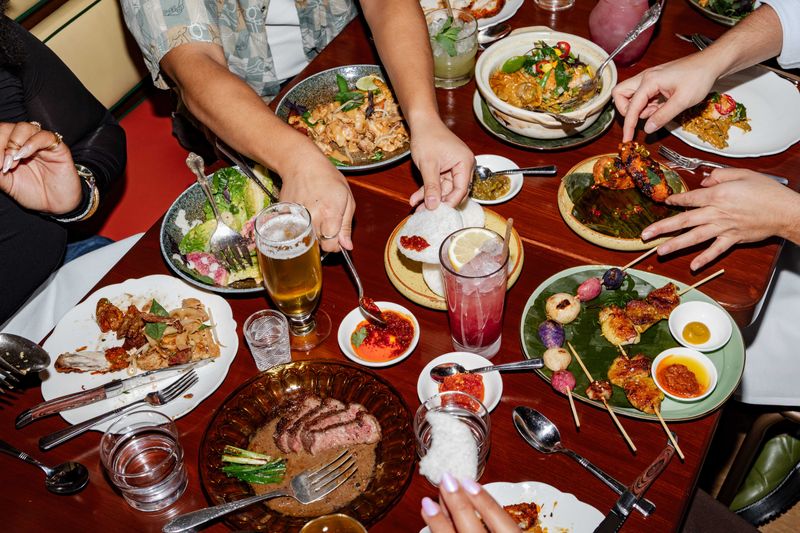
Switching seats mid-meal confuses runners and increases the chance of a steak landing in front of the wrong person. Hot plates, sauces, and rare versus medium plates are tracked to seats, not faces.
If you must swap, just tell your server first.
They will update the map and avoid misfires or awkward reaches. A quick heads up keeps the flow tight and protects temperatures.
No one wants their perfectly cooked ribeye cooling while the table plays musical chairs.
14. Speak up immediately if something is wrong

Problems happen. Tell your server right away so they can fix it while the rest of the table stays on pace.
Waiting until the end removes the chance to correct and can sour an otherwise great meal.
Be specific about what is off. Temperature, seasoning, or missing sides can usually be resolved quickly.
Quick honesty leads to better outcomes, and the team genuinely wants to get it right for you.
15. Tip based on the work involved
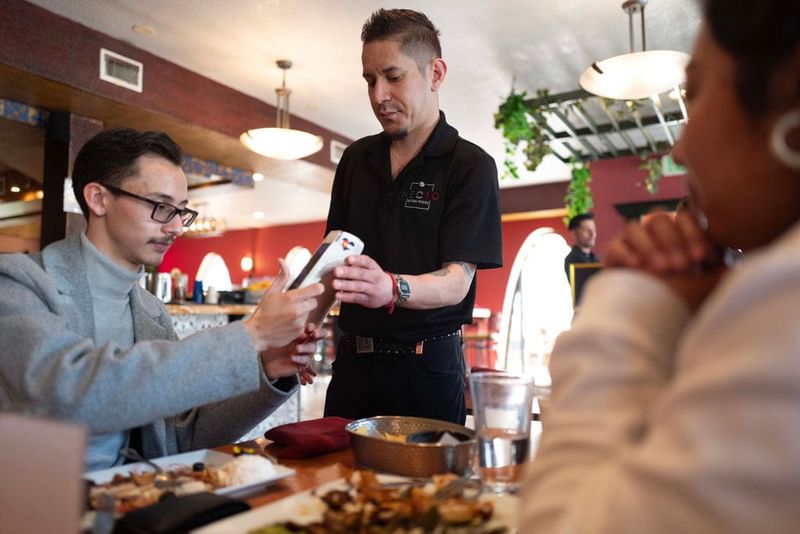
Great steakhouse service is labor intensive. Timing salads, steak temps, sides, sauces, refills, and hot plates takes skill and hustle.
Tip with that in mind, not just whether your steak tasted great. You are rewarding coordination, attention, and heat management.
If the team kept everything moving smoothly, acknowledge it. Good tipping fuels good staffing, which fuels good experiences.
Your appreciation keeps the ecosystem healthy for the next visit.
16. Ask for the check before you are racing the clock

If you are in a hurry, ask for the check a few minutes before you plan to leave. That way you are not waiting while your server is running entrées for another table.
Paying on your timeline prevents end-of-meal frustration.
Let them know if you need separate checks or a quick pay. Clear signals make for a clean exit, and you will walk out smiling instead of clock-watching.
Smooth service has a smart finish too.